
Museums love to project an image of quiet, orderly authority – glass cases, hushed lighting, neatly typed labels that seem to know everything. Walk through any major institution and you’d assume every object is exactly what the placard says: verified, ethically acquired, permanently on view, untouched since the day it was unearthed.
None of that is guaranteed. Curators, conservators, and provenance researchers have quietly admitted otherwise in academic journals, museum reports, and investigative reporting for years – you just weren’t meant to piece it all together in one place. Here’s what actually happens behind the velvet rope, counted down from the merely surprising to the genuinely unsettling.
#18 – Most of the Collection Is Locked Away, Not on Display
The building you’re walking through right now is a tiny fraction of what the museum actually owns.
Public collections regularly show only a sliver of their total holdings. The exact percentage varies by institution, but figures as high as 95% in storage are commonly cited, which raises real questions about public access. That means for every object in the gallery, there could be nineteen more sitting in a climate-controlled warehouse you’ll never enter.
It’s not just small regional museums either. On average, only about five percent of a museum’s permanent collection is on display at any one time, and for some it’s even less. The International Council of Museums has noted that certain museums store as much as 99 percent of what they own, meaning the public galleries are essentially a highlight reel of a much larger, mostly hidden archive.
Fast Facts
- On average, only about 5% of a museum’s permanent collection is on public display at any time.
- Some institutions store as much as 99% of what they own.
- The remaining 95%+ typically sits in climate-controlled, off-site storage.
- Storage facilities require constant humidity and temperature regulation, even for objects no one sees.
#17 – That “Ancient” Object You Photographed Might Be a Stand-In
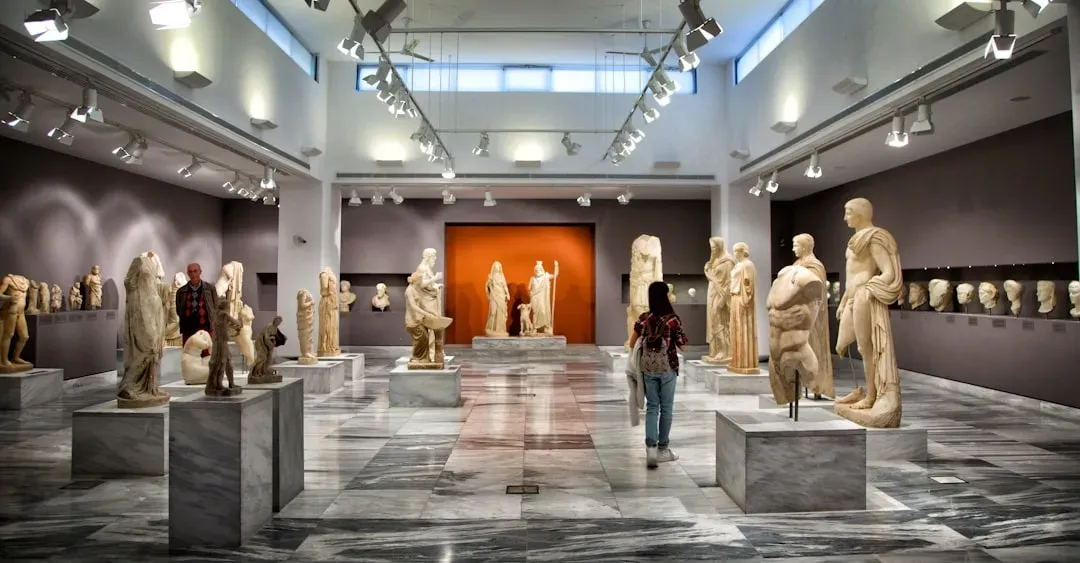
Not everything behind glass is the real thing, and museums don’t always make that obvious.
Some of the most visited institutions in the world quietly swap originals for casts. At the U.S. Holocaust Memorial Museum, visitors can smell the shoes confiscated from the Majdanek concentration camp, but the gate to Auschwitz’s main camp and ovens from a crematorium elsewhere in the museum are casts – clearly labeled, but casts nonetheless. The replicas exist because the real structures physically can’t be moved or displayed the same way.
The same trick shows up in classical antiquity. When Greece opened its new Acropolis Museum, it filled the gaps left by sculptures still held overseas with white plaster substitutes standing in for the “missing” Elgin marbles. The plaster isn’t trying to fool anyone – it’s a deliberate, visible protest.
#16 – Some Replicas Exist Purely to Stop Thieves
Here’s the part museums really don’t advertise: sometimes the “masterpiece” on the wall is a decoy, full stop.
High-value, high-temptation pieces are prime targets for theft, and museums have learned to plan around that risk instead of just hoping guards catch every attempt. Institutions like the Detroit Institute of Arts and the National Museum have displayed replicas of their most famous works specifically to deter theft. The real object is typically locked in a vault, insured, and brought out only for scholars or special occasions.
This isn’t limited to paintings, either. Sculptures cast after an artist’s death are common in major collections, and most visitors assume they’re looking at something touched by the original hand. Many exhibits featuring Rodin’s sculptures, for instance, are bronze casts made after the artist died. Most people never realize the “priceless” object they photographed was a stunt double.
#15 – The Label Almost Never Tells You How the Object Got There
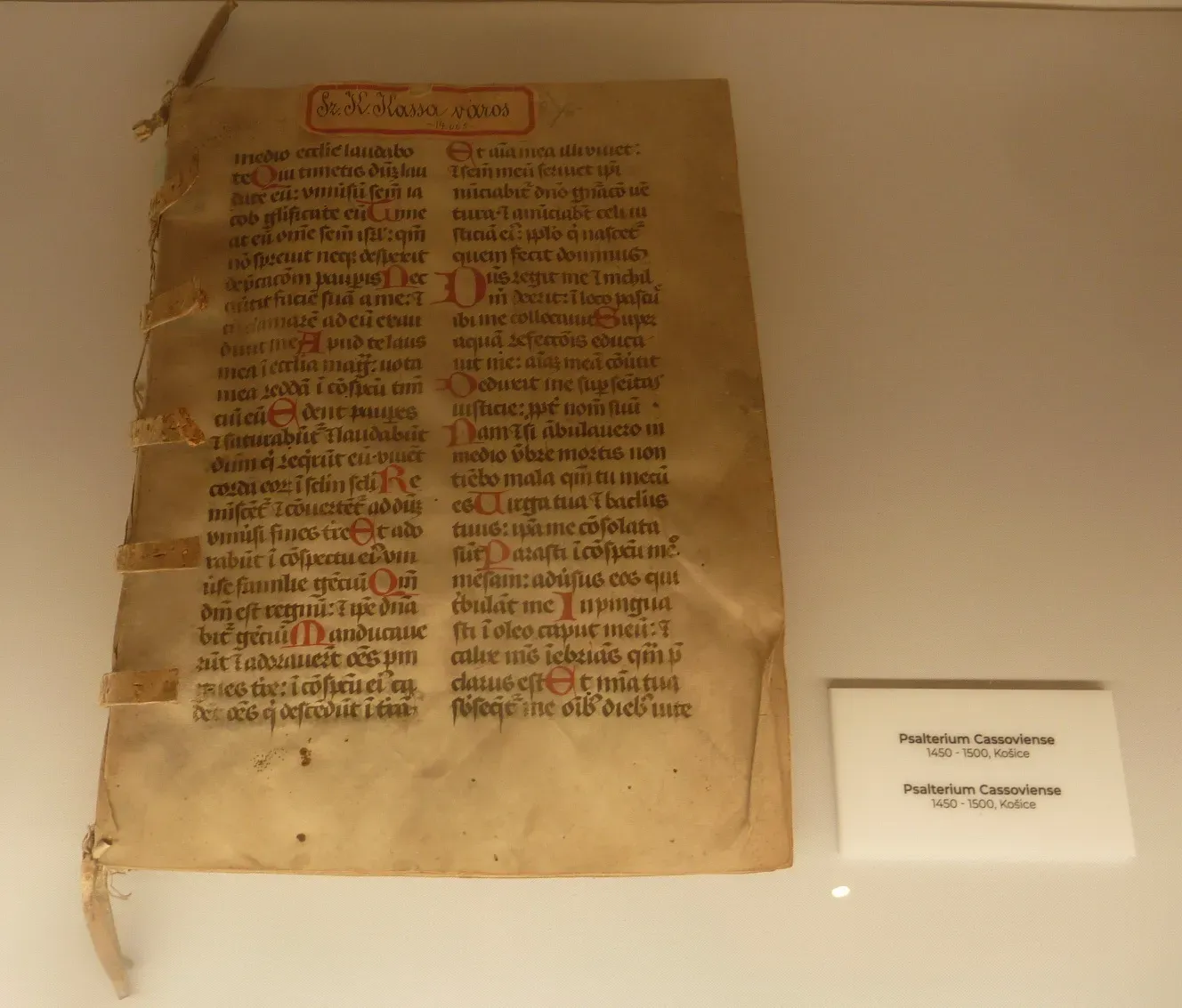
Read a hundred museum labels and you’ll notice something strange: they describe what an object is, but almost never how it ended up on that shelf.
This isn’t accidental. For decades, the acquisition story was considered irrelevant compared to an object’s beauty or age. Investigative reporting on Washington, D.C. institutions found vague labeling was a systemic habit – one of hundreds of copies of art, artifacts, or specimens displayed at reputable cultural institutions all over the city with no real disclosure. Visitors routinely assume authenticity and full transparency where neither is guaranteed.
That’s finally starting to change, but slowly. A new generation of visitors is demanding answers, and major museums have begun encouraging staff to rewrite old labels. Most rewritten labels only appeared in the last few years – meaning the version you read on a childhood field trip was likely incomplete by design.
#14 – Roughly Nine in Ten Ancient Artifacts Have No Real Paper Trail
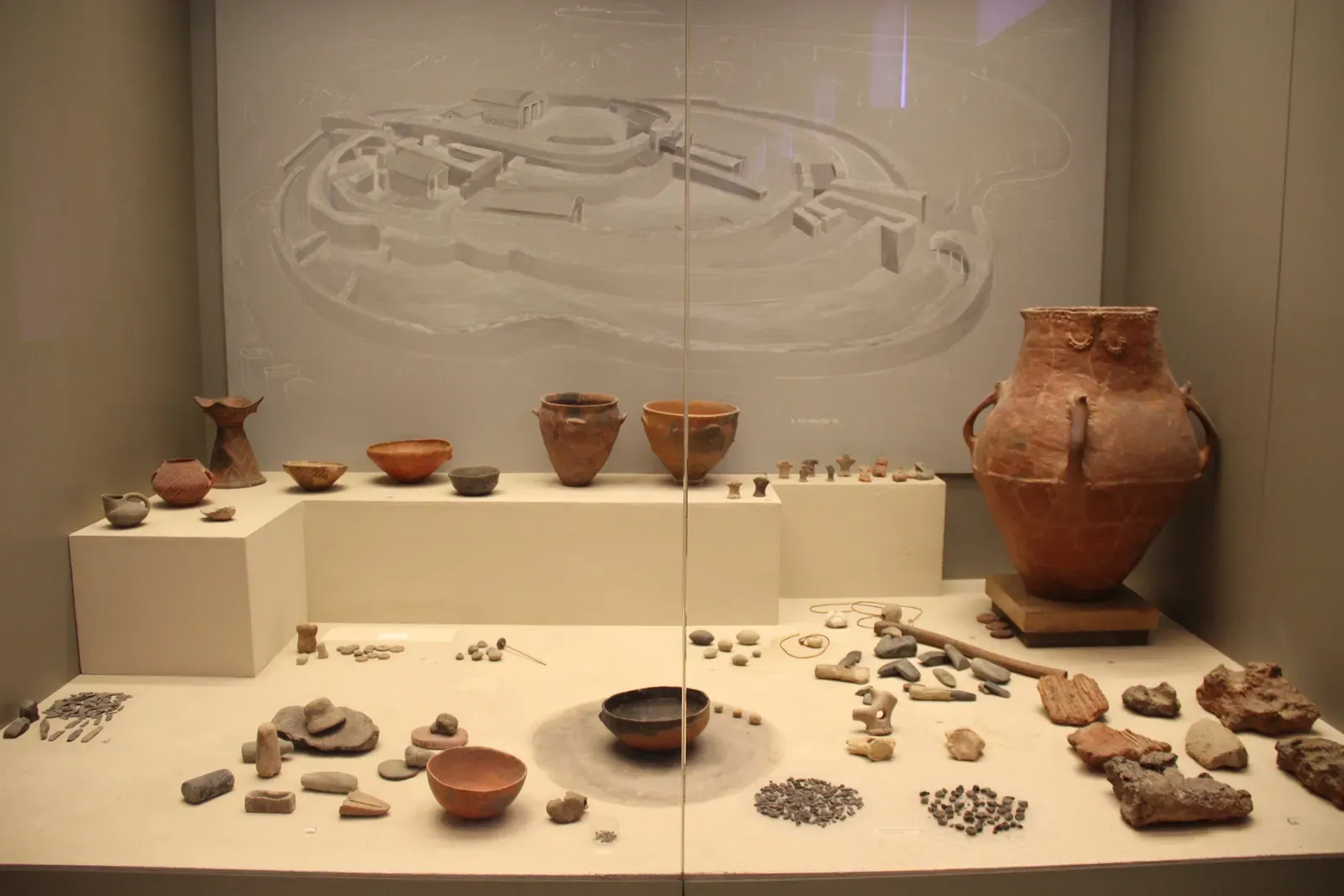
Ask a curator to prove exactly where an ancient object came from, and there’s a good chance they can’t.
This isn’t a fringe problem – it’s closer to the industry norm for antiquities. In May 2013, the Archaeological Institute of America estimated that nearly 85–90% of the artifacts in museums did not have documented provenance. That gap exists because decades of collecting happened before anyone thought to ask “where exactly did this come from, and who owned it before?”
The consequences ripple outward for years. Objects without paperwork are harder to repatriate, harder to authenticate, and harder to defend when a source country comes asking questions. Nearly nine out of ten ancient pieces in museum collections could theoretically be challenged on origin grounds alone, and most visitors reading a confident, specific-sounding label have no idea the underlying history is this shaky.
#13 – Museums Are Quietly Hiring Investigators to Dig Into Their Own Shelves
Some of the biggest names in the museum world have started employing staff whose entire job is to find problems with their own collections.
This is a genuinely new development, and it’s a tacit admission that the old records weren’t good enough. Major institutions, including the British Museum and the V&A, are working to reassess the origins of key objects brought to Britain from overseas under the Empire, in order to give visitors an honest accounting. That means paid researchers combing archives specifically to find evidence their own museum did something wrong.
The V&A went a step further with a dedicated hire, appointing a “provenance and spoliation research curator” to investigate the origins of the Gilbert Collection and coordinate the museum’s broader re-examination of where its objects came from. A single job title now exists purely to question a museum’s own acquisitions. That’s a remarkable shift from an industry that spent a century avoiding the question entirely.
Worth Knowing
- The British Museum and the V&A are both reassessing objects acquired during the British Empire.
- The V&A created a dedicated “provenance and spoliation research curator” position.
- That role specifically investigates the origins of the Gilbert Collection.
- The shift reflects a broader industry move toward proactive self-scrutiny rather than waiting for outside pressure.
#12 – Some of the “Priceless” Antiquities Are Modern Fakes
Some of the most confidently displayed ancient objects in the world have turned out to be recent forgeries – and it took experts decades to catch on.
The Getty Museum’s most infamous holding is the clearest example. The Getty Kouros was presented as a genuine sixth-century-BC Greek statue for years, until scholarly doubt eventually won out and the museum conceded it was almost certainly a modern forgery, pulling it from view.
Crystal skulls tell a similar story. Multiple museums, including the British Museum and the Smithsonian, once displayed crystal skulls believed to be pre-Columbian Aztec or Maya artifacts. Both institutions eventually had to walk back claims that had gone unchallenged for generations. Forgers count on the fact that no one questions a well-labeled object twice.
#11 – Curators Have Kept Known Forgeries on Display or in Storage on Purpose
Once a fake is confirmed, you’d assume it just disappears. It usually doesn’t.
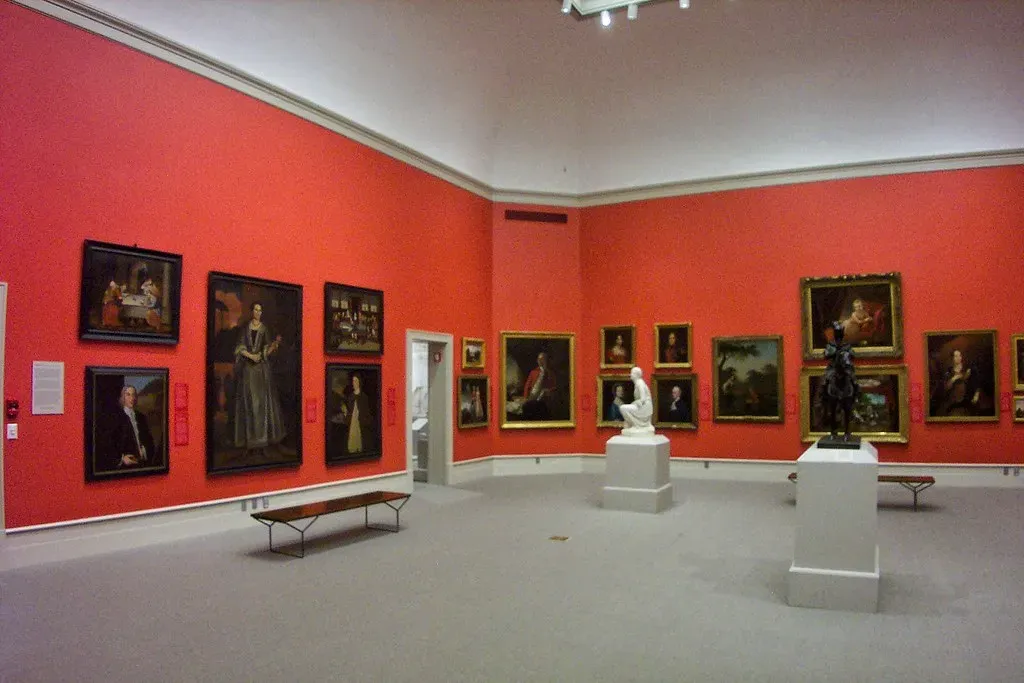
The Metropolitan Museum’s Etruscan “warriors” are the textbook case. They fooled scholars for nearly thirty years before science caught up. In 1961, the museum officially announced the works were forgeries; the figures once identified as “5th Century B.C.” were relabeled “modern” and moved into storage, only viewable to scholars and students.
Sometimes fakes are kept for a very specific reason: to keep them from resurfacing as “genuine” somewhere else. A Met curator revealed the museum deliberately holds onto every fake medieval ivory carving it uncovers, precisely so it can’t be passed off as an original again. Museums essentially run their own private evidence lockers for fraud.
#10 – Donated Treasures Get Buried Faster Than Purchased Ones
Not every object a museum owns gets treated equally – and how it arrived matters more than most donors realize.
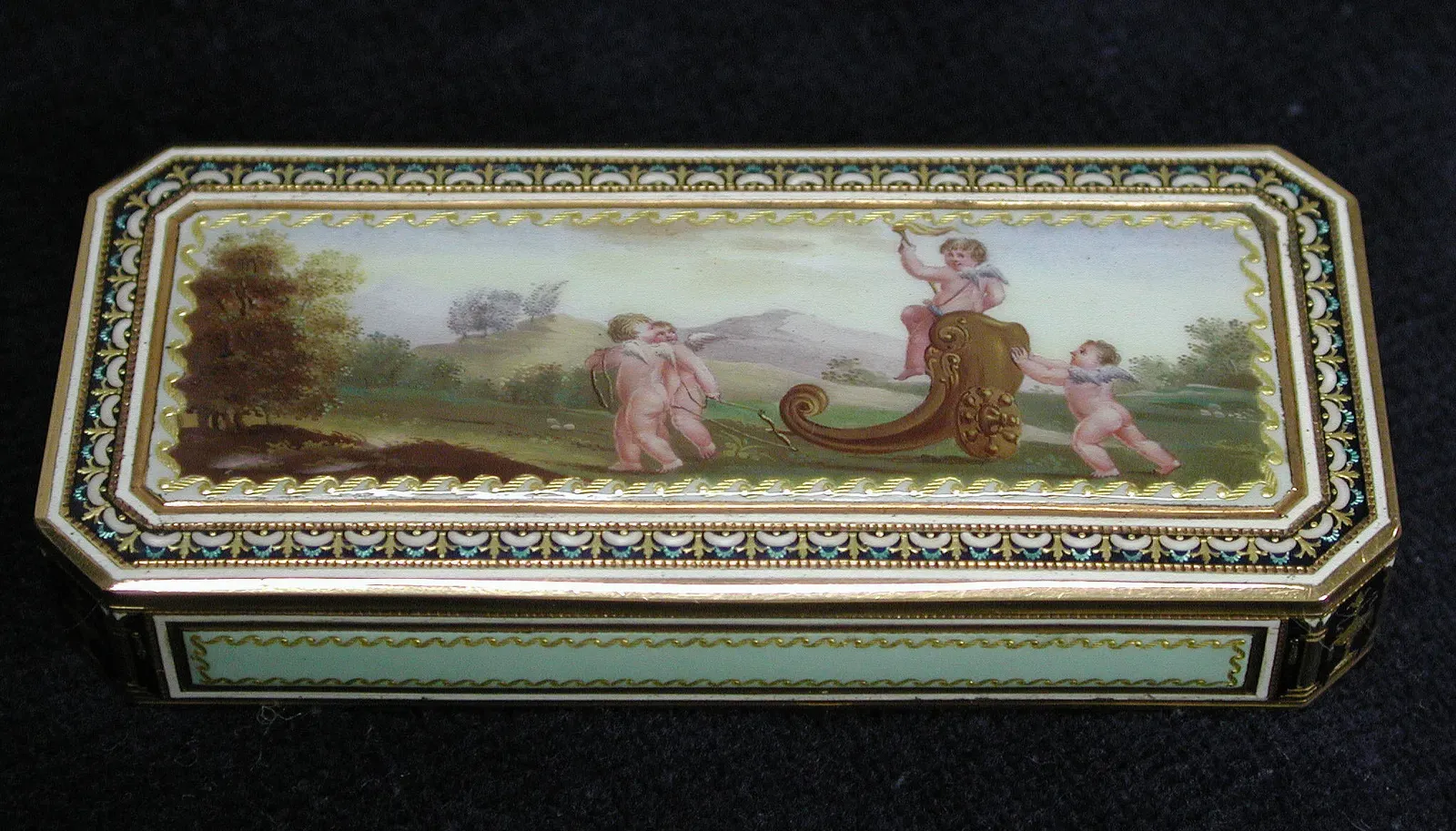
Research into acquisition patterns has found a consistent bias. A 2002 dissertation found that at the Fine Arts Museums of San Francisco, donated items were displayed far less frequently than purchased ones. Purchases tend to be strategically chosen to fill known gaps, while donations arrive in bulk, whether the museum needs them or not.
The numbers on one specific photographer make the pattern impossible to ignore. Thirteen surveyed museums collectively hold 862 photographs by Henri Cartier-Bresson, almost all of them donations – yet only one is on display, at LACMA, even though he was the subject of a major retrospective as recently as 2010. 861 out of 862 photographs by one of history’s most celebrated photographers sit unseen.
#9 – “Repatriated” Doesn’t Always Mean the Object Actually Left
Headlines love announcing that a looted object has been “returned to its rightful home.” The fine print tells a very different story.
Repatriation agreements frequently come with conditions that keep the object exactly where it was. When the U.S. formally returned 77 looted artifacts to Yemen in February 2023, the two governments agreed the objects would remain in the Smithsonian’s National Museum of Asian Art’s care for at least a period of time.
The justification is usually safety, given ongoing conflict or a lack of secure facilities in the receiving country – a reasonable practical concern, but one that treats ownership and physical custody as two entirely separate things. A “repatriated” object can legally belong to one country while sitting in a display case in another for years. Some experts now argue this arrangement lets Western museums claim credit for restitution without actually giving anything up.
#8 – Storage Isn’t Free, and the Bill Is Enormous
Everyone assumes the expensive part of running a museum is buying the art. Often, it’s just keeping the art it already has.
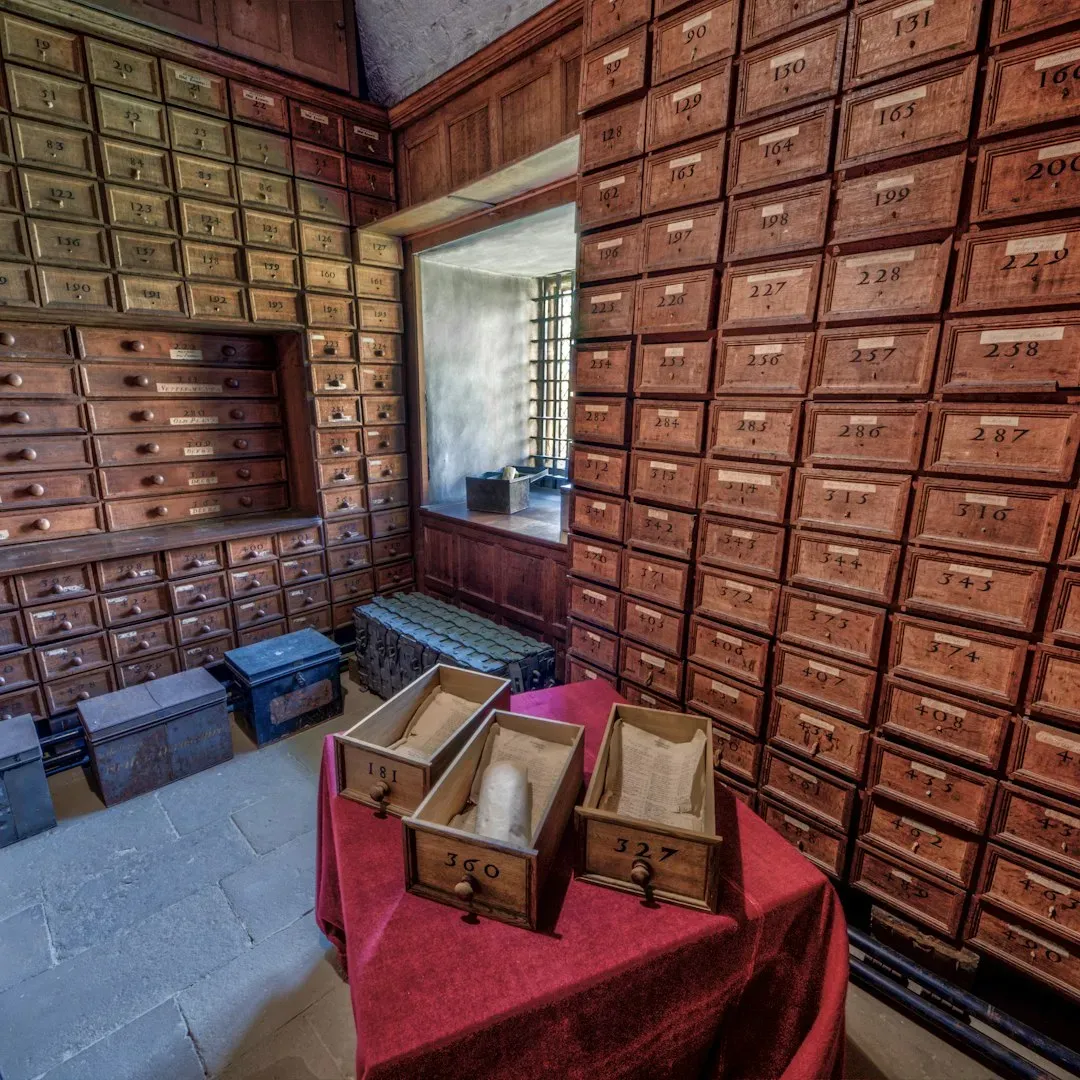
Off-site storage for the objects that never make it to a gallery costs serious money, year after year. In 2011, a BBC report found that some national museums were spending more than £500,000 a year renting external storage to supplement existing facilities. That’s an annual expense with zero public-facing return – no ticket sales, no gift shop traffic, just climate control and insurance on objects nobody sees.
As collections keep expanding through donations and acquisitions, this cost only grows. A report for the Society of Museum Archaeology found that a lack of storage space meant many local authorities were unable to collect archaeological material at all. Some museums are effectively too full to accept new history, regardless of its importance.
Quick Compare
- Annual storage cost: more than £500,000 for some UK national museums (2011 report)
- Public revenue generated from that storage: none
- Effect on smaller institutions: some local authorities can’t accept new archaeological finds at all
- Ongoing trend: collections keep growing while storage budgets stay flat
#7 – Rotating Displays Isn’t About Variety, It’s Damage Control
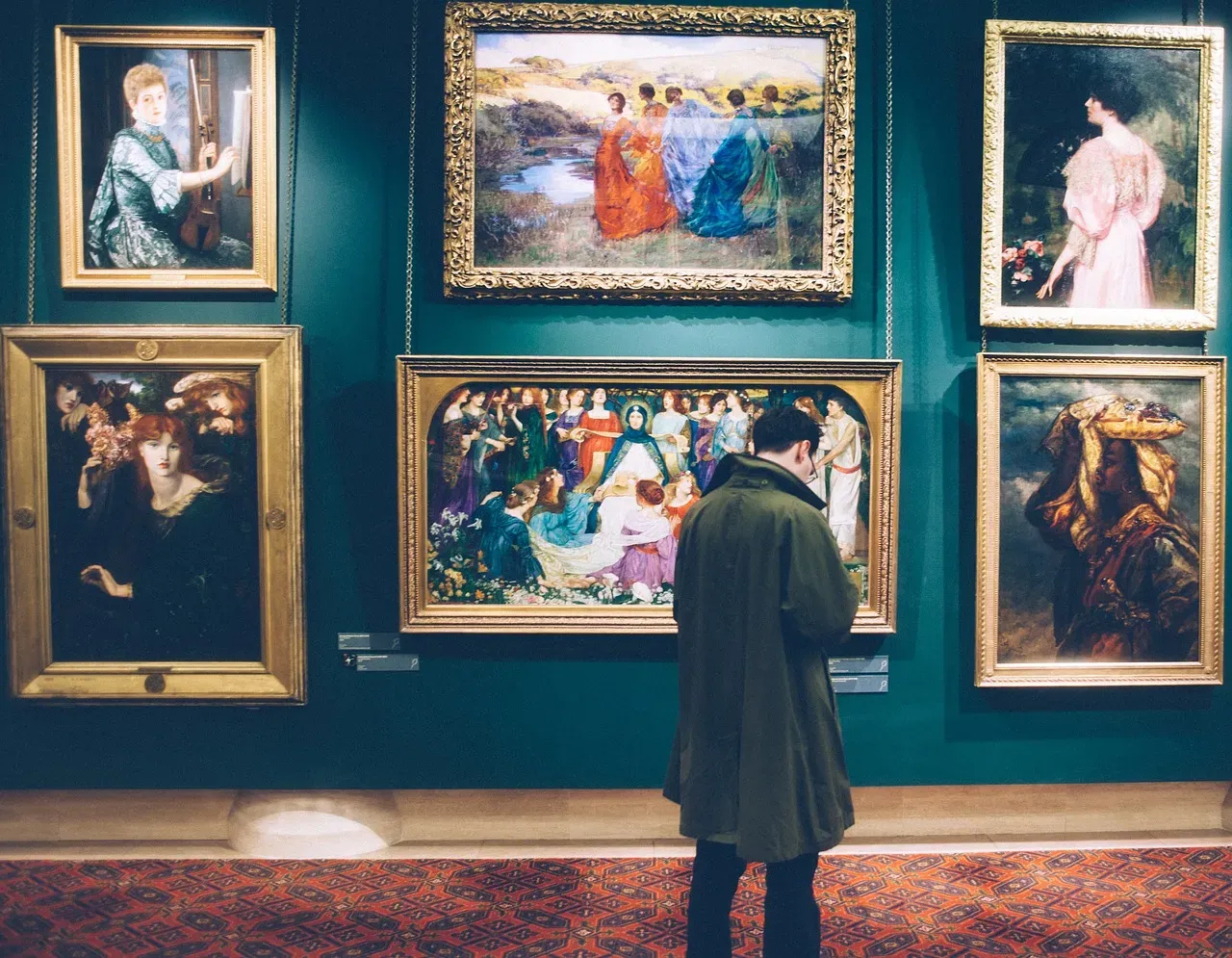
That “refreshed exhibit” sign isn’t there to keep things interesting for repeat visitors. It’s there because the previous object was quietly dying.
Light and humidity are relentless enemies of fragile material, and museums treat rotation as a survival strategy, not a marketing choice. Many original artworks are too delicate to display permanently, since light, humidity, and temperature fluctuations damage paintings, sculptures, and works on paper over time – which is exactly why institutions like the National Gallery of Art and the Louvre rotate their collections.
Works on paper are especially vulnerable, fading measurably under standard gallery lighting after just months of continuous exposure. A drawing that “toured” three cities may really have been evacuated three times before the light finished it off.
#6 – Owning Five of the Same Object Usually Means Four Stay Hidden
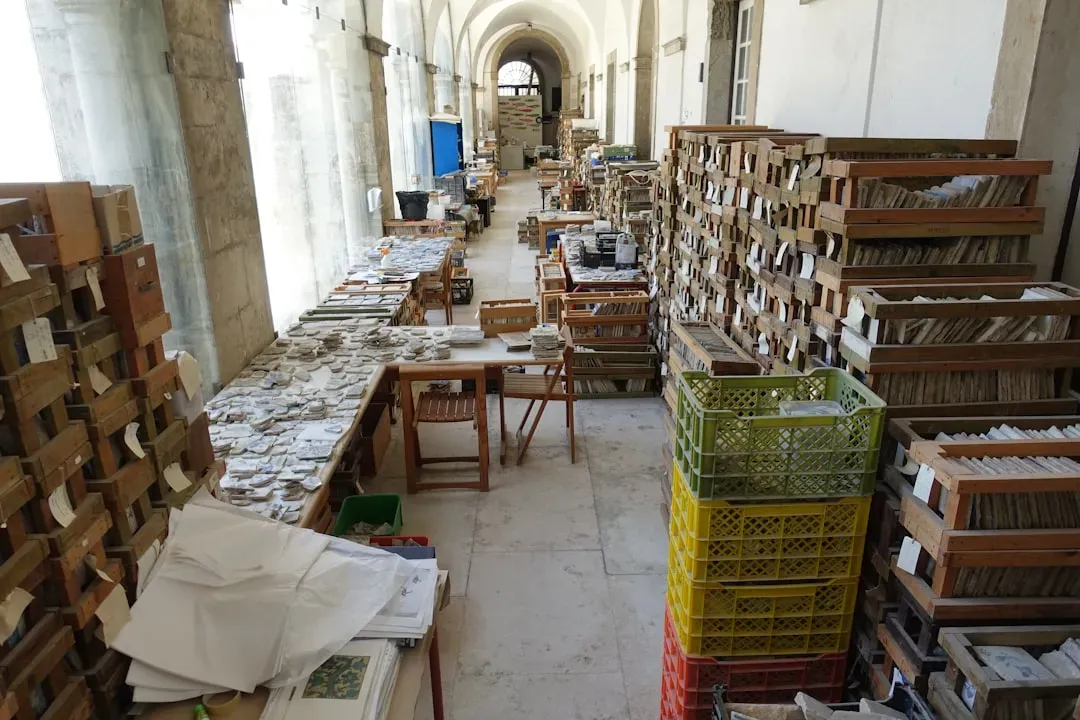
Museums rarely own just one of anything important, and that abundance is exactly why so much stays in the dark.
When an institution has multiple similar pieces, only the best example – or the most photogenic one – typically gets gallery space. Large museums in particular often own many examples of similar objects, so they show only a select few. The rest sit in study collections, technically accessible to researchers but invisible to the public.
Sometimes the “leftover” duplicates are worth more collectively than individually, which makes them almost impossible to display anyway. A collection of Luristan bronzes has been cited as exactly this kind of case, with one collections manager describing it as “multiple dissertations waiting to be written.” A single storage drawer can quietly hold more unpublished research potential than an entire public gallery.
#5 – Visitors Say They Prefer Originals, Even When They Can’t Actually Tell the Difference
People insist authenticity matters to them. Research on actual museum-goers backs that up, even in cases where the replica is nearly indistinguishable.
One university study surveyed people directly instead of just asking curators what they thought visitors wanted. Most participants claimed indifference toward replicas in art museums, but when pressed for free responses, that “indifference” almost always tipped negative – leading researchers to conclude that most visitors actually dislike replicas, whether they admit it upfront or not.
Age of the copy matters too, in a way that seems almost irrational. Originals were preferred over replicas no matter the date of creation, but replicas made closer to the original’s era were rated more favorably than replicas made recently. A 300-year-old copy is judged more favorably than a technically superior copy made last year. That’s not about accuracy – it’s about the feeling of proximity to history.
#4 – A Missing Artifact Sometimes Gets a Deliberate Plaster Ghost
When a famous object is missing from a museum, the empty space itself can become part of the exhibit – on purpose.
The Acropolis Museum’s handling of the Parthenon sculptures is the clearest example of turning absence into a statement. Reproducing the missing marbles in plaster clearly distinguishable from the originals serves both political and pedagogical purposes – calling attention to Greece’s ongoing campaign for the marbles’ return while making sure no visitor mistakes the copy for the real thing.
Cairo’s Museum of Islamic Art took an even blunter approach, posting signs stating plainly that a sculpture which should be there is, instead, sitting in a museum in London. A blank label can be a louder political statement than any object on the wall. These aren’t accidental gaps – they’re curatorial protests, dressed up as empty pedestals.
#3 – Fixing an Old Object Can Quietly Rewrite Its History
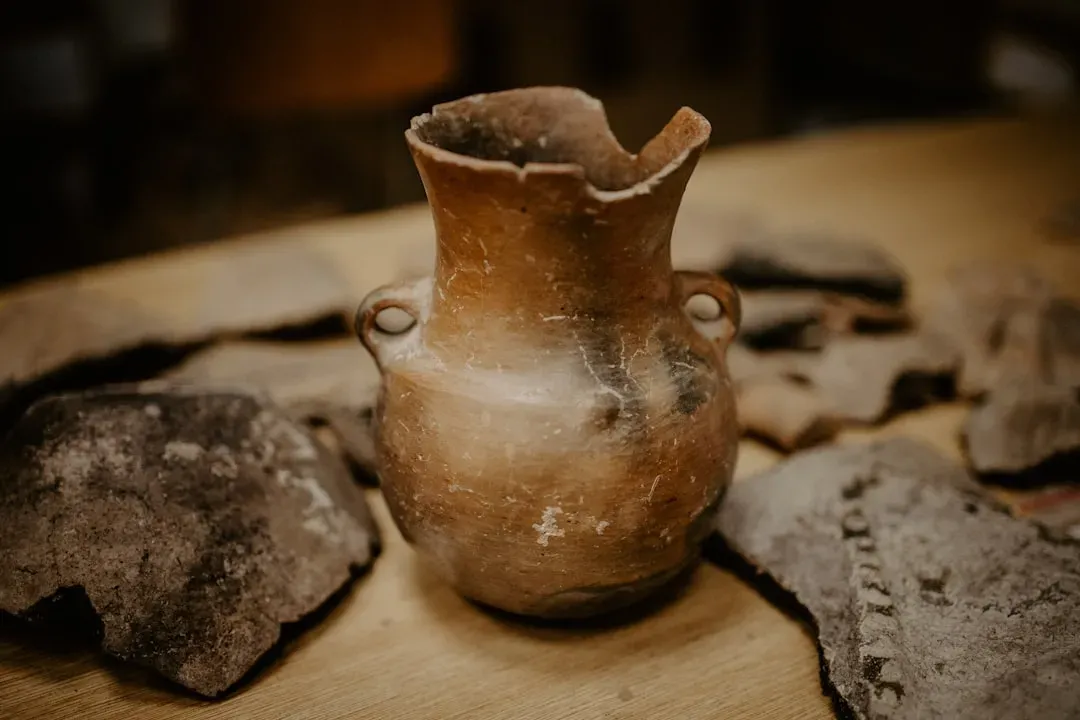
Conservation sounds neutral – cleaning, stabilizing, protecting. In practice, every restoration decision changes what the public actually sees.
When pieces of an ancient object are missing, conservators face a choice: guess and rebuild, or acknowledge the gap. Most reputable institutions choose visible honesty over invention, filling missing sections with dull, undecorated plaster so visitors can imagine the whole without mistaking the fill for the original.
But that still means the object you’re looking at is part original, part modern guesswork, blended together so smoothly most visitors never notice where one ends and the other begins. Scientific testing behind the scenes often reveals restorations that reshaped scholarly understanding of an object entirely. A single cleaning or repair job decades ago can still be shaping what historians believe about a civilization today.
#2 – Museums Have Literally Let the Public Vote on Whether the Dead Stay on Display
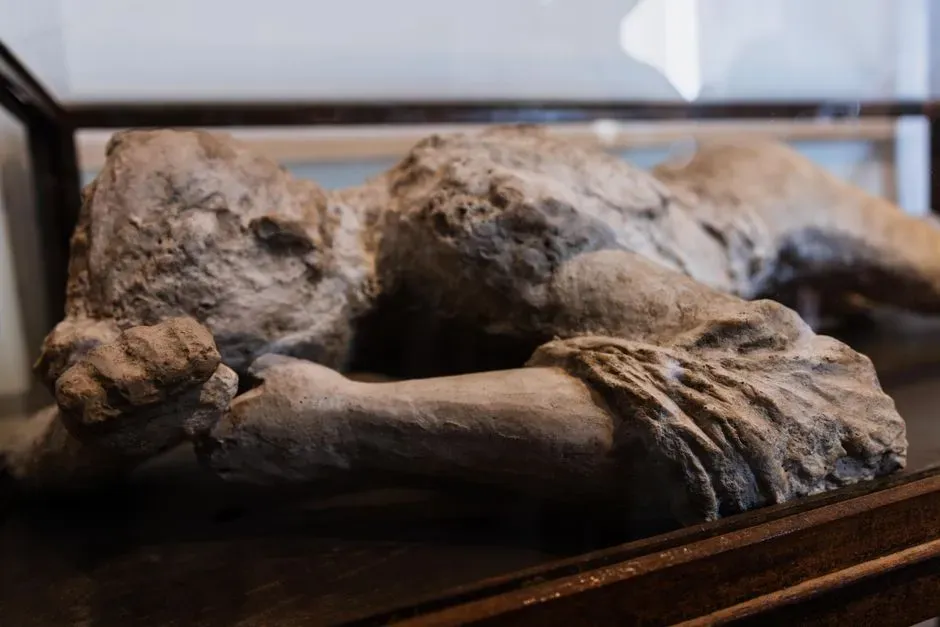
Here’s a decision that sounds like it belongs in a courtroom, not a gift-shop gallery: whether a mummified human being should keep being exhibited.
Manchester Museum did exactly that with a mummified Egyptian woman known as Asru, inviting visitors to weigh in on whether her remains should continue to be displayed. Of the 8,000 responses collected, the result came back “pretty evenly split” between those in favor and those against.
The Egyptian community of descent continues to be excluded from decisions about how their ancestors are treated, while museums instead survey the public about whether they would like to see them on display.
Senior curator, on the Asru poll
A stranger’s vote on Facebook effectively decided the fate of someone’s actual ancestor.
#1 – Hundreds of Thousands of Human Remains Sit in Storage, Never Buried
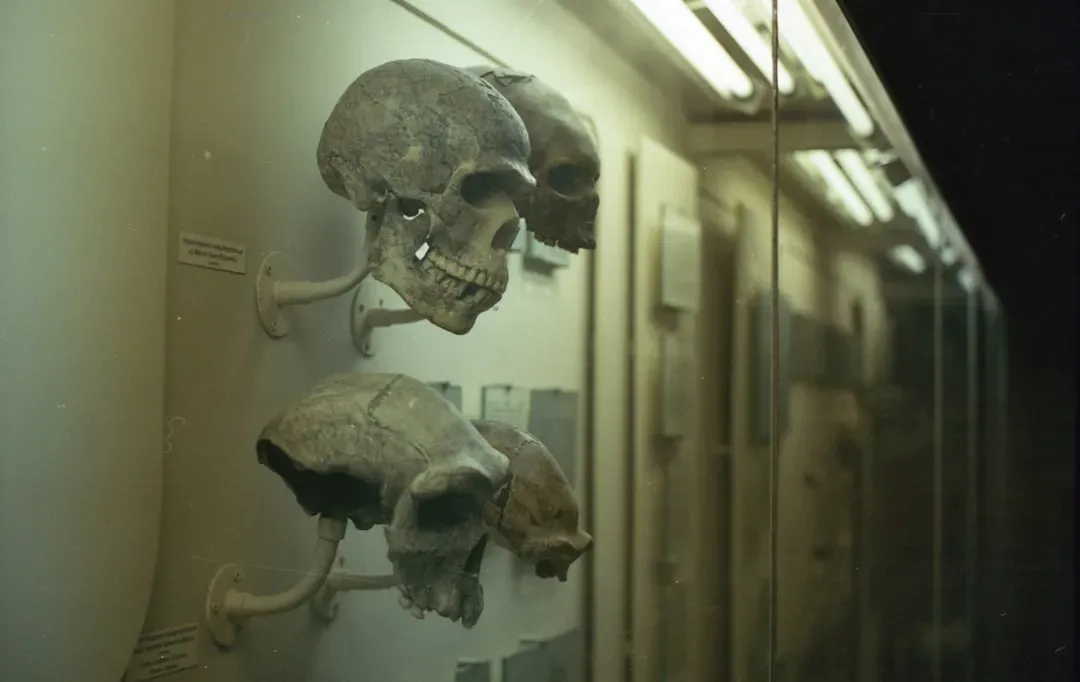
This is the fact museums are least eager to put on a placard: the sheer scale of human bodies still held in institutional drawers, decades or centuries after death.
A recent investigation exposed just how large that number really is. More than 263,000 items of human remains are held by 241 museums, universities, and local authorities across the UK alone – skeletons, skulls, bones, mummies, and other body parts. That’s not one unusual case. It’s an entire national inventory of the dead, catalogued alongside pottery shards and coins.
The origins of these remains are just as troubling as the total count. Around 37,000 are known to originate from overseas, many from former British colonies, while the provenance of thousands more remains uncertain. Tens of thousands of people were taken from their communities, and museums still can’t say exactly where most of them came from. No wall label mentions any of this – but now you know to ask.
At a Glance
- More than 263,000 items of human remains are held across 241 UK museums, universities, and local authorities.
- Around 37,000 are known to originate from overseas, many from former British colonies.
- Thousands more have no documented origin at all.
- The collection includes skeletons, skulls, mummies, and other body parts.
The Bottom Line
Museums aren’t lying to you outright, but they’re not volunteering the full picture either. Only a sliver of most collections ever reaches a gallery, replicas quietly stand in for originals, provenance gaps run far deeper than most visitors imagine, and hundreds of thousands of human remains still sit uncatalogued in storage rather than laid to rest.
None of this makes museums villains. It makes them institutions still wrestling with a colonial-era collecting habit they haven’t fully reckoned with, dressed up in glass cases and soft lighting that make the whole thing feel settled and scientific when it very much isn’t. If anything, the labels are the least honest objects in the building – confident, specific, and almost never the whole story.
The next time a placard reads simply “Egyptian, c. 1500 BC,” ask yourself what it isn’t telling you. Which one of these surprised you most – and did we miss a secret your local museum is hiding? Drop it in the comments.