
Most people assume scientists have crows figured out by now – after all, these birds use tools, recognize faces, and seem to gossip like tiny feathered neighbors. But peel back the headlines and you’ll find something stranger: the more researchers study crows, the less certain they become about what’s actually happening inside that skull.
Neuroscientists, ethologists, and evolutionary biologists keep slamming into walls – questions their best equipment and decades of fieldwork simply cannot answer. Here’s what the research actually says, and why crows keep humbling the very people who’ve built careers studying them.
#13 – Why Crows Hold “Funerals” for Their Dead
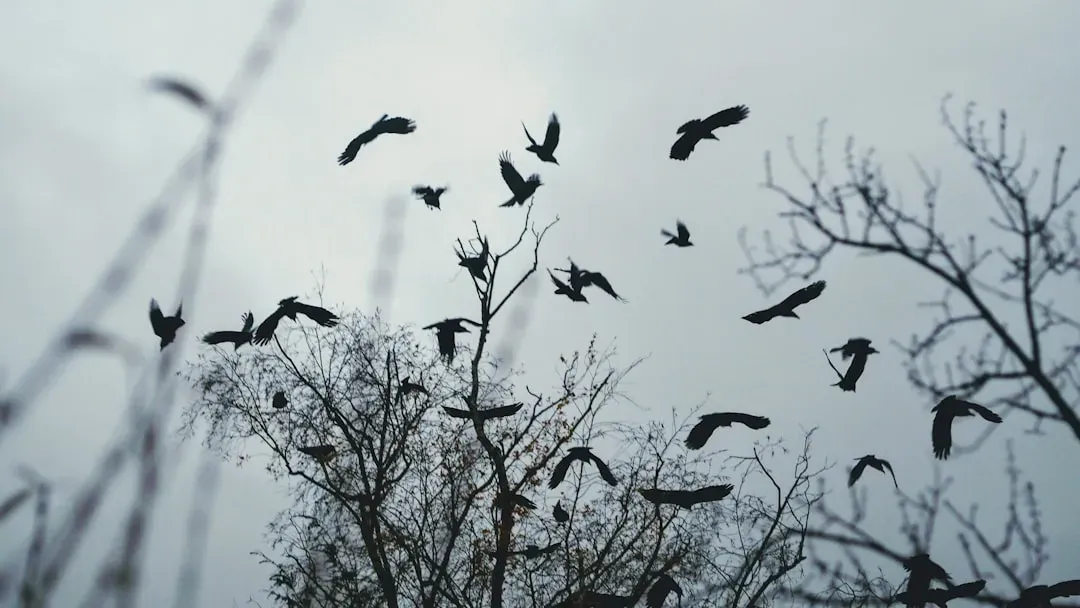
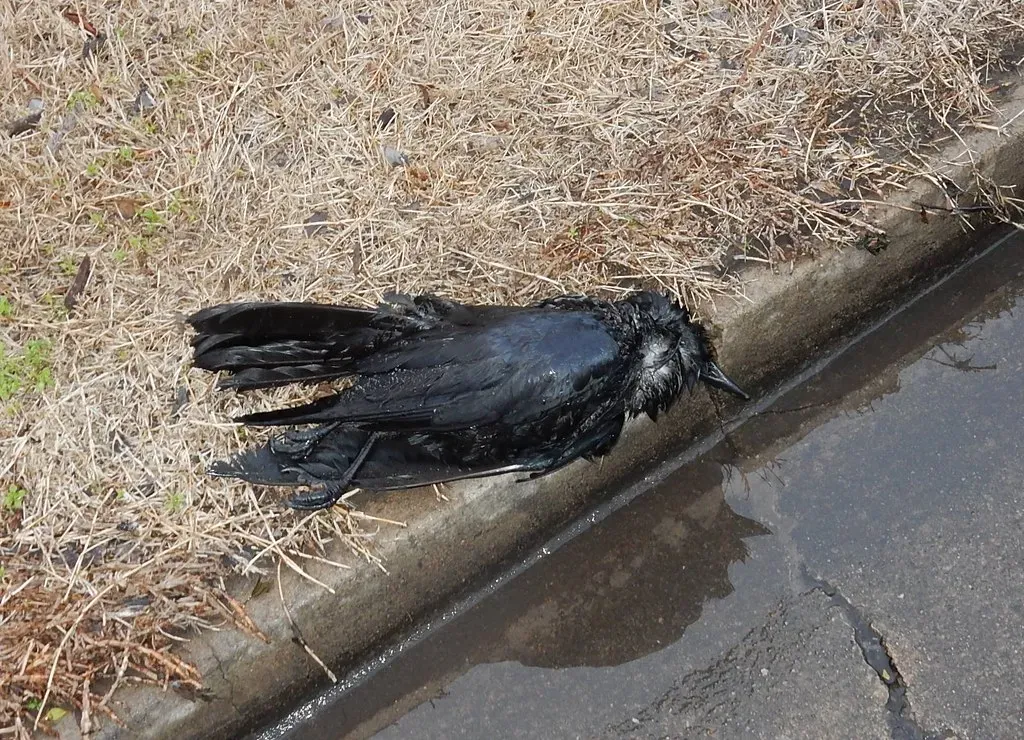
A dead crow on the sidewalk doesn’t just get ignored. Within minutes, other crows arrive, circle overhead, and start calling in a pattern researchers can distinguish from ordinary chatter.
Scientists first read this as pure risk management – a “funeral” that’s really reconnaissance, the flock silently asking, what killed this bird, and how do I avoid the same fate? But brain-imaging work complicates that tidy explanation.
Instead of lighting up the regions tied to fear or social bonding, crow brains showed increased activity in the nidopallium caudolaterale – the avian stand-in for our prefrontal cortex, the seat of higher-order decision-making. That’s not a fear response. It’s something closer to analysis, and whether that analysis includes anything emotional is still completely unresolved – researchers admit the line between grief and threat assessment may not exist the way we assume it does. Compared to what happens next, though, this is the tame version.
Fast Facts
- Crow “funeral” gatherings can begin within minutes of a death being spotted.
- Brain scans point to the nidopallium caudolaterale, the avian equivalent of the prefrontal cortex.
- The activity pattern looks more like analysis than fear.
- Whether grief plays any role in the behavior is still unresolved.
#12 – Why Some Crows Try to Mate With the Dead
This one makes even seasoned researchers squirm. During those same “funeral” gatherings, some crows have been observed attempting to copulate with a dead crow’s body.
It sounds bizarre, but crows aren’t alone here – scientists have documented similar behavior in ground squirrels, tegus, mallards, sea lions, and otters. What nobody can explain is why a bird sharp enough to recognize individual human faces would misfire this badly on recognizing death itself.
One theory: a powerful instinctual drive gets triggered by visual and postural cues and simply overrides the more “rational” threat-assessment circuitry researchers see lighting up elsewhere. No one has pinned down exactly why this override happens or how often it occurs in the wild, since most documented cases come from controlled experiments using taxidermied specimens rather than natural observation. And the mystery only gets deeper from here.
#11 – How Crows Think Without a Prefrontal Cortex
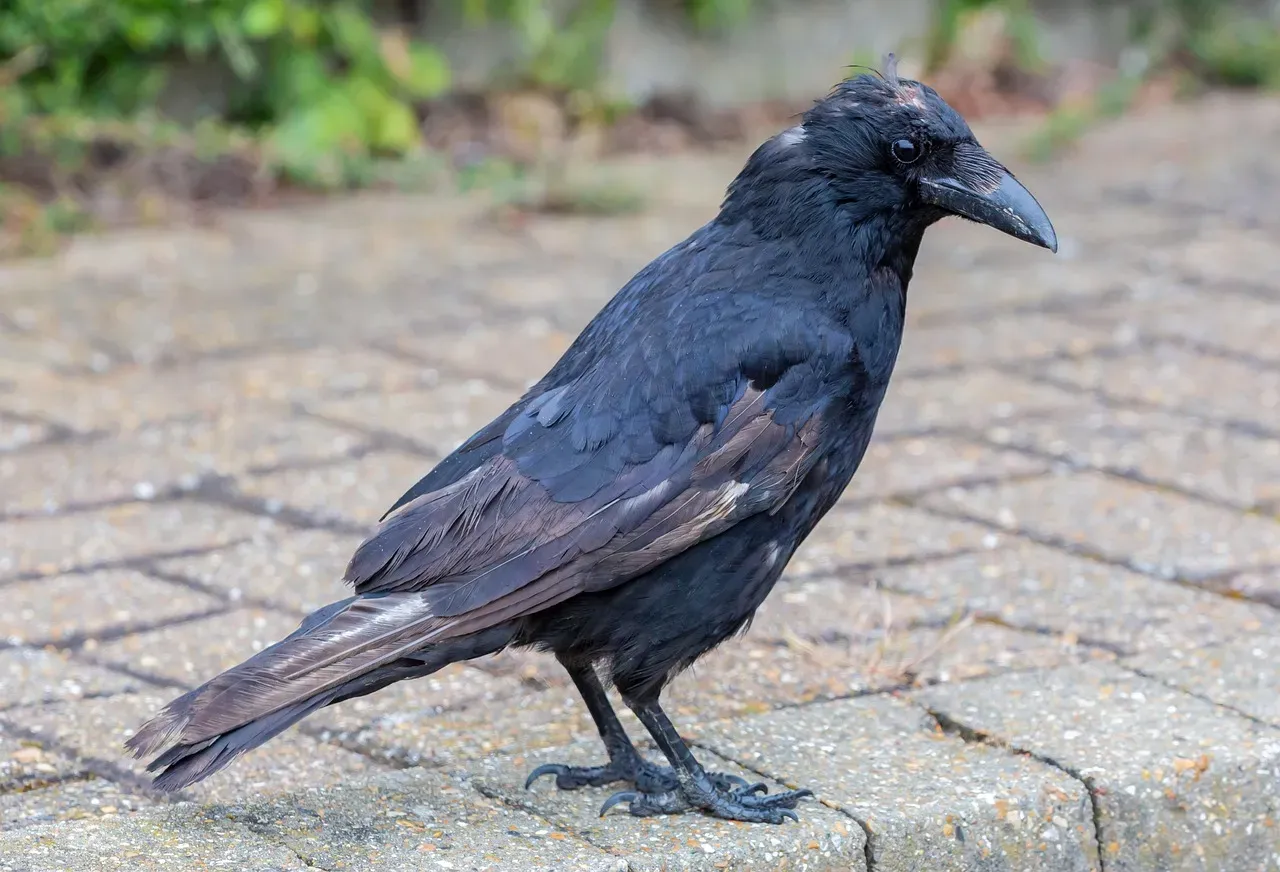
Here’s the fact that keeps neuroscientists up at night: crows perform tasks associated with human-level reasoning, using a brain that isn’t built anything like ours.
For decades, scientists assumed bird brains were too simple to handle high-level functions like problem-solving and decision-making – those jobs belonged to the mammalian prefrontal cortex, and birds don’t have one. Yet crow intelligence kept showing up anyway, and nobody could explain the wiring behind it.
That always was kind of the black box.
John Marzluff, University of Washington wildlife biologist
Even Marzluff, who’s studied crows for decades, admits he can’t always tell whether a crow’s clever solution is genuine reasoning or an automatic response that only looks smart. If that unsettles you, wait for #10.
#10 – Whether Crows Are Actually Conscious
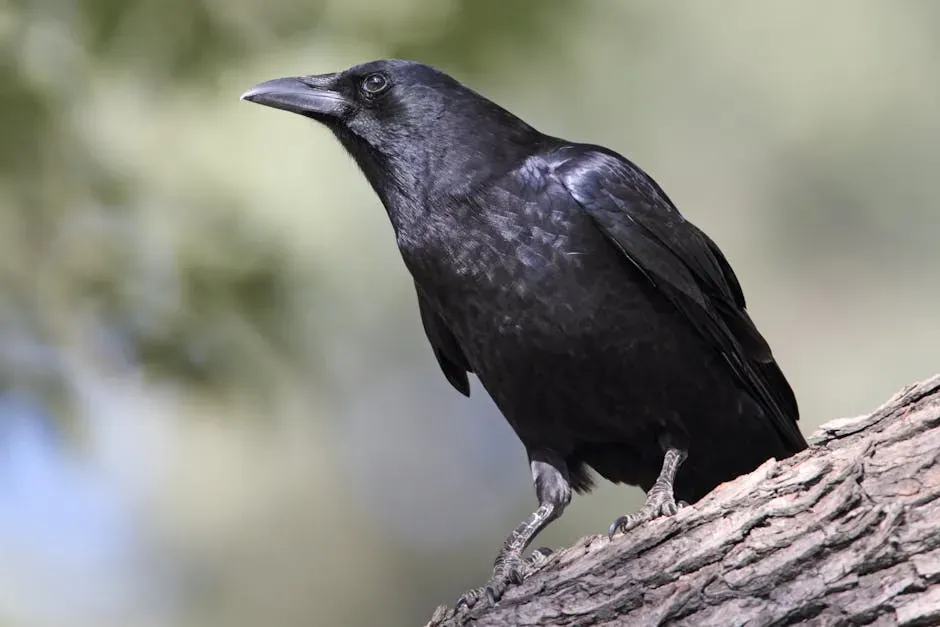
In 2020, a study didn’t just suggest crows are smart – it suggested they might be aware of their own awareness, a property once considered exclusively human and primate.
The research demonstrated, for the first time, that carrion crows have subjective experiences – what scientists call “sensory consciousness.” That level of thinking had only ever been shown in primates before.
The researchers didn’t take this lightly. This kind of primary, or sensory, consciousness had only previously been demonstrated in primates – meaning scientists may need to rethink where consciousness comes from at all, according to animal physiologist Andreas Nieder, who led the research.
The problem is that consciousness can’t be directly measured, only inferred from neuron firing patterns, and skeptics argue that inference isn’t proof. Which brings up an even messier question in #9.
#9 – Why Some Crows Pass the Mirror Test and Others Fail
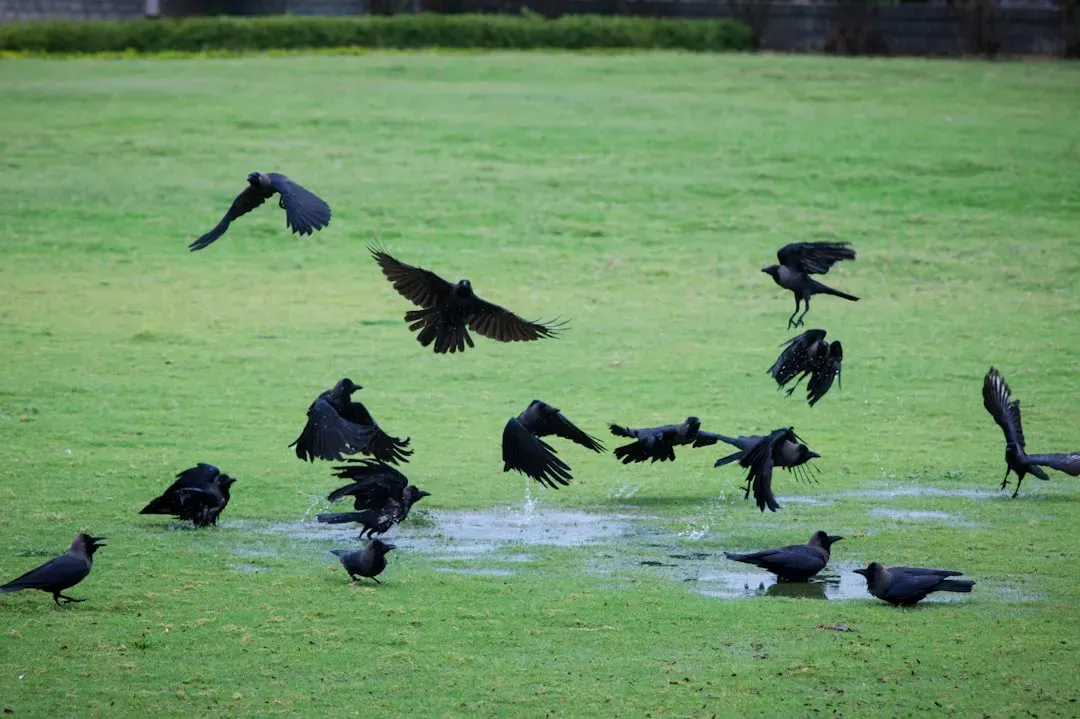
If crows were uniformly self-aware, you’d expect consistent mirror-test results across the species. Instead, scientists get a scrambled, contradictory mess.
Corvid species return wildly inconsistent results on the mirror test – so far, only Eurasian magpies and Indian house crows have reliably passed, while multiple other corvid species fail outright. Even within a single study, results wobble: just two of five Eurasian magpies passed the mark test, and only after repeated exposure to mirrors.
New Caledonian crows muddy things further – they never showed self-directed behavior in front of a mirror, yet they could still use that same mirror to retrieve food rewards. Researchers openly admit the lack of replicability and the wide divergence in methodology raise a real question: nobody knows if the test is measuring self-awareness or just measuring how good a species is at figuring out mirrors. Number 8 gets even weirder.
Quick Compare
- Eurasian magpies: Some individuals pass the mirror mark test, though only 2 of 5 did in one study, and only after repeated exposure.
- Indian house crows: Also among the few corvids to reliably pass.
- New Caledonian crows: Show no self-directed mirror behavior, yet still use mirrors to solve food puzzles.
- Most other corvids: Fail the mirror test outright.
#8 – Why Crows Leave “Gifts” for the Humans Who Feed Them
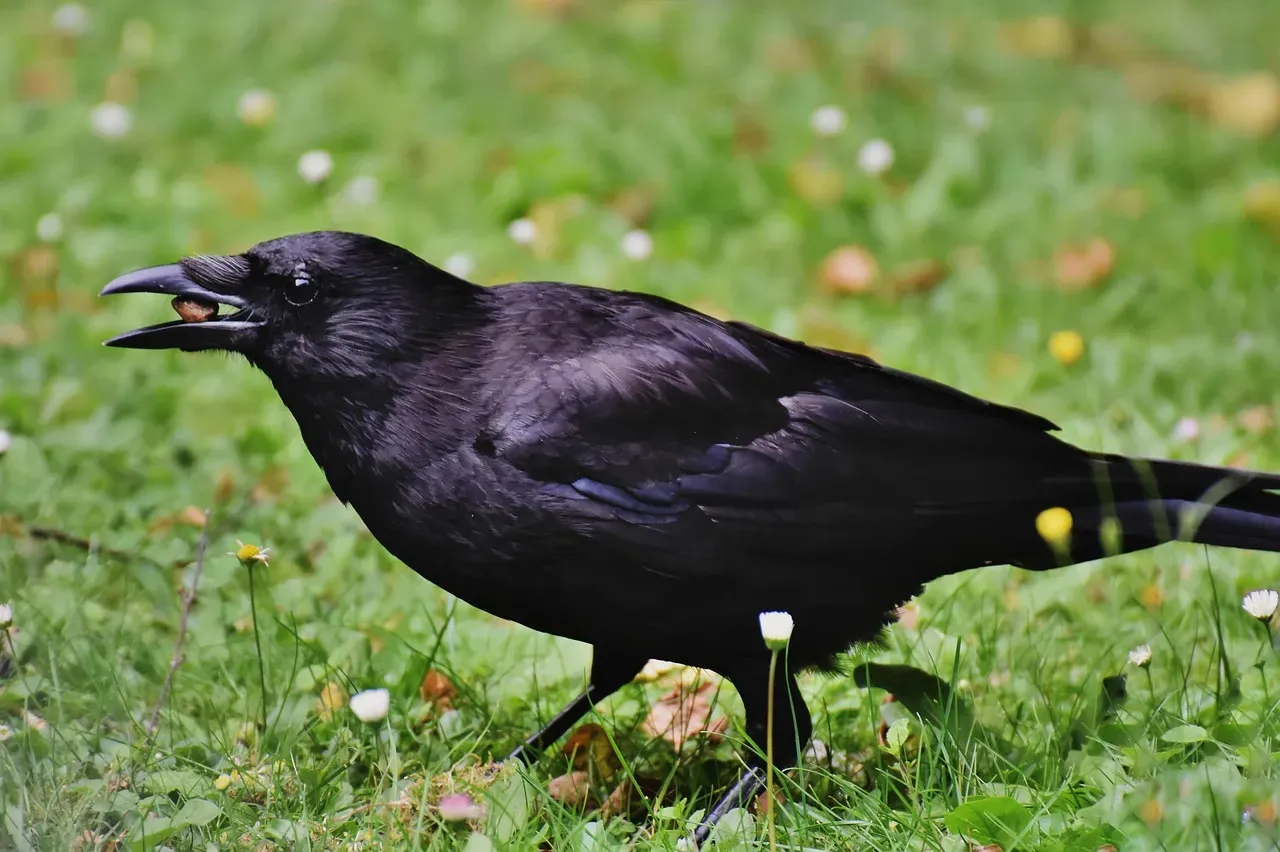
Stories of crows dropping candy, buttons, or shiny trinkets on a feeder are common enough that researchers gave the behavior an actual name: gifting.
John Marzluff first heard about it from a man who’d fed crows in his backyard for years. One day the man found a candy heart sitting on his bird feeder, and Marzluff couldn’t come up with a better explanation than the crow had left it there on purpose.
In animal behavior that is always the sticky point – intention – because we cannot ask them.
Jennifer Campbell-Smith, behavioral ecologist
One competing theory is refreshingly unromantic: gifting could just as easily start as an accident, since curious crows often fly off with an object, lose interest, and abandon it near the food source. Whether it’s gratitude or a coincidence humans romanticized into a ritual is still an open question – and this is where experts split hardest, some insisting it’s reciprocity, others certain we’re just seeing what we want to see. Which sets up an even more unsettling ability in #7.
#7 – How Crows Hold Grudges for Years Against Specific Faces
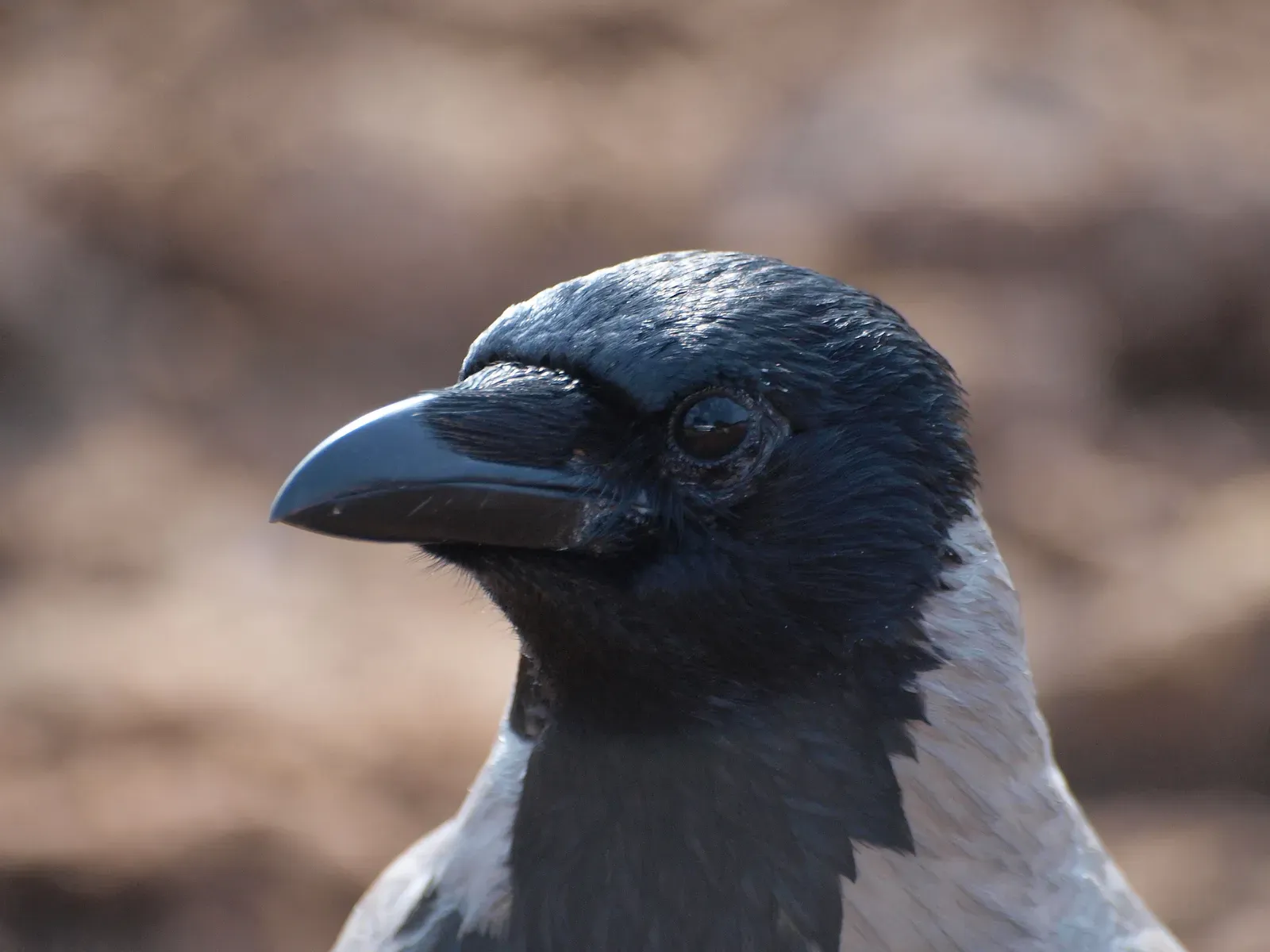
This isn’t folklore. Crows in long-term studies have shown they can identify a specific human face, associate it with danger, and hold that grudge for an unsettling length of time.
In one well-documented case, crows remembered the masked faces that had appeared alongside dead crows and treated those faces as a threat for weeks afterward. Even when a masked person later walked by empty-handed, the birds scolded and avoided feeding anywhere near that individual – memory retention most mammals would struggle to match.
What scientists still can’t nail down is the ceiling on this ability. Crows appear to assess what happened, compare it against other signals, and adjust their behavior later based on what they learned, rather than simply reacting on instinct. How long that grudge actually lasts, and whether it gets passed on to crows who never witnessed the original event, remains murky – tracking wild, unbanded birds for years at a stretch is logistically brutal. Number 6 asks an even bigger question about what’s going on inside their heads.
Worth Knowing
- Crows have scolded and avoided people wearing masks linked to past danger, weeks after the original event.
- The birds reacted even when that person later walked by empty-handed.
- Researchers still don’t know the outer limit of how long a crow grudge can last.
- It’s unclear whether the memory spreads to crows who never witnessed the triggering event.
#6 – Whether Crows Can Truly Plan for the Future
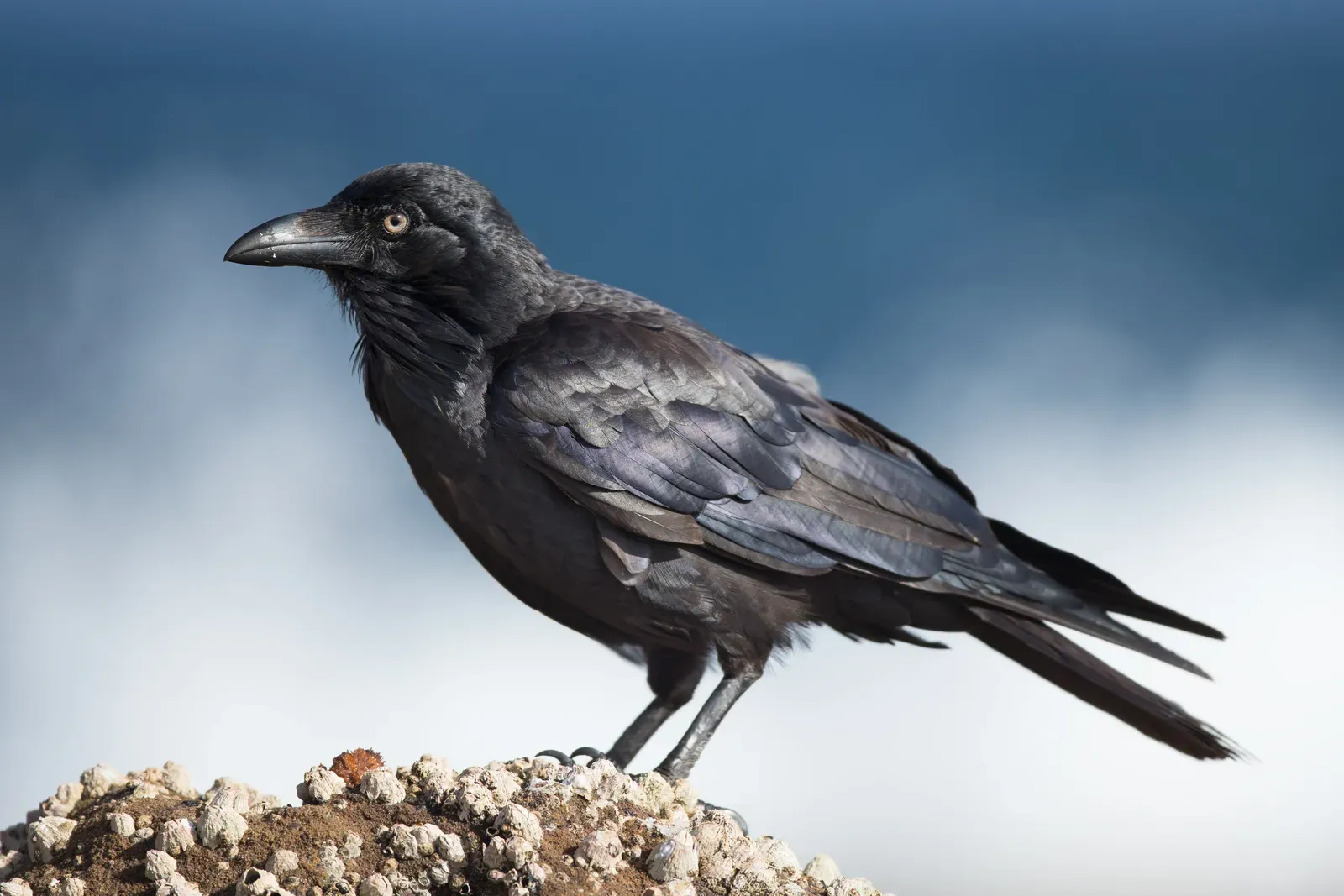
Planning ahead requires imagining a scenario that doesn’t exist yet – something long assumed to require a brain built like ours. Crows keep suggesting otherwise, and scientists still argue about what that actually proves.
The evidence comes largely from food-caching studies, where crows hide food differently depending on who’s watching and when they expect to need it again. Clark’s nutcrackers, a member of the corvid family, avoid caching food in the presence of other birds – and they only cached food when alone or in front of a blurry mirror, never in front of actual competitors, suggesting some awareness of their own reflection.
That kind of context-sensitive behavior looks like foresight. But critics argue it could just as easily be a hardwired anti-theft instinct dressed up to look like planning. Nobody has definitively separated “genuine future planning” from “an extremely sophisticated reflex,” and that distinction matters enormously for how we rank animal minds. #5 pushes that same question into language itself.
#5 – How Crows Grasp Recursive, Language-Like Structures
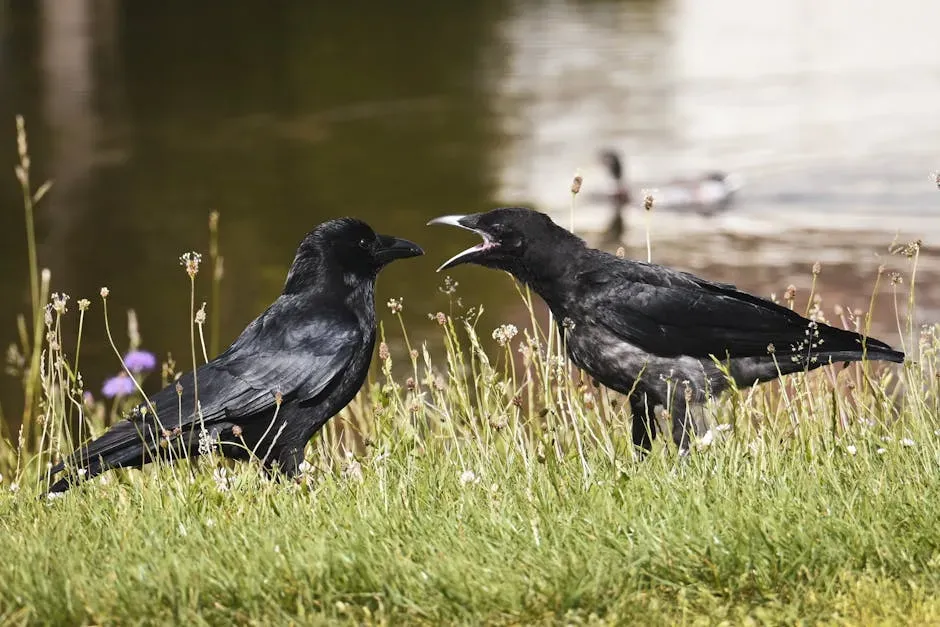
Recursion – nesting patterns inside patterns, the way language nests clauses inside clauses – was considered a uniquely human cognitive trick. Crows just wrecked that assumption.
Researchers trained two crows to peck pairs of brackets in a center-embedded recursive sequence, then tested whether the birds could spontaneously generate similar sequences using brand-new symbols. The results stunned the scientists running the study: the crows performed on par with human children, producing correct recursive sequences in roughly 40 percent of trials, without the extra training that monkeys needed in comparable tests.
Here’s the controversy: researchers currently split into two camps – one that believes human language rests on unique capacities like recursion, and another that believes it emerged from much simpler processes like associative learning. Crows just made it impossible to say recursion is uniquely human, but nobody agrees on what that means for language itself. And #4 makes the puzzle even bigger.
#4 – Why Crow Intelligence Evolved So Similarly to Primate Intelligence
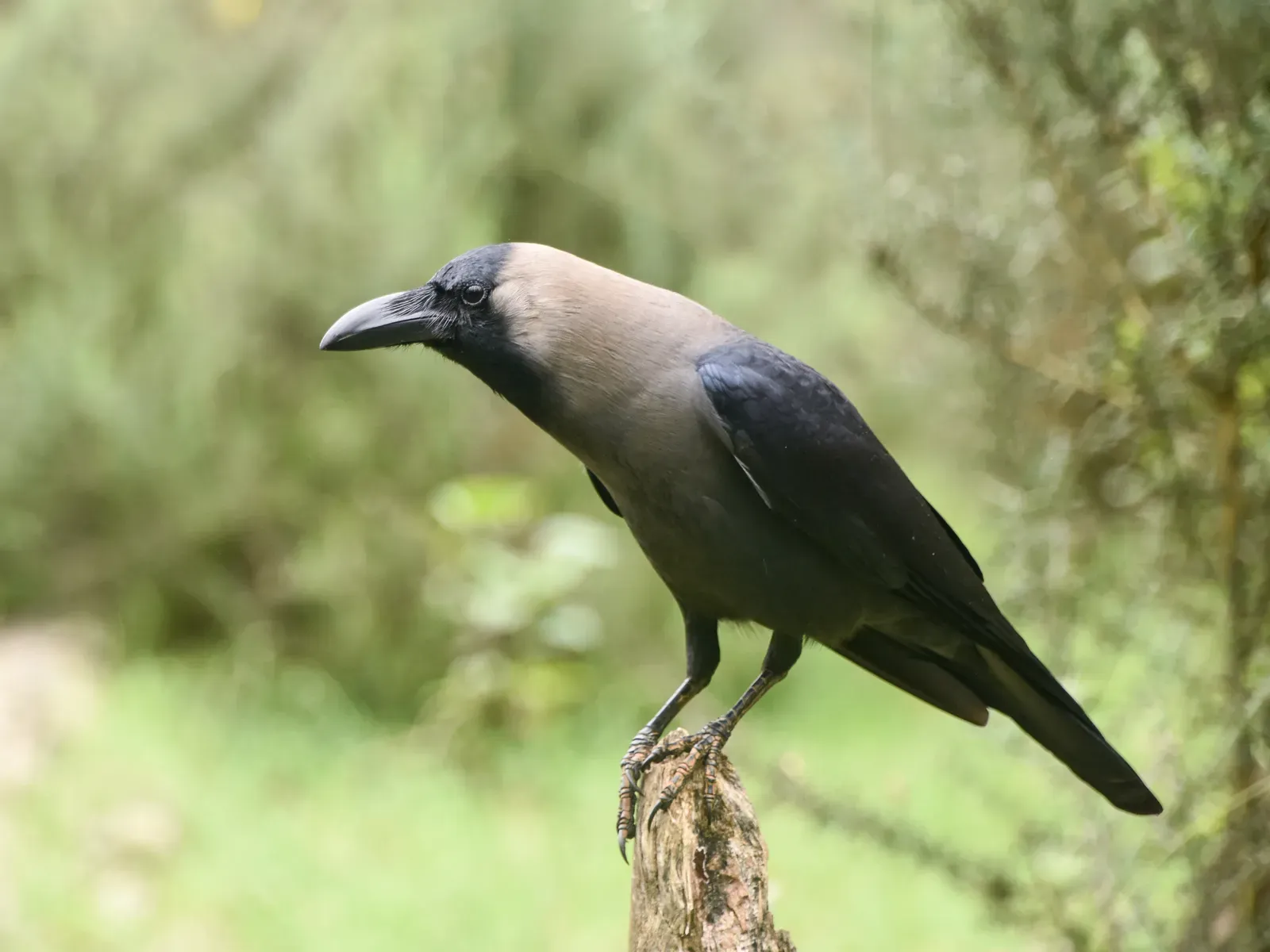
Crows and primates split from a common ancestor roughly 300 million years ago, yet somehow both groups arrived at strikingly similar cognitive toolkits. That’s not supposed to happen by chance.
The old assumption was that intelligence should climb gradually from invertebrates to vertebrates, from reptiles to primates, tracking neatly with increasingly complex brain structures. Research has blown that up – some birds learn new skills as readily as primates do, despite having a completely different kind of brain.
The magpie results carry enormous biological weight, because mirror self-recognition apparently evolved independently in magpies and in great apes – proof that a neocortex isn’t the prerequisite for self-recognition scientists once assumed it was. Two brain architectures, separated by hundreds of millions of years of evolution, somehow landed on comparable intelligence – and nobody has a clean answer for why evolution would repeat that trick twice. #3 shows just how far that intelligence actually reaches.
Why It Stands Out
- Crows and primates share a common ancestor from roughly 300 million years ago.
- Mirror self-recognition appears to have evolved independently in magpies and great apes.
- Neither lineage needed a neocortex to arrive at similar cognitive skills.
- The parallel evolution challenges the old idea that intelligence must scale in one direction with brain complexity.
#3 – How New Caledonian Crows Invent Tools Without Being Taught
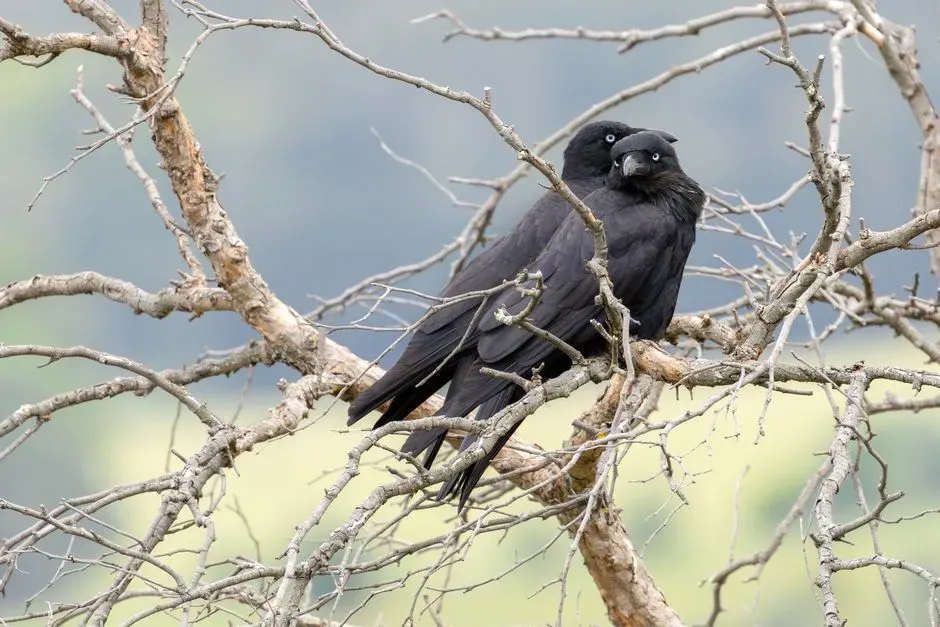
Chimpanzees learn tool use by watching others. New Caledonian crows appear to skip that step entirely, inventing solutions almost from scratch.
These crows are smart enough to build their own tools, in the wild and in the lab, by shaping the end of a stick or a length of wire into a hook to fish food out of reach of their beaks. Their skills go further than simple tool use – they’ve shown a striking aptitude for “metatool use,” where they use one tool to obtain another tool, performance that rivals great apes and outclasses several monkey species.
The unresolved question is whether this reflects flexible, general-purpose intelligence or a narrow instinct that evolved specifically for this one ecological niche. Critics point out that many reported corvid abilities look domain-specific – tool use in New Caledonian crows, food caching in scrub jays – with relatively few studies testing anything more abstract. Scientists genuinely disagree on whether this is “smart” in the way we mean it, or something narrower we’ve mislabeled. #2 turns that same disagreement toward crow language.
#2 – What Crow Vocalizations and Regional Dialects Actually Mean
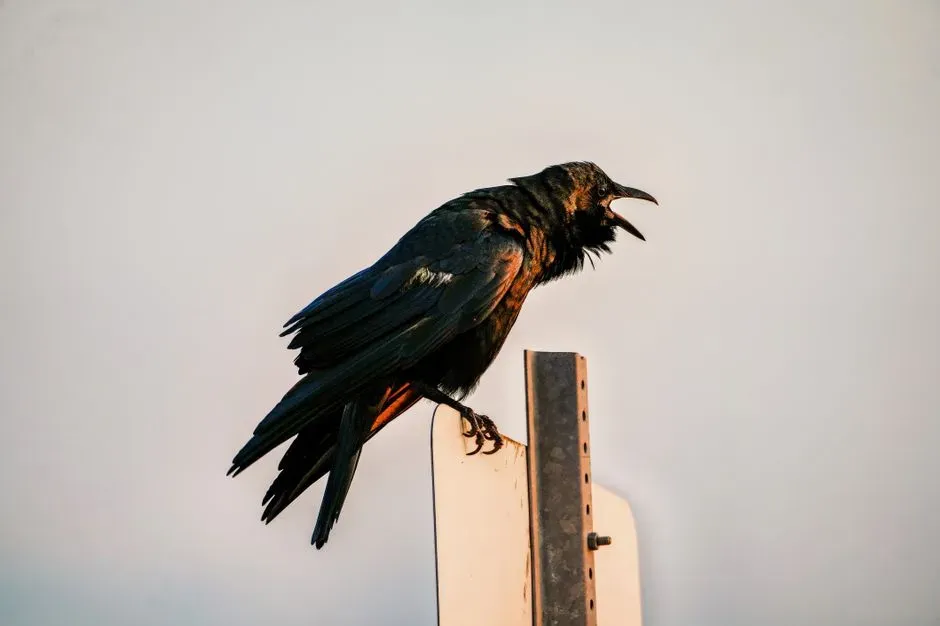
Anyone who’s spent time around crows knows they’re loud, varied, and clearly communicating something. What that something actually is remains stubbornly unclear.
Researchers have documented that crow calls shift depending on context – alarm calls differ from social calls, which differ again from the distinctive vocal patterns heard during “funeral” gatherings. Separately, researchers have pushed crow communication into stranger new territory: in 2024, a team in Germany taught crows to count out loud, matching specific vocalizations to specific numerical values.
That crows can be trained to attach vocal sounds to abstract numerical concepts suggests their calls carry far more structured information than a simple alarm-versus-safe binary. Whether wild crows share anything resembling a common “vocabulary” across populations, or whether every flock essentially invents its own dialect, is still unresolved – and it’s one of the most active, contested corners of corvid research happening right now. Which brings us to the question underneath all thirteen of these.
#1 – Whether Crows Actually Feel Anything, or Just Look Like They Do
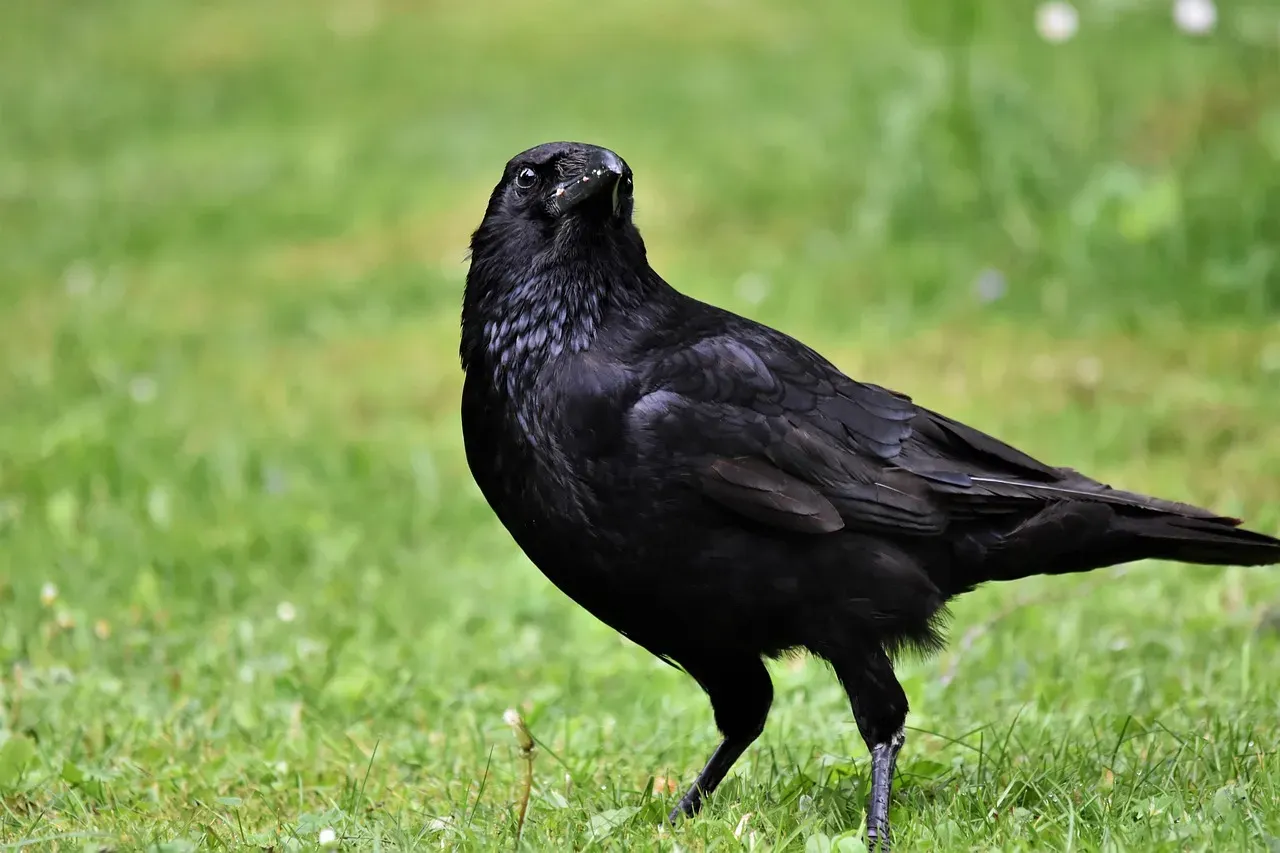
Every mystery on this list eventually collapses into the same unanswerable question: is there something it feels like to be a crow, or are we watching an extremely convincing biological machine?
Scientists remain careful – almost cautious to a fault – about this. They stop short of assigning human-like emotions to birds, noting that crow emotional experience, if it exists, likely differs from ours in fundamental ways; current consensus leans toward “funeral” gatherings serving primarily as danger assessment and information-sharing, though that doesn’t rule out an emotional layer underneath.
Even researchers who study consciousness directly stop short of claiming certainty, because understanding cognition in any animal is hard when you can’t simply ask them what they know or how they know it. That single limitation – the impossibility of interviewing a crow – is the wall every other finding on this list eventually runs into.
We can measure neurons, track behavior for decades, and build increasingly clever experiments, but the actual subjective experience of being a crow may be permanently, structurally out of reach. And that, more than any single trick or tool, is the real mystery.
The Bottom Line
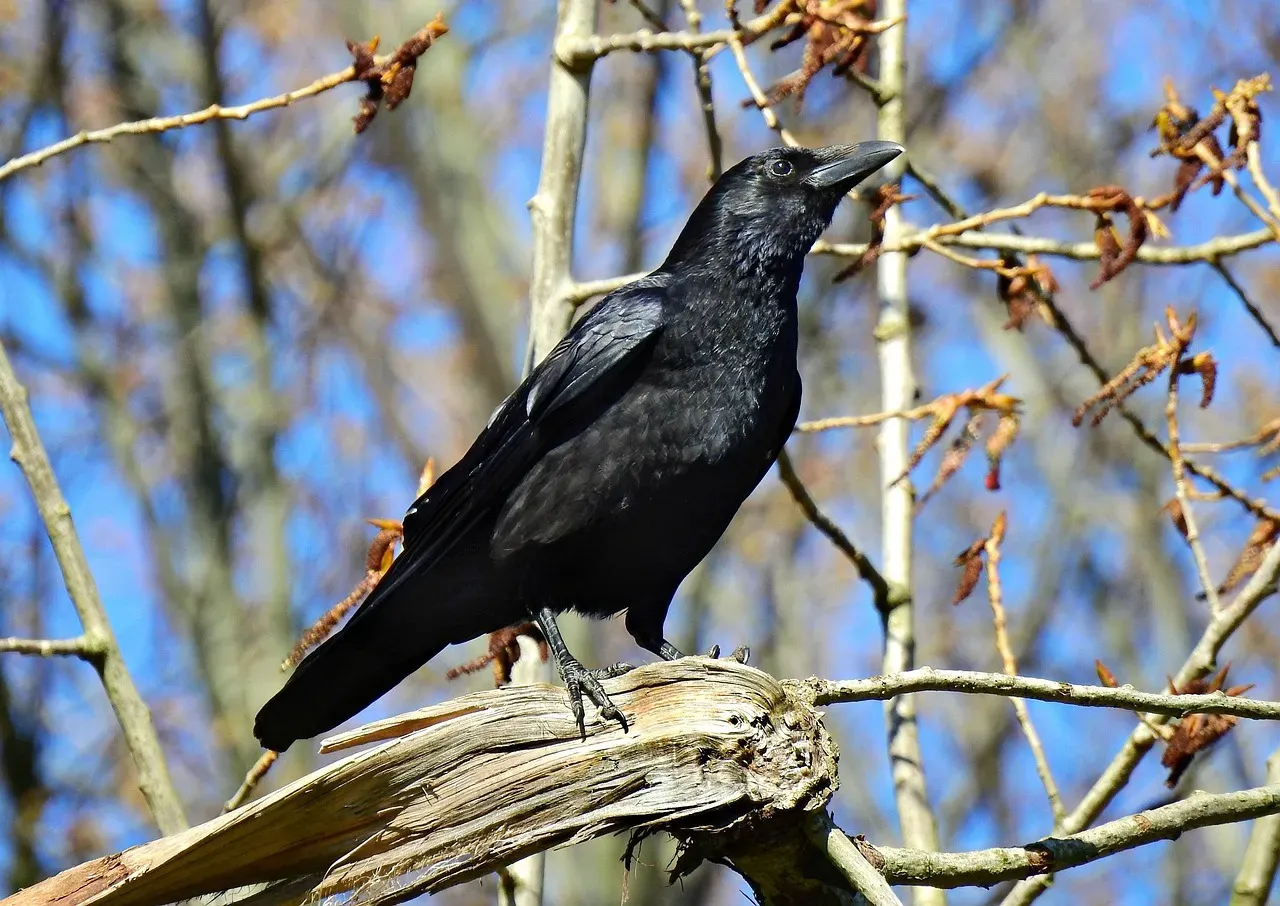
After years of brain scans, mirror tests, and painstaking fieldwork, scientists have proven crows are smarter than almost anyone imagined – and simultaneously proven how much they still don’t understand. The consciousness question alone should humble anyone who thinks “bird brain” is an insult.
What’s most striking is how often the experts themselves disagree – not about whether crows are intelligent, but about what that intelligence actually is and where its limits sit. My honest take: we’ve been so busy proving crows are “almost human” that we’ve barely stopped to ask what makes their minds legitimately, usefully different from ours. That question might matter more than any comparison to us ever could.
Which of these thirteen mysteries do you find hardest to believe? Drop your take in the comments.