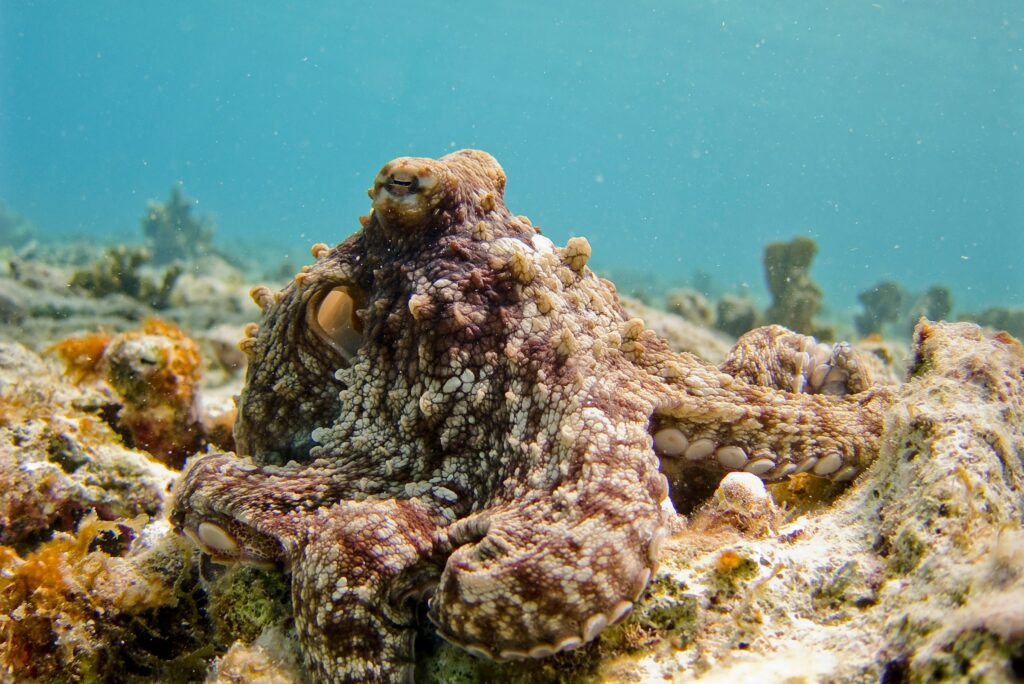

Most people picture the octopus as a slippery aquarium curiosity – a color-changing blob that occasionally escapes its tank for a joyride through the building. That image undersells them by a mile. Researchers who study these animals up close keep running into behavior that, on paper, shouldn’t be possible for a creature with no bones, no centralized brain, and a lifespan shorter than a golden retriever’s.
Octopuses have been caught building underwater cities, throwing tantrums with actual projectiles, and rewriting rules of genetics long assumed to apply to every animal on Earth, humans included. Stick around, because the list only gets stranger – by the time you hit the discovery that made headlines just this year, “simple sea creature” won’t feel like the right description anymore.
#20 – They Run on Blue Blood and Three Separate Hearts
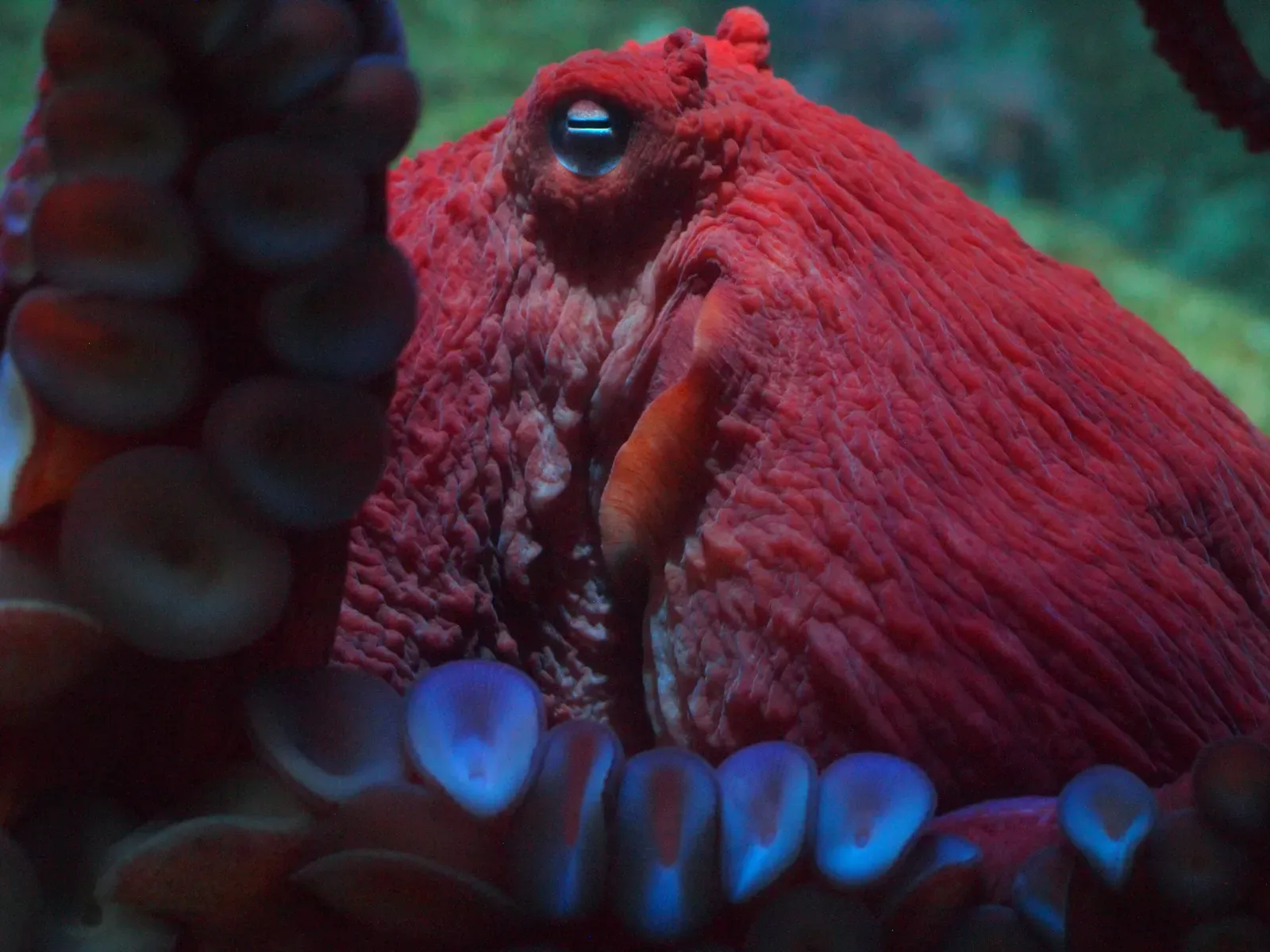
Most animals get by with one heart pumping red, iron-based blood. Octopuses decided that wasn’t nearly enough backup for a life spent squeezing through impossible gaps.
An octopus has blue blood and three hearts. The blue color comes from copper-based hemocyanin instead of iron-based hemoglobin, which works better in cold, low-oxygen water. Two of those three hearts exist purely to pump blood past the gills, while the third handles the rest of the body – and that main heart actually stops beating when the octopus swims, which is part of why they prefer crawling.
This isn’t just a cool trivia fact; it’s a survival adaptation for animals that spend their lives at depth and under pressure. Scientists studying cephalopod physiology say this triple-pump system is one of several quiet engineering marvels that get overshadowed by flashier octopus behavior. And that’s mild compared to what’s waiting at #19.
#19 – Their Ink Doesn’t Just Hide Them, It Sabotages Predators’ Noses
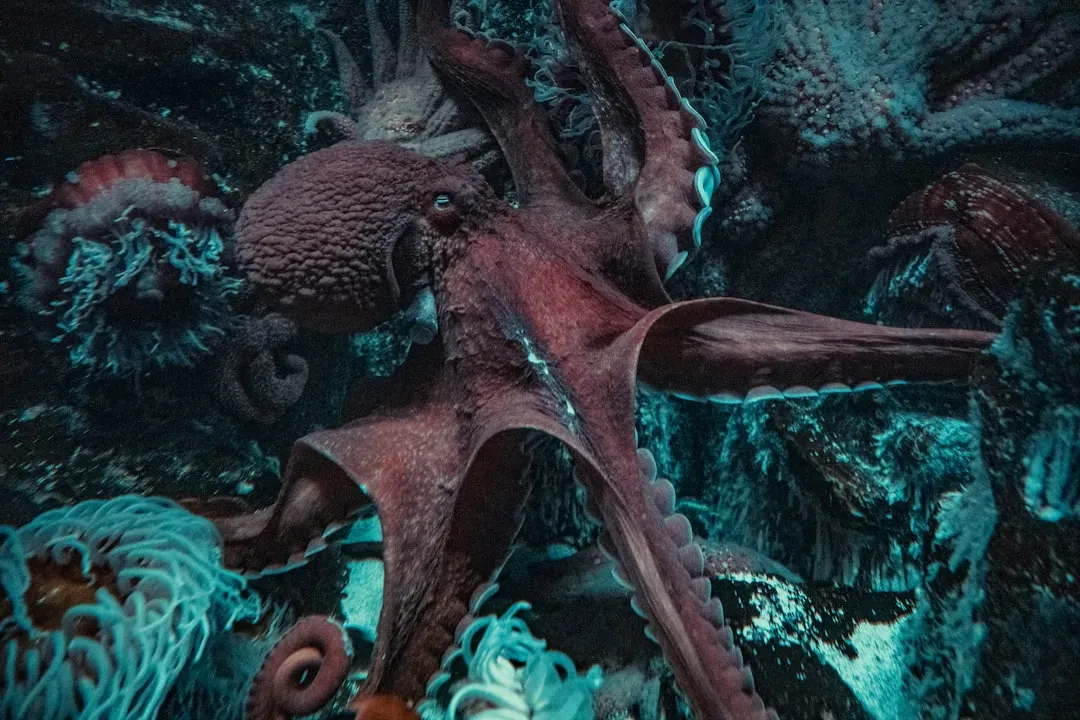
Everyone knows octopuses squirt ink when scared. Almost nobody knows the ink is a chemical weapon, not just a smokescreen.
When threatened, octopuses can release a cloud of ink to create a smokescreen and make a quick escape, and this ink not only obscures the predator’s view but also contains compounds that can dull the predator’s sense of smell. That second part is the twist researchers didn’t expect – the ink is engineered to blind a predator’s sense of smell, not just its eyes, buying the octopus critical extra seconds.
This dual-purpose defense shows just how layered octopus survival strategy really is. It’s not a panic response; it’s closer to deploying a smart weapon calibrated to disable multiple senses at once. Most predators relying on scent to track prey underwater find themselves suddenly and specifically disoriented. Even that trick pales next to what happens at #18.
#18 – They Escape Locked Tanks and Then Come Back
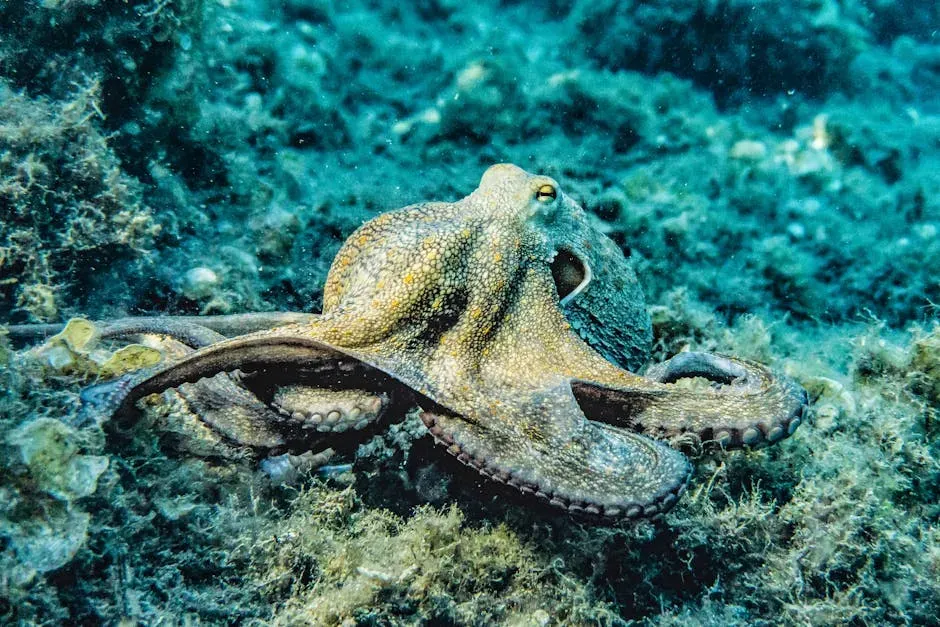
Aquarium staff have a long, slightly embarrassing history of underestimating octopuses, and it usually ends with an empty tank.
Octopuses are legendary escape artists, having the ability to squeeze through the tiniest gaps thanks to their soft, boneless bodies, and numerous reports tell of octopuses escaping from their tanks, sometimes even making their way back to the ocean. In laboratory settings, octopuses have shown an impressive ability to solve puzzles and navigate mazes, and they can open jars to access food inside and quickly adapt to new challenges.
The most unsettling part for researchers is that some octopuses have escaped one enclosure, raided a neighboring tank for food, and returned to their own tank before staff noticed. That’s not blind wandering – that’s planning, memory, and deliberate concealment. Most people assume this is exaggerated folklore, but multiple aquariums have documented it independently. Escape artistry is nothing next to the memory game at #17.
#17 – Their Skin Can Change Texture, Not Just Color, in Milliseconds
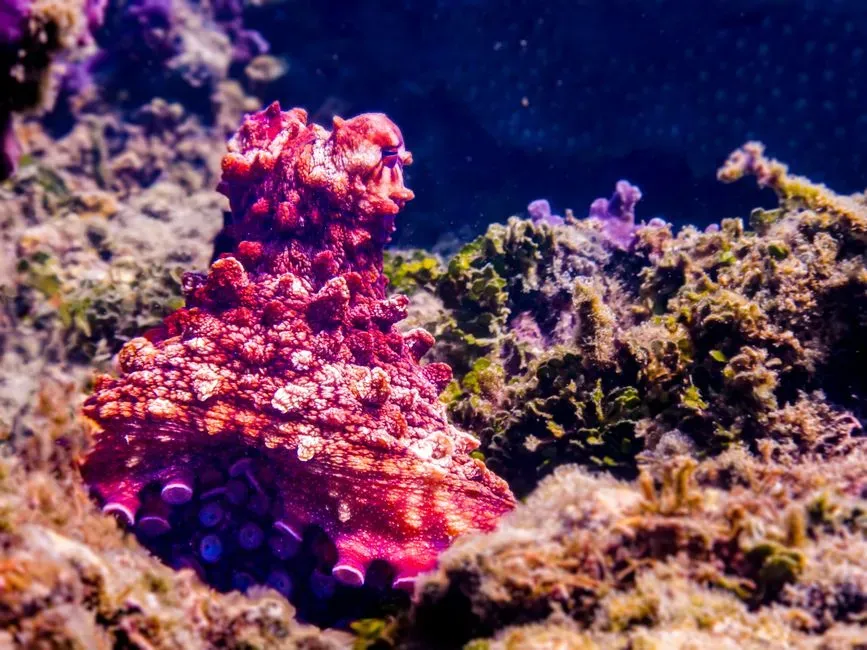
Color-changing skin is the octopus party trick everyone knows about. What’s less appreciated is that they can also reshape their skin’s actual physical texture to mimic coral, rock, or sand.
One of the most extraordinary skills of octopuses is their ability to blend into their surroundings, using a sophisticated system of pigment cells and muscles to change their skin color and texture in an instant. This happens through tiny muscle-controlled bumps called papillae that can raise or flatten the skin’s surface on command.
The speed is the shocking part – these transformations happen in a fraction of a second, faster than most camera shutters. Marine biologists studying camouflage say no other animal combines color and 3D texture-shifting this fast or this precisely. It’s less like changing clothes and more like changing skeletons on demand. Camouflage is impressive, but #16 gets into something stranger – a brain that isn’t really one brain.
#16 – Each Arm Has Its Own Mini-Brain and Can Think Independently
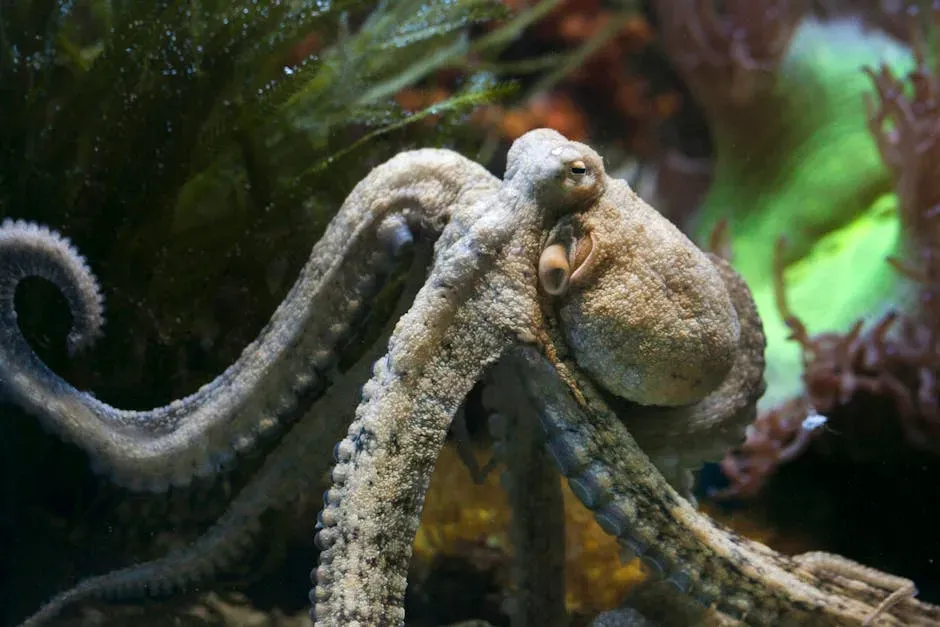
If you’ve ever wondered why an octopus arm keeps moving after being separated from the body, the answer is that it was never fully dependent on the main brain to begin with.
It’s a well-known fact that octopuses have eight arms, but did you know that each arm contains its own “mini brain,” enabling octopuses to complete tasks with their arms more quickly and effectively? Each arm is capable of acting independently – able to taste, touch and move without direction – while the centralised brain is also able to exert top-down control.
Two-thirds of an octopus’s total neurons live in its arms, not its head. Octopuses have about as many neurons as a dog, and the common octopus has around 500 million, with about two thirds in its arms. That means an octopus arm can problem-solve locally before the “main” brain even registers what’s happening. Independent arms are wild, but #15 proves those arms aren’t even doing the same job.
#15 – Front Arms and Back Arms Have Completely Different Jobs
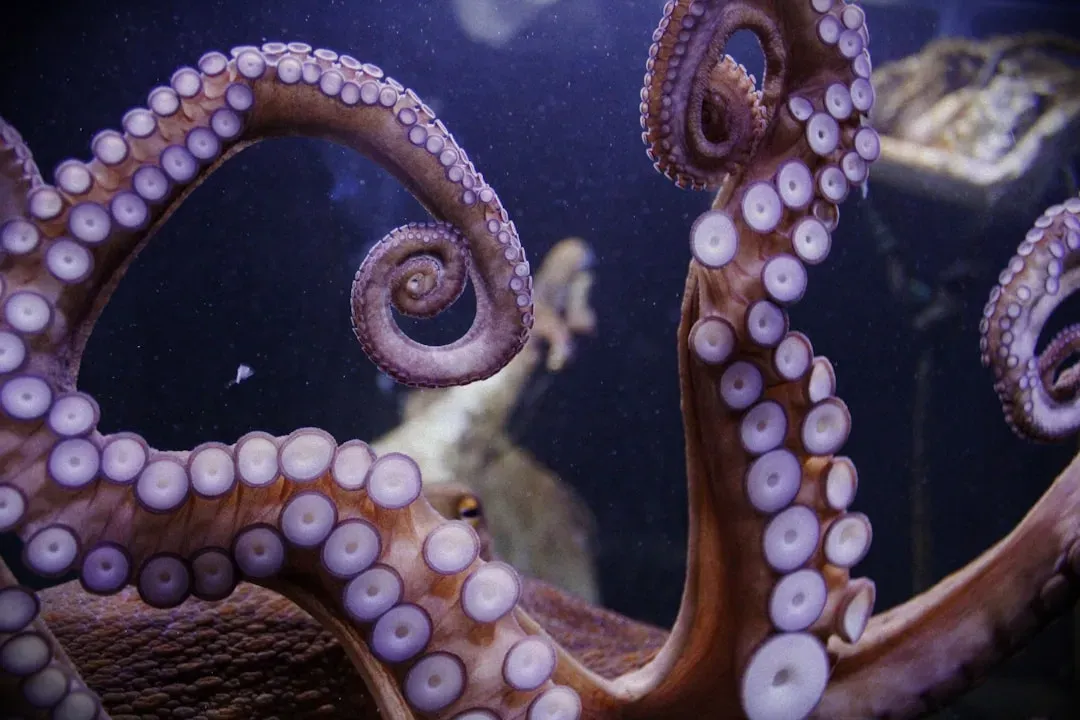
For years, scientists assumed all eight octopus arms were basically interchangeable spare parts. A detailed 2025 study proved that assumption wrong.
A new study reveals how their eight arms coordinate with surprising precision – front arms for exploring, back arms for locomotion – with researchers observing nearly 7,000 deformations across multiple habitats, capturing behaviors from camouflage tricks to elaborate hunting techniques. This is functional specialization on a level nobody expected from a boneless limb.
Even within a single arm, different sections specialize in different moves. All four types of deformation – bend, elongate, shorten and torsion – were seen in every arm, but different regions specialized, with bends mostly occurring near the tips and elongations more frequent closer to the body. Octopuses aren’t just flexible; they’re running a coordinated division of labor across eight independently-minded limbs. Division of labor is one thing; #14 shows an octopus brain actually overriding its own limbs.
#14 – They Can Guide an Arm Through a Maze Using Only Their Eyes
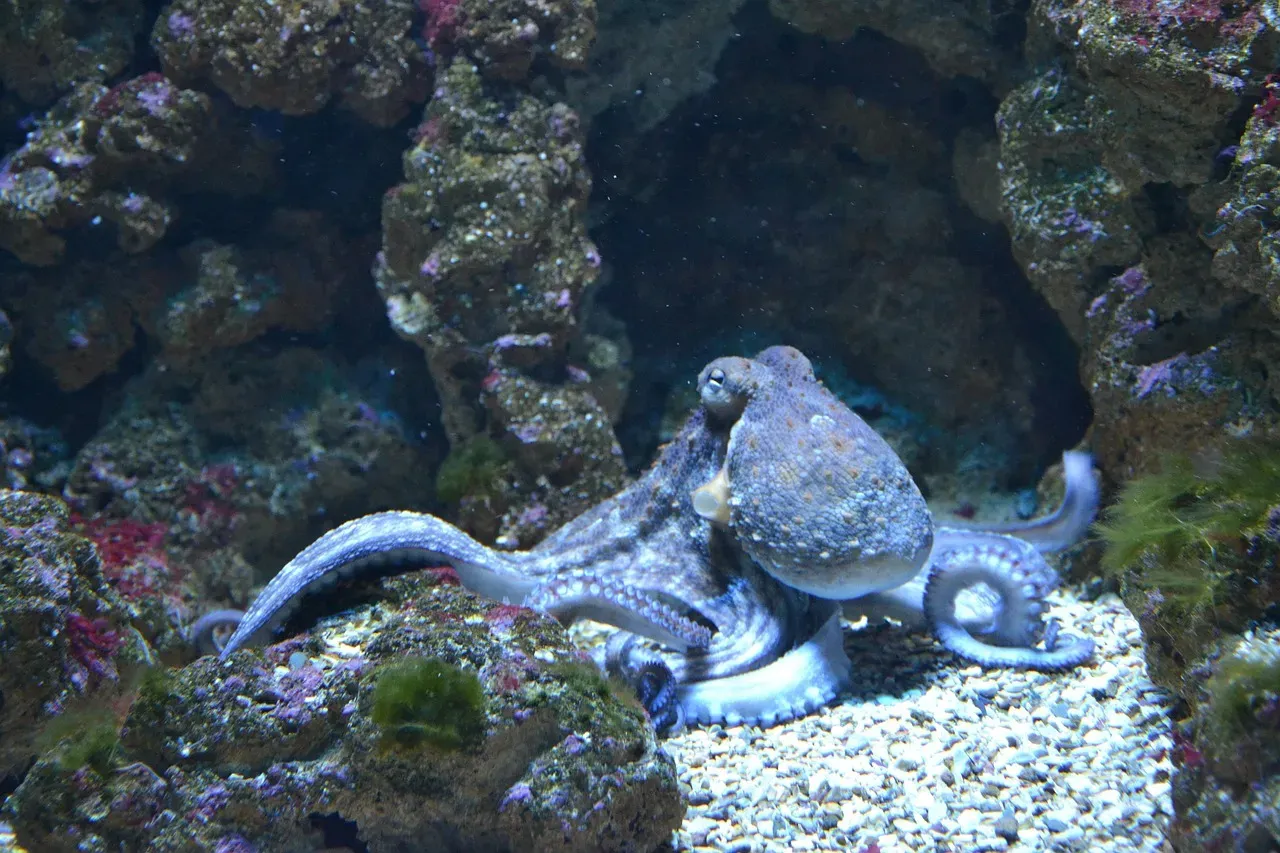
This 2011 experiment sounds almost cruel in its simplicity, but the result rewrote assumptions about how much control an octopus brain actually has over its own limbs.
This was proven experimentally in 2011 when researchers tested whether an octopus could learn to guide one of its arms through a maze to reach food, designed so the arm would have to leave water and so not be able to use its chemical sensors, with transparent walls enabling the octopus to see the food.
The point was to strip away the arm’s normal sense of taste and touch, forcing the main brain to take the wheel using vision alone. Most of the octopuses were eventually successful at guiding their arm to the food, proving that the central brain, which processed the visual information, could control the arm. That’s a level of centralized override nobody expected from a “distributed” nervous system. Centralized control is surprising enough, but #13 gets personal – literally.
#13 – They Recognize Individual Human Faces
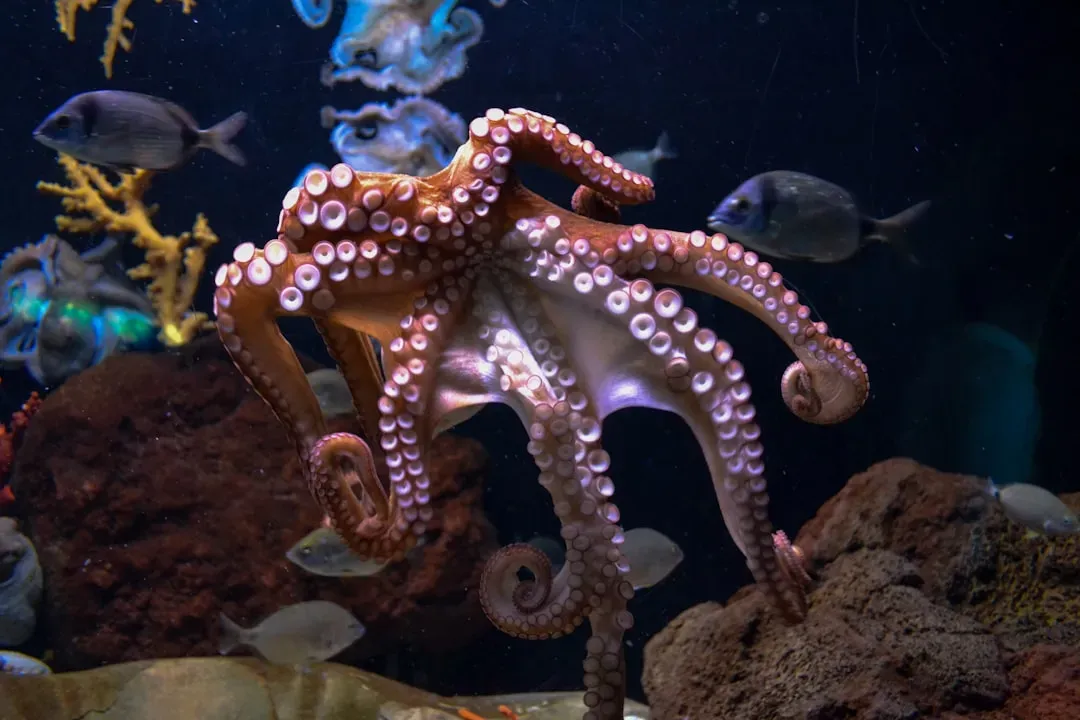
Octopuses aren’t supposed to care who’s who among the giant, slow-moving primates peering into their tank. Except, apparently, they do.
Octopuses appear to be able to recognise individuals outside of their own species, including human faces – behavior that isn’t unique, as some mammals and other animals share it too. Aquarium keepers have long claimed their octopuses seem to “like” certain staff and squirt water at others, and this research backs that anecdotal pattern up scientifically.
The surprising part is that octopuses have no evolutionary reason to develop facial recognition for a species they never encounter in the wild. This suggests their visual processing is far more generalized and powerful than expected – capable of picking out subtle facial differences in an animal that looks nothing like anything in their natural world. Facial recognition is strange enough on its own, but #12 is where tool use enters the picture.
#12 – They Carry Around Coconut Shells for Future Protection
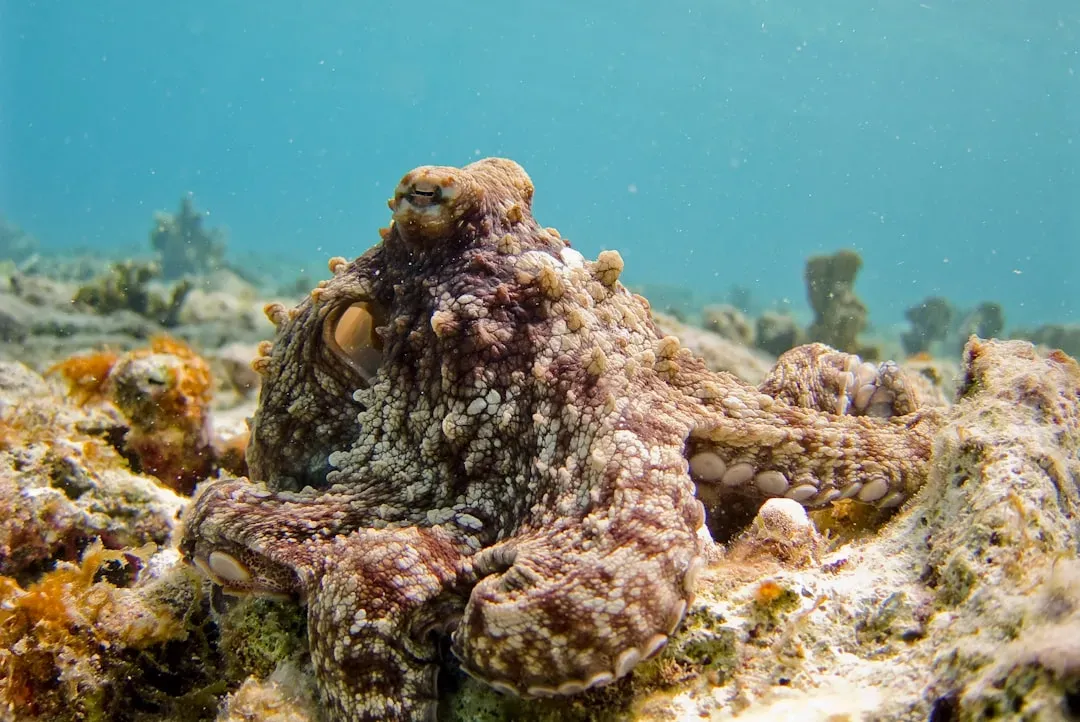
Tool use was long considered a marker of advanced vertebrate intelligence – something reserved for primates, crows, and elephants. Then researchers filmed veined octopuses doing something nobody expected from an invertebrate.
Researchers observing veined octopuses on the seafloor documented them carrying coconut shell halves across open sand, then assembling the two pieces into a protective shelter when a threat appeared, even though the shells offered no protection while being carried and transporting them forced an awkward “stilt-walking” gait that made the octopus more vulnerable.
This is planning for a future benefit at a present cost – something never documented in an invertebrate before. The octopus accepted a short-term cost for a future benefit, a kind of planning behavior that had never been recorded in an invertebrate before that study was published in Current Biology. That single observation forced scientists to rethink what “simple” invertebrate cognition actually looks like. Tool use for the future is rare enough – #11 shows octopuses doing something even rarer: living in a neighborhood.
#11 – Supposedly “Solitary” Octopuses Built Actual Underwater Cities
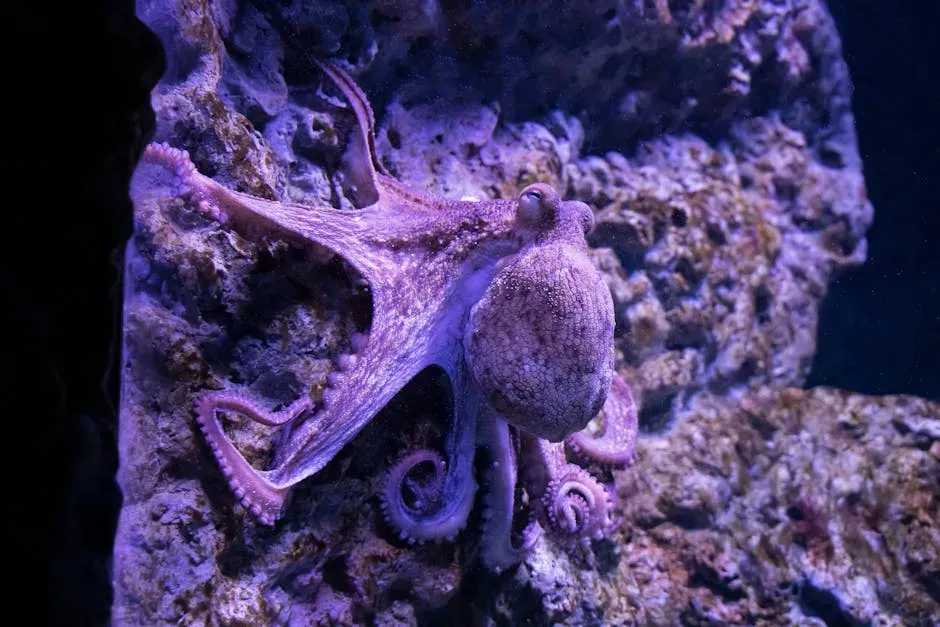
Octopuses have a reputation as loners – antisocial to the point of being borderline hostile toward their own kind. Then two sites off the Australian coast blew that reputation apart.
In 2012, scientists made a surprising discovery in Jervis Bay, Australia: the supposedly solitary gloomy octopus builds underwater cities, with congregations of dens formed from rock outcrops and discarded piles of shells from the clams and scallops the octopuses had feasted on. Population sizes weren’t up to London standards, with only around 15 occupants living in Octopolis and a second nearby commune called Octlantis studied in 2017, but they were far higher than scientists anticipated based on the loner reputation of the species.
City living came with drama, too – frequent aggression, chases and even den evictions were observed among the octopuses living at Octlantis. City life came with drama, and #10 shows exactly how far that drama goes.
#10 – They Deliberately Throw Shells and Silt at Each Other
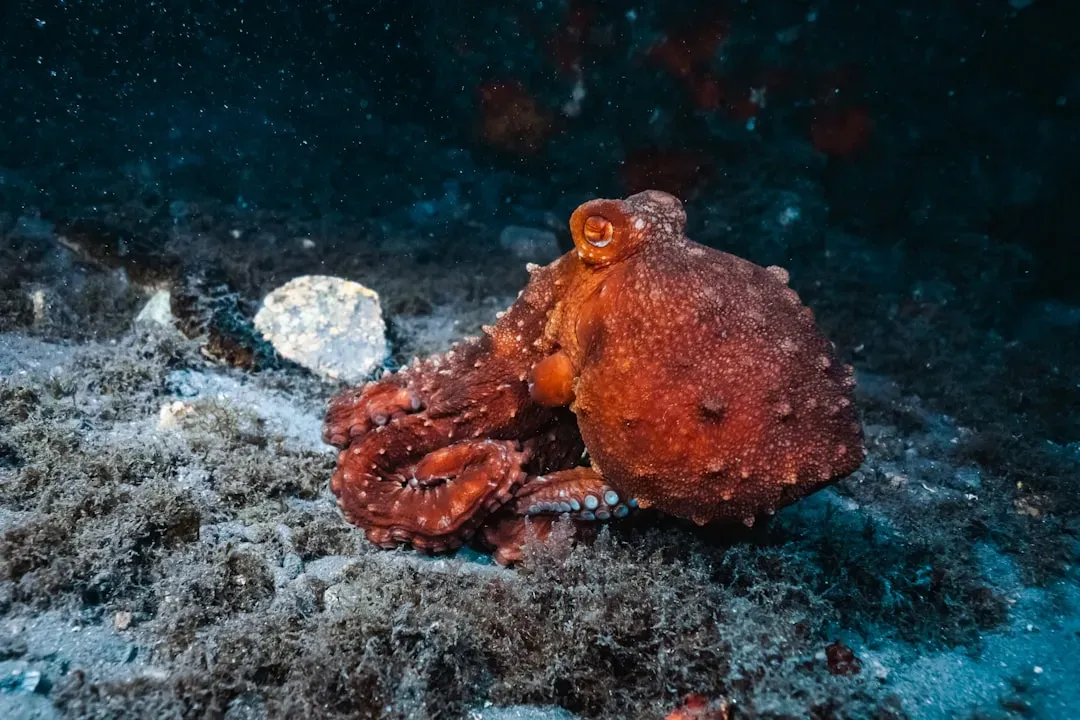
Throwing objects is an extremely rare skill in the animal kingdom, and octopuses were never supposed to be on that short list.
Researchers studying gloomy octopuses in Australia recorded more than 20 hours of footage at a dense site in Jervis Bay, and over that time they counted 102 separate instances of octopuses gathering debris and forcefully propelling it through the water. More than half of the throws occurred within two minutes of an encounter involving mating attempts, physical contact, or territorial jostling, and in roughly one-third of those cases, the debris struck another octopus.
The hits weren’t random – the same individuals kept getting targeted repeatedly, suggesting grudges and memory rather than accidental splashing. If the behavior is in fact intentional, it’d be an anomaly in the animal kingdom – we don’t often see species other than humans throwing things. Some researchers still argue it’s just enthusiastic housekeeping. Many others aren’t so sure. If throwing objects sounds unlikely, #9 involves outright disguise and deception.
#9 – Male Octopuses Disguise Themselves as Females to Sneak Past Rivals
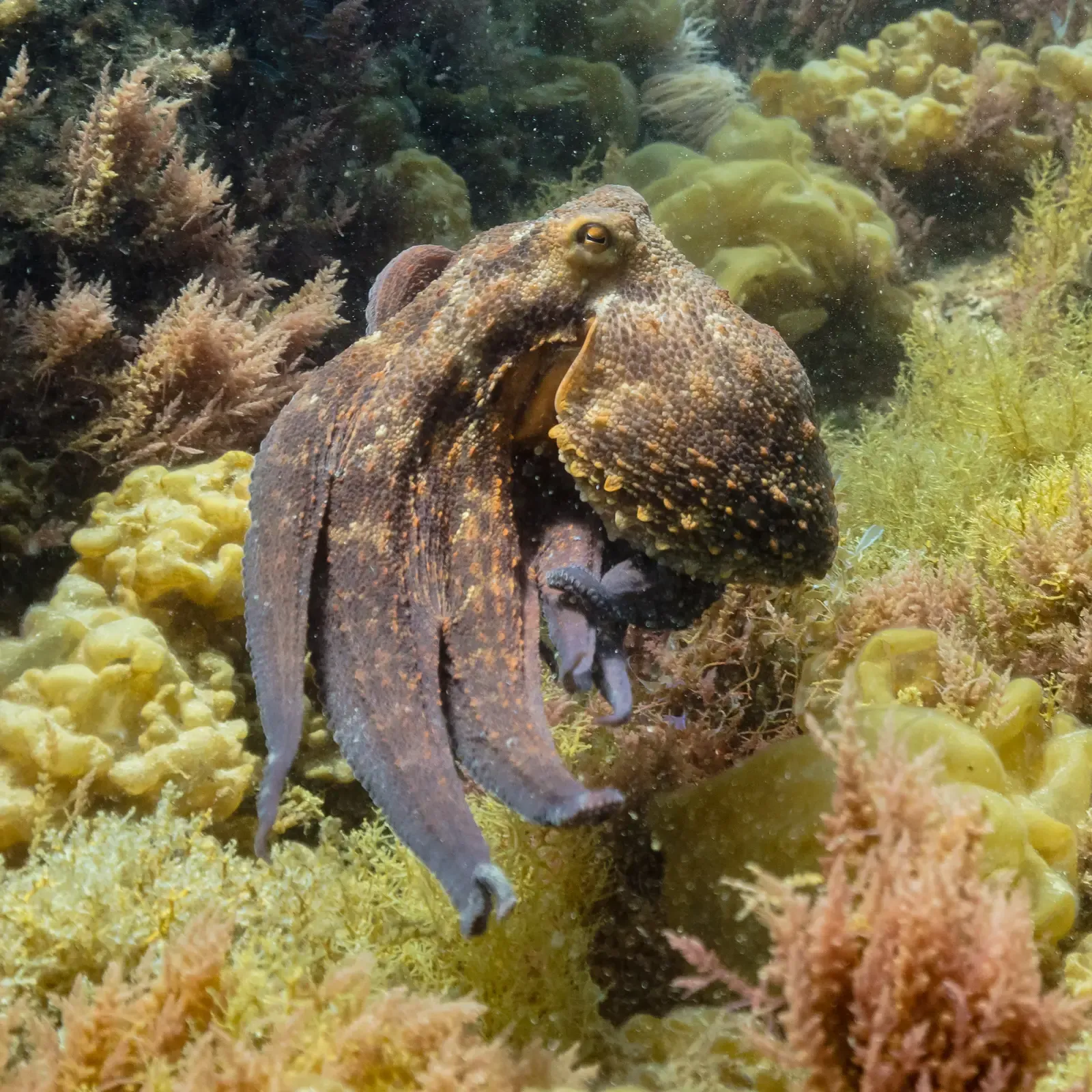
During mating season, some male octopuses run an elaborate con that would fit right into a heist movie.
During the brief mating season, male octopuses display sophisticated social strategies, with some smaller males impersonating females to avoid aggression from larger rivals while gaining mating opportunities. This isn’t a random color glitch – it’s a calculated disguise deployed specifically around dominant males who would otherwise attack or chase off a smaller competitor.
Smaller males adjust their coloring and posture specifically to slip past aggressive rivals undetected, essentially catfishing their way into mating access. Scientists studying this behavior note it requires the male to read the social situation, recognize the threat level of a specific rival, and adjust its own presentation in real time – a level of situational awareness nobody expected from a solitary, short-lived invertebrate. Catfishing rivals is one kind of cunning; #8 tests something totally different – spatial memory.
#8 – They Can Use a Mirror to Find Hidden Food
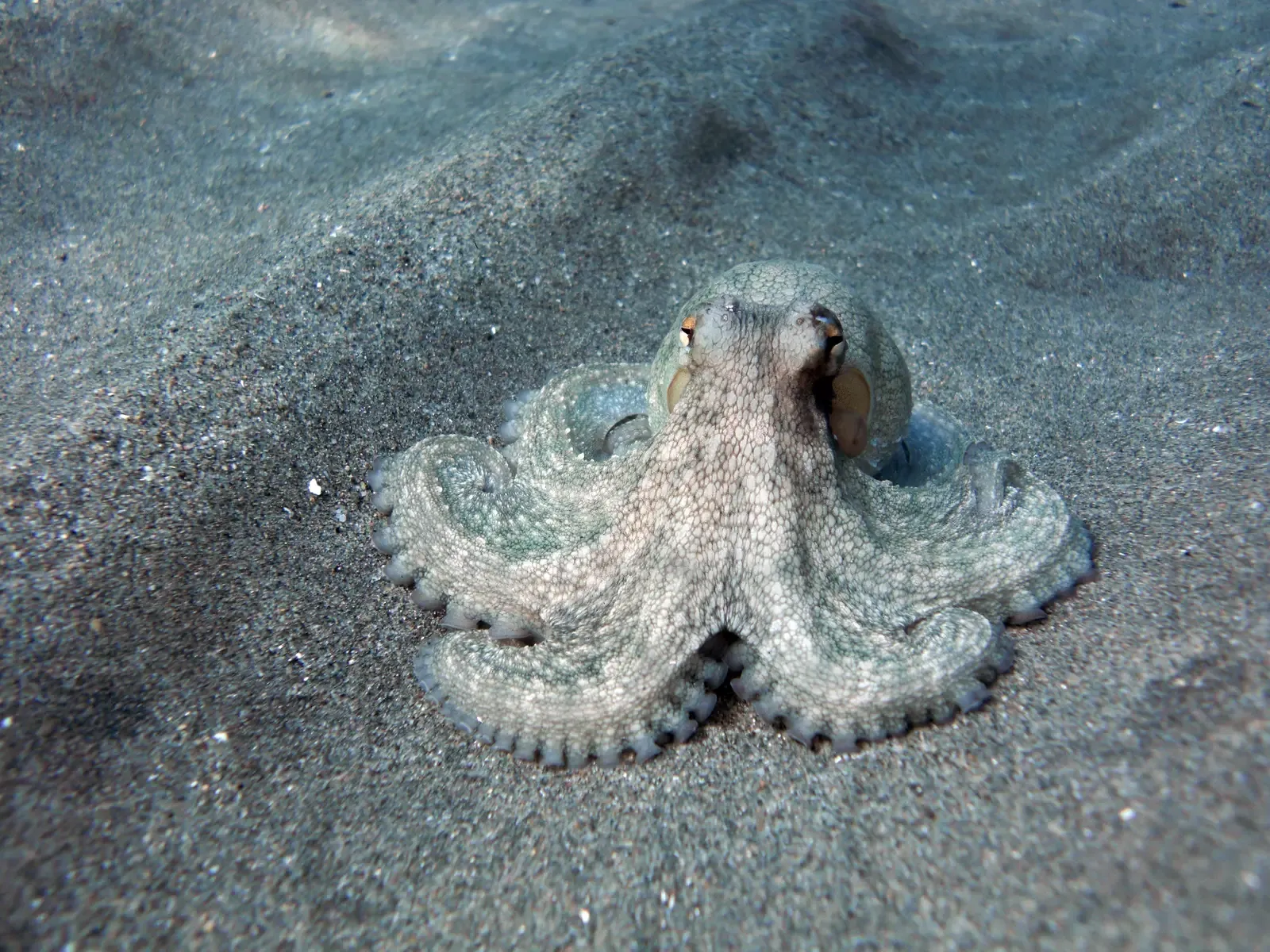
Mirror use is a classic test of spatial reasoning in animal cognition studies, and it’s usually reserved for primates and a handful of birds.
Researchers from Dartmouth College conducted an experiment involving three California two-spot octopuses to find out whether the animals could be trained in using a mirror to locate an out-of-sight food source. To receive a reward, the octopus had to recognize where the crab was located and move towards it, and the animals successfully chose the right location in 73 percent of trials, even though the learning and testing tasks were quite different.
All three octopuses succeeded on their very first real test, suggesting genuine spatial reasoning rather than memorized cues. Researchers noted that hunters are very effective when they have a mental map of their territory, and this work suggests octopuses might also have internal maps, an internal representation of space. Mirrors are one test of intelligence; #7 involves something far less expected: drugs.
#7 – MDMA Turns Antisocial Octopuses Into Cuddly Social Butterflies
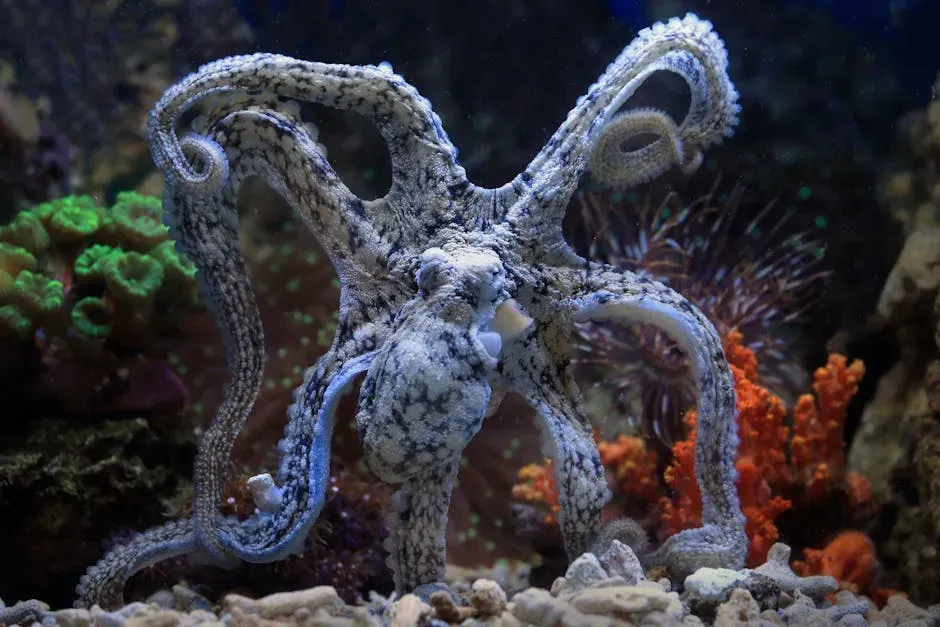
This experiment sounds like a joke until you read the actual published results in Current Biology.
With a toy in a chamber on one side of a tank and a cephalopod friend in another chamber, a sober octopus would spend more time with the inanimate object, but add a little MDMA to the equation and the doped-up octopus starts to get cozy with its pal. Researchers gave Ecstasy to four California two-spot octopuses, known to be highly antisocial, and the drug relaxed the animals’ inhibitions and made them much more touchy-feely.
The octopuses reacted almost exactly like humans do on the same drug. In interacting with the octopus in the next cage, they tended to hug the cage and put their mouth parts on the cage, similar to how humans react to MDMA by touching each other frequently. If MDMA in octopuses sounds strange, wait until you hear what their skin can do without any brain involvement at all, coming up in #6.
#6 – Their Skin Can “See” Light Without Any Help From Their Eyes or Brain
This one sounds like science fiction, but it’s backed by peer-reviewed research out of UC Santa Barbara.
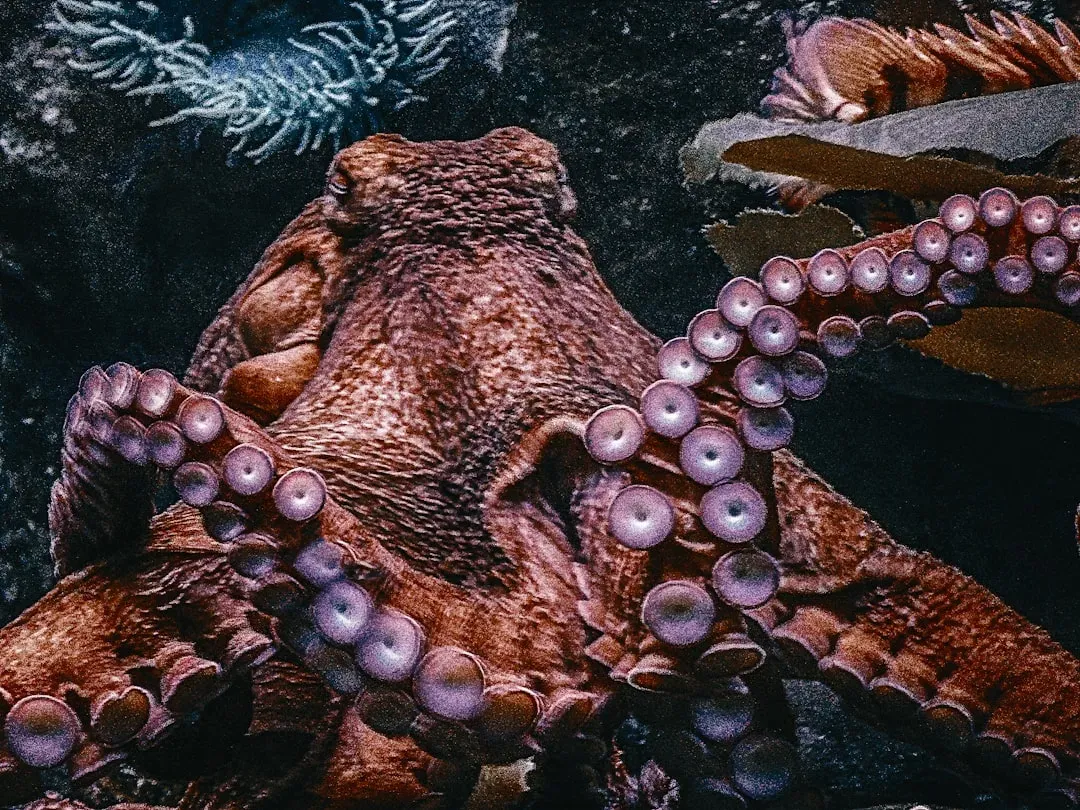
These cephalopods not only use their skin as a means of disguise and communication, but researchers found that octopus skin possesses the same cellular mechanism for detecting light as its eyes do, relying on light-sensitive proteins called opsins. Amazingly, it turns out octopus skin contains the protein rhodopsin, which is usually produced in the eye.
The skin can literally react to light with zero input from the brain or eyes. The California two-spot octopus can detect light with just its skin – no eyes or brain necessary – and respond with a color change display, meaning octopus skin can detect light and respond to it without eyes or brain required. Some researchers now suspect this ability helps fine-tune camouflage on the fly, adjusting color locally wherever light hits the skin directly. Skin that sees light is bizarre enough, but #5 finally lets scientists eavesdrop on an octopus brain in real time.
#5 – Scientists Recorded Brain Waves From Freely Moving Octopuses for the First Time
For years, studying octopus brain activity meant restraining or anesthetizing the animal – which obviously distorts natural behavior. A newer technique changed that entirely.
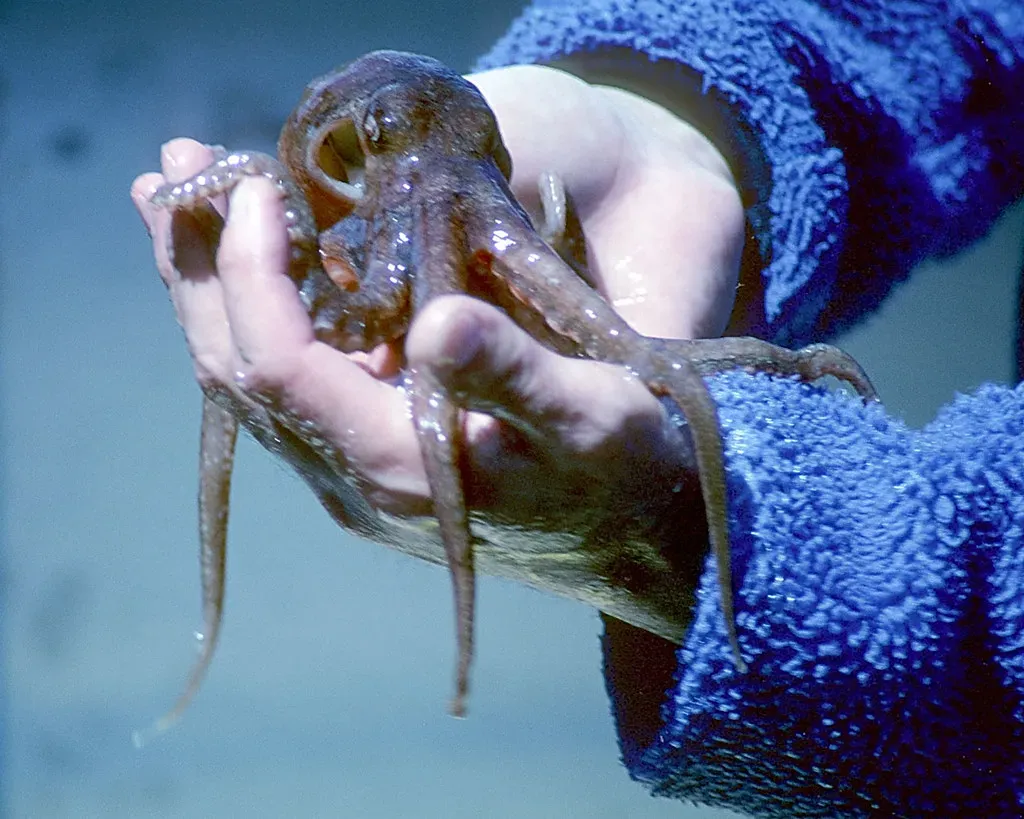
For the first time, scientists have recorded brain waves from freely moving octopuses, and the data reveal some unexpected patterns, though it’s too early to know how octopus brains control the animals’ behavior. This matters because it opens the door to studying real octopus cognition in real time, rather than guessing from behavior alone.
The patterns researchers found didn’t match predictions based on other animals’ brain activity. The technique could be used to explore brain activity behind the animals’ color-changing abilities, spectacular vision, sleep patterns and adept arm control. That’s a wide-open frontier scientists are only just beginning to map. Reading brain waves is one frontier; #4 rewinds the clock 500 million years to something even bigger.
#4 – Their Genome Independently “Reinvented” the Same Tools Vertebrate Brains Use
This discovery forced geneticists to rethink what makes a complex brain possible in the first place.
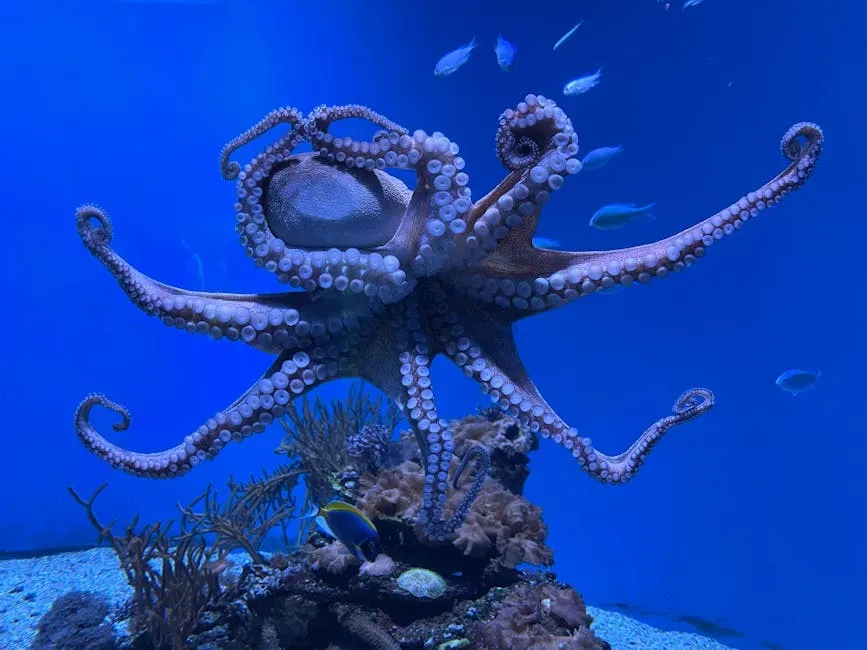
When researchers sequenced the octopus genome, they found something remarkable: massive expansions in two gene families, protocadherins and zinc-finger transcription factors, that were previously thought to be uniquely enlarged in vertebrates. Octopuses and humans last shared a common ancestor more than 500 million years ago – a simple wormlike creature with nothing resembling a complex brain – meaning octopus intelligence evolved completely independently from vertebrate intelligence.
Two totally separate evolutionary paths arrived at nearly the same genetic toolkit for building complex nervous systems. Protocadherins help regulate how neurons develop and connect to one another, and vertebrates and octopuses arrived at similar genetic solutions to the problem of building complex nervous systems through entirely separate evolutionary paths. Convergent evolution is remarkable, but #3 digs into DNA doing something scientists assumed was impossible.
#3 – “Jumping Genes” May Help Regulate Octopus Learning
Deep inside octopus brain cells, scientists found mobile DNA elements doing something nobody anticipated.
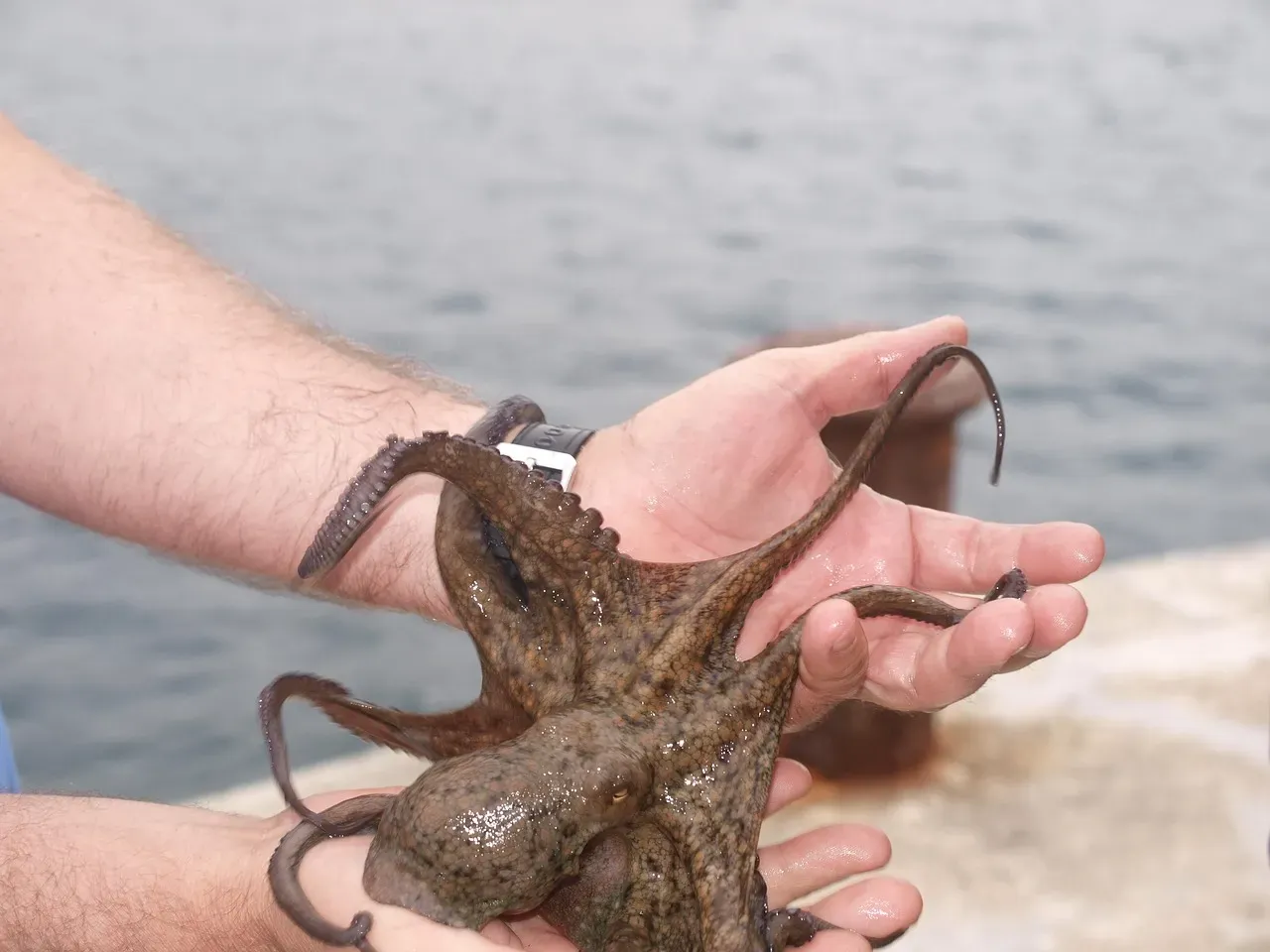
Genetic analysis of octopuses identified DNA sequences in their brains called transposons, which may help regulate learning, and genetic sequences called transposons help regulate learning. Transposons are often dismissed as genetic “leftovers” or junk DNA in other species, copying and pasting themselves around the genome with no clear function.
In octopus brains, these supposedly useless genetic fragments appear to be doing real cognitive work. Researchers studying this connection argue the similarity to mammalian learning genetics may originate at a deeper genetic level than anyone expected from an invertebrate. It’s a controversial finding still being tested, but it suggests the line between “junk DNA” and “essential intelligence machinery” is far blurrier than textbooks assumed. Jumping genes are odd enough, but #2 shows octopuses rewriting their own genetic instructions on the fly.
#2 – Octopuses Edit Their Own RNA Instead of Waiting on DNA Mutations
Most animals evolve by slowly mutating DNA over generations. Octopuses found a shortcut that lets them adapt almost instantly, and it’s still not fully explained.
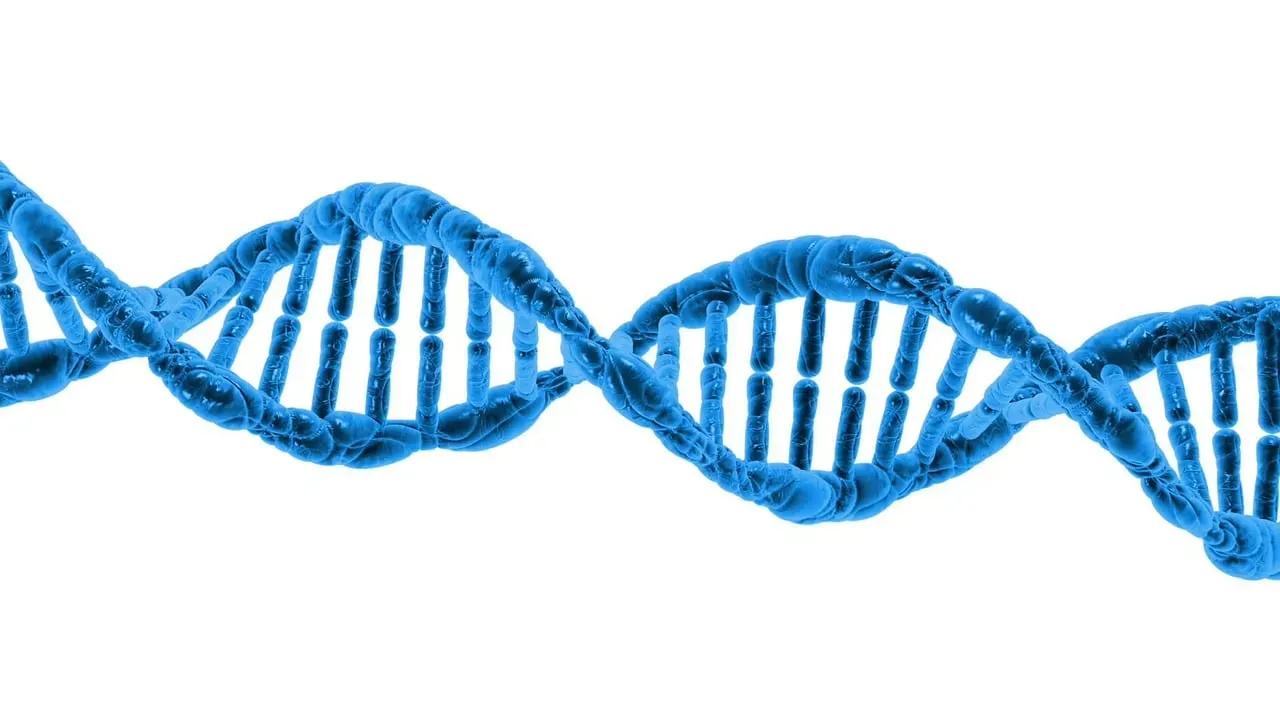
Octopuses also show unusually high levels of RNA editing, a process that allows a single gene to produce multiple versions of a protein. Instead of waiting for slow genetic mutation, octopus cells rewrite the messenger RNA instructions themselves – essentially editing the recipe after it’s already been written down, on the fly.
This level of RNA editing is dramatically higher in octopuses than in almost any other animal studied. Scientists believe this flexible editing system may let octopus nervous systems fine-tune protein function in response to temperature, stress, or environment without ever touching the underlying DNA. It’s a genetic trick most textbooks assumed vertebrates had cornered. RNA editing is a genetic shortcut – and #1 is the discovery that made headlines just this year, the strangest one on the entire list.
#1 – A Never-Before-Seen Genetic Mutation Makes Their Neurons Almost Error-Free
This is the discovery that made headlines just this year, and it’s the strangest one on this entire list.
Researchers have discovered another surprise in octopuses’ biology: a mutation, never documented in any other animal, that makes their cells remarkably accurate at creating proteins and that appeared just as they began evolving large nervous systems. It was found almost by accident. A graduate student was examining octopus RNA when he noticed an unusual break in the genetic sequences that formed ribosomes, the cell’s protein-making machines – a stretch identical across every other animal studied, making the deviation jump out immediately.
Nothing like this mutation has ever been documented in any other species on Earth. Other researchers say a connection between the break and octopus intelligence is plausible, though it lacks direct evidence, calling the associations “intriguing” while noting more proof is needed. Still, the timing – appearing right as octopuses evolved sprawling nervous systems – is hard to dismiss as coincidence.
The Bottom Line
Octopuses aren’t just “smart for an invertebrate.” They’re rewriting what scientists thought intelligence, consciousness, and even genetics required in the first place. The most shocking part isn’t any single behavior – it’s that these abilities evolved on a completely separate branch of life, 500 million years removed from anything resembling our own brains. No shared blueprint, no shared history, and yet somehow they landed on tool use, planning, facial recognition, and genetic tricks that rival vertebrate biology.
Honestly, the “solitary, simple sea creature” reputation octopuses have carried for decades never made sense once you look at the actual research – it was always going to crumble. What still gets us is the RNA editing and that brand-new ribosomal mutation; that’s not folklore, that’s hard biology nobody predicted. Which one of these surprised you the most? Drop it in the comments.