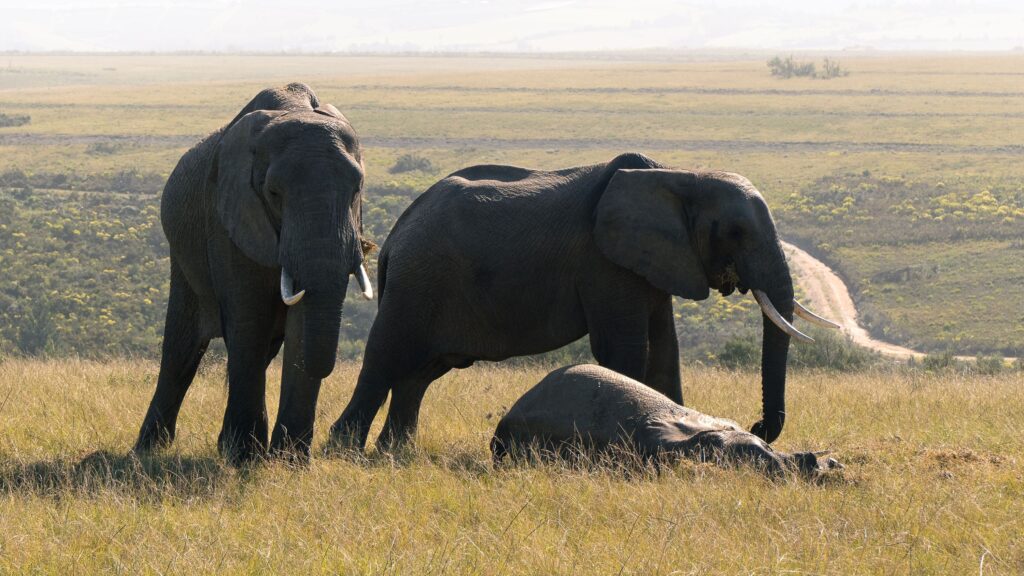

Picture a two-ton animal standing motionless for three days beside a body, refusing food, gently touching a jawbone with the tip of her trunk. For decades, scientists were trained to look away from scenes like that and call it “instinct.” Anything gentler than that word got filed under sentimental nonsense, the kind of thing you weren’t supposed to say out loud in a peer-reviewed journal.
That caution is cracking, fast. Neuroscientists studying elephant brain structure, and field researchers who’ve spent literal decades sleeping in trucks to watch the same herds year after year, are now using a word they used to avoid on principle: grief. Not comfort-language. Not metaphor. Here’s the evidence that flipped their thinking, counted down to the discovery that makes the whole debate feel almost beside the point.
#10 – The Shift From “Anthropomorphism” To “We’re Underselling Them”
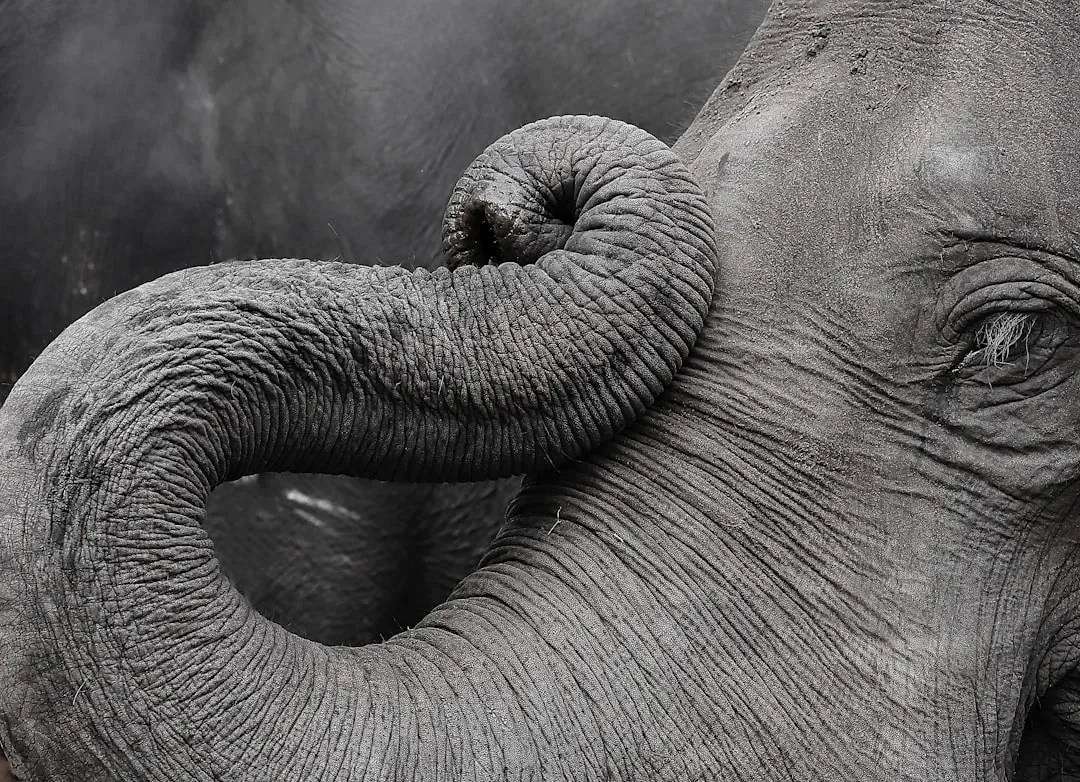
For years, the official line was that talking about “elephant grief” was sentimental nonsense. Serious scientists warned against “anthropomorphism” and insisted elephants were just reacting to smells, sounds, or herd disruption. That’s quietly changing.
Long-term field studies have documented patterns of behaviour around death that are too specific, too repeated, and too socially targeted to be dismissed as random stress. When the same elephants return to the same bones months or years later, touching them gently while ignoring the bones of other species, the “you’re projecting” argument suddenly looks lazy. Researchers now talk about “emotional responses to death” instead of vague “disturbance behaviours.” Some admit they were wrong. But #9 is where things get physically inconvenient for the skeptics.
#9 – Elephants Don’t Just Notice Death, They Rearrange Their Whole Day Around It
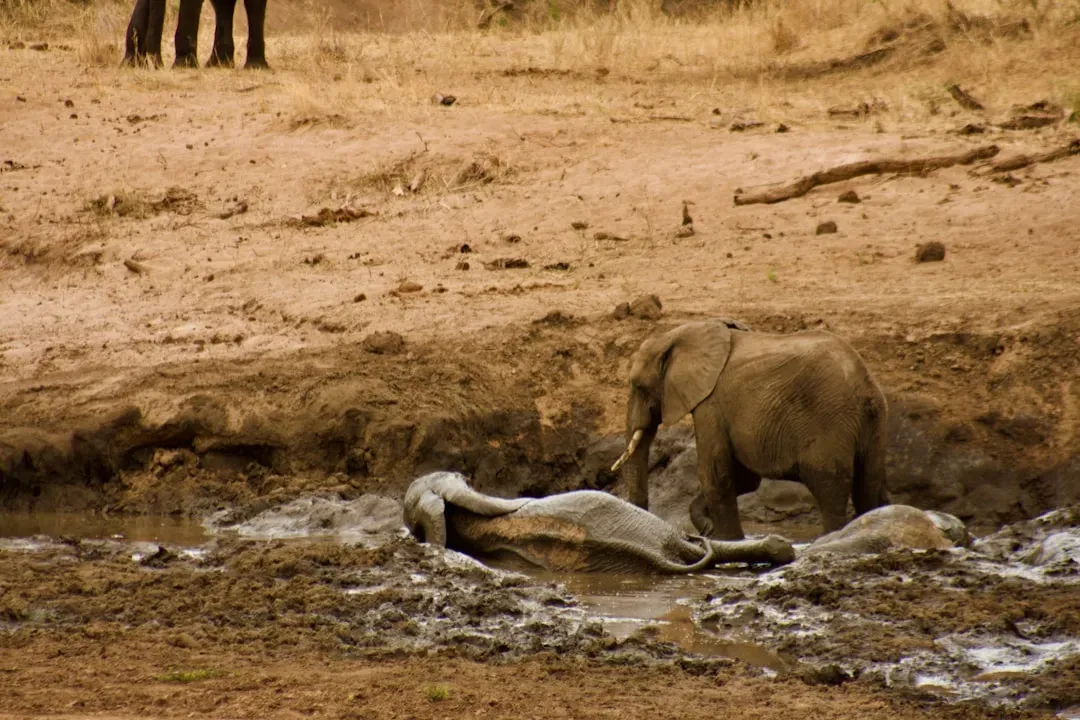
The idea that elephants just “happen to pass by” a carcass doesn’t hold up. In multiple observations, herds have changed direction, stopped feeding, and delayed travel for hours after encountering a dead or dying elephant. This isn’t a quick sniff and move on. It’s a full schedule rewrite around one body.
Some will stand vigil, barely eating, touching the corpse with trunks and feet, or resting a foot gently against it in sustained contact. Others fan out in a loose defensive circle, as if guarding the dead from scavengers or threats. In the wild, wasting daylight and calories like this is a real cost. Behaviour with a cost is exactly what grabs scientists’ attention, because it suggests the response isn’t automatic – it’s meaningful. Wait until you see what their brains are actually built for.
#8 – Their Brains Are Wired For Deep Social Emotion
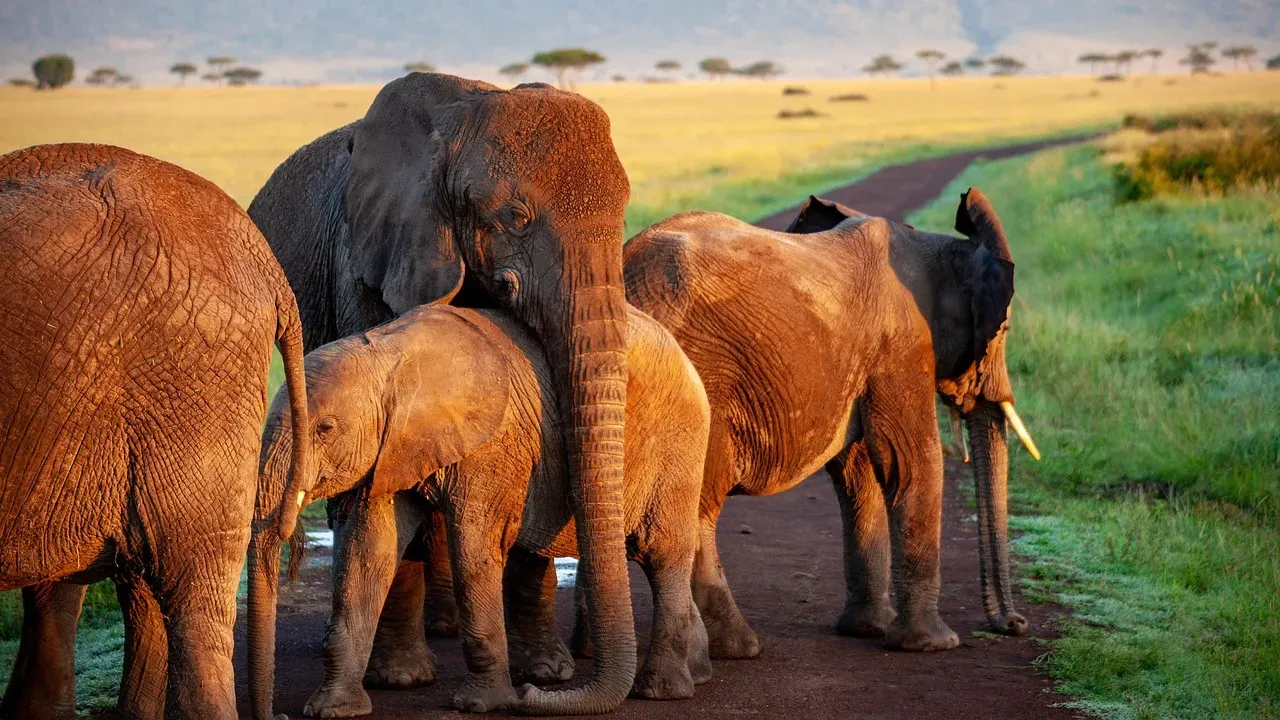
If this were just about behaviour, skeptics could still say “clever instinct.” But elephant brains are a major plot twist. They have some of the largest and most complex brains of any land mammal, with especially developed regions tied to social cognition, memory, and emotion.
Their temporal lobes – which handle memory and emotional processing – are massive, and they show dense connections between sensory areas and limbic, emotional centers. Even more telling: elephants show signs of spindle neurons, the same specialized cells linked to social awareness and empathy in humans, great apes, and some whales. These cells are associated with quick, big-picture emotional judgments, exactly what you’d expect in an animal making sense of death and social loss. Brain architecture doesn’t “prove” grief, but it makes grief a plausible, not absurd, explanation.
Fast Facts
- An African elephant brain weighs roughly 4.5 to 5 kg – about three to four times heavier than a human brain.
- It holds around 257 billion neurons, close to three times the ~86 billion found in a human brain.
- The temporal lobe, tied to memory and emotional processing, is unusually large and expands outward.
- Elephants share spindle neurons with humans, great apes, and whales – cells linked to empathy and social judgment.
What they do with their trunks next is even harder to explain away.
#7 – Targeted Touching: Trunks, Tusks, And Bones That Still “Matter”
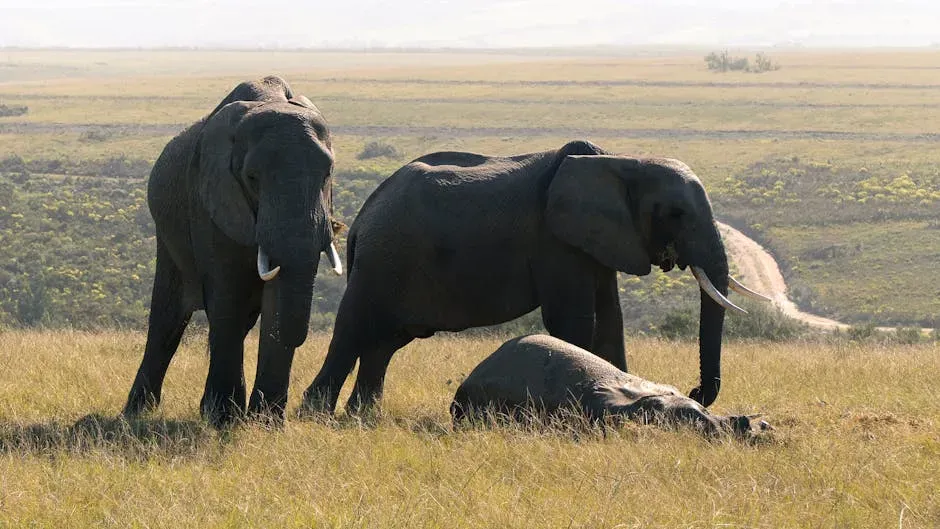
Most animals sniff a carcass and move on. Elephants do something eerier. They often focus their attention on very specific parts of the body: the head, the face, the tusks. Observers repeatedly see elephants caressing the jawline, the side of the skull, or the tusks of a dead or even long-dead individual, while largely ignoring the rest of the remains, and ignoring bones from other species entirely.
Even when only scattered bones remain, elephants may pause, pick up a bone, hold it with their trunk, and gently explore it before setting it down. Sometimes they’ll cover the body or bones with branches or soil, as if trying to “do something” about the state of the remains. That kind of precise, repeated, socially focused touching is hard to write off as curiosity. And it gets stranger the longer you watch.
#6 – They Return To The Dead Long After The Story Should Be Over
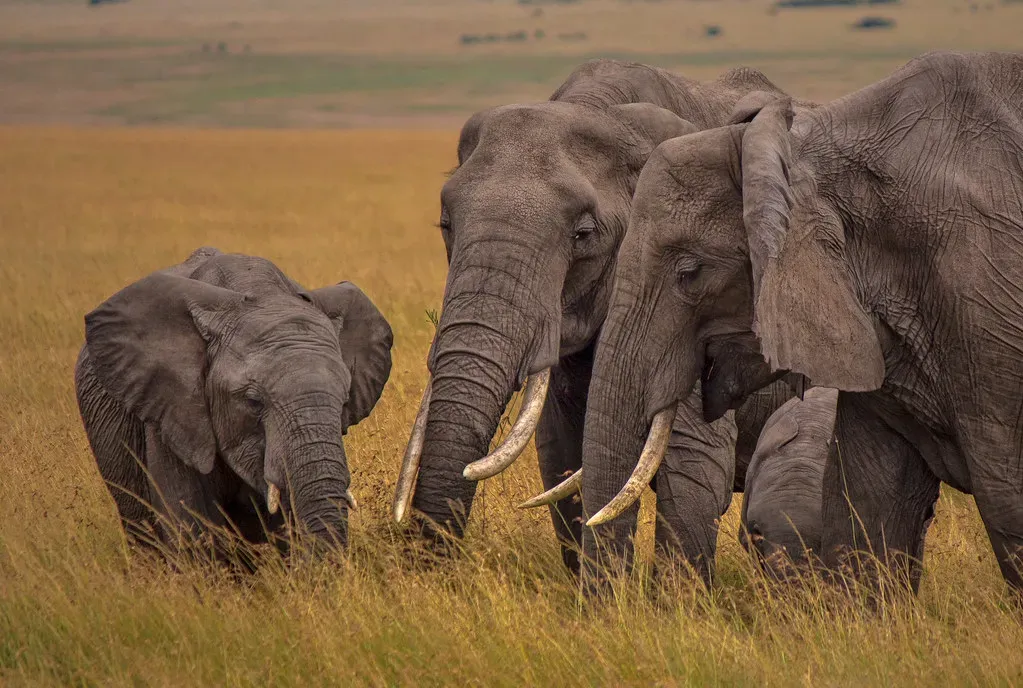
Many species react strongly in the moment, then forget. Elephants don’t. Researchers have documented herds revisiting death sites months or even years later, slowing down as they approach, and again touching or examining the bones. This isn’t tied to fresh smell or immediate danger.
In some cases, the visiting elephants weren’t even present at the original death but still show unusual interest in those particular remains. More disturbing for those who want a neat, emotion-free story: these return visits often come with clear behavioural changes – quietness, lingering, careful exploration. Elephants have famously long memories; the idea that they’re recalling individuals and events is no longer a fringe view. Nothing shows that more than what happens between a mother and her calf.
#5 – Mothers And Calves: When Letting Go Becomes Physically Painful
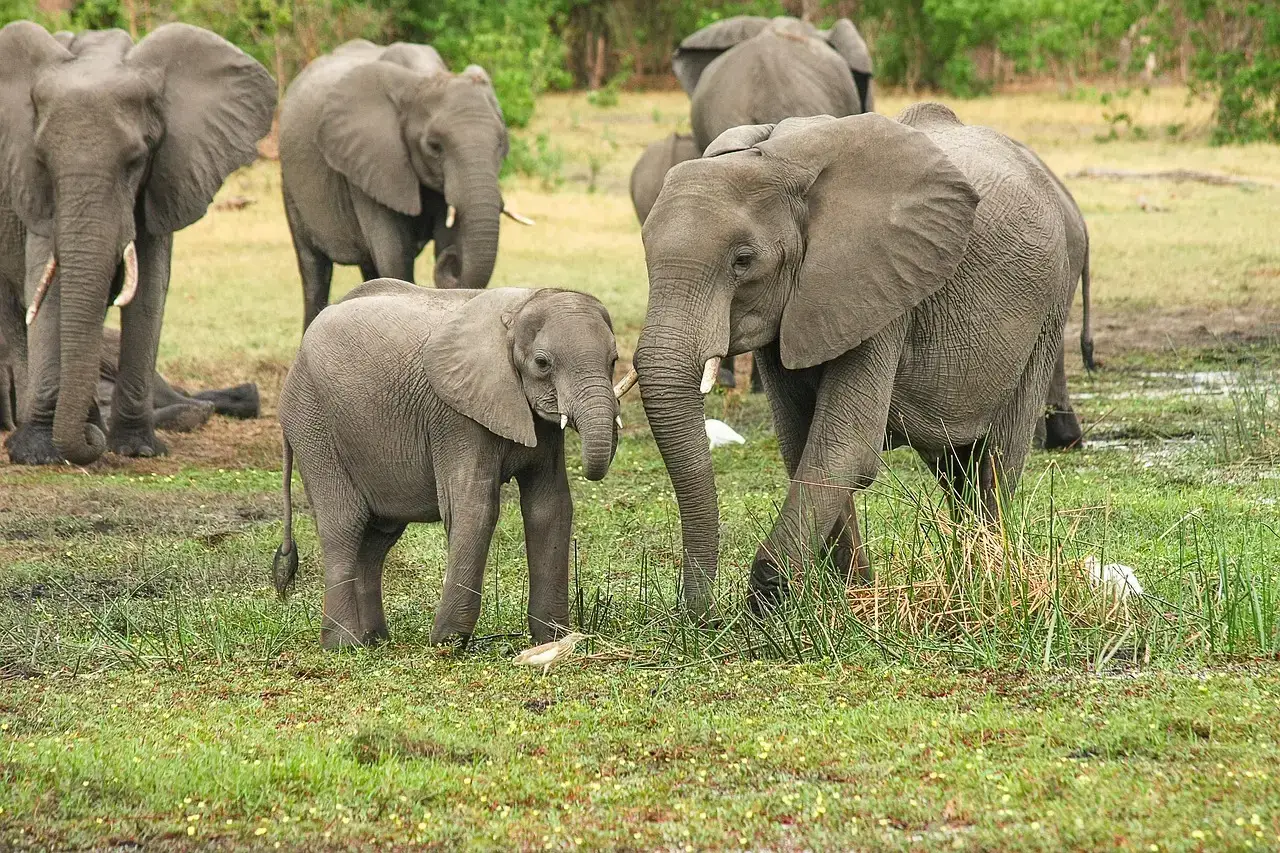
If there’s any place grief would show up, it’s in the bond between mothers and calves. And here, the evidence hits harder. Elephant mothers have been seen staying with a dead calf’s body for hours or even days, nudging it, trying to lift it, vocalizing softly, and refusing to leave even as the herd moves on.
Some mothers appear emaciated after these vigils, having sacrificed feeding time in what looks strikingly like denial and clinging. On occasion, females will attempt to guide a clearly dying calf to shade or water, or stand over it in a protective posture until the end. Afterward, they may repeatedly return to the spot where the calf died.
“Every part of her spelled grief.”
Joyce Poole, elephant researcher
Biologists try to stay conservative and call this “strong attachment behaviour,” but if you watched a human mother do the same things, you wouldn’t hesitate to call it grief. The herd’s reaction, though, is its own kind of unsettling.
#4 – Distress Calls, Silence, And The Sound Of A Mourning Herd
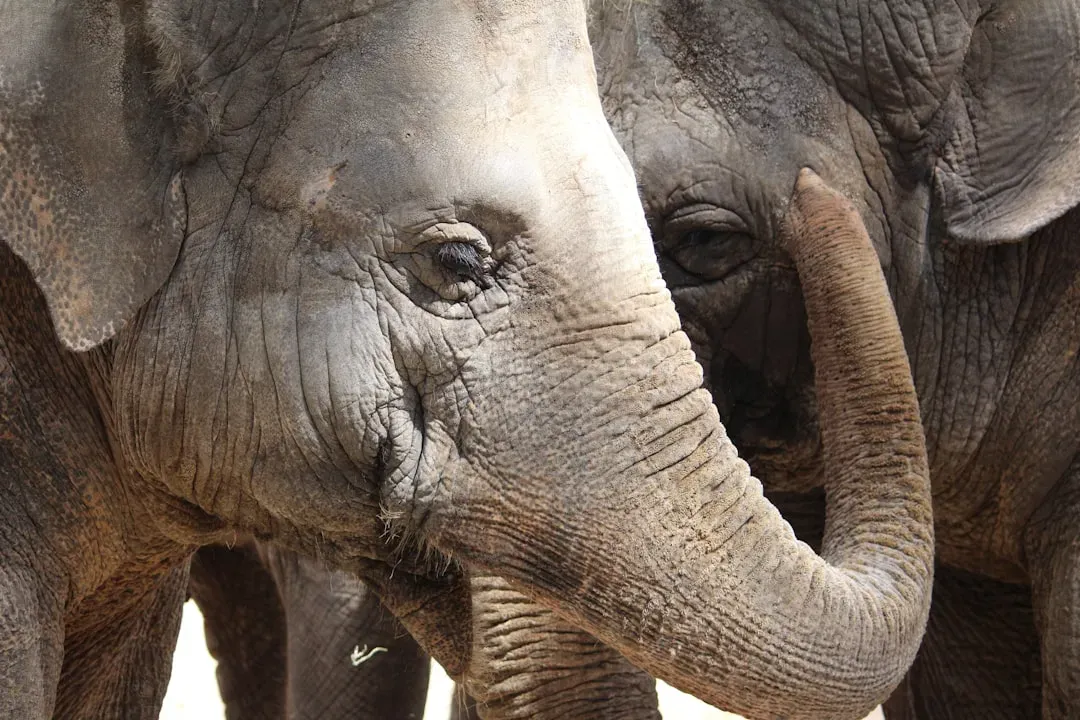
Elephant social life is loud – rumbles, trumpets, growls. But around death, the soundscape often shifts in ways that are hard to ignore. Some herds become strikingly quiet and subdued, staying close together with minimal vocalisation, as if the social volume has been turned down. In other cases, there are intense trumpeting bouts and low-frequency rumbles that researchers interpret as distress or searching calls.
What makes this more than “noise” is context. Vocal patterns change specifically around the dying or recently dead elephant and then shift again as time passes. Animals that had strong social ties to the deceased may vocalise differently than more distant herd members. That social specificity is what scientists look for when they talk about emotional states rather than generic arousal. To many field observers, it already “sounds” like mourning. But the most damning evidence didn’t come from watching healthy elephants at all.
#3 – Trauma, PTSD-Like Symptoms, And Lifelong Behaviour Changes
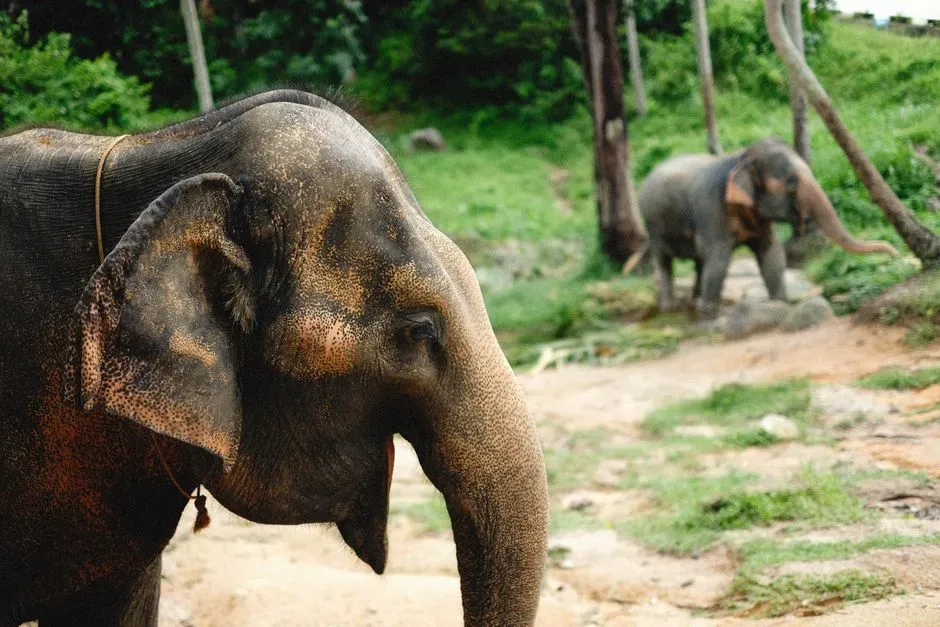
We don’t like admitting this, but the human impact on elephants has accidentally revealed just how deep their emotional world might go. Orphaned calves from poaching or culls sometimes grow up showing PTSD-like symptoms: hyper-aggression, unpredictable behaviour, stereotyped pacing, or extreme dependence on caregivers. Some young males from heavily traumatized populations have even launched unusually violent attacks on other animals.
If elephants can develop long-term psychological trauma from social loss and violence, writing off their reactions to natural death as “reflex” becomes intellectually lazy. Emotional systems capable of being damaged are emotional systems that can feel. Some conservationists now argue that ignoring elephant mental health is as unscientific as ignoring their nutrition. Not every scientist wants to use the word “grief,” but they’re no longer claiming “no emotions.” The next clue came from something even more human: elephants don’t grieve everyone equally.
#2 – Individual Personalities, Selective Attention, And Who They Mourn
One of the clearest signs of genuine grief is that it isn’t evenly distributed. Humans grieve some losses more than others; so do elephants. Field researchers note that elephants seem especially affected by the deaths of matriarchs, close kin, or long-term companions, while showing more limited interest in strangers. That fits grief far better than a simple “elephant corpse equals strong reaction” formula.
Elephants also have distinct personalities: bold or shy, social butterflies or loners. Those personality differences show up in how individuals respond to death. Some stand guard; others hang back but keep visual contact; a few keep touching the body long after others stop.
Quick Compare
- Matriarchs and close kin: Long vigils, repeated touching, distress calls, return visits for years.
- Herd companions: Noticeable pause in travel, some touching, brief lingering.
- Unrelated elephants or strangers: A quick investigation, little or no lingering.
- Other species’ remains: Largely ignored altogether.
When reactions to death vary by relationship and personality, you’re no longer looking at a rigid program – you’re looking at an emotional response filtered through a lifetime of social experience. Which brings us to the real reason this debate makes people so uncomfortable.
#1 – The Moral Discomfort: We See Ourselves In Them, And Science Hates That
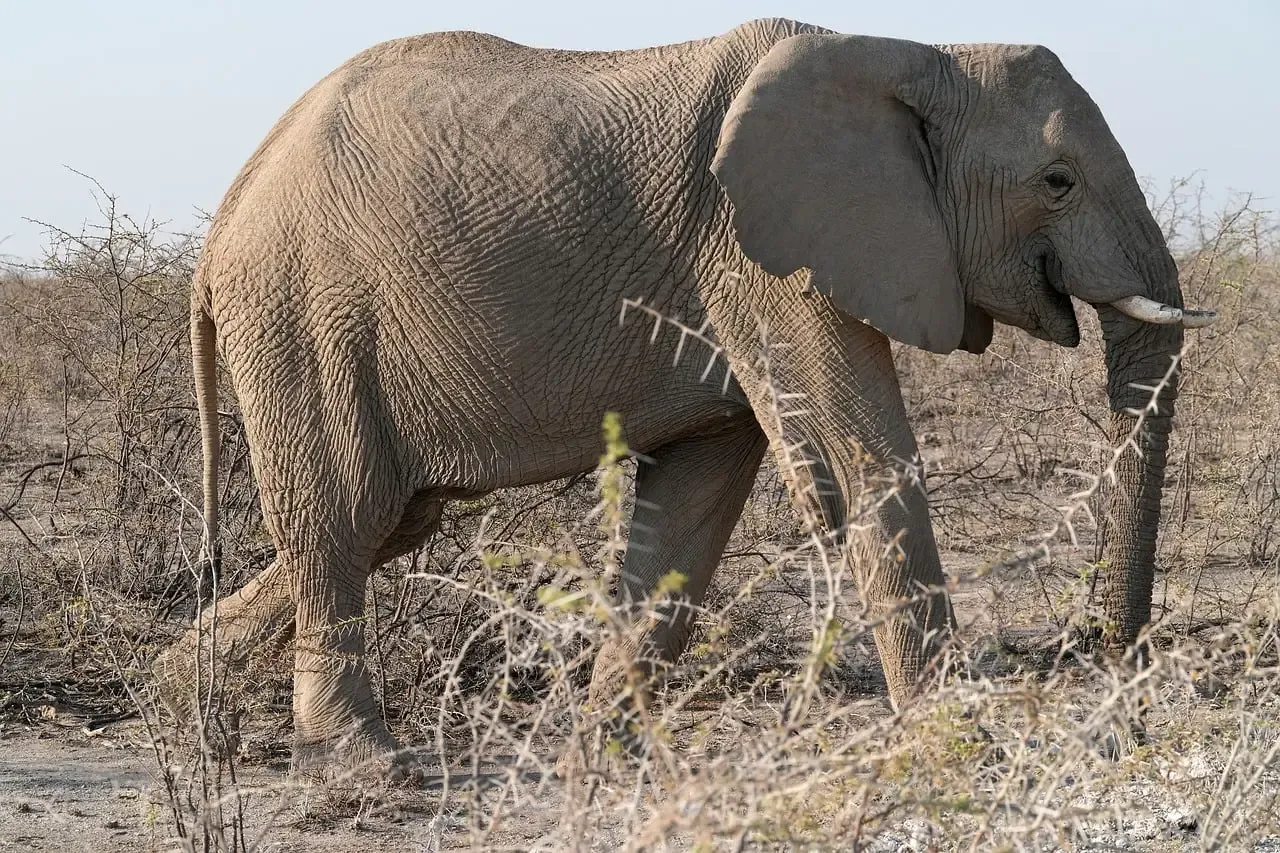
Here’s the uncomfortable truth: the main reason some people resist calling elephant behaviour “genuine grief” isn’t the data. It’s what that label would force us to admit about how we treat them. If elephants form lifelong bonds, have complex memories, show targeted mourning, suffer trauma, and alter their lives around the dead, then their inner world is not a cheap knock-off of ours – it’s a variation on the same theme.
That has ethical consequences. It makes trophy photos with elephant bodies look a lot less like “sport” and a lot more like killing a member of a grieving family. Some scientists still hide behind cautious wording, but a growing number now openly argue that elephants experience something meaningfully close to human grief, enough that the old dismissal looks scientifically outdated. If anything, the burden of proof has flipped: you now have to explain why we shouldn’t call it grief.
The Bottom Line
When you stack up the evidence – brain anatomy, mother-calf vigils, altered migration, revisits to bones, vocal changes, and lifelong trauma – the “elephants don’t really grieve” position starts to look like denial, not rigor. No, we can’t ask them how they feel.
Worth Knowing
- Elephants are among the few land animals confirmed to interact repeatedly with the dead of their own species.
- Some family groups have been tracked revisiting death sites for years, not just days.
- Orphaned elephants exposed to poaching can carry trauma symptoms for the rest of their lives.
- Elephants share spindle neurons with humans, great apes, and whales – cells tied to empathy.
But if we applied the same standards we use for interpreting human behaviour, we would call what elephants do grief without blinking. The more we learn, the clearer it gets that they’re not just big, clever livestock; they’re emotional, remembering, mourning beings. I’ll say the part scientists still hedge on: I think we already know the answer, and we’re just waiting to be brave enough to say it plainly. The real question isn’t “Do elephants grieve?” anymore. It’s whether we’re willing to let that fact change how we act. Did we go too far – or not far enough? Tell us what you think.