

You slip into sleep, and suddenly you are late for an exam you never studied for or walking through a city that feels real but does not exist on any map. Your heart races, your senses fire, and when you wake up, the emotions linger as if it all truly happened. In a very real way, your brain just built a custom simulation, using your memories, fears, and desires as raw material. When you start to see dreams as simulations, they stop being random weird movies and start looking more like a private virtual reality lab. Your mind is testing ideas, stress‑testing your emotions, and replaying bits of your day to make sense of them. You are not just resting; you are running experiments on what reality could be, should be, or might become.
The Brain’s Internal Simulator: How Dreams Rebuild Your World
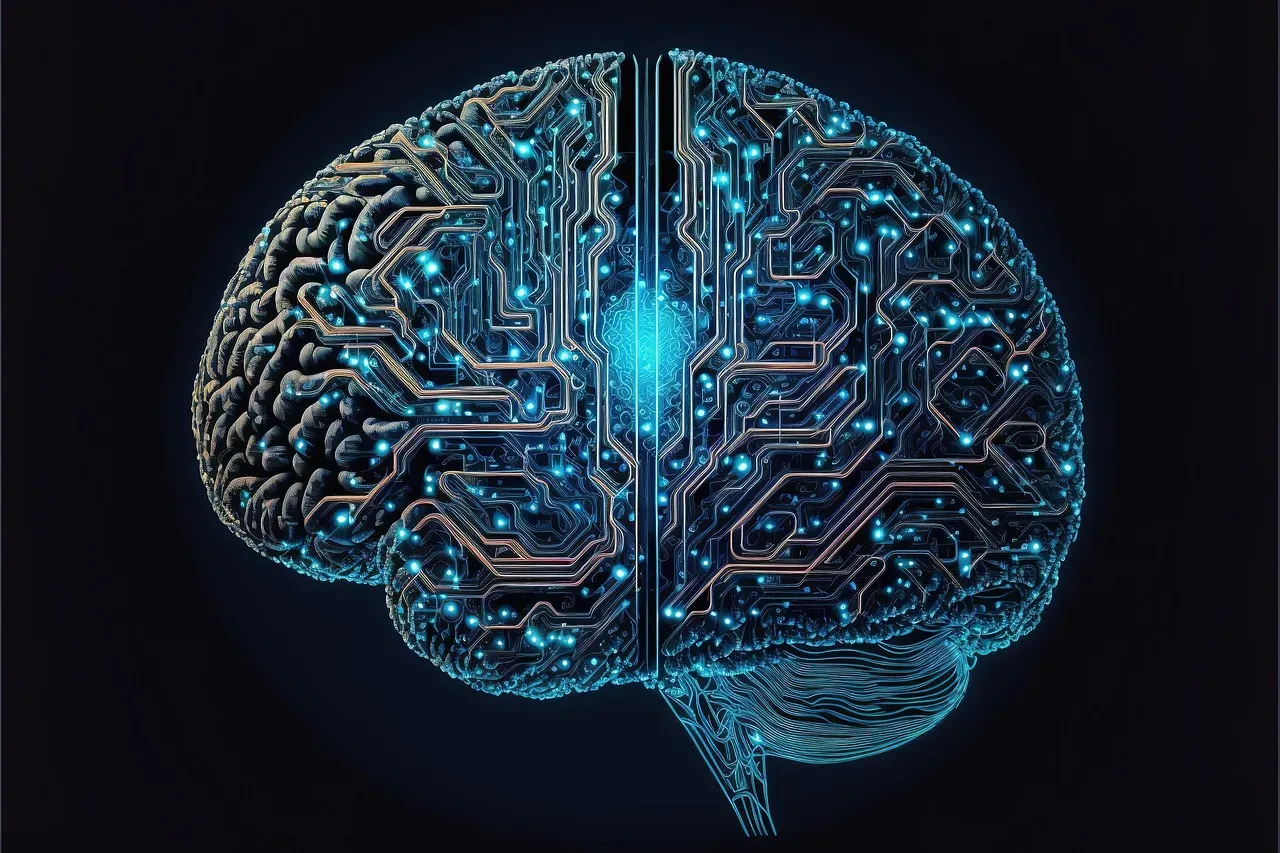
You do not simply watch dreams like a movie; you inhabit them the same way you inhabit waking reality. Your brain recruits many of the same networks it uses when you are awake, especially those involved in emotion, vision, and movement. That is why your heart can pound, your palms can sweat, and you can feel genuine joy or terror in a world that is not physically there at all. At the same time, the areas that usually keep your thoughts logical and fact‑checked tend to quiet down when you dream. That is why you can breathe underwater or fly over your hometown and not question it. Your brain is running a looser, more flexible simulation, where it can remix people, places, and events to explore possibilities that daily life would never allow.
How Your Daily Life Gets Uploaded Into Dream Simulations
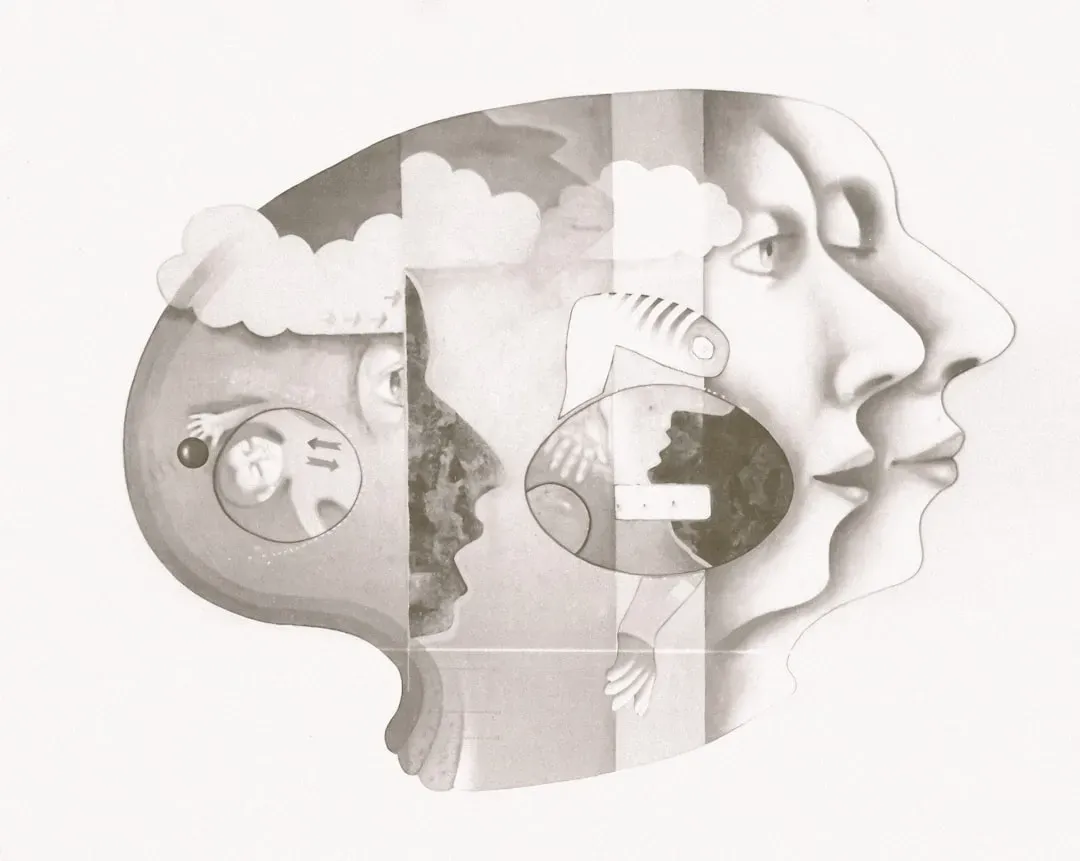
If you have ever dreamed about something you just watched, read, or worried about, you have felt how directly your day leaks into your sleep. Scientists call this the day‑residue effect, where pieces of your recent experience show up in dreams, sometimes almost literally and sometimes scrambled beyond recognition. Your brain is not copying your day; it is importing your emotional highlights to work on them in a different format. You might notice that stressful events, unfinished tasks, and emotionally charged interactions are the most likely to reappear at night. It is as if your mind flags certain moments as “needs more processing” and then loads them into a dream simulation. In that sense, your dreams extend reality forward in time, taking what happened and running additional drafts of it while you sleep.
Practicing for Real Life: Dreams as Emotional and Social Rehearsal

Think of a dream where you argued with someone, confronted a fear, or handled a crisis. Even if the situation never happened in waking life, you still went through the full emotional storm. Your brain let you practice your reactions, your words, and even your courage in a low‑risk environment where nothing physically bad could happen to you. This rehearsal effect can actually shape how you behave when you wake up. If you keep dreaming that you stand up for yourself, it can feel more natural to do it the next time you are challenged in real life. On the other hand, if your dreams repeatedly cast you as powerless or trapped, they can reinforce patterns of anxiety. Either way, your simulated world at night quietly nudges your choices during the day.
When Reality Bleeds Through: Lucid Dreaming and Conscious Control

Sometimes you notice, right in the middle of a dream, that you are dreaming. In those moments, you are holding both realities in your mind at once: the physical world where your body is lying in bed and the simulated world where you are free to explore. That awareness, called lucid dreaming, lets you influence or even redesign the simulation as it unfolds. When you become lucid, you might choose to fly, revisit a memory, or confront a fear that usually overwhelms you. You are effectively stepping into the role of both player and programmer. This gives you a rare chance to experiment with new behaviors, rewrite familiar storylines, and feel what it is like to move through fear instead of running from it, all inside a world your brain is generating on the fly.
Dreams and Memory: Editing, Storing, and Reframing Your Past
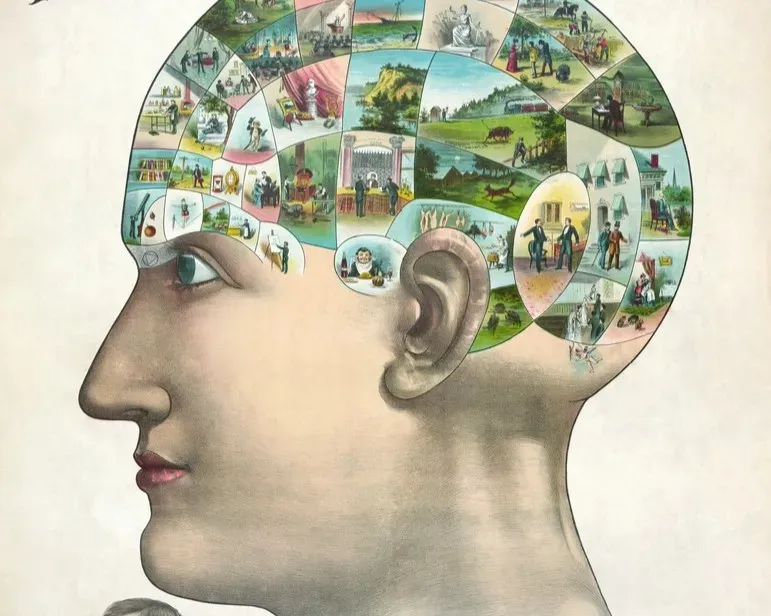
While you sleep, your brain does not just replay events; it reorganizes them. Dreams often blend old memories with new experiences, like shuffling a deck of cards where some are dog‑eared from years ago and others were added yesterday. By running these mixed simulations, your brain tests which memories fit together, which ones matter, and which can fade into the background. You might dream about a childhood place and a current problem at the same time, and that mash‑up is not random. Your mind could be using a familiar setting to help file a new experience, or pulling up old emotional patterns to compare with recent ones. In this way, your dreams extend reality backward, updating your sense of the past so it fits more smoothly with who you are becoming now.
Nightmares: Stress Tests for Your Emotional System

Nightmares can feel like your brain is attacking you, but when you look closer, they often work more like stress tests. You are exposed to exaggerated threats, intense fear, or loss, and yet you always wake up physically safe. Your emotional circuits get to fire at full power without any real‑world damage, the way a flight simulator lets a pilot practice emergency landings without risking a real crash. If you pay attention, you may notice that nightmares repeat themes tied to your deepest worries: failing, being abandoned, being chased, losing control. Your brain appears to push those fears to the front of the stage so you cannot ignore them. In that way, nightmares are simulations that demand your attention, inviting you to face what you might be avoiding in your waking life and to eventually respond with new strategies.
Shaping the Simulation: How You Can Influence Your Dreams

Even though you cannot press a button to pick tonight’s dream, you are not totally powerless over what shows up. Your evening routines, your stress levels, and what you focus on before bed can all tilt the odds. When you go to sleep after calming your mind, setting a simple intention, or visualizing a desired outcome, you are basically pre‑loading the simulator with preferred material. You can also influence dreams indirectly by how you live your days. If you process emotions, talk through conflicts, and take action on your worries, you give your brain less unfinished business to handle during the night. The simulation then has more room for creativity, problem‑solving, and playful exploration rather than constantly needing to put out emotional fires.
Are You Just Watching, or Are You Learning From Your Dreams?

If you treat dreams as meaningless noise, you shrug off a third of your life as background static. But when you see them as simulations built from your own reality, they become a feedback loop you can actually learn from. The scenes may be strange, yet the emotional logic behind them is often surprisingly consistent once you start paying attention. You do not need to analyze every detail or chase some hidden code. It can be enough to notice how a dream made you feel, what choices you made inside it, and what patterns keep repeating over time. After all, if your brain is going to keep running these simulations every night, why not let them sharpen your self‑understanding instead of just fading away with the alarm clock? In the end, your dreams are not some separate, mystical universe sealed off from your waking life. They are extensions of the same mind, playing with the same memories, emotions, and questions that shape your days. The more you see them as living simulations of your inner reality, the more they can guide you toward understanding yourself with a little more honesty and a lot more curiosity. When you close your eyes tonight, what kind of world will your brain decide to build for you next?