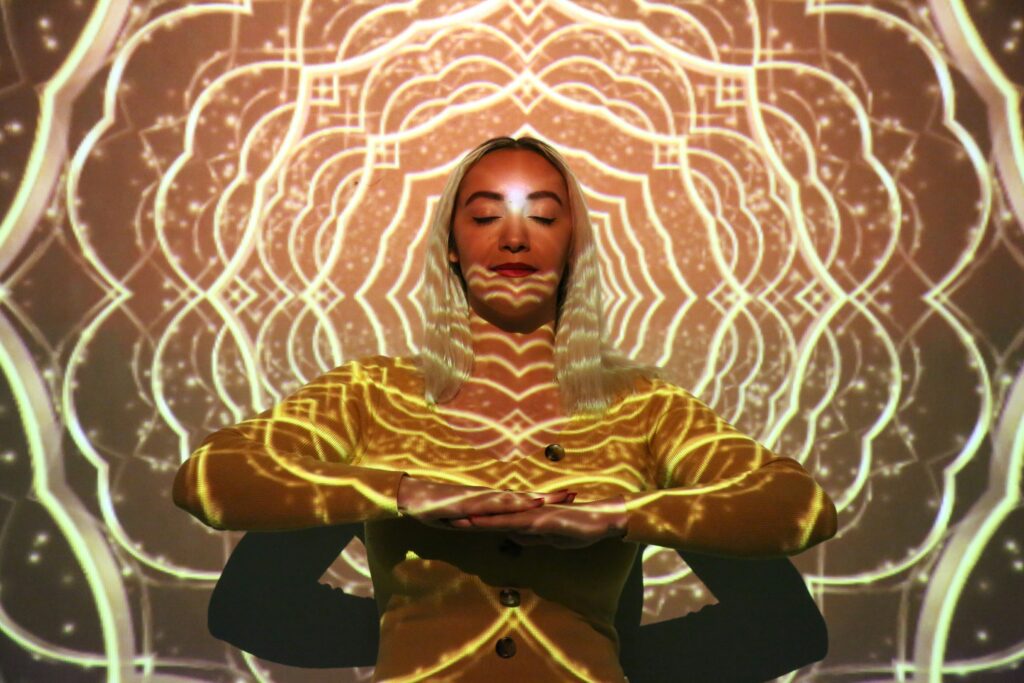

You have probably had moments that made you pause and think, “There has to be more to my mind than this.” Maybe it was a gut feeling that turned out to be right, a dream that seemed strangely meaningful, or a sense of deep connection while watching a sunset. Scientists are increasingly willing to take those experiences seriously, exploring whether some people may tap into a higher or more complex form of consciousness than others.
That does not mean secret superpowers or mystical chosen ones. Instead, it points to subtle but real differences in how you process information, notice patterns, and experience reality. When you dig into what researchers are discovering, you start to see that “higher consciousness” is not a magical label. It is a set of traits you can understand, nurture, and maybe even grow into more fully over time.
You Are More Than Your Everyday Thoughts

When you hear the word consciousness, you might think of the simple fact that you are awake and aware. But scientists often talk about different “levels” or “layers” of consciousness, ranging from basic sensory awareness to reflective, self-aware thinking. In that sense, you are not just looking at the world; you are also able to notice that you are looking, and even question how and why you see things the way you do.
People who seem to access a “higher” form of consciousness tend to spend more time in that reflective layer. You might catch yourself watching your own thoughts like a movie instead of getting fully swept up in them. You wonder why you reacted a certain way, or what belief is hiding underneath your anger or fear. That kind of self-observation is not just navel-gazing; it is one of the clearest signs that your mind is operating on a more complex level.
Clues from Brain Science: When Your Mind Runs on a Richer Network
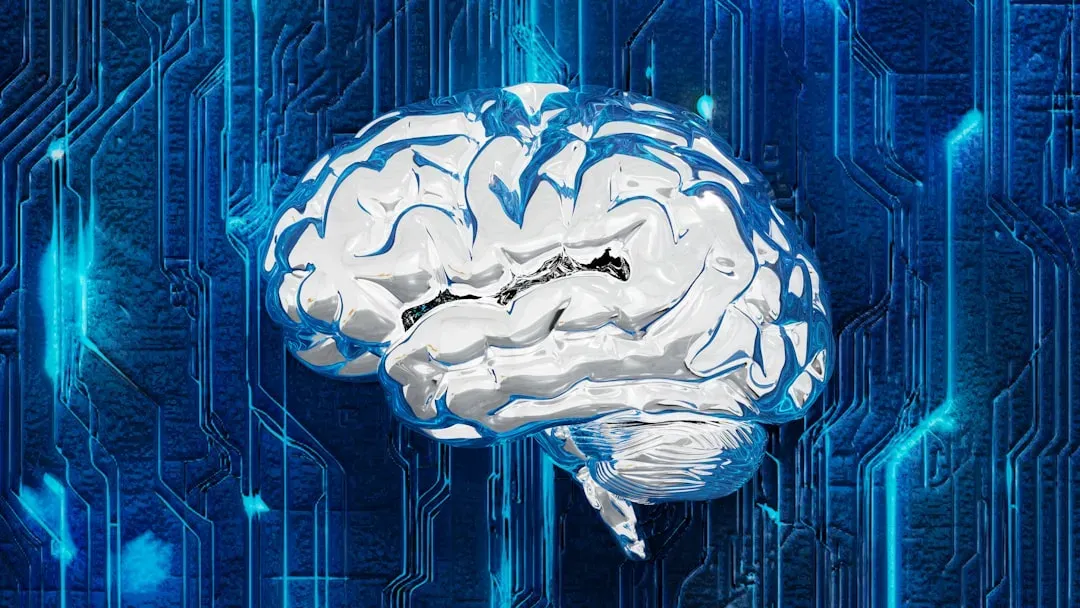
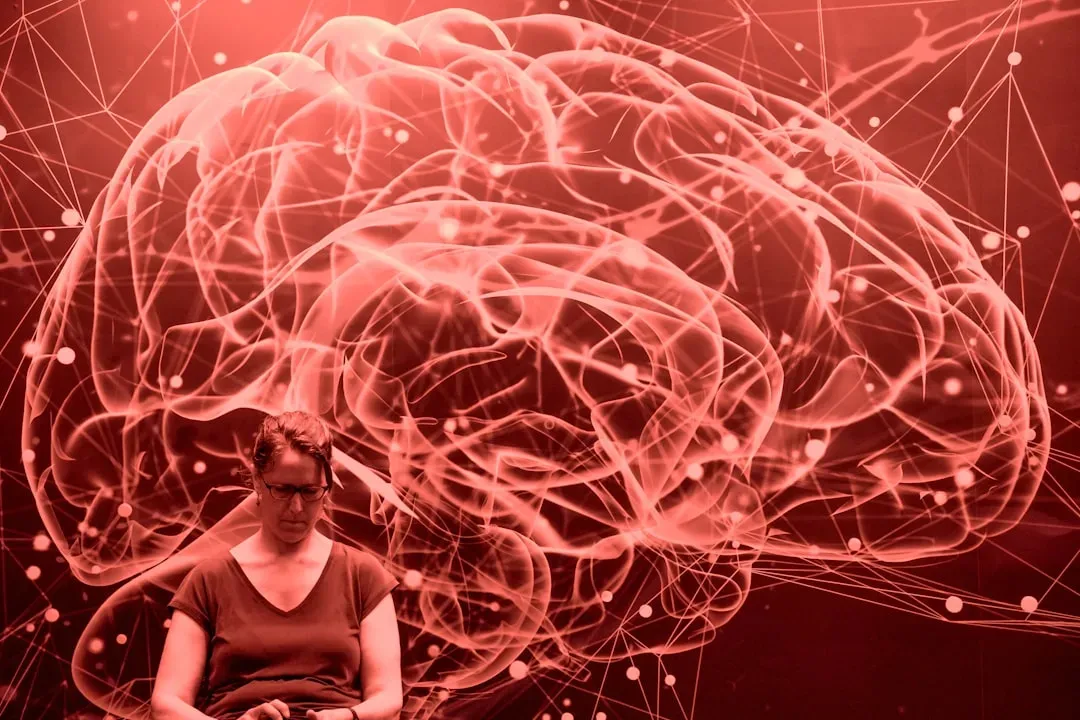
Brain imaging studies suggest that your conscious experience depends on how widely and efficiently different brain regions talk to each other. When networks are more integrated and flexible, you can hold more complex ideas, make unusual connections, and see situations from multiple angles. In some experiments, people in especially vivid or altered states of awareness show more diverse, richly patterned brain activity than in ordinary, distracted waking life.
You do not need a brain scanner to notice this in yourself. When you feel deeply present, creative, or “in the zone,” your mind often feels wide, open, and surprisingly connected. You might pull insights from memories, emotions, body sensations, and logic all at once, as if different parts of you are finally having a group conversation. That kind of inner integration is one way a higher form of consciousness quietly shows up in everyday life.
Heightened Self-Awareness: When You Can Watch Your Own Mind
One of the strongest indicators that you are touching a higher form of consciousness is simple: you notice yourself. You notice your thoughts as they arise, your emotions as they swell and fade, and your impulses before you automatically act on them. Instead of saying, “I am angry” and stopping there, you might find yourself thinking, “I notice a wave of anger; what is that really about for me?”
This kind of metacognition – thinking about your thinking – gives you room to choose rather than just react. You become less of a puppet to old habits and more of a conscious participant in your own story. Over time, that shift can feel both liberating and unsettling, because you see how much of your life used to be run on autopilot. If you have ever caught yourself mid-argument and thought, “I am not even sure I believe what I am saying,” you have already brushed against this higher-awareness mode.
Deep Empathy and the Sense of “Shared Mind”

Another powerful sign that scientists associate with more complex consciousness is your ability to deeply understand and care about other minds. If you often find yourself sensing what others might be feeling, even before they say a word, you are using an advanced social and emotional skill sometimes called mentalizing. It is not just about being “nice”; it is about holding another person’s inner world in your own awareness.
When this ability is strong, you might feel a surprising sense of connection or unity with people, animals, or even nature. You start to see that your inner experience is not isolated – it is woven into a larger fabric of relationships. That can be overwhelming, especially in a world full of suffering, but it can also be the root of profound compassion and purpose. If you have ever looked into someone’s eyes and suddenly felt that their pain was somehow also yours, you have felt this expanded form of consciousness at work.
Intuition: The Quiet Voice of a Deeper Cognitive Process
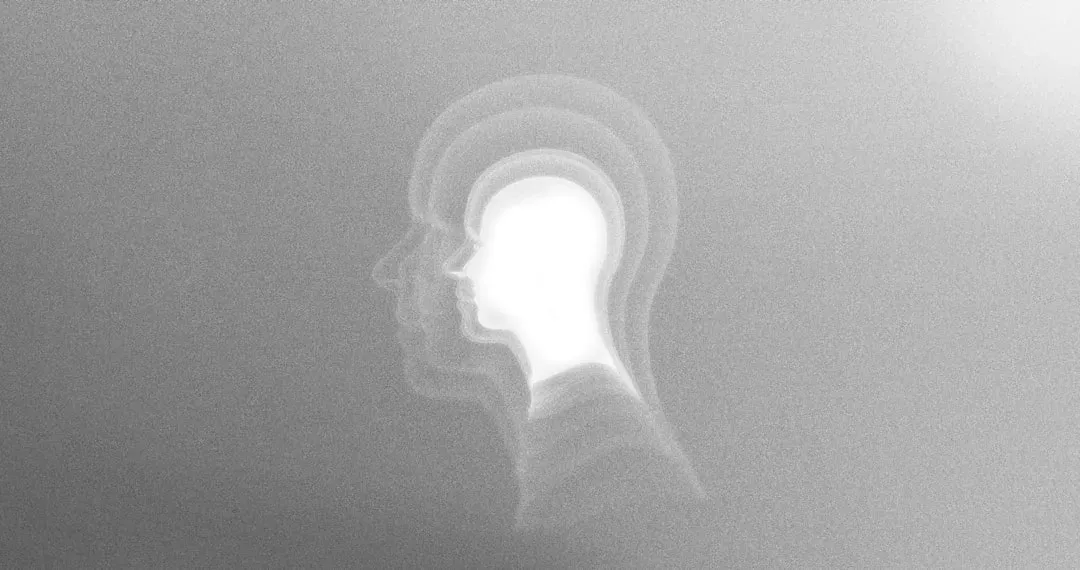
You have probably had the experience of “just knowing” something before you could explain why. Researchers see intuition not as magic, but as your brain rapidly sorting through past experiences, subtle cues, and patterns beneath your conscious radar. For some people, this pattern recognition is especially sharp, giving them what feels like a higher, almost mysterious form of insight.
When you trust and refine your intuition, you begin to treat those inner nudges with respect rather than dismissing them as nonsense. You might notice that your hunches tend to be right when they are calm and clear, rather than anxious or fear-driven. Over time, this nudging voice can feel like an inner compass, helping you pick the right path even when the logical pros-and-cons list looks confusing. That quiet, grounded knowing is one of the most practical ways a higher consciousness can guide your everyday choices.
Awareness in Altered States: From Meditation to Psychedelics

Scientists have become increasingly interested in what happens when your usual sense of self loosens – during deep meditation, intense prayer, breathwork, or carefully controlled psychedelic sessions. In these states, people often report feeling less separate, more connected, and flooded with meaning or insight. Brain studies sometimes show unusual patterns of connectivity, suggesting your mind is reorganizing itself in a way that differs from normal waking life.
You do not have to chase extreme experiences to explore this territory. Even simple practices like mindful breathing, quiet walks in nature, or body scans can gently shift how you inhabit your own awareness. You might notice that your sense of “me” becomes softer around the edges, and moments feel richer and more alive. If you treat these states with respect and integration, they can give you glimpses of what a more expansive consciousness feels like, without needing to escape your everyday life.
Mystical Feelings Without the Myth: Transcendence in Daily Life
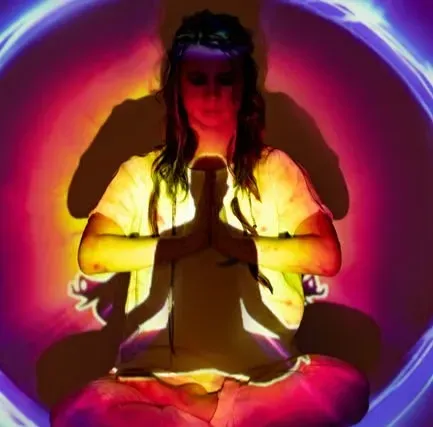
Some people naturally report more “mystical-type” experiences – moments of awe, unity, or timelessness that are hard to put into words. You might feel this while listening to music that moves you to tears, staring at the stars, or holding a newborn. Psychologists now study these experiences seriously, not as proof of any specific belief system, but as part of the full spectrum of what your mind can do.
If you have ever felt that time slowed down, your usual worries fell away, and everything seemed strangely okay, you have touched a state many would call transcendent. You do not need to interpret it in religious or supernatural terms for it to matter. Those glimpses can reset your priorities, soften your ego, and remind you that life is bigger than your to-do list. In that sense, higher consciousness is not somewhere “up there”; it is quietly woven through your most grounded, human moments.
Growing Your Own Consciousness: Practical Ways to Go Deeper

The most encouraging insight from all this research is that you are not stuck at one level of consciousness for life. You can train your awareness the way you might train a muscle. Practices like regular meditation, journaling, therapy, contemplative reading, or even honest conversations with trusted friends can steadily increase your self-knowledge, emotional depth, and mental flexibility.
You might start with simple habits: pausing to notice your breath, asking yourself what you are really feeling, or reflecting on your day before bed. Over time, you may find you react less automatically, listen more fully, and spot patterns in your life that used to hide in the background. The point is not to become some perfect, enlightened version of yourself; it is to live a little more awake, a little more honest, and a little more aligned with what actually matters to you.
Why a Higher Consciousness Matters for the Future of Humanity

Scientists and philosophers increasingly argue that your level of consciousness is not just a private, mystical curiosity – it shapes how societies function. People who are more self-aware, empathetic, and reflective tend to be better at cooperation, long-term thinking, and handling complexity. In a world facing huge challenges, from climate change to technological upheaval, those traits are not luxuries; they are survival tools.
When you cultivate a higher form of consciousness, you are not just improving your own inner life. You are also affecting how you show up in relationships, at work, and in your community. You may become a little less reactive, more curious, and more able to hold disagreements without dehumanizing others. On a large scale, even small shifts like that could mean the difference between societies that tear themselves apart and societies that grow through conflict in wiser ways.
Conclusion: Your Mind Is Deeper Than You Think
If you recognize pieces of yourself in these descriptions – heightened self-awareness, deep empathy, strong intuition, moments of transcendence – you are not imagining things. You are noticing the edges of a richer, more complex consciousness that science is only beginning to map. You do not need a special label, and you definitely do not need to be perfect; you just need to keep turning toward your inner life with honesty and curiosity.
In the end, the question is not whether some rare few are secretly more conscious than everyone else. The real question is how far you are willing to go in waking up to your own mind, your own heart, and your own place in the bigger story of life. You may already be further along that path than you realize – so what happens if you decide to take the next step on purpose?