
When you replay a vivid memory and feel your stomach drop or your heart swell, it almost feels like a part of you has slipped back in time. You are here, but also there: in a school hallway, at a hospital bed, on a beach at sunset. That eerie sense that your mind is not fully anchored to the present moment is what makes the idea of consciousness traveling through time so irresistible.
Scientists, though, have to be much stricter than your intuition. They have to ask what you actually mean by consciousness, what you mean by time, and what it would even look like for awareness to move forward or backward independently of your body. When you dig into those questions, you discover something surprising: physics, neuroscience, and philosophy each give you part of the puzzle, but none of them quite let you step into a time machine with your mind alone.
What Does It Really Mean For “You” To Travel Through Time?
Before you can argue about whether your consciousness can move through time, you have to decide what counts as “you.” Are you a stream of moment-to-moment experiences, a stable personality stored in your brain, or a kind of narrative you tell yourself about your life? Each of these answers leads you to a different view of time travel. If “you” are just experiences, then even a dream might feel like a kind of time slip.
You also need to separate two ideas that people often blur together: mentally visiting another time versus literally existing there. When you daydream about your childhood, your brain is very much in the present, using stored information to reconstruct the past. That is not the same thing as your consciousness leaving the present timeline and relocating to another decade. Once you see that difference clearly, you can be excited by the mystery without confusing imagination with physics.
How Your Brain Already Lets You “Time-Travel” To The Past
If you have ever caught a smell that instantly threw you back to your grandparents’ kitchen or your first apartment, you have felt how aggressively your brain replays the past. Memory is not like a video recording; your brain is constantly rebuilding scenes, emotions, and sensations based on fragments of stored information. In a very real sense, your nervous system is simulating a different time, using your current brain state as the stage.
From the inside, that reconstruction feels like a brief jump into another era. The physical reality, though, is that all of this is still happening now, in your present brain activity. You are not sending your awareness backward to inhabit your younger body; you are using current neural circuits to approximate what it once felt like to be there. You could call that psychological time travel, but it is firmly chained to the present moment’s biology.
Why Physics Loves Time Travel More Than Neuroscience Does
In physics, time is flexible in a way that might surprise you. Relativity theory tells you that if you move very fast or get close to a strong gravitational field, your experience of time can slow down compared to someone else’s. In science fiction terms, that looks a lot like jumping into the future. But here is the catch: your whole body, including your brain, is dragged along for the ride; your consciousness does not glide through time on its own.
Even in the wilder corners of theoretical physics, where wormholes and closed time-like curves show up in equations, the story is about matter and energy, not disembodied awareness. The equations do not have a special extra symbol for “consciousness” that can slip around independently. If you ever used exotic physics to move in time, you would be moving your entire physical system, memories and all. The mind does not get a separate ticket.
The Block Universe: Are You Already “Spread Out” In Time?
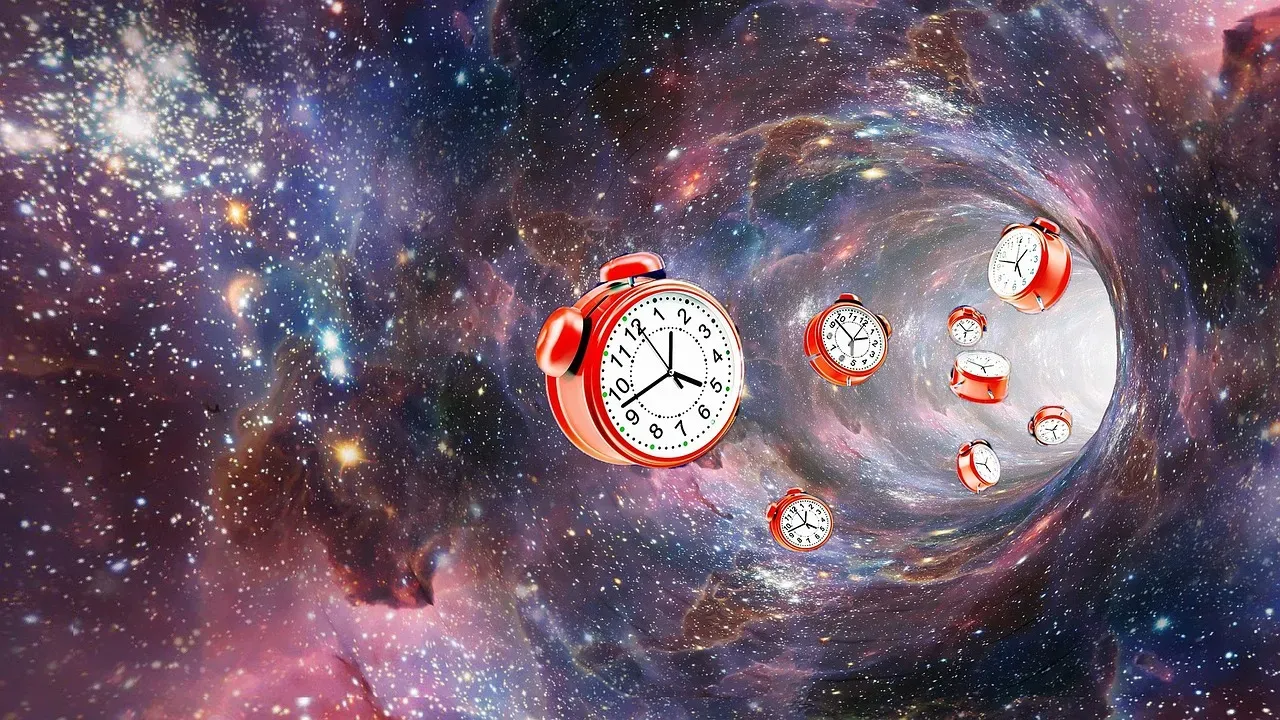
Some interpretations of relativity suggest that past, present, and future might all coexist in a four‑dimensional “block” of spacetime. In that picture, every event in your life – your first day of school, the moment you are reading this, and a conversation you might have ten years from now – could be equally real slices of a larger structure. What feels like the flowing present would just be the slice your consciousness happens to occupy.
If you take that seriously, then the question changes: instead of asking whether you can travel in time, you ask whether your point of view could ever jump to a different slice than the one your brain’s physical processes currently occupy. So far, there is no evidence that this happens, or even a clear way to test it. You can use the block universe as a powerful metaphor for how tiny your present moment is compared to your whole lifespan, but it does not yet give you a mechanism for skipping around like a needle on a record.
Near-Death Experiences And The Illusion Of Stepping Outside Time

Stories from people who have nearly died often include a strange sense that time stretched, stopped, or disappeared altogether. You may have read accounts of entire lifetimes flashing before someone’s eyes in a few seconds, or of a calm feeling that they were outside the flow of time, looking back at their life as a whole. It is tempting to treat these as proof that consciousness can detach from the body and view time from the outside.
Recent research, though, points you in a more grounded direction. When the brain is severely stressed by lack of oxygen, trauma, or extreme fear, its activity can surge and then collapse in unusual patterns. Those patterns can generate powerful experiences that feel timeless, uncanny, or cosmic. From your perspective, that can be utterly life‑changing. From a scientific perspective, it is still your brain, in a specific crisis state, generating a vivid but one‑time internal movie rather than your awareness literally stepping out of the timeline.
Precognition, Déjà Vu, And The Temptation Of Future Knowledge
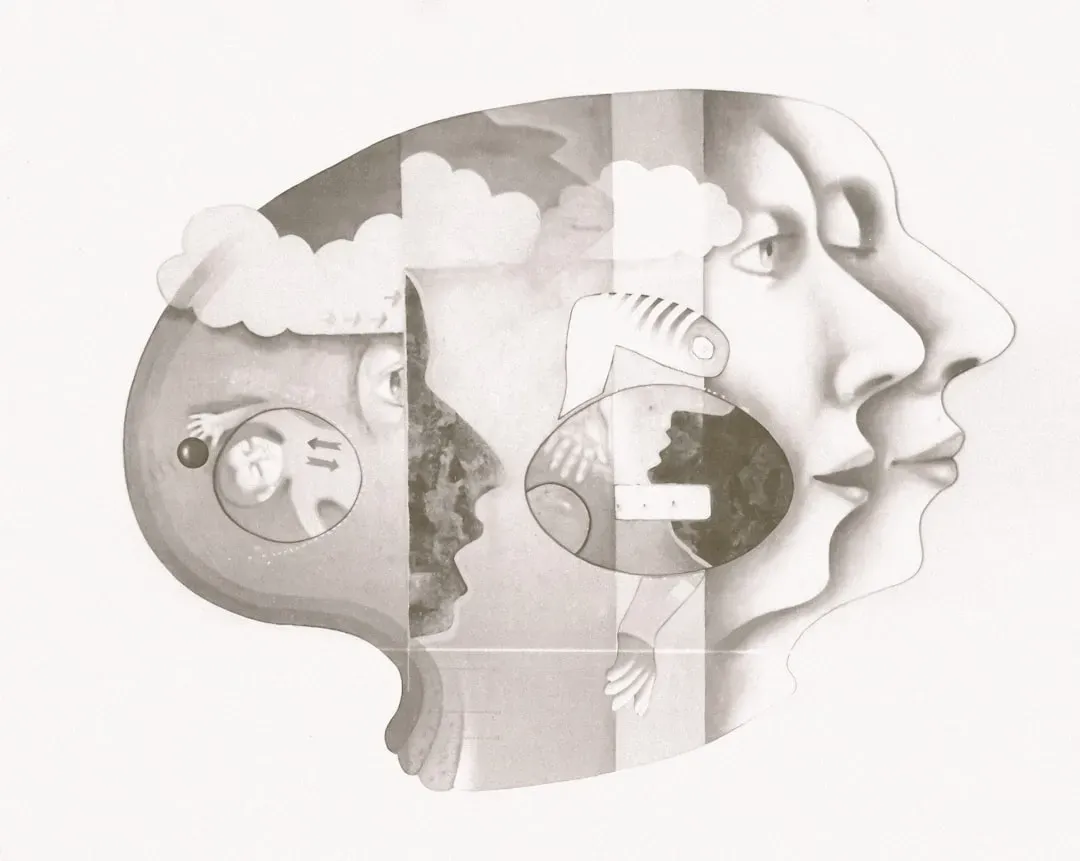
Moments of déjà vu can feel like you are briefly catching up to something your mind already lived through. Likewise, dreams or gut feelings that seem to line up with later events make it easy to believe that some part of you reached forward in time and brought back a warning. Your storytelling brain is so good at weaving patterns that these hits can seem too uncanny to dismiss.
When researchers look carefully at these phenomena, they tend to find less mystical explanations. Déjà vu, for example, seems to be linked to memory processing glitches, where a new situation accidentally trips the circuits that signal familiarity. Apparent precognition often shrinks down to coincidence, vague predictions that can fit many outcomes, or your brain highlighting the rare times a guess comes true while quietly forgetting the many times it does not. That does not make your experiences fake; it just means they are not reliable evidence of consciousness visiting the future and bringing back data.
Could Consciousness Ever Detach From The Brain At All?
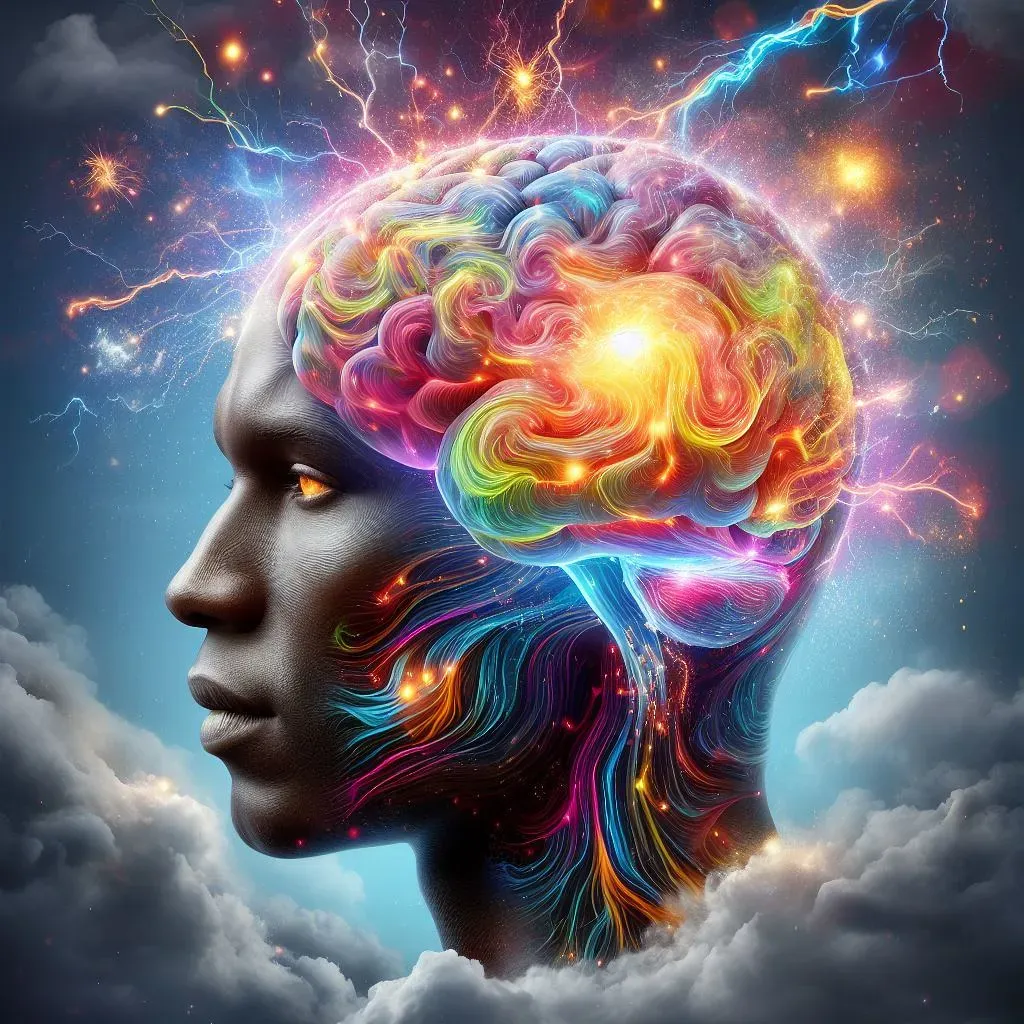
Underneath the time question sits a deeper one: is your consciousness something that can exist separately from your brain in the first place? Modern neuroscience keeps tying specific aspects of awareness to specific patterns of neural activity, from visual perception to self‑reflection. When those circuits are disrupted by injury, drugs, or disease, your conscious experience changes or fades. That repeated link between brain state and experience makes it hard to argue that your awareness could simply float away and wander through time.
Some philosophers and researchers leave the door open to more exotic possibilities, like consciousness being a fundamental feature of reality or connected to the fabric of spacetime itself. Even if that were someday shown to be true, you would still need a clear mechanism explaining how a particular person’s stream of experience could hop eras. Until there is real evidence for that, you are on firmer ground assuming that wherever your brain is in time, your consciousness is too.
Why The Idea Still Matters, Even If The Answer Is “Probably Not”
Right now, the cautious, evidence‑based answer is that your consciousness does not literally travel through time the way science fiction imagines. You can remember the past, predict or plan for the future, and feel as if time speeds up or slows down, but all of that appears to be rooted in what your brain is doing in each present moment. That might sound disappointing if you were hoping to mentally jump back and fix an old mistake or peek ahead and see how your life turns out.
But once you accept those limits, something unexpectedly liberating shows up. You realize that your only real leverage point is the present slice of your timeline where your attention is actually operating. You cannot send your awareness back twenty years, but you can let old experiences reshape the choices you make now. You cannot pull knowledge from the future, but you can build a trajectory that makes certain futures more likely. In a way, that is the most important kind of time travel you will ever have: the power to let the past inform the present so the future feels less like an accident.
Conclusion: Living Wisely In A One‑Way River
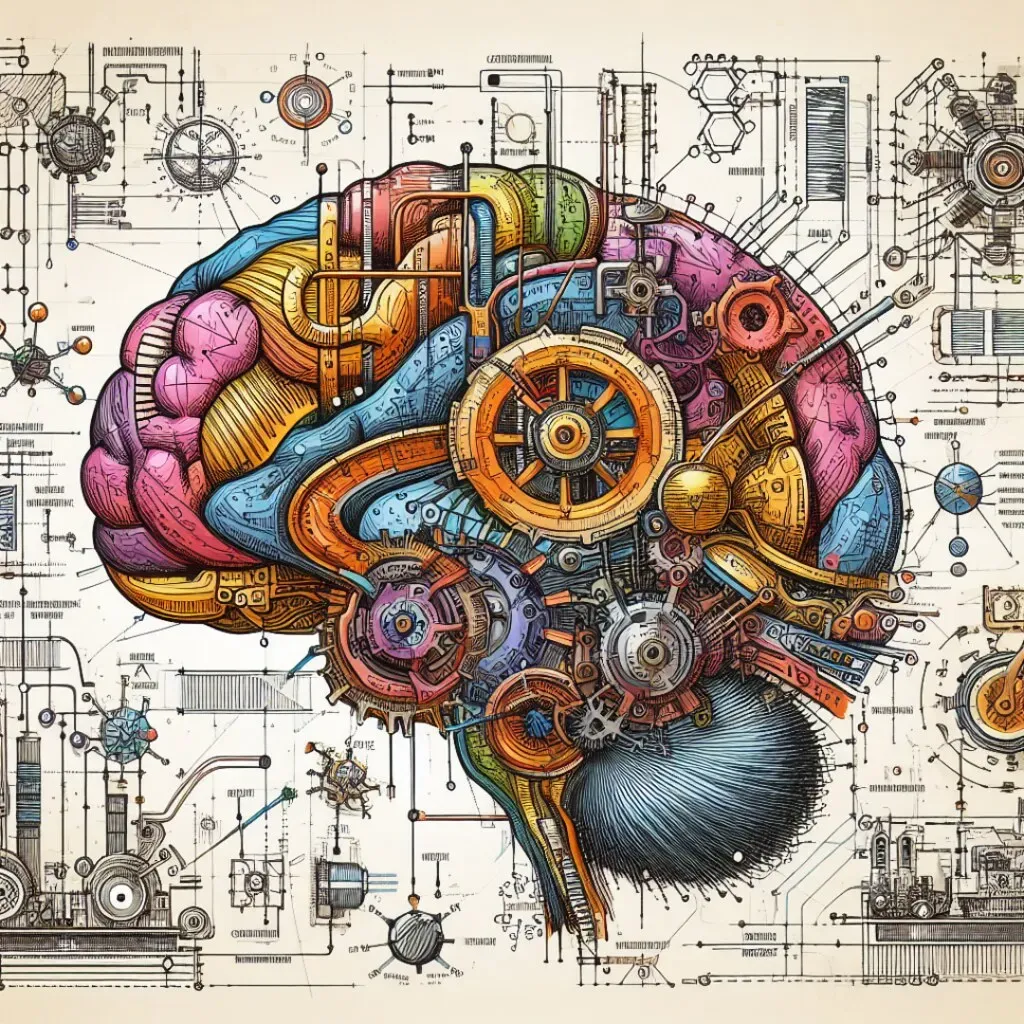
When you step back from the speculation, you find yourself standing by a simple but profound picture: you are a conscious being riding a one‑way river of time, with a brain that can replay stretches behind you and imagine rapids ahead. Science, as of now, gives you no solid reason to think you can hop out of the boat and swim upstream or downstream at will. What it does give you is a deeper appreciation for how rich those inner simulations of past and future already are, and how tightly they are tied to the physical engine of your brain.
You will probably keep feeling, at odd moments, as if a part of you has slipped elsewhere in time – into a childhood memory, a feared future, or a timeless instant where everything feels suspended. Instead of taking that as evidence of literal time travel, you can treat it as a reminder of how powerful and strange your mind already is. In the end, maybe the real question is not whether your consciousness can escape time, but how you will use the small, vivid slice of it you actually get. If you knew you could never leave this moment’s timeline, what would you choose to remember, imagine, and change today?