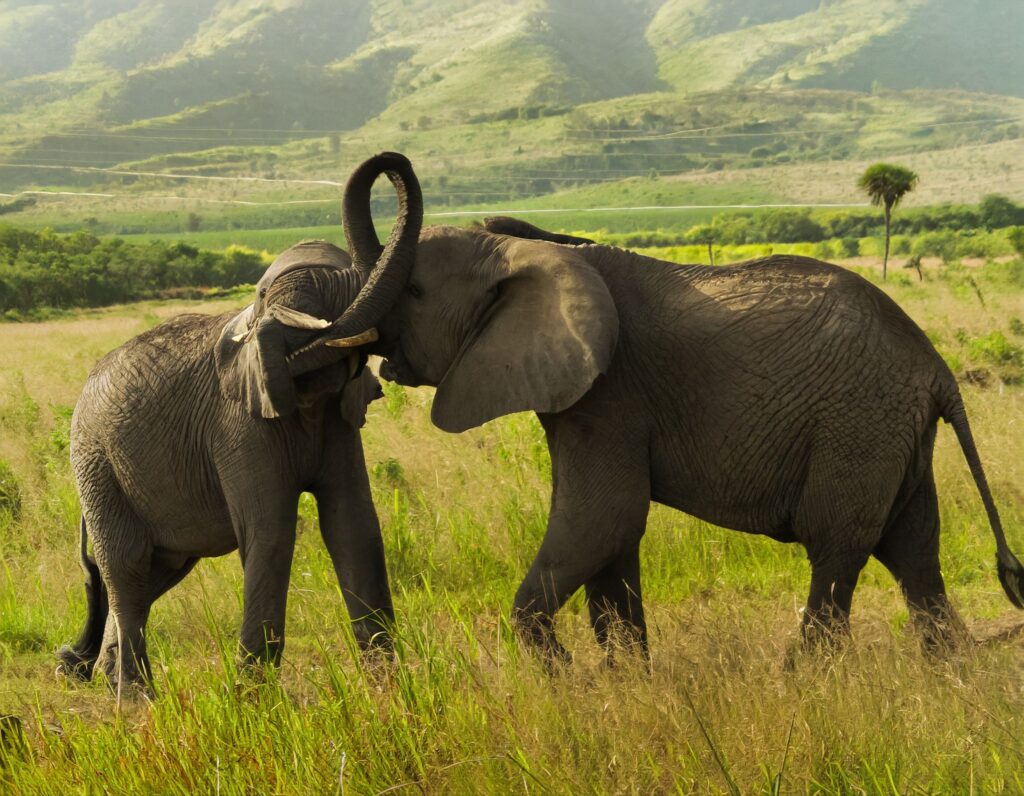

Imagine standing in the middle of a savannah, playing a recording of an elephant’s call that was captured more than a decade ago. The elephant listening suddenly freezes, lifts its head, and responds with clear excitement, as if an old friend has just walked into the room. That is not a movie scene; it is what field researchers have actually witnessed. Elephants do not just hear sounds; they recognize specific voices from individuals they have not seen in years, across distances humans can barely imagine.
What scientists are piecing together is a story that feels almost uncomfortably familiar: elephants have social memories and emotional bonds that stretch across time, space, and entire generations. Their ability to pick out a single familiar voice from the overall noise of the wild hints at a kind of inner life that forces us to rethink what it means to be “just an animal.” Once you understand how deep their memory and social intelligence run, it becomes much harder to pretend that our actions – habitat loss, poaching, or even the way we talk about them – do not matter.
The Surprising Discovery: Elephants Know Who’s Calling
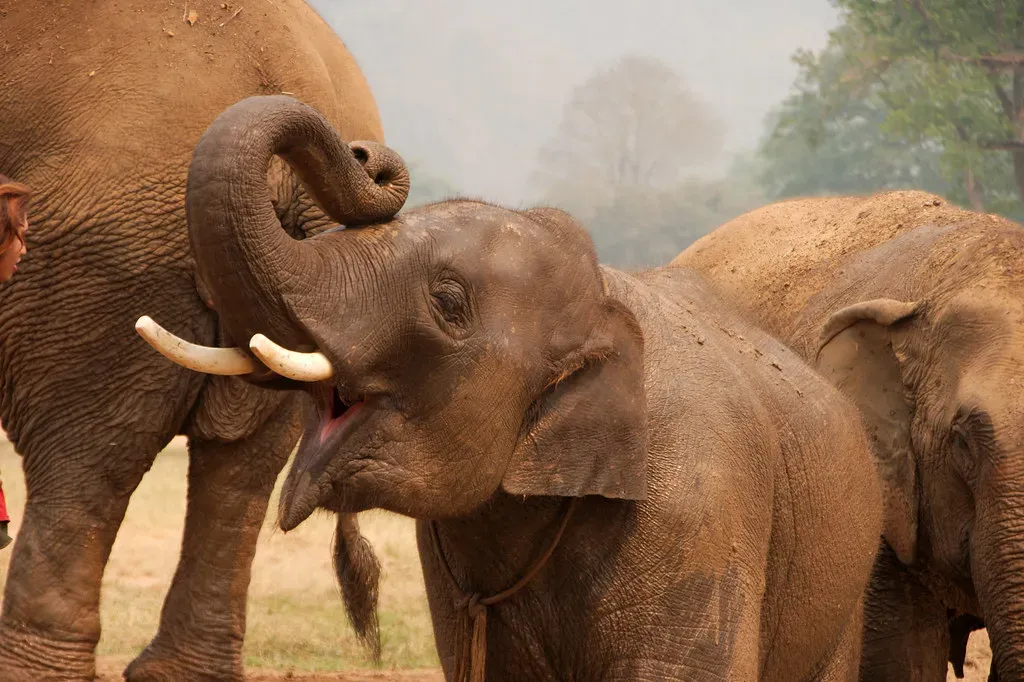
One of the most striking findings in modern animal science is that elephants can recognize the voices of specific herd members even after long periods of separation. Researchers have played recordings of calls from relatives and former companions that elephants had not seen for many years. The elephants did not just react vaguely; they showed distinct behavioral changes, like orienting directly toward the sound, moving closer, or giving particular answering calls that suggest recognition rather than curiosity.
This goes far beyond simply recognizing the general sound of an elephant. The evidence points to something more like how we recognize a friend’s voice on the phone, even if we have not spoken in a decade. The key is that these reactions differ noticeably when the calls come from unfamiliar elephants. That contrast – warm, focused responses to known voices versus more cautious or neutral reactions to strangers – tells scientists that elephants are tracking identities, not just noises.
Elephant Voices Carry Identity, Emotion, and History
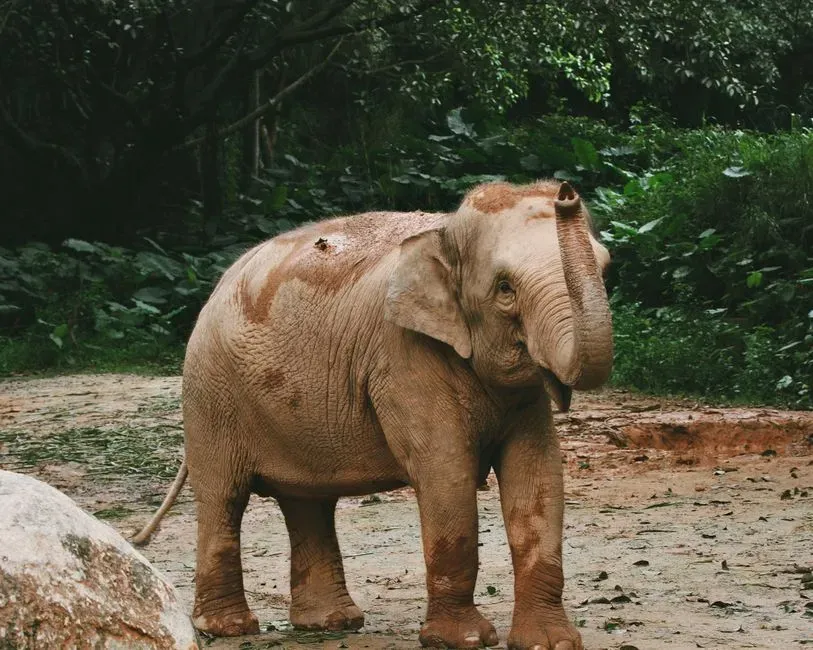
To understand how this works, it helps to know that elephant calls are not simple bellows or roars; they are complex vocal signals packed with information. The low-frequency rumbles that elephants use travel over long distances and can carry cues about the caller’s age, sex, size, and emotional state. Subtle variations in pitch, timing, and harmonics act like an acoustic fingerprint, giving each elephant a recognizable vocal “signature.”
What is even more impressive is that elephants seem to use these signatures in flexible, context-aware ways. A contact call from a relaxed family member sounds different from an alarm call from that same individual under stress, yet the underlying vocal identity still shines through. Over years and years, elephants appear to build up internal “voice libraries” of who is who in their social world, very similar to how we remember the sound of a sibling, a parent, or an old friend we have not seen in ages.
Memory That Stretches Across Years and Generations
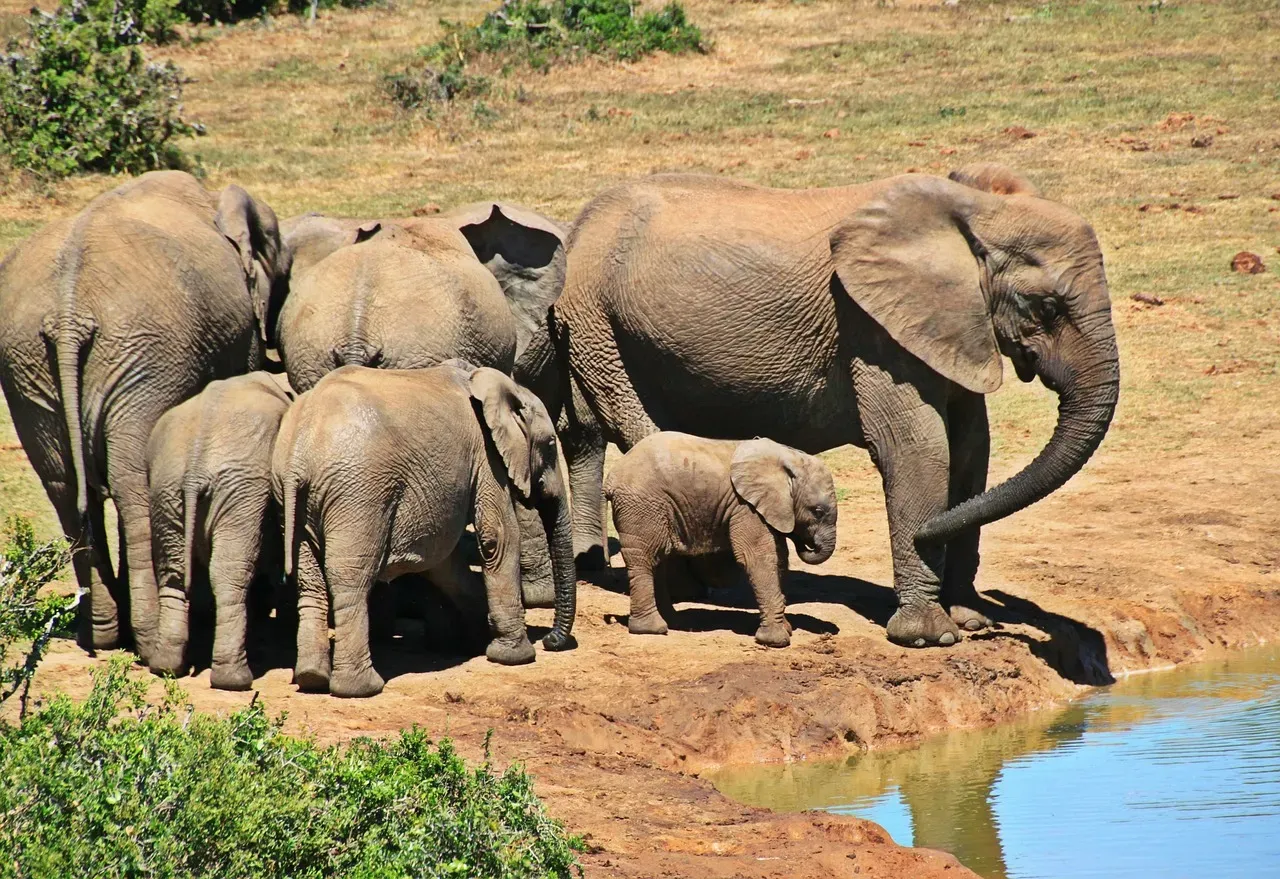
Recognizing a voice after a day or a week is one thing; doing it after many years is something else entirely. Field observations and playback studies suggest that elephants can recall specific individuals over long timescales, even when they have not interacted directly for a very long time. This long-term social memory fits with other signs of elephant remembrance, such as their apparent recognition of old migration routes or past dangers in particular locations.
Scientists often point to matriarchs – the older female leaders of elephant families – as the living archives of their groups. These matriarchs seem able to recall who is an ally, who is a relative, and who once posed a threat, drawing on memories that can span decades. Being able to recognize a distant cousin’s voice or a trusted former companion can be a matter of survival when water is scarce, predators are near, or human disturbance is rising. In a very real sense, elephants live inside a web of remembered relationships that does not easily fade.
Social Bonds That Do Not End at the Edge of the Herd
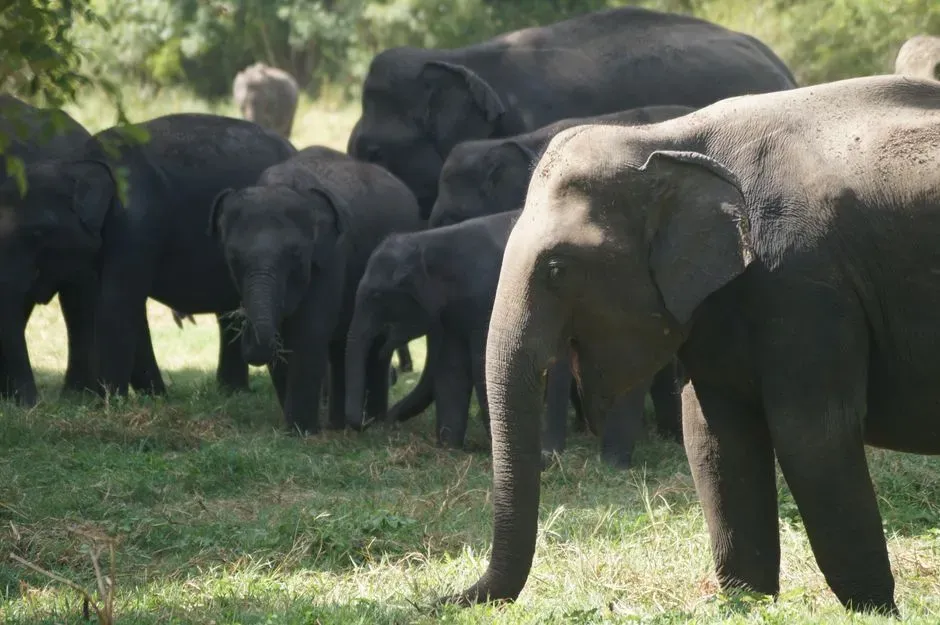
We often picture an elephant herd as a tight little group that is always together, but in reality their social lives are more fluid and layered. Families can split and reunite, young males may leave and roam independently or in small bachelor groups, and related families sometimes meet up like extended relatives gathering at a reunion. Through all of this, elephants keep track of who belongs where, and voice recognition appears to be one of the main ways they stitch this social puzzle together.
When elephants recognize a distant relative’s voice, it suggests their bonds are not just based on who is physically nearby right now. Instead, their social world stretches across space and time, connecting individuals who might be separated by miles or even political borders drawn by humans. This ability to maintain remote connections matters in fragmented landscapes, where protected areas are separated by farms, roads, or towns. Elephants may be physically apart, but vocally and socially, they can still be part of the same extended network.
The Science Behind Testing Elephant Voice Recognition
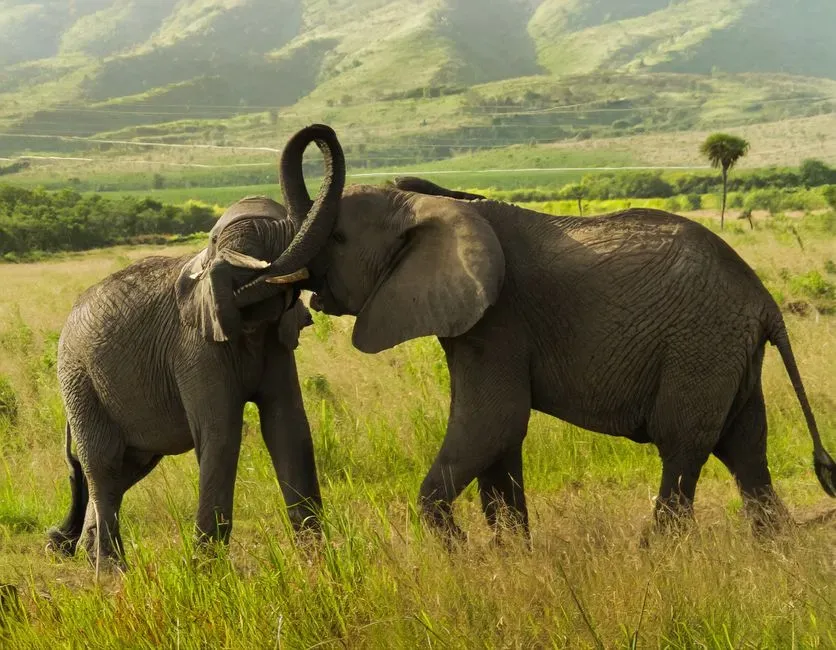
All of this sounds incredible, so how do researchers actually test it? One common method is called a playback experiment. Scientists record calls from known individuals, carefully label who is calling, and then play these recordings to elephants in the wild under controlled conditions. By comparing reactions to familiar versus unfamiliar voices, to relatives versus strangers, and to different social categories, they can map out how elephants perceive each vocal identity.
Scientists pay attention to details like how quickly the elephant reacts, which direction they turn, whether they move toward or away from the speaker, and what kind of vocal response they give. Stronger, more focused responses to familiar voices are a telltale sign of recognition. Of course, researchers must be careful not to stress the animals or disrupt their natural behavior, so they design these experiments to be as minimally invasive as possible while still revealing the remarkable sensitivity of elephant hearing and memory.
Why Long-Distance Voice Recognition Matters in the Wild
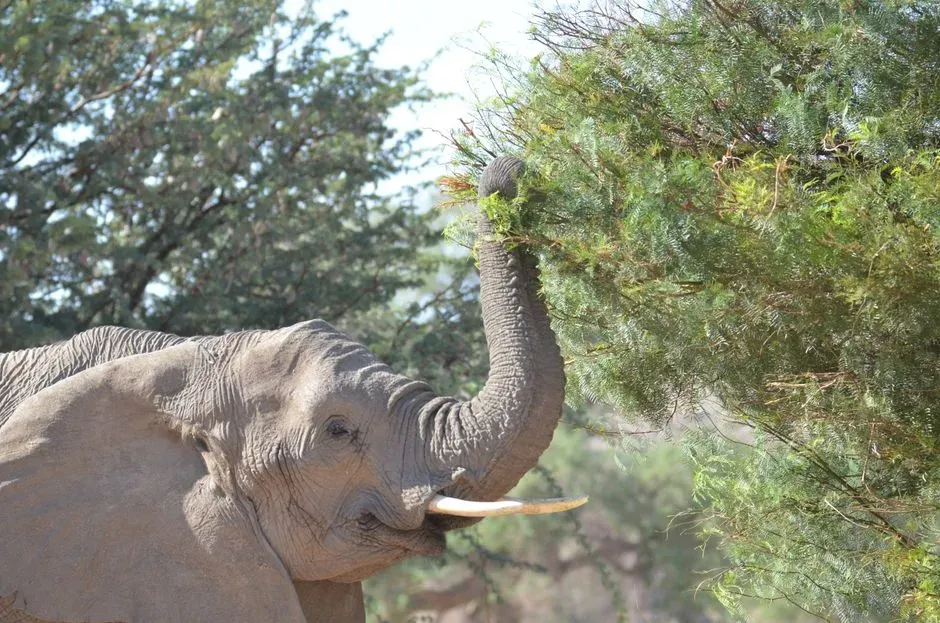
In a vast, noisy landscape, recognizing who is calling from far away can mean the difference between safety and danger. If a trusted matriarch’s voice signals the discovery of water, other elephants may move confidently in that direction. If a stranger’s anxious call echoes across the plains, a herd might respond with caution or hold back, unsure whether the disturbance concerns them. Knowing who is speaking allows elephants to prioritize information and decide what to do next.
This ability is especially important in unstable or risky environments. In areas with poaching, human conflict, or frequent droughts, elephants that can quickly identify reliable social partners have an advantage. Long-distance voice recognition lets them rebuild contact with allies, reunite with relatives, and coordinate movement even when they are physically scattered. It is not dramatic to say that for elephants, voices carry not just sound but survival strategies.
Emotional Lives: Joy, Grief, and Familiar Voices
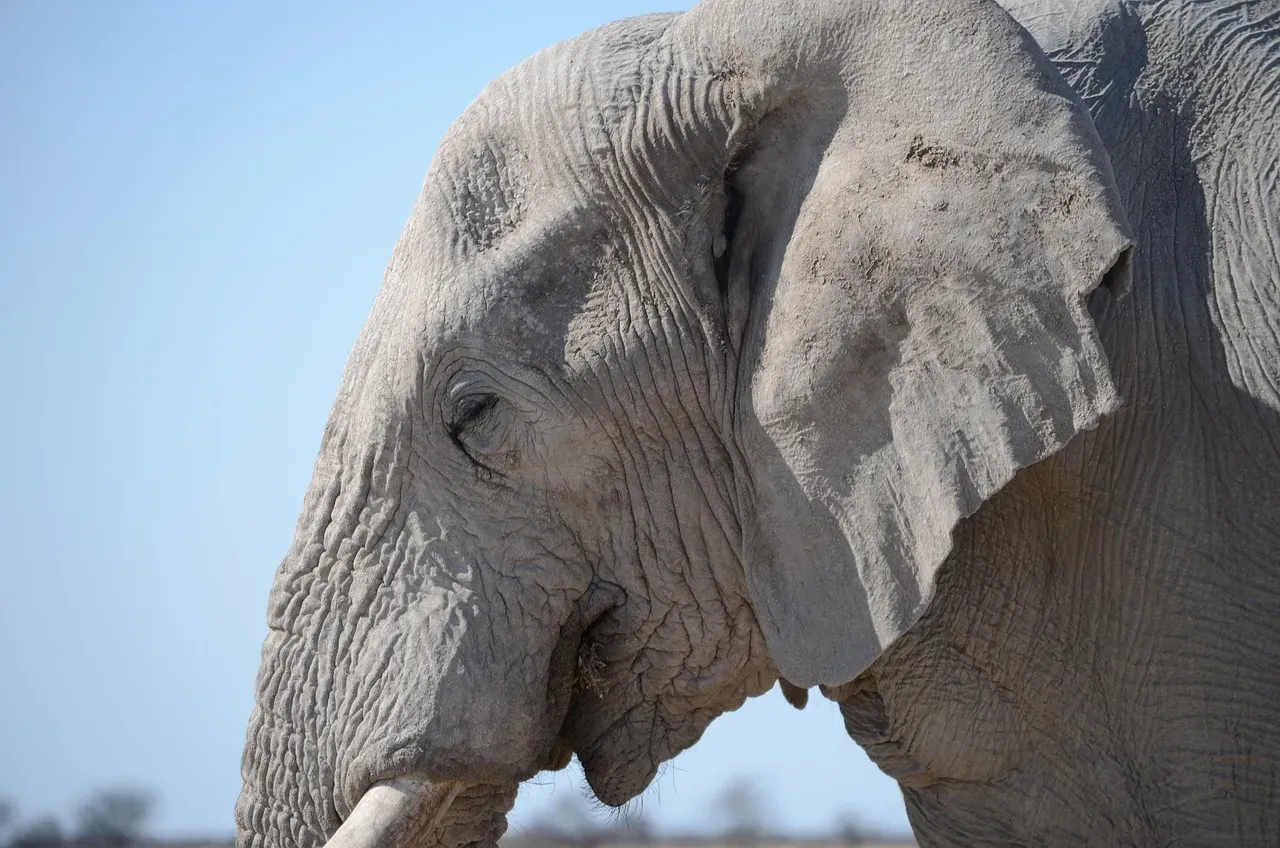
Anyone who has watched elephants for more than a few minutes senses that there is a lot going on beneath the surface. When elephants respond strongly to the voice of a long-lost relative or former companion, it looks very much like an emotional reaction, not a neutral acoustic calculation. Observers have described elephants becoming unusually animated, changing their posture, rumbling more, or moving with visible urgency when they hear familiar calls from individuals they have not encountered in a long time.
We have to be cautious about projecting human feelings onto animals, but the combination of long-term memory, selective recognition, and social behavior does suggest that elephants experience something more than simple reflexes. Their well-documented reactions to deaths, separations, and reunions point to an emotional depth that is easy to underestimate. Hearing a familiar voice after years apart might, for an elephant, feel closer to reconnecting with a dear friend than merely noticing a categorized sound in the distance.
What Elephant Memory Means for Conservation
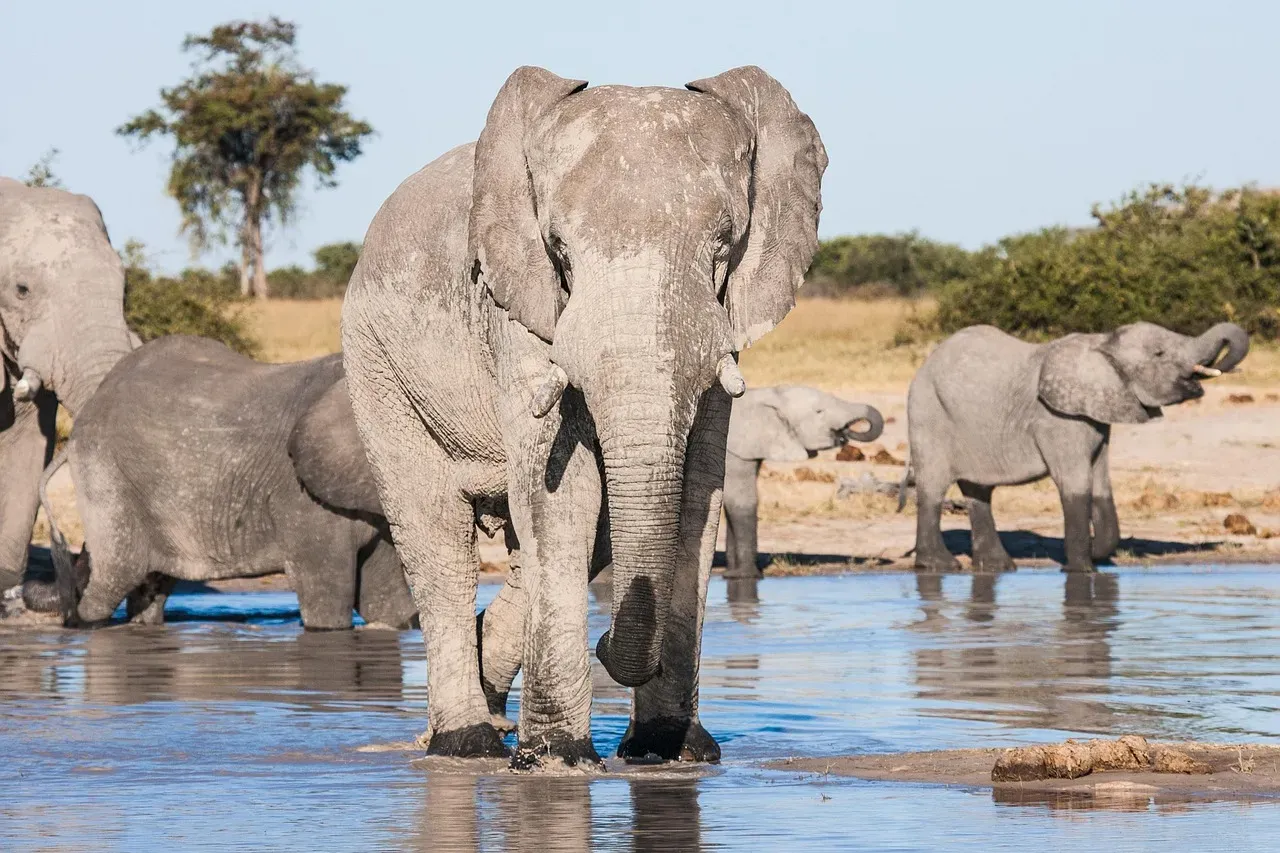
Once you understand how powerfully elephants remember each other, conservation looks very different. When poaching or culling removes key individuals – especially older matriarchs – it does not just reduce numbers; it rips out chunks of living memory and social knowledge. The remaining elephants are left with broken networks, fewer trusted voices, and gaps in their collective understanding of the landscape. That can make herds more stressed, more unpredictable, and less able to cope with a changing environment.
On the positive side, recognizing that voice memory and social recognition are central to elephant life has pushed some conservation efforts to focus more on keeping family groups intact and protecting older leaders. It also raises questions about how translocations, captivity, and human-made boundaries interfere with the long-distance social webs elephants depend on. In my view, any serious plan to protect elephants has to go beyond counting bodies and start thinking about their invisible networks of remembered voices and relationships.
How Technology Is Helping Us Listen Better
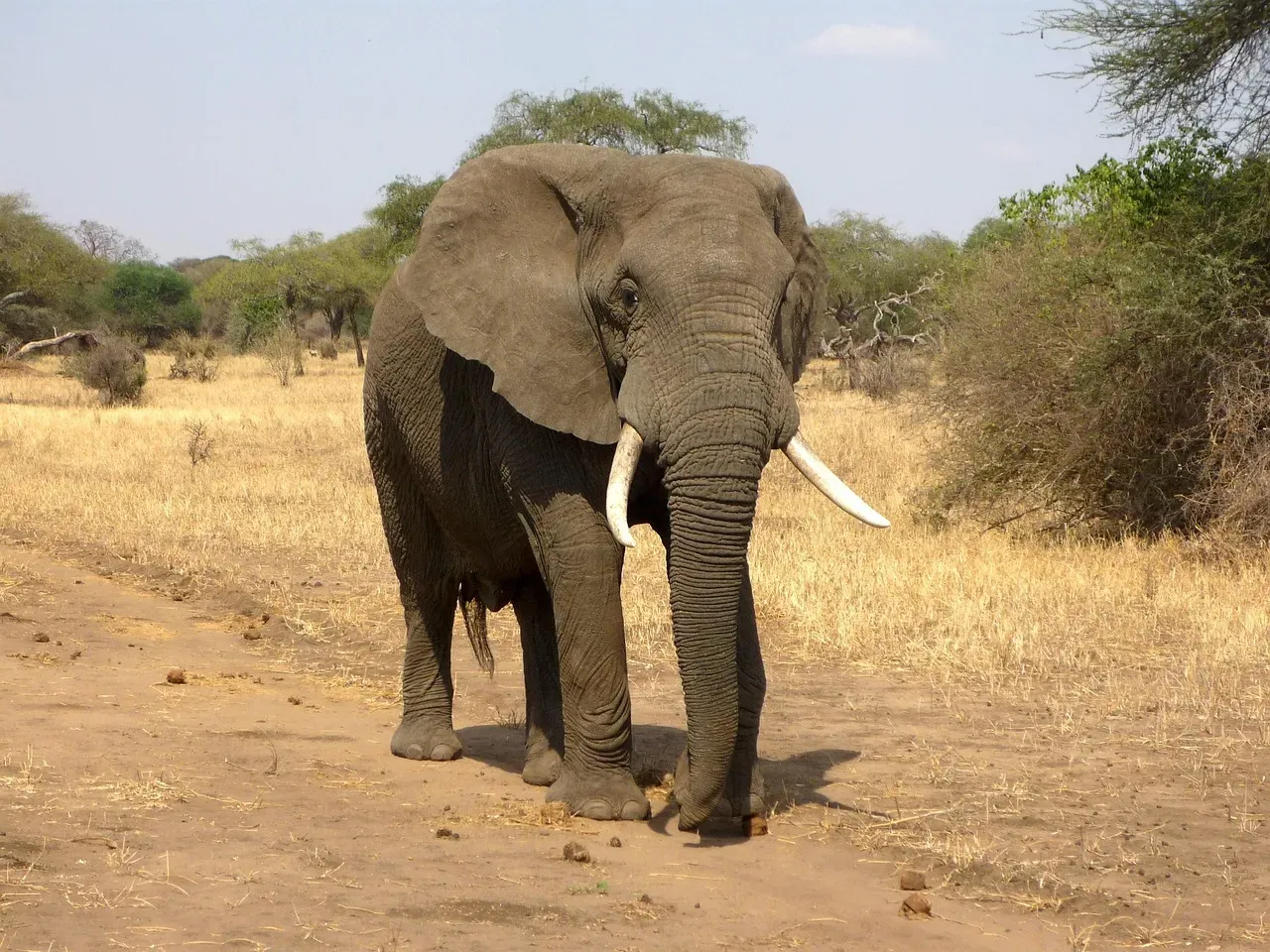
In recent years, advances in recording equipment, signal analysis, and even machine learning have opened up new ways to study elephant communication. Researchers can now collect thousands of hours of elephant calls, analyze the fine-grained acoustic patterns, and look for stable markers of individual identity. Some projects are experimenting with automated systems that can detect and classify elephant calls in real time, which could one day help track herds and monitor their well-being across large areas.
This technological progress does not replace old-fashioned field work, but it does give scientists new ears, so to speak. When you combine detailed acoustic analysis with long-term behavioral observations, you start to see the outlines of a complex communication system that we are only just beginning to decode. For me, one of the most exciting possibilities is that as we get better at “listening,” we may finally appreciate just how rich and personal elephant conversations really are – and how much of their social world has been hidden from us simply because we were not tuned to the right frequencies.
Rethinking Intelligence: Are We Underestimating Elephants?
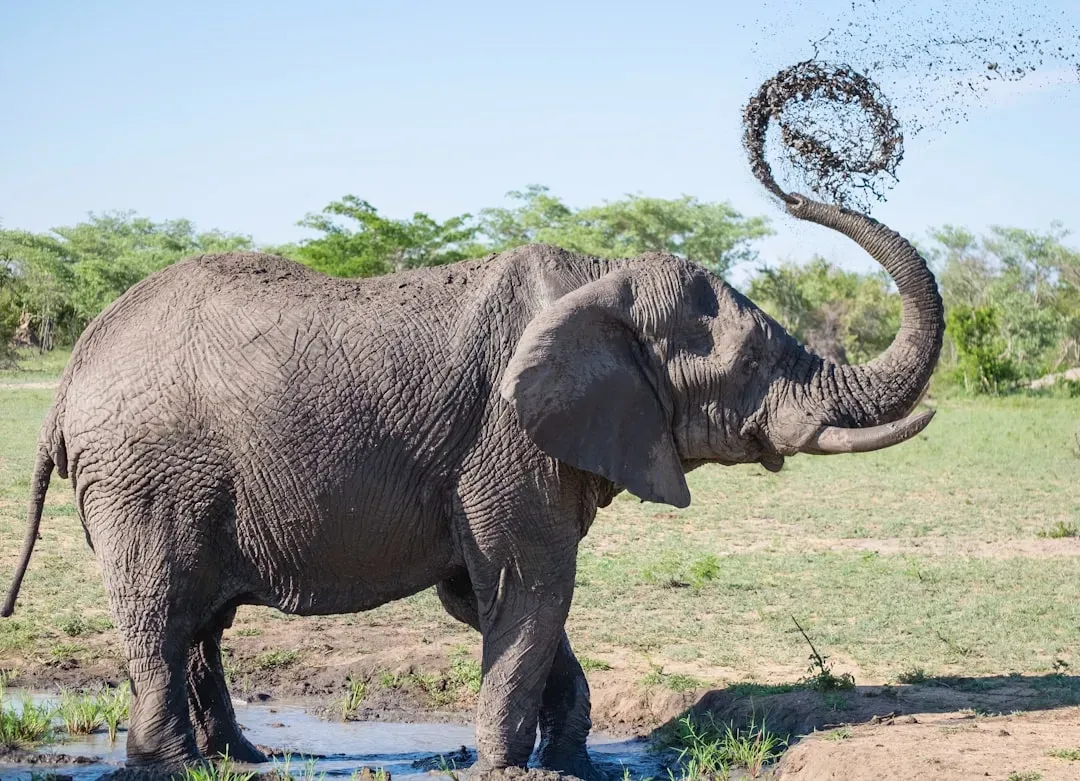
If a human recognized an old friend’s voice after ten or fifteen years, we would call that a touching sign of loyalty and an impressive feat of memory. When elephants do something strikingly similar, we often treat it as a curious fact rather than a challenge to our assumptions. In my opinion, that is a mistake. The ability to track dozens or even hundreds of individuals over long stretches of time, using nothing but fragments of distant calls, is a cognitive achievement that deserves serious respect.
Elephants force us to admit that intelligence is not a single ladder with humans at the top, but a branching tree with many different forms of sophisticated minds. Their memory, social understanding, and vocal recognition suggest a kind of intelligence that is not about tools or language in our sense, but about managing a sprawling, long-term social network in a harsh, unpredictable world. Once you see them that way, it is hard not to feel that the burden is on us to justify how we treat them, not the other way around.
Conclusion: The Echo of a Voice, and What It Demands of Us
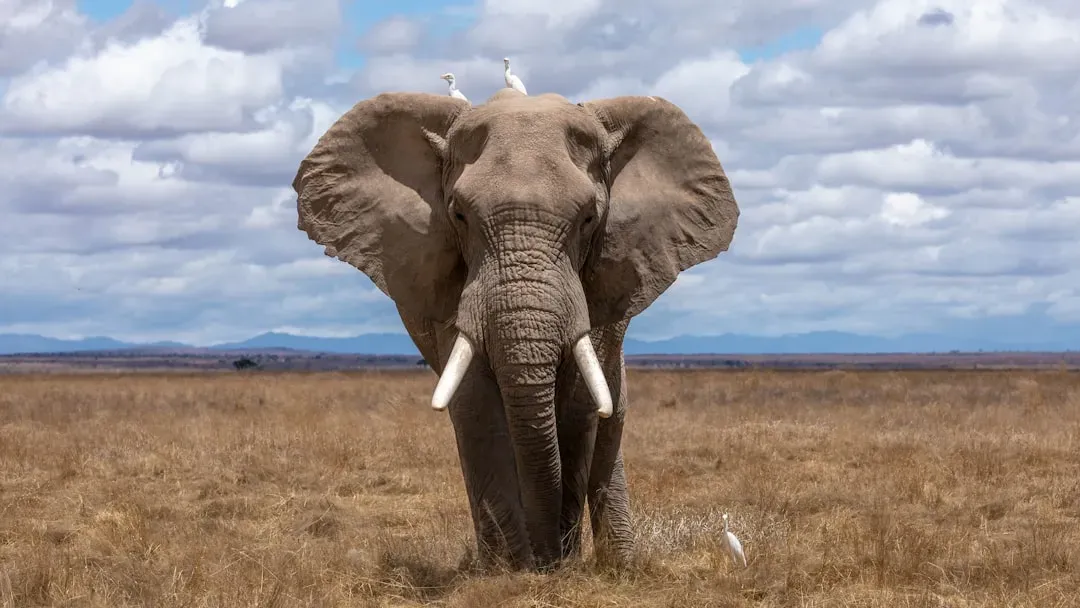
The idea that an elephant can recognize the voice of a distant herd member it has not seen in years is both scientifically fascinating and emotionally unsettling. It hints at lives filled with remembered faces, lost companions, and family histories carried not in books but in bodies and sounds that span generations. When I picture an elephant pausing at the faint echo of a familiar call, part of me cannot help but see a mirror held up to our own longing for connection across time and distance.
In my view, this makes our responsibilities uncomfortably clear. If elephants live in a world rich with remembered voices and enduring relationships, then fragmenting their habitat, killing their elders, or tearing apart their families is not just wildlife management – it is the disruption of deep, personal histories we barely understand. At the very least, we owe them the space and safety to keep listening for one another across the landscapes they have known far longer than we have. When you think about it that way, the real question is not whether elephants recognize old friends’ voices, but whether we are ready to recognize what that says about them – and about us.