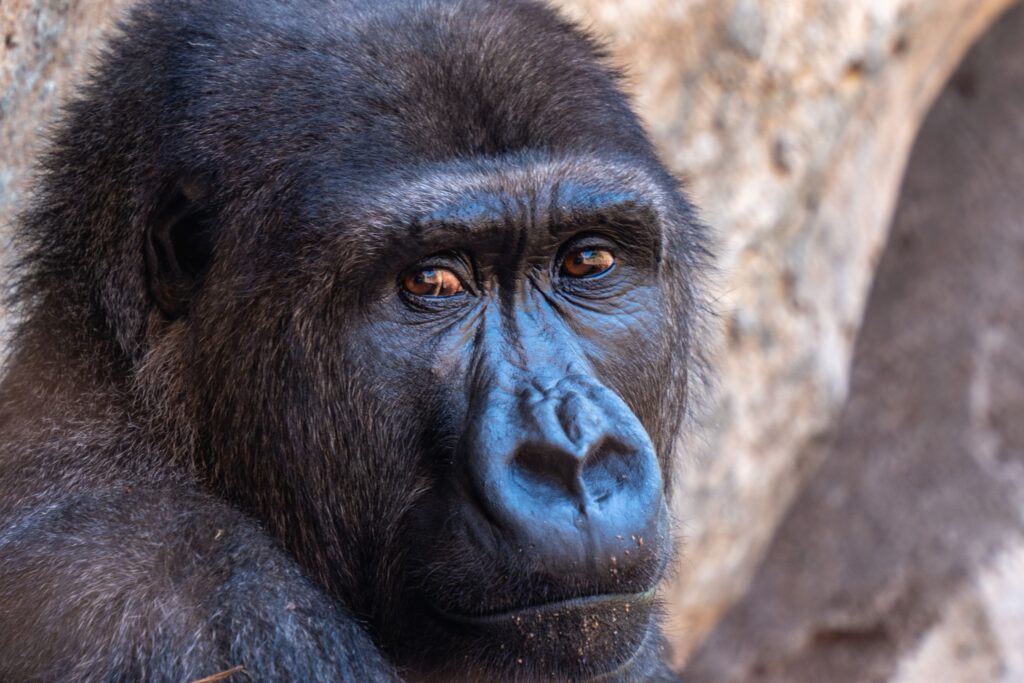

Imagine walking past the glass at a zoo exhibit and suddenly locking eyes with a gorilla. You expect a moment of curiosity and then for it to look away, but instead it keeps staring back, calm, steady, unblinking. Your chest tightens slightly, you feel oddly seen, and for a split second it does not feel like “looking at an animal” at all. It feels like someone is looking back at you.
That strange, almost unsettling feeling is not just in your head. When you make eye contact with a great ape – and it holds your gaze – your brain starts treating that moment as a social interaction, not a simple observation. The discomfort that bubbles up is less about you imagining human qualities and more about recognizing, at a gut level, that this is another mind engaging with yours, and that truth can be surprisingly hard to sit with.
The Shock of Being Seen by Another Mind
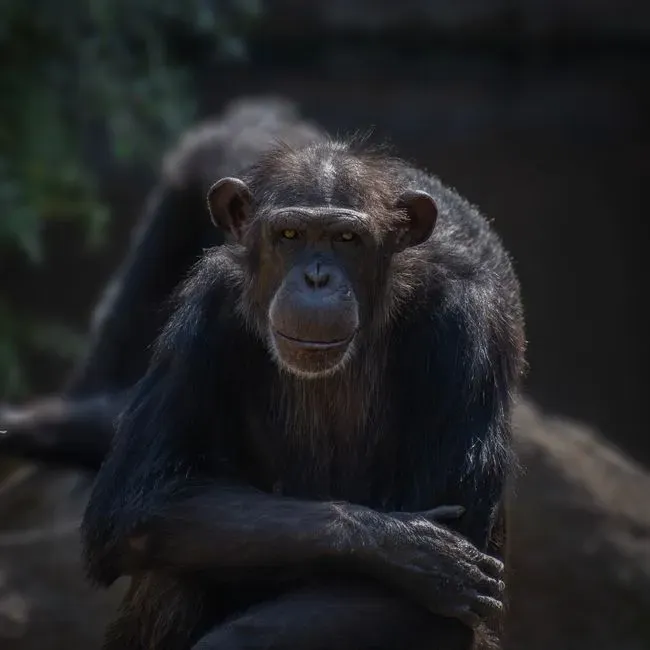
The first thing that hits you when a chimp or gorilla locks eyes with you is how different it feels from looking at most other animals. You are not just watching; you feel watched, even evaluated, in a way that feels uncomfortably familiar. Your brain is wired to treat a direct gaze as a powerful social signal, so when a great ape holds eye contact, your social circuits light up almost automatically.
In that instant, you are no longer in a simple “observer” role. Instead, you are thrown into a kind of silent conversation: Who are you? What do you want? Are you a threat, an ally, or something in between? That shift from one-way looking to two-way relating is what makes your stomach flutter. It is your brain saying: this is not just an object in front of you; this is another someone.
How Your Social Brain Reacts to Primate Eye Contact
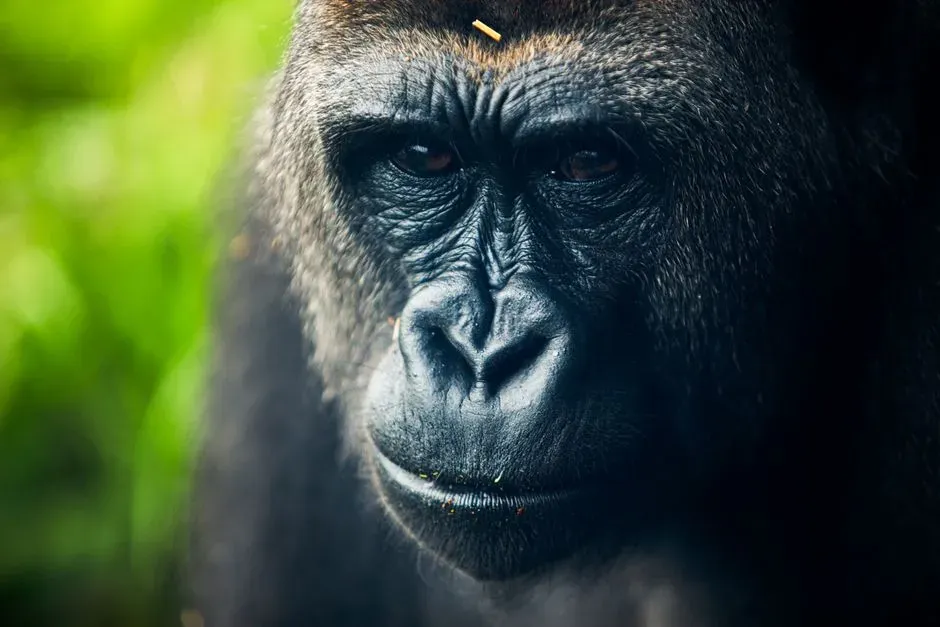
Your brain has dedicated systems for dealing with faces and eyes, and they kick into gear the moment you notice a gaze directed at you. When a great ape meets your eyes, areas involved in reading emotions, predicting intentions, and tracking social cues start working just as if you were facing another person. You are not consciously deciding to treat this as social; your brain decides for you, in milliseconds.
Eye contact, especially when it lingers, demands interpretation: you instinctively ask what the other is thinking and what that look might mean. With great apes, that instinct collides with your learned belief that you are dealing with an “animal,” not a full social equal, and the clash between your biology and your beliefs is part of what makes the moment feel so intense. Your nervous system is essentially saying, “Respond. This matters,” even as your rational mind scrambles to file the experience into a neat category.
Why the Discomfort You Feel Is Recognition, Not Projection
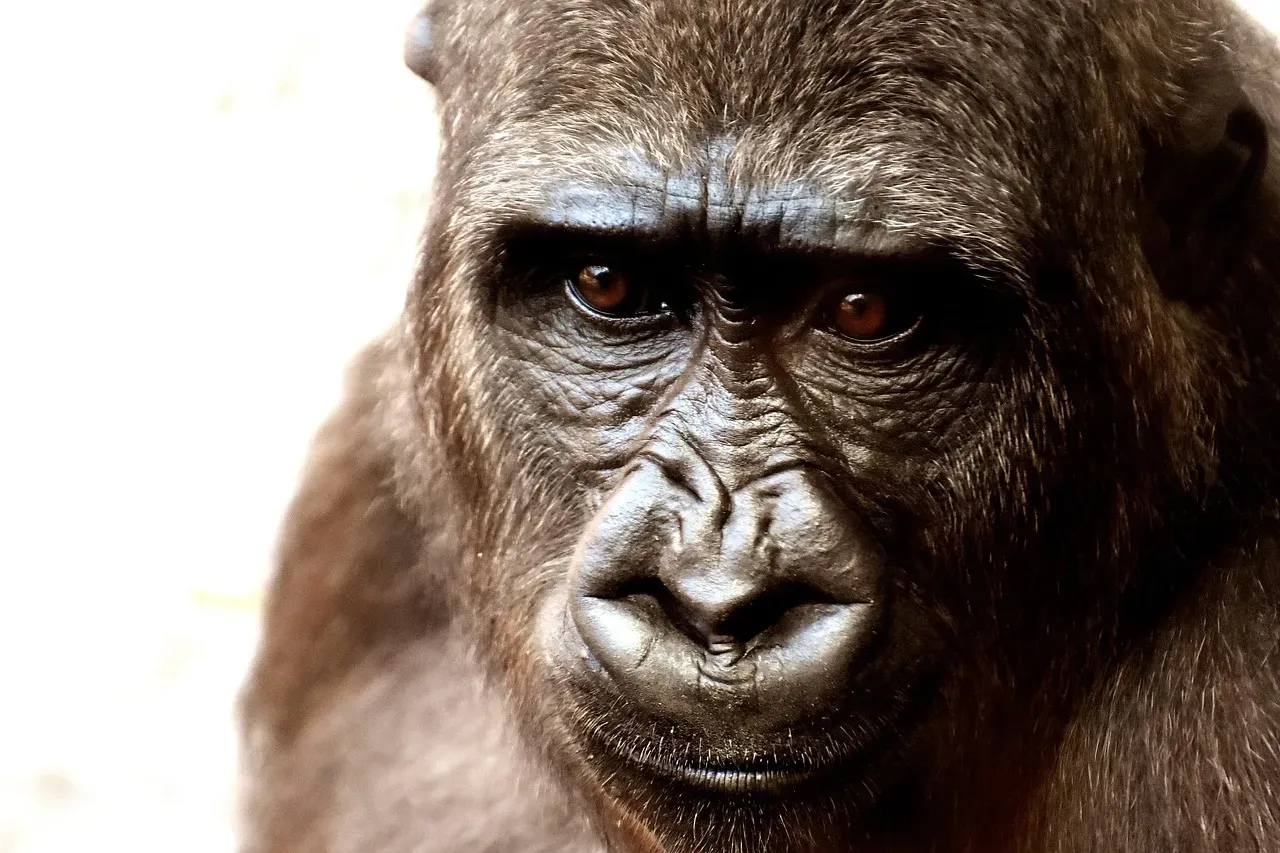
You might be tempted to tell yourself that you are just projecting human feelings onto a gorilla or orangutan, like reading a story into a cloud shape. But your reaction is rooted in the fact that great apes share a lot of your social and emotional architecture, from facial expressions to basic brain structures involved in relating and bonding. You are not inventing a mind in front of you; you are responding to one that is already there.
Recognition feels heavier than projection because it comes with responsibility. If you really let yourself accept that the being behind that gaze has its own experiences, preferences, and ways of understanding the world, then you cannot dismiss it as a simple spectacle any more. The discomfort is that subtle tug away from the comforting story that humans are completely separate and above, toward a more complicated truth: in some deep ways, you are looking into a distant mirror.
What Neuroscience Tells You About Shared Primate Minds
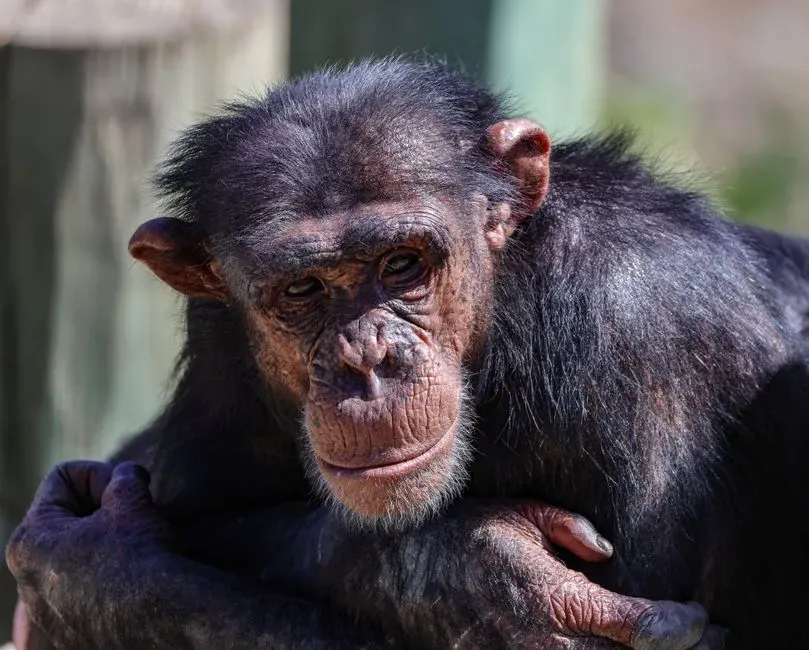
From a neuroscience point of view, your brain and a great ape’s brain are not cousins from different planets; they are close variations on a shared design. Regions that help you recognize faces, process emotions, and coordinate social behavior have clear parallels in chimpanzees, bonobos, gorillas, and orangutans. When you meet their gaze, you are engaging a system that evolved long before your particular branch of the family tree appeared.
Researchers have found that when you see another being act, gesture, or express emotion, your own brain simulates parts of that experience. That is one reason you can so easily read curiosity, boredom, or irritation in a great ape’s posture or eyes, even if you have never studied them. You are using the same internal social “toolkit” that works on other humans, because evolution did not hand you a separate set just for your species.
Eye Contact, Vulnerability, and the Edges of Your Comfort Zone
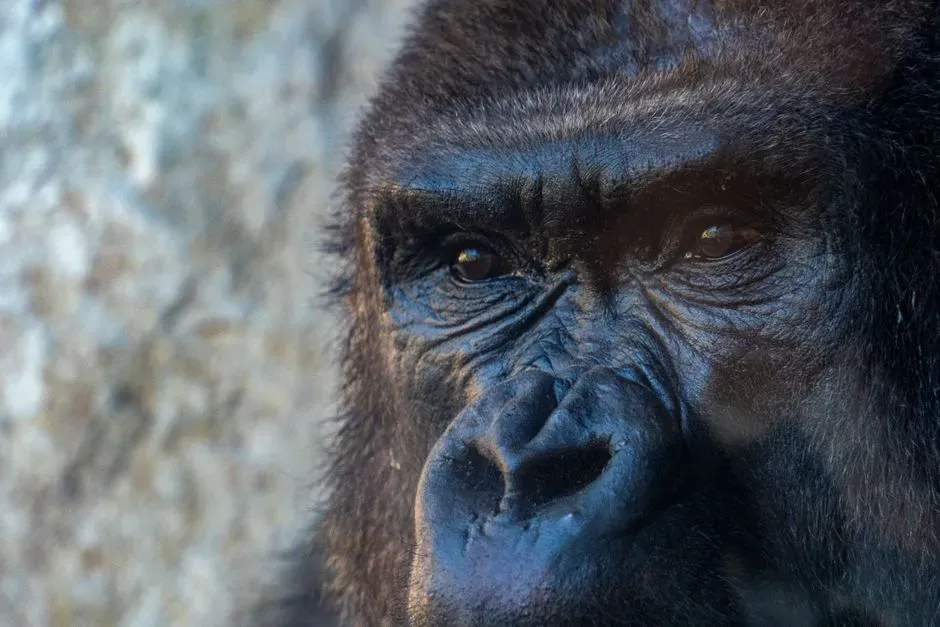
Long, unbroken eye contact is intense even with another person; it can feel vulnerable, intimate, or confrontational, depending on the context. With a great ape, you get that same raw intensity layered with a sense of crossing a boundary you were taught exists between you and “animals.” That double layer is what makes you want to look away and yet keeps you sneaking glances back.
Part of what feels so unsettling is the realization that you cannot fully predict or control what that other mind is thinking. You are used to assuming that nonhuman animals are simpler, easier to decode, and less reflective. When a gorilla calmly studies you, you are suddenly the one under observation, and your nervous system treats that like a moment of exposure: you are not just seeing; you are being seen, and that can press against the edges of your comfort zone.
How Culture Shapes What You Let Yourself Feel
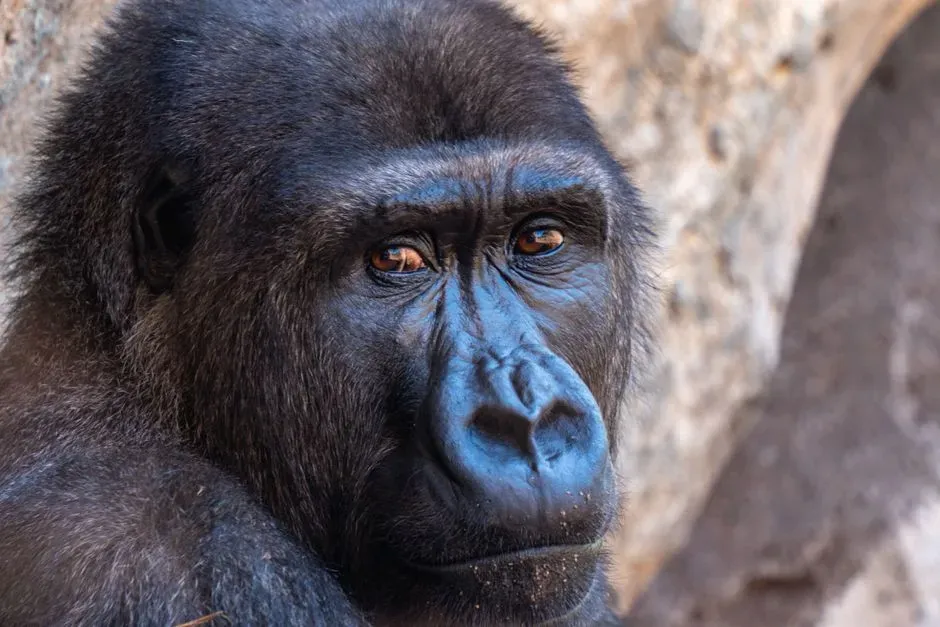
Culturally, you are often trained to draw a hard line between “human” and “animal,” and to treat that line as obvious and fixed. That training makes it easier to justify zoos, experiments, and everyday indifference, because it turns other species into background scenery in your story. When a great ape looks back at you, that clean line suddenly gets smudged, and your emotional brain notices the smudge even if your logical mind tries to ignore it.
You might catch yourself quickly explaining the moment away: it is just curiosity, it is just because you have food, it is just your imagination. Those explanations are a way of retreating from the deeper implication that you are sharing a moment with another subject, not just observing an object. If you resist the urge to explain it away, you start to feel a thicker, more complicated mix of empathy, guilt, wonder, and even sadness about how your species treats theirs.
Letting the Recognition Change How You Relate
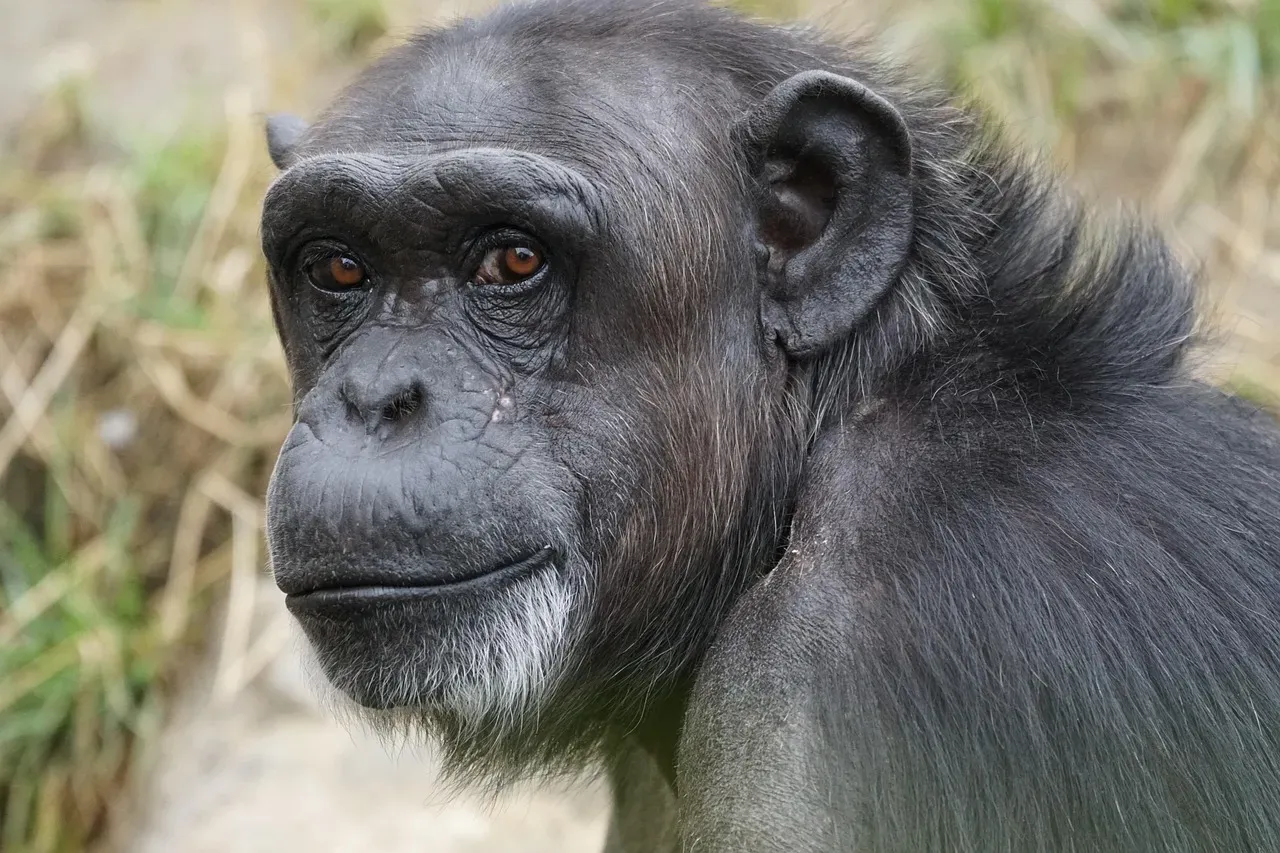
If you let yourself stay with that discomfort instead of shrinking from it, something interesting can happen. You begin to relate less as a tourist and more as a participant in a shared web of minds, all trying to make sense of their surroundings, avoid harm, and find small islands of safety. The ape behind the glass stops being a display and starts being a neighbor whose life you only glimpse in fragments.
That shift can nudge you to ask different questions: not just what these animals can do or how smart they are compared to you, but what you owe them, what a respectful relationship might look like, and how your everyday choices ripple outward. Recognition has a way of rearranging your moral landscape, and once you have really felt that silent, steady gaze, it becomes harder to slip back into the comfort of pretending no one was truly there.
Sitting With the Hard Truth of Shared Gaze
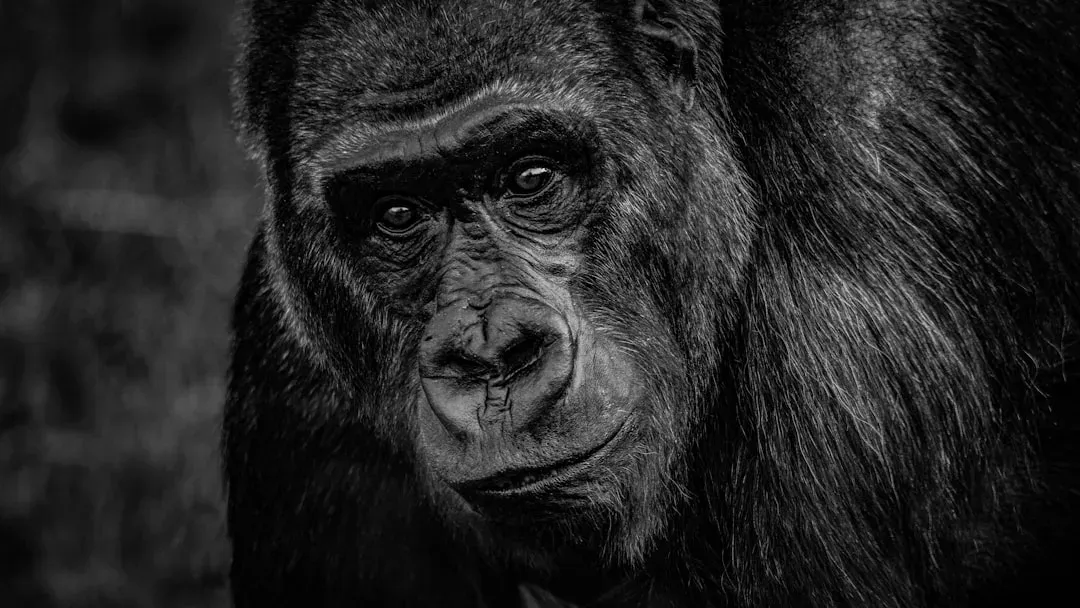
Eye contact with a great ape is a small moment on the surface, but under the hood it jolts awake some of the deepest systems in your brain for social connection and moral judgment. You are not just noticing another creature; you are grappling with the realization that the distance between you and them is thinner than you were taught to believe. The unease is the emotional price of that clarity.
If you let that recognition sink in, it can quietly reshape how you move through the world – how you think about other animals, about what it means to be human, and about the kind of presence you bring when you look into any pair of eyes. The next time a great ape holds your gaze and you feel that strange mix of awe and discomfort, you might pause and ask yourself: are you really uneasy about them, or are you finally seeing something true about yourself?