

You know that restless feeling when your mind is buzzing, your shoulders are up by your ears, and even breathing deeply feels like work? You might assume you need a stronger coffee, a new supplement, or the latest mindfulness app to fix it. But your brain is wired for something far older and simpler: trees, soil, birdsong, and a path beneath your feet. That old‑fashioned walk in the woods turns out to be one of the most advanced “technologies” your nervous system has. Modern neuroscience is finding that just about twenty minutes in a forest does things to your brain that researchers can measure in scanners, stress hormones, and cognitive tests. You see your stress circuitry quiet down, your attention networks reset, and your mood-regulating systems rebalance. None of this is magic, and it is not a cure‑all, but it is surprisingly powerful and stubbornly reliable in a way pills and apps still struggle to match.
The Surprising Precision of Twenty Minutes

You might think you need a full weekend retreat in nature to feel any real difference, but the timing is much kinder to your busy life. Studies looking at people spending short periods in forests keep landing on a similar pattern: about twenty minutes of unhurried walking is enough to significantly lower stress markers and improve how clearly you think afterward. You are not waiting for months of habit-building or perfectly executed breathing routines; your brain starts shifting state in the space of a single lunch break. If you pay attention the next time you do this, you can almost feel the transition in real time. The first few minutes, your mind is still in “inbox mode,” replaying conversations or rehearsing tasks. Somewhere around the ten to fifteen‑minute mark, the mental noise starts to soften, like a radio being slowly turned down. By the twenty‑minute point, your breathing is more regular, your muscles are less clenched, and your thoughts feel less tangled. That is your nervous system responding to an environment it evolved in for hundreds of thousands of years.
How Forest Light and Color Quiet Your Stress Circuits

You probably do not think much about the color of your surroundings, but your visual system is constantly sending emotional signals to your brain. Forests are packed with greens and earthy browns, colors that tend to nudge your nervous system toward calm rather than alert. Unlike the harsh contrast of white screens and blue‑heavy LEDs, forest light is softer, scattered, and constantly shifting through leaves, which gives your eyes and brain a break from the hard edges and repetitive patterns of built environments. As your eyes track the irregular shapes of branches, leaves, and understory plants, the parts of your brain responsible for threat detection and hyper‑vigilance get a chance to settle down. You are still capable of reacting to danger if needed, but you are no longer being constantly pinged by bright notifications and visual clutter. That drop in background vigilance is a big reason your stress response can recharge in the woods in a way it often cannot in your living room, even when you are “relaxing.”
Breathing in Forest Air Changes Your Body Chemistry

When you walk through a forest, you are not just looking at trees; you are literally breathing them in. Plants release tiny aromatic compounds into the air – think of the subtle smell of pine, damp soil, or crushed leaves – that your nose detects even when you do not consciously notice them. Your body responds to these natural chemicals by adjusting your immune activity and nudging your nervous system into a calmer, more restorative state. You also tend to unconsciously deepen your breathing in a forest. There is more space, more clean air, and more to look at, so your breaths naturally slow down and lengthen compared with the quick, shallow breathing you might have at your desk. Deeper, slower breaths shift your autonomic nervous system toward its “rest and digest” mode, helping lower heart rate and blood pressure. You are not forcing a breathing exercise; your environment is quietly coaching your body back into balance.
Why Your Prefrontal Cortex Finally Gets to Take a Break

Your prefrontal cortex is the part of your brain that handles planning, decision‑making, self‑control, and all those tabs you feel like you have open in your mind at once. It is powerful, but it tires easily. When you spend your day juggling emails, tasks, and decisions, this region can get overworked, leaving you mentally foggy and emotionally brittle. A forest walk works like a soft reset button for this system. In nature, your attention gently drifts rather than locking onto intense, high‑stakes stimuli every second. Your eyes follow a bird for a moment, then a beam of light, then the curve of the path. This effortless kind of attention gives your prefrontal cortex a rest while still keeping you pleasantly engaged. After about twenty minutes of this, you often notice you can think more clearly, remember things better, and make choices with less mental resistance. No pill has been able to reliably recreate that exact combination of gentle stimulation and deep cognitive rest.
How Walking in a Forest Outperforms Your Meditation App

If you have ever opened a meditation app and immediately felt guilty for not “doing it right,” you are not alone. Meditation can be incredibly helpful, but it often asks you to fight your own habits: sit still, stay focused, do not get distracted. A forest walk flips this script. It lets your mind wander, invites gentle distraction, and rewards simple curiosity about your surroundings. You get many of the same benefits – calmer mind, better mood, sharper attention – without needing willpower or perfect technique. There is another quiet advantage: a forest walk brings your body, not just your mind, into the practice. You are moving, balancing, sensing the ground, adjusting to uneven terrain. This kind of full‑body engagement sends rich signals back to your brain, reinforcing a sense of presence and safety that an app on a couch can rarely match. Instead of trying to override your restlessness, you give it somewhere natural to go, and your brain thanks you for it.
Why No Supplement Can Package a Whole Ecosystem
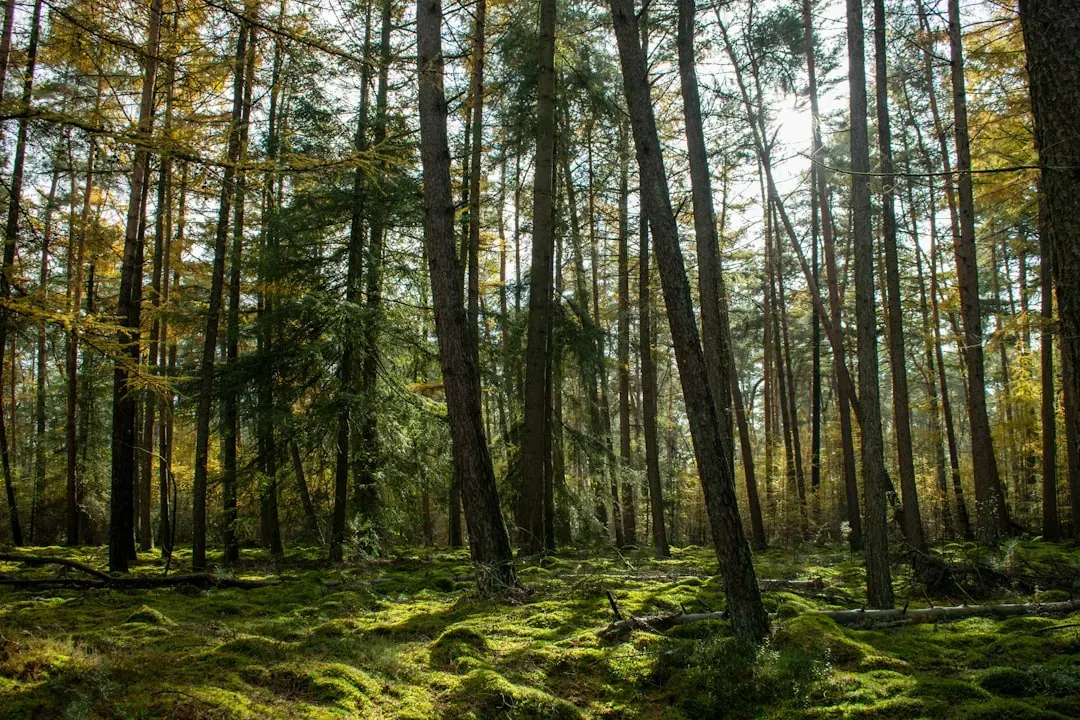
Supplements usually target single molecules or narrow pathways in your brain and body. Nature does the opposite: it bathes you in a whole network of inputs at once – light, sound, scent, temperature, movement, and subtle social cues from other living things. When you walk in a forest, your senses are taking in an entire ecosystem, and your brain is wired to interpret that as a sign that you are in a life‑supporting, resource‑rich environment. This multi‑layered stimulation helps regulate systems that no single pill can fully control at once: stress hormones, immune signals, attention circuits, and emotional networks. You could try to mimic parts of it with melatonin, caffeine, magnesium, or adaptogens, but you would still be missing the way they all interact with changing light, natural sounds, and movement through space. Your brain evolved with forests as its original “operating environment,” and that complexity is not something you can swallow in capsule form.
Reconnecting Your Senses When You Feel Numb or Overloaded
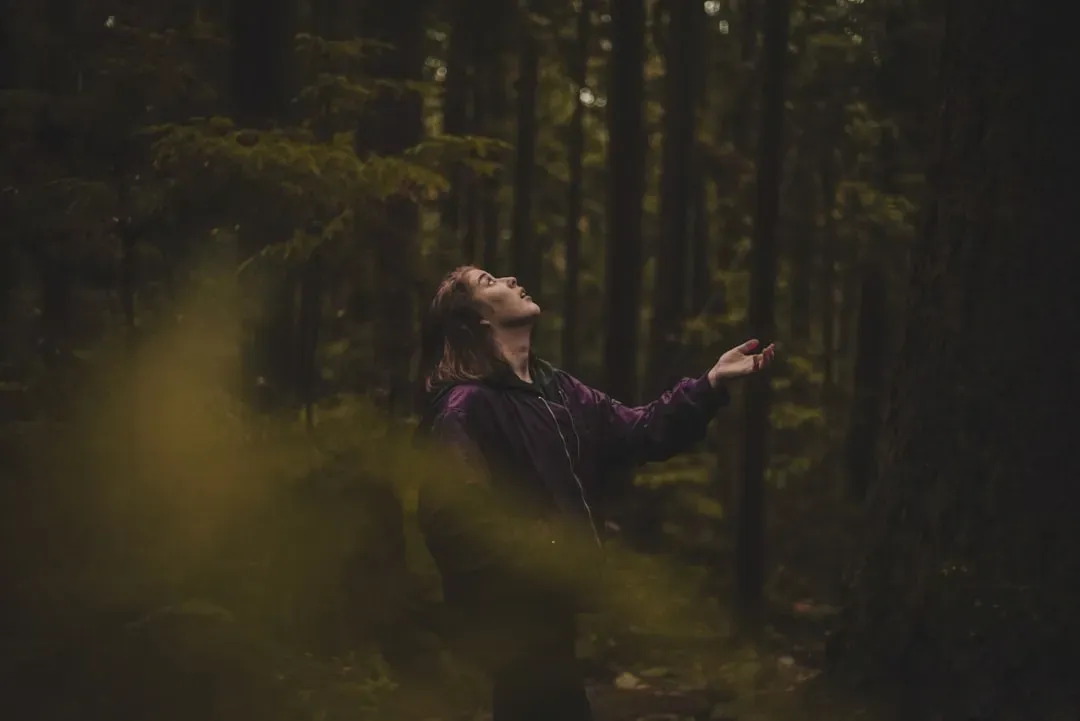
When life gets too intense, you might notice yourself doing one of two things: zoning out completely or cranking everything up just to feel something – louder music, brighter screens, more scrolling. A forest walk offers a third option: gentle re‑entry into your own senses. You are not forcing yourself to feel; you are simply noticing what is already there – the crunch of leaves, the temperature shift in the shade, the way the air smells after rain. As your senses wake up without being overwhelmed, your emotional world often follows. You may find that feelings you have been avoiding come up more clearly but also feel more manageable. Instead of being knocked over by a wave of emotion, you are standing in a place that feels safe, grounded, and bigger than your current worries. That combination – sensory richness, emotional safety, and physical grounding – is surprisingly hard to engineer indoors, but a forest does it by default.
Boosting Creativity and Problem‑Solving Without Forcing It

You have probably had the experience of getting your best ideas in the shower, on a walk, or while doing something mundane. Your brain often solves problems when you stop pushing it so hard. A twenty‑minute forest walk is like putting your mind into this “background processing” mode on purpose. As your attention gently widens to take in trees, sky, and path, your brain keeps working quietly on whatever you were stuck on, just without the strain. When you come back, you might find that an idea feels clearer, a tough decision seems more obvious, or a conversation you were dreading feels easier to navigate. You did not sit down with a notebook to “be creative”; you just gave your brain the right conditions to connect dots on its own. That effortless creativity is one of the reasons so many people report that regular nature walks make them not only calmer, but also more effective at work and in their personal lives.
How to Make Twenty Minutes in the Forest a Real Habit
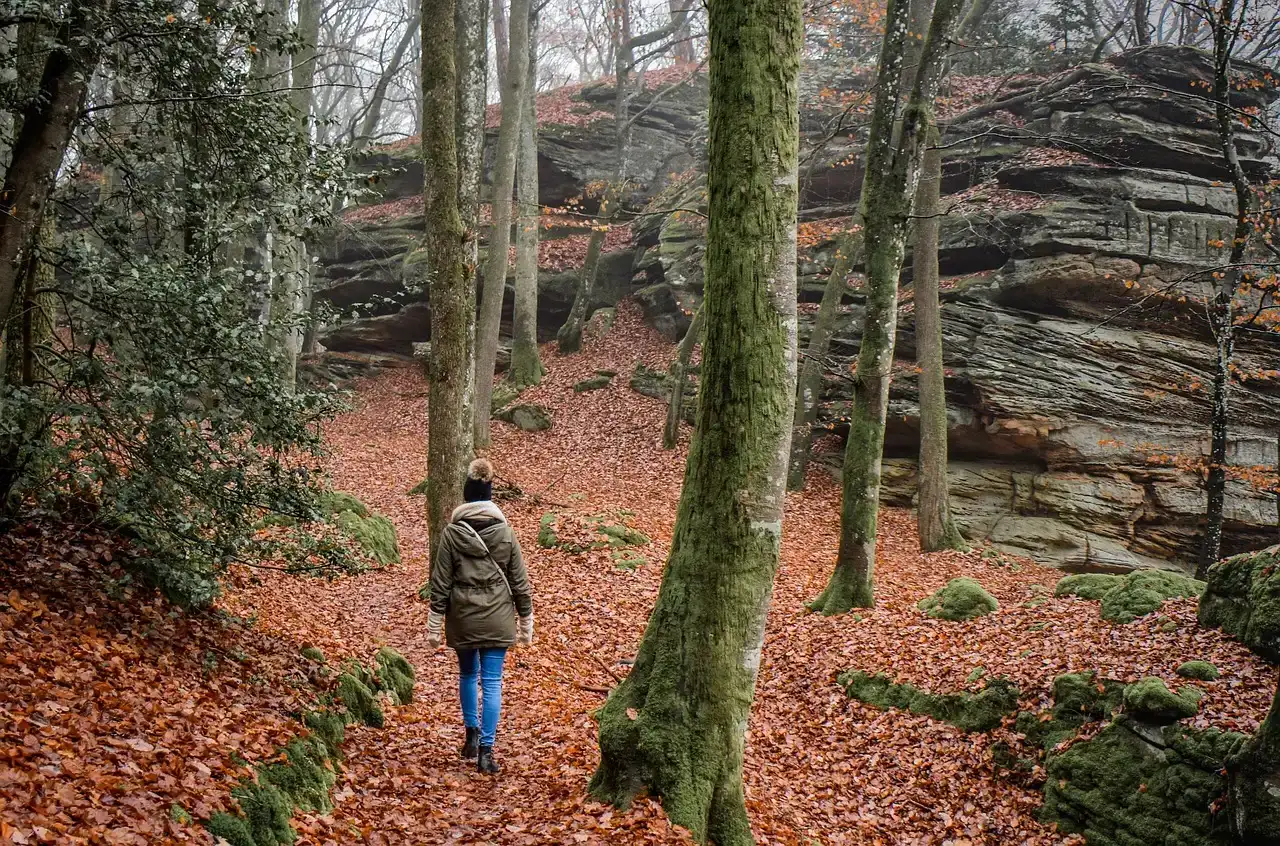
Knowing all this is one thing; actually lacing up your shoes and stepping onto a trail is another. The trick is to make it as easy and un‑dramatic as possible. You do not need the perfect scenic trail or a full hiking outfit. A small wooded park, a strip of trees by a river, or a quiet path with plenty of greenery can be enough. Tell yourself you are just going for twenty minutes, no expectations, no step goals, no pressure to “be mindful.” Once you feel the difference even a few times, your brain starts to do the motivational work for you. You learn, in your own body, that when you feel wired, foggy, or emotionally flat, a short forest walk is not a luxury – it is a reset. From there, you can start weaving it into your week the way you would a coffee break or a call with a friend. The key is not perfection; it is just showing up for those twenty minutes often enough that your nervous system can rely on it.
Conclusion: Your Oldest Technology Is Still Your Best Bet

In a world that keeps promising you better pills, smarter apps, and faster fixes, it is almost disorienting to realize that one of the most reliable ways to change your brain is to walk slowly among trees for twenty minutes. You are not rejecting science by doing this; you are using it. Neuroscience is simply catching up to what your body has known all along: your brain works differently, and often better, when you return it to the kind of place it came from. You do not have to move to a cabin in the woods or become some kind of minimalist hero. You only need to claim small, regular slices of time to step into a forest, let your senses open, and allow your mind to unclench without being forced. Over time, those twenty‑minute walks can become one of the most dependable tools you have for staying sane, focused, and fully alive. When your head starts to spin next time, will you reach for your phone, or will you walk toward the trees instead?