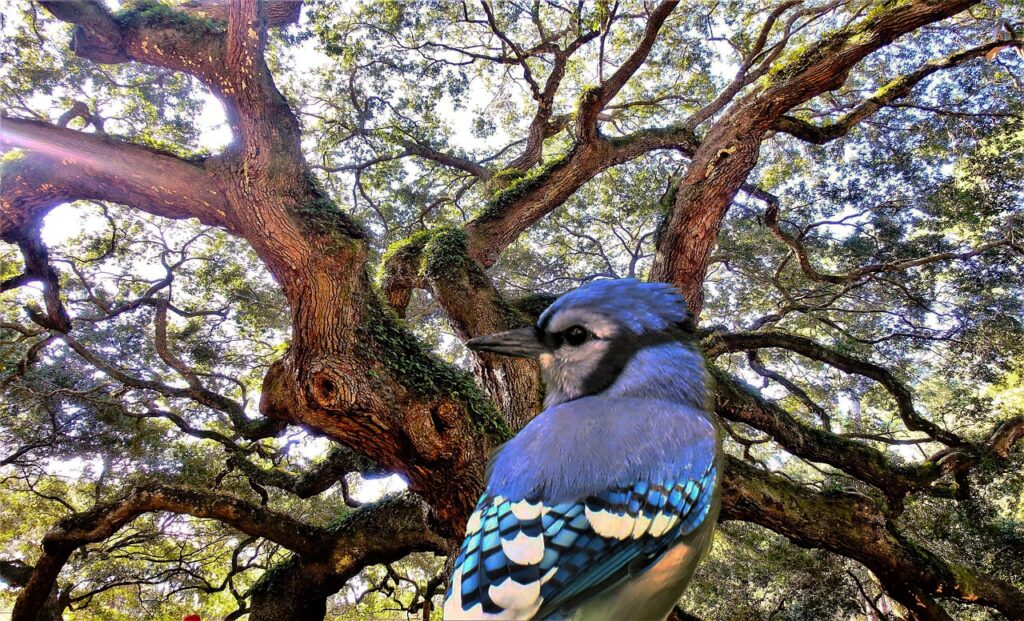

You probably see blue jays as loud backyard troublemakers, but wildlife biologists see something else entirely: accidental forest engineers. Without meaning to, these bright blue birds are quietly reshaping oak forests across North America, one buried acorn at a time. And the scale of what they do is genuinely staggering when you start to add it up. Once you understand how a single blue jay behaves around acorns, you can start to imagine what millions of them, working year after year, mean for the landscape you live in. You are literally walking through forests that exist partly because generations of jays forgot where they hid their snacks. By the time you finish this article, you may never look at that noisy flash of blue in quite the same way again.
The Surprising Partnership Between Blue Jays and Oak Trees
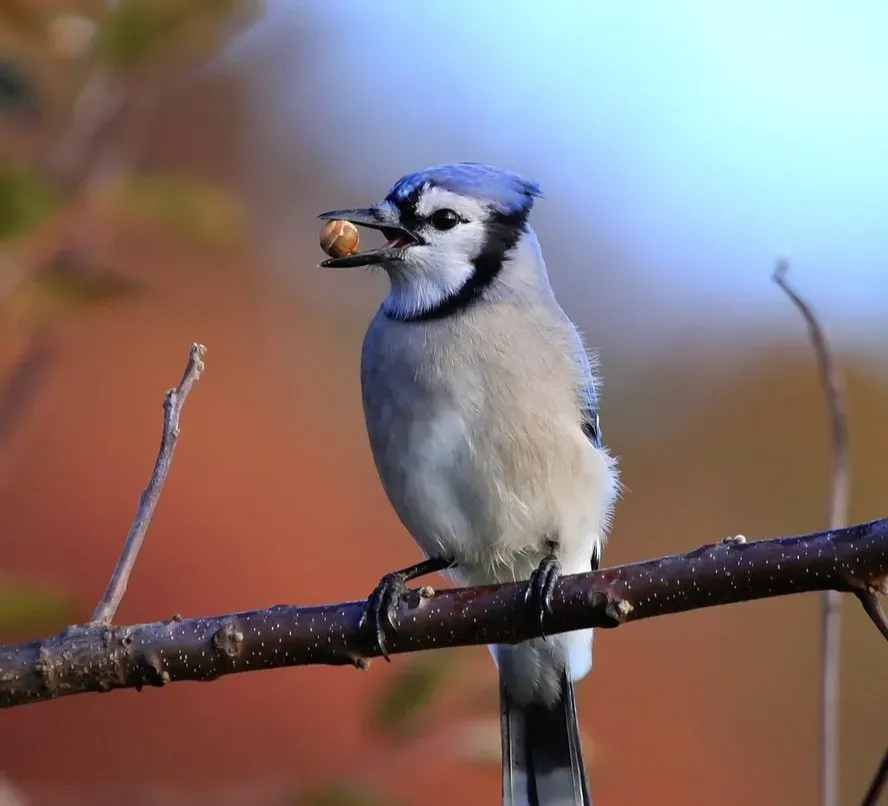
It might feel strange to think of a bird and a tree as partners, but that is pretty much what is going on between blue jays and oaks. You have one species that produces heavy, nutrient-dense seeds that cannot travel very far on their own, and another that is built to carry things in its beak and fly. Put them together, and you get a natural seed-delivery system that no human could design more efficiently. You tend to picture seed dispersal as something the wind or small songbirds handle, but acorns are too heavy and too large to be scattered like that. This is where you see the blue jay step in: the bird wants the acorn for food, and the tree needs the acorn to move away from the parent tree. What is magical is that neither side is consciously cooperating, yet they end up helping each other flourish.
How Blue Jays Cache Acorns Like Tiny Forest Gardeners
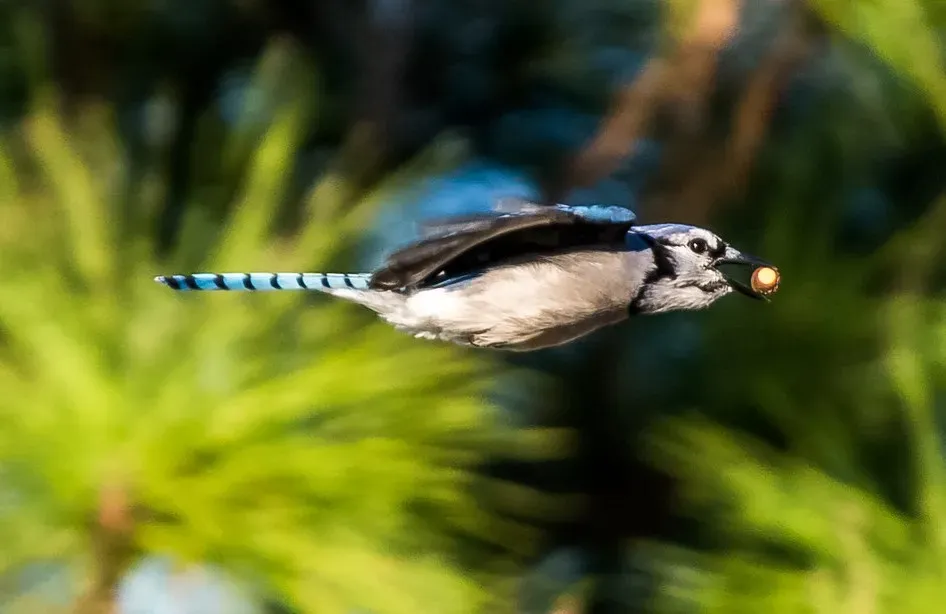
If you watch blue jays in fall, you start to notice a pattern: grab an acorn, fly off, disappear into some distant patch of ground, then come back for another. You are watching a behavior called caching, where the jay hides food in different spots to eat later when times are lean. It is the same basic idea as you squirreling away snacks in different drawers, just with dirt and leaves instead of cabinets. You might assume the bird is just dropping acorns randomly, but the behavior is surprisingly methodical. You will see jays push acorns into soil or leaf litter using their beaks, often just deep enough to be protected from other animals and from drying out. The bird thinks it has created a personal pantry; what it has actually created is the perfect planting depth for a future oak seedling.
Why So Many Cached Acorns Turn into Oak Seedlings
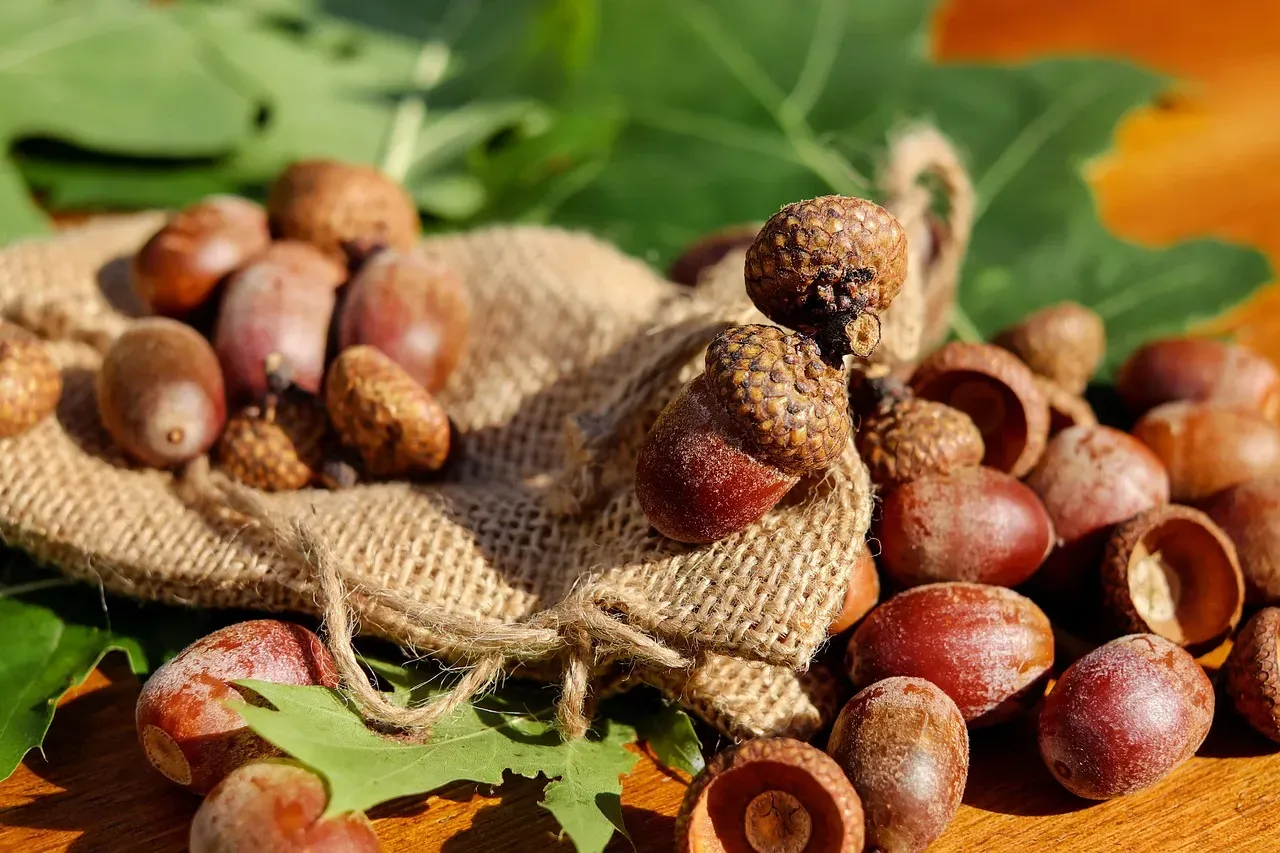
Here is the key to the whole story: blue jays forget. They are clever birds with good memories, but when a single jay stashes hundreds or even up to a few thousand acorns in a season, there is no way every hiding spot gets revisited. Every forgotten acorn is a tiny lottery ticket for the forest, and over time, quite a few of those tickets pay out in the form of new trees. When you think about it, you realize the conditions are pretty ideal. The acorn is buried in loose soil or leaf litter, it is protected from many predators, and it sits in a microclimate with enough moisture to sprout in spring. You are not watching an intentional act of planting in the human sense; you are watching a side effect of a survival strategy that just happens to line up perfectly with what an oak needs to grow.
The Mind-Blowing Scale: Millions of Trees from Forgotten Snacks
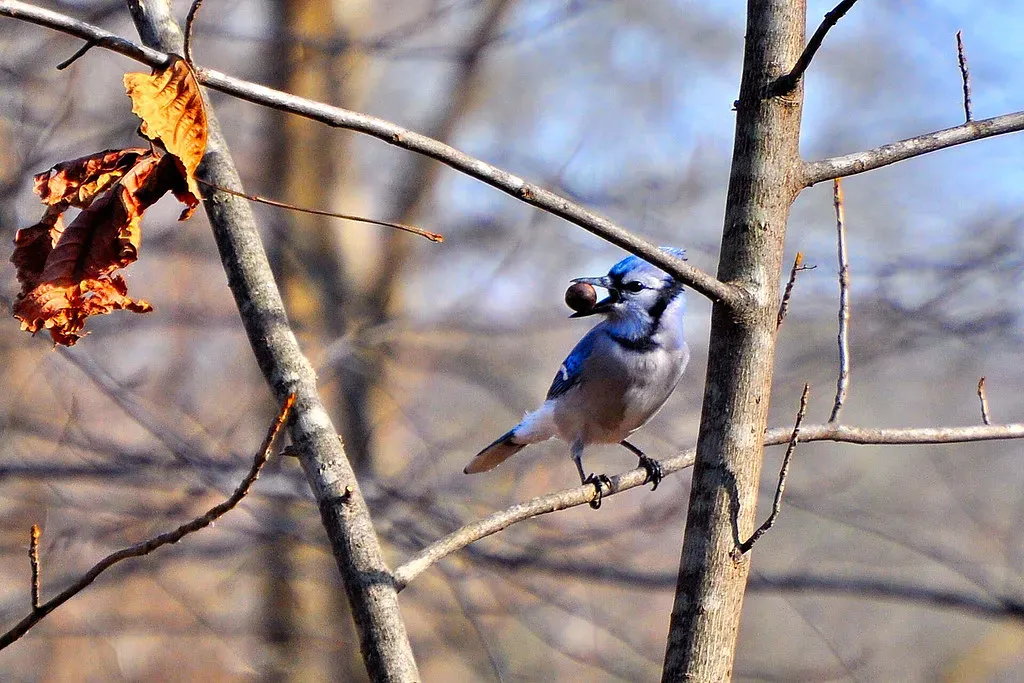
Now take that one bird, caching hundreds or even many hundreds of acorns in a good mast year, and multiply it across the vast range of blue jays and oak forests in eastern and central North America. You start to see why biologists talk about millions of trees being established over time by jay behavior alone. You are dealing with small actions, repeated at a continental scale, year after year. You will never be able to stand in a forest and point at a single oak and say with total certainty that a jay planted it. But when scientists look at how many acorns jays move, how often they cache and abandon them, and how those seedlings show up far from parent trees, the numbers add up. Over decades and centuries, the cumulative effect of all those forgotten food stashes becomes a genuine force in shaping where oaks live.
How Jays Help Oaks Migrate After Disturbance and Climate Shifts
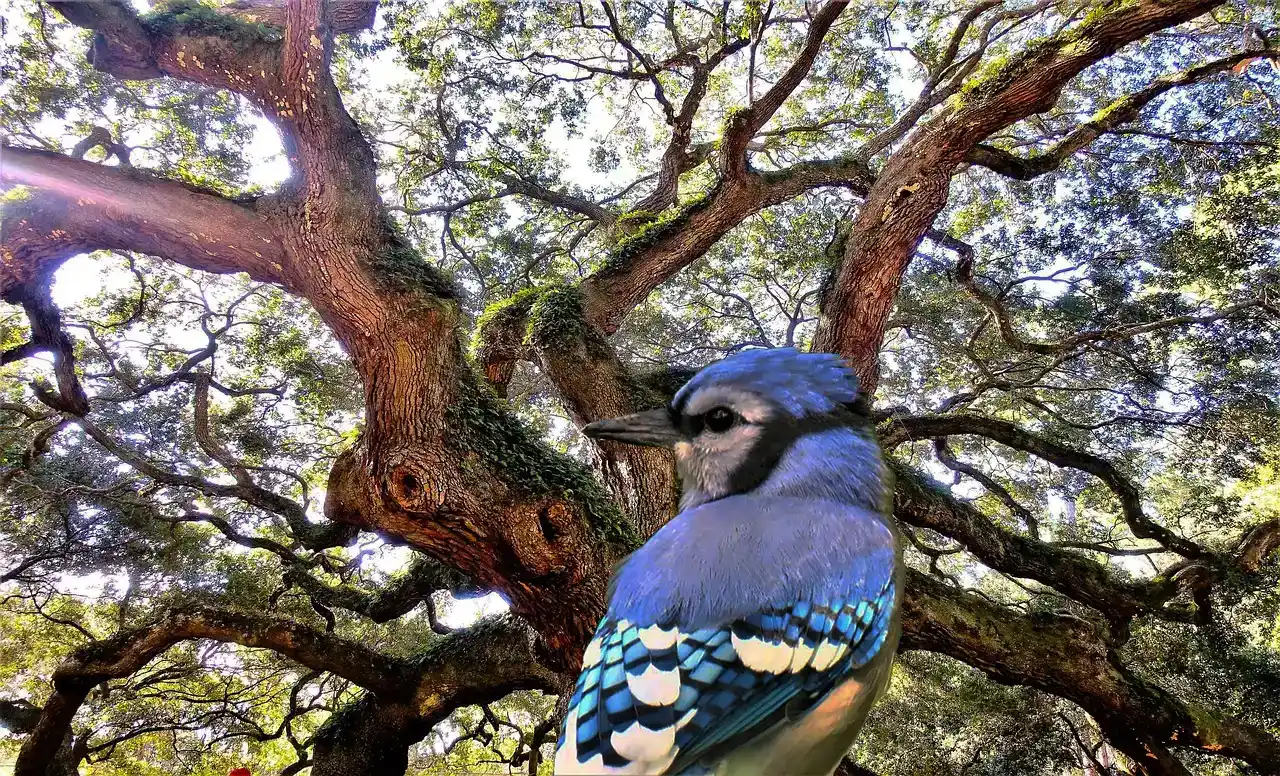
You might think of trees as rooted, helpless in the face of change, but seeds give them the ability to slowly shift where they grow. You can see blue jays playing a big role in this when landscapes are disturbed or climates shift. After fires, storms, or logging, jays haul acorns into open areas, unintentionally replanting spaces where oaks might otherwise struggle to return. In a warming climate, the ability of oaks to expand into slightly cooler or more suitable areas depends on getting seeds out of their original range. You have jays flying from older stands into the edges of new territory, dropping some of their cached acorns into those zones. Over generations, this can help oak populations track changing conditions faster than the trees could manage by gravity alone.
The Hidden Benefits for You: Healthier Forests and More Wildlife
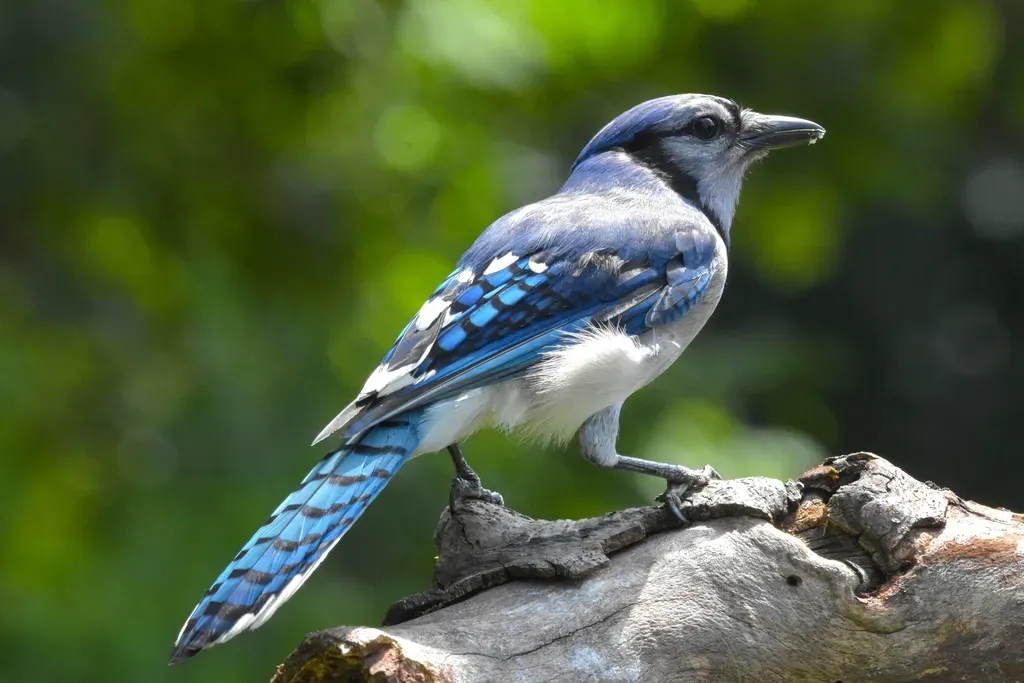
If you enjoy hiking in cool, shaded woods, watching deer at the forest edge, or listening to songbirds in spring, you are already benefiting from what blue jays do. Oak trees are cornerstone species in many ecosystems, feeding a wide variety of mammals, birds, and insects. When jays help oaks spread, they are indirectly supporting the kind of rich, layered forest that you love to walk through. From your perspective, the services go even further. Oak-dominated forests help hold soil in place, store carbon, and influence local water cycles. When you think about clean water, climate stability, or erosion control, you are not likely picturing a shrieking blue jay with an acorn in its beak – but you probably should. That messy-looking bird is quietly helping maintain the natural systems you depend on.
Common Myths About Blue Jays You Might Need to Let Go Of
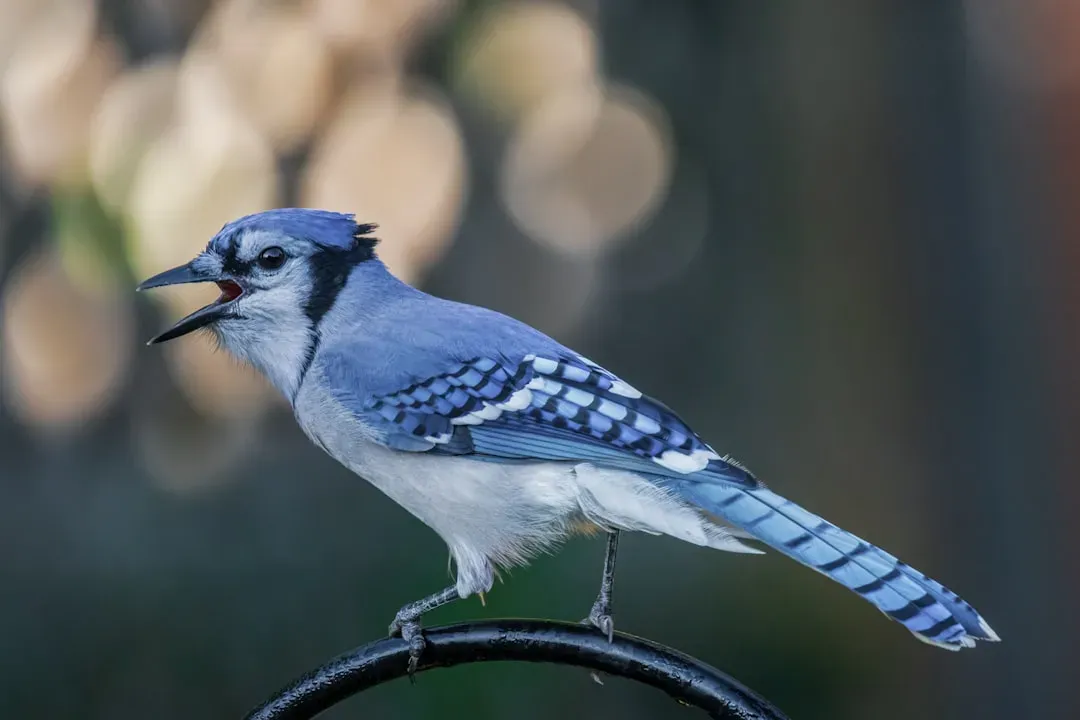
You have probably heard blue jays described as bullies, nest raiders, or troublemakers at the feeder. While they can be aggressive and opportunistic – it is true they are not saints – they are also complex, intelligent birds with a huge ecological upside. When you focus only on the noise or their occasional bad behavior, you miss the quieter story playing out under the leaves. You may also hear people dismiss jays as pests because they chase away smaller birds. But from a broader wildlife perspective, what you are seeing is one bold species taking on the role of seed mover, alarm system, and habitat creator. When you step back and look at the big picture, the so-called villain of your feeder is also one of the unlikely heroes of your local forest.
How You Can Support This Natural Reforestation Team in Your Yard
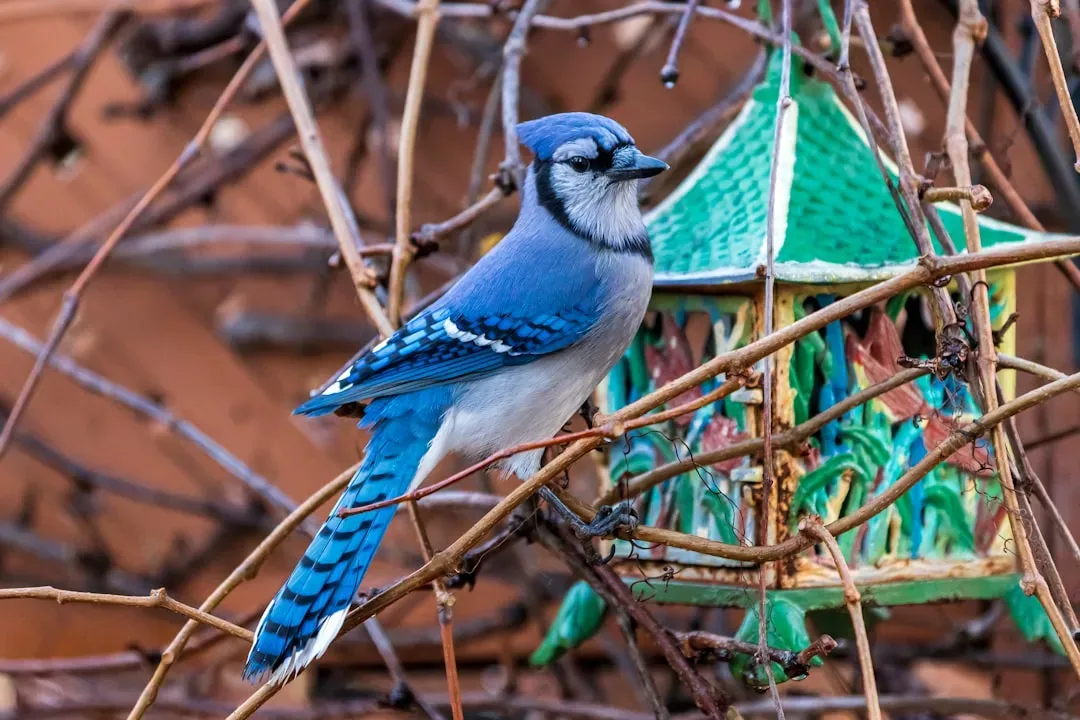
If you want to help blue jays continue their work as accidental tree planters, you actually do not have to do much. You can start by tolerating a bit of noise and activity around your feeders, or even putting out some whole nuts along with seeds in the fall. When jays visit your yard, they might grab food and take it to nearby patches of soil or leaf litter, essentially extending the forest’s reach. You can also keep or plant oak trees where space allows, or at least avoid removing every sapling that pops up near your property. When you give jays and oaks room to interact, you are creating a living corridor for seed dispersal that can stretch far beyond your fence line. In a very real way, you become part of the same quiet partnership, just by letting nature do a bit of messy, noisy work.
Why This Story Changes How You See “Small” Wild Behaviors
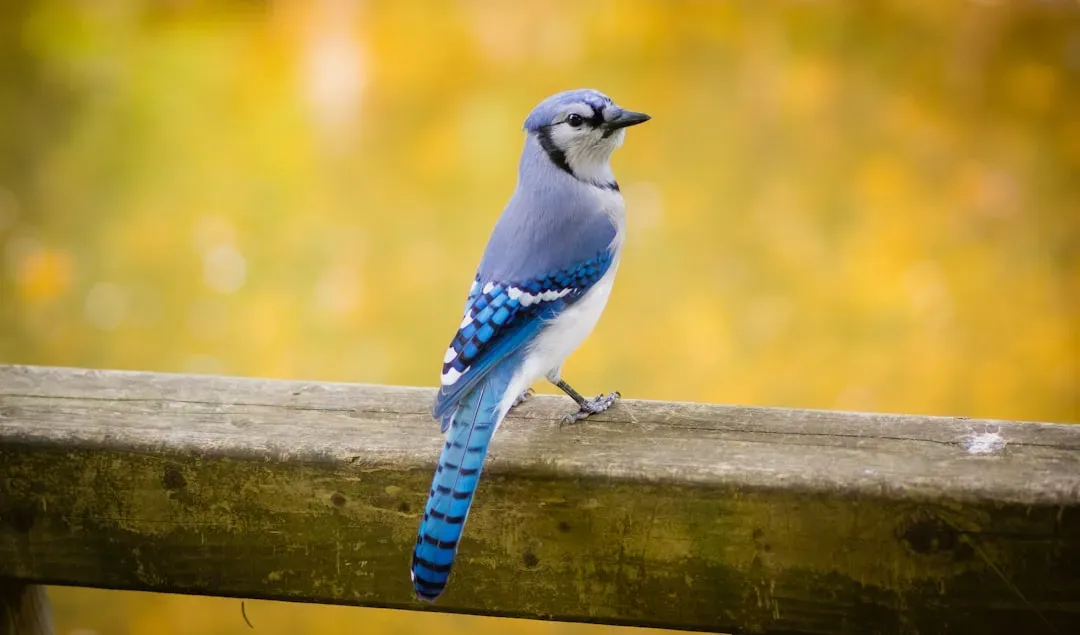
Once you know that blue jays are planting oak forests by accident, you start to look at every small animal action differently. You see a squirrel burying nuts, a bat pollinating a flower, or a wasp hunting a caterpillar, and you realize you might be staring at a tiny cog in some much larger system. You begin to understand that what looks like chaos in your backyard is often a highly organized exchange of services between species. You also discover that you do not always need grand conservation projects to make a difference. When you leave some leaf litter, tolerate a few wild corners, or plant a native tree, you give space for these natural relationships to keep doing what they have done for thousands of years. That feeling – of being part of a quiet, ongoing repair job on the planet – can change how you see even the loudest jay scream outside your window.
Conclusion: The Forest Engineer You Never Knew You Needed
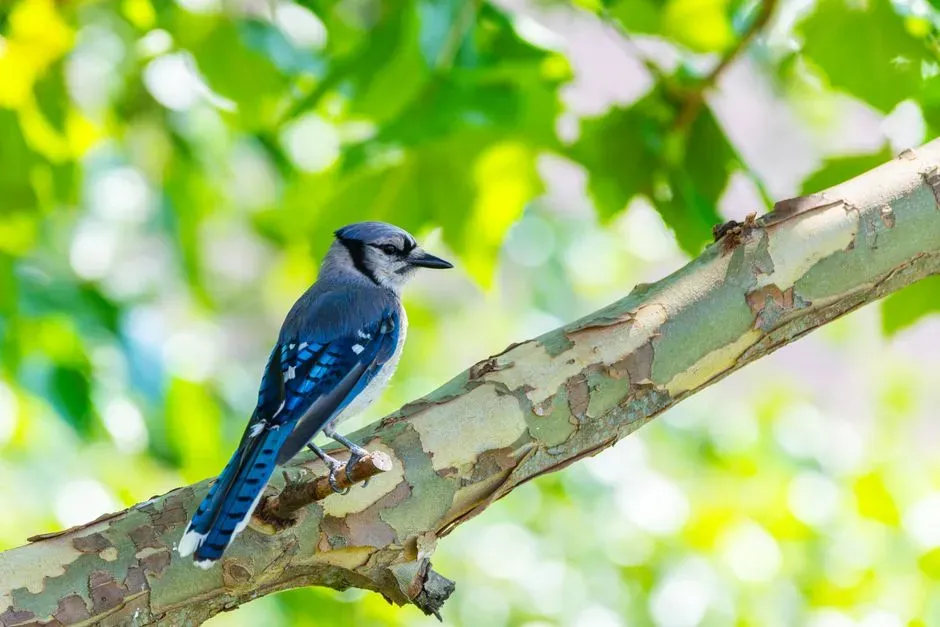
When you picture a forester, you probably imagine a person with a hard hat and a clipboard, not a blue bird with a sharp beak and a bad attitude. Yet blue jays, just by living their daily lives and hiding acorns, are helping build and rebuild oak forests at a scale you rarely stop to consider. You live among trees that owe their existence to forgotten snacks, buried and abandoned by a bird that never set out to be a conservationist. So the next time you hear that piercing call or see a blur of blue racing across your yard, you might pause before writing the bird off as a nuisance. You are watching one of nature’s most underrated reforestation tools at work, planting the next generation of oaks that will shade your grandchildren. Knowing that, do you think you will ever look at a blue jay the same way again?