

You tell yourself you’ll just check one more notification, watch one more short video, scroll for just five more minutes. Suddenly it’s an hour later, your eyes are burning, and you hate how you feel but still can’t put your phone down. It’s easy to blame it all on the idea of “phone addiction,” as if you’re simply weak or hooked on dopamine.
But what if your late-night scrolling is not the real problem, just a very visible symptom? Underneath that glow of the screen, your brain might be trying to shield you from stress, loneliness, or thoughts you don’t want to face. When you look at it that way, the story shifts: you’re not broken, you’re coping. And once you see that, you can start changing it.
Why Your Brain Loves the Glow of the Screen at Night

There’s something strangely soothing about lying in the dark with only your phone lighting up your face. Your brain loves predictability, tiny bursts of novelty, and easy rewards, and your phone is built to deliver all three on demand. Every notification, new post, or message promises a quick shot of excitement or relief that feels especially tempting when the day is finally quiet.
At night, your willpower is lower, your body is tired, and your mind is searching for something effortless and pleasant. That glowing rectangle gives you a simple way to avoid boredom, heavy thoughts, or uncomfortable feelings that tend to show up when things go quiet. You’re not just scrolling because you like your phone; you’re scrolling because, at that moment, it feels like the easiest way to feel a little less alone, less stressed, or less stuck.
It’s Not Just “Addiction” – It’s Emotional Avoidance

You might tell yourself that you’re just addicted to your phone, but often what you’re really hooked on is escape. When you finally get into bed, your brain starts replaying awkward moments, unfinished tasks, money worries, relationship issues, or fears about the future. Your phone becomes a fast, convenient way to drown out that noise before it gets too loud.
Think about how different your scrolling feels during the day versus at night. In the daytime, it might be casual, almost background noise. At night, it feels heavier, almost desperate, like you’re running away from something just out of view. Once you see that pattern, you can start asking a different question: not “Why can’t I put my phone down?” but “What am I trying so hard not to feel right now?”
Stress, Anxiety, and the “I Deserve This” Spiral
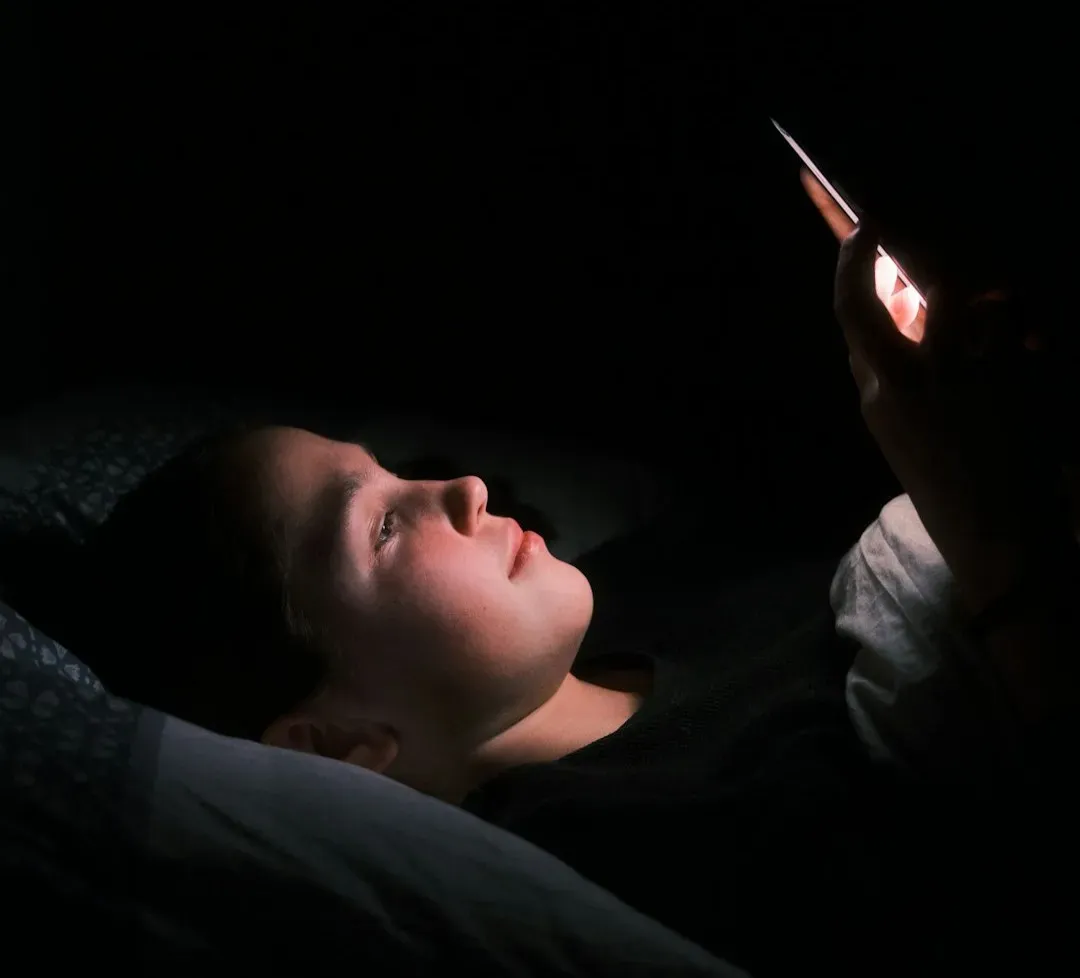
When you’ve had a long day of responsibilities, pressure, and other people’s expectations, your brain craves a sense of reward and control. By the time you get into bed, you might feel like you’ve spent the whole day doing things for others or fighting fires you didn’t start. Reaching for your phone becomes a quiet act of rebellion: this is your time, your space, your tiny pocket of freedom.
The tricky part is that this “I deserve this” mindset easily slips into a spiral. You tell yourself you’ve earned a few minutes of scrolling, which is absolutely reasonable, but then you feel guilty for staying up late, which makes you more stressed, which makes you want more escape. You end up stuck in a loop where your phone is both the relief and the thing making tomorrow harder.
Loneliness in the Dark: Why Social Feeds Feel So Comforting
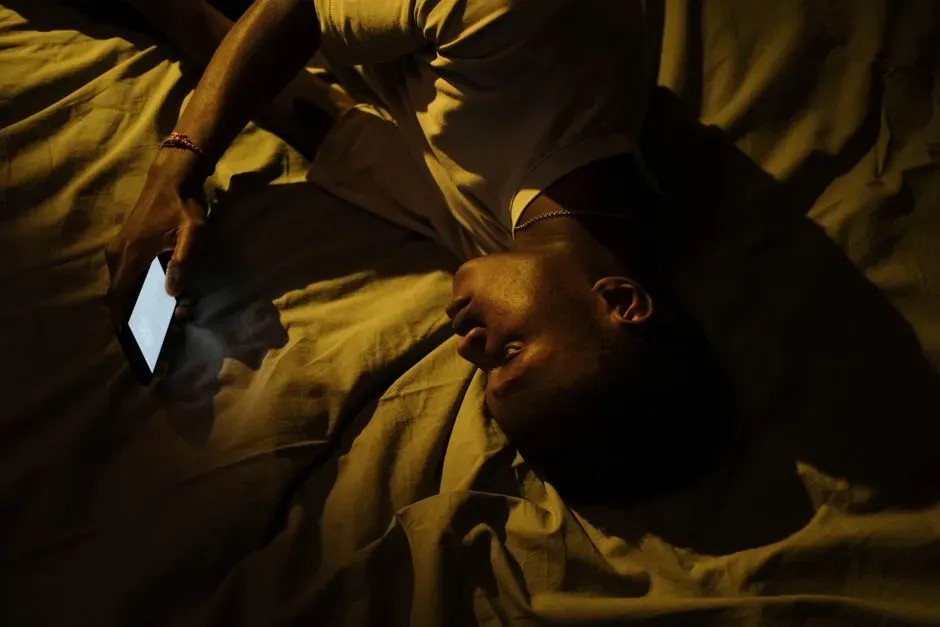
Late at night, when everyone else seems to be asleep, it’s easy to feel like you’re the only one awake with your thoughts. Social feeds, chats, and videos can feel like company – a constant stream of faces, voices, jokes, and stories. Even if you’re not talking to anyone directly, you feel plugged into something bigger than your bedroom walls.
This sense of digital togetherness can be especially strong if you feel misunderstood, isolated, or emotionally distant from the people around you. Your phone gives you the illusion of connection without the risk or vulnerability of real conversation. The problem is that when you close the app, the quiet comes back, and the loneliness often feels heavier than before, pushing you to reach for the screen again.
Perfectionism and the Fear of Tomorrow
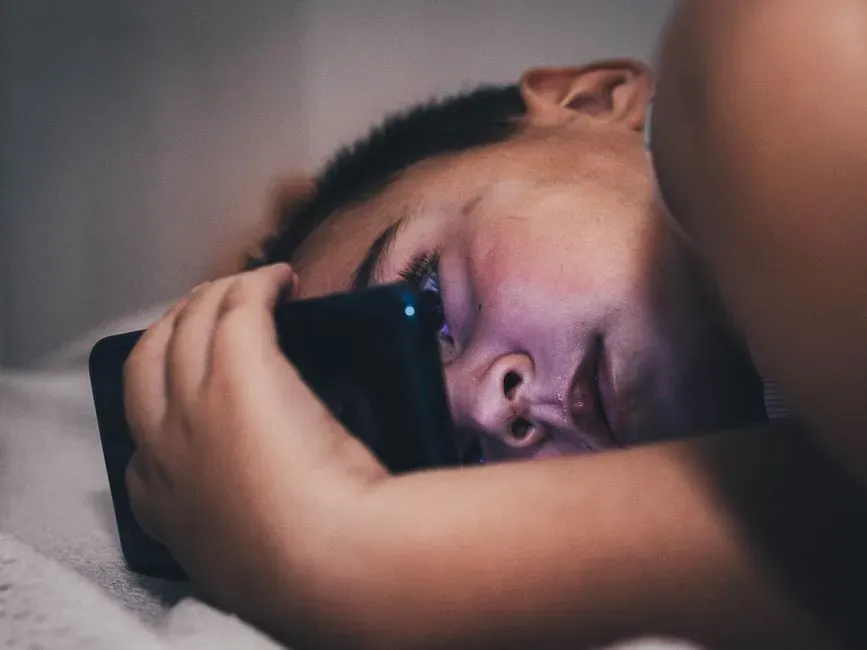
If you’re someone who pushes yourself hard, holds high standards, or lies awake worrying about what you didn’t get done, your phone can become a shield against your own expectations. Tomorrow’s tasks, emails, meetings, or deadlines can feel like a wave waiting to crash down on you. Scrolling gives you a way to delay that feeling, even if only for a while.
Ironically, the more you fear tomorrow, the more you may sabotage tonight’s sleep, making tomorrow objectively harder. You know that staying up will make you more tired and less focused, but in that moment, the comfort of avoiding those thoughts feels more urgent than the logical long-term cost. Your brain isn’t being irrational; it’s choosing immediate emotional relief over future performance, because that’s what feels safer right now.
How Nighttime Phone Use Hijacks Your Sleep (and Mood)
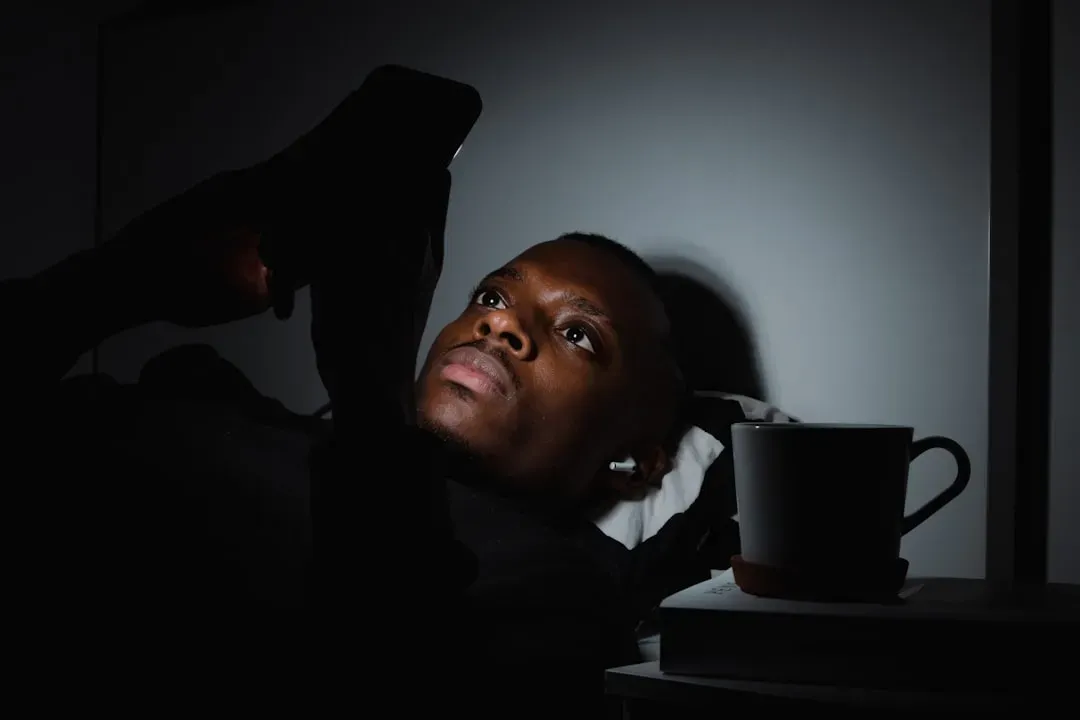
There’s a very practical side to all of this: your phone is not just emotionally absorbing, it’s physically stimulating. The bright light signals to your brain that it’s not really bedtime yet, which can delay the natural release of melatonin, the hormone that helps you feel sleepy. On top of that, fast-scrolling content, intense news, and emotional messages keep your nervous system more alert than your pillow would like.
Over time, this pattern can leave you feeling groggy, irritable, and emotionally fragile the next day, which makes coping with stress even harder. When your baseline mood and energy are low, your phone becomes even more tempting as a quick boost or distraction. You end up in a vicious cycle where poor sleep fuels more nighttime scrolling, and more nighttime scrolling wrecks your sleep.
Getting Honest: What Are You Really Escaping From?

To change your relationship with your phone at night, you have to be brave enough to look at what it’s protecting you from. Maybe it’s a relationship that doesn’t feel safe, a job that drains you, financial worries you don’t want to face, or a general sense that your life is not where you hoped it would be. Your brain uses your phone like a dimmer switch, turning down the intensity of those thoughts so you can get through the night.
This doesn’t mean you should feel ashamed or weak. It actually means you’re human and your mind is doing its best with the tools it has. But once you admit to yourself what’s hiding behind the screen, you can start building better tools: conversations you’ve been avoiding, boundaries you need to set, support you might need to seek, or small steps toward changes that feel overdue.
Practical Ways to Soothe Your Brain Without Doomscrolling

If you want to reach for your phone less at night, you can’t just yank it away and hope for the best. You need to offer your brain something that feels almost as comforting, but less destructive. That might mean dimming the lights earlier, reading something light and calming, journaling out your thoughts, or listening to relaxing audio instead of staring at a bright screen.
You can also experiment with gentle limits, like plugging your phone in across the room, setting a “last check” time, or using apps that dim your screen and block certain platforms after a chosen hour. The key is not punishment, but replacement: you’re swapping a numbing habit for something that actually helps you unwind, process your day, and feel safe enough to sleep.
Rewriting the Story: From Escaping Your Life to Living It More Fully
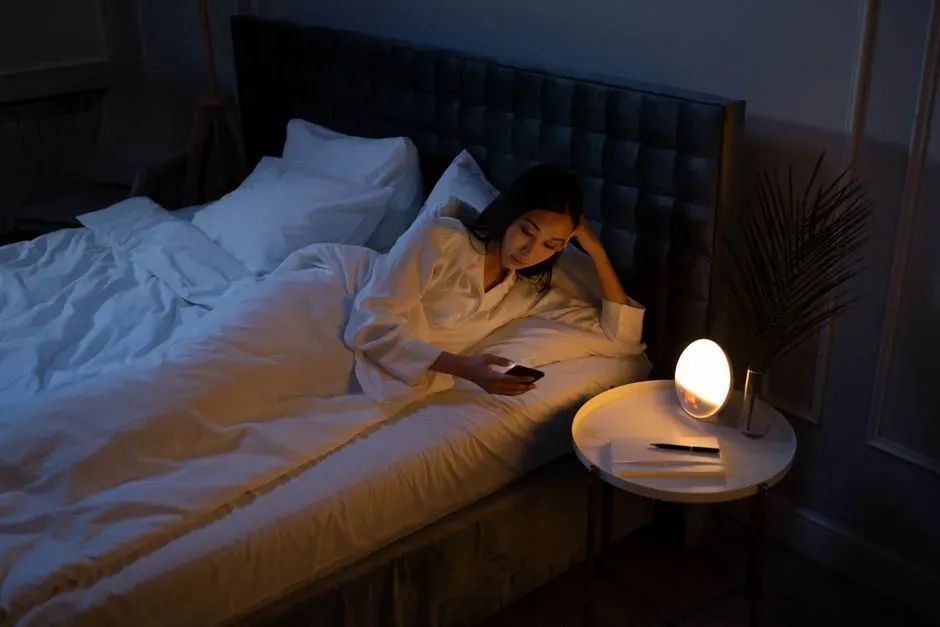
When you stop seeing your nighttime scrolling as proof that you’re addicted or broken, you open the door to a kinder, more accurate story. You start to recognize that your phone behavior is a signal, not a diagnosis. It’s your brain waving a flag that says something in your life feels too heavy, too loud, or too empty to sit with in silence.
As you listen to that signal and gradually face what’s underneath, your need to escape starts to shrink. You might still scroll sometimes, and that’s fine, but it no longer feels like the only way to cope. Over time, your bed can become less of a hiding place and more of a refuge, where you end the day not by running away from your thoughts but by finally making peace with them.
Conclusion: Your Phone Is the Symptom, Not the Villain
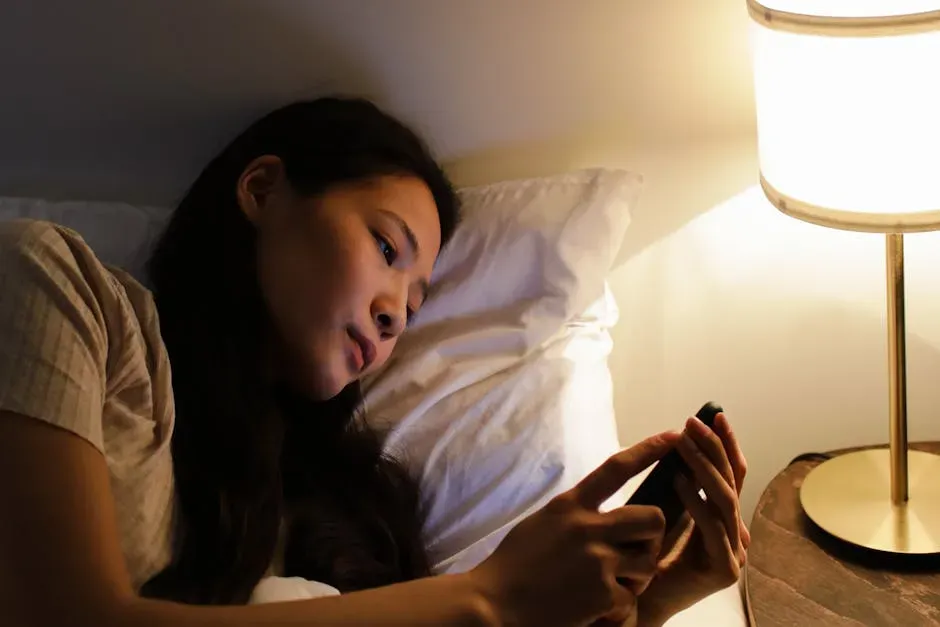
If you can’t stop checking your phone at night, it doesn’t mean you’re weak, doomed, or hopelessly addicted. It usually means your mind is trying to avoid something that feels too big, too painful, or too overwhelming to face in the dark. Your screen is not the root of the problem; it’s the tool your brain grabbed when nothing else felt available.
When you start treating your late-night scrolling as a message instead of a moral failure, everything changes. You can get curious instead of judgmental, supportive instead of harsh, and intentional instead of reactive. And as you slowly make your nights safer, your days more aligned with what you truly need, and your inner world less scary to sit with, you may find you no longer need that glowing escape quite so badly. If you put your phone down tonight, what might finally have the space to surface – and be healed?