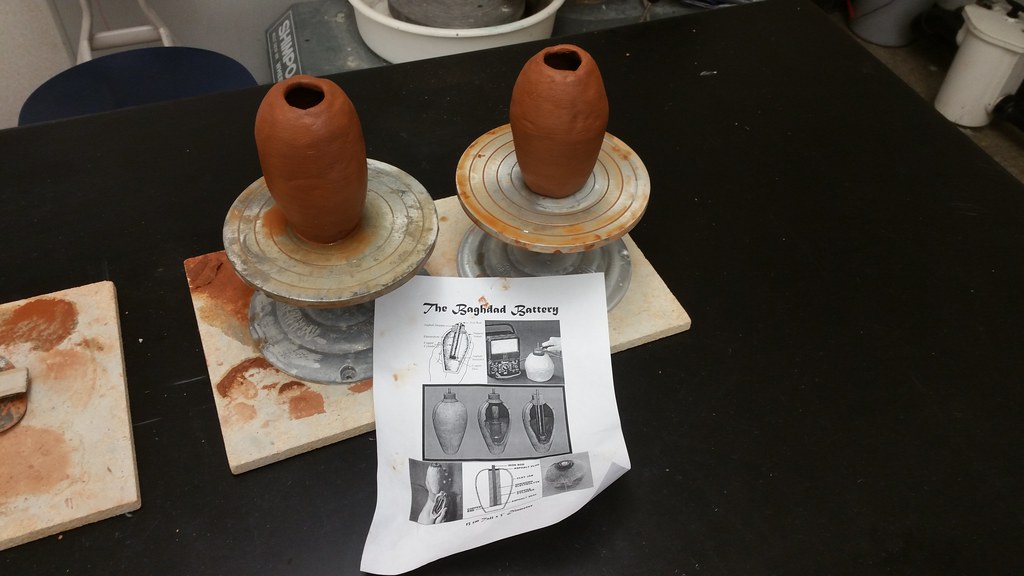

You’d assume a museum’s whole job is to explain things. Slap a date on it, name the culture, write a tidy paragraph, done. But somewhere below the gift shop, in climate-controlled drawers most visitors never see, sit objects that break that entire system – artifacts so stubbornly weird that the safest move is to just not show them at all.
These aren’t internet hoaxes or movie props. They’re real, catalogued, sitting in real institutional inventories, and the people paid to study them are often the most uncomfortable talking about them. By the time you reach the back third of this list, you’ll hit a dagger forged from a meteorite, a scroll that reads like a treasure map nobody’s ever fully cashed in, and a stone in Minnesota that still starts arguments at dinner tables. Here’s what actually got pulled from the floor, and why nobody wants to defend it in public.
#1 – The “Out-of-Place” Roman Head Found in Mexico
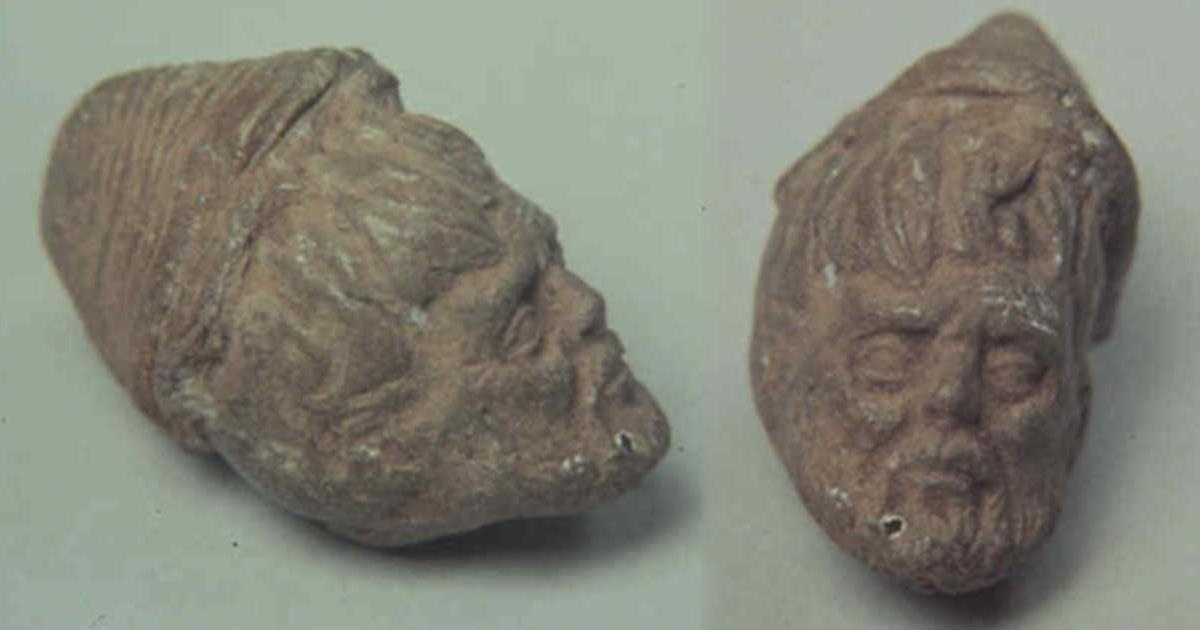
Museums love a solid story: culture, date, purpose. This Roman-style terracotta head, found near a pre-Columbian site in central Mexico, refuses to give them one. It looks unmistakably Roman, right down to the hairstyle and the sculpting technique, and if it’s authentic and genuinely ancient, it implies contact between the Old World and the Americas more than a thousand years before Columbus.
That’s a claim archaeologists hate having to entertain, so instead of a spotlight display, it lives buried in specialist journals and back-room drawers while people argue over contamination, mislabeling, or an elaborate old prank. Some researchers insist it’s a colonial-era intrusion that sank into older soil layers over time. Others quietly admit the stratigraphy report is genuinely uncomfortable to read.
#2 – The Antikythera Mechanism’s Impossible Gears
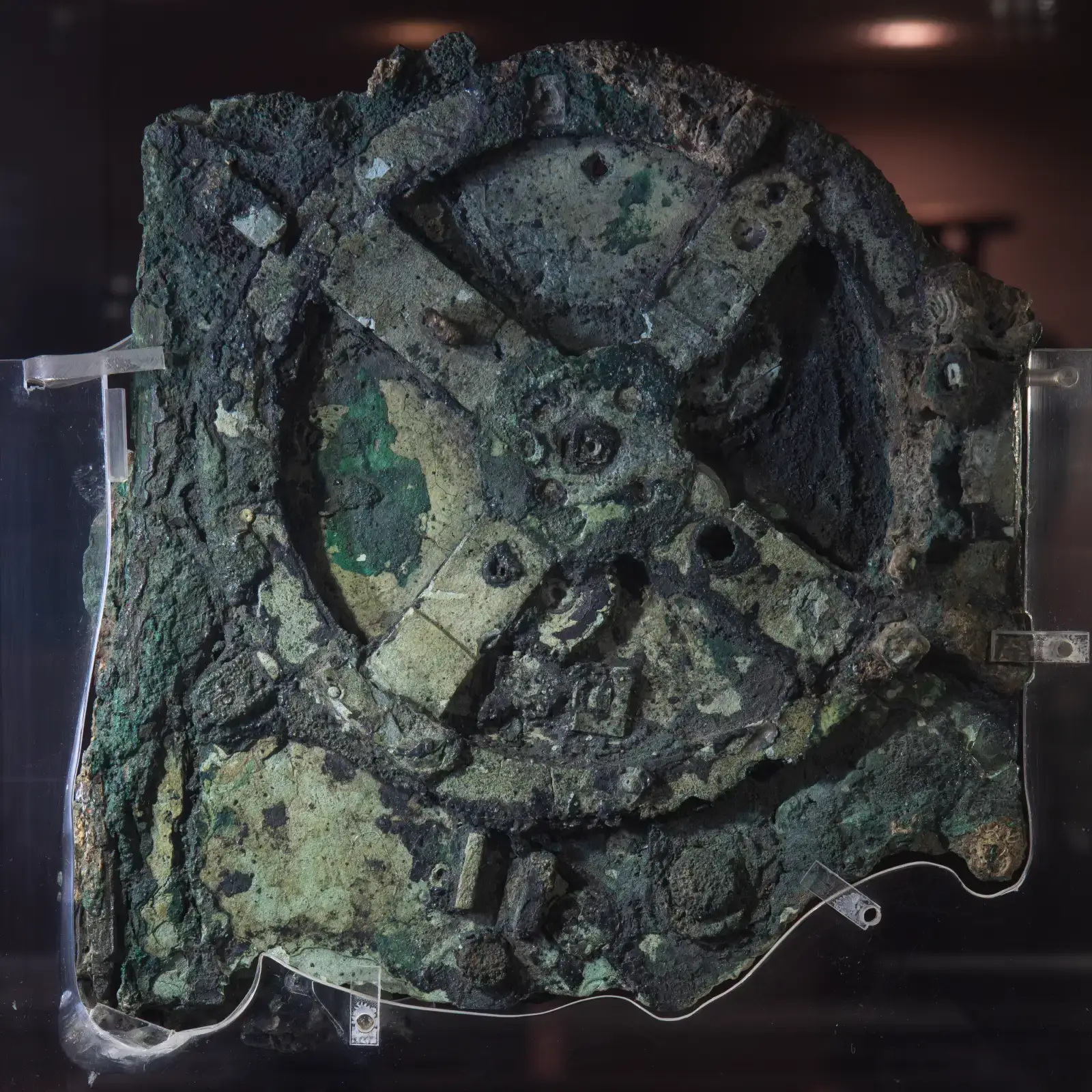
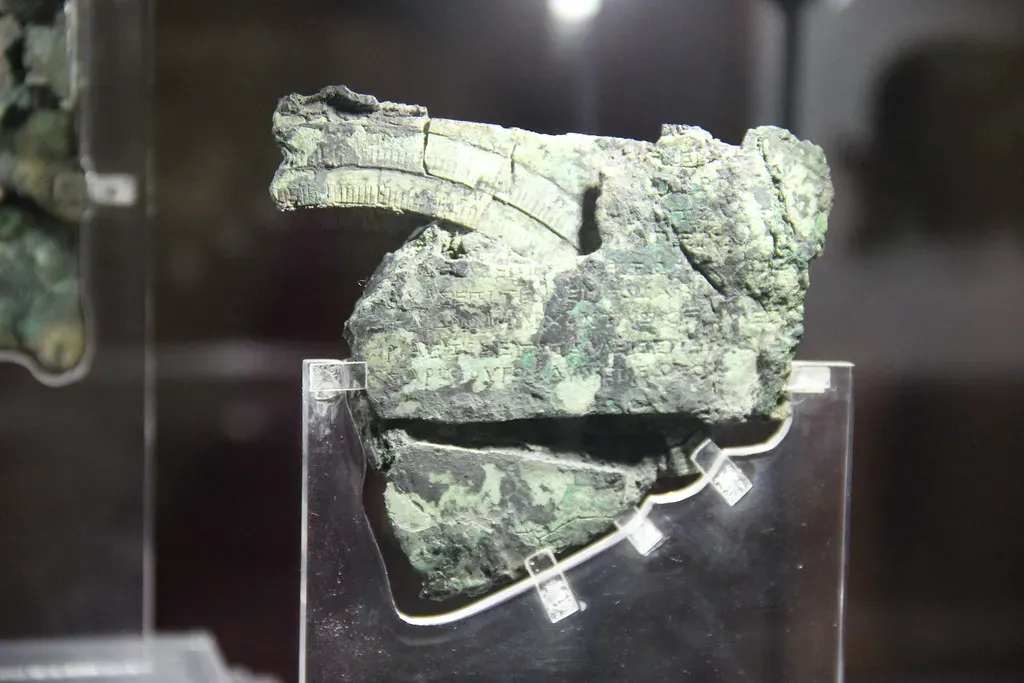
On paper, the Antikythera Mechanism is a known object. In reality, it’s a math problem that makes museums sweat. Pulled from a Roman-era shipwreck off Greece, this corroded lump turned out to be a gear-driven analog computer built to predict eclipses and planetary motion.
X-rays revealed dozens of precision-cut bronze gears that shouldn’t exist at that level of sophistication for another thousand years. The tooth counts are tuned to astronomical cycles, and the inscriptions hint at a whole lost tradition of similar devices we’ve simply never found. Curators show a safe, simplified reconstruction upstairs while the real fragments sit in controlled storage, endlessly rescanned by people who still can’t tell you who built it or why nothing like it survived.
Fast Facts
- Recovered from a Roman-era shipwreck off the small Aegean island of Antikythera in 1901, built around the first century BCE.
- Now split into 82 fragments, only a third of the original survives, including 30 corroded bronze gearwheels.
- Spiral dials tracked longer cycles, including the 19-year Metonic cycle and the 18.2-year Saros eclipse cycle.
- Nothing of comparable mechanical sophistication shows up in the surviving archaeological record for roughly the next 1,400 years.
- It sits in a climate-controlled case at the National Archaeological Museum in Athens.
#3 – The Baghdad “Battery” That Probably Isn’t
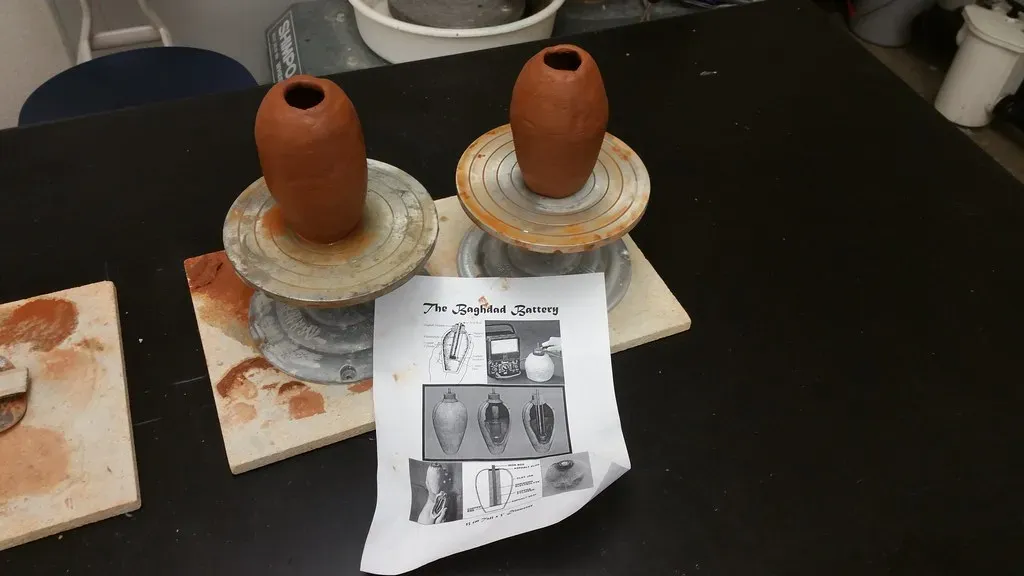
Textbooks used to call it the first battery. Museum labels now tiptoe around that claim entirely. The so-called Baghdad Battery is a clay jar with a copper cylinder and an iron rod, and early experiments showed it could generate a small voltage if filled with an acidic solution – which sent people spinning off into theories about ancient electrotherapy, gold-plating, even mystical energy storage.
But no ancient text mentions anything resembling electricity in that context, and no confirmed electrodes were ever found in situ with electrolyte residue. Most serious archaeologists now think it’s a mundane storage jar or ritual object that just happens to mimic a battery when reconstructed a certain way. So instead of a proud centerpiece, these jars get downplayed or quietly shelved, because every possible label either over-promises or sounds embarrassingly vague.
#4 – The Phaistos Disc No One Can Read
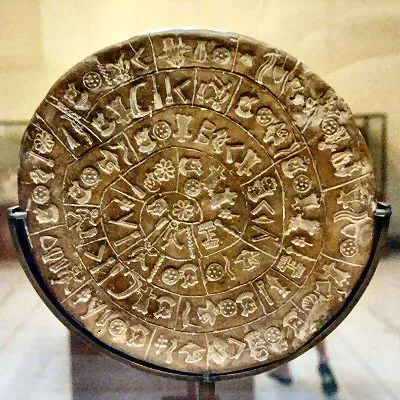
Museums love scripts they can decipher. The Phaistos Disc is their worst nightmare. Unearthed in Crete, this fired clay disc is stamped with 241 signs spiraling inward – the earliest known use of moveable, stamp-based type – yet the symbols don’t clearly match Linear A, Linear B, or any other confirmed script on Earth.
Scholars have proposed everything from a hymn to a board game to an outright forgery. The real problem is that there’s only one of them, so decipherment is nearly impossible without anything to compare it against. It sits in a glass case with the most non-committal label imaginable, while some linguists argue it’s genuine but unreadable, and others suspect a clever early-20th-century fake that got too famous to ever officially denounce.
#5 – The Voynich Manuscript: The Book That Refuses to Talk
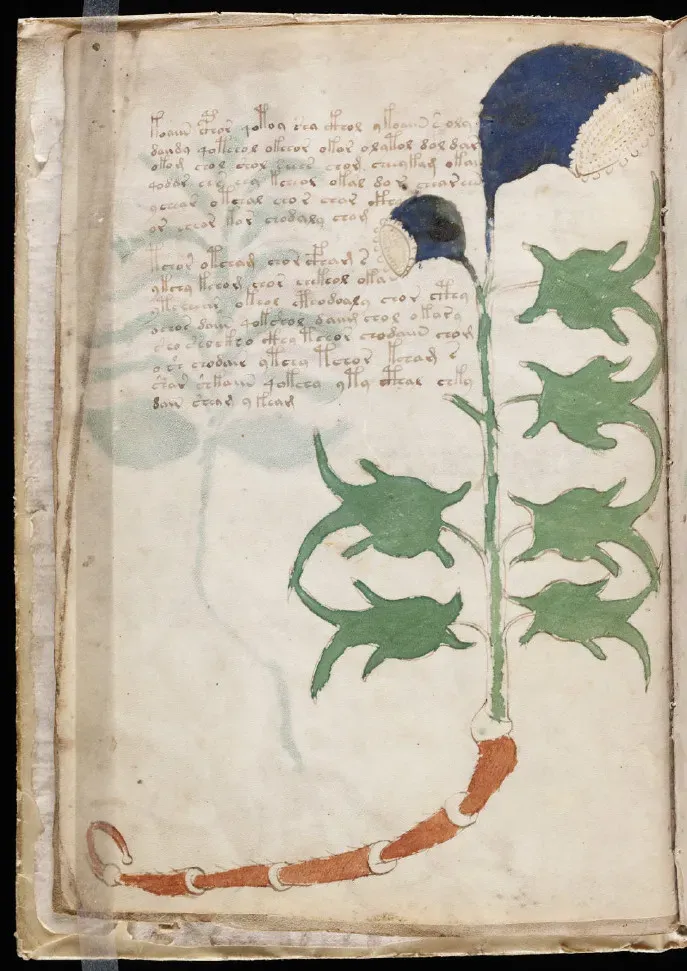
If any object proves that not everything in a collection makes sense, it’s the Voynich Manuscript. Held at Yale’s Beinecke Library, this illustrated book is written in an unknown script that has survived over a century of serious code-breaking attempts without cracking. Statistical analysis suggests it behaves like a real language, not random gibberish, which only makes the silence more frustrating.
No one has ever found another document written the same way, and the bizarre plant drawings and astronomical charts look like they belong to a different planet entirely. The library digitized it, but the physical book stays heavily controlled, partly because every theory – hoax, lost language, elaborate scam – creates more public confusion than clarity. Many researchers quietly suspect it’s an extraordinarily elaborate medieval nonsense text, made to impress someone with money.
#6 – The “London Hammer” Trapped in Stone
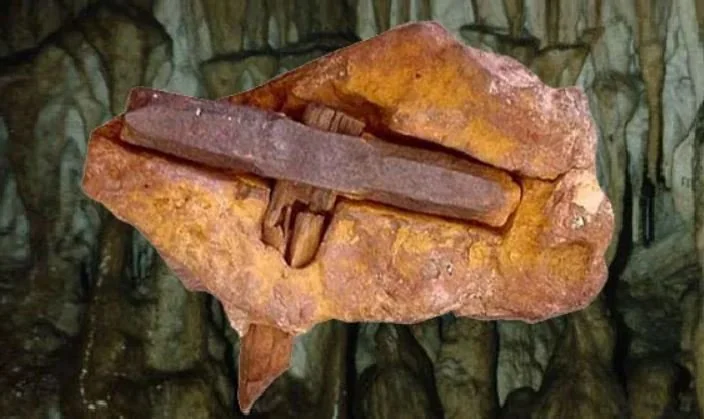
Creationist pamphlets love this object. Museums mostly wish it would go away. The “London Hammer” is a 19th-century-style iron hammer partly encased in a sandstone-like concretion, found in Texas, and promoters claim it proves modern tools existed hundreds of millions of years ago.
Geologists counter that concretions can form around recent objects surprisingly fast under the right chemical conditions, and that the surrounding rock was never properly dated before the hammer got yanked out. Because fringe groups have promoted it so aggressively, mainstream institutions keep it at arm’s length. When it does show up in a collection, it’s usually a back-room teaching sample, kept less because it rewrites history and more because staff are tired of debunking the same viral claim on repeat.
#7 – Crystal Skulls That Look Too Perfect
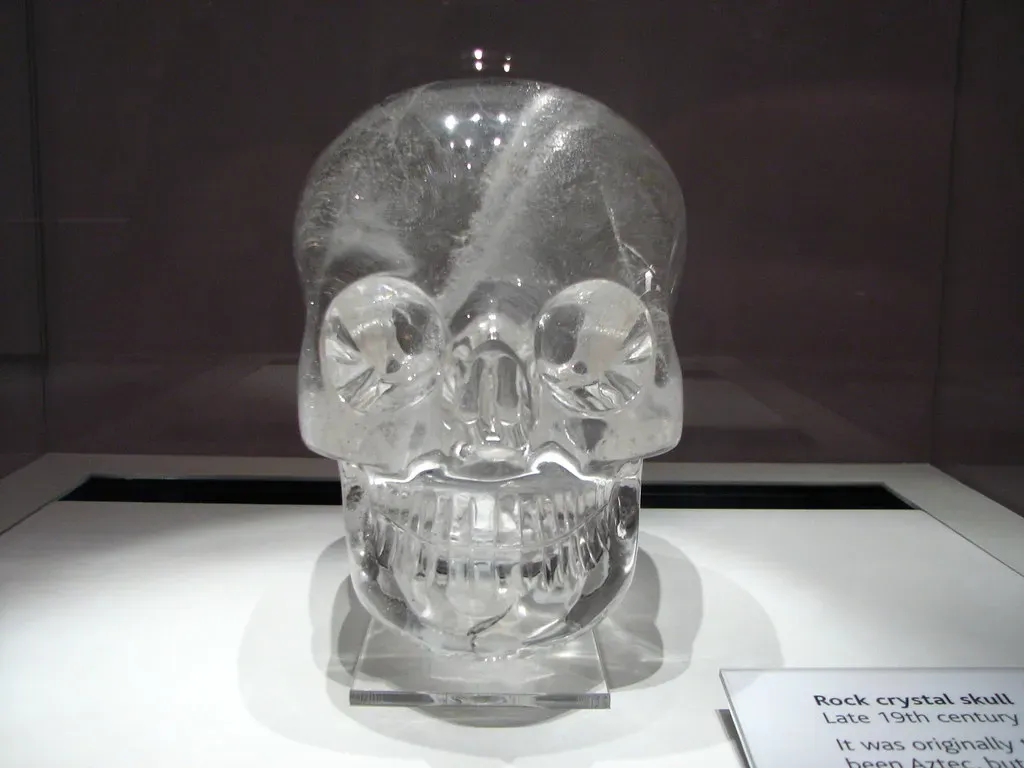
Say “ancient crystal skull” to a curator and watch them flinch. Dozens of quartz skulls have circulated for decades as pre-Columbian Mesoamerican artifacts, and several even made it into major institutions before microscopic analysis revealed something damning: tool marks from modern rotary equipment.
In other words, they’re almost certainly 19th- or 20th-century fakes, crafted to feed a European appetite for mystical “Aztec” treasures. Museums that got fooled quietly pulled them from display or relabeled them as cautionary tales about forgery. The public wants them to be evidence of lost knowledge; conservators see them as a permanent reminder of how easily even experts get played, which is exactly why most now sit in storerooms, wheeled out only to teach that lesson.
#8 – The Saqqara “Bird” That Might Be a Glider… or Not
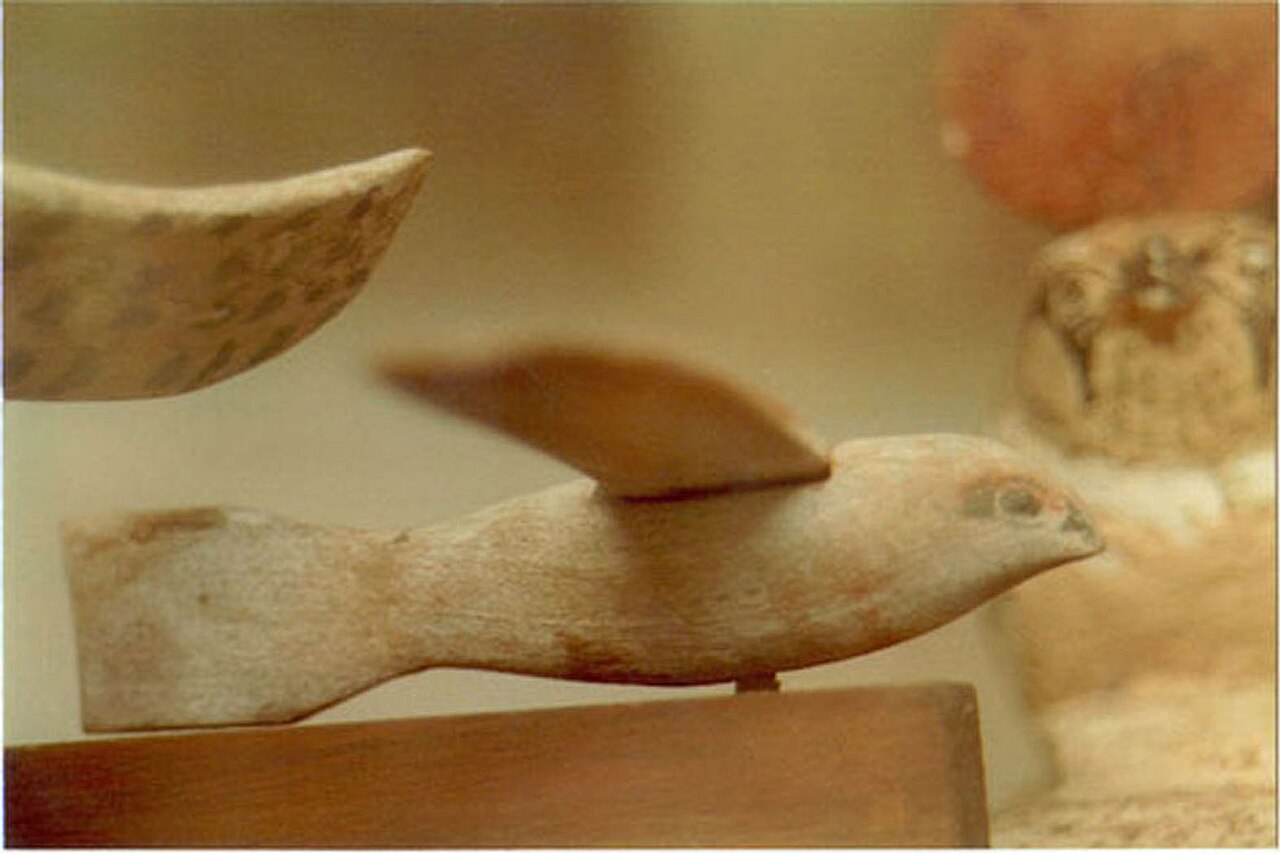
This small wooden object should be boring. Instead, it sparks endless arguments. Found in an Egyptian tomb, the Saqqara Bird has a bird-shaped body with straight, plane-like wings and no obvious feet, and aviation enthusiasts insist the shape suggests a basic understanding of aerodynamic lift.
Egyptologists counter that it could just as easily be a stylized toy or ritual object, with any resemblance to an aircraft being pure coincidence. Wind-tunnel tests on replicas come back mixed – some configurations glide, others just stall – and no written text from the period ever mentions flight experiments. Faced with that stalemate, most museums either skip it entirely or bury it under a flat “wooden bird” label, avoiding the fight between ancient-engineer theorists and everyone else.
#9 – The “London Artifact” Screw Fused Into Rock
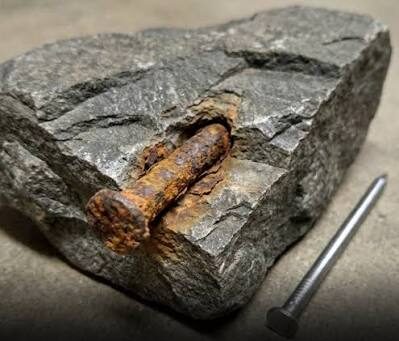
This is the kind of thing curators get emailed about a hundred times a year. The “London Artifact” (not the hammer) appears to show a metal screw embedded in solid rock, and photos of it circulate online as proof of advanced ancient technology.
Geologists have a far less exciting answer: crinoid fossils, marine animals with segmented stalks, often weather out of rock looking eerily like threaded bolts. Most institutions won’t dignify these with public display, keeping them instead for geology teaching collections. The irony is that the object doesn’t make too little sense – it makes too much sense once you understand fossilization, and that answer is never as fun as the mystery.
#10 – Oopart “Spark Plugs” and Machine Parts in Coal
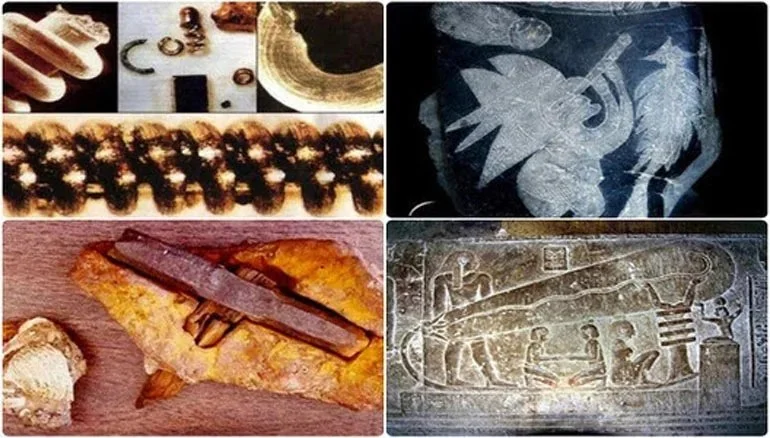
Few categories of artifact annoy scientists more than “ooparts” pulled from coal seams. Claims range from metal spheres to spark-plug-like objects supposedly extracted from lumps of coal or deep rock, implying human technology existed millions of years too early. Whenever one lands in a local museum, it usually ends up filed under “curiosities and misreported finds.”
The problem is basic: coal gets mined, transported, and processed in ways that easily mix in modern debris, and most of these finds have no proper excavation records at all. Serious institutions demand chain-of-custody documentation, which almost none of these objects have. So while fringe books keep printing fuzzy photos, museum staff quietly file them as contaminated samples rather than relics, mostly because nobody wants to spend their career re-explaining 19th-century mining contamination.
#11 – The Shroud of Turin’s Impossible Image
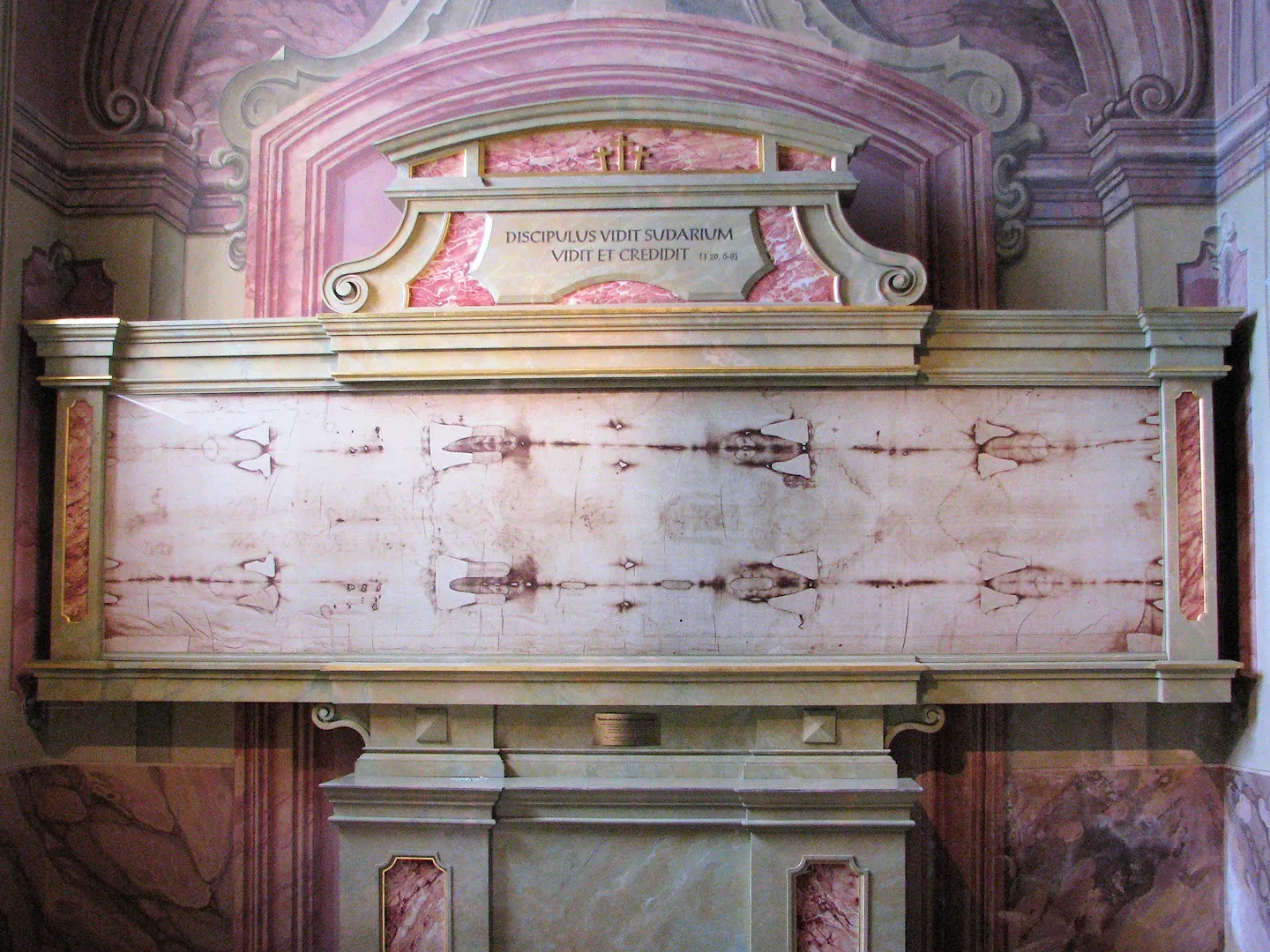
Technically the Shroud of Turin isn’t locked in a museum, it’s kept in a cathedral treasury, but it behaves exactly like a museum problem. The linen bears a faint image of a crucified man some believe is Jesus, and radiocarbon testing in 1988 dated the cloth to the Middle Ages.
Yet image-formation specialists point out that no one has fully replicated the shroud’s exact chemical and three-dimensional imaging properties, even now. Every new test raises theological, historical, and scientific landmines at once. Because of that, most museums avoid acquiring similar relics entirely, and the original stays folded away, rarely displayed, surrounded by more questions than anyone is comfortable answering out loud.
#12 – The “Screaming Mummies” With No Clear Story
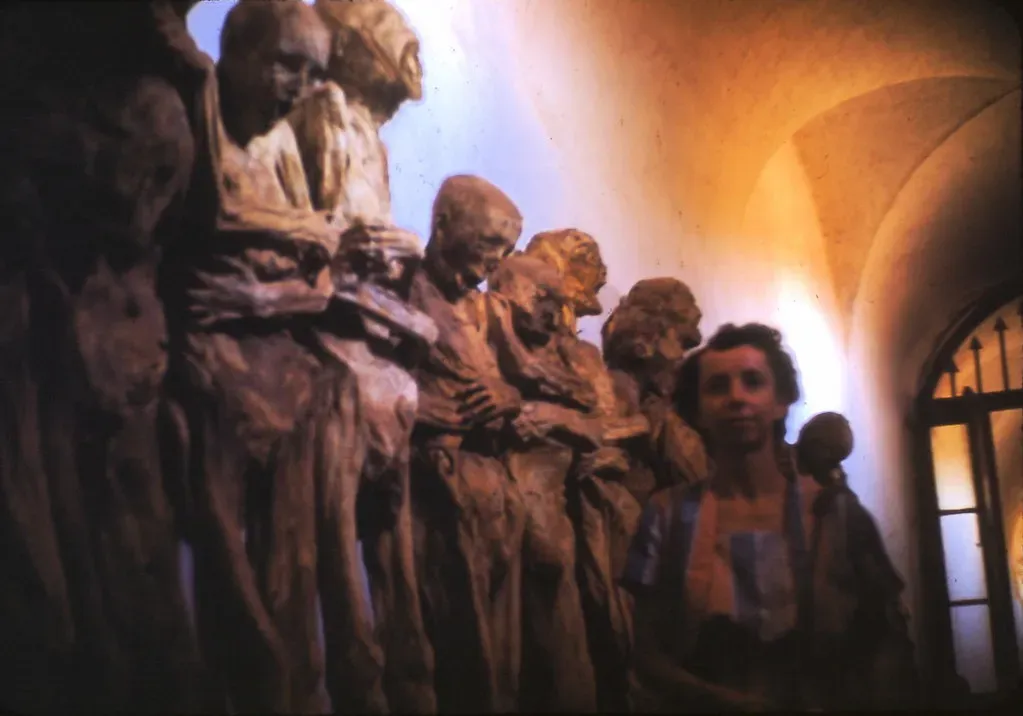
Mummies are supposed to lie peacefully. Some don’t. A small number of Egyptian mummies have been found with mouths gaping wide open, nicknamed “screaming mummies,” and tabloids love suggesting they died in agony.
Taphonomists – experts in what happens to bodies after death – note that jaw muscles relax and ligaments decay over time, so an open mouth can happen naturally if the head was never bound properly. Still, certain individuals show unusual burial conditions: hasty wrapping, unorthodox embalming, strange residues that hint at punishment burials or medical anomalies science hasn’t fully sorted out. Because curators can’t offer a clean narrative without overreaching, these bodies often end up in research labs or represented only by CT scans on a screen, since no museum wants to lead with “scream” when the honest answer is “we’re not sure.”
#13 – The Nazca “Trophy Heads” With Cord Holes
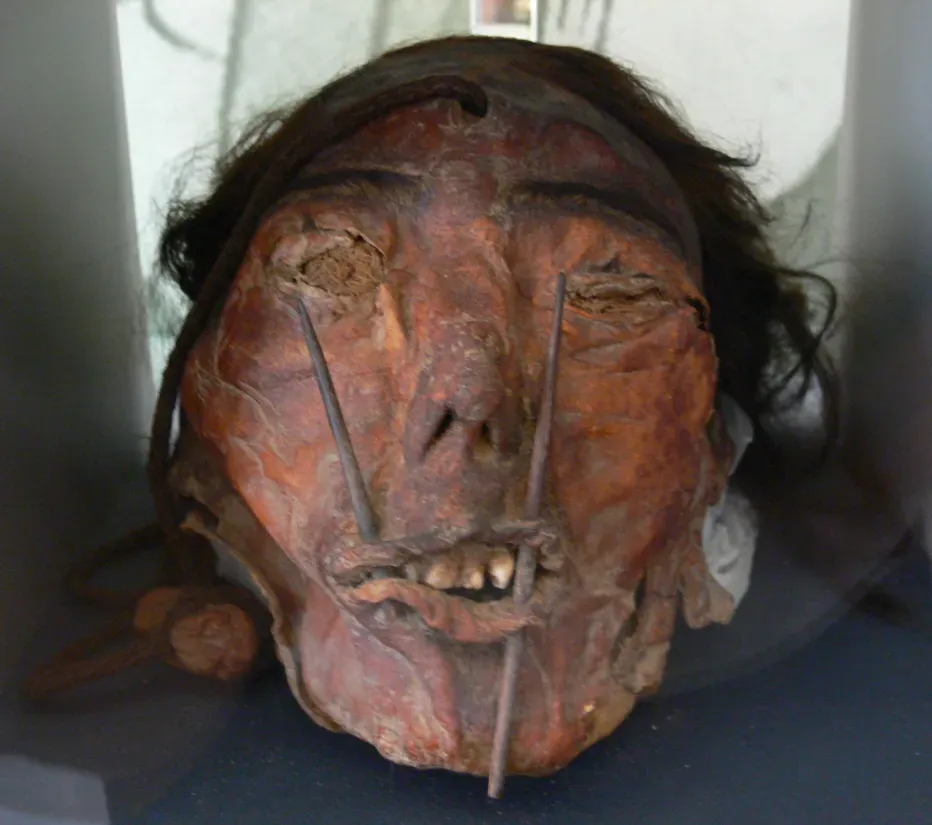
Some artifacts are so unsettling that museums minimize them even when they’re well documented. Along Peru’s south coast, pre-Columbian cultures collected human heads with drilled holes and cords, likely used in ritual display, and the function of these “trophy heads” is still genuinely contested: warfare symbol, ancestor veneration, or something more complicated entirely.
Because they combine human remains, violence, and incomplete context, many institutions keep them in restricted collections shown mainly to researchers, and modern ethics boards increasingly question whether they should be exhibited at all. When they are shown, the labels stay cautious to the point of vagueness. The “doesn’t make sense” here isn’t technological, it’s cultural – we simply don’t fully grasp the belief systems that produced them, and we probably never will.
#14 – The “Star Child” Skull and Genetic Dead Ends
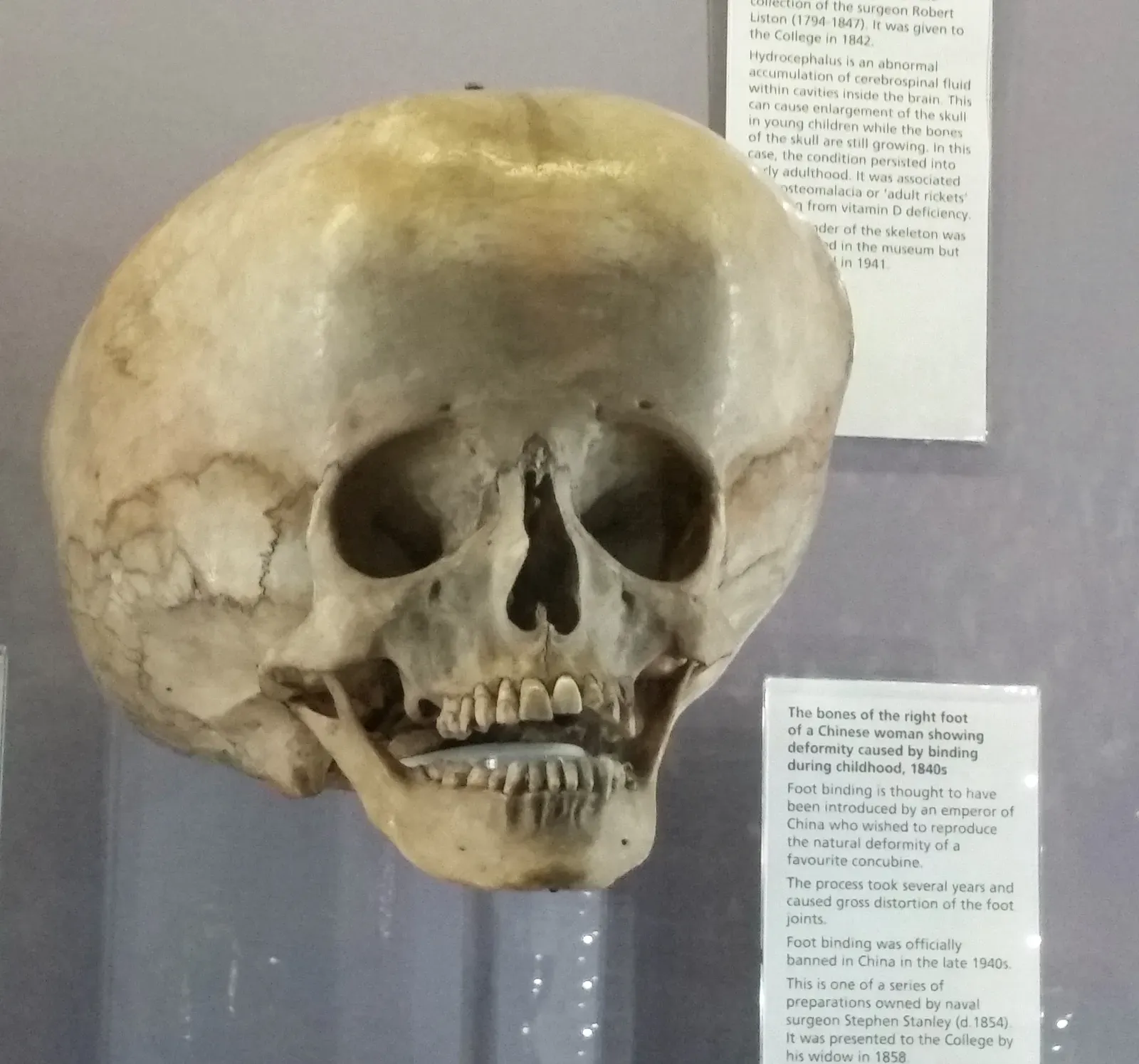
This one sat in private hands and fringe circles for years before ever brushing up against real institutional science. The so-called “Star Child” skull, with its enlarged cranium and unusually thick bone, was promoted for years as alien or hybrid remains.
Limited scientific testing, including DNA analysis, pointed to human origin with likely congenital deformities, not extraterrestrial ancestry. But incomplete sampling, chain-of-custody problems, and years of UFO-enthusiast promotion turned it toxic to serious museums, since any institution that acquired it would inherit decades of conspiracy baggage overnight. With no solid archaeological context and plenty of known medical syndromes that explain the shape, most professionals now consider it a sad curiosity rather than a mystery, which is exactly why it never appears in major anthropology galleries.
#15 – The Copper Scroll That Lists Treasure… Somewhere
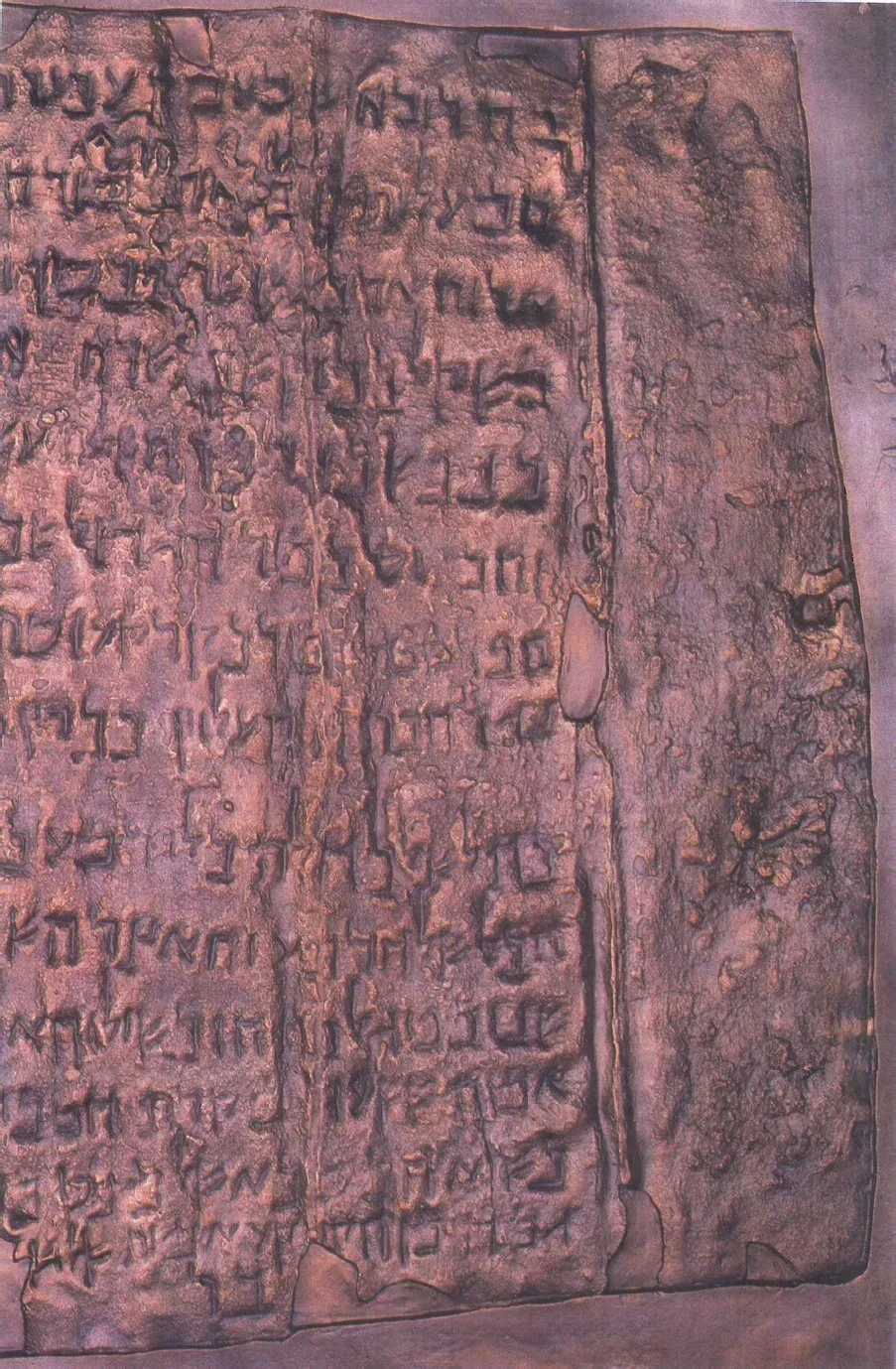
Qumran’s Dead Sea Scrolls are famous religious texts. One of them isn’t like the others at all. The Copper Scroll is literally hammered into thin copper sheets, listing dozens of hidden treasure caches – weights of gold, silver, and temple items – reading far more like an inventory than a piece of scripture.
Nobody has definitively found the treasure, and scholars still disagree over whether it’s symbolic, already looted, or genuinely still buried somewhere. Because treasure hunting and looting are very real modern problems, museums handle it carefully. Facsimiles occasionally appear in exhibits, but the original stays tightly controlled, since institutions have no interest in inspiring fresh, half-informed expeditions.
At a Glance
- The scroll, on two rolls of copper, was found on March 14, 1952 at the back of Cave 3 at Qumran.
- It originally consisted of thin metal sheets, copper with 1% tin, that were riveted together to form a long strip.
- It describes a vast treasure hidden in locations throughout the Judean wilderness.
- Since 2013, it has been on display at the newly opened Jordan Museum in Amman.
#16 – The Mojave Phone Booth Hardware Nobody Knows How to Label
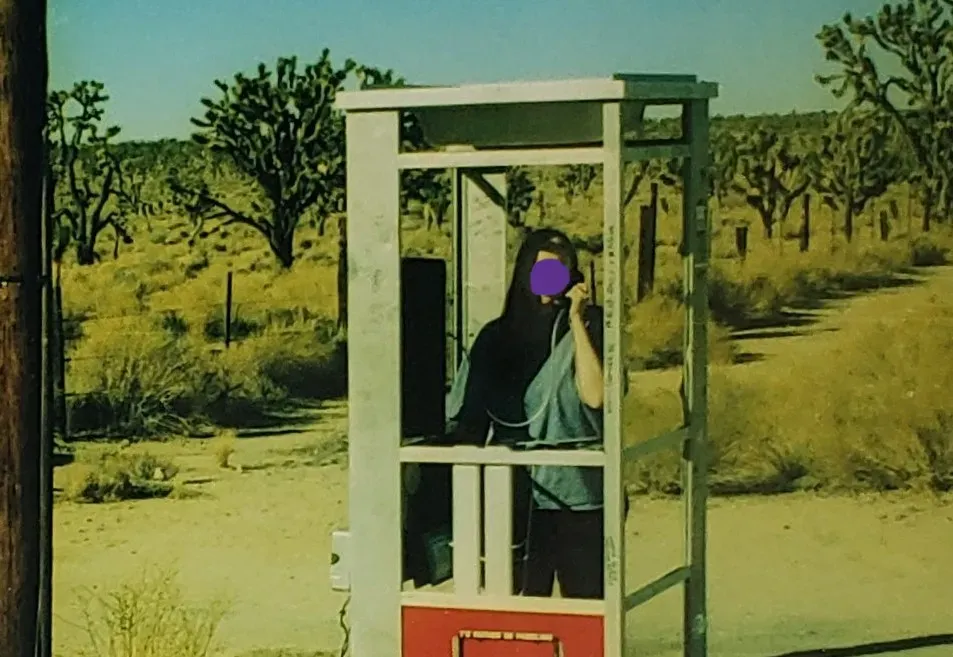
Not every confusing artifact is ancient. Some tech enters collections carrying more internet folklore than actual context, and the clearest example is the leftover insulators and switching hardware salvaged from legendary sites like the Mojave Phone Booth – an isolated desert payphone that became a cult phenomenon before it was finally removed.
To telecom historians, the parts themselves are routine. To the public, they’re relics of a weird, almost mythic internet-era story. Institutions wrestling with recent pop culture sometimes keep these pieces off the main floor because they worry the reference will age badly or feel too niche in ten years. So the objects sit archived in modern-history collections while curators quietly argue whether the meaning is technological, sociological, or just an inside joke that got too big.
#17 – “Devil’s Footprints” Casts With No Real Consensus

Natural history museums occasionally hold plaster casts of unexplained tracks, and mostly wish they didn’t have to. After snowfall events in places like Devon in 1855, and various modern copycat incidents, long lines of hoof-like prints have been reported marching straight across roofs, walls, and open fields.
Explanations range from hopping animals and odd melting patterns to outright hoaxes, but no single theory convincingly covers every detail of every case. Because of that ambiguity, casts of these tracks usually live in study drawers, not display cases – curators know that the moment you print “Devil’s Footprints” on a label, you’ve lost the scientific narrative entirely. Throwing the casts away would erase real environmental data, so they persist quietly as relics of a night when weather, rumor, and reality blurred together and never fully separated back out.
#18 – Ancient “Lenses” That May or May Not Be Lenses
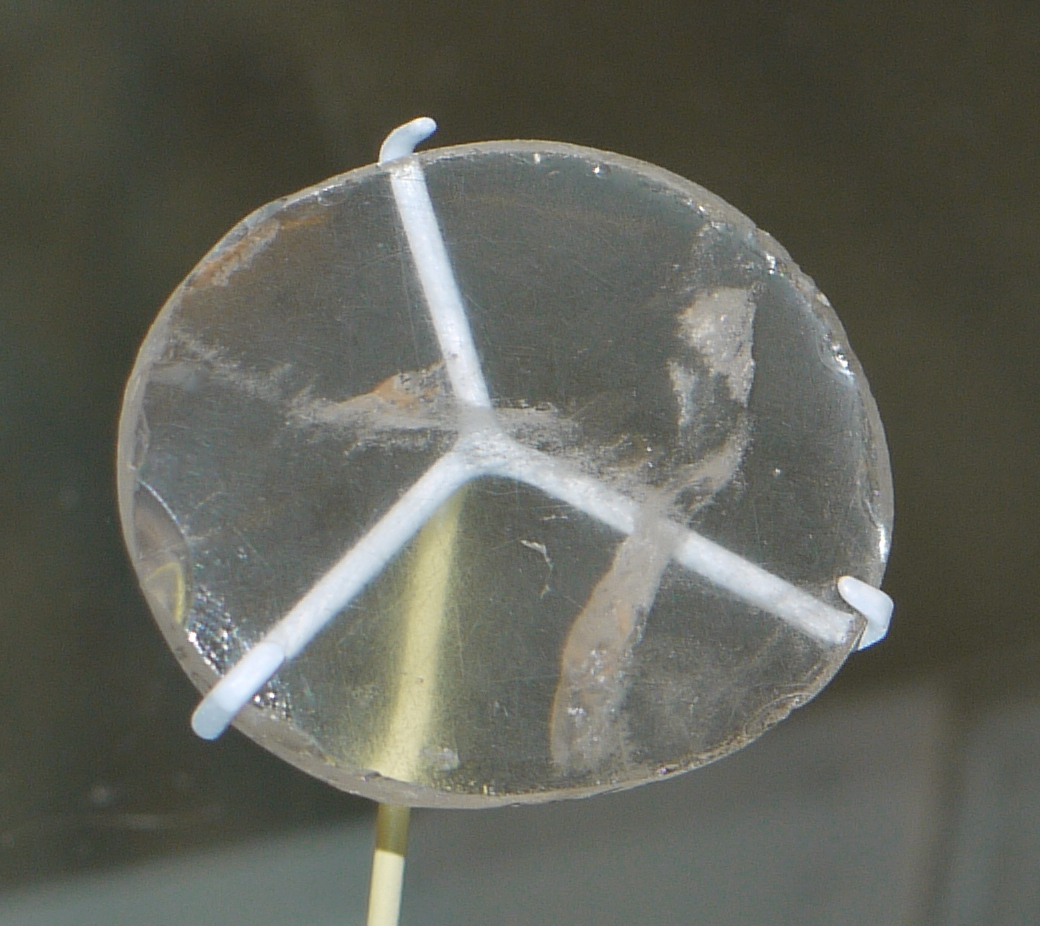
Scattered across Mesopotamian and Mediterranean sites are polished rock crystal and glass pieces that look suspiciously like optical lenses. The famous Nimrud Lens, a ground rock crystal piece from Assyria, can actually magnify when held at the right distance, which is exactly the problem.
Some researchers argue these were magnifiers for fine detail work or even primitive telescopes; others insist they’re just decorative inlays or fire-starting burning glasses. No ancient text ever explicitly says “we used this to read tiny script,” and museums hate overclaiming, so these objects usually get displayed as generic “carved crystal” with a cautious footnote, or not displayed at all. The stakes are bigger than they look: proof of systematic ancient lens use would quietly rewrite what we assume about early observational science.
#19 – The “Map of the Creator” Relief Stone
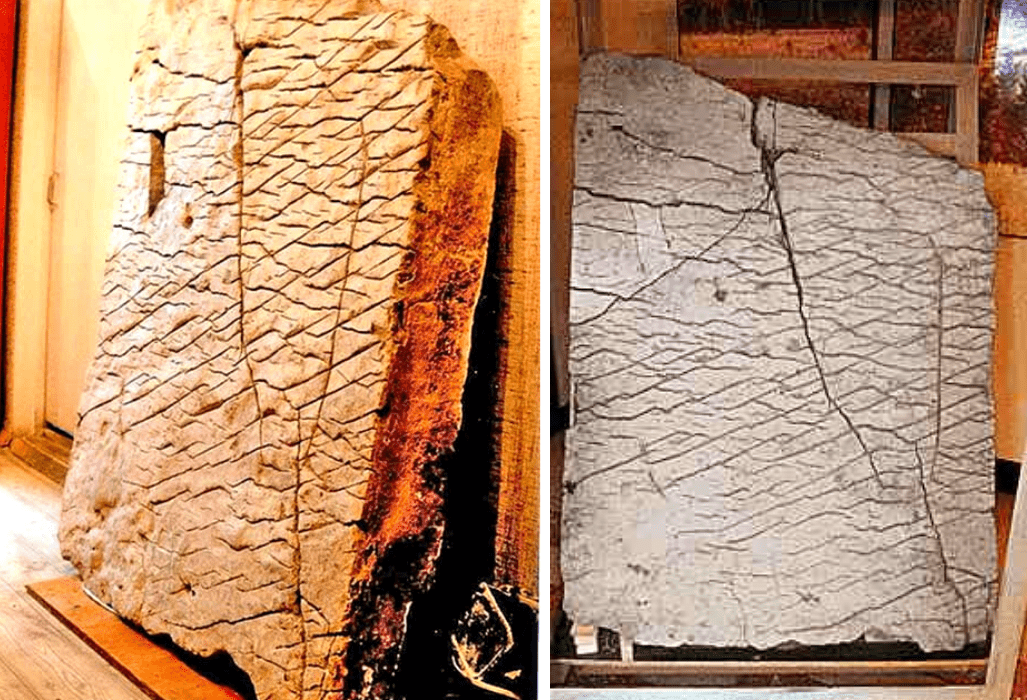
In some regional museums, you’ll find objects the staff almost openly side-eye. One is a large stone relief sometimes dubbed the “Map of the Creator,” allegedly found in Russia, bearing complex lines some claim represent modern topography drawn thousands of years too early.
Geologists and archaeologists counter that weathering, natural fracturing, and plain human pattern-seeking can easily be misread as a map, especially with zero solid excavation data attached. With no inscriptions, no cultural context, and no matching artifacts, major institutions have shown essentially no interest. When stones like this land in local collections, they usually stay off the main floor, kept as an example of how far interpretation can drift once real context disappears.
#20 – The “Cosmic” Iron Dagger of Tutankhamun
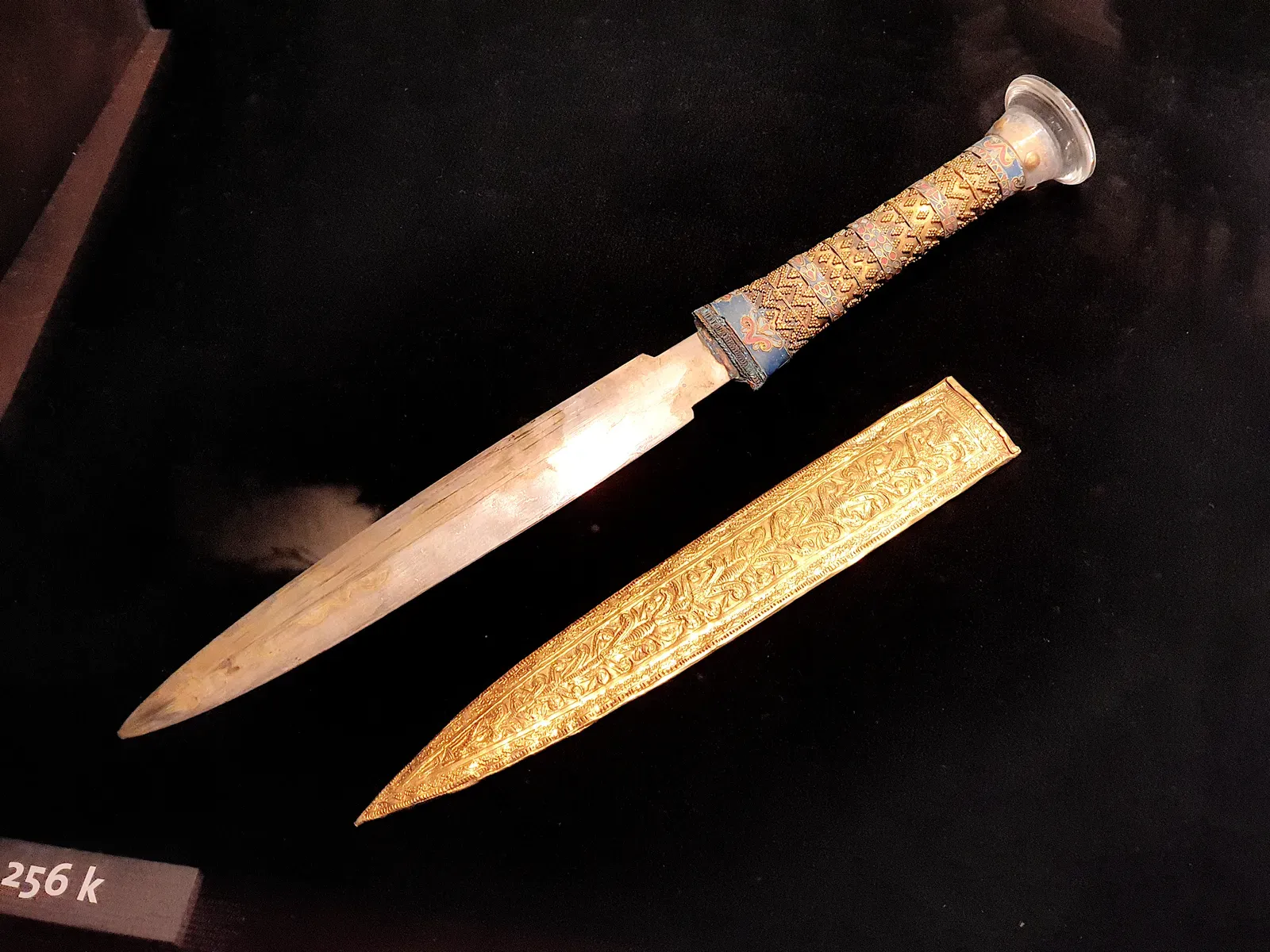
Tutankhamun’s tomb is overloaded with riches, but one blade quietly breaks all the rules. Among his grave goods is an iron dagger that predates large-scale iron smelting in Egypt by a wide margin, and metallurgical analysis shows its metal has a high nickel content consistent with meteoritic origin.
Ancient texts do mention “iron of the sky,” but finding a fully worked, royal-grade blade made from it raises hard questions: who had that technology, was it a foreign import, or a one-off experiment nobody repeated? Most of the tomb’s treasures fit neatly within known Egyptian craft traditions – this dagger sits right on the edge of what they should have been capable of. Because the meteorite angle invites more sensational headlines than careful research, museums tend to quietly underplay just how strange its existence really is.
Why It Stands Out
- The dagger was found in the sarcophagus of the ancient king, who was buried in 1320 B.C., tucked among the mummy’s wrappings.
- X-ray fluorescence analysis shows the blade’s composition is mostly iron and 11% nickel and 0.6% cobalt.
- Terrestrial iron artifacts made before the 19th century almost never exceed 4% nickel, while most iron meteorites range from 5% to 35%.
- The dagger is currently displayed at the Grand Egyptian Museum in Cairo.
#21 – The Quimbaya “Airplanes” That Look Too Aerodynamic
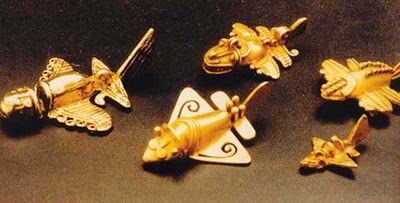
Gold figurines from the Quimbaya culture in Colombia are mostly animals and insects, except for a handful that look strikingly different. A few small gold pieces have swept-back wings and vertical tails that strongly resemble modern aircraft, and ancient-astronaut fans have run with that resemblance for decades.
Archaeologists counter that stylized fish or insect motifs can coincidentally echo aerodynamic shapes, and there’s no workshop, no text, no supporting evidence of any flying machine tradition from that culture. Replicas have been built, tested in wind tunnels, and even modified into working flying models, which only fuels more speculation online. Caught between feeding pseudoscience and dismissing genuine indigenous art, many curators simply tuck the most plane-like pieces away with extremely carefully worded labels.
#22 – The Dendera “Light Bulbs” on a Temple Ceiling
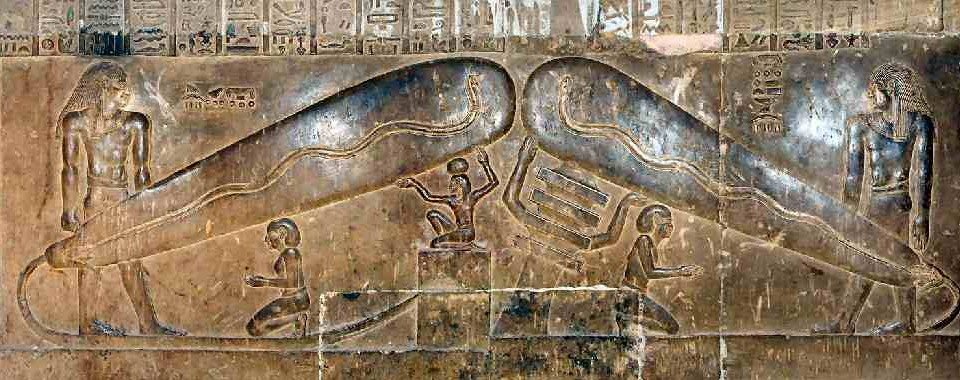
If you’ve seen the famous carvings at Dendera Temple in Egypt, you’ve probably heard the claim that they show giant light bulbs. In reality, Egyptologists read the relief as a lotus flower with a snake emerging from it, tied to creation mythology and the god Harsomtus.
Alternative theorists insist the shape looks unmistakably like a glass bulb with a filament inside. No wiring, no power source, and no burn residue has ever been found anywhere near it, but the visual comparison simply refuses to die online. Museums with casts or photos of the relief rarely highlight the light-bulb angle at all, since it’s not taken seriously academically – the irony is that this one gets buried less because of what it actually is, and more because of what people keep insisting it must be.
#23 – The Kensington Runestone and Its Awkward Runes
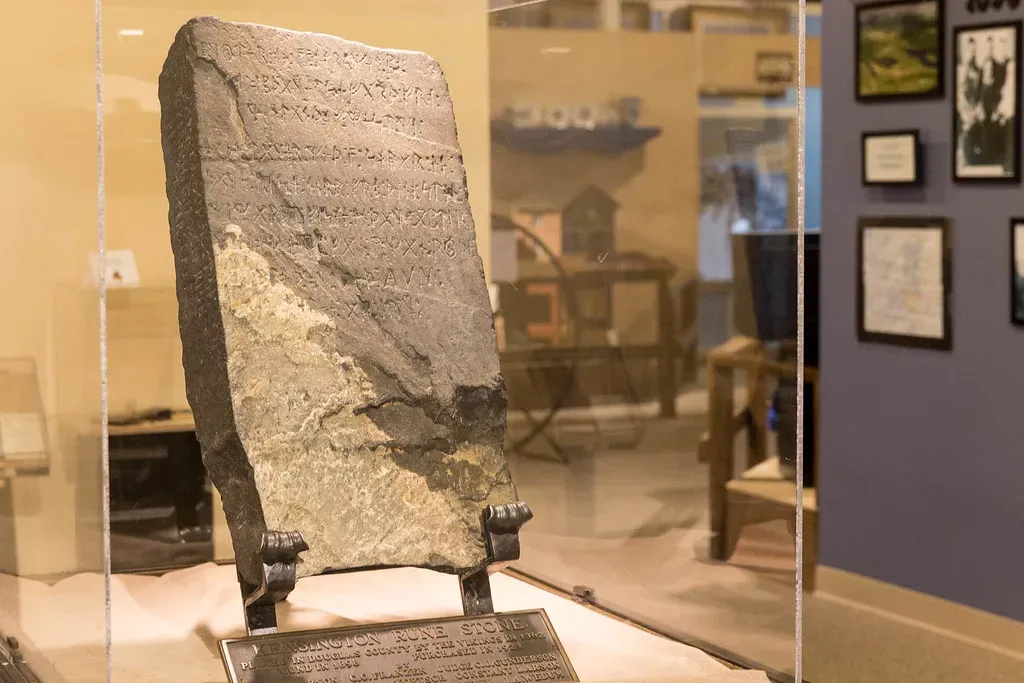
In Minnesota, a slab of stone carved with runes claims Norse explorers reached the American Midwest all the way back in 1362. If authentic, it would push Viking exploration deep inland, far beyond anything else on record. But runologists point to anachronistic rune forms and language mix-ups that look suspiciously like a 19th-century Scandinavian immigrant’s best guess at medieval writing.
Soil studies and weathering analyses have stayed frustratingly inconclusive, enough to keep the debate alive but nowhere near enough to convince mainstream scholars. Museums holding it walk a genuine tightrope: visitors love the story, academics mostly roll their eyes. Some display it in local-history sections as an artifact of belief rather than proof of settlement; others keep it largely out of sight to avoid another afternoon arguing with a visitor convinced they’ve found a cover-up.
Worth Knowing
- The stone was discovered in 1898, clutched in the roots of an aspen tree on the Olof Öhman farm near Kensington, Minnesota.
- Researchers have spent over a century trying to explain how a runic artifact, dated 1362, could show up in North America.
- Both American and Scandinavian scholars who examined the text at the time pronounced it a crude fake.
- Today it’s on display at the Runestone Museum in Alexandria, Minnesota.
#24 – The Coso Artifact: A Spark Plug Turned Into a Mystery
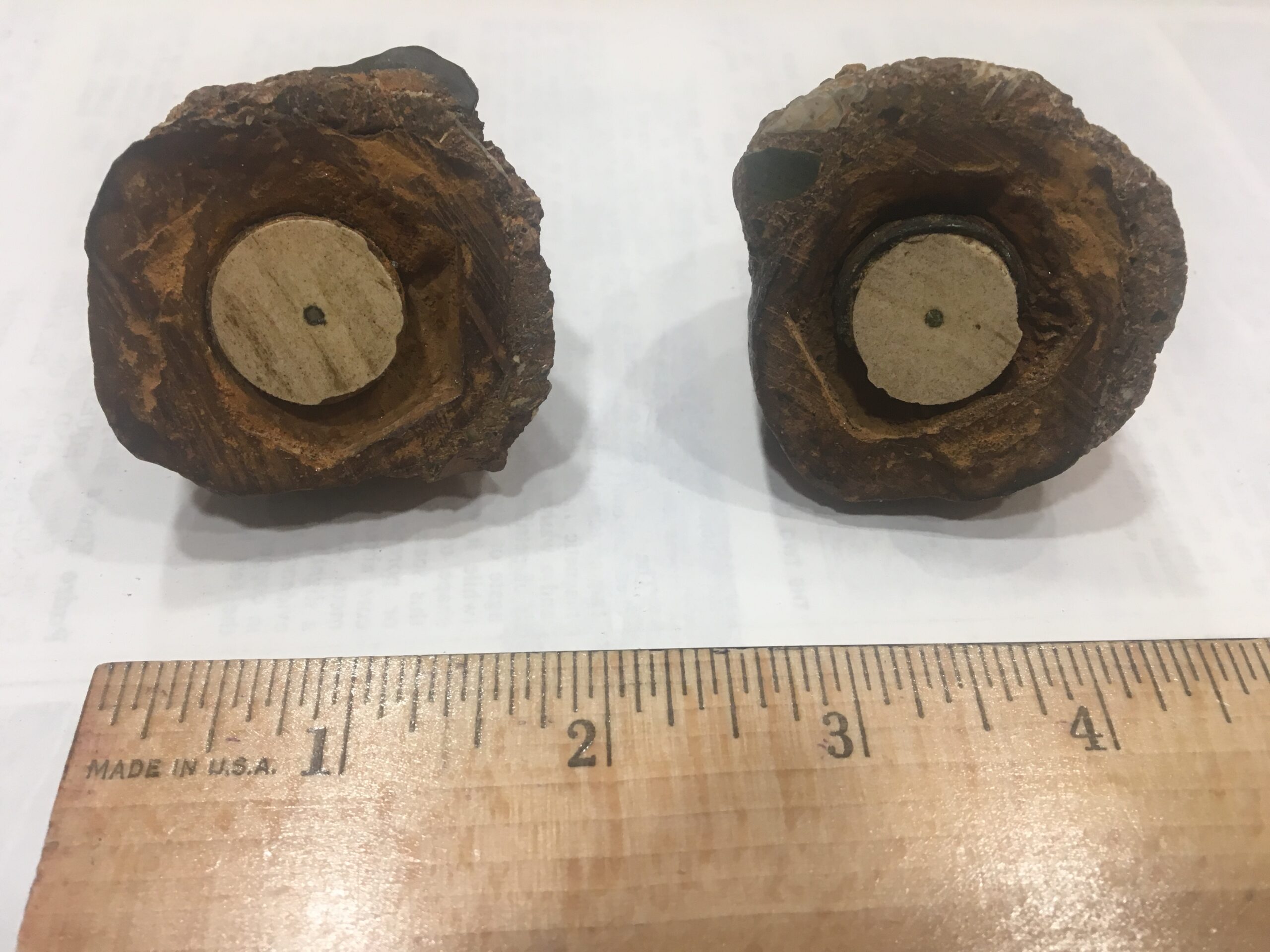
The Coso Artifact started life as a curiosity in a California rock shop: a geode-like concretion cracked open to reveal what looked exactly like a metal core. Early photos genuinely resemble a 20th-century Champion spark plug, heavily corroded, and because the outer shell resembled a geode, some claimed it had to be hundreds of thousands of years old.
Geologists point out that mineral accretions can form around modern objects surprisingly fast, especially in mining regions like the one it came from. Most museums will never touch it, precisely because its most plausible explanation is boring: machinery encased in relatively recent mineral buildup, with no excavation record to study scientifically. It lives on mostly in fringe literature and grainy photos, while institutions quietly refuse it the dignity of a catalog number.
#25 – The “Dogu Astronauts” of Prehistoric Japan
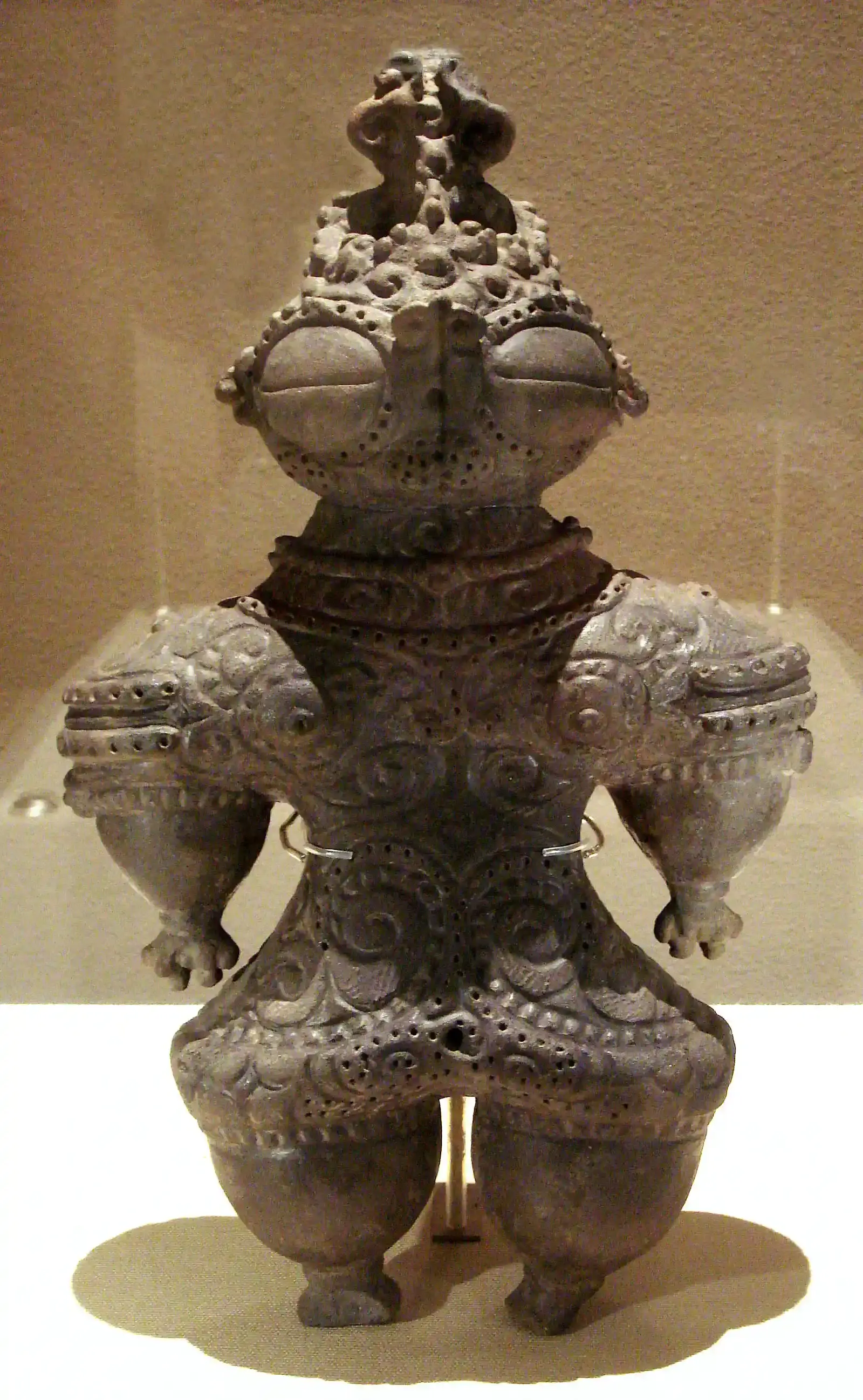
Jomon-period clay figurines from Japan, called dogu, are some of the strangest prehistoric sculptures anywhere on Earth. A subset carries large, goggle-like eyes and intricate body patterns that some viewers swear resemble modern space suits, and ancient-astronaut narratives turned them into “alien visitors” almost overnight.
Archaeologists see something far more grounded: ritual figures tied to fertility, healing, or shamanic practice, with exaggerated features serving symbolic rather than literal purposes. Japanese museums typically present them with careful cultural framing, but outside Japan, the most “alien-looking” figurines sometimes get quietly kept off high-profile display. Staff know that the moment you show a dogu with goggles, the tour stops being about Jomon belief systems and turns into a debate with YouTube.
#26 – The “Flood” Layer Anomalies Sitting in Archive Drawers

Not all confusing artifacts are single objects; some are entire layers of sediment packed with them. In multiple ancient cities, archaeologists have uncovered destruction layers showing sudden, intense catastrophe – burned debris, toppled walls, rapid mud deposits – sometimes lining up eerily well with regional myths of floods or fire from the sky.
A few sites even show impact-like microspherules or unusual chemical signatures that don’t have a tidy explanation yet. Museums end up inheriting bags of sherds and samples labeled with question marks instead of dates. They’re not flashy enough for display, and the science is still in flux between climate events, warfare, tsunamis, or rare cosmic impacts, so the material just waits quietly in climate-controlled storage for better tools to arrive.
#27 – The “Unknown Soldier” Effects That Lost Their Names

Every major museum has them: personal effects from wars that lost their identities somewhere along the way. Dog tags eaten by corrosion, uniforms without records, diaries stripped of their covers – all undeniably real, but the context of who, where, and why has simply vanished.
Ethically, institutions hesitate to spotlight them aggressively, since there’s no way to get consent from families or even confirm nationality and allegiance in some cases. So the objects sit in institutional limbo, too poignant to discard and too anonymous to properly narrate, with catalog entries reading like “boots, leather, unknown soldier, Western Front, probable.” This is a different kind of nonsense – not technological, but narrative – and the objects simply can’t speak for themselves.
#28 – The “Cursed” Objects Staff Won’t Officially Discuss
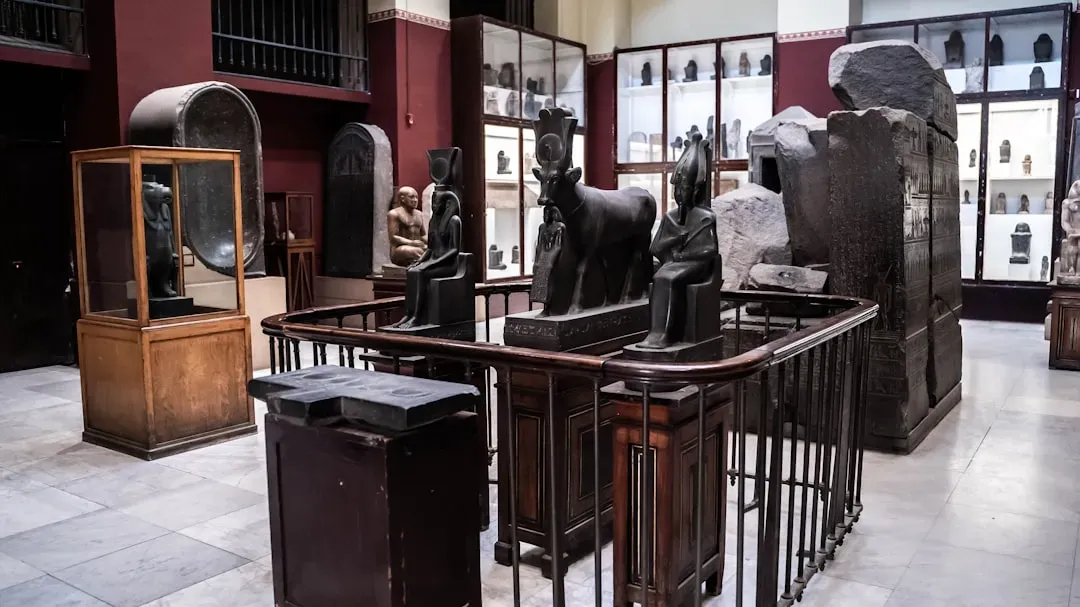
Ask around quietly in any old museum and you’ll hear about them: items staff half-jokingly call cursed. Maybe it’s a painting linked to a run of accidents, a funerary statue that “never photographs right,” or a donated piece after which the alarm system starts acting up for no clear reason.
Rationally, most of this is coincidence layered on top of human pattern-seeking, but institutional folklore is powerful, and you will never see it mentioned on an actual label. Many of these objects end up in storage partly because there’s no clean interpretive value, and partly because staff genuinely don’t enjoy handling them. Collection decisions are still made by humans, with human biases and human anxieties, which is exactly why a small but real category of relics stays off-display simply because they make the people around them uncomfortable.
#29 – The Orphaned Artifacts With Lost Provenance
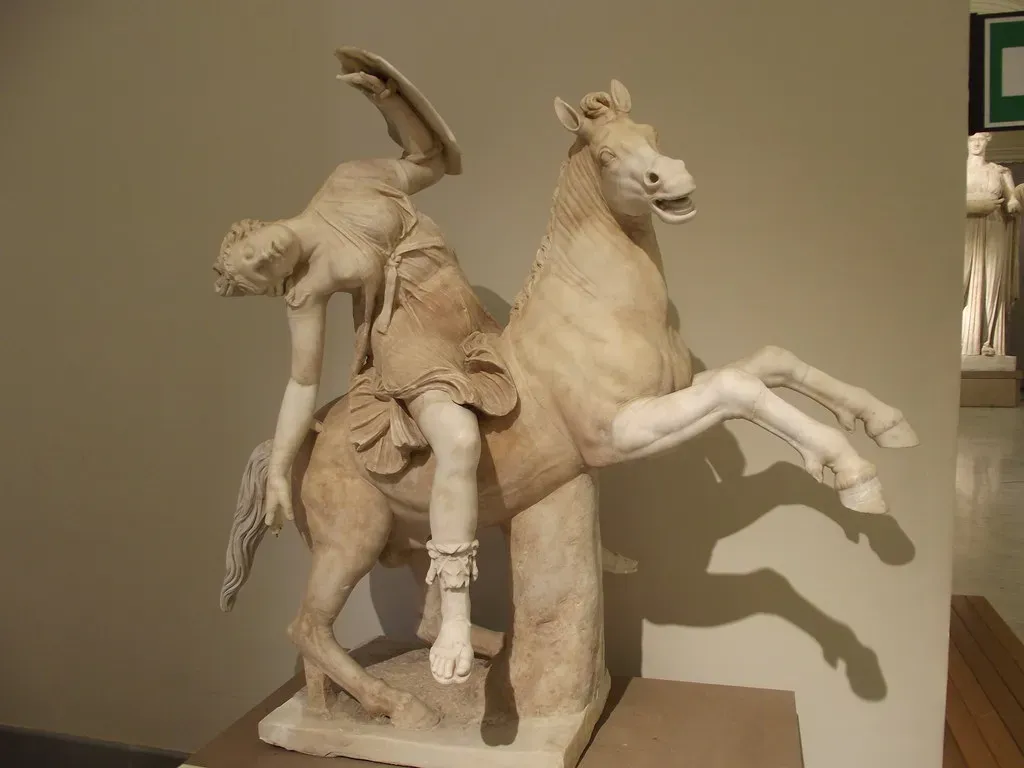
The most nonsensical relics in any museum are also the most common: things nobody can trace back to where they actually came from. Boxes labeled “Near East? 19th c. acquisition,” statues carrying only dealer tags instead of excavation notes, tools stripped clean of their original coordinates.
Without provenance – who owned it, where it was found, under what conditions – an object’s scientific value effectively collapses into a floating curiosity with no reliable story attached. Some may be looted, some misattributed, some outright forgeries that slipped in decades ago and were never caught. Modern museums, increasingly strict about ethics, tend to keep these orphans out of public view, cluttering storage shelves as quiet reminders of a time when “interesting” was considered good enough.
The Bottom Line
Forget the Indiana Jones fantasy. Real museums run on paperwork, context, and carefully hedged language, and the relics they keep hidden aren’t smoking guns of some lost civilization – they’re messy data points that simply refuse to fit cleanly into any existing story.
Some of these, like the Antikythera Mechanism or Tutankhamun’s meteorite dagger, genuinely hint at capabilities we underestimated. Others, like the crystal skulls and the oopart spark plugs, are almost certainly modern noise that snuck into ancient layers. Either way, the honest truth is that collections everywhere are full of objects whose meaning is unknown, contested, or ethically tangled, and curators bury them not to protect some grand secret, but because they can’t yet look you in the eye and tell you, with a straight face, what they really are.
My honest take: half of this list deserves a spotlight, not a drawer – the ambiguity itself is the story, and hiding it just feeds more conspiracy than it prevents. So which of these would you actually want pulled out of storage, and which one do you think should stay exactly where it is?