
Most people assume that once an object sits in a glass case at a world-famous museum, its authenticity has already been settled by experts with microscopes and PhDs. Turns out, that assumption has been dead wrong for centuries. From bones that fooled scientists for 41 years to a “medieval” cloth still debated by physicists today, some of history’s most revered artifacts have secretly been elaborate forgeries, honest mistakes, or outright cons.
Museums rarely advertise when they’ve been duped, but the paper trail always surfaces eventually. Here’s what researchers, forensic historians, and lab technicians actually found when they finally looked closely – and a few of these fakes fooled far more sophisticated people than you’d expect.
#1 – Piltdown Man: The “Missing Link” That Fooled Science for 41 Years
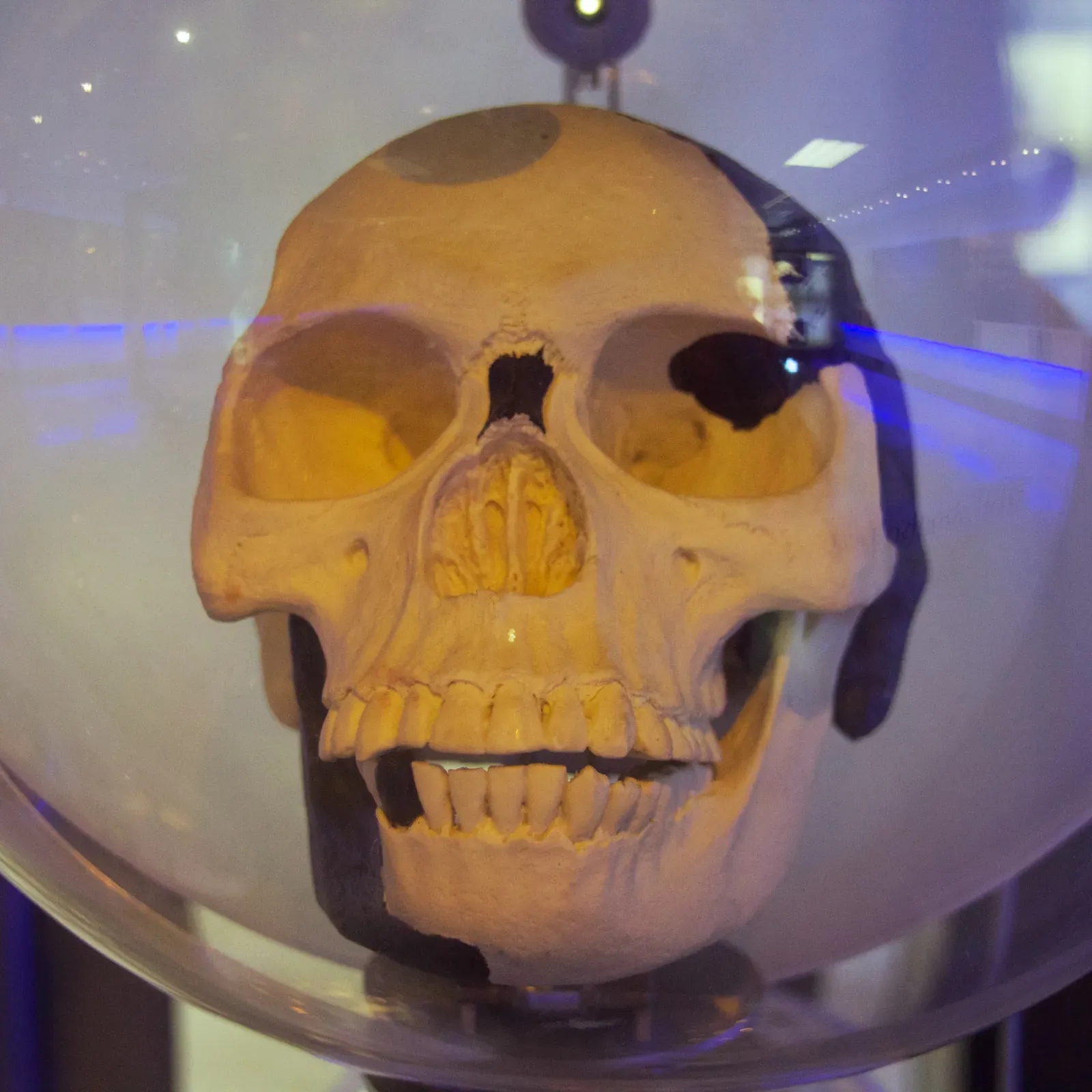
In 1912, amateur archaeologist Charles Dawson announced he’d found a skull fragment and jawbone in a Sussex gravel pit representing the “missing link” between apes and humans. He contacted Arthur Smith Woodward, Keeper of Geology at the Natural History Museum, claiming the bones came from Pleistocene gravel beds near Piltdown, East Sussex. The scientific community celebrated the find for decades, building entire theories of human evolution around it.
The truth wasn’t exposed until 1953, when researchers used fluorine dating to prove the bones weren’t even the same age. The “skull” turned out to be the filed-down jawbone of an orangutan, deliberately combined with the cranium of a modern human and stained to match the local soil. It stands as one of science’s longest-running cons – 41 years passed between the alleged discovery and its exposure as a composite forgery. But that’s nothing compared to what we found about #2…
Fast Facts
- Discovered: 1912, in a gravel pit near Piltdown, East Sussex
- Alleged discoverer: Charles Dawson
- Exposed: 1953, using fluorine dating
- Actual makeup: An orangutan jaw filed down and paired with a modern human skull, stained to match local soil
- Time the hoax fooled science: 41 years
#2 – The Cardiff Giant: America’s Most Profitable Practical Joke
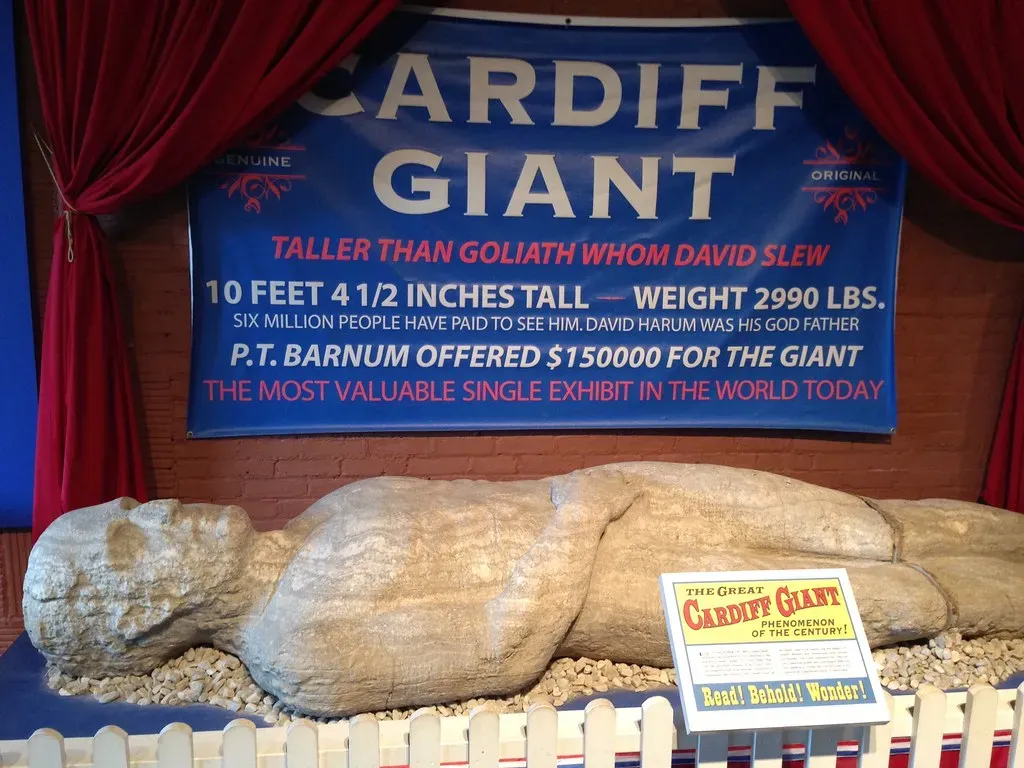
A ten-foot “petrified man” once drew bigger crowds than the circus, and almost nobody guessed it was gypsum. In 1869, workers digging a well in Cardiff, New York, supposedly unearthed a giant stone figure. Locals assumed it was either a fossilized ancient human or a Biblical giant come to life.
In reality, a tobacconist named George Hull had commissioned the statue in Chicago, buried it a year earlier, and staged the “discovery” purely to mock a preacher who insisted giants once walked the earth. The scheme worked almost too well – thousands paid admission before geologists pointed out that fresh-cut gypsum simply doesn’t fossilize that fast. Even after Hull confessed, copies and “second giants” kept touring sideshows for years, proof that a hoax can succeed not because it’s convincing, but because people want to believe it. But #3 involves a forger who fooled far more sophisticated buyers…
#3 – The Getty Kouros: A $10 Million Statue Nobody Can Agree On
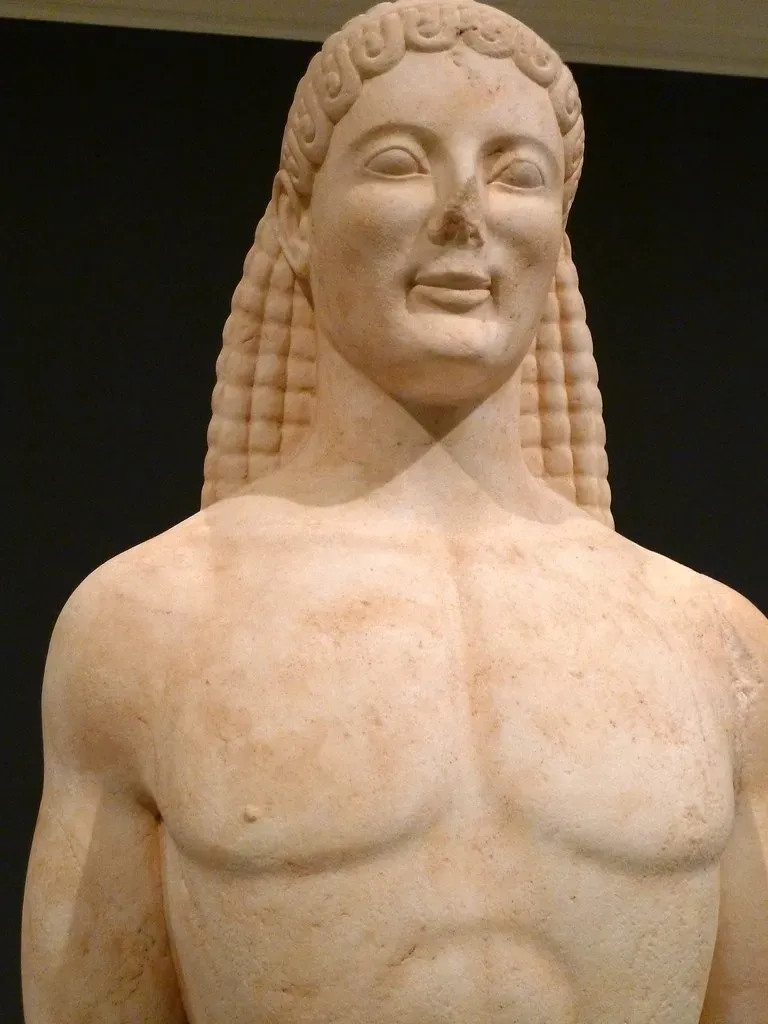
The J. Paul Getty Museum spent roughly $10 million on an ancient Greek statue that many scholars now believe is a modern fake. The kouros – a nude marble youth in the archaic Greek style – arrived with paperwork claiming it had passed through prestigious collections since the 1930s.
Scientists ran isotope tests on the marble’s surface, geologists studied the dolomite crust, and stylistic experts pored over its proportions. The verdict split almost evenly, with some declaring it genuinely ancient and others insisting the anatomy looked subtly, suspiciously modern. The Getty eventually relabeled the placard to read “Greek, 530 B.C., or modern forgery” – a rare public admission that even world-class labs can’t always separate genuine antiquity from a talented con artist’s workshop. But #4 fooled an entire university…
#4 – The Vinland Map: A Viking Discovery Written in 20th-Century Ink
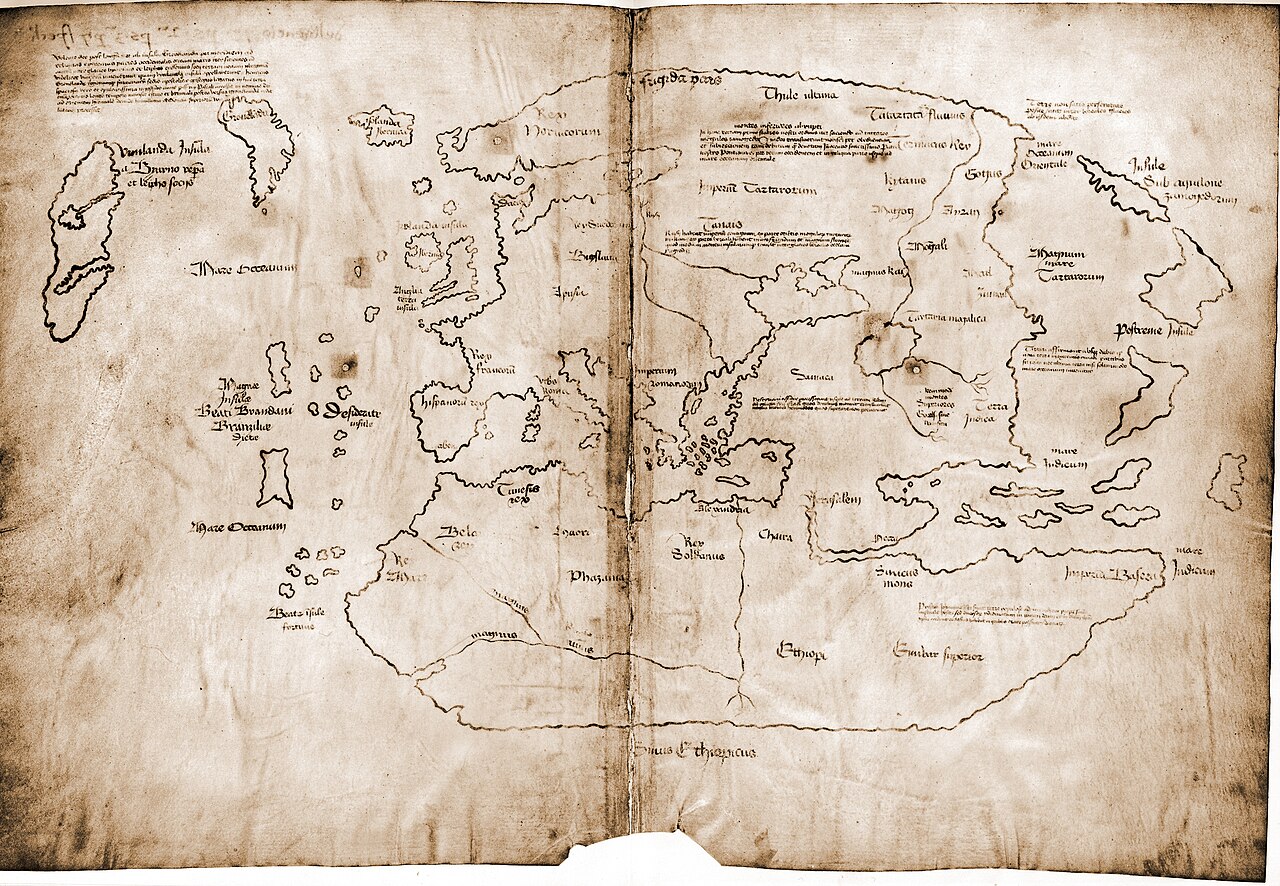
For decades, this map supposedly proved Vikings reached North America before Columbus – until chemists found something that shouldn’t exist in medieval ink. The Vinland Map surfaced in 1957, showing a landmass labeled “Vinland” west of Greenland, seemingly confirming Norse sagas about pre-Columbian voyages. Yale University acquired it and treated it as a historic bombshell.
Then chemical analysis found titanium dioxide in a specific crystalline form that wasn’t manufactured until the 1920s – centuries after the map was supposedly drawn. Subsequent testing of the parchment and ink only reinforced the conclusion that this was a mid-20th-century forgery layered over genuinely old paper to fool experts. Yale itself now acknowledges the map is fake, though debate continues over who exactly created it and why. But #5 might be the most contested relic on this entire list…
#5 – The Shroud of Turin: Science, Faith, and an Unfinished Argument
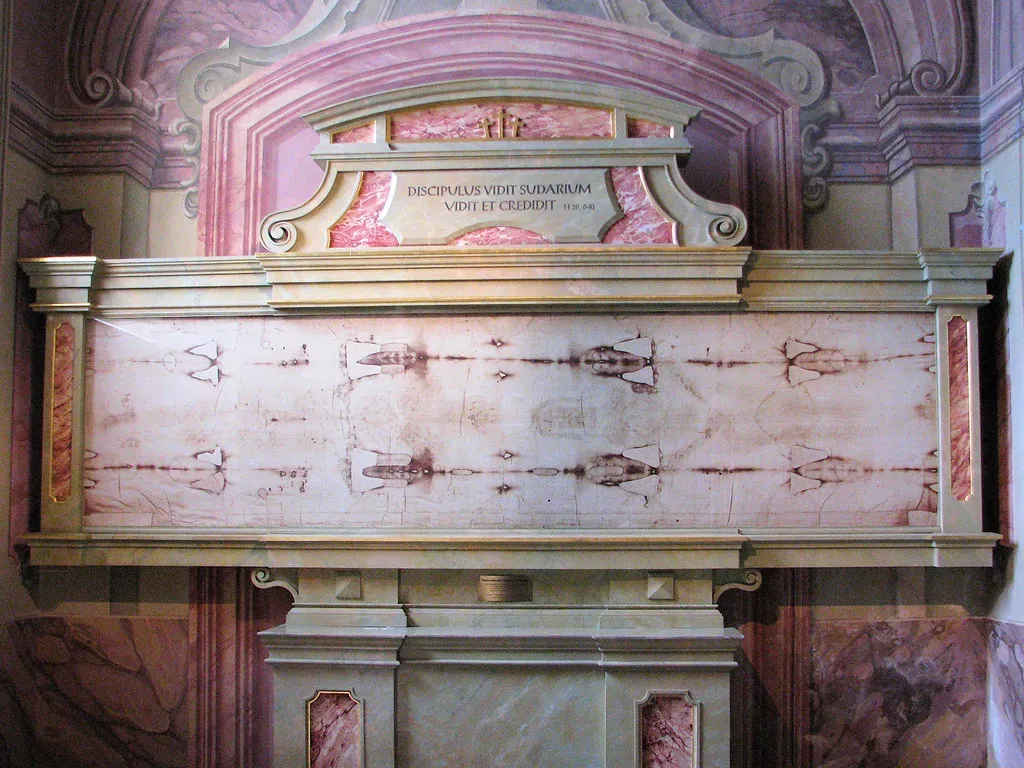
Millions believe this linen cloth wrapped the body of Jesus Christ – but the most famous test on it says otherwise, and even that test has critics. In 1988, an international team of scientists performed radiocarbon dating on snippets of the Shroud of Turin. The results showed the cloth didn’t date back to the crucifixion, instead pointing to somewhere between 1260 and 1390 A.D.
The controversy never actually died, though. Critics point out that the material used in testing came from an area of the Shroud repaired during the Middle Ages, and that foreign cotton fibers turned up in the samples. Some researchers have since published peer-reviewed papers arguing the sample itself was compromised, while mainstream historians still treat the medieval date as the most defensible conclusion. This is the one relic on this list where “fake” is still being fought over in real scientific journals, not settled folklore. But #6 involves forged diaries that fooled an entire magazine empire…
#6 – The Hitler Diaries: A $6 Million Forgery That Duped Major Magazines
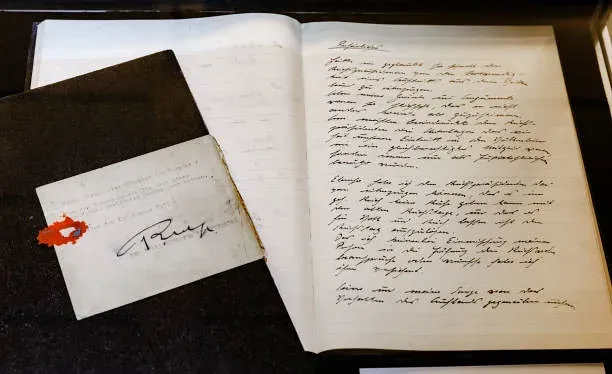
In 1983, a German magazine paid millions for what it believed were Adolf Hitler’s private diaries – and got played by a small-time con artist instead. Journalist Gerd Heidemann claimed to have located 60 volumes of handwritten diaries supposedly rescued from a plane crash in 1945. Stern magazine paid a fortune for exclusive rights and lined up international publishing deals before anyone ran forensic tests.
Forger Konrad Kujau had used modern ink and paper that hadn’t even been manufactured during the war years – a detail that unraveled everything once actual document examiners got involved. The fallout ended careers and embarrassed respected historians who’d publicly vouched for the diaries. Most people assume professional publications always verify big claims before printing them; this scandal proved that greed for an exclusive can override basic caution. But #7 fooled treasure hunters for over a century…
#7 – The Kensington Runestone: Minnesota’s Viking Fantasy
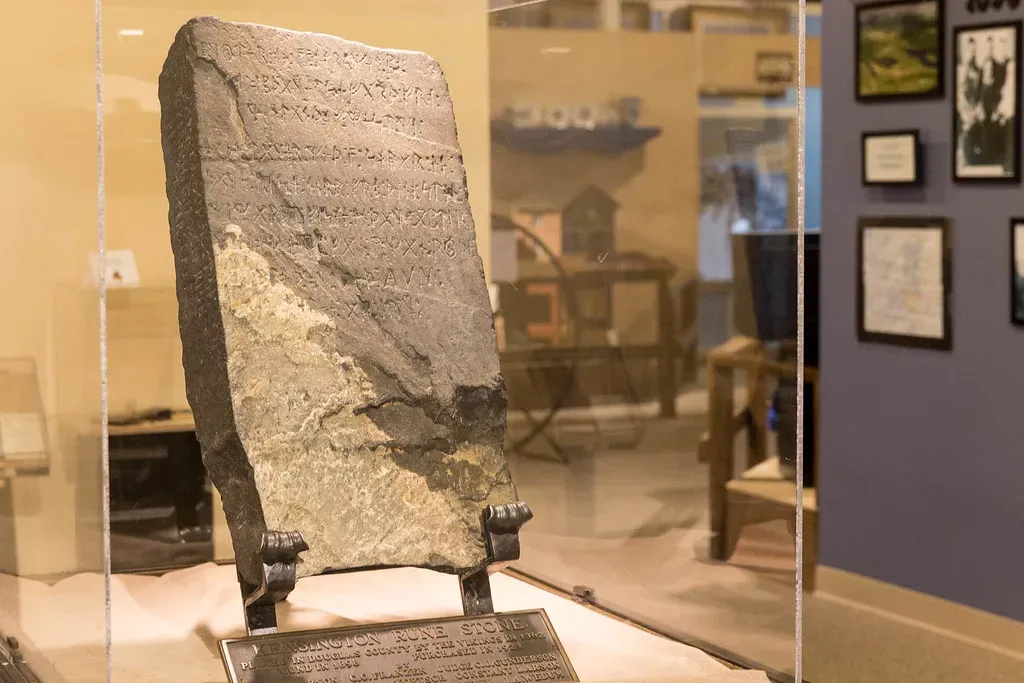
A Minnesota farmer claimed to find proof that Scandinavian explorers reached the American Midwest in the 1300s – runologists have been debunking it ever since. In 1898, Olof Ohman said he unearthed a stone slab covered in runic inscriptions while clearing his farmland, internally dated to 1362 and describing a Norse expedition.
Linguists quickly noticed the runes used grammar and vocabulary that simply didn’t exist in the 1300s, more closely resembling 19th-century Scandinavian dialects Ohman himself would have known. Despite consistent rejection from mainstream runologists, the stone still has passionate defenders in parts of Minnesota, where it remains a tourist attraction and point of regional pride. It’s a case study in how emotional attachment to a “discovery” can outlast scholarly consensus by well over a century. But #8 conned the Louvre itself…
#8 – The Tiara of Saitaphernes: The Louvre’s Most Embarrassing Purchase
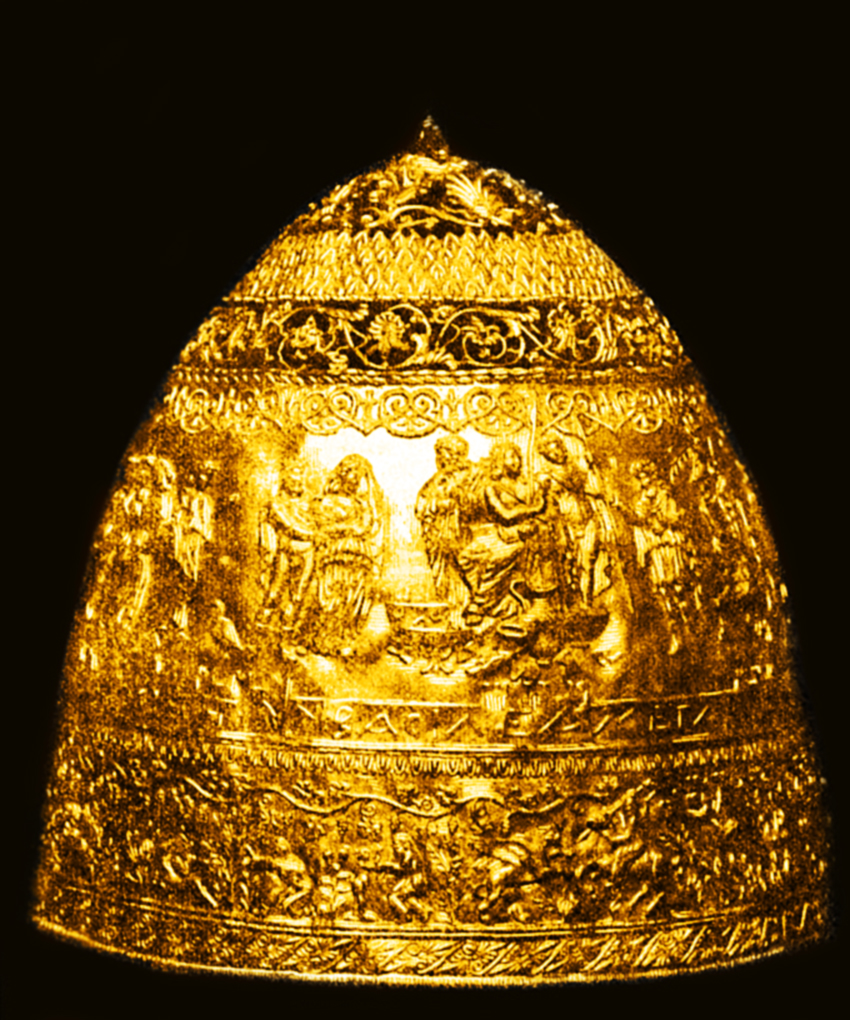
The Louvre paid a fortune for a “priceless” ancient Scythian crown in 1896 – created just months earlier by a goldsmith in Odessa. The tiara supposedly belonged to a third-century-BC Scythian king, complete with intricate scenes from Homer’s Iliad engraved into gold. French experts authenticated it, the museum acquired it for a headline-making sum, and it went on proud public display.
The forger, Israel Rouchomovsky, eventually came forward himself, providing detailed sketches and even offering to recreate parts of the piece to prove he’d made it from scratch. The Louvre initially refused to believe him, since admitting the mistake meant admitting their own experts had been outsmarted by a working craftsman rather than an ancient king. The scandal became so notorious in Paris that it sparked public mockery of the museum’s authentication process for years afterward. But #9 fooled multiple major museums simultaneously…
Why It Stands Out
- Purchased by the Louvre in 1896 for a headline-making sum, sight-unseen by the forger himself
- Made just months earlier by goldsmith Israel Rouchomovsky in Odessa, not a third-century-BC Scythian workshop
- Rouchomovsky proved his authorship by offering to recreate sections of the piece from memory
- One of the rare hoaxes where the con artist voluntarily exposed his own scheme
#9 – Crystal Skulls: The “Ancient Mayan Artifacts” Made With Power Tools
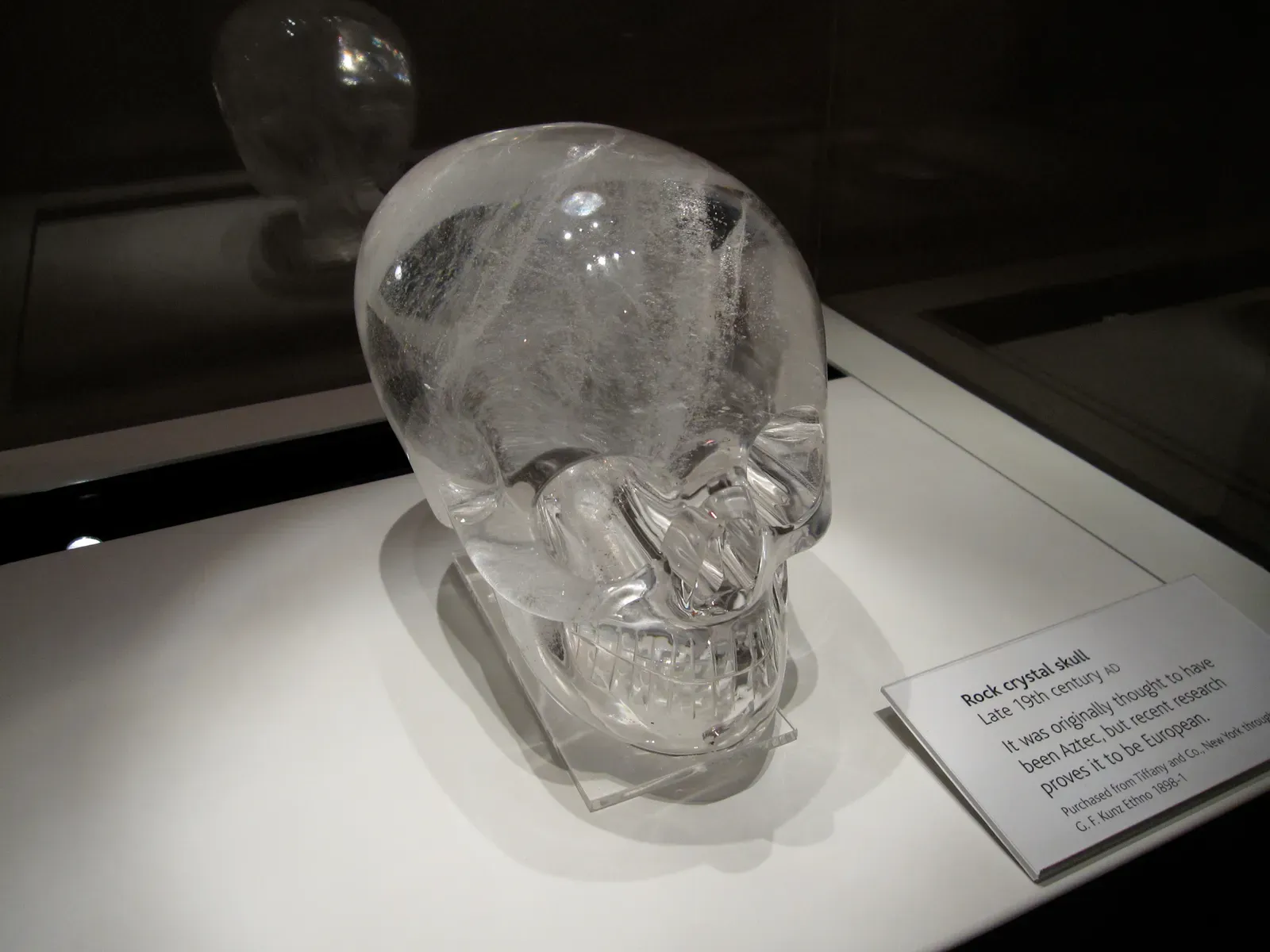
Crystal skulls supposedly carved by ancient Mesoamerican civilizations turned out to bear tool marks that only existed after the industrial revolution. Several of these skulls, including ones held by the British Museum and the Smithsonian, were once presented as pre-Columbian artifacts tied to Aztec or Mayan spiritual practices.
Electron microscopy revealed rotary tool marks – the kind produced by jeweler’s wheels and modern lapidary equipment, not obsidian or stone tools available to ancient artisans. Testing also showed the quartz likely originated from Brazil or Madagascar, regions with no documented trade connection to Mesoamerican cultures. Both institutions have since quietly reclassified their skulls as 19th-century European curiosities, likely produced to feed a Victorian fascination with “exotic” antiquities. But #10 involved a supposed link to Jesus’s own family…
#10 – The James Ossuary: “Brother of Jesus” or Modern Tampering?
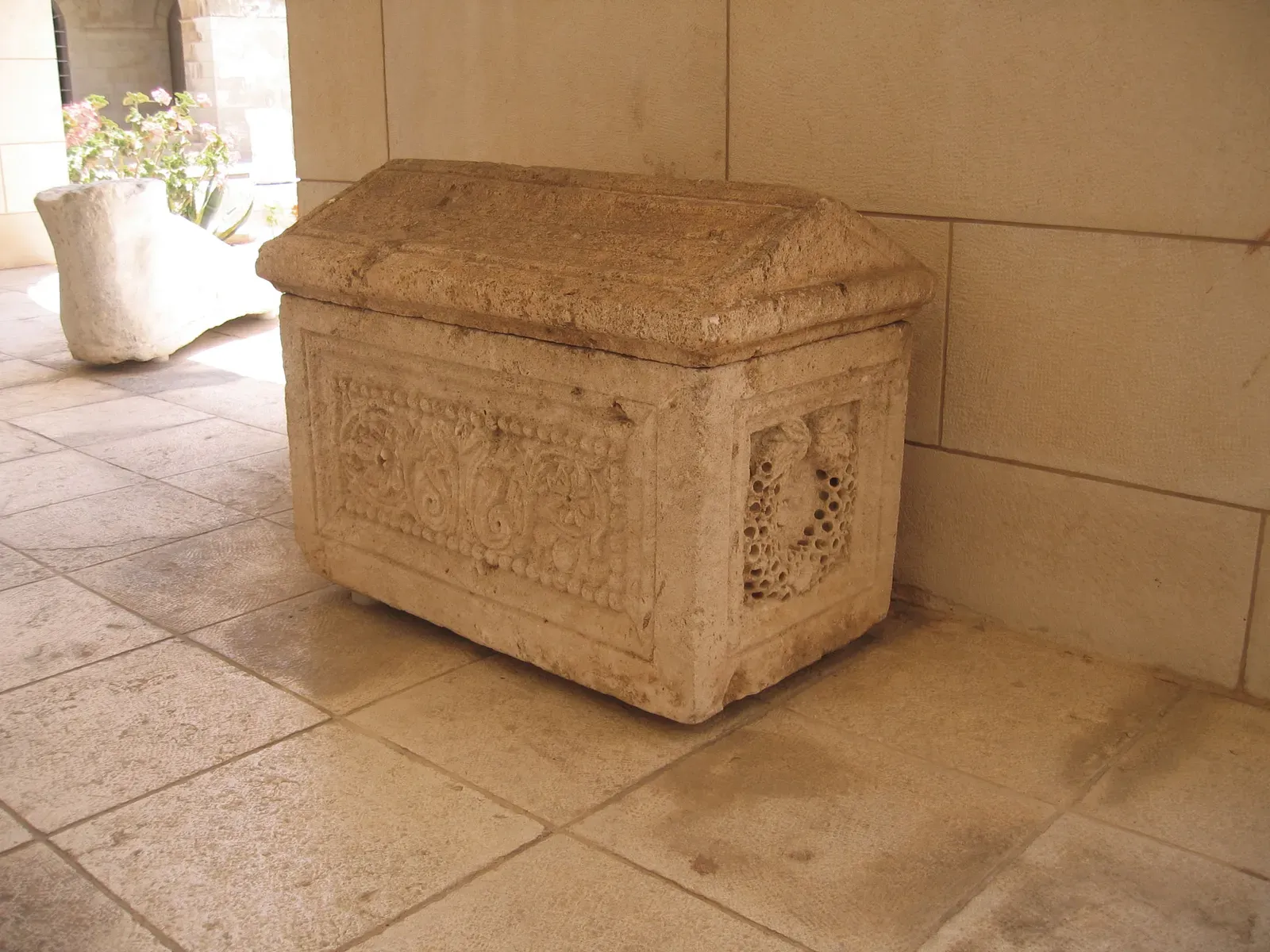
An ancient burial box inscribed with words linking it to Jesus’s brother caused a sensation in 2002 – until forensic experts found the inscription had been doctored. The limestone ossuary bore an Aramaic inscription reading roughly “James, son of Joseph, brother of Jesus,” and if genuine, it would represent one of the only physical artifacts directly tied to the New Testament’s central family.
The Israeli Antiquities Authority launched a lengthy investigation and eventually charged collector Oded Golan with forgery. Patina analysis showed the inscription’s coating didn’t match the natural aging on the rest of the box, suggesting someone had added or altered the words far more recently than the ossuary itself. Golan was ultimately acquitted of forgery charges in 2012, though the judge stopped short of declaring the inscription authentic. The box itself is likely ancient – it’s the added words that remain the real controversy. But #11 involves stones depicting dinosaurs alongside humans…
#11 – The Ica Stones: Dinosaurs, Humans, and One Very Busy Local Farmer
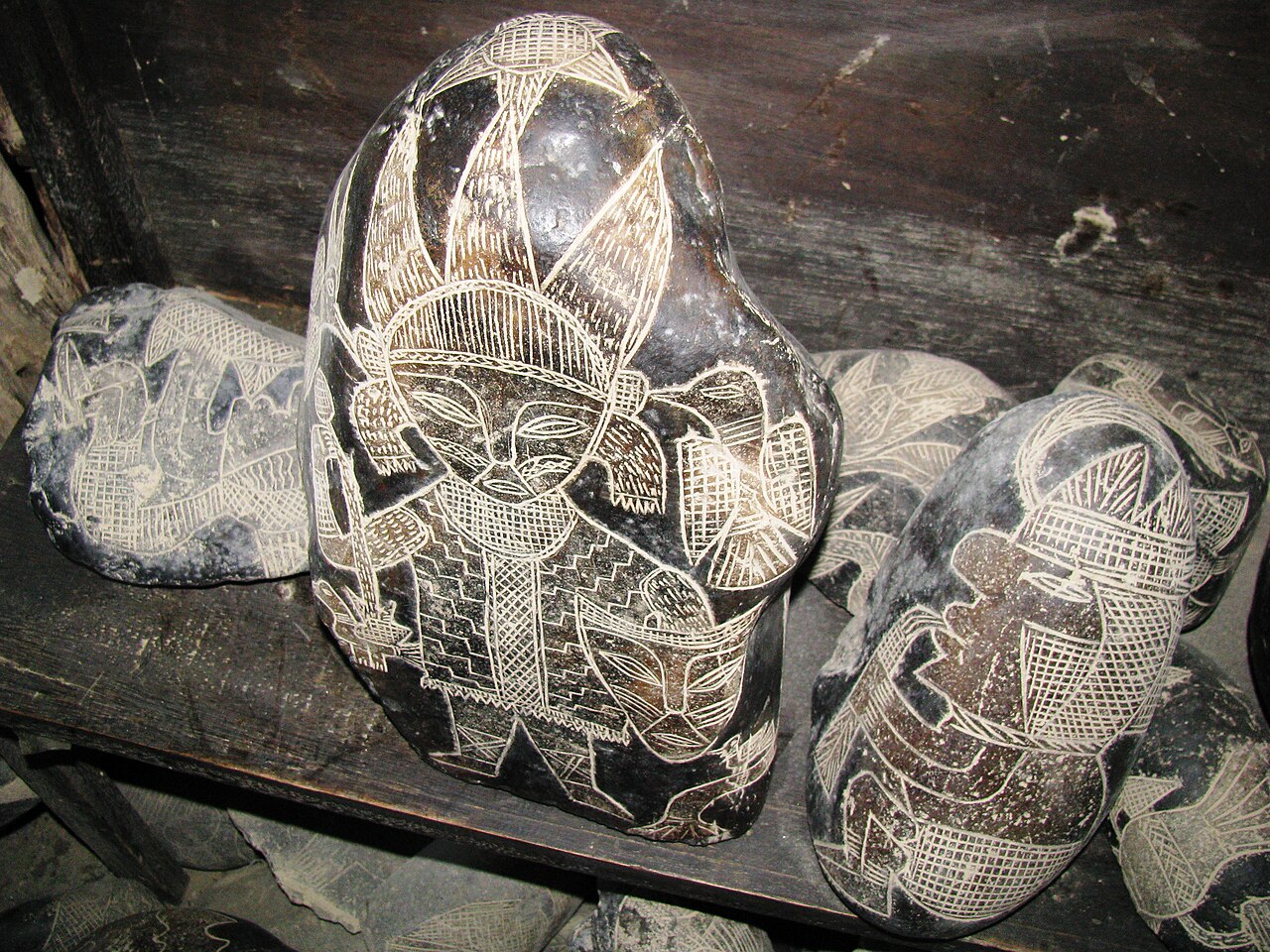
Thousands of engraved stones from Peru appeared to show humans riding dinosaurs – until the man who carved them admitted everything. Collector Javier Cabrera amassed over 10,000 stones depicting supposedly ancient scenes, including detailed dinosaur imagery that fringe researchers claimed proved humans and dinosaurs coexisted.
A local farmer named Basilio Uschuya eventually confessed he’d carved the stones himself, using modern dental drills, and had sold them to Cabrera and tourists for years as a source of income. Geologists also pointed out that the engravings sat on fresh, unweathered rock surfaces inconsistent with genuine ancient artifacts. Despite the confession, some alternative history communities still circulate the stones as “suppressed evidence,” even though the forger walked reporters through his carving process on camera. But #12 fooled one of the world’s most respected museums for over a decade…
Quick Compare
- Staged hoaxes: Cardiff Giant, Fiji Mermaid, and Ica Stones – built purely to fool crowds for money or a laugh
- Profit-driven forgeries: Getty Kouros, Tiara of Saitaphernes, Amarna Princess, and the Met’s Etruscan Warriors – crafted to sell to serious collectors and museums
- Genuine object, doctored detail: James Ossuary – an authentic ancient box with an inscription likely added later
- Still disputed: Shroud of Turin – the only entry where “fake” remains an active scientific argument
#12 – The Met’s Etruscan Warriors: Giant Statues Made in a Modern Workshop
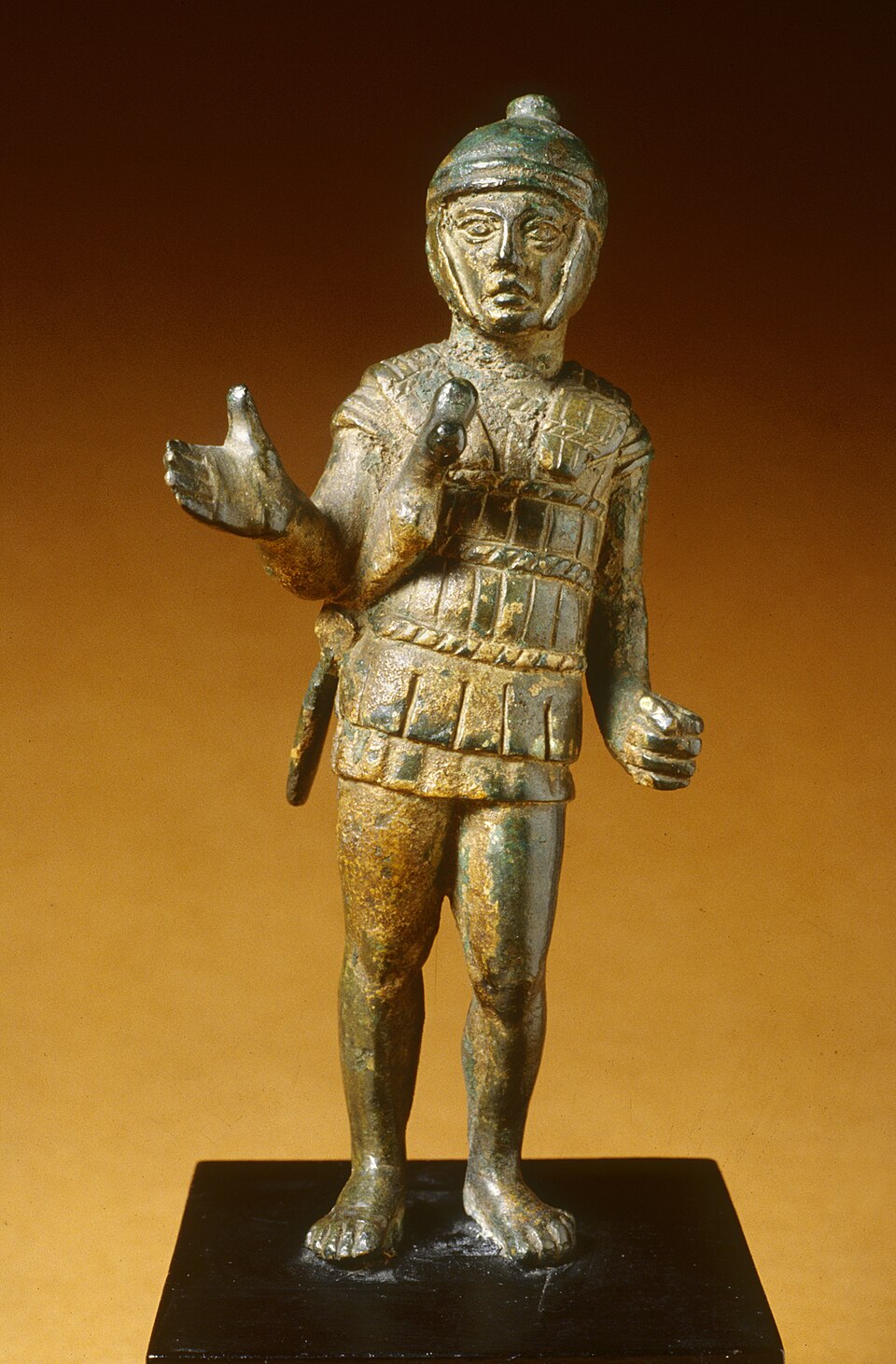
For decades, the Metropolitan Museum of Art displayed towering “ancient Etruscan” terracotta warriors as prized centerpieces of its classical collection. Acquired in the early 20th century, the statues were praised for their imposing scale and detailed craftsmanship, supposedly representing sixth-century-BC Etruscan artistry.
Chemical testing on the glaze eventually revealed manganese compounds that weren’t used in ceramics until centuries later, a detail that unraveled the entire attribution. Investigators traced the pieces to a small forgery workshop in Italy, and one of the actual craftsmen involved later confirmed his role in fabricating them decades after the sale. The Met quietly removed the statues from display once the evidence became undeniable – a rare instance of a flagship American museum publicly admitting a marquee acquisition was fabricated. But #13 involves a forger so skilled he fooled buyers for over 15 years…
#13 – The Amarna Princess: A Garden Shed Masterpiece
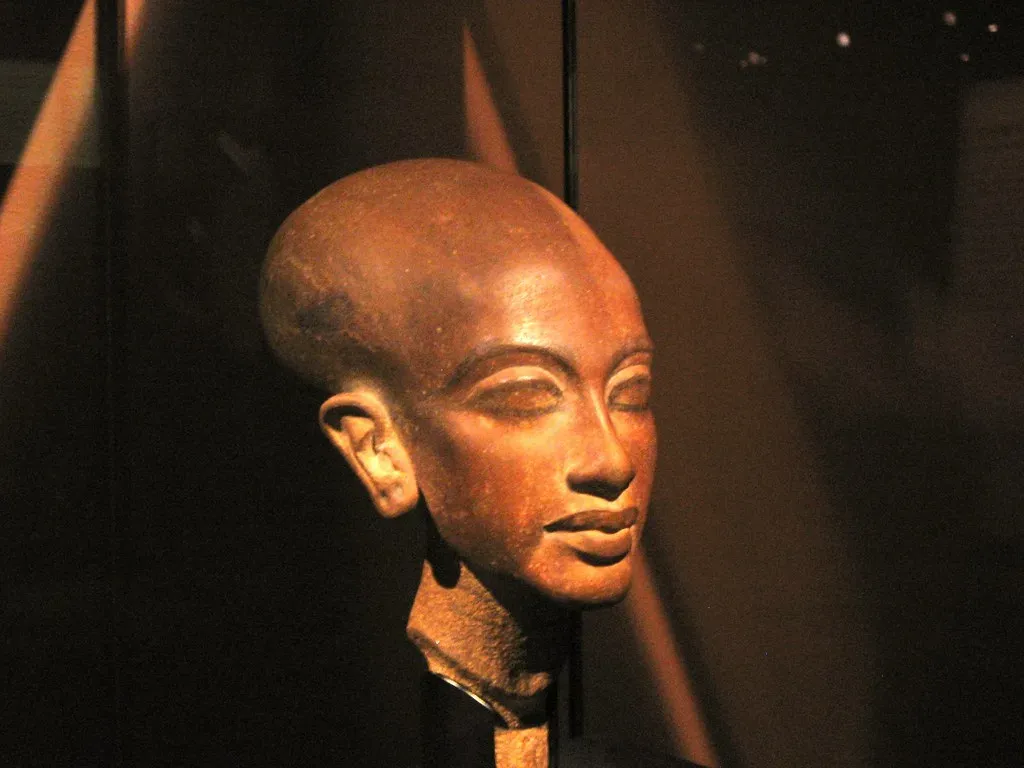
A “3,300-year-old” Egyptian statue sold to a British museum for nearly half a million pounds was actually carved in a garden shed in Bolton. Bolton Museum purchased the alabaster figure believing it depicted an Amarna-period Egyptian princess, complete with supporting provenance documents suggesting an aristocratic previous owner.
The real creator was Shaun Greenhalgh, a largely self-taught artist working from his parents’ modest home, who produced the piece alongside dozens of other forgeries spanning multiple historical styles and civilizations. Experts were fooled partly because Greenhalgh understood ancient techniques better than many trained forgers, using period-appropriate tools and aging methods. His eventual arrest exposed one of the most prolific forgery operations in modern British history, with police recovering fake artifacts ranging from Egyptian statues to Assyrian reliefs in the same house. But #14 involves a relic linked to Christ’s crucifixion itself…
#14 – The Spear of Destiny: A Legendary Weapon With a Medieval Birth Certificate
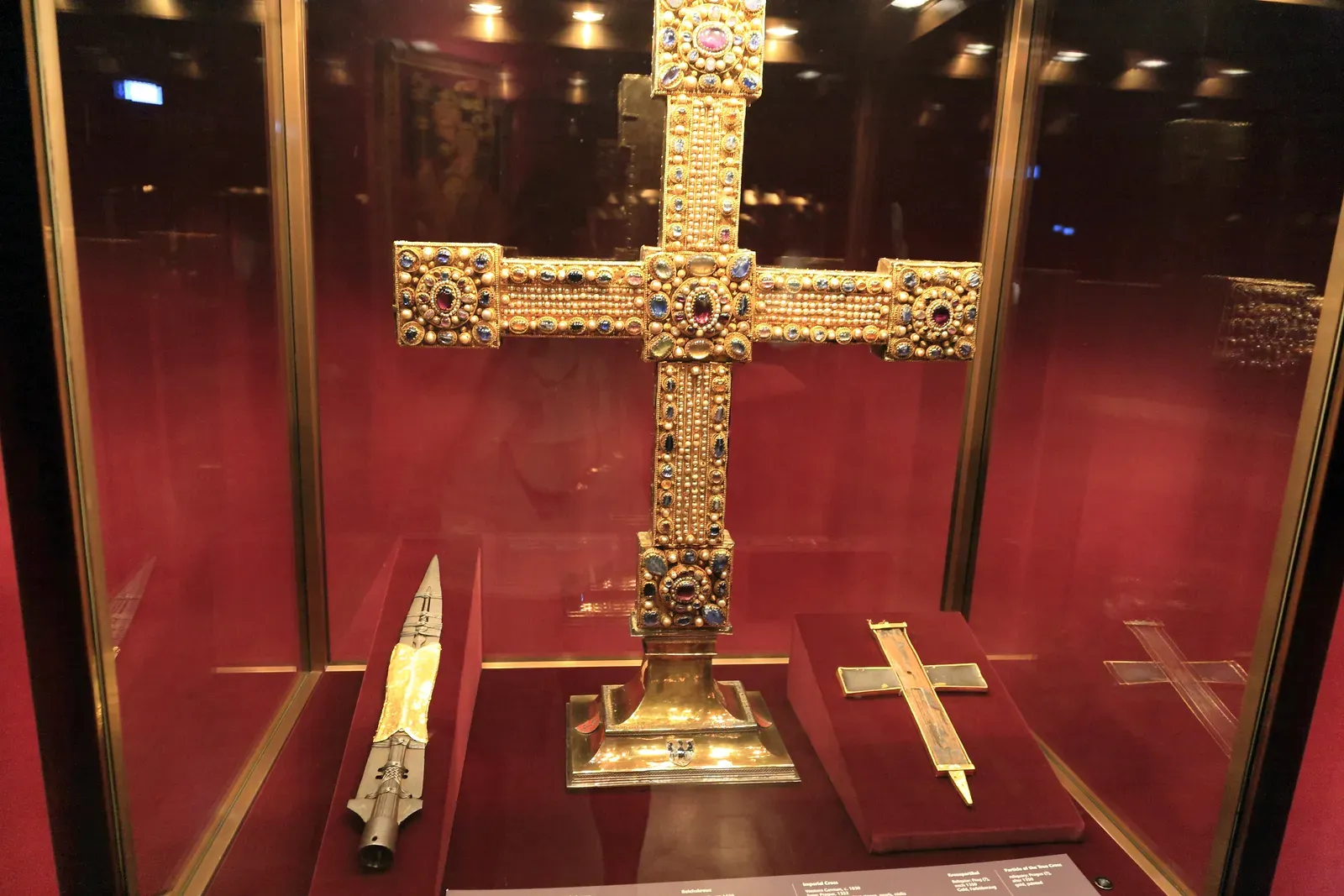
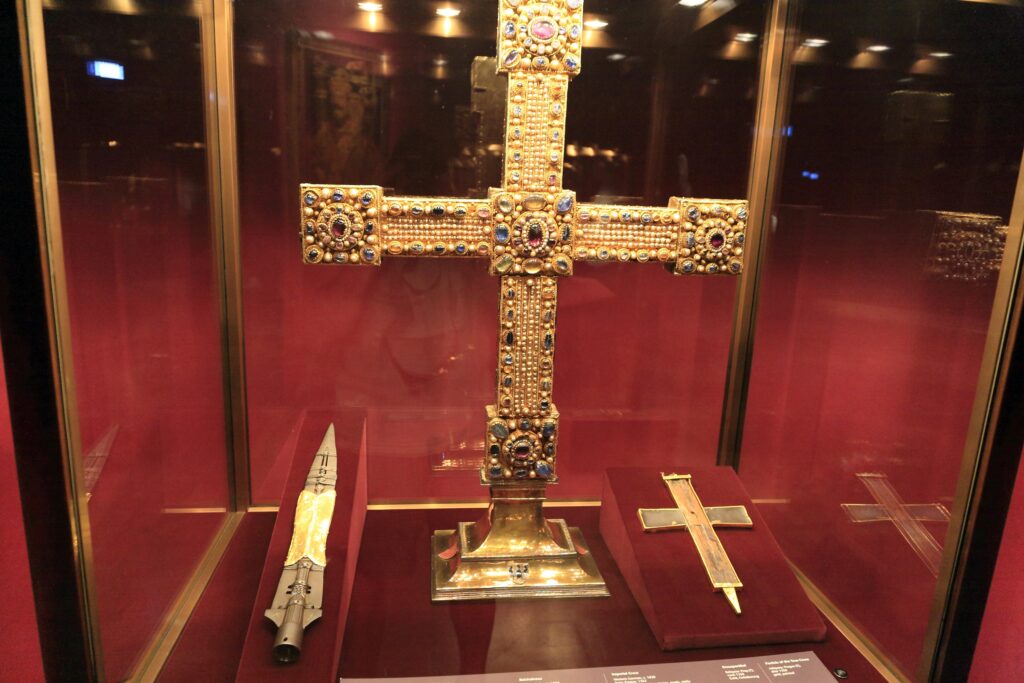
Legend claims this spear pierced the side of Christ at the crucifixion – but metallurgical testing tells a very different story. Housed in Vienna’s Hofburg Treasury, the Holy Lance has attracted centuries of mystical fascination, including bizarre 20th-century claims about its supposed power over history’s most notorious dictators.
Metallurgical analysis dated the spear’s construction to roughly the seventh century A.D., hundreds of years after the crucifixion it’s supposedly connected to. Multiple “Holy Lances” have historically existed across Europe simultaneously, each claimed by different churches or royal collections as the singular authentic relic. That overlapping multiplicity is itself one of the strongest arguments against any of them being genuine, since the historical crucifixion could only have involved one actual spear. But #15 involves a document that reshaped European power for 700 years…
#15 – The Donation of Constantine: The Forged Document That Ruled Europe
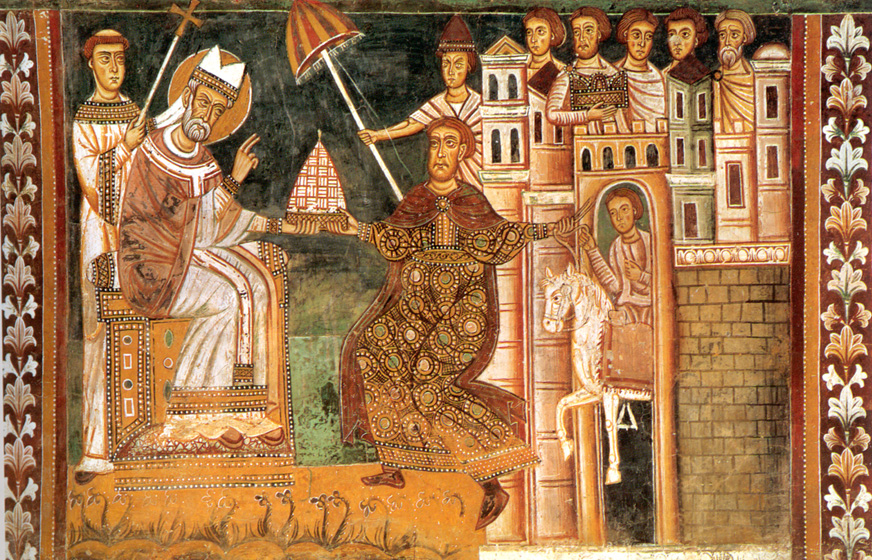
A single forged document convinced medieval Europe that the Roman Emperor Constantine had handed the entire Western Roman Empire to the Pope. Circulated from roughly the eighth century onward, it claimed Constantine granted the papacy authority over Rome and the western territories as thanks for a miraculous healing.
Popes cited it for centuries to justify political authority over kings and emperors, making it arguably one of the most consequential forgeries in Western history. Renaissance scholar Lorenzo Valla exposed it as fake in 1440 using textual analysis, proving the Latin style contained vocabulary and grammar that didn’t exist until centuries after Constantine’s reign. The exposure didn’t happen quickly, though – the Church kept referencing the document informally even after Valla’s analysis circulated among scholars. It’s proof that a convincing forgery doesn’t need physical materials to fool people; sometimes ink and confident authorship are enough. But #16 fooled paleontologists at a major scientific institution…
#16 – Archaeoraptor: The Dinosaur-Bird Fossil That Embarrassed National Geographic
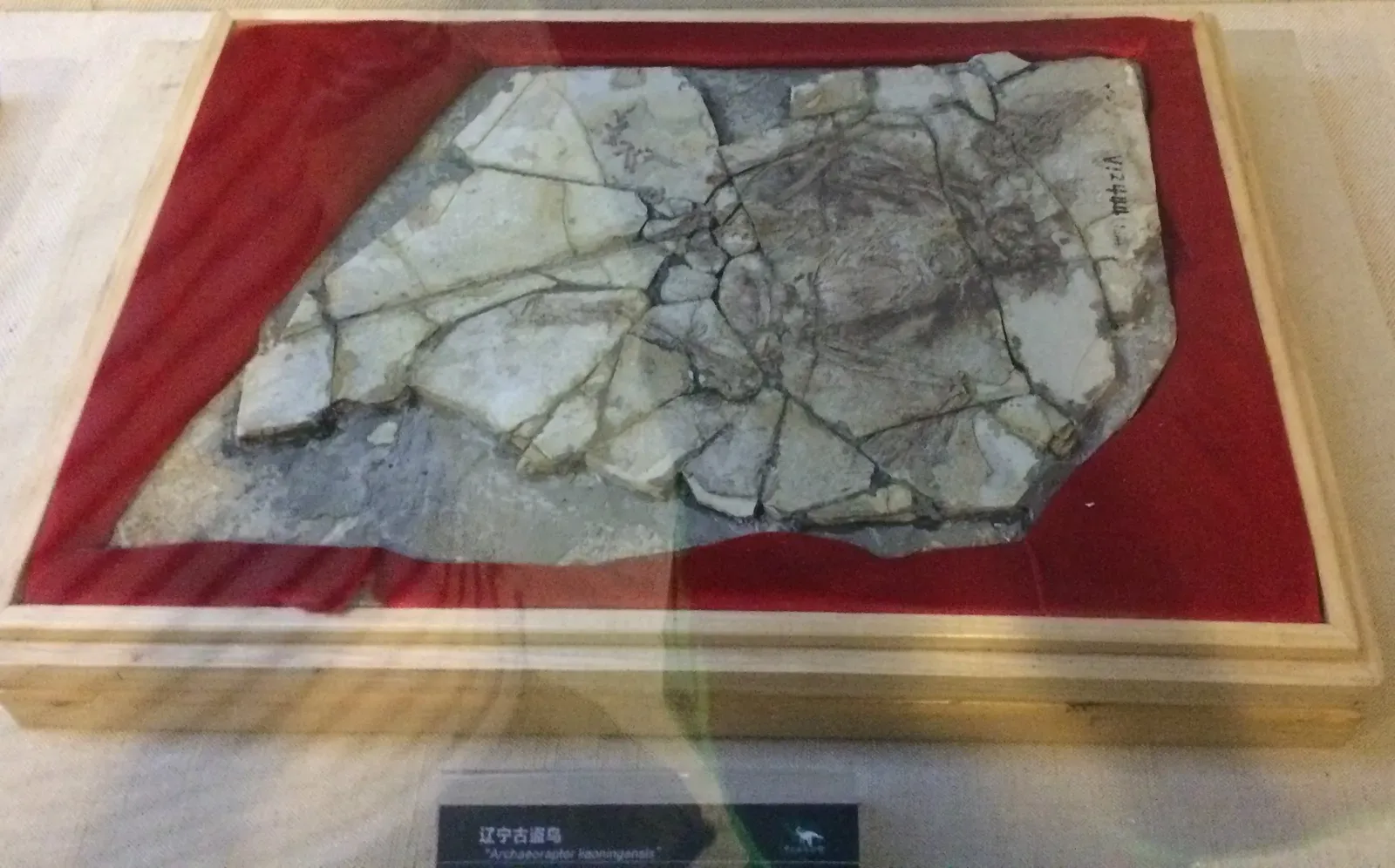
In 1999, National Geographic promoted a fossil supposedly proving the missing evolutionary link between dinosaurs and birds – before discovering it had literally been glued together. The fossil, purchased from a dealer in China, appeared to show a creature with a bird-like upper body and a dinosaur tail, seemingly confirming a major evolutionary transition.
Paleontologists worldwide got excited before independent researchers noticed the slab looked suspiciously composite. CT scans revealed the fossil was assembled from at least two, possibly more, unrelated specimens glued together to create a more dramatic “missing link” appearance. National Geographic issued a public retraction, an unusually humbling moment for one of science journalism’s most trusted institutions. The scandal didn’t erase real evidence for dinosaur-bird evolution, but it did badly damage trust in fossils purchased through unregulated black-market channels. But #17 was designed purely to entertain paying crowds…
#17 – The Fiji Mermaid: P.T. Barnum’s Grotesque Masterstroke
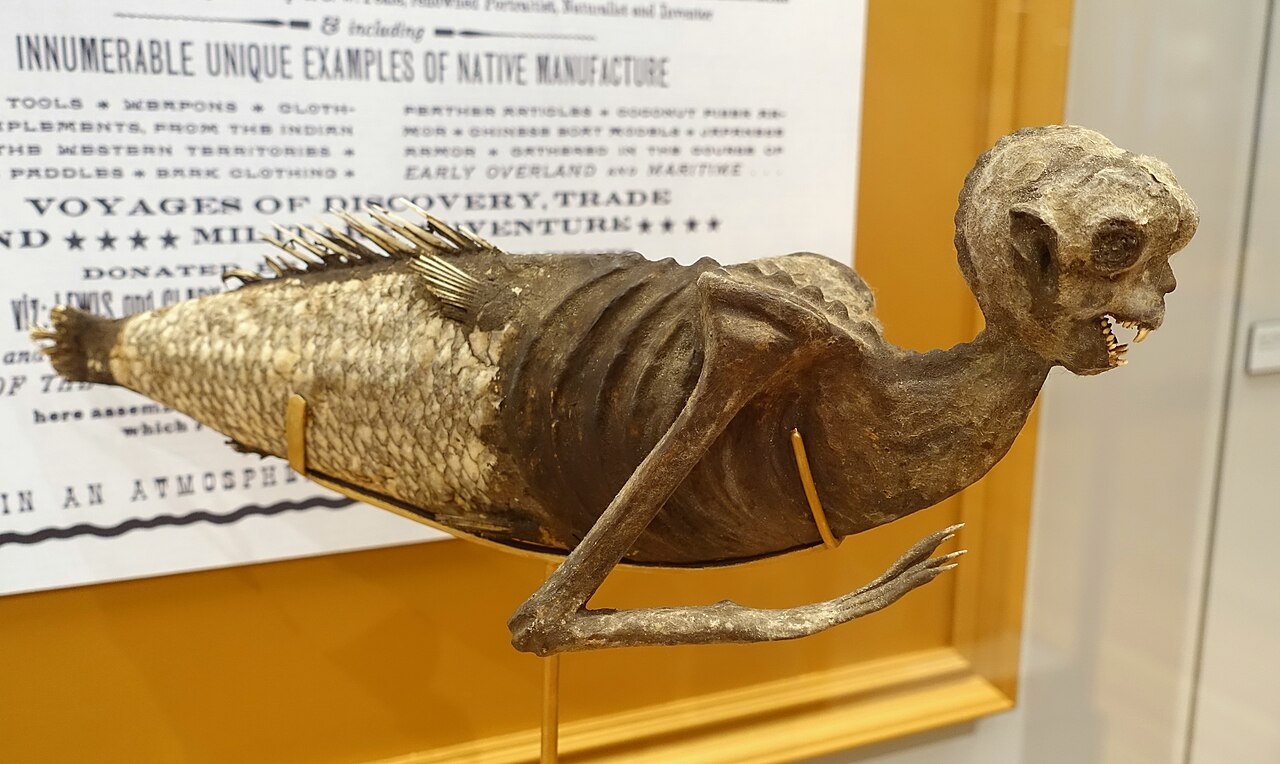
Barnum’s most famous sideshow attraction wasn’t a mermaid at all – it was the top half of a monkey stitched to the tail of a fish. Displayed throughout the 1840s, the “Feejee Mermaid” drew massive crowds curious to see supposed proof of mythical sea creatures. Barnum leaned heavily into manufactured mystery, hiring people to write fake scientific-sounding letters debating its authenticity before it ever went on public display.
The construction was crude by modern standards – visible stitching, an obviously shrunken monkey torso, and a mismatched fish tail – yet audiences paid anyway, driven more by curiosity than genuine belief. It remains one of the most honest hoaxes on this list, since the showman basically told everyone the game from the start and let people enjoy being fooled anyway. But #18 was presented as ancient Hebrew evidence in rural Tennessee…
#18 – The Bat Creek Stone: “Ancient Hebrew” Evidence With a Modern Twist
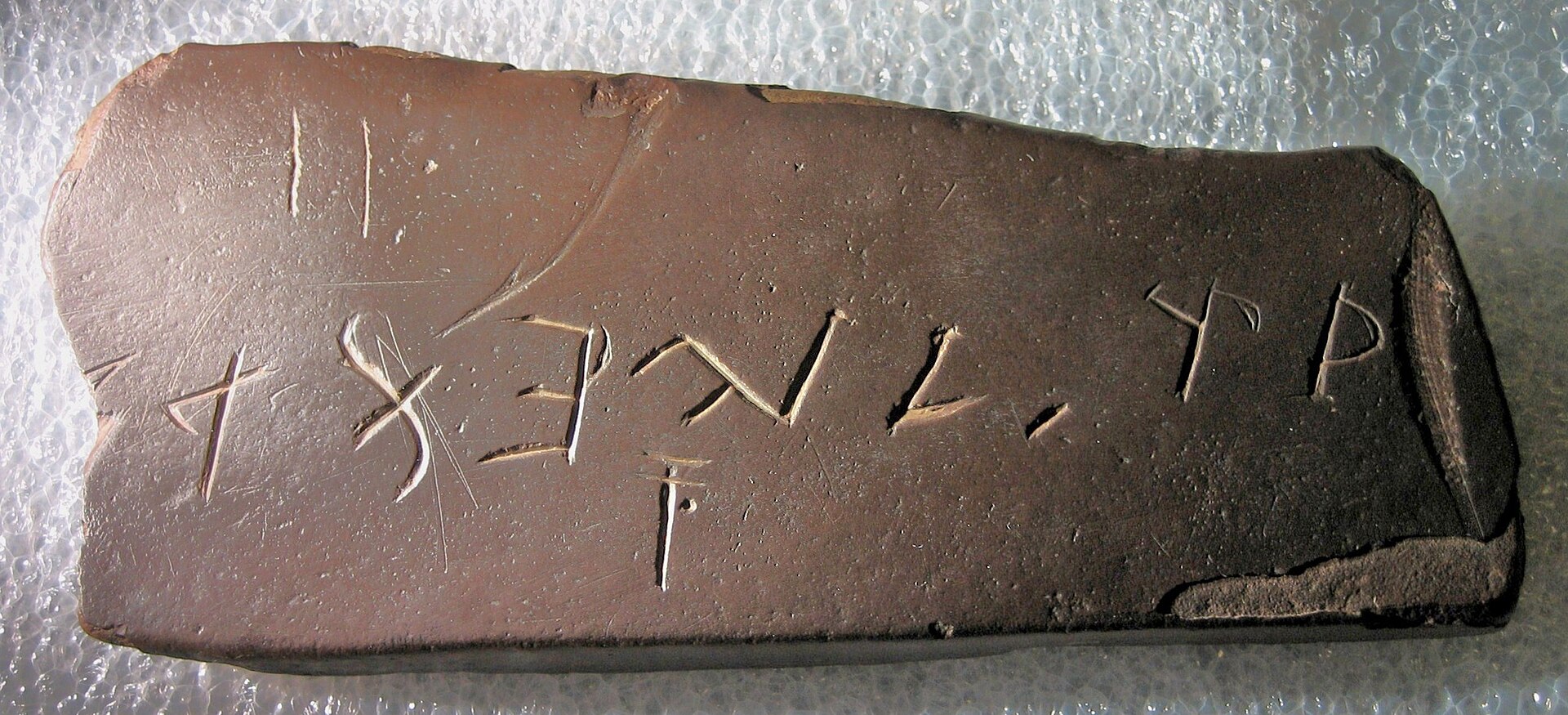
An inscribed stone found in a Tennessee burial mound was once presented as proof of ancient Hebrew contact with pre-Columbian America. Excavated in 1889, the stone featured lettering initially interpreted by some researchers as ancient Hebrew or Phoenician script, fueling theories about lost tribes reaching North America centuries before Columbus.
Later paleographic analysis found the inscription more closely resembled 19th-century Freemasonry symbolism than any authentic ancient Semitic script, undermining the original translation entirely. Critics also questioned the excavation’s documentation, noting inconsistencies in how and where the stone was reportedly found within the mound. Mainstream archaeologists now widely regard it as either a period hoax or a significant misreading, though it remains a favorite citation in fringe archaeology circles despite decades of academic pushback. But #19 fooled an entire religious community for generations…
#19 – The Kinderhook Plates: Brass “Ancient Records” With a Confessed Origin
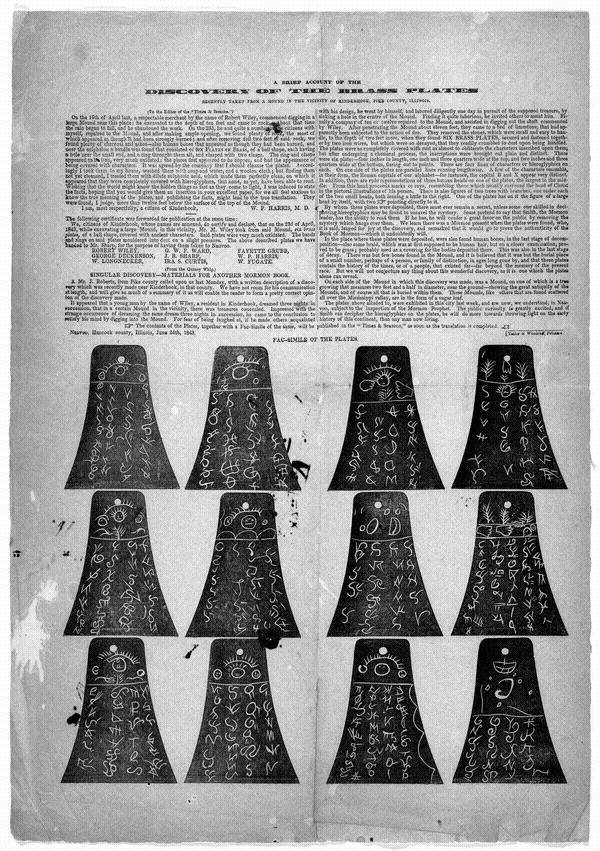
Six engraved brass plates found in an Illinois burial mound in 1843 were presented as ancient records – until one of the men involved confessed to fabricating them. The plates featured unfamiliar characters and were brought to religious leaders of the era, who examined and partially translated portions of the inscriptions, lending them credibility within certain communities.
Decades later, one of the original discoverers admitted the entire find had been staged, describing how the plates were manufactured and artificially aged before being “discovered” as a prank targeting prominent believers. Modern metallurgical testing on surviving plates confirmed 19th-century manufacturing techniques inconsistent with any ancient origin. The episode became a widely cited case study in how quickly enthusiasm for “proof” can override basic scrutiny, especially when a discovery seems to validate deeply held beliefs. But #20 involves mysterious stones that supposedly rewrote American history…
Worth Knowing
- Confessions – not just science – cracked open several hoaxes on this list, including the Ica Stones, the Cardiff Giant, and the Kinderhook Plates
- Modern testing methods like fluorine dating, isotope analysis, and electron microscopy exposed forgeries that had fooled the naked eye for decades
- Several fakes, including the Kensington Runestone and the Bat Creek Stone, still attract passionate defenders despite firm scholarly consensus
#20 – The Newark Holy Stones: Ohio’s Controversial “Biblical” Artifacts
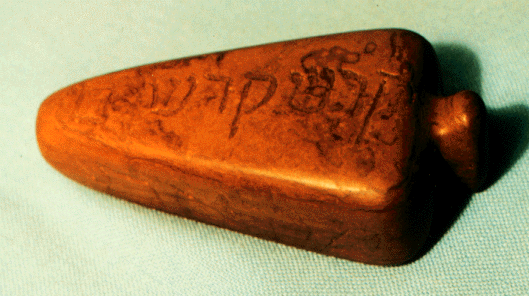
A set of inscribed stones found in Ohio burial mounds seemed to link ancient Hebrew culture to prehistoric Native American earthworks – a claim archaeologists still largely reject. Discovered in the mid-1800s at the Newark Earthworks, the stones bore Hebrew inscriptions and were promoted by some as evidence of ancient Israelite migration to North America.
Skeptics noted the discoverer had a documented history of prior hoaxes, and the Hebrew lettering style matched printed Hebrew fonts from contemporary 19th-century texts rather than ancient script variants. The stones’ discovery context was also poorly documented compared to legitimate archaeological finds from the same earthworks complex. While a small number of researchers still argue for authenticity, the overwhelming mainstream consensus treats the stones as a mid-19th-century fabrication tied to contemporary religious debates – and they still spark arguments between believers and skeptics more than 150 years later.
The Bottom Line
Here’s the uncomfortable truth: prestige doesn’t equal proof. Museums, magazines, and even respected scientists have been fooled by forgers who understood one simple thing – people want to believe in missing links, holy relics, and lost civilizations. From Piltdown Man’s 41-year deception to the Getty Museum’s still-unresolved kouros, the pattern repeats constantly.
The common thread isn’t stupidity; it’s wishful thinking overriding skepticism. Frankly, if institutions with unlimited funding and lab access can get fooled this badly, the rest of us should probably be a little more skeptical of “priceless ancient artifacts” too. Which of these surprised you the most? Drop your pick in the comments.