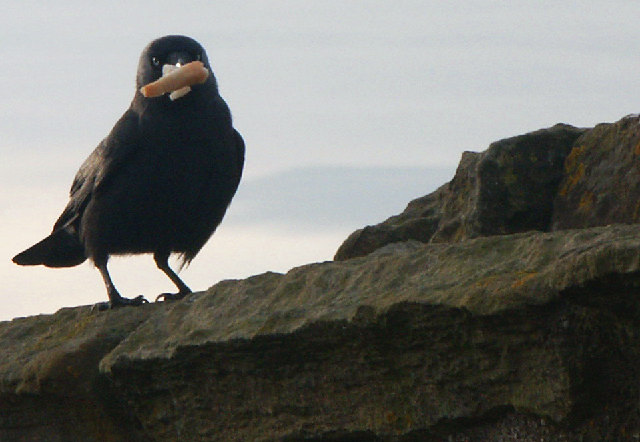

Imagine stepping outside with a handful of peanuts, looking up at a scruffy black bird on a wire, and realizing that, in its own way, it remembers you. Not in the vague, instinctive way a squirrel might remember where a food source is, but in a focused, almost personal way: who you are, what you did, and whether you treated it fairly. For many people who feed crows, that strange moment comes when a bird leaves a small object behind – a shiny screw, a candy wrapper, a smooth pebble – placed where only that human is likely to notice. It feels uncanny, even a little emotional, like being acknowledged by something we were taught is “just an animal.”
Psychology and animal behavior research suggest that this is not random charm or mystical symbolism. When a crow repeatedly receives food from the same person and then appears to “gift” that person something in return, it is very likely we are watching a real reciprocity system at work. Underneath the feathers is a brain wired for social memory, reputation tracking, and tit-for-tat exchanges – capacities that most species on Earth simply do not display. That does not make crows little humans in costume, but it does mean that brushing off these interactions as coincidence or mere superstition badly underestimates what these birds are actually doing.
Crows Remember Faces, Not Just Places
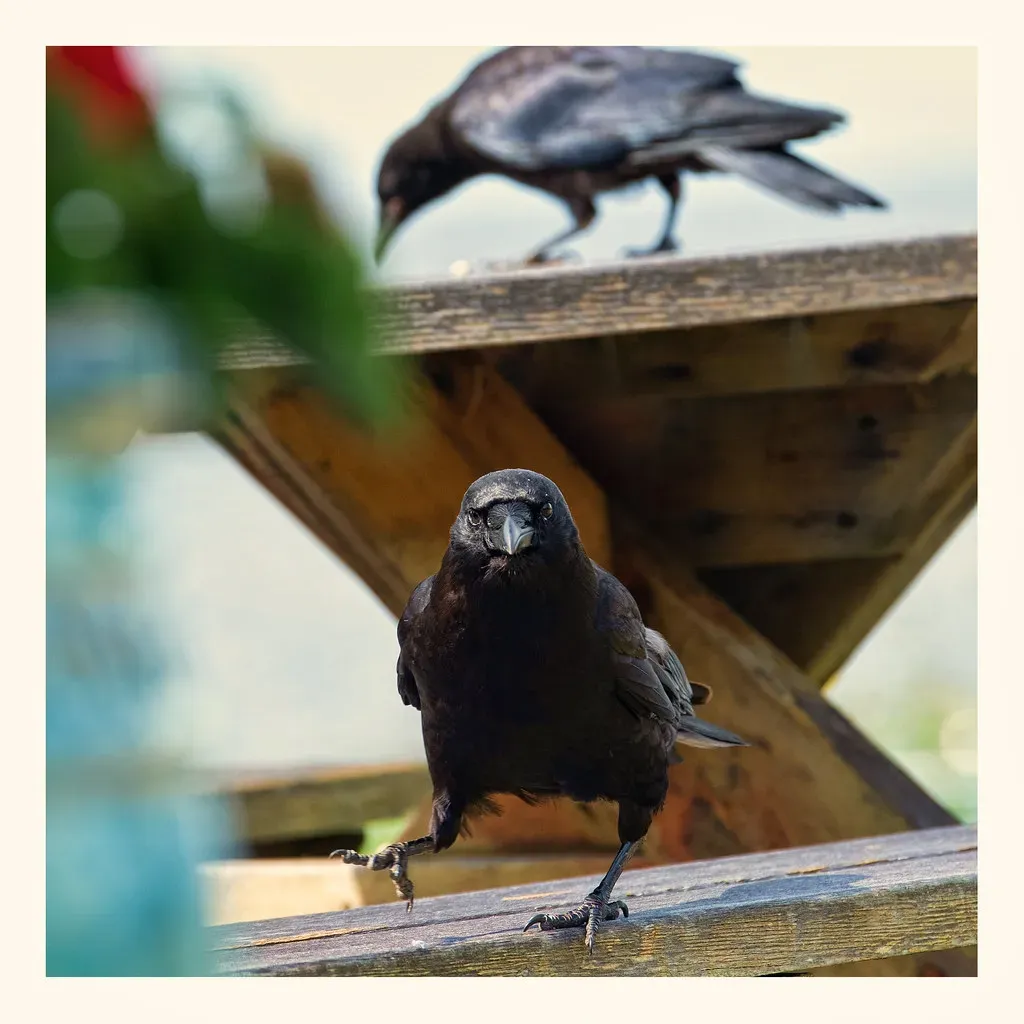
One of the most astonishing things about crows is that they do not just remember locations where food appears – they remember specific people. Research has shown that crows can recognize individual human faces, distinguish between people who treated them well or badly, and respond differently to each over very long periods of time. This is not simple conditioning to a coat color or a particular hat; when people change clothes, the crows still track who is who, which suggests they are building a mental catalog of human identities.
Think about what this means for that “crow gift” scenario. The bird is not just returning to a random yard; it is returning to your yard because you, in particular, have been a reliable source of food. In psychological terms, the crow is linking your face and your behavior with a stable expectation: this person feeds me. When it later drops an object in your space and hangs around watching you notice it, that behavior is sitting on top of this rich memory trace. It is using social information, not just spatial information, and that is a massive cognitive leap beyond what most wild animals ever demonstrate.
Reciprocity Requires More Than Instinct
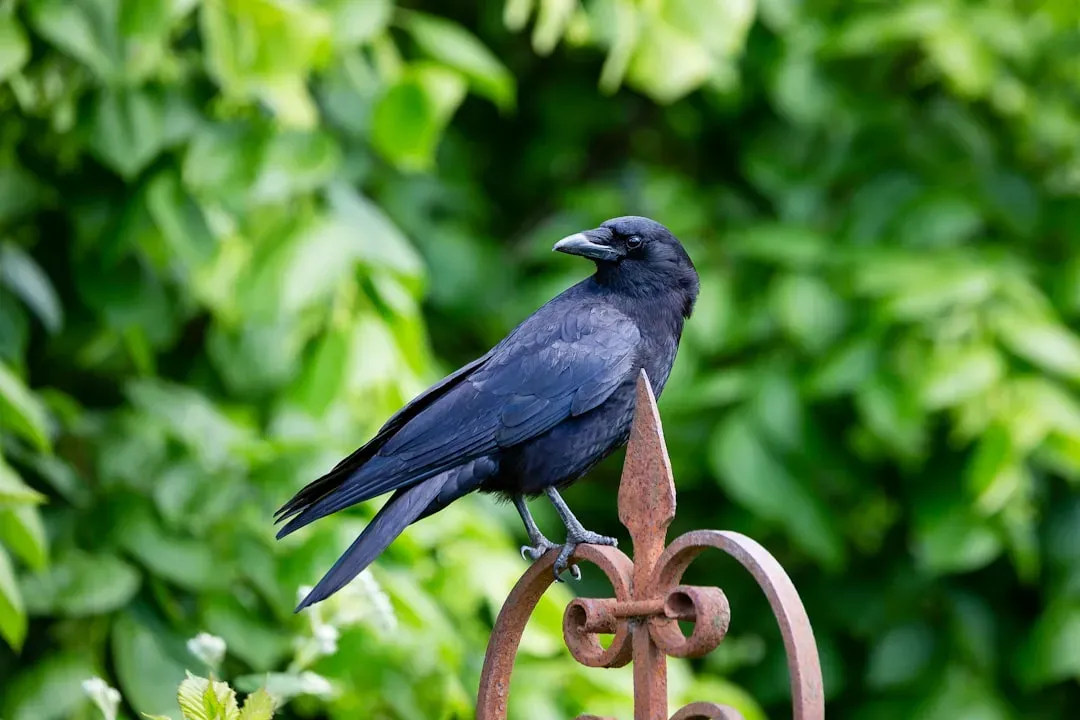
Reciprocity, in its basic form, is simple: you did something good for me, so I will do something good for you. But in practice, this is one of the most cognitively demanding social strategies in the animal world. You have to remember who helped you, when they helped you, and in what way; you also have to track who cheated you, ignored you, or harmed you. Many species can respond in the moment to danger or kindness, but only a smaller subset can store that information and let it shape their future behavior.
Crows appear to sit firmly in that more sophisticated camp. Their responses to individual humans are not just knee-jerk reactions; they are adjusted over time, like a mental ledger. A person who fed them weeks or months ago can still be treated favorably, while someone who once threatened them may be mobbed or alarm-called long after the event. That kind of storage and retrieval of social experiences is the foundation that makes any consistent gift-like response possible. Without it, there is no stable “you fed me, I respond to you later” pattern – only short-term, reactive behavior that would not explain repeated, targeted exchanges.
Gifts or Misplaced Objects? Why Intent Still Matters
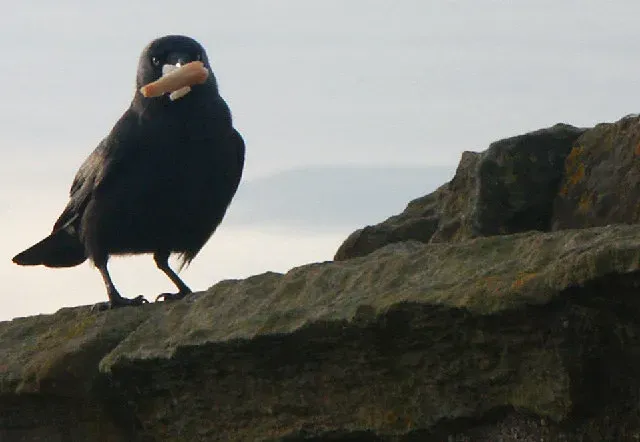
It is completely fair to be skeptical of the idea that crows are consciously “thanking” people with presents the way a human child might. Sometimes, a crow might simply be playing with an object, dropping it, or caching it, and a human happens to find it later and invents a story around it. Not every shiny thing near a bird feeder is the result of deep, deliberate reciprocity. From a scientific perspective, we have to admit that the line between “gift” and “accident” is not always easy to draw.
But here is where patterns matter. When the same crow or family group repeatedly brings items and leaves them in the same place where a specific human regularly stands, watches that human discover the objects, and continues to return only when that person is around, the “random accident” explanation begins to look weak. The safer, grounded conclusion is this: crows are likely engaging in behavior that is at least partly shaped by positive reinforcement and social association. They are not wrapping presents, but they are running a behavioral loop where your consistent feeding changes what they do around you. That loop looks a lot more like intentional reciprocity than like pure chance.
Social Memory: The Hidden Engine Behind Crow–Human Bonds
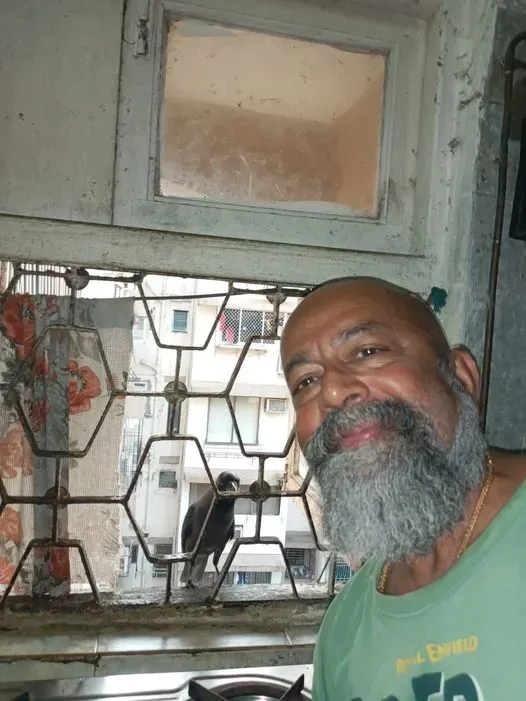
What really sets crows apart is not just memory in the basic sense, but social memory that is flexible and long lasting. They remember not only individuals, but also social contexts – who was dangerous, who was neutral, and who was rewarding. Studies have found that crows can hold these distinctions for years and even communicate information about dangerous humans to other crows that were never directly threatened. In other words, they do not just remember; they share reputations.
When you feed a crow regularly, you are quietly inserting yourself into that social memory system. You become part of its internal map of allies and threats. Over time, that relationship can get layered: your presence signals safety, your behavior predicts food, and your body language becomes familiar. All of that makes it more plausible that special behaviors – approaching more closely, calling when they see you, dropping or arranging objects – are responses grounded in a remembered social bond. Most animals never develop this kind of long-term, individual-specific memory for members of another species, which is exactly why crow behavior feels so strangely personal.
How Crow Reciprocity Compares to Other Animals
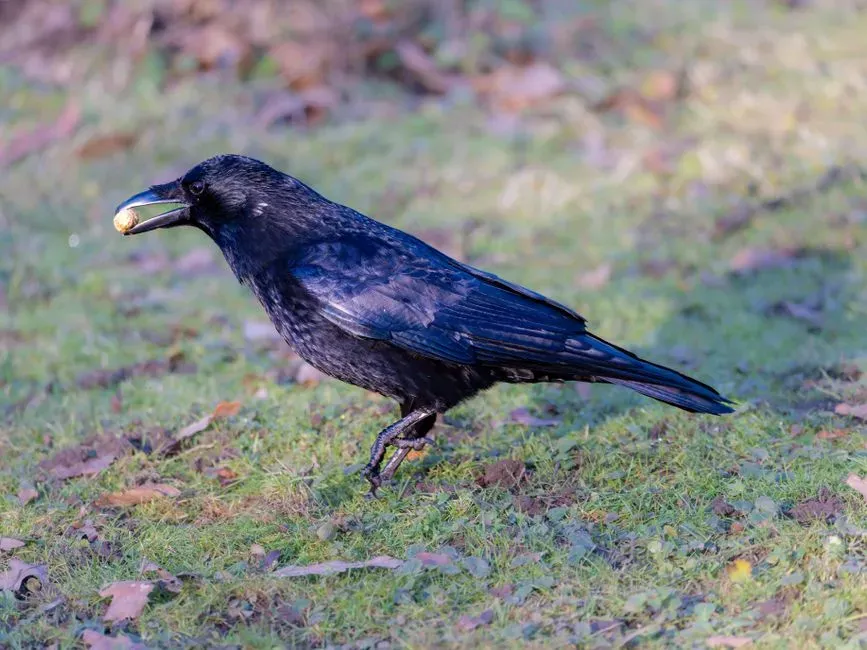
Very few species show anything like the complex, long-term reciprocity that crows appear capable of. Primates such as chimpanzees, some corvids like ravens and jays, and a handful of highly social mammals (including certain bats) engage in repeated exchanges that look like tit-for-tat cooperation. Dogs bond deeply with humans, but their reciprocity is heavily shaped by domestication and close daily contact, not by wild, independent choice. In contrast, crows are making these decisions without having been molded by thousands of years of breeding that favors human-friendly traits.
That difference matters. When wild crows repeatedly show up for a particular person, adjust their behavior around that person, and respond over long timescales based on past treatment, we are looking at something far rarer than a pet’s affection. We are seeing a wild animal voluntarily entering a durable exchange with a specific human. Many species can be trained, but very few will, on their own, keep a mental scoreboard of how another species has treated them and act accordingly. That is the quietly radical thing crows are doing, and it is why calling their behavior “just coincidence” falls so short of what the evidence suggests.
The Emotional Trap: Why We Feel So Much When Crows Respond
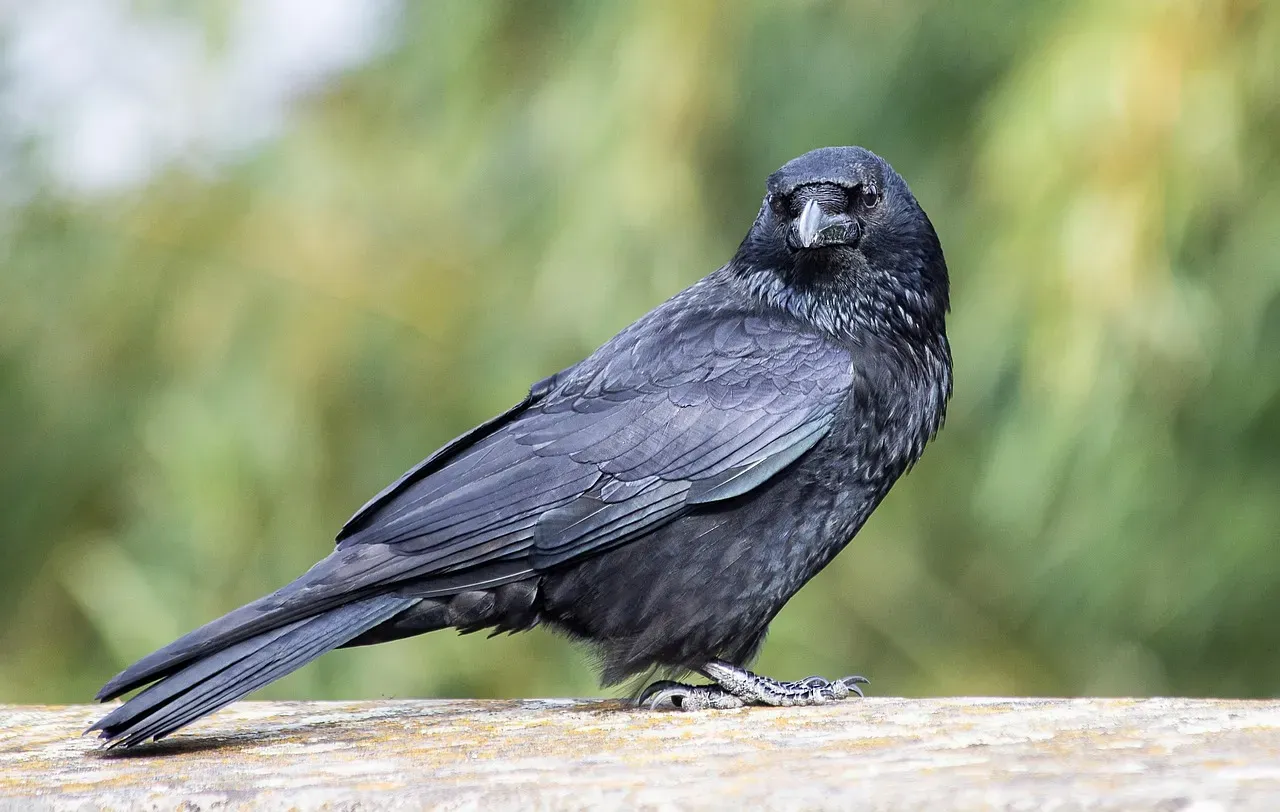
There is also a deeply human side to these interactions: we are wired to search for relationship and meaning, especially when another being seems to notice us as individuals. When a crow leaves a small object where you will find it, your brain does not just see a random trinket; it reads it as communication, as if someone slid a note under your door. That emotional hit – surprise, delight, maybe even a sense of being chosen – makes the experience unforgettable and easy to retell.
Psychologically, this can turn crow reciprocity into a kind of mirror. You start paying closer attention, looking for patterns, wondering if the bird is “trying to say something.” That heightened attention makes you a better observer, which in turn reveals more patterns in the crow’s behavior. The risk, of course, is over-interpretation. But the flip side is that our emotional response is not built on nothing. It is built on a real, observable fact: this animal remembers you, responds to you, and sometimes seems to go out of its way to acknowledge you. Our feelings simply rise to match the strangeness of that fact.
Feeding Crows Responsibly in Light of Their Intelligence
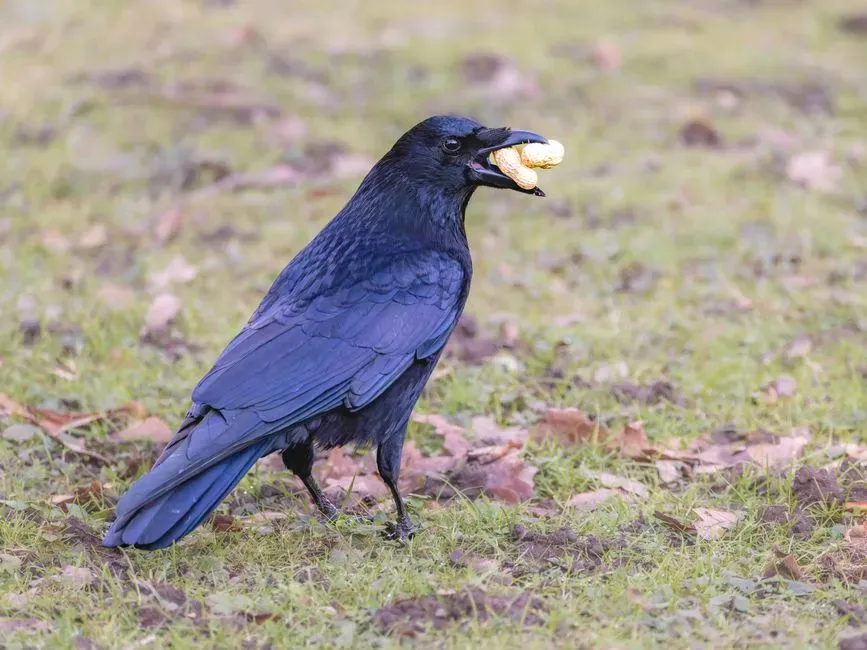
Once you accept that crows are not just random seed vacuums but intelligent partners in a loose social system, the ethics of feeding them change. If your behavior is shaping not only their bodies but also their expectations and social maps, then tossing scraps thoughtlessly is not harmless. Regular feeding can alter their movement patterns, influence which yards they frequent, and potentially create conflicts with neighbors or other wildlife. Treating them like they are mindless can push them into risky situations that a more careful approach might avoid.
A more respectful, psychologically informed attitude starts with moderation and predictability. Offer appropriate food in small amounts, avoid training them to depend entirely on you, and pay attention to whether their presence is creating tension or attracting predators. Recognize that you are not just giving snacks; you are participating, however informally, in a long-running social experiment between species. That experiment deserves some thoughtfulness, if only because the birds on the other end are clearly keeping track of what you do.
Conclusion: It Is Not Magic – It Is Memory, And That Is Better
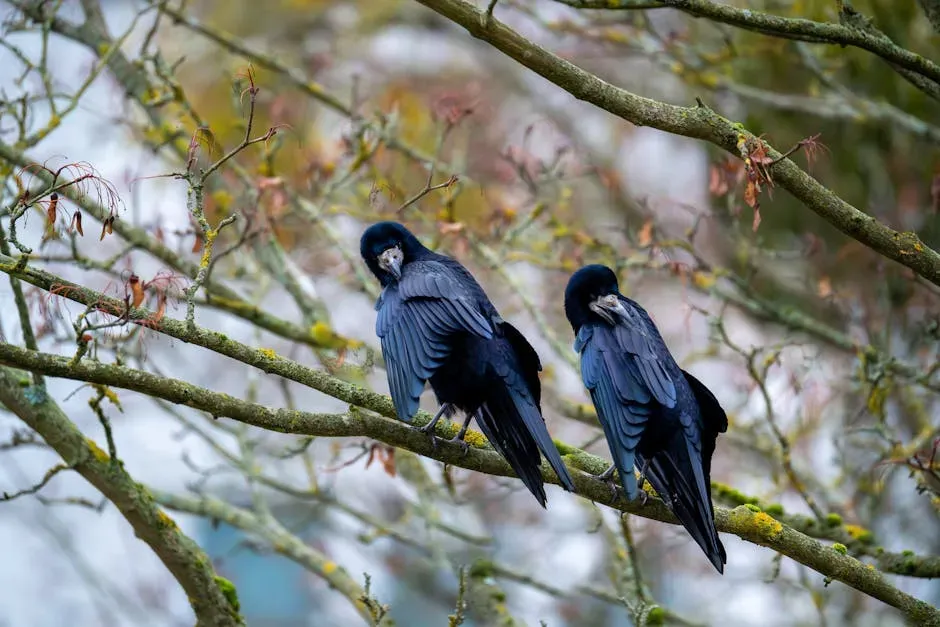
When a crow leaves something behind for a human who has fed it consistently, the least convincing explanation at this point is pure coincidence. The behavior rises out of a web of social memory, reputation tracking, and reinforcement that most animals cannot manage. Is it a thank-you note in the human sense? Probably not. But it is a visible trace of a reciprocity system running quietly in a bird’s mind – a system that remembers you, weighs you, and decides you are worth engaging with again.
That, to me, is more powerful than any mystical story. It means that on an ordinary sidewalk or back porch, a wild, un-domesticated creature is running an internal calculation that places you on the “ally” side of its social universe and occasionally acts in ways that reveal that inner ledger. Pretending it is all random does not make us more rational; it just makes us blind to how rare and astonishing that level of social memory really is. The real question is not whether crows are running a reciprocity system – they clearly are – but whether we are willing to admit that a black bird on a fence might remember us better than many humans do.