
Every now and then, archaeology stumbles on something that feels less like history and more like a science‑fiction plot twist. Stones that look as if they’ve been melted like glass, walls fused together as though hit by a blast furnace, floors that seem to have been flash‑baked in an instant rather than slowly fired over hours. When you remember that many of these sites date back thousands of years, long before blast furnaces, nukes, or industrial kilns, the obvious question is: what on earth happened here?
In this article, we’ll look at eight places where the evidence points to something more violent and more focused than an ordinary house fire or casual campfire. In most cases, mainstream explanations exist, but they often come with big caveats, unanswered questions, or a nagging sense that the puzzle is not quite solved. I am not going to claim aliens, ancient nukes, or secret lost super‑civilizations – but I am going to be honest about where the data gets weird, where natural explanations are stretched thin, and why some archaeologists quietly admit that a few of these sites still keep them up at night.
1. The Vitrified Hillforts of Scotland
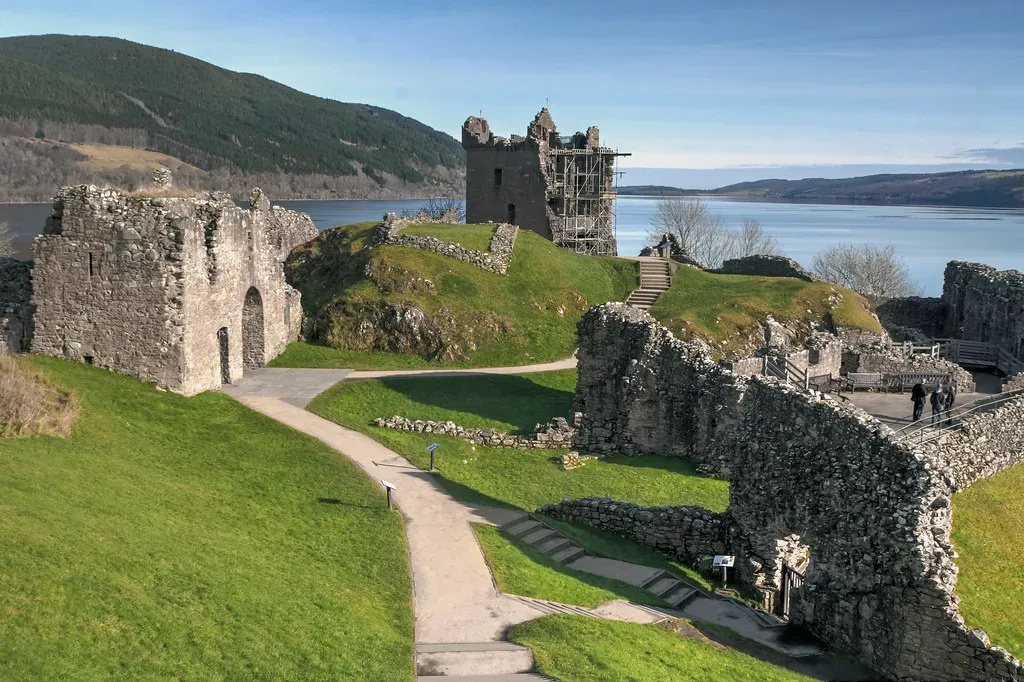
Scattered across Scotland are the remains of Iron Age fortifications whose stone walls have been partly melted into glassy, fused masses. These “vitrified forts” show stones softened, slumped, and welded together, in some places with drips and flows that look eerily like cooled lava. To do that to granite, basalt, or similar rock, you need temperatures comparable to those in a modern high‑temperature kiln – far beyond what an open wood fire normally produces in the wild.
Here is where the mystery kicks in: no one has convincingly demonstrated a realistic way that people with Iron Age technology could have vitrified entire sections of thick stone ramparts on exposed hilltops. Experimental archaeologists have tried building massive timber frameworks, piling in fuel, and burning them for hours, and while they can heat and crack stone, getting sustained, even temperatures high enough to truly melt and fuse rock remains extremely difficult. The dominant theories – intentional strengthening, destructive warfare fires, or accidental runaway blazes – are all possible but feel like they are fighting the physics, and some forts show vitrification patterns that look curiously selective rather than the chaotic mess you’d expect from a simple, uncontrolled inferno.
2. Alésia and Other Continental Vitrified Forts
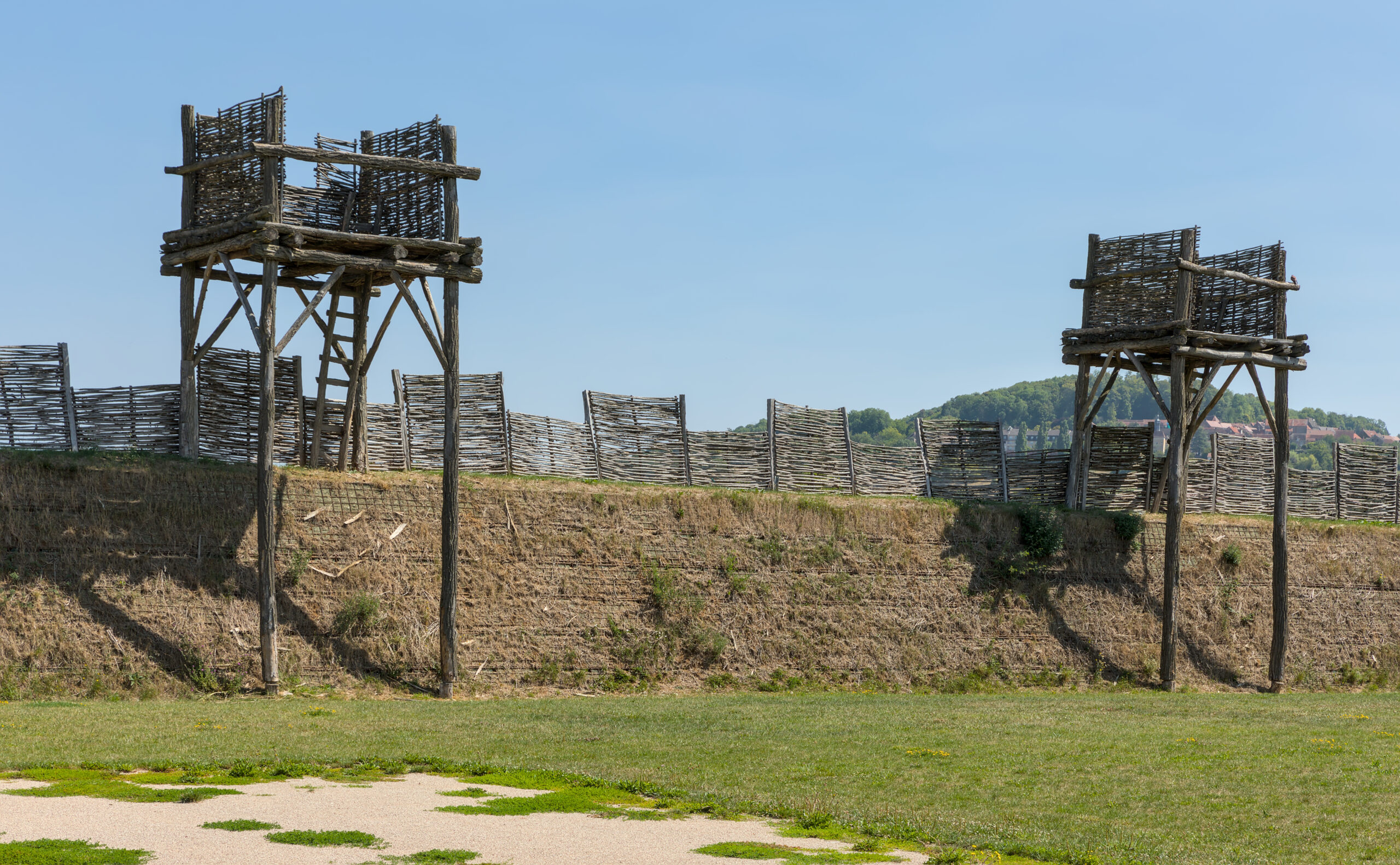
Scotland is not alone. On mainland Europe, including sites in France such as the oppidum sometimes associated with Alésia, archaeologists have found sections of ramparts where stones are partially glassy and fused. Again, we see localized heat damage: some walls look almost untouched, while adjacent stretches show rock that has clearly undergone intense thermal stress. It is not a slow weathering process; you do not get glassy, bubbled textures from rain and frost. You get that from heat so fierce it fundamentally reorganizes the stone.
What makes these continental examples even trickier is that they sometimes appear in complex, layered defenses with earth, timber, and stone. If these were simple defensive works burned in a siege, you would expect widespread charring and collapse, not carefully confined pockets of rock that look like they were caught in a blast zone. Archaeologists have suggested gigantic timber‑laced walls turning into giant bonfires, but the fuel requirements border on absurd, and the fire would have been disastrously uncontrollable. My own view is that we are probably looking at a mix of human‑caused fires and rare, extreme conditions – ferocious winds, concentrated fuel, and maybe even unusual atmospheric events – that we still have not fully reconstructed.
3. Mohenjo‑Daro and the Legend of Ancient “Blasts”
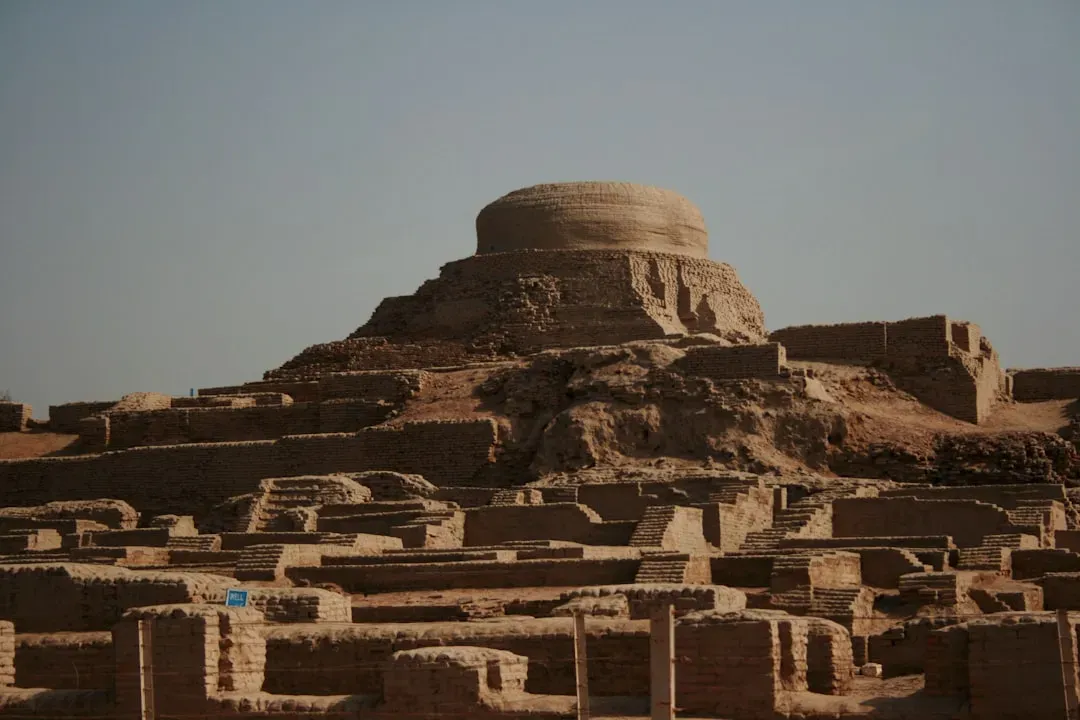
The ancient Indus Valley city of Mohenjo‑Daro in modern Pakistan has become famous in fringe literature for claims of bodies found “in the streets” and bricks supposedly fused by unimaginable heat, sometimes spun into stories of prehistoric nuclear wars. The actual archaeology is far more sober: there is no credible evidence of radiation spikes or anything resembling a nuclear detonation. However, there are layers of debris and destruction that show rapid burning, collapsed structures, and bricks that appear unusually fired or heat‑altered in localized patches.
What is genuinely interesting here is not the sensationalism, but the interplay between intense urban fires, tightly packed mudbrick architecture, and possibly extreme climatic conditions. In dense, multi‑story brick cities, fires can behave in ways that defy everyday intuition, creating pockets of very high temperature, almost like localized ovens. Even so, in a few areas the degree of brick hardening and deformation feels hard to reconcile with the relatively simple tools and fuels known from the period. The most likely explanation is a catastrophic urban fire supercharged by stored goods, timber, and possibly strong winds – but the fact that this site keeps getting pulled into wild theories hints at just how unsettling the evidence can look at first glance.
4. Jericho and the Collapsed, Burned Walls
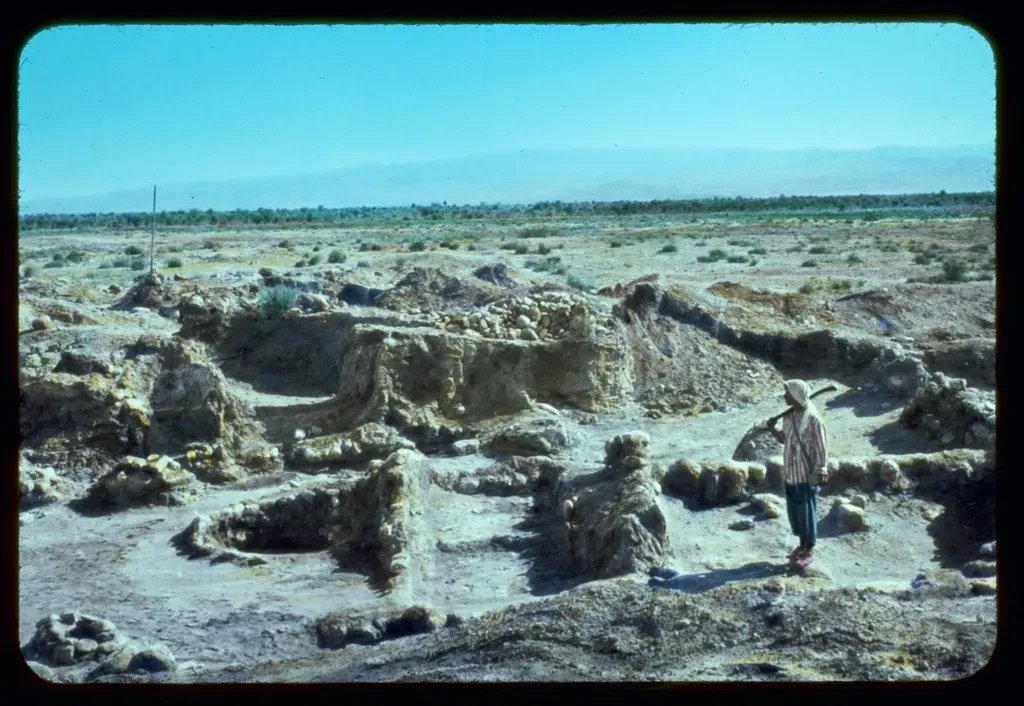
Jericho is often brought up in heated debates that mix archaeology, biblical narratives, and catastrophic destruction. Excavations have revealed massive city walls that show signs of sudden collapse and burning, with layers of ash and charred remains suggesting a violent end rather than a slow, peaceful abandonment. Some mudbricks appear almost over‑fired compared to typical construction, leading to speculation about intense, focused heating events during the city’s fall.
From a strictly scientific standpoint, we do not see glassy vitrification at Jericho like we do in Scottish hillforts, but we do see evidence of high‑temperature burning across surprisingly wide areas. One possibility is a perfect storm: an attacking army, deliberate burning of stored grain and timber, and strong desert winds whipping the flames into a kind of primitive firestorm. Modern urban fires have shown us that under the right conditions, temperatures can spike far beyond what a lone campfire could ever achieve. Still, the scale and intensity of the damage suggest that the people of Jericho experienced something far more terrifying than an ordinary siege with a few burning torches.
5. Tall el‑Hammam and the Hypothesized Cosmic Blast
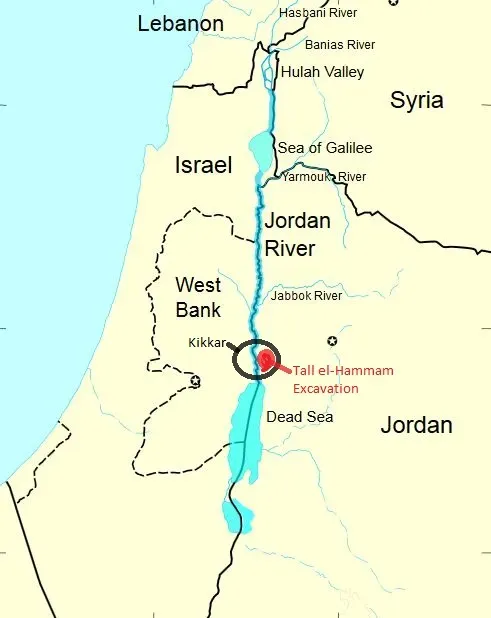
In recent years, a site in the Jordan Valley known as Tall el‑Hammam has grabbed attention because some researchers have argued it shows signs of a massive airburst or cosmic impact event. Excavations reported melted pottery, shocked materials, strange spherules, and surfaces that look as though they were flash‑heated in an instant. To produce those effects, you would need temperatures and energy densities that dwarf anything an ancient city could generate with wood, oil, and angry soldiers.
The proposed explanation is controversial: a Tunguska‑style airburst, where a comet or meteor explodes in the atmosphere, releasing a blistering shockwave and immense heat over a focused area. If that interpretation is right, then the people living there may have witnessed a literally sky‑born disaster that wiped out their settlement in moments. Critics argue that some of the evidence might be over‑interpreted or explainable by more mundane processes. Personally, I think Tall el‑Hammam is a perfect case study in how extreme natural events can mimic what, at first glance, looks like deliberate, impossible ancient technology – an unsettling reminder that the planet itself can be the most terrifying “weapon” in the story.
6. The Burned Bronze Age Cities of the Near East
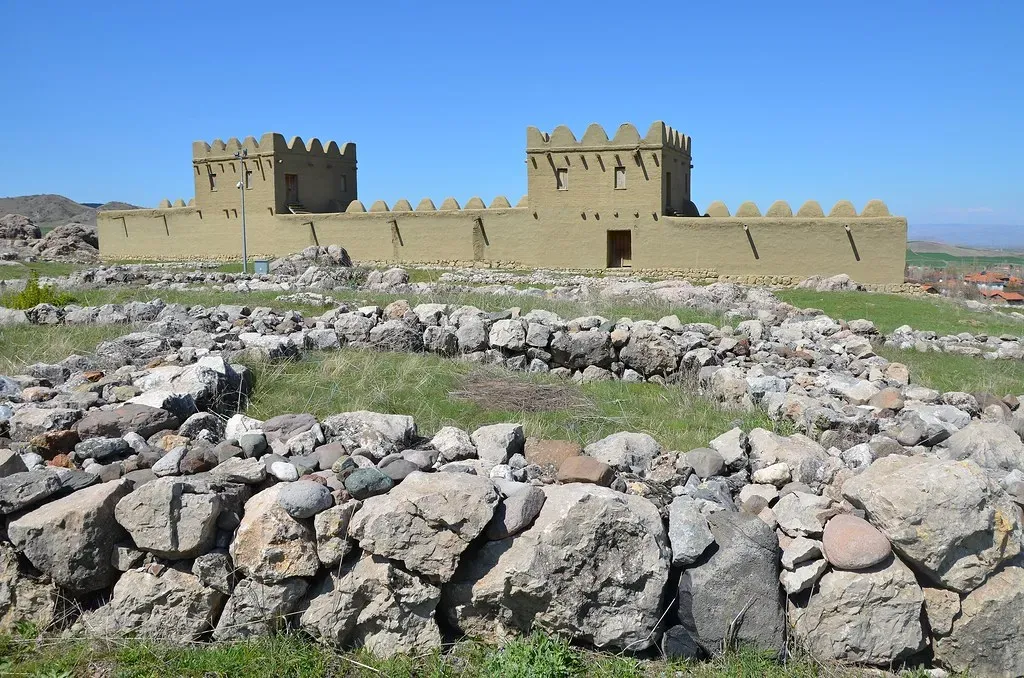
Across the Near East, from Anatolia to the Levant, archaeologists keep uncovering Bronze Age cities that ended in great sheets of ash, collapsed beams, and layers of intensely fired debris. Sites like Hattusa, Ugarit, and others show destruction horizons where mudbrick turns ceramic‑hard and roofing material is reduced to deep charcoal, with occasional patches of stone discolored by heat. These are not gentle, smoldering fires; they are city‑scale infernos that appear to have reached astonishing temperatures in localized zones.
When you look closely, it becomes clear that ordinary warfare plus wooden architecture can create terrifying, localized conditions, especially in enclosed courtyards and storerooms packed with flammable goods. Think of it like a series of medieval pizza ovens, but stacked, cramped, and multiplied by hundreds of buildings. Even so, in some destruction layers the heat seems oddly concentrated, with certain quarters scorched to an extreme while others not far away remain comparatively lightly damaged. For me, this raises an uncomfortable question: were we underestimating just how sophisticated ancient arson and siege tactics could be, or are we still missing some rare environmental ingredients – gale‑force winds, drought‑baked timber, or dust‑laden air – that occasionally turned human fires into something bordering on the catastrophic?
7. The Mysterious “Melted” Structures of the Mediterranean
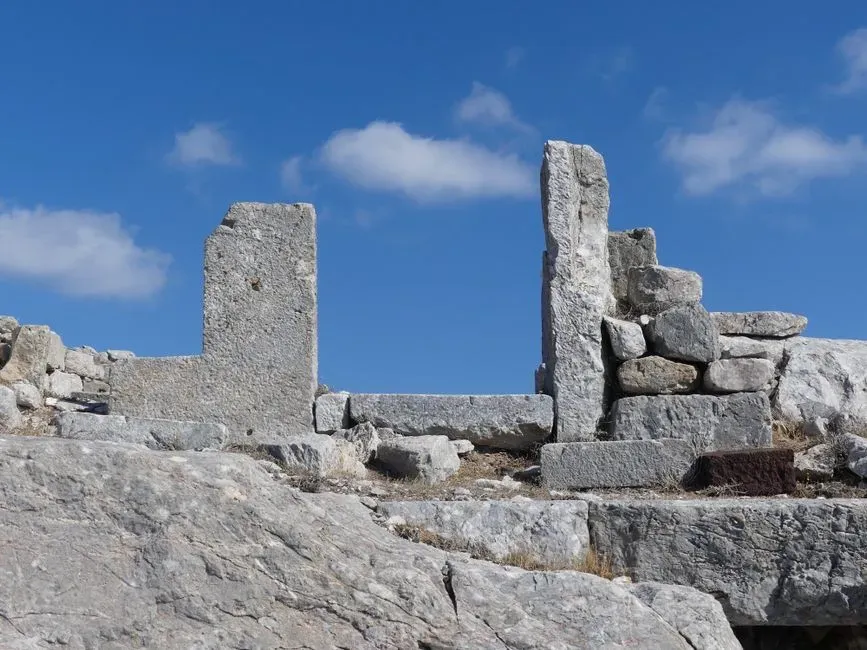
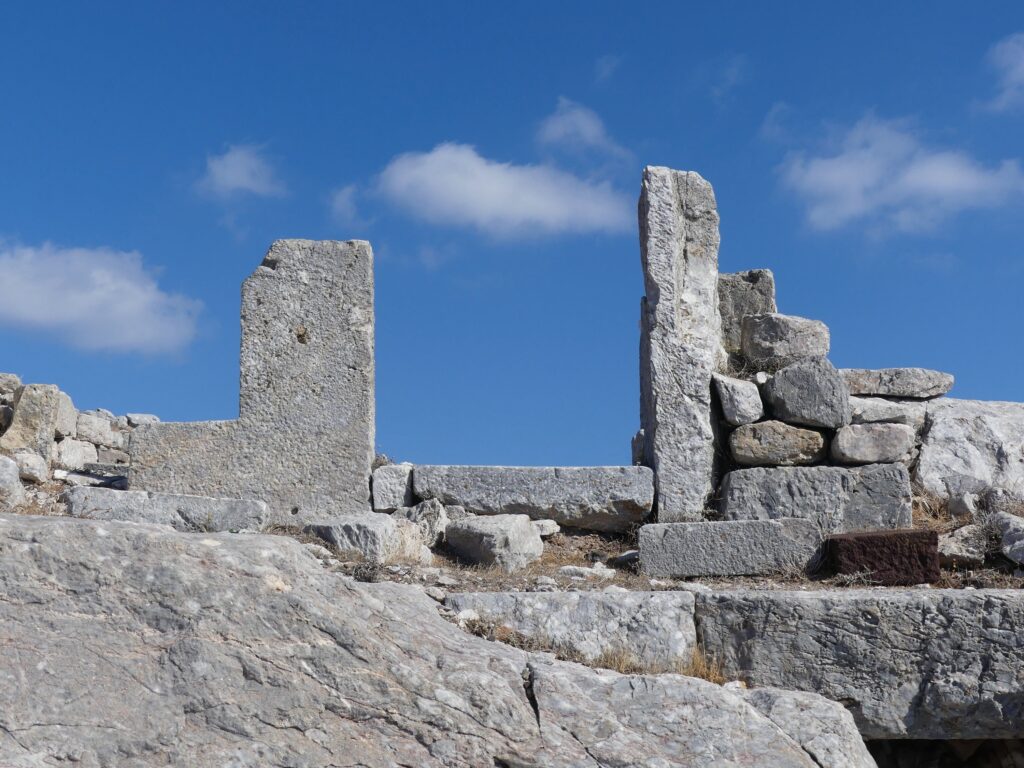
In a handful of Mediterranean sites, particularly in regions with volcanic stone or limestone, you find what look like partially melted blocks and surfaces subjected to extreme heat. Some Mycenaean and later fortifications show stones with strange glazing or spalling patterns that go beyond simple soot or surface discoloration. Under the microscope, certain rocks display micro‑fractures and recrystallization that usually only appear after intense thermal cycling, as if they had been put through an industrial oven instead of a simple campfire.
The puzzle is that we do not have direct evidence of furnaces or kilns big enough to treat massive wall stones on site, nor do we see clear signs of volcanic lava contact at many of these locations. Intense wildfires could play a role, especially when they rush up slopes and hit fortified acropolises, but even then, turning hard stone into something resembling partially melted cheese on a pizza takes more energy than a typical brushfire offers. My hunch is that in some cases we are seeing the combined fingerprints of repeated burning, seismic shaking, and long‑term weathering, but that explanation still feels like it is straining at the edges when you are staring at rock that looks like it once flowed.
8. Desert Glass and Scorched Surfaces in North Africa
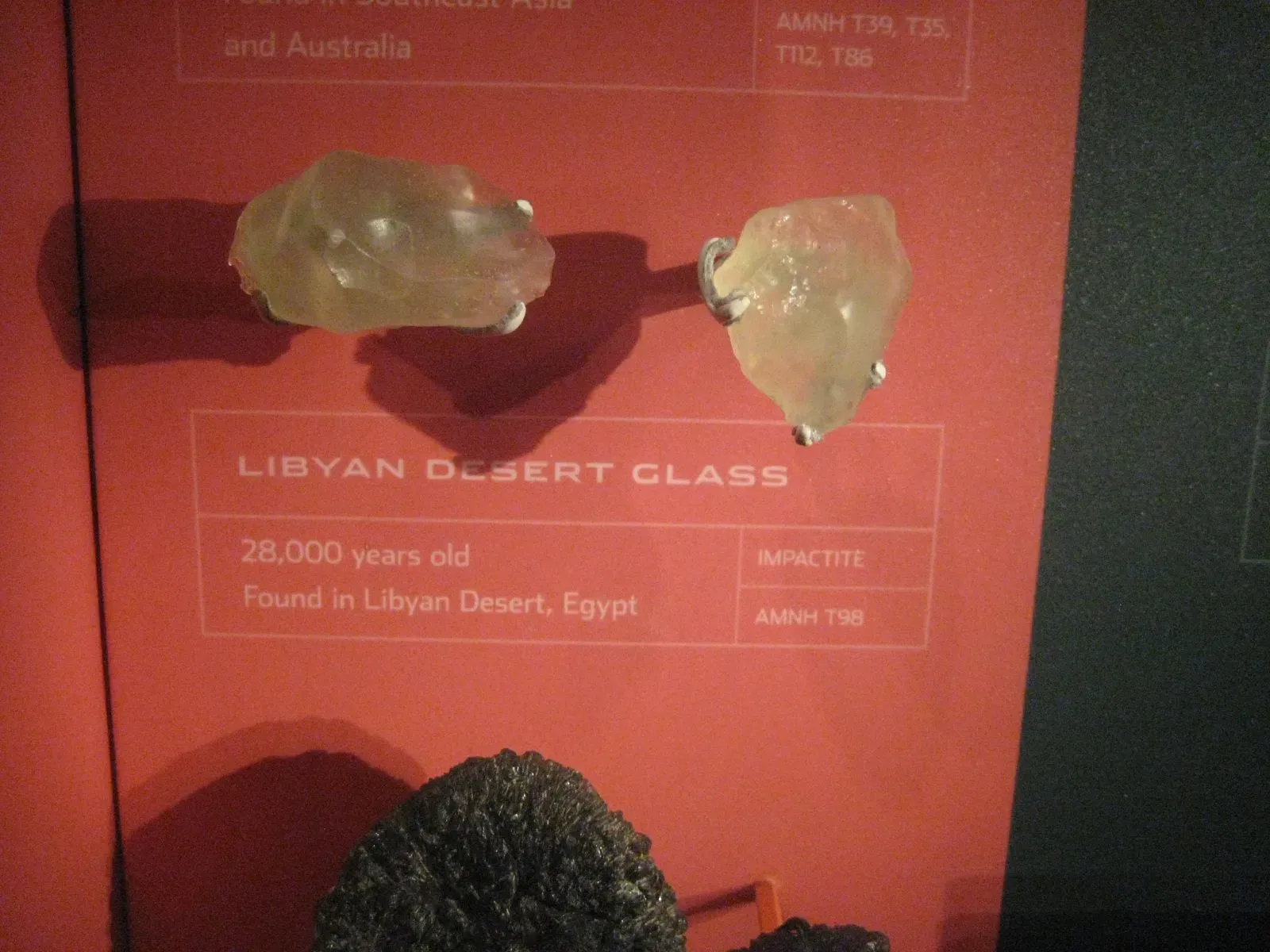
While not a “site” in the traditional sense of a city or fort, the famous patches of natural glass in the Sahara – often called desert or Libyan desert glass – sit right at the heart of the extreme‑heat mystery. Here, in some remote areas, sand has been transformed into pale yellow‑green glass, requiring temperatures higher than almost anything found in nature except volcanic activity, lightning strikes, or cosmic impacts. There are no nearby volcanoes to blame, and while lightning can produce fulgurites, the scale and purity of some of these glass fields suggest a far more energetic event.
The leading idea is that a large meteor exploded or impacted in the region in the deep past, flash‑melting surface sand and creating fields of glass that later cultures sometimes used for jewelry and ritual items. For ancient people stumbling across this material, it must have looked like the earth had been briefly turned into a molten sea. The reason I include it here is simple: it is a powerful, real‑world proof that nature can sometimes deliver highly localized, almost unimaginable heat, leaving behind physical traces that look uncannily like the results of advanced technology. When we see hints of similar processes at built sites, it is hard not to wonder how many stories of “impossible” ancient heat are really scars of rare cosmic incidents we have barely begun to catalog.
Opinionated Conclusion: Ancient Fire, Modern Assumptions
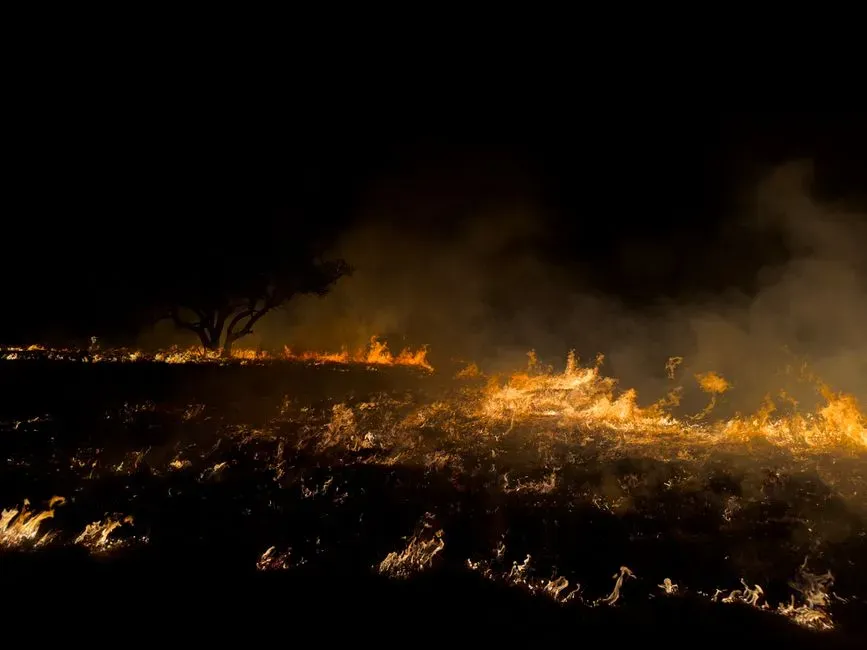
Looking across these eight examples, one thing stands out: our intuition about fire, heat, and destruction is shaped by everyday experience, not by the rare, brutal extremes that occasionally rewrite landscapes and civilizations. When we see vitrified walls or glassy sand, it is tempting to jump straight to lost technologies or science‑fiction solutions because they feel somehow more reasonable than a once‑in‑ten‑thousand‑years natural catastrophe or an urban inferno pushed beyond its limits by the perfect combination of fuel and weather. But the more we dig, the more it seems that ancient people lived at the mercy of a planet and a sky capable of producing energy spikes that we still struggle to model.
My own view is that most, maybe almost all, of these extreme heat signatures can be explained without invoking unknown ancient machines – but that does not make them any less astonishing. Instead of proving that people four thousand years ago had secret reactors, these sites remind us that they faced wildfires that burned like blast furnaces, sieges that turned whole neighborhoods into crucibles, and cosmic accidents that could erase a city in the time it takes to exhale. The real mystery, to me, is not whether they had impossible technology, but how many of their stories about fire from the sky, gods of destruction, and cities blasted in an instant were rooted in traumatic events we can only now begin to trace in stone and glass. When you look at the archaeological scars, do you still feel so sure you know what “normal” really looked like in the ancient world?