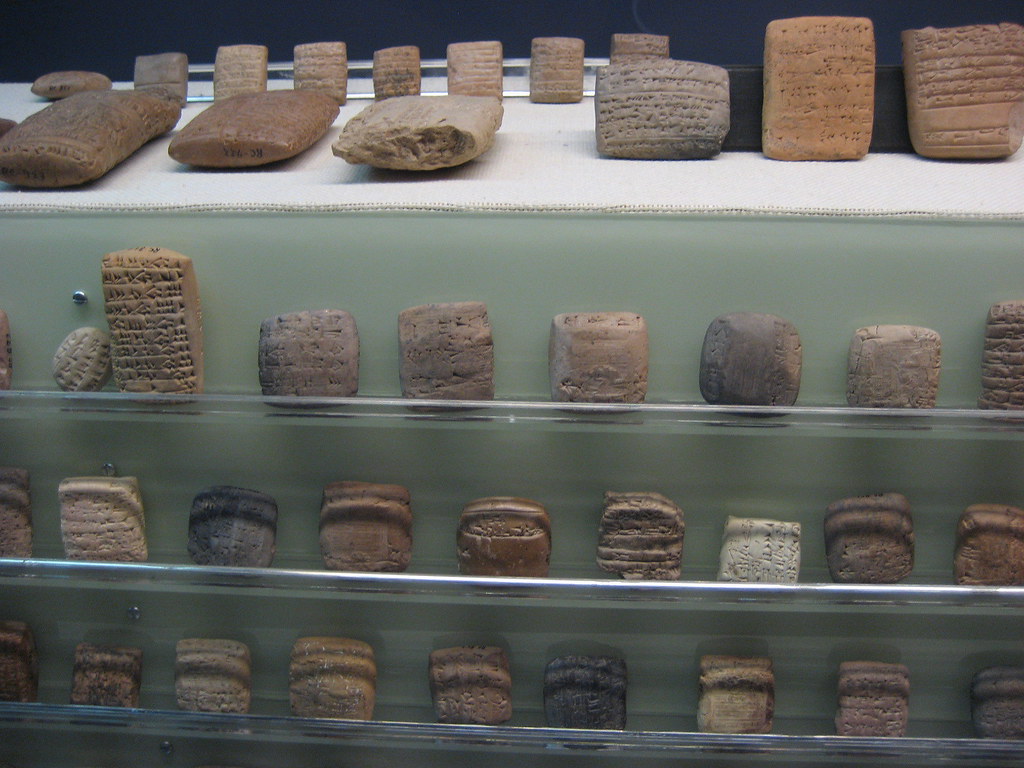

Imagine cracking open a clay tablet from more than four thousand years ago and realizing the people who wrote it were already thinking about pain relief, infections, and internal organs in ways that feel weirdly modern. That is the unsettling, exhilarating feeling scholars get when they read some of the medical-related texts from ancient Sumer and later Mesopotamian scribes who preserved Sumerian traditions. You can almost sense the shock: the techniques we often treat as products of the nineteenth century sometimes have roots stretching back to the world of mud-brick cities and reed styluses.
Now, to be clear, the Sumerians were not doing nineteenth‑century surgery in any one‑to‑one way. They did not have germ theory, microscopes, or modern operating theatres. But in tablet after tablet, we see careful observation of symptoms, structured procedures, and surprisingly sophisticated ways of numbing pain and inspecting the body. The record is patchy and fragmentary, but what we do have is enough to challenge the comforting story that real medicine only begins in the modern age. Once you see how deep some of these ideas run, the nineteenth century looks less like a beginning and more like a reboot.
1. Diagnostic Lists That Read Like Early Clinical Manuals
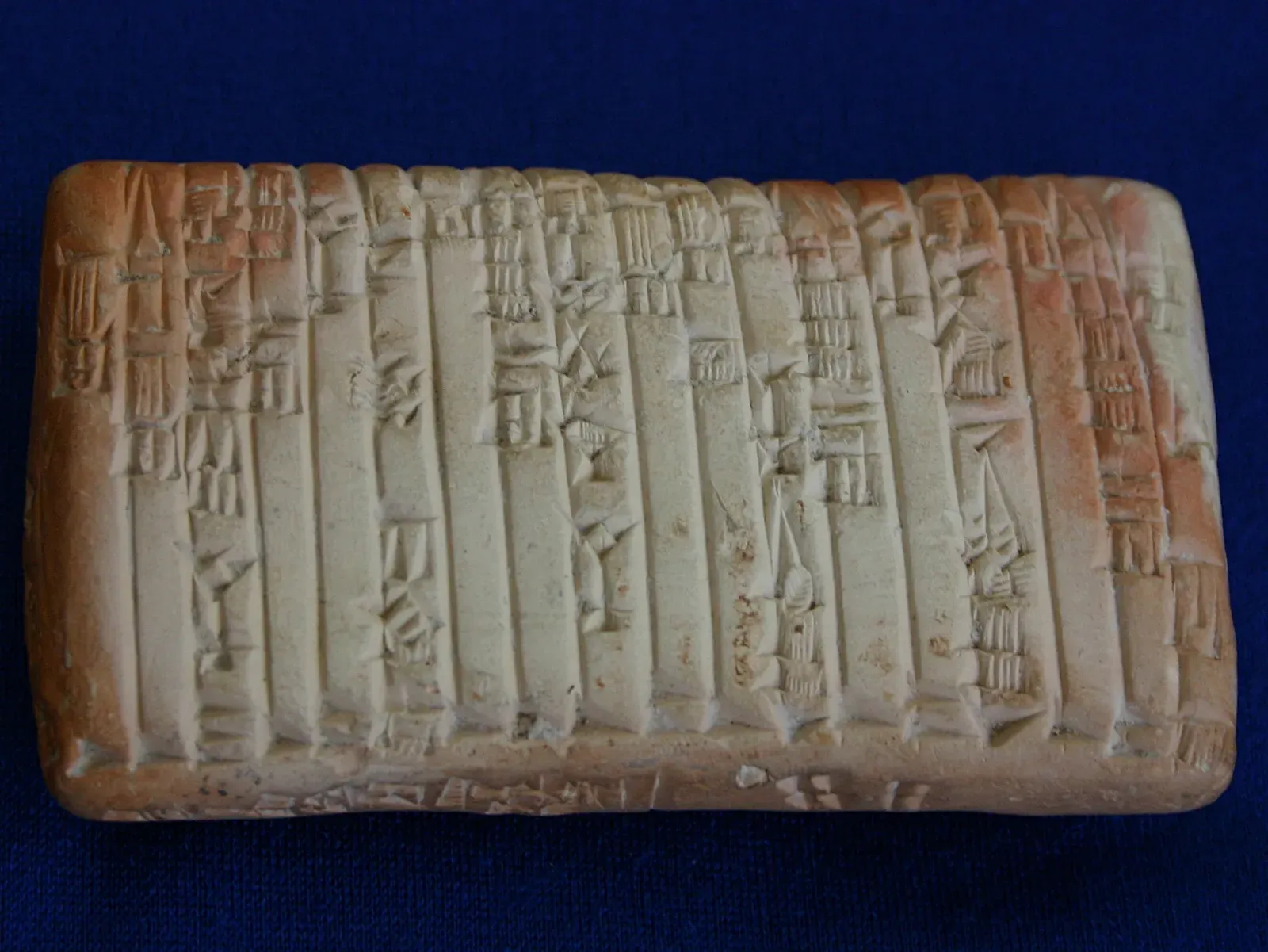
One of the most striking Sumerian‑derived medical legacies is the structured diagnostic tablets that later Mesopotamian scribes copied and expanded. These lists march through symptoms systematically: if the patient has this kind of pain, this type of fever, this color in the skin or eyes, then the healer draws a conclusion and prescribes a pattern of action. It is not modern evidence‑based medicine, but it is unmistakably an attempt to codify observation into a repeatable diagnostic method rather than relying purely on improvisation or charisma.
What makes this feel so close to the nineteenth century is the attitude, not the technology. In Europe, formal clinical manuals and nosologies exploded in that era, turning the messy practice of healing into textbooks of categorized diseases and step‑by‑step criteria. When we look back at the Sumerian‑rooted diagnostic lists, we see a very early prototype of that same urge: take the messy, frightening business of illness and carve it into ordered lines of cuneiform. The message between the wedges is simple and deeply human: if we can name it and sort it, maybe we can handle it.
2. Herbal Sedatives and the Logic of Early Anaesthesia
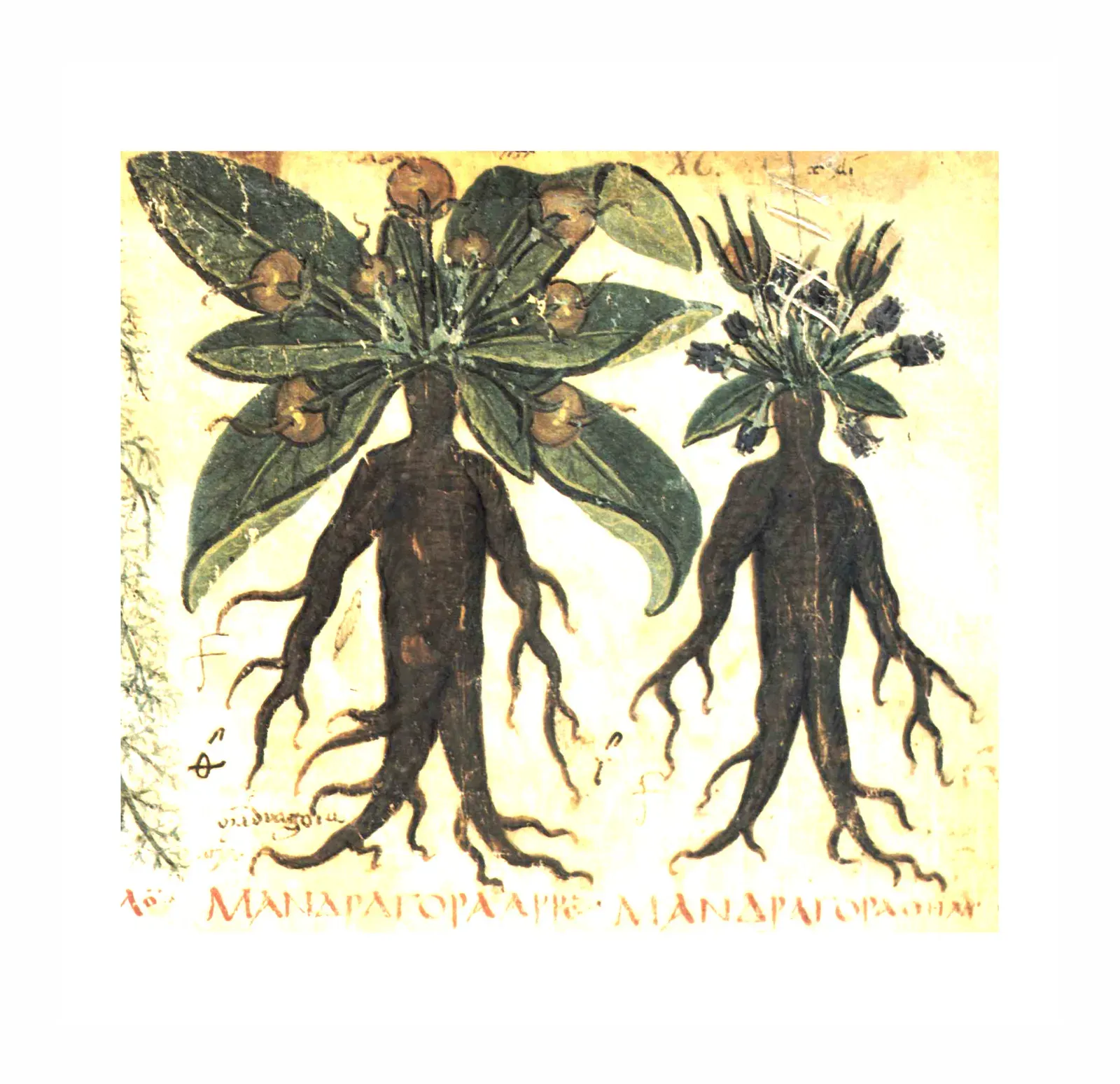
The headline promise of true chemical anaesthesia really belongs to the nineteenth century, with ether, chloroform, and later developments turning surgery from a waking nightmare into a controlled procedure. But long before that, Sumerian‑influenced medical texts show knowledge of plant‑based preparations that clearly aimed to dull pain, calm agitation, or send patients into heavy sleep. Ingredients associated with poppy derivatives, mandrake‑like plants, and strong alcohol‑infused mixtures suggest an intuitive grasp of what we would now call sedatives and analgesics.
We have to be cautious here: no tablet lays out a neat recipe proudly labeled as a full surgical anaesthetic. Still, the pattern is hard to ignore. Mixtures to make a patient sleep more deeply before a painful intervention, topical preparations intended to “cool” or numb a region, and instructions that imply timing the application before a procedure all point in that direction. When nineteenth‑century physicians finally systematized anaesthesia, they did it with new chemicals and rigorous experimentation, but the basic idea – suppress pain and awareness to allow more invasive work – was already flickering in those much earlier, earthy concoctions.
3. Clay Tablets Describing Wound Care and Cleaning Practices
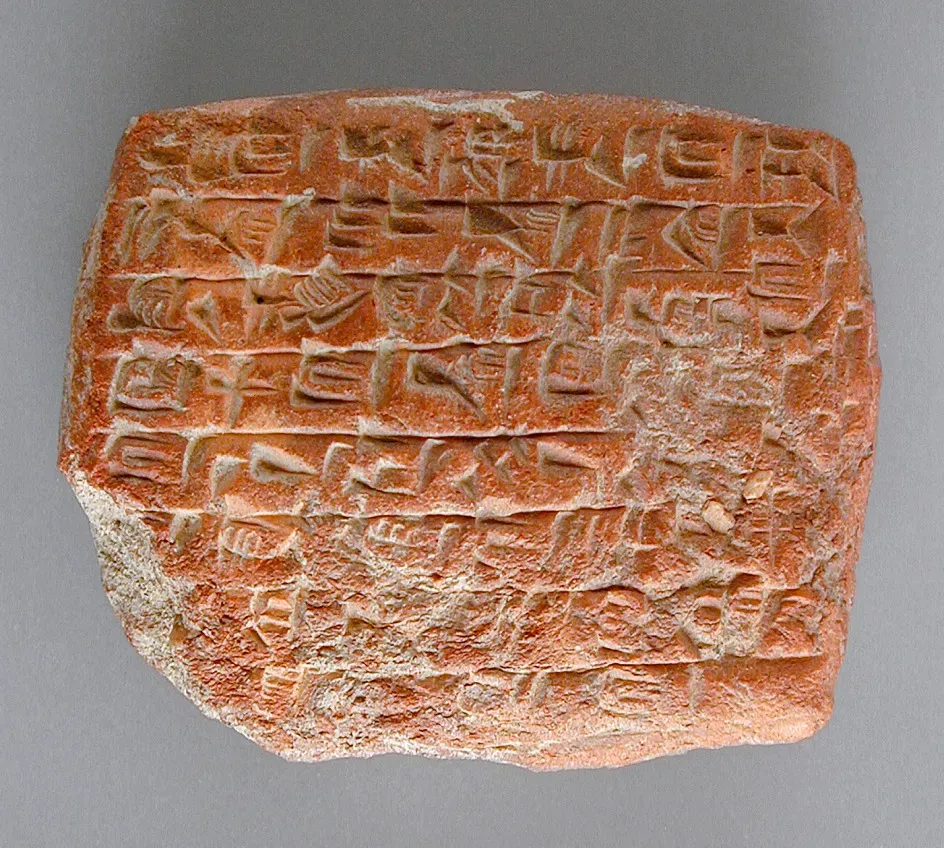
If you have ever rinsed a cut with clean water or used antiseptic, you are participating in a line of thinking that goes back far beyond the age of microscopes. Sumerian and Mesopotamian texts describe washing wounds, applying certain resins and oils, and covering injuries with bandages made from linen or similar materials. They did not talk about bacteria or sterilization in the modern sense, but they clearly recognized that unclean wounds fared worse and that some substances helped them heal more quickly and safely.
Nineteenth‑century surgeons like those who pioneered antiseptic surgery are often celebrated as the first to truly fight infection on purpose. Yet you can see their distant cousins in these ancient records: people who noticed that fresh water and particular plant resins reduced foul smells, pus, and death. The difference is one of theory, not practice. The Sumerian world framed healing within a blend of observation, tradition, and spiritual interpretation, while the nineteenth century added microscopes and controlled experiments. Still, both eras agreed on something simple and powerful: a clean wound is a safer wound.
4. Ritual and Practical Organ Examination in Omen Texts
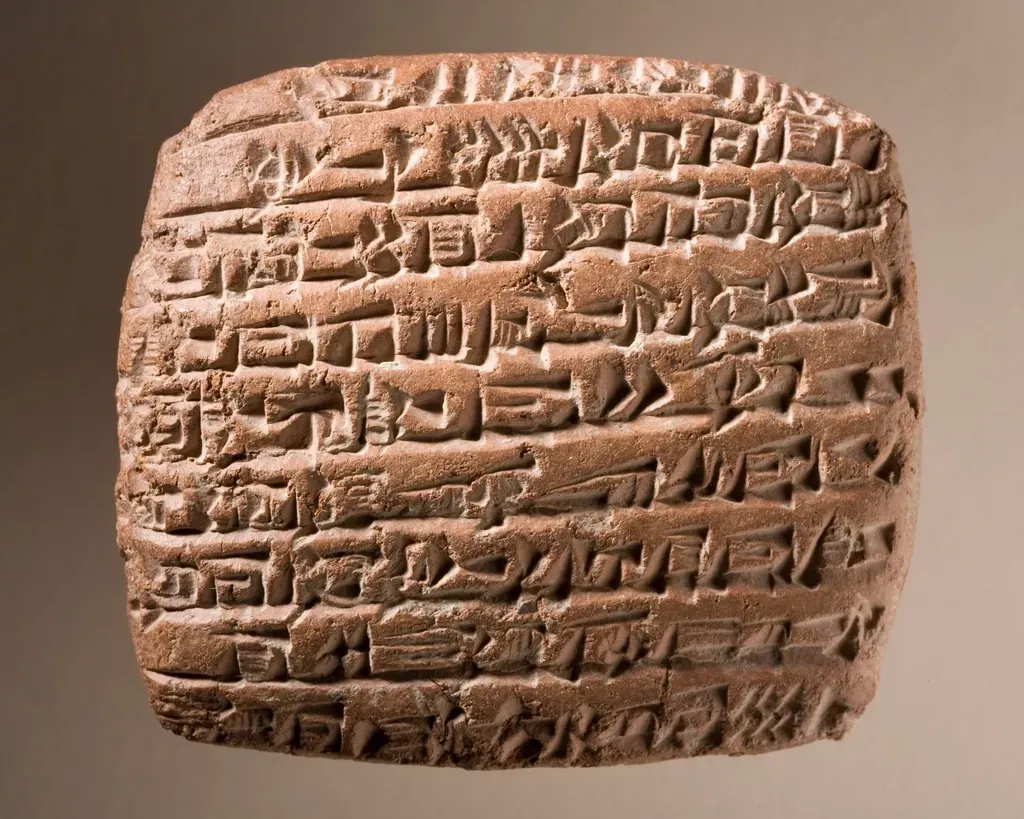
One of the most bizarre yet revealing sets of Sumerian‑rooted records involves liver and organ divination, where specialists inspected the livers of sacrificed animals to interpret signs about the future. At first glance, this looks purely religious rather than medical. But step back, and you realize these diviners had a sustained, almost anatomical familiarity with internal organs: their size, shape, texture, color, and the variations that show up in different bodies. They handled and closely studied more livers than any pre‑modern anatomist in Europe ever did before the formal anatomical revolution.
In later centuries, when nineteenth‑century physicians cut into cadavers or performed autopsies, they did so with a rigorously scientific intent – but the basic act of opening a body and learning from the appearance of its organs is deeply ancient. The Sumerian world and its successors used organ examination to read cosmic messages rather than medical diagnoses, yet their vocabulary of organ surfaces, lobes, and markings hints at a proto‑anatomical awareness. It is an odd, sideways path to understanding the body, but it shows that visceral inspection was not invented overnight in a bright, sterile lecture hall.
5. Detailed Pregnancy and Gynecological Observations
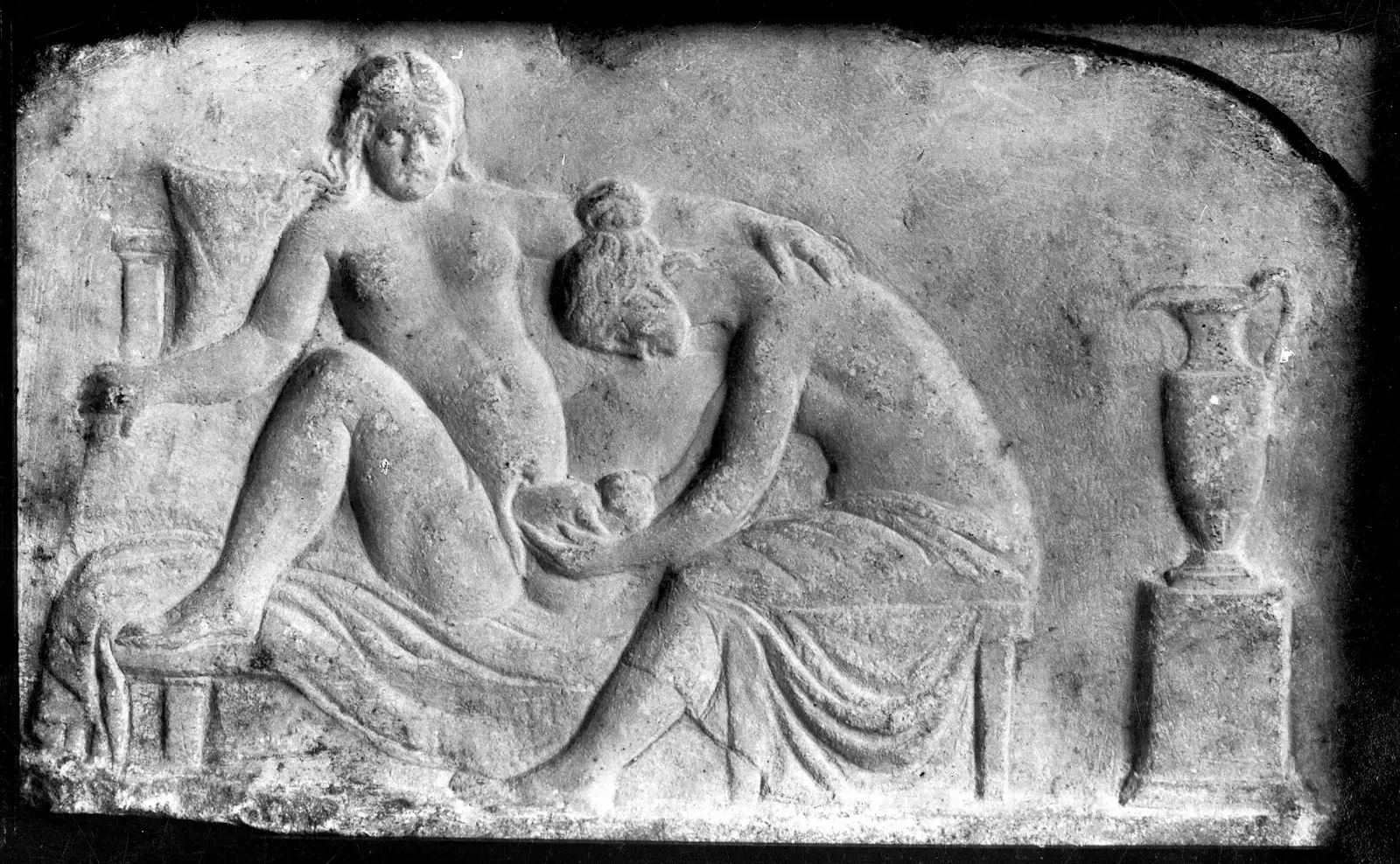
Many people assume that serious, systematic attention to pregnancy and female health appears only with later obstetrics, but Sumerian‑influenced medical tablets push that timeline far back. There are texts that describe ways to recognize pregnancy, estimate its progress, and interpret bleeding, pains, and changes in the body. Some of these instructions are couched in ritual language, but beneath that layer sits a careful record of what midwives and healers saw day after day in real pregnancies and births.
By the nineteenth century, male physicians were turning childbirth into a hospital‑centered event and writing technical textbooks on obstetrics. Yet the raw material for that knowledge – a rich record of what can go right, what can go wrong, and how the body signals danger – had been building for millennia. The Sumerian perspective was more intuitive and entangled with religious meaning, but it still treated pregnancy as a process that could be observed, timed, and, at least sometimes, managed. That continuity matters because it reminds us that modern medicine often built formal theories on top of very old, very human experience.
6. Treatises on Head Injuries and Neurological Symptoms
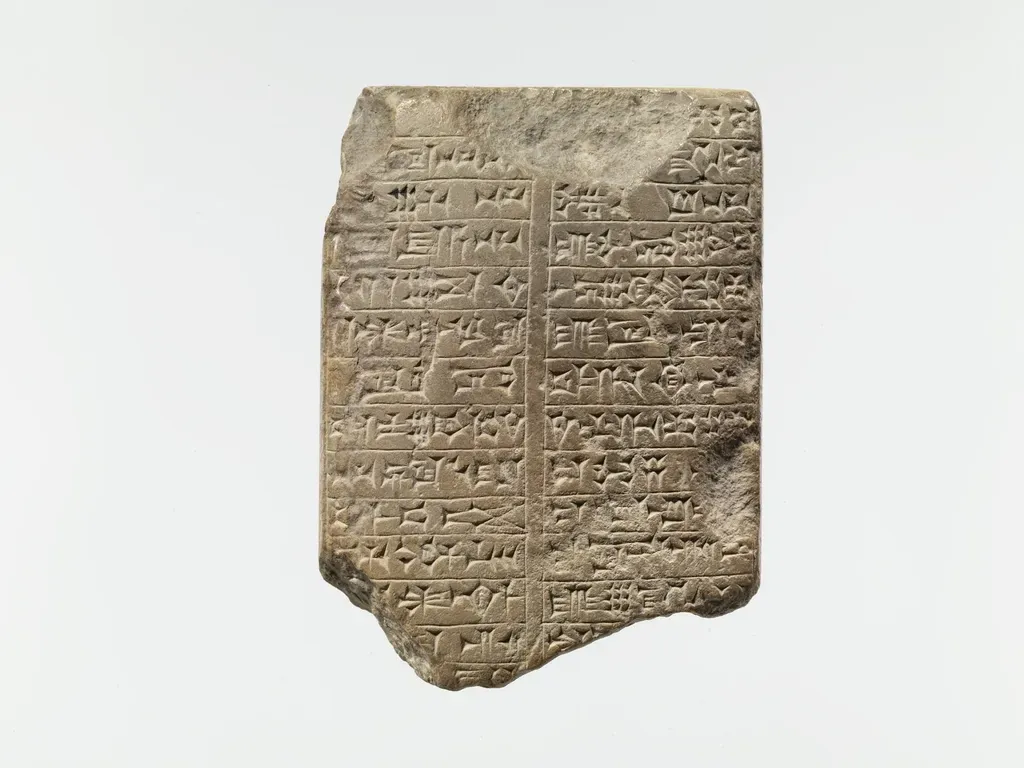
Head injuries terrified ancient healers just as much as they terrify trauma doctors today. Among the Sumerian‑derived medical traditions, we find descriptions of skull wounds, changes in consciousness, strange movements, and speech disturbances that closely resemble what we now recognize as neurological symptoms. Some tablets lay out what to expect if a blow to the head produces certain visible signs, and what the prognosis might be when a patient does or does not wake, answer, or move normally afterward.
In the nineteenth century, neurology began to crystallize into a specialized field, with systematic mapping of brain regions and clinical correlations. But those breakthroughs did not erase what earlier healers had already learned simply by harsh experience: injuries to different parts of the head can produce different patterns of disability or recovery. The Sumerian approach lacked the language of neurons and cortex, yet it still grasped that the head housed something central and fragile. There is a sobering continuity here – between a healer kneeling by a fallen worker in a Sumerian city and a modern physician in an emergency ward, both watching the same unnerving signs.
7. Pharmaceutical Recipes That Anticipate Modern Pharmacology
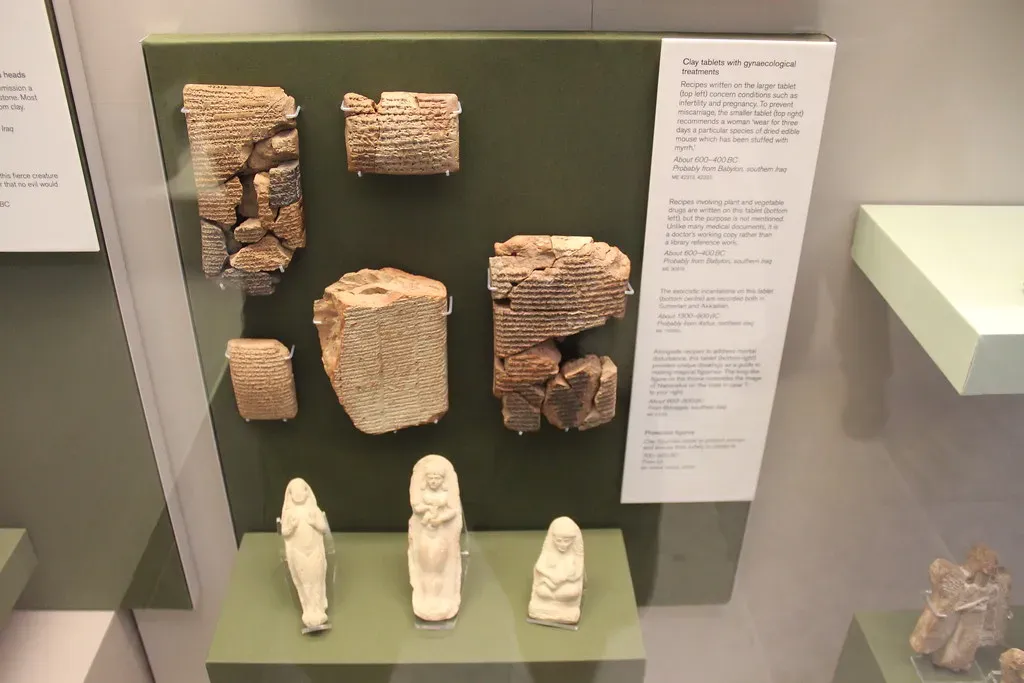
When people think of ancient medicine, they often picture vague herbal teas and charms. In reality, Sumerian‑influenced medical tablets include surprisingly precise recipes: specific plants mixed with particular resins, minerals, fats, and liquids, combined in defined steps and applied in measured ways. Some formulas were taken by mouth, others spread on the skin, and some delivered through the nose or other routes we would absolutely recognize as pharmaceutical strategies today.
Nineteenth‑century pharmacy is usually described as the birth of modern pharmacology, where isolated compounds and standardized doses became the norm. Against that backdrop, the Sumerian traditions look like an early, empirical chemistry lab operating without theory but rich in trial‑and‑error wisdom. They may not have known why certain mixtures worked, yet they clearly noticed when a particular salve soothed pain, reduced swelling, or calmed a cough. In a way, their tablets are a snapshot of humanity slowly learning to edit the body’s chemistry with its own hands, centuries before the term pharmacology even existed.
8. Early Surgical‑Like Procedures and Setting of Fractures
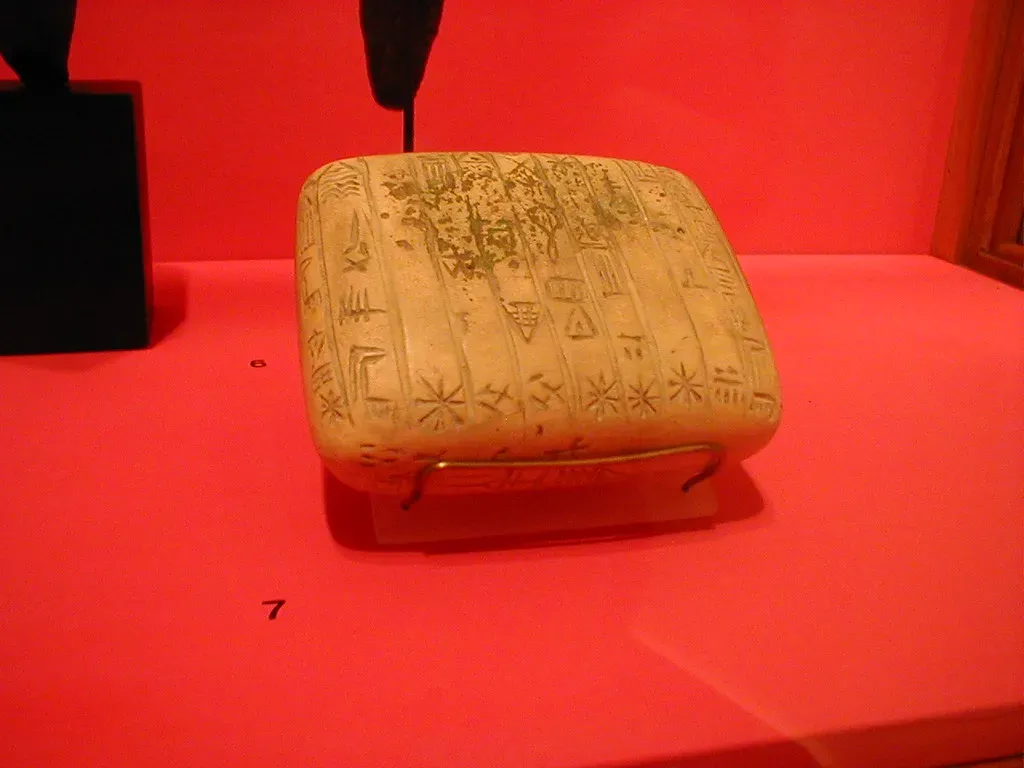
Open‑heart surgery or abdominal operations absolutely belong to the modern era, but the idea of physically manipulating the body to fix structural problems goes back far earlier. Sumerian‑derived sources and related Mesopotamian records describe the setting of broken bones, stabilizing limbs, and occasionally opening abscesses or draining problematic swellings. These were not gentle processes. Without perfect anaesthesia or antisepsis, healers relied on strength, speed, and whatever pain‑dulling substances they had on hand.
By the nineteenth century, surgery had finally become something you might survive rather than dread as a last resort. Even so, those more advanced techniques still rest on a simple proposition: sometimes you must physically intervene in the body to give it a chance to heal. Ancient procedures to align a broken arm, immobilize it with splints or bindings, and watch for signs of infection show that Sumerian‑influenced practitioners had already crossed that psychological threshold. They were willing to hurt in order to heal, carefully, deliberately, and with an evolving set of tools and tricks.
9. Holistic Integration of Body, Mind, and Spirit in Treatment Plans
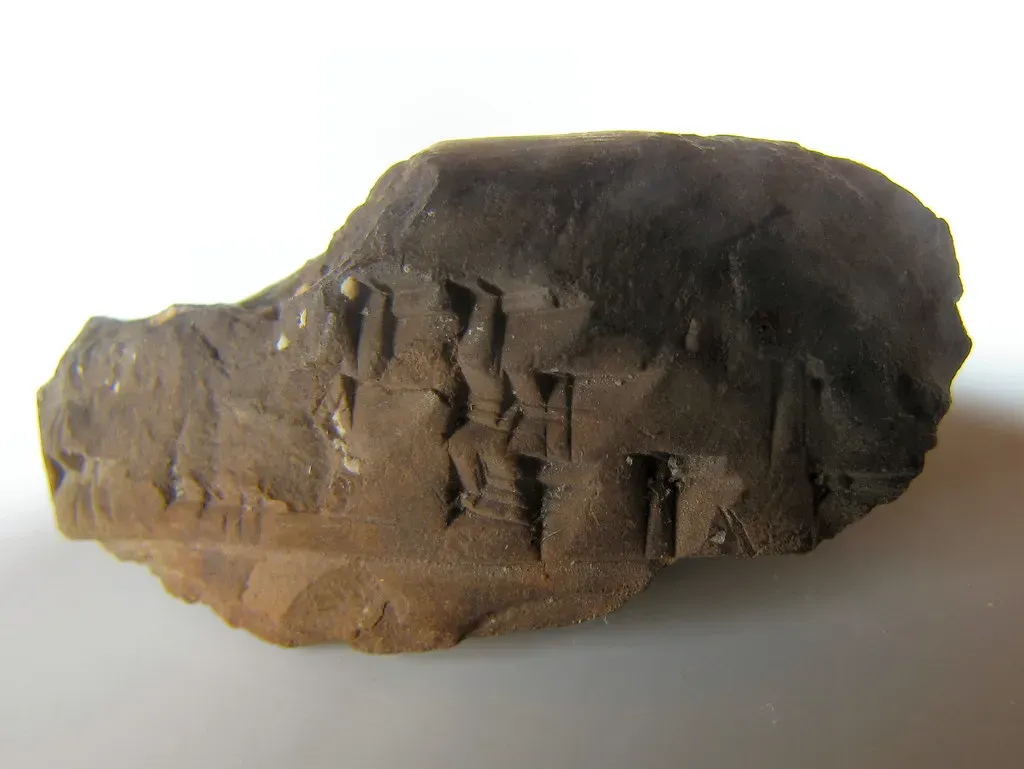
If there is one area where ancient Sumerian approaches feel oddly cutting‑edge again, it is their refusal to separate the physical, emotional, and spiritual aspects of illness. Many medical tablets include ritual actions, prayers, or symbolic elements alongside herbs, poultices, and physical manipulations. From a strictly modern scientific standpoint, that mix can seem superstitious, but from a human standpoint, it is a blunt recognition that suffering is rarely just tissue deep. Pain, fear, social stress, and meaning all collapse into each other when someone falls seriously ill.
In the nineteenth century, medicine surged toward a hard, mechanical model of the body, sometimes at the cost of ignoring the patient’s inner world. Ironically, current trends are swinging back toward something the Sumerians would find familiar: a more integrated sense of health that acknowledges mental state, social context, and even personal beliefs as part of the healing environment. My own take is that while I would absolutely choose modern antibiotics and anaesthesia over any ancient remedy, there is something deeply wise in those old tablets. They insist, quietly but firmly, that treating a body without caring for the person wrapped inside it is never really enough.
Conclusion: Rethinking Who Really “Invented” Medicine
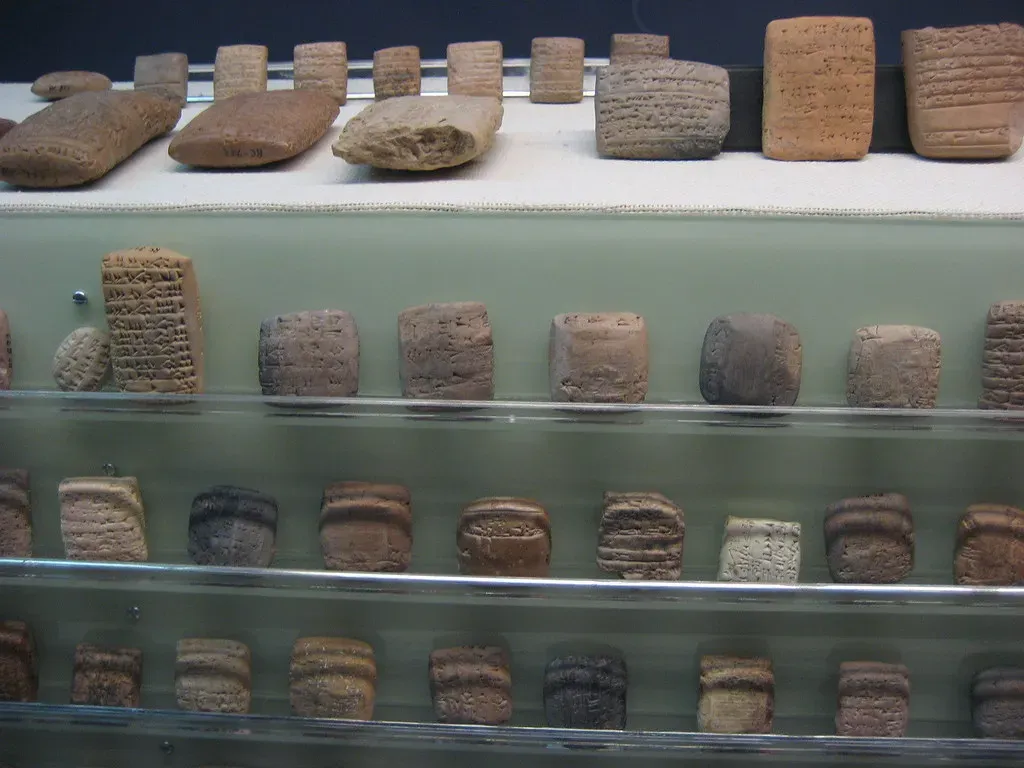
When people talk about the great turning point of nineteenth‑century medicine – anaesthesia, antisepsis, clinical science – they often frame everything before it as a kind of long, dark prelude. But once you spend time with Sumerian‑derived medical records, that story starts to feel lazy. The truth is much more interesting and, frankly, more humbling. Many of the supposedly modern moves – systematic diagnosis, pain relief experiments, organ examination, structured pharmaceutical recipes, and even crude surgery – were already present in rough, early form thousands of years earlier. The nineteenth century did not invent these ideas; it concentrated, purified, and re‑explained them.
Personally, I think that shift in perspective matters a lot. It reminds us that medical progress is usually not a single heroic leap but a long, stumbling relay in which countless unnamed hands pass along fragments of knowledge. Sumerian scribes and healers did not know about germs or ether, but they watched, they recorded, they tried things, and they cared enough to carve their observations into clay. Modern medicine stands on those ancient, baked bricks, whether it likes to admit it or not. The next time someone says everything truly important in medicine started in the 1800s, it is worth asking: or did we just finally learn to give old ideas new names?