
Ask most adults what they remember from history class and you’ll get founding fathers, world wars, maybe a civil rights unit crammed into a single rushed week. Ask them about a government program that let American citizens die of a curable disease on purpose, or the CIA quietly dosing unsuspecting bartenders and hospital patients with LSD, and you’ll get blank stares. That gap isn’t an accident.
These aren’t internet rumors or conspiracy forum fodder – they’re documented in congressional hearings, declassified files, and truth commission reports written by governments that eventually had no choice but to admit what happened. The 20 chapters below actually occurred, and each one got quietly filed away as “too messy” for a 50-minute class period. Here’s what actually made the cut for silence.
#1 – The Radium Girls Who Glowed in the Dark (And Died For It)

In the 1920s, factory owners knew radium was killing their workers – and kept them painting anyway.
Young women at watch-dial factories in New Jersey and Illinois were told to “point” their brushes with their lips to paint luminous numbers with radium-laced paint. Company chemists and scientists wore protective lead aprons while the women worked bare-handed, ingesting radium daily. Management insisted the substance was harmless, even as workers’ jaws rotted away and their bones crumbled from radiation poisoning.
The women eventually sued their employer and won, forcing the establishment of occupational disease labor laws that still protect workers today. It’s one of the first major legal victories linking corporate negligence to worker illness, yet barely a footnote in most curriculums.
Fast Facts
- Painters worked at U.S. Radium Corporation in Orange, New Jersey, and Radium Dial Company in Ottawa, Illinois
- Workers were nicknamed “Ghost Girls” because radium dust made their skin, hair, and clothes glow faintly at night
- The lawsuit and settlement became a landmark case in U.S. labor and occupational health law
- Many victims suffered jaw necrosis, anemia, and bone fractures years before doctors connected it to radium exposure
#2 – The Tuskegee Study That Let Men Die on Purpose
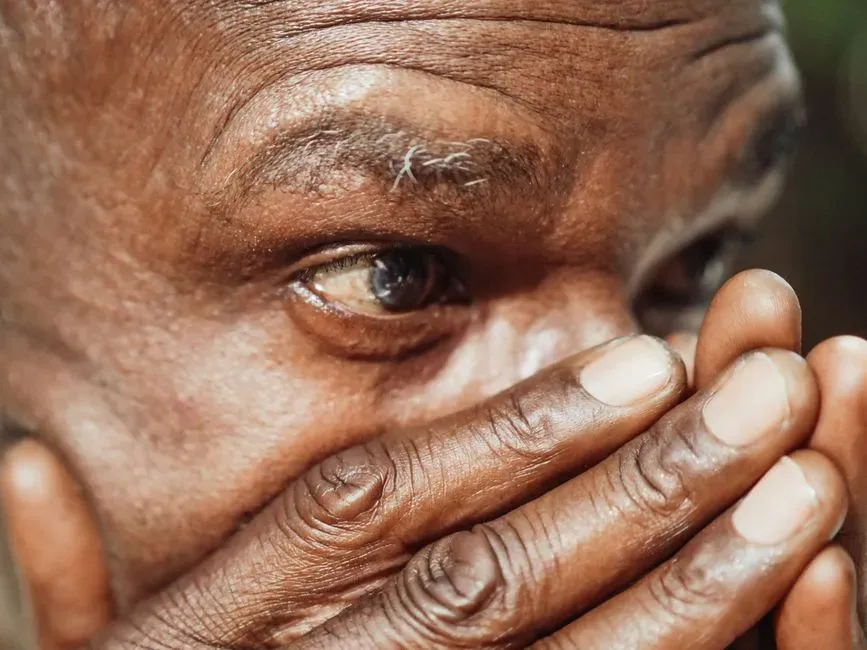
For 40 years, the U.S. government watched Black men die of a curable disease just to study it.
Starting in 1932, the U.S. Public Health Service recruited hundreds of Black sharecroppers in Alabama, telling them they were receiving free healthcare for “bad blood.” In reality, researchers were tracking the untreated progression of syphilis – and even after penicillin became the standard cure in the 1940s, doctors withheld treatment from participants to keep the study going.
Men went blind, suffered organ damage, and died. Wives were infected. Children were born with congenital syphilis. The study didn’t end until a whistleblower leaked it to the press in 1972, decades after a cure existed.
The United States government did something that was wrong – deeply, profoundly, morally wrong.
President Bill Clinton, 1997 apology to Tuskegee Study survivors
It remains one of the most cited examples of medical racism in modern bioethics courses – yet most high schoolers graduate never hearing the name.
#3 – MKUltra: When the CIA Drugged Its Own Citizens
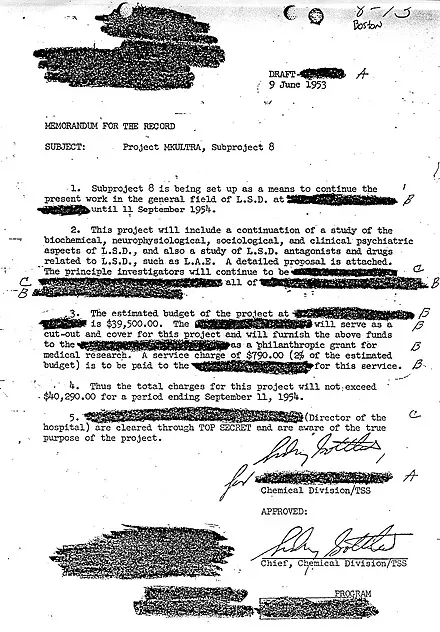
The CIA secretly dosed American citizens with LSD without their consent – and destroyed most of the evidence.
Beginning in the 1950s, the agency ran a program testing mind control techniques on unwitting subjects, including prisoners, mental patients, and even regular civilians in bars and brothels. Agents dosed people with hallucinogens and monitored their reactions, sometimes for years, without any medical oversight or consent.
Much of what we know only surfaced because a small batch of documents survived a 1973 order to destroy the files. Survivors reported permanent psychological damage, and at least one death – that of scientist Frank Olson – remains a subject of controversy decades later. The program wasn’t officially acknowledged until Senate hearings in 1975.
#4 – Operation Paperclip: America’s Nazi Scientist Pipeline
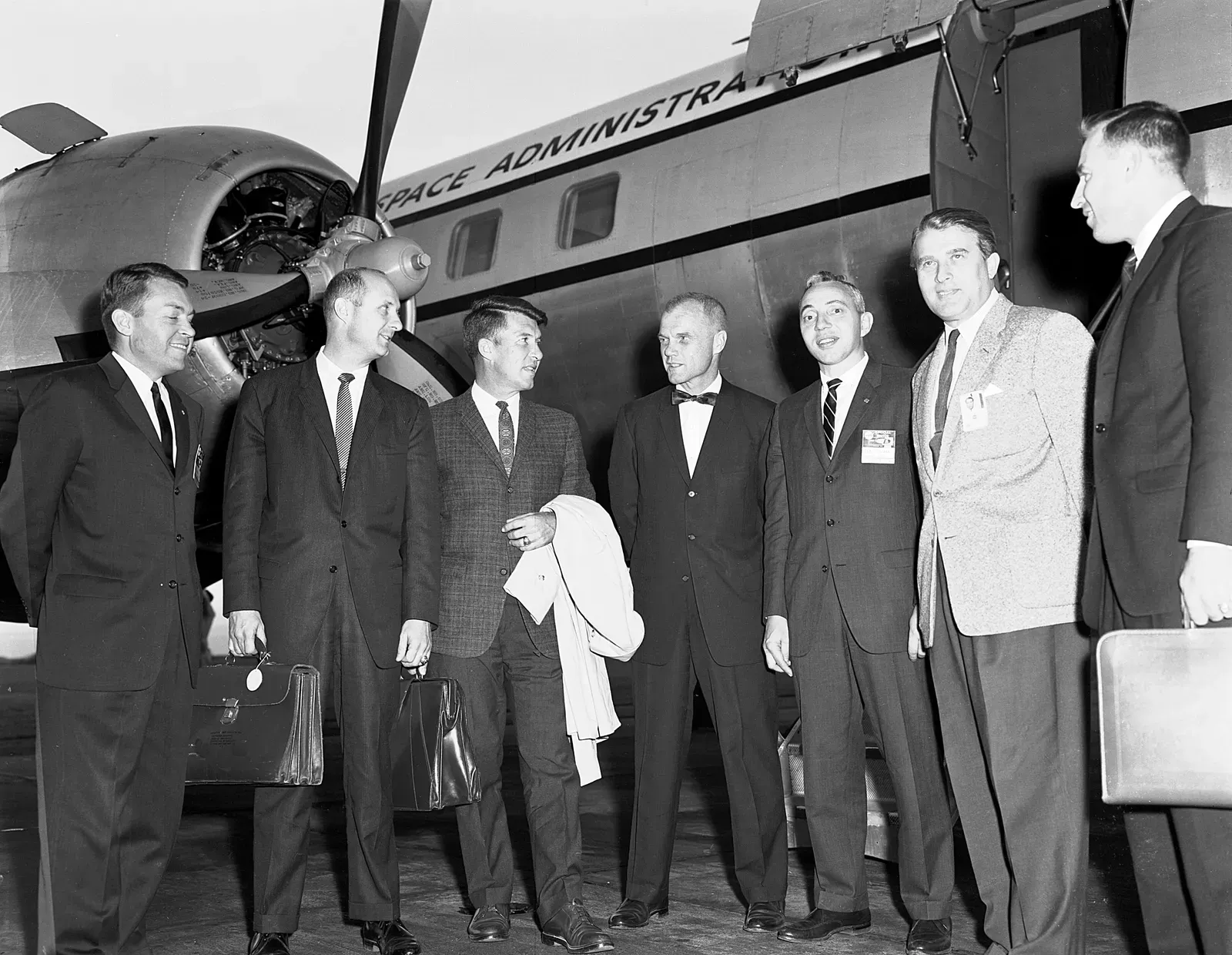
The U.S. government secretly recruited former Nazi scientists – some directly tied to war crimes – and gave them new identities.
After World War II, rather than prosecute all Nazi scientists, American intelligence agencies quietly extracted more than 1,600 German researchers and brought them to the U.S. Several of these men had directly overseen forced labor and horrific human experiments at concentration camps, yet their records were scrubbed to bypass immigration restrictions.
Their expertise fueled America’s rocket program and Cold War military technology. Wernher von Braun, one of the most famous recruits, went on to help NASA reach the moon. The program was classified for decades, and many Americans still don’t realize some of the minds behind their space program had blood on their hands.
#5 – Convict Leasing: Slavery That Never Actually Ended
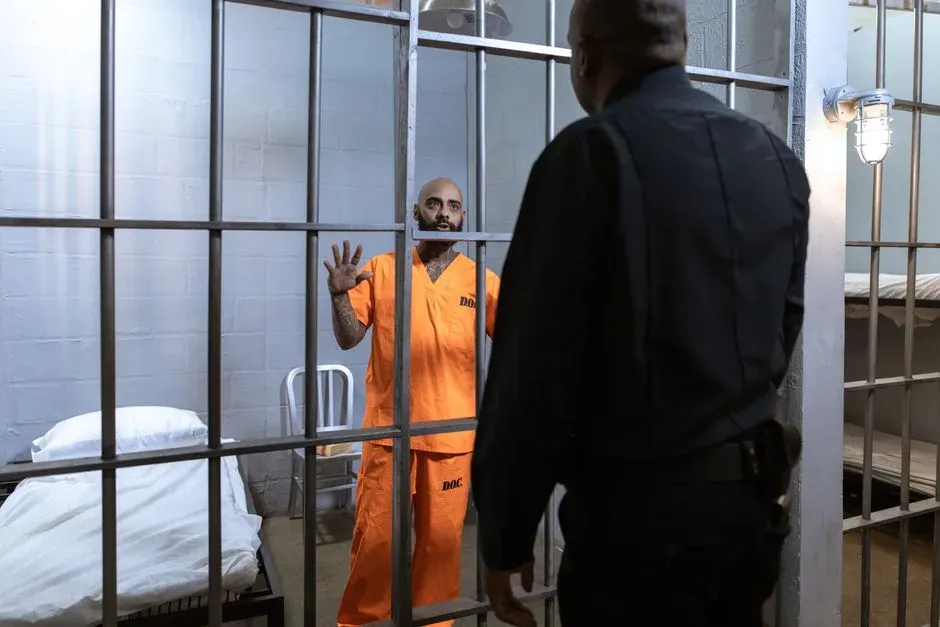
After the 13th Amendment banned slavery, Southern states found a legal loophole to keep it going anyway.
The amendment abolished slavery “except as a punishment for crime,” and states exploited that clause ruthlessly. Black men were arrested en masse for minor or fabricated offenses, then leased out to plantations, railroads, and coal mines as forced laborers. Conditions were often worse than slavery itself, since companies had no financial investment in keeping “rented” workers alive.
This system operated legally in parts of the South well into the 1940s, generating enormous profits for private companies and state governments alike. Death rates in some labor camps were staggering, yet the practice is rarely mentioned outside specialized university courses.
#6 – The Sand Creek Massacre Nobody Talks About
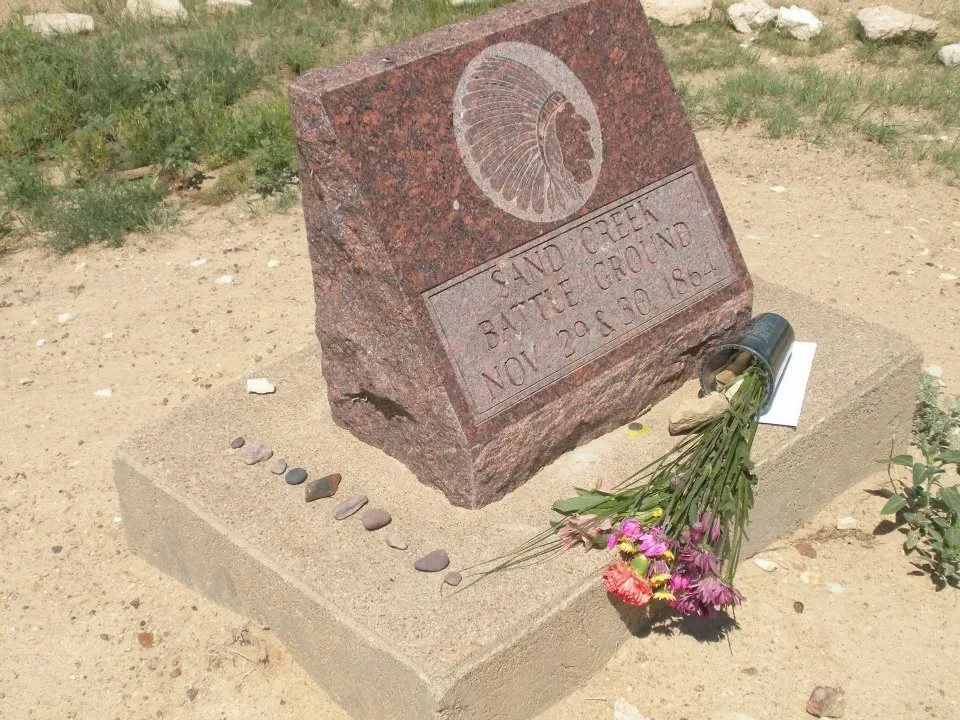
U.S. soldiers slaughtered a peaceful Native American camp that was flying an American flag as a sign of surrender.
In 1864, Colorado militia attacked a Cheyenne and Arapaho encampment at Sand Creek, despite the camp’s chief having been assured of protection by U.S. officials. Soldiers killed and mutilated mostly women, children, and the elderly, then displayed body parts as trophies back in Denver.
A subsequent congressional investigation condemned the massacre, yet no one was ever criminally punished. The event is considered one of the darkest chapters of westward expansion, largely because survivors’ accounts were suppressed for generations in favor of a sanitized “frontier settlement” narrative.
#7 – The Trail of Tears’ Body Count Schools Rarely Mention
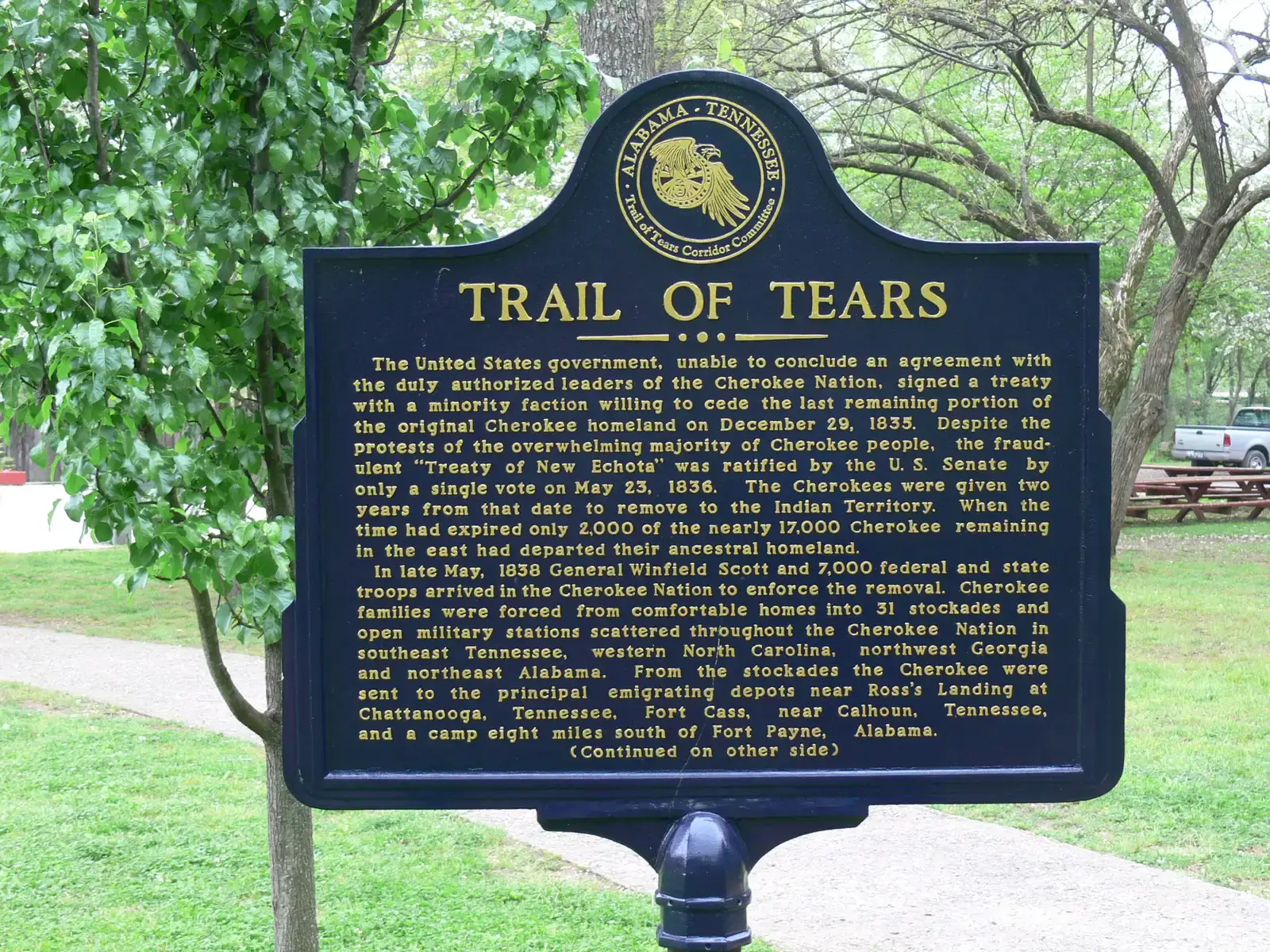
Roughly a quarter of the Cherokee Nation died during a forced march most students learn about in a single sentence.
In 1838, the U.S. government forcibly removed tens of thousands of Cherokee, Muscogee, Seminole, Chickasaw, and Choctaw people from their ancestral lands, marching them over a thousand miles to Oklahoma. Disease, starvation, and exposure killed an estimated 4,000 Cherokee alone – and that’s likely an undercount, since record-keeping was inconsistent.
The forced relocation violated a Supreme Court ruling that had actually sided with the Cherokee Nation, meaning the government knowingly acted illegally. Textbooks typically compress this into a paragraph, glossing over the sheer scale of death involved.
At a Glance
- Distance marched: roughly 1,200 miles from ancestral homelands to Indian Territory
- Tribes affected: Cherokee, Muscogee, Seminole, Chickasaw, and Choctaw nations
- Estimated Cherokee deaths: around 4,000, mostly from disease and exposure
- Legal backdrop: removal proceeded despite a Supreme Court ruling favoring Cherokee sovereignty
#8 – The Tulsa Massacre That Erased a Thriving Black City
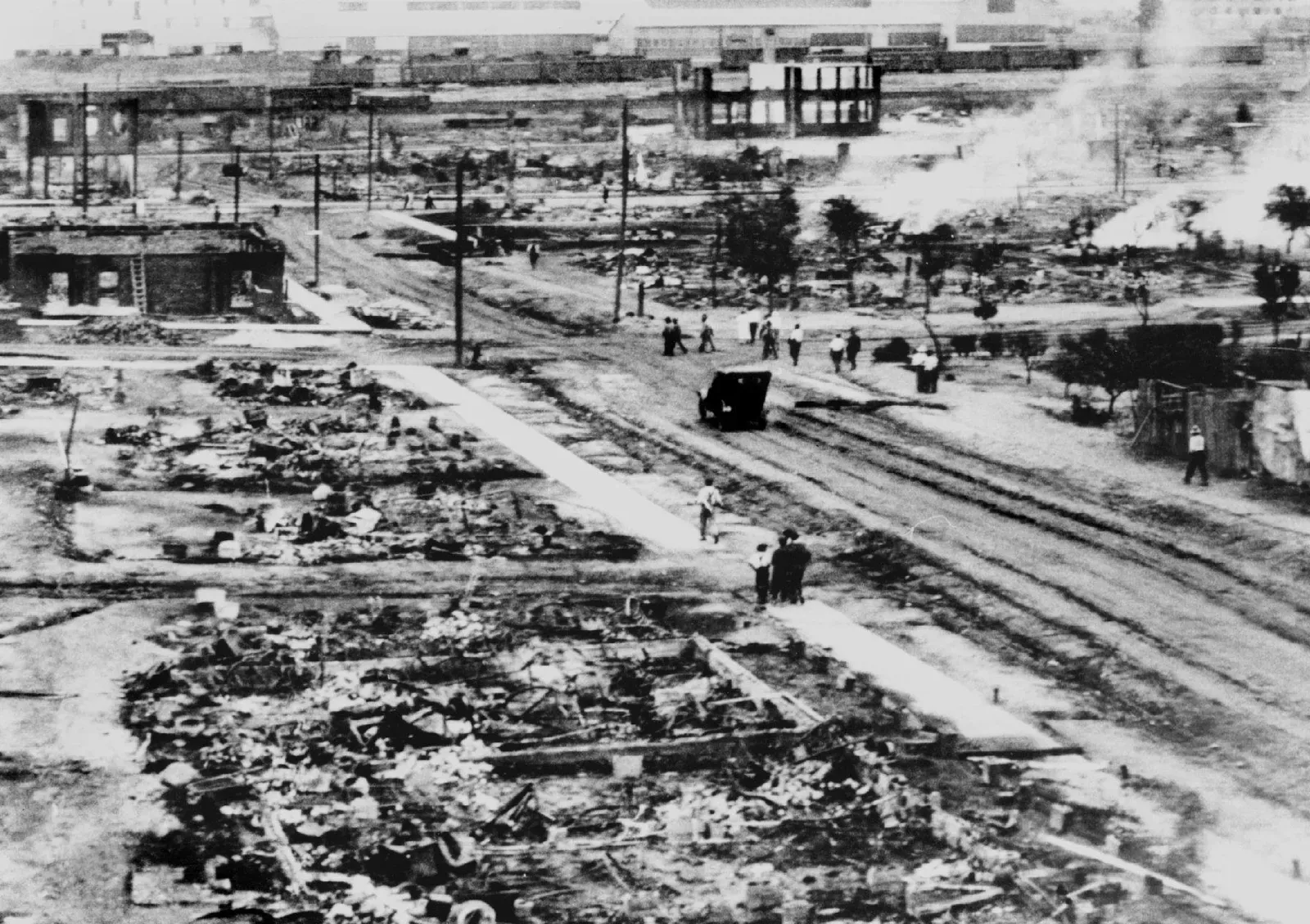
An entire prosperous Black neighborhood was bombed from the air by its own city government – and the story was buried for 75 years.
In 1921, a white mob destroyed the Greenwood District of Tulsa, Oklahoma, known as “Black Wall Street” for its concentration of Black-owned businesses and wealth. Private planes reportedly dropped incendiary devices on buildings, making it one of the only instances of aerial bombing on U.S. soil in domestic history.
Estimates suggest as many as 300 people died, while thousands more were left homeless. Insurance companies refused to pay claims, citing “riot clauses,” and the event was omitted from Oklahoma school curricula for decades afterward. It only became widely known following a 2001 state commission report.
#9 – Australia’s Stolen Generations: A Policy of Erasure
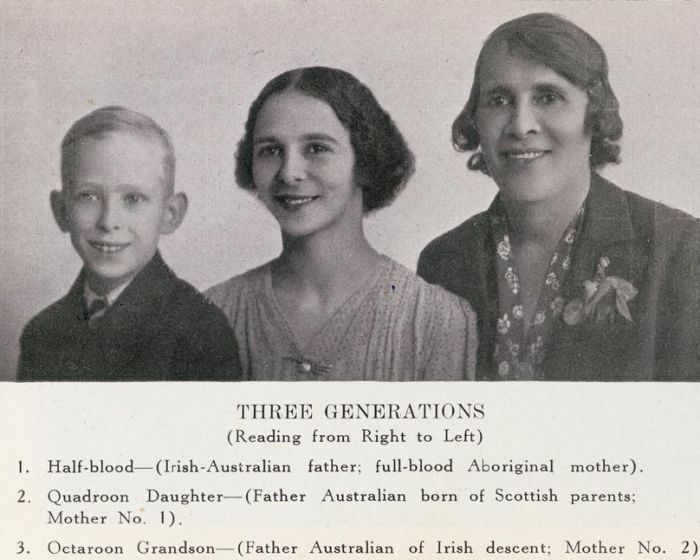
For most of the 20th century, Australian authorities forcibly removed Indigenous children from their families – as official government policy.
Between roughly 1910 and 1970, government agencies and church missions took Aboriginal and Torres Strait Islander children from their parents, aiming to assimilate them into white society and, in the government’s own language at the time, breed out Indigenous identity entirely. Many children were told their parents had died or abandoned them, when in reality families were often searching for them for decades.
Survivors described institutional abuse, forced labor, and cultural erasure, including bans on speaking native languages. Australia’s government didn’t issue a formal apology until 2008. The scale of family separation is still being documented today through oral history projects.
#10 – King Leopold’s Congo: A Genocide for Rubber
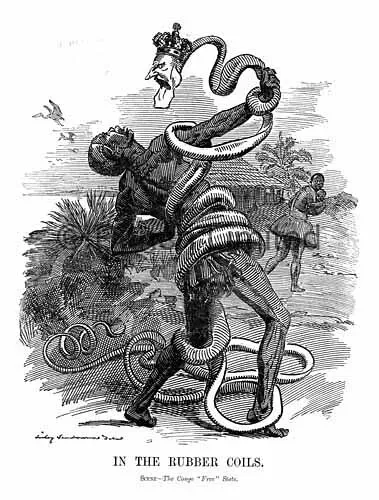
One king turned an entire country into his personal profit machine – and it cost millions of lives.
In the late 1800s, Belgium’s King Leopold II claimed the Congo as his private property, not a colony of Belgium, but literally his own estate. To meet rubber production quotas, soldiers were ordered to cut off the hands of workers – including children – who failed to gather enough rubber, sometimes even when villagers had met their quotas.
Historians estimate that population loss in the Congo Free State reached into the millions, from violence, forced labor, and famine. International outrage eventually forced Leopold to cede control to the Belgian government in 1908, but he was never personally tried for the atrocities. Most world history courses reduce this to a single line about “colonial exploitation.”
#11 – The Herero and Nama Genocide Germany Tried to Forget
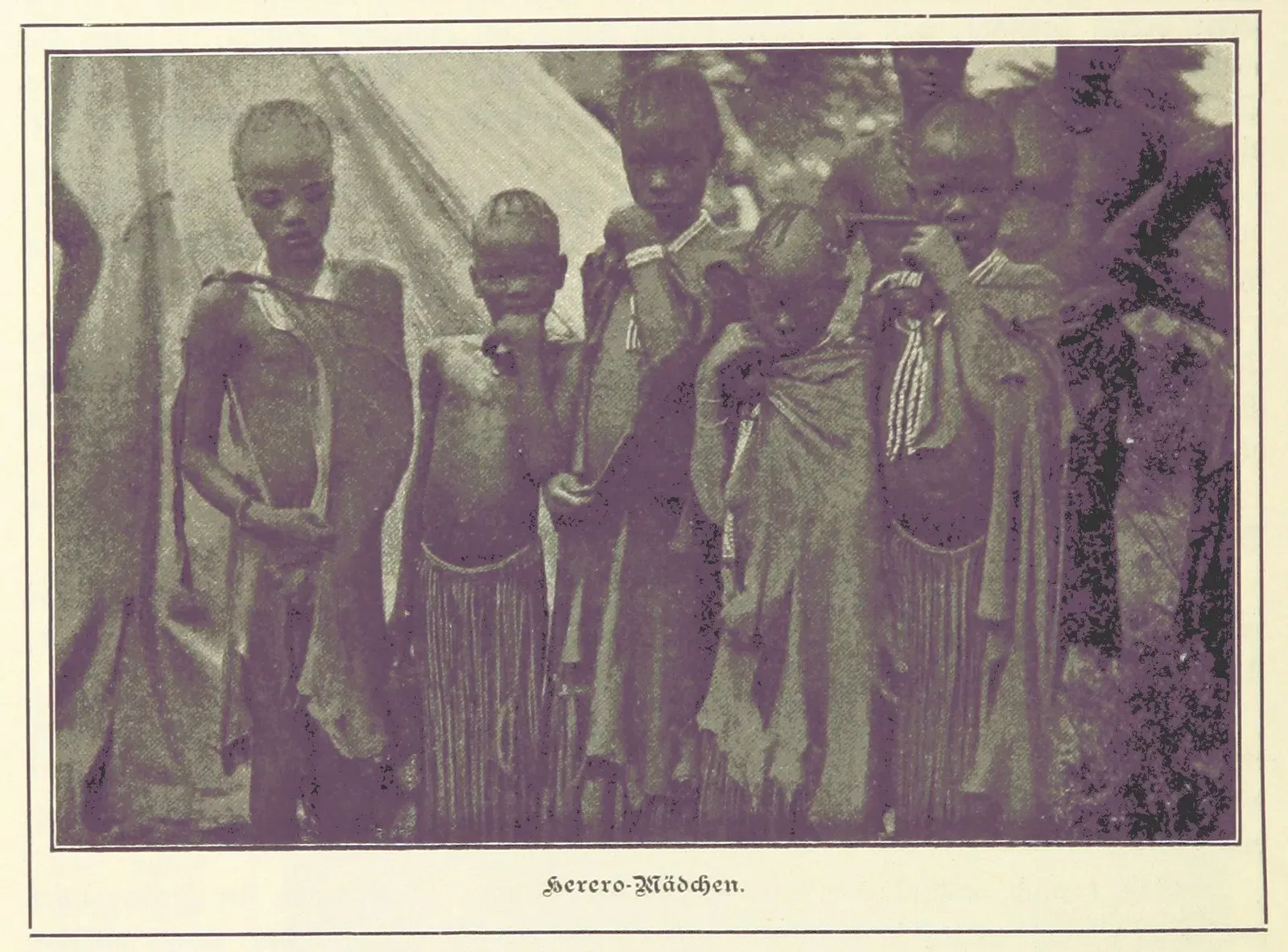
Before World War II, Germany carried out what many historians now call the 20th century’s first genocide – in Africa.
In 1904, German colonial forces in present-day Namibia issued an extermination order against the Herero people after an uprising, driving survivors into the desert and denying them access to water sources. Thousands died of thirst and starvation in what historians describe as a deliberate strategy of extermination, not just battlefield casualties.
Survivors who weren’t killed outright were sent to concentration camps, a term Germany itself used decades before World War II. Germany only formally acknowledged this as genocide in 2021, offering reparations over a century after the fact. The connection between colonial-era tactics and later Nazi ideology is a subject modern historians actively debate.
#12 – The Katyn Massacre the Soviets Blamed on the Nazis
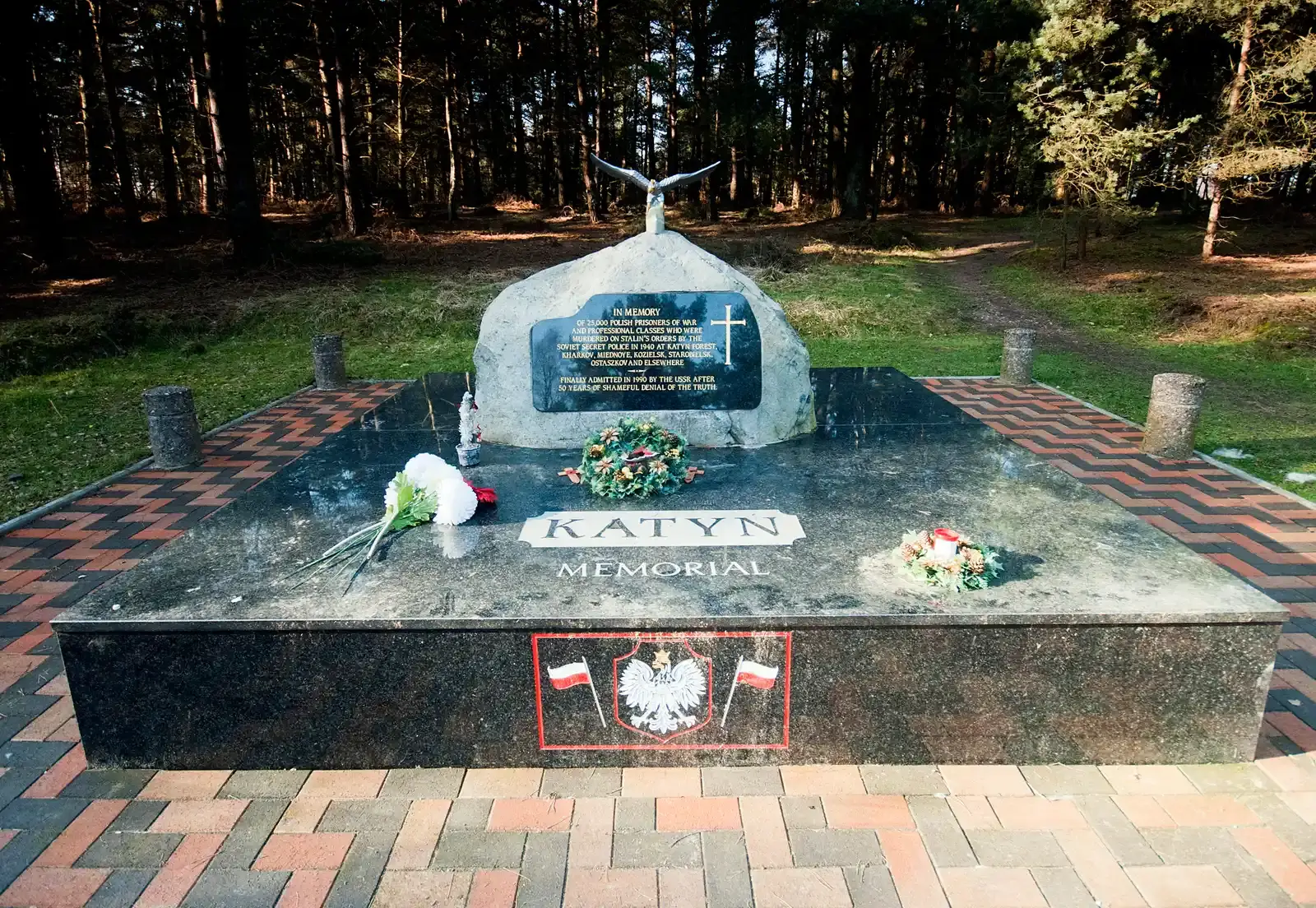
The Soviet Union executed thousands of Polish officers – then spent 50 years lying about who did it.
In 1940, Soviet secret police executed roughly 22,000 Polish military officers, intellectuals, and civil servants in the Katyn Forest and other locations, aiming to eliminate Poland’s potential leadership class. The Soviet government blamed the massacre on Nazi Germany for decades, and this false narrative was maintained through official Soviet and Polish communist propaganda well into the 1990s.
Russia didn’t formally acknowledge Soviet responsibility until 1990, and full documentation wasn’t released until years later. Families of victims spent generations unable to get honest answers about how their relatives died. The massacre remains a significant point of tension in Polish-Russian relations today.
Worth Knowing
- Roughly 22,000 Polish officers, intellectuals, and civil servants were executed in 1940
- Soviet propaganda blamed Nazi Germany for the killings for nearly five decades
- The USSR didn’t formally admit responsibility until 1990
- The massacre targeted Poland’s professional and military leadership class specifically
#13 – The Bengal Famine Churchill’s Policies Made Worse
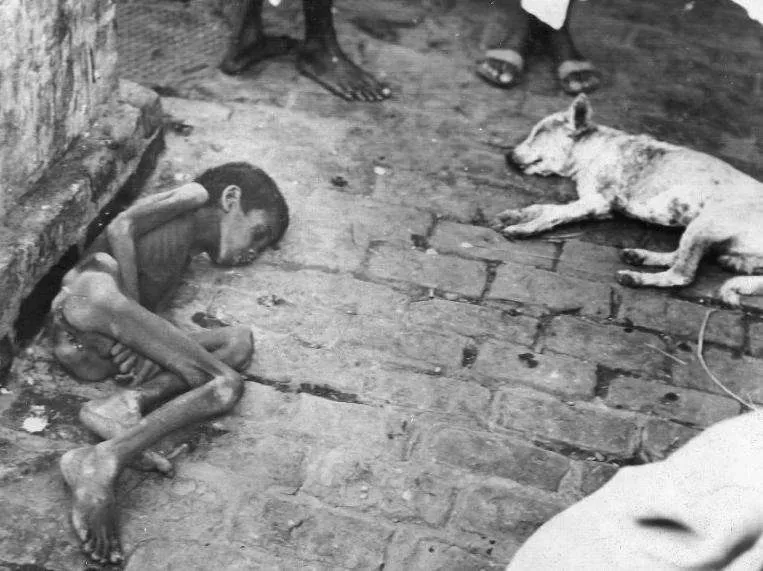
Three million people starved to death in British-controlled India – while grain was still being exported out of the region.
In 1943, a famine swept through Bengal, worsened by wartime disruptions, natural disasters, and controversial British colonial policy decisions during World War II. Despite the famine’s severity, food supplies continued to be diverted for military use and export, a decision historians have scrutinized for decades.
Winston Churchill’s specific role in the crisis remains hotly debated among historians, with some arguing his policies deepened the death toll. The famine is barely mentioned in most Western textbooks, despite killing more people than several wars combined. It stands as one of the deadliest famines of the 20th century.
#14 – The Holodomor: Stalin’s Man-Made Famine
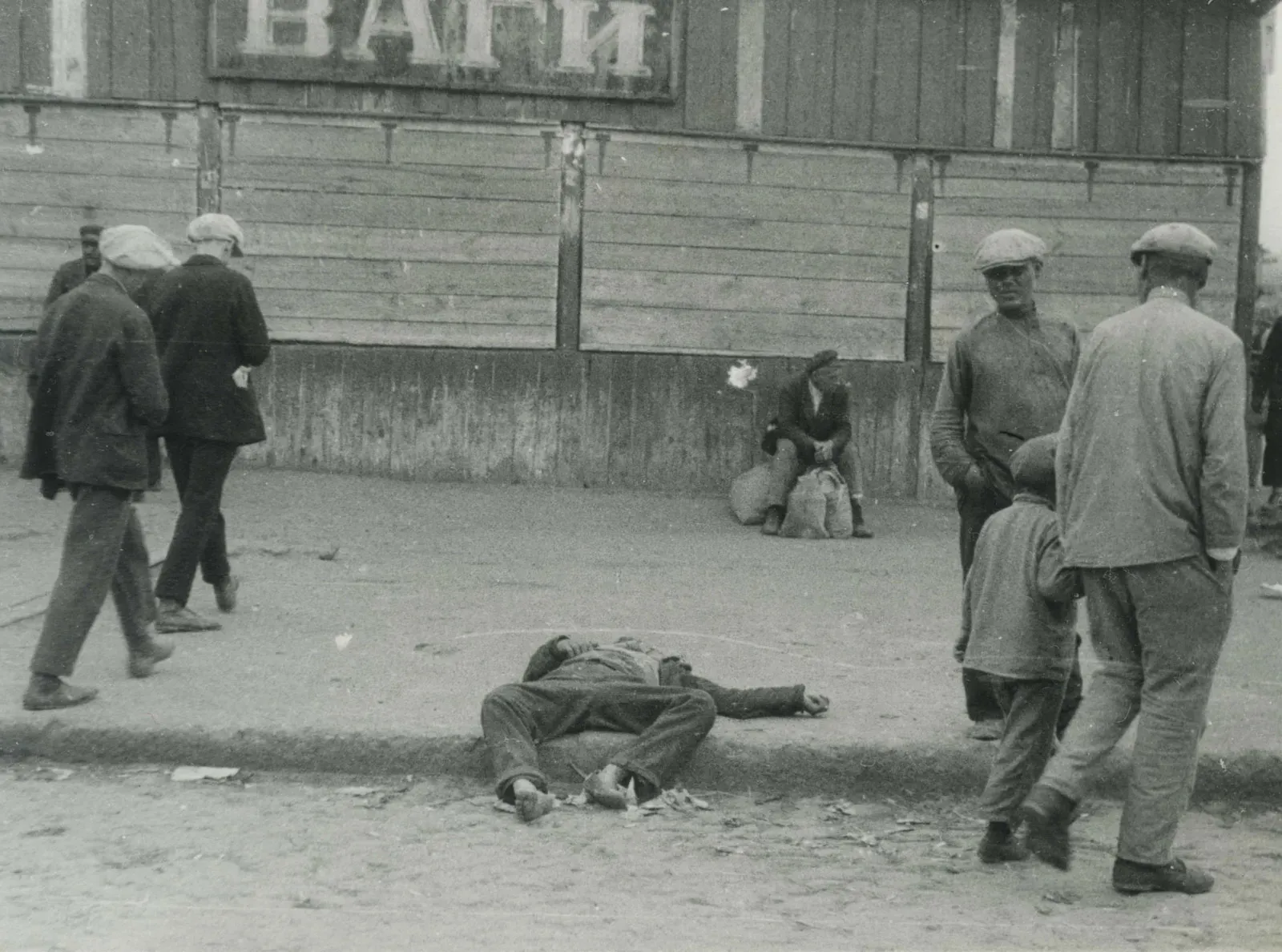
Joseph Stalin engineered a famine that killed millions of Ukrainians – and punished anyone who called it that.
Between 1932 and 1933, Soviet policies including forced collectivization and grain requisition quotas triggered a devastating famine in Ukraine. Soviet authorities sealed Ukraine’s borders to prevent starving peasants from fleeing to find food, effectively trapping the population inside the famine zone.
Historians estimate millions died, though exact figures remain debated due to Soviet record suppression. Many countries, including Ukraine, now formally recognize the Holodomor as a genocide, arguing it was a deliberate act targeting Ukrainian identity and resistance to collectivization. The Soviet Union denied the famine’s existence for decades.
#15 – Unit 731: Japan’s Human Experimentation Program
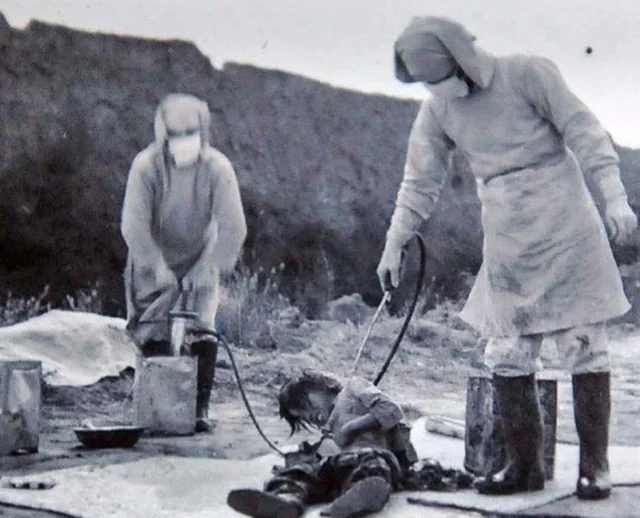
Japanese scientists conducted horrifying experiments on prisoners of war – and were granted immunity in exchange for their data.
During the 1930s and 1940s, a covert Japanese military unit conducted biological and chemical warfare experiments on thousands of prisoners, including vivisections performed without anesthesia. Researchers deliberately infected prisoners with diseases like plague and cholera to study infection patterns, and many victims were Chinese, Korean, and Russian civilians and POWs.
After Japan’s surrender, the U.S. granted immunity to Unit 731’s leader and researchers in exchange for their experimental data, choosing to withhold prosecution rather than let the information go to the Soviets. This decision was classified for decades. The unit’s existence wasn’t widely acknowledged internationally until Japanese journalists and historians pushed the issue into public view decades later.
#16 – The Nanjing Massacre Japan Still Won’t Fully Acknowledge
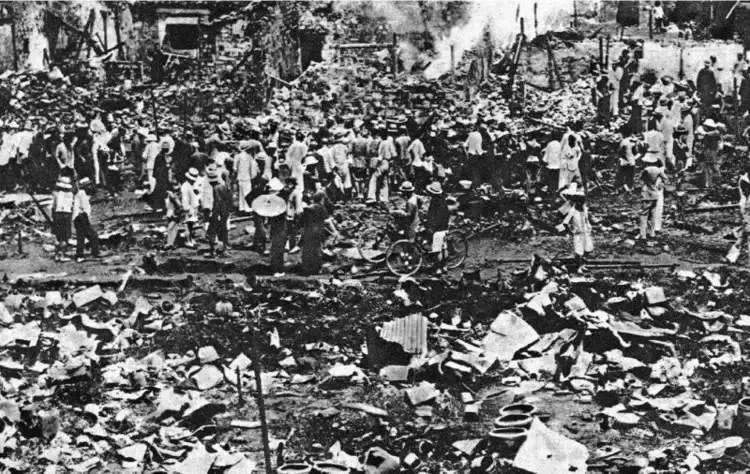
Japanese soldiers killed and assaulted civilians in a Chinese city for roughly six weeks straight – and the death toll is still disputed today.
In late 1937, Japanese forces captured Nanjing, then China’s capital, and unleashed mass killings, sexual violence, and looting against the civilian population. Estimates of the death toll range dramatically, from Japanese nationalist claims of a few thousand to Chinese estimates exceeding 300,000, reflecting decades of political disagreement over the historical record.
Foreign observers in the city at the time, including Western missionaries and businesspeople, documented atrocities in diaries and reports that later became crucial historical evidence. Some Japanese textbooks still downplay or omit the event entirely, making it a persistent diplomatic flashpoint between China and Japan.
#17 – The Comfort Women System Governments Denied for Decades
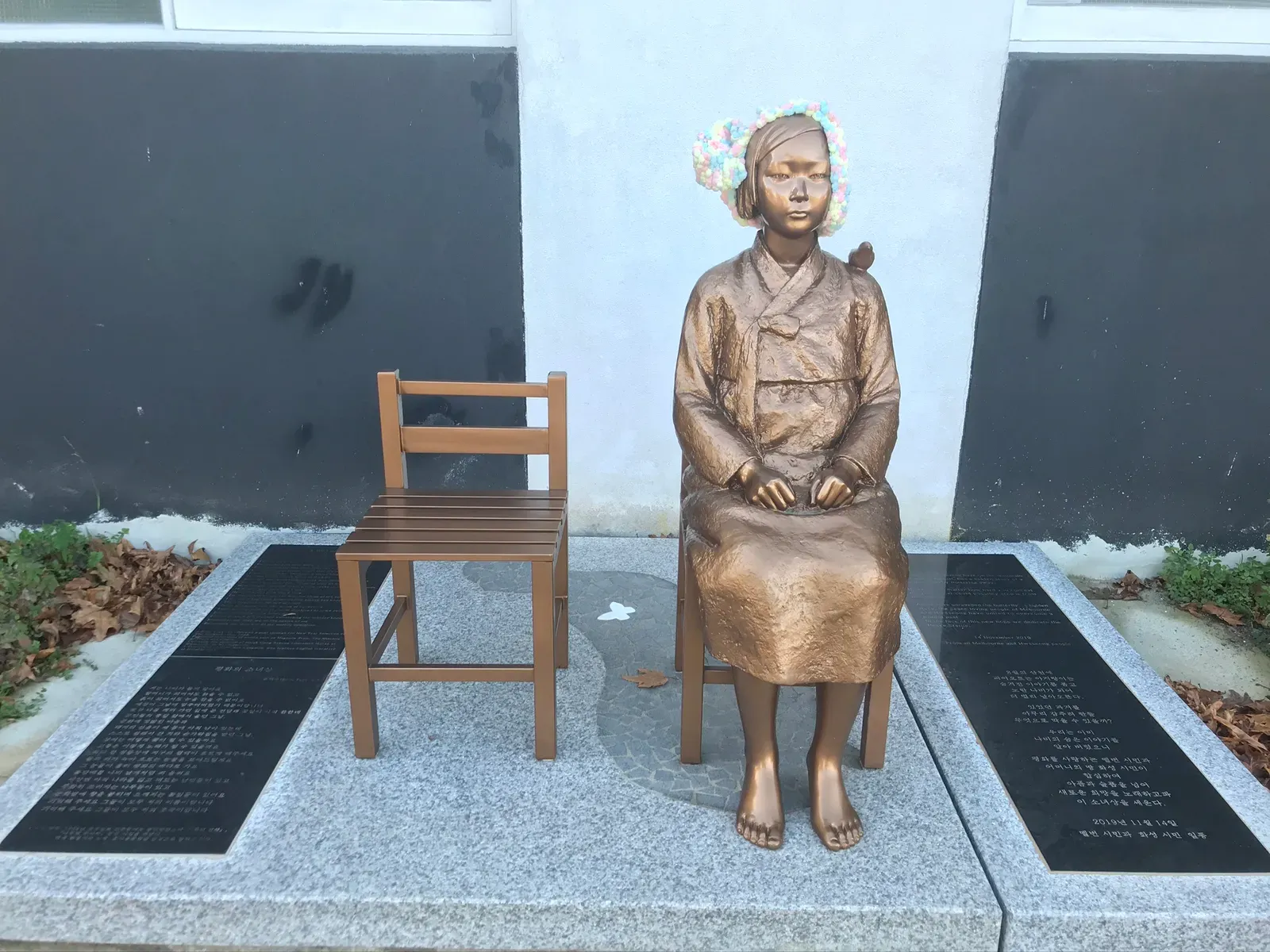
Tens of thousands of women across Asia were forced into military sexual slavery – and it took governments 50 years to officially admit it happened.
During World War II, the Japanese military established a system of “comfort stations” where women from Korea, China, the Philippines, and other occupied territories were coerced or deceived into sexual slavery for soldiers. Many survivors described being lured with promises of factory jobs, only to be trafficked into brothels under military control.
Japan didn’t issue an official acknowledgment and apology until 1993, and disputes over reparations and textbook language continue today. Survivors, often called “grandmothers” in Korean activism circles, spent decades fighting for recognition before dying without seeing full resolution. It’s one of the least taught topics related to WWII in Western classrooms.
Quick Compare
- Event occurred: 1930s-1945, across multiple occupied territories
- Official Japanese apology issued: 1993, nearly 50 years later
- Countries with documented survivors: Korea, China, the Philippines, Indonesia, and the Netherlands
- Reparations and textbook disputes: still unresolved in several countries today
#18 – Indonesia’s Forgotten Anti-Communist Purge
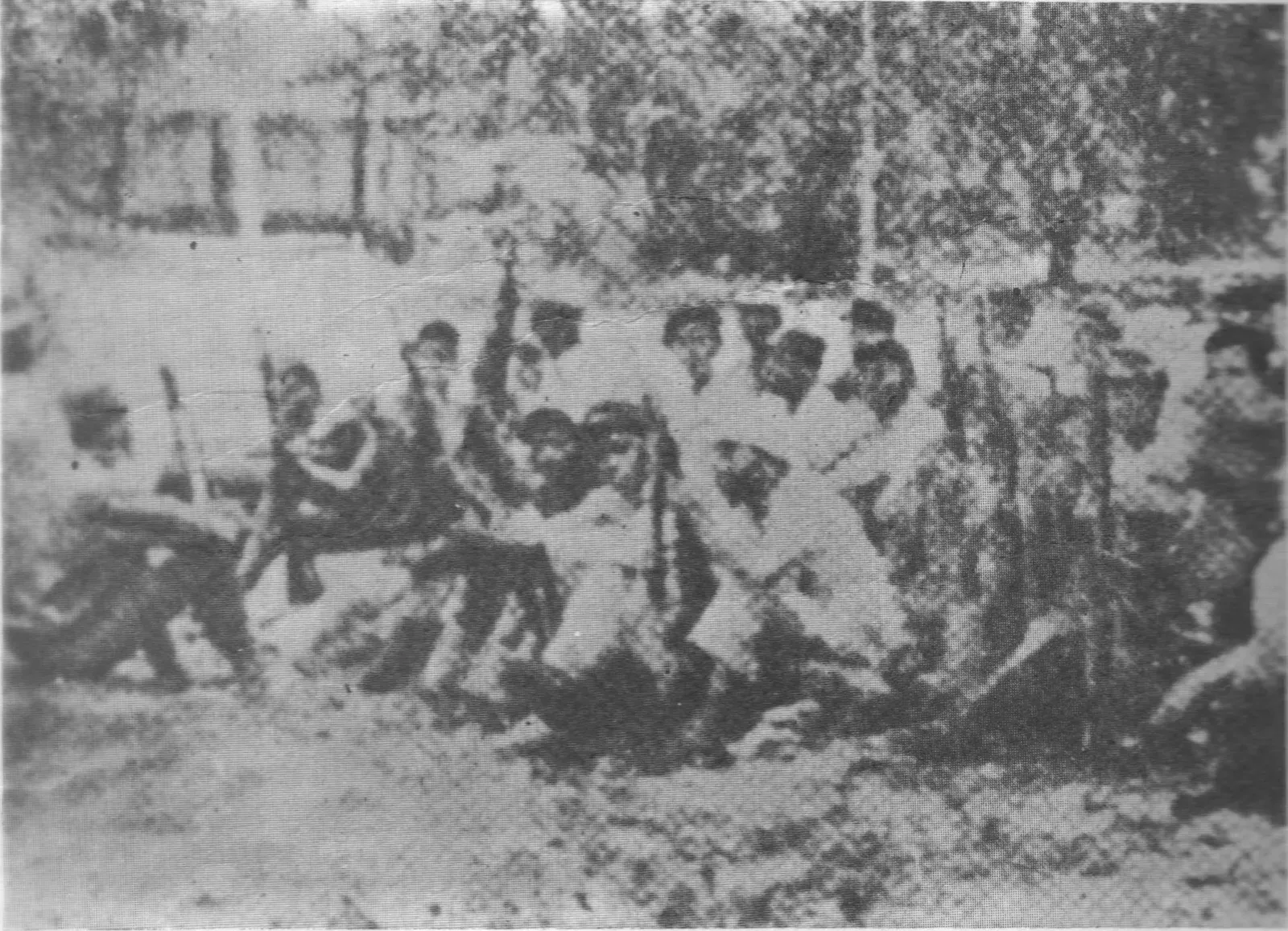
In under a year, roughly half a million people were killed in a purge the U.S. government reportedly knew about – and didn’t stop.
Following an attempted coup in 1965, the Indonesian military and allied militias launched a violent campaign against suspected communists, ethnic Chinese residents, and leftist sympathizers. Mass killings swept through villages, often with local vigilante groups doing the killing while the military provided lists of targets.
Declassified U.S. documents later revealed American officials had knowledge of the killings as they unfolded, and some historians argue Western governments quietly supported the anti-communist purge for Cold War reasons. Indonesia has never conducted a full truth commission on the events. It remains one of the least discussed mass-killing events of the 20th century.
#19 – Guatemala’s Genocide Against the Maya
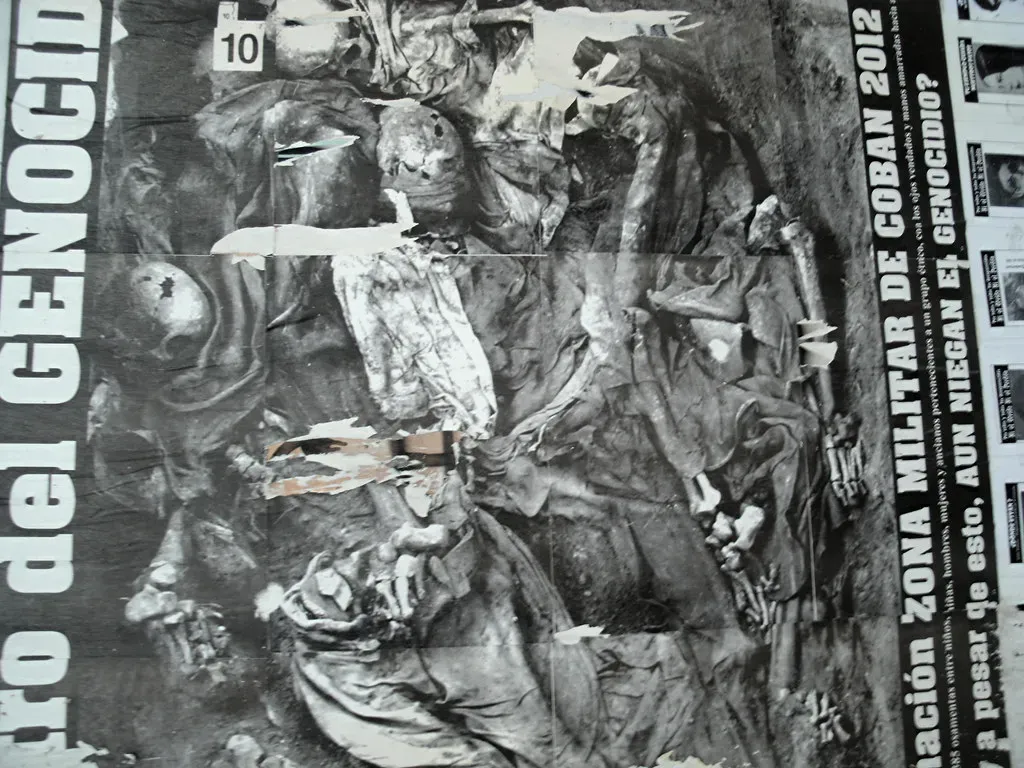
A U.S.-backed military government waged a scorched-earth campaign against its own Indigenous population – and called it a war on communism.
During Guatemala’s decades-long civil war, particularly under military rule in the early 1980s, government forces targeted Maya communities suspected of supporting leftist guerrillas. Entire villages were destroyed, and a UN-backed truth commission later concluded that acts of genocide had been committed against specific Maya ethnic groups.
Estimates suggest over 200,000 people were killed or disappeared during the broader conflict. U.S. support for the Guatemalan military during this period remains a controversial chapter in Cold War foreign policy, and it’s rarely connected to broader lessons about Central American history in American classrooms.
#20 – The Great Leap Forward’s Death Toll Still Shocks Historians
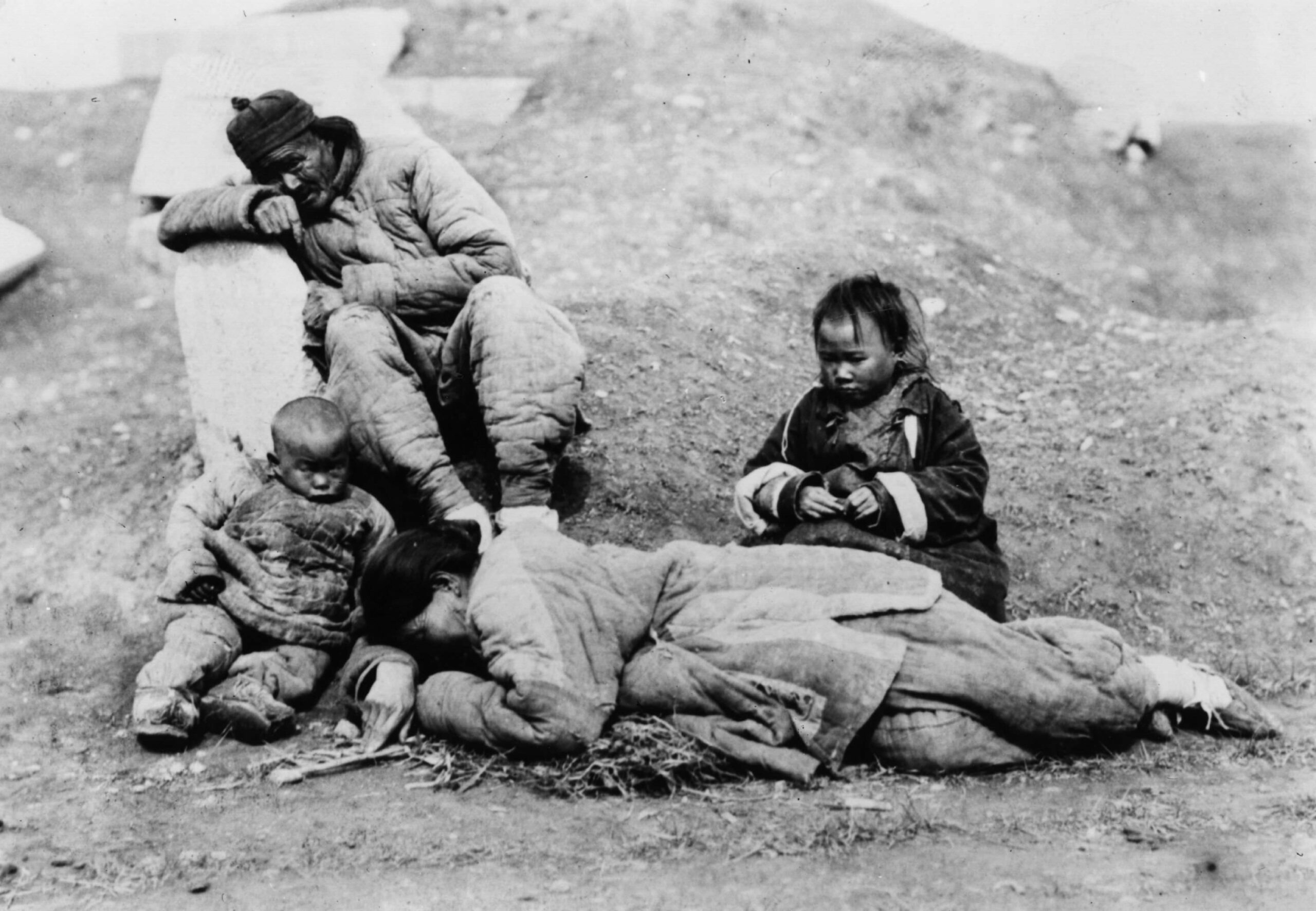
China’s attempt to rapidly industrialize triggered the deadliest famine in recorded human history – and it was entirely preventable.
Between 1958 and 1962, Mao Zedong’s economic campaign forced peasants into communal farming and diverted agricultural labor toward backyard steel production, based on wildly unrealistic industrial targets. Estimates of the resulting famine’s death toll range from roughly 15 million to 45 million people, making it possibly the largest famine in human history.
Local officials, fearing punishment, routinely falsified crop yield reports to Beijing, meaning the central government often believed there was surplus grain even as people starved. Grain was still exported during parts of the famine to maintain appearances of success. The full scope of the disaster wasn’t openly discussed within China for decades, and it remains a politically sensitive topic there today.
Why It Stands Out
- Death toll estimates span 15 million to 45 million, among the widest ranges of any famine on record
- Caused primarily by policy decisions, not drought or crop failure
- Falsified local reporting hid the scale of starvation from national leadership for years
- Grain exports reportedly continued even as rural famine deepened
The Bottom Line
History class isn’t lying to you exactly – it’s just curated, and curation always involves choices about what’s comfortable to teach. From radium-poisoned factory workers to famines that killed tens of millions, the common thread isn’t secrecy for secrecy’s sake.
It’s that these events implicate powerful institutions – governments, corporations, and militaries – that had every incentive to control the narrative for decades. The most disturbing pattern here isn’t any single atrocity; it’s how consistently official denial outlasted the survivors. Which of these stories were you never taught? Drop the one that shocked you most in the comments.