
Most people assume the age of satellites and DNA testing closed the book on history’s weirdest riddles. It hasn’t. From a 2,000-year-old Greek gadget that modern engineers still argue about to a serial killer whose identity investigators keep “solving” and then un-solving, dozens of the most consequential mysteries in human history remain stubbornly, maddeningly open.
Governments have closed cases, forensic teams have gone silent, and entire archaeological careers have been built on guesses that later collapsed. Here’s what historians, cryptographers, and forensic experts actually say about the 20 mysteries they still can’t crack – starting with one that even the codebreakers who beat the Nazis couldn’t touch.
#20 – The Voynich Manuscript’s Language Has Never Been Cracked
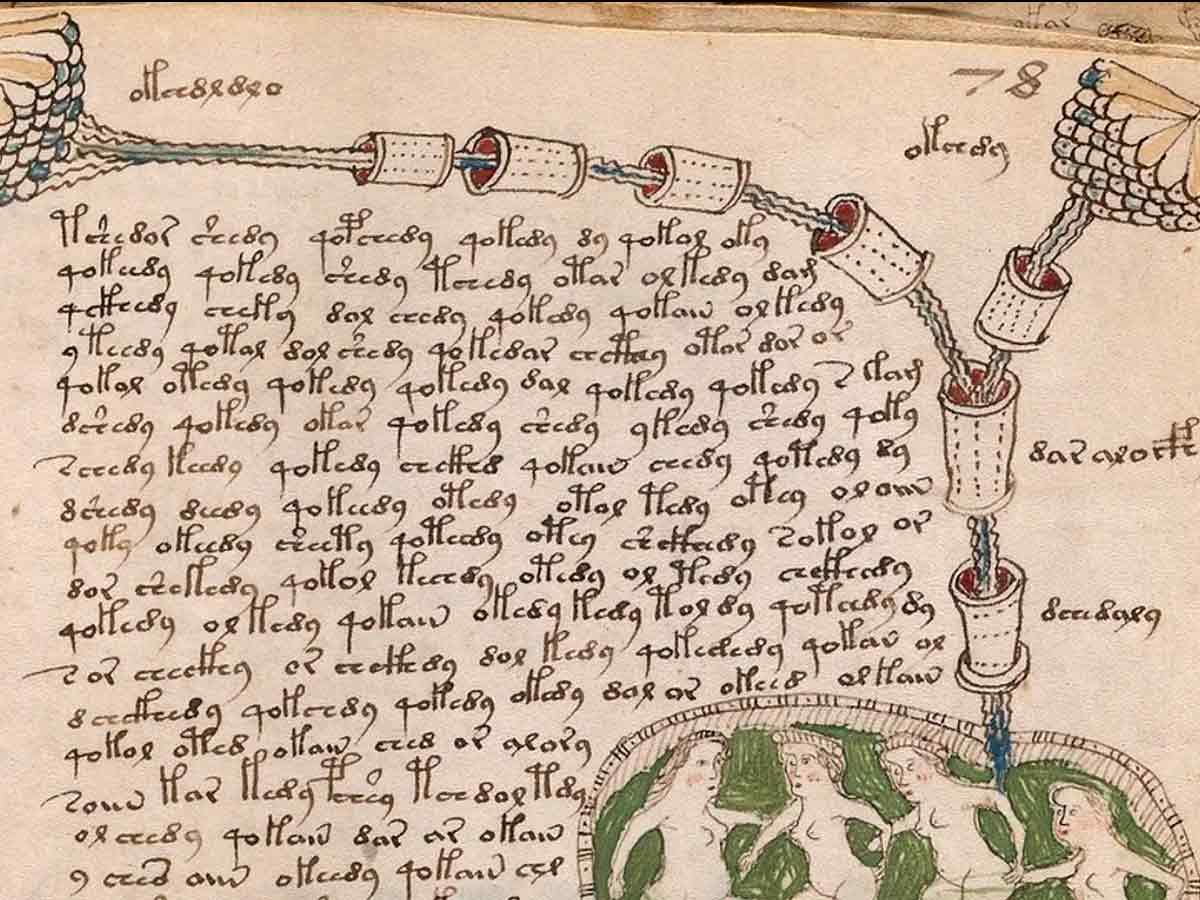
A 240-page medieval book, written in an alphabet nobody on Earth can read, has defeated every codebreaker who’s touched it since 1912.
The manuscript is filled with strange botanical illustrations of plants that match nothing in nature, alongside diagrams of naked women bathing in green liquid inside tubular structures. Carbon dating places the vellum to the early 1400s, ruling out the modern hoax theories that dominated 20th-century speculation.
Even wartime codebreakers who cracked Nazi Enigma machines couldn’t decipher a single page. Some researchers argue it’s a genuine constructed language; others insist it’s an elaborate, meaningless hoax designed to fool a wealthy buyer. Machine-learning attempts in recent years have claimed breakthroughs, only to be dismissed by linguists as statistical noise dressed up as discovery.
But #19 is even harder to believe.
#19 – The Antikythera Mechanism Was Too Advanced For Its Time
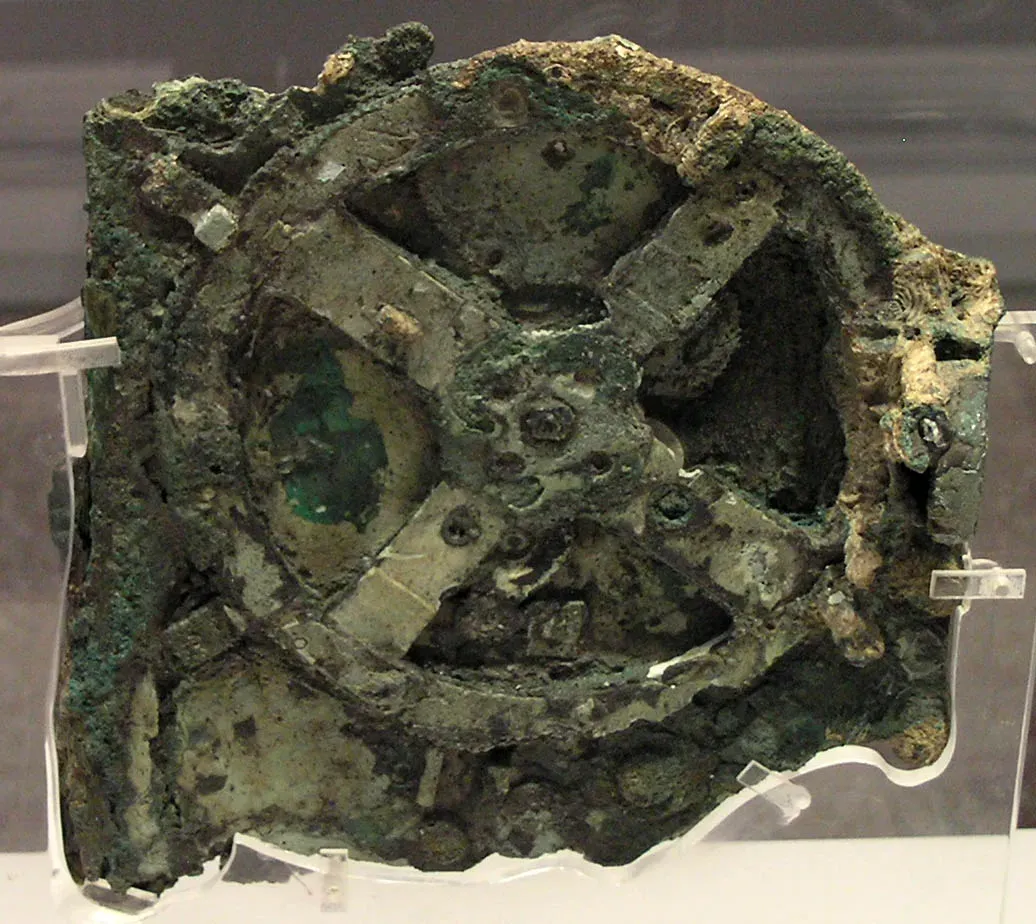
Greek sailors salvaged a corroded lump of bronze from a shipwreck in 1901, and it turned out to be more sophisticated than any machine built for the next thousand years.
The device contains dozens of interlocking gears that modeled the movements of the sun, moon, and five known planets. X-ray CT scanning eventually exposed a Greek inscription on the back cover that researchers interpret as an operating guide – essentially an instruction manual for an ancient computer.
Yet new simulations suggest the machine may have barely worked at all. A 2025 study found the mechanism wasn’t very practical in the end – it could only be cranked about four months into the future before its gears jammed or simply disengaged. Nobody knows who built it, where its workshop was, or whether it was a serious scientific tool or an elaborate toy.
Fast Facts
- Recovered from a shipwreck off the Greek island of Antikythera in 1901
- Built from dozens of interlocking bronze gears tracking the sun, moon, and five known planets
- A hidden Greek inscription, found via X-ray CT scanning, functions as an operating manual
- A 2025 study found it could only project about four months into the future before jamming
Still, #18 might be even messier.
#18 – Stonehenge’s Purpose Still Splits Archaeologists
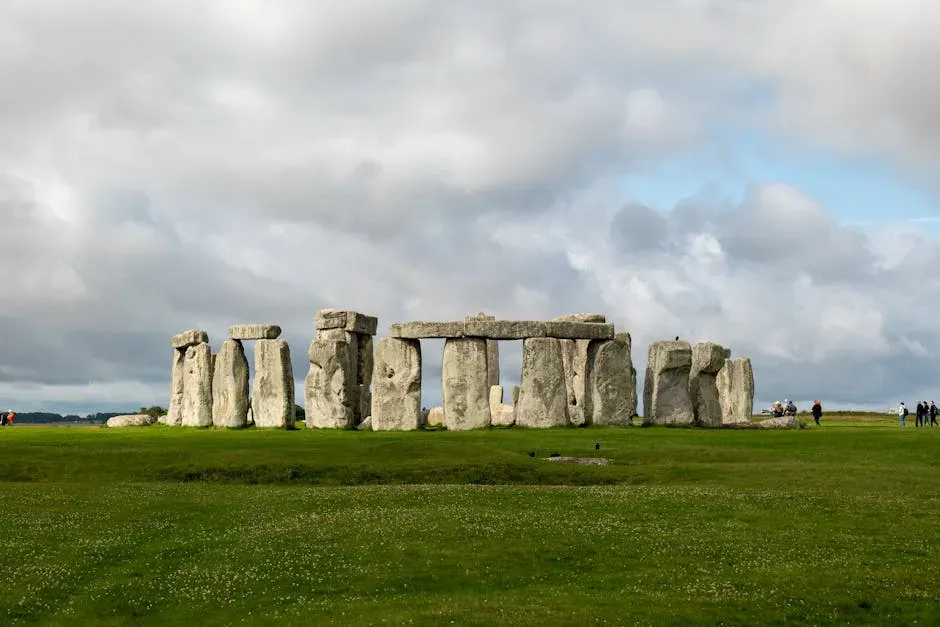
Everyone assumes Stonehenge’s mystery is “solved,” but experts are still fighting over why it was built at all.
The bluestones were dragged nearly 150 miles from Wales, an engineering feat that would be difficult even with modern machinery, let alone Neolithic tools. Some archaeologists argue it was a solar calendar, others insist it was a healing site pilgrims traveled to for its supposed medicinal properties, and a growing number believe it functioned as an ancestral burial monument uniting communities across Britain.
The transportation method for stones weighing several tons remains completely theoretical – no tools, sledges, or ramps large enough have ever been found nearby. While most textbooks present Stonehenge as a solved solstice calendar, many researchers now argue that’s an oversimplified answer to a monument whose true purpose was likely layered and evolving over centuries.
Yet #17 is stranger still.
#17 – The Nazca Lines Can Only Be Seen From The Sky
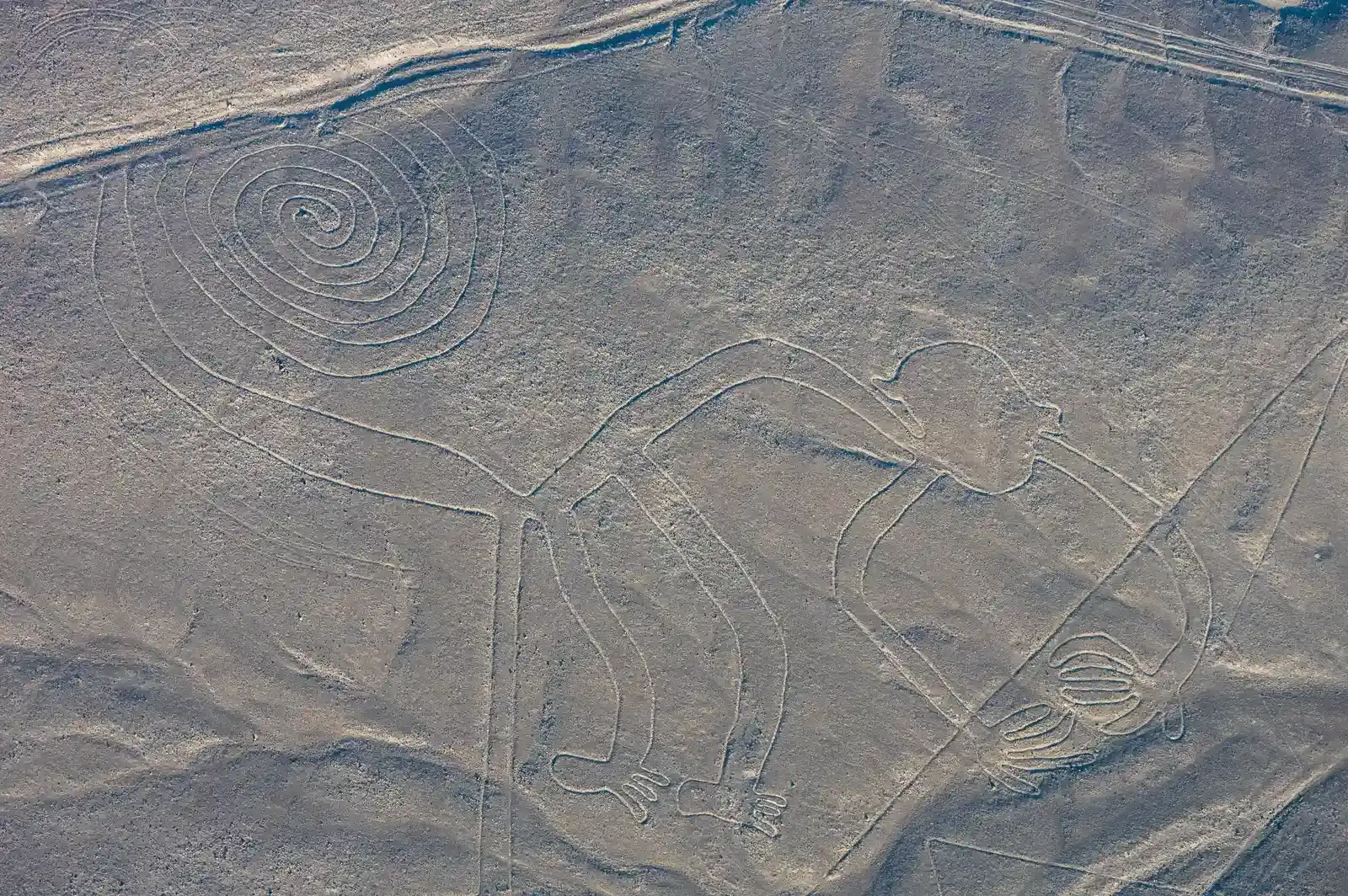
Ancient Peruvians carved massive geometric shapes and animal figures into the desert floor that are only fully visible from the air – technology that didn’t exist for another 1,500 years.
The lines depict hummingbirds, monkeys, spiders, and geometric shapes stretching hundreds of feet, etched by removing dark surface rocks to reveal lighter soil beneath. Theories range from astronomical calendars tracking solstices to sacred pathways used in water rituals for a civilization desperate for rain in one of the driest deserts on Earth.
The lines have survived over 1,500 years with almost no erosion, thanks to the region’s unique windless, rainless climate. No one has definitively proven whether the Nazca people ever saw their own work from above using elevated platforms, or whether the shapes were meant purely for the gods.
But #16 gets even weirder.
#16 – Nobody Fully Agrees How Easter Island’s Statues Moved
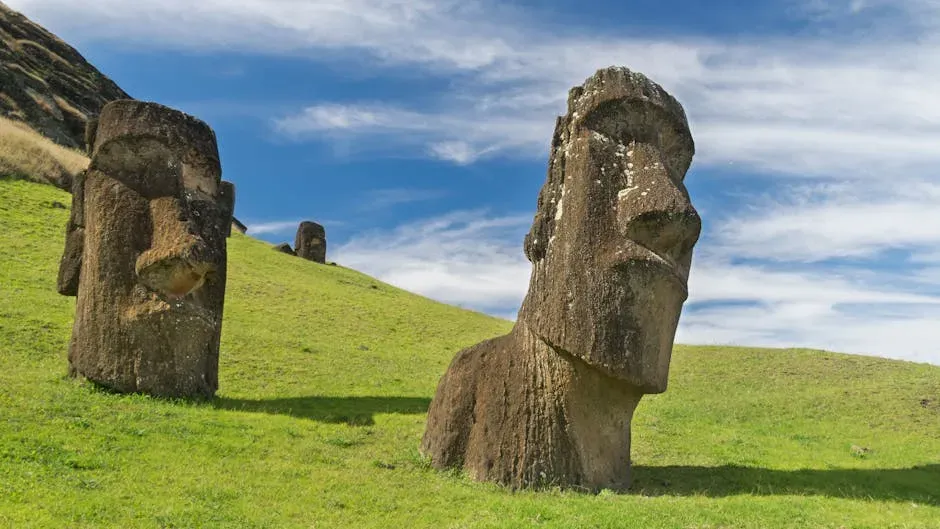
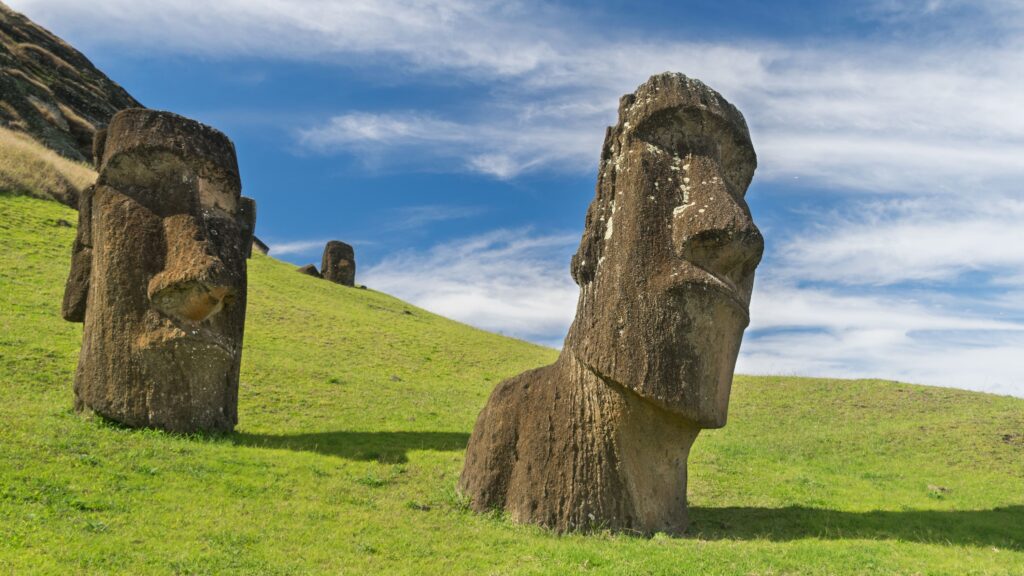
The Moai statues of Easter Island weigh up to 82 tons, yet the island had no wheels, no draft animals, and barely any large trees by the time most were carved.
Local oral tradition claims the statues “walked” to their platforms, and modern experiments have shown that teams using ropes can rock and shuffle a replica forward in a walking motion, lending surprising credibility to the legend. Other researchers insist wooden sledges and log rollers were used instead, requiring the very trees that scientists say were already vanishing from deforestation.
The society’s ecological collapse and the statues’ construction may have been happening simultaneously, not sequentially as once assumed. While popular history blames the islanders entirely for chopping down every tree, many researchers now argue rats introduced by settlers devastated the palm forests just as much as human logging did.
Still, #15 raises questions modern engineers can’t fully answer.
#15 – The Great Pyramid’s Construction Method Remains Unproven
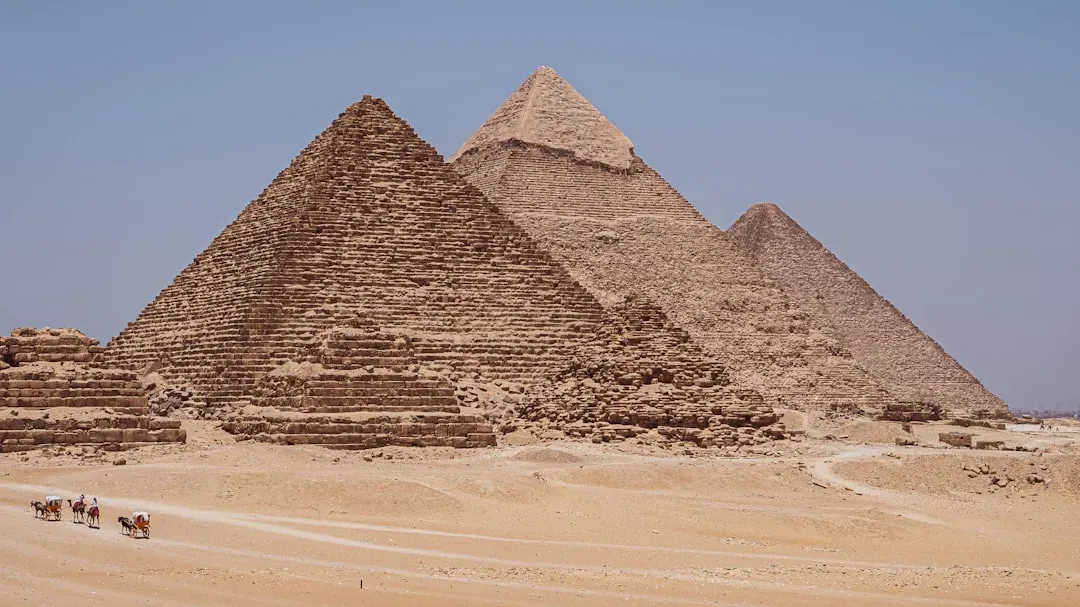
Egyptologists agree on almost everything about the Great Pyramid of Giza except the single most important detail: how, exactly, it was built.
The structure contains over 2 million blocks, some weighing up to 80 tons, assembled with a precision that modern construction crews still find difficult to replicate without cranes. Ramp theories dominate textbooks, but no ramp large enough to reach the pyramid’s peak has ever been discovered, and calculations suggest such a ramp would have required more material than the pyramid itself.
Papyrus logs discovered in 2013 describe workers moving stones by boat, confirming logistics but not the final assembly method at height. Internal void chambers detected by cosmic-ray imaging in recent years have reopened the debate entirely, suggesting hidden spaces even modern scanning can’t fully explain.
But #14 is even more bizarre.
#14 – The Baghdad Battery’s True Purpose Is Still Debated
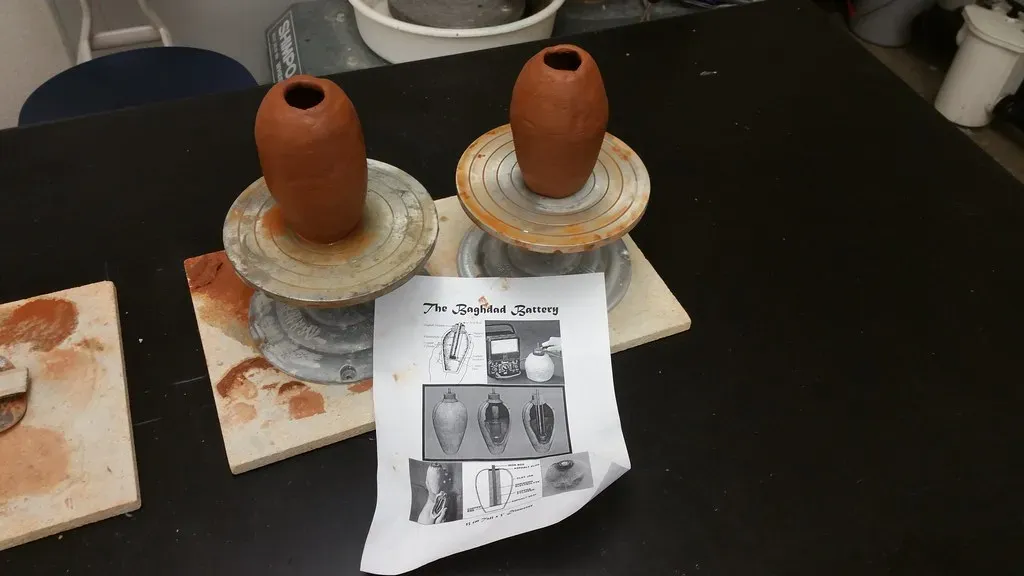
A 2,000-year-old clay pot containing a copper cylinder and iron rod looks suspiciously like a battery, and nobody can agree on why an ancient civilization would need one.
Discovered near Baghdad in the 1930s, the artifact could theoretically generate a small electrical charge if filled with an acidic liquid like vinegar or wine, according to replicated experiments. Mainstream historians argue it was more likely used for storing sacred scrolls, since no wires or electrical components have ever been found alongside it anywhere in the region.
Fringe theories claiming it was used for ancient electroplating gold onto jewelry have never been definitively disproven either, keeping the debate alive among archaeologists and hobbyist historians alike. The lack of comparable objects from the same era makes it nearly impossible to place the device within a broader technological context.
Yet #13 has cartographers arguing to this day.
#13 – The Piri Reis Map Shows Coastlines That Shouldn’t Have Been Known
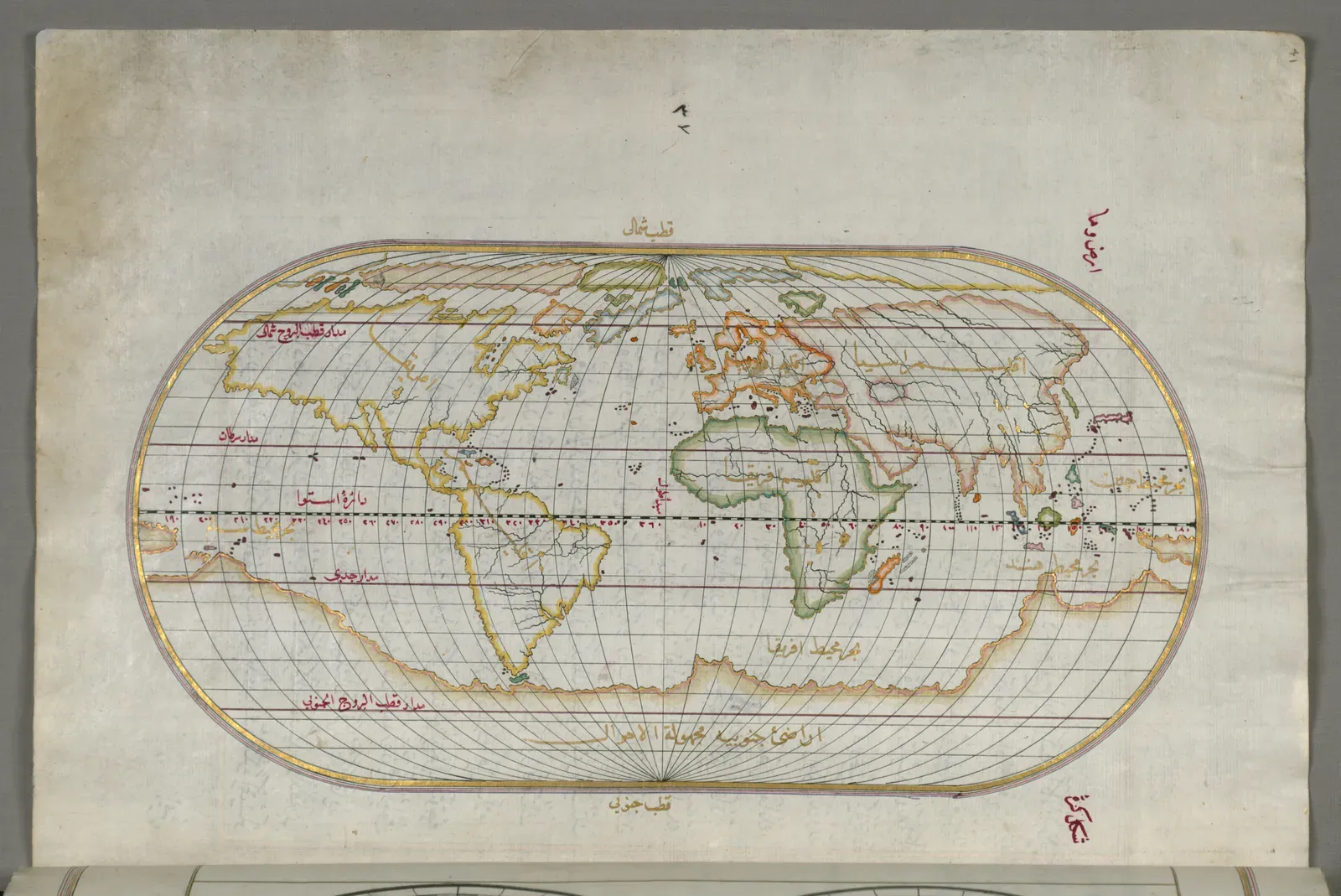
A 1513 Ottoman map drawn by admiral Piri Reis appears to show the coastline of Antarctica, a continent that wasn’t officially discovered by Europeans until 1820.
The map’s accuracy regarding South America’s eastern coast is remarkable for its time, and the southern landmass depicted has fueled decades of speculation about lost source maps from far older, unknown civilizations. Mainstream cartographers argue the southern coastline is simply a distorted rendering of South America’s coast, folded to fit the parchment, not Antarctica at all.
Piri Reis himself wrote that he compiled the map from roughly 20 older source charts, some reportedly dating back to Alexander the Great’s era, none of which have ever been recovered. Skeptics and alternative historians remain locked in an unresolved standoff over what those lost source maps actually depicted.
Still, #12 has cost people their lives.
#12 – Oak Island’s Money Pit Still Hasn’t Given Up Its Secret

Treasure hunters have been digging into a single pit on a small Nova Scotia island since 1795, and 230 years later, nobody has found the fortune they’re looking for.
Six people have died searching for whatever lies beneath the pit’s booby-trapped shafts, which appear to flood automatically whenever diggers approach a certain depth. Recent seasons of televised excavation have uncovered genuinely startling evidence – coconut fibre from Smith’s Cove has been carbon-dated to between 1260 and 1400 AD, and wood found beneath a stone pavement in the swamp dates to the 1200s.
That’s centuries before the island’s “official” 1795 discovery date. Some researchers now argue non-native groups were active on the island long before recorded history claims, since the region’s Indigenous Mi’kmaq population is not known to have quarried stone, laid cobblestone roads, forged iron, or imported coconut fibre from the tropics – meaning someone else may have done all of it first.
At a Glance
- Digging began in 1795 and continues 230 years later with no treasure recovered
- Six searchers have died pursuing whatever lies beneath the shafts
- Coconut fibre from Smith’s Cove carbon-dates to between 1260 and 1400 AD
- Wood beneath the swamp’s stone pavement dates to the 1200s, centuries before 1795
But #11 might be the eeriest disappearance in American history.
#11 – The Roanoke Colony Vanished Without A Trace
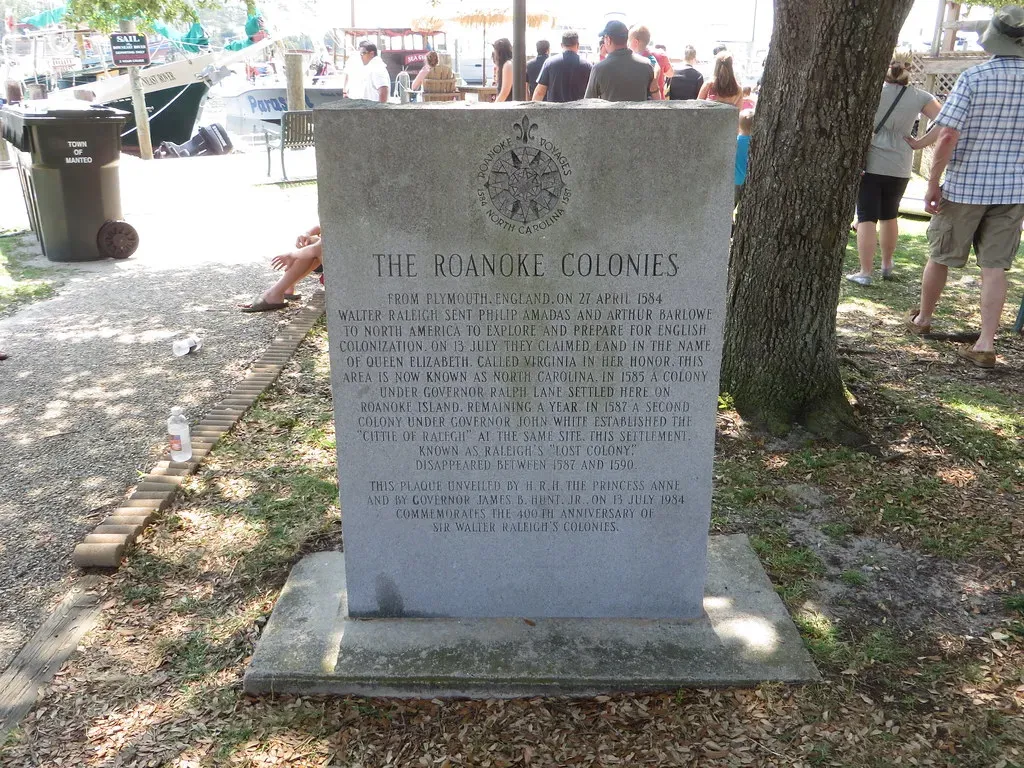
In 1587, 115 English settlers established a colony on Roanoke Island; by 1590, every single one of them had disappeared, leaving behind only a single carved word.
The word “CROATOAN” was found carved into a fence post, referencing a nearby island and an allied Native American tribe, but no bodies, graves, or ruins were ever conclusively found there either. Theories range from peaceful assimilation into local tribes to a violent massacre by rival groups or Spanish forces patrolling the coast.
Modern archaeological digs have found European-style artifacts on Hatteras Island, lending real weight to the assimilation theory decades after it was first proposed. While popular culture loves the “vanished without a trace” framing, many historians now argue the colonists likely didn’t vanish mysteriously at all – they simply integrated, and record-keeping failed to follow them.
Yet #10 is even more unsettling.
#10 – The Mary Celeste’s Crew Disappeared Mid-Voyage
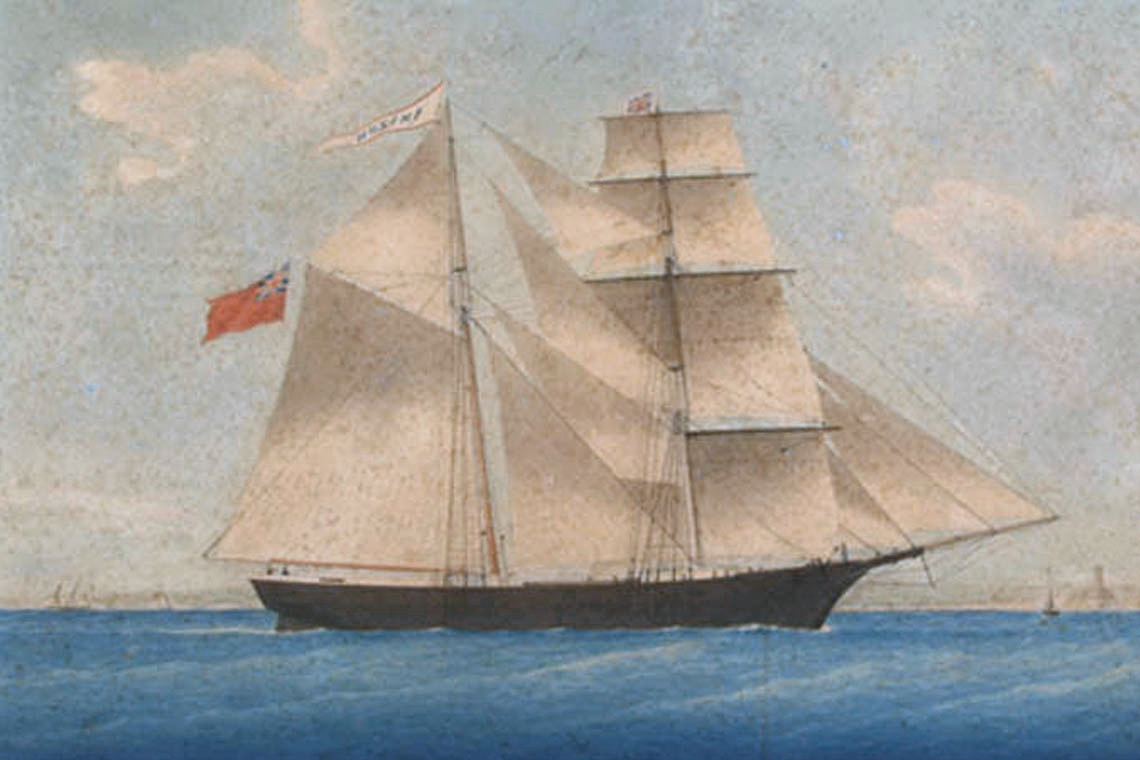
In 1872, a ship was found drifting in the Atlantic completely intact, fully stocked with food and cargo, with not a single crew member aboard.
The lifeboat was missing, suggesting the crew abandoned ship voluntarily, yet the vessel was seaworthy and showed no signs of storm damage, fire, or struggle when boarded by the crew that discovered it. Captain Benjamin Briggs, his family, and seven crew members were never found alive or dead, despite the ship’s cargo of denatured alcohol remaining almost entirely undisturbed.
Investigators found the ship’s chronometer, sextant, and papers missing, suggesting a hurried but deliberate evacuation, not a sudden catastrophe. Theories range from alcohol fume explosions to a seaquake terrifying the crew into fleeing prematurely, but no evidence has ever definitively confirmed either scenario.
Still, #9 has never stopped haunting London.
#9 – Jack The Ripper’s Identity Died With Victorian London
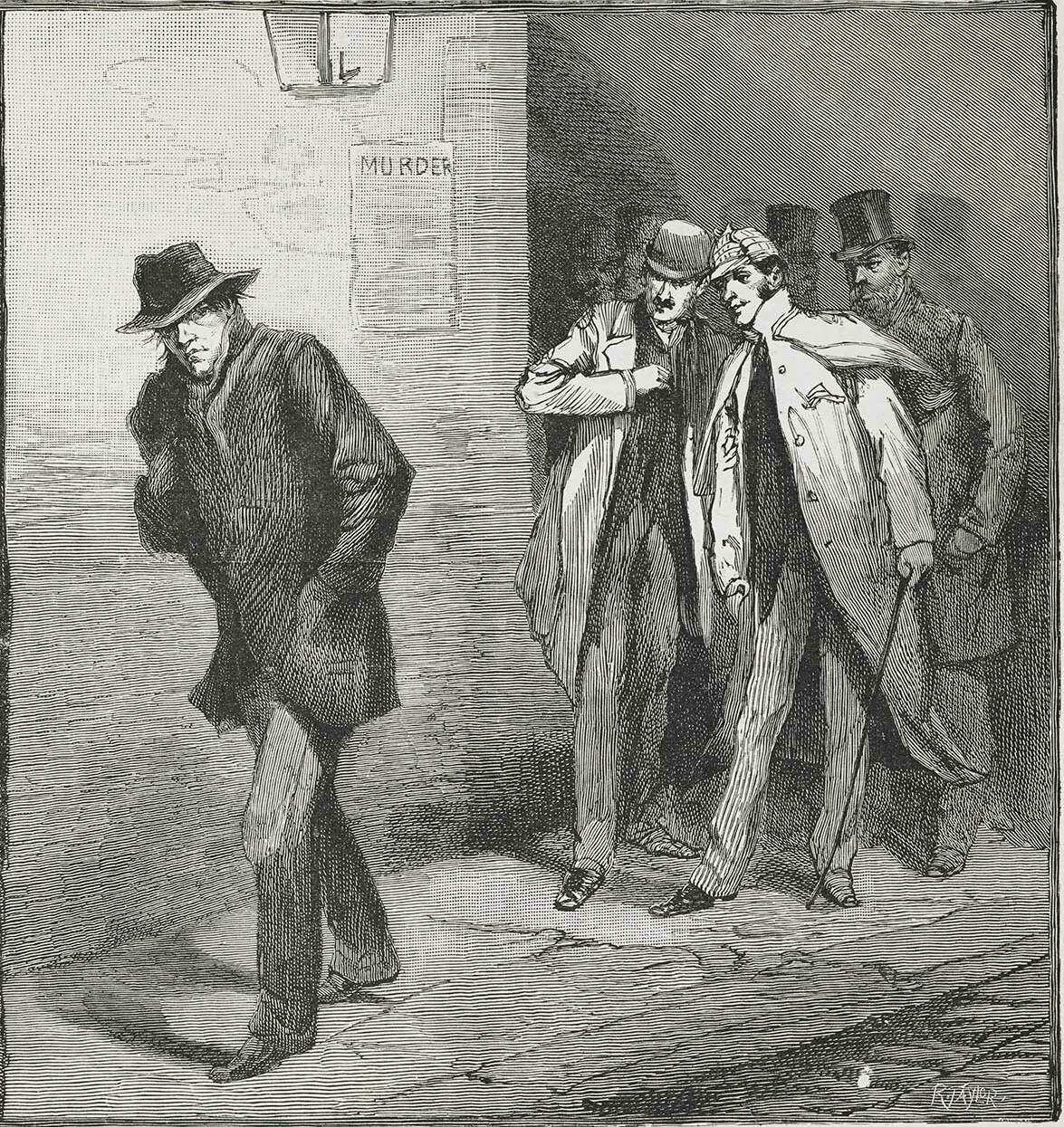
In 1888, a killer stalked the Whitechapel district of London, murdered at least five women, and was never caught despite one of the largest manhunts in 19th-century history.
The killer taunted police with letters, some possibly genuine and others near-certain hoaxes written by journalists trying to sell newspapers during the panic. Over 100 suspects have been proposed over the past 130-plus years, ranging from a Polish immigrant to a royal physician to a failed barrister, none proven with anything close to certainty.
DNA testing on a shawl allegedly linked to one victim reignited the debate in recent years, though critics argue the chain of evidence is too compromised by over a century of handling to be conclusive. The case remains officially unsolved, and Scotland Yard’s original files have never produced a definitive answer.
Quick Compare
- Polish immigrant suspect – linked by contemporary police notes, never formally charged
- Royal physician suspect – popularized in later conspiracy writing, no documentary proof
- Failed barrister suspect – fit witness descriptions, but evidence remains circumstantial
But #8 flattened a forest and left no proof behind.
#8 – The Tunguska Event Flattened A Forest With No Crater
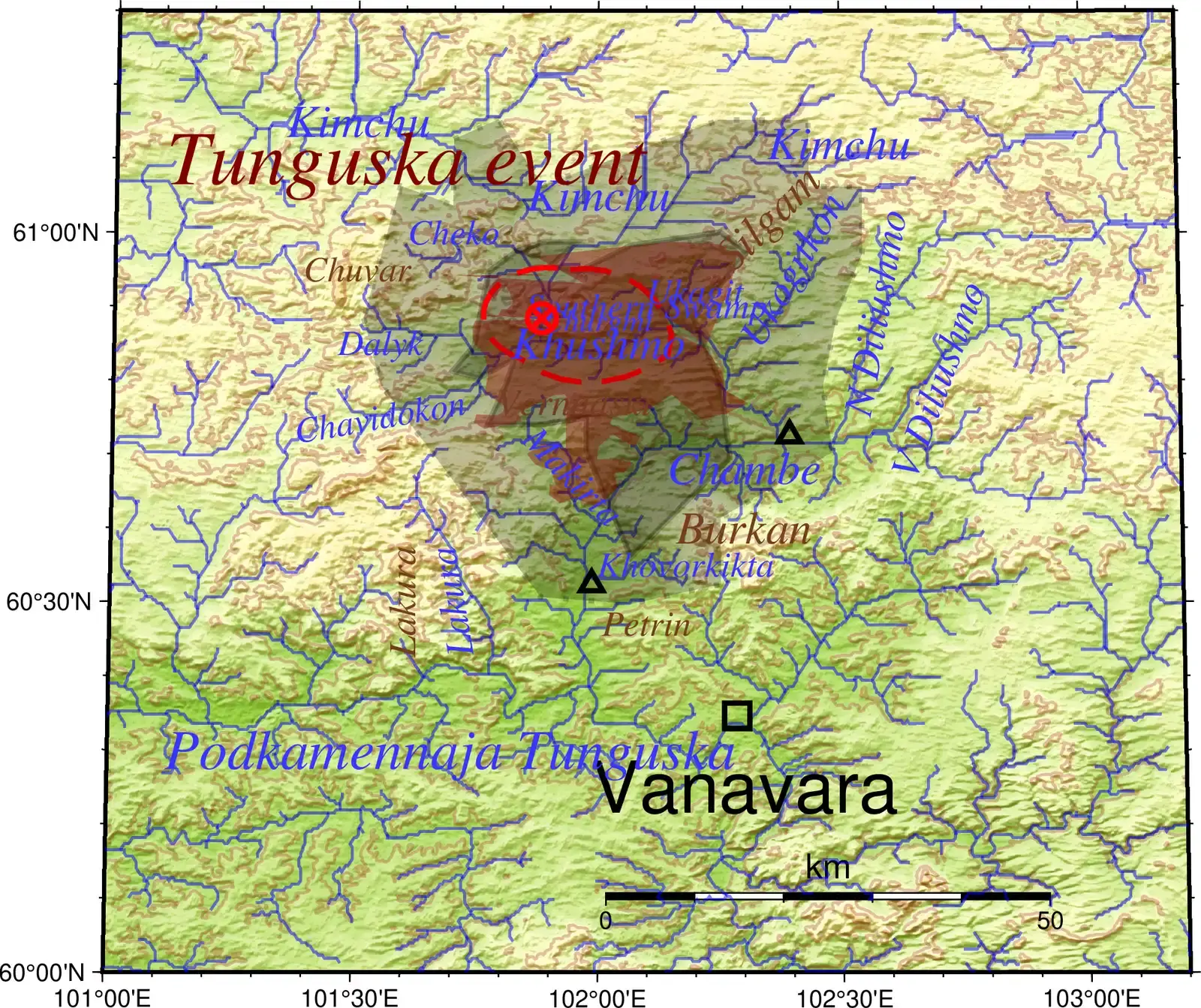
In 1908, a massive explosion leveled 80 million trees across 830 square miles of Siberian forest, with a force estimated at 1,000 times the atomic bomb dropped on Hiroshima.
Scientists widely agree the explosion was caused by a meteor or comet fragment that detonated in the atmosphere before impact, but no crater or significant fragments have ever been recovered from the site. The remoteness of the region meant the first serious scientific expedition didn’t arrive until nearly 20 years later, by which point crucial physical evidence had already decayed or been lost.
Trees at the epicenter were left standing upright, stripped of branches, while trees farther out were flattened outward in a radial pattern – a blast signature scientists still debate the exact mechanics of. Alternative theories involving antimatter or even a mini black hole have been floated and dismissed, but the total absence of a crater keeps the debate technically open.
Yet #7 is a mystery the ocean refuses to give up.
#7 – Amelia Earhart’s Final Resting Place Is Still Unknown

In 1937, one of the most famous pilots in the world vanished over the Pacific Ocean during an attempt to circumnavigate the globe, and nearly 90 years of searching still hasn’t found her plane.
Numerous deep-sea expeditions using state-of-the-art sonar have turned up false leads, most recently in 2024, when a private exploration company’s sonar imaging captured a brighter orange shape they said could be Earhart’s long-lost plane sitting on the Pacific floor. That excitement collapsed months later when the same company returned and confirmed the anomaly was merely a plane-shaped rock formation.
Skeletal remains found on Nikumaroro Island in 1940 were later reanalyzed by a forensic anthropologist who found they matched Earhart’s proportions more closely than 99% of reference samples, though the original bones were lost, making DNA testing impossible. While many assume this case will eventually be solved by better technology, plenty of researchers now argue the physical evidence needed has simply been lost to time forever.
Still, #6 involves a man who vanished with $200,000 and never landed.
#6 – D.B. Cooper Remains America’s Only Unsolved Hijacking
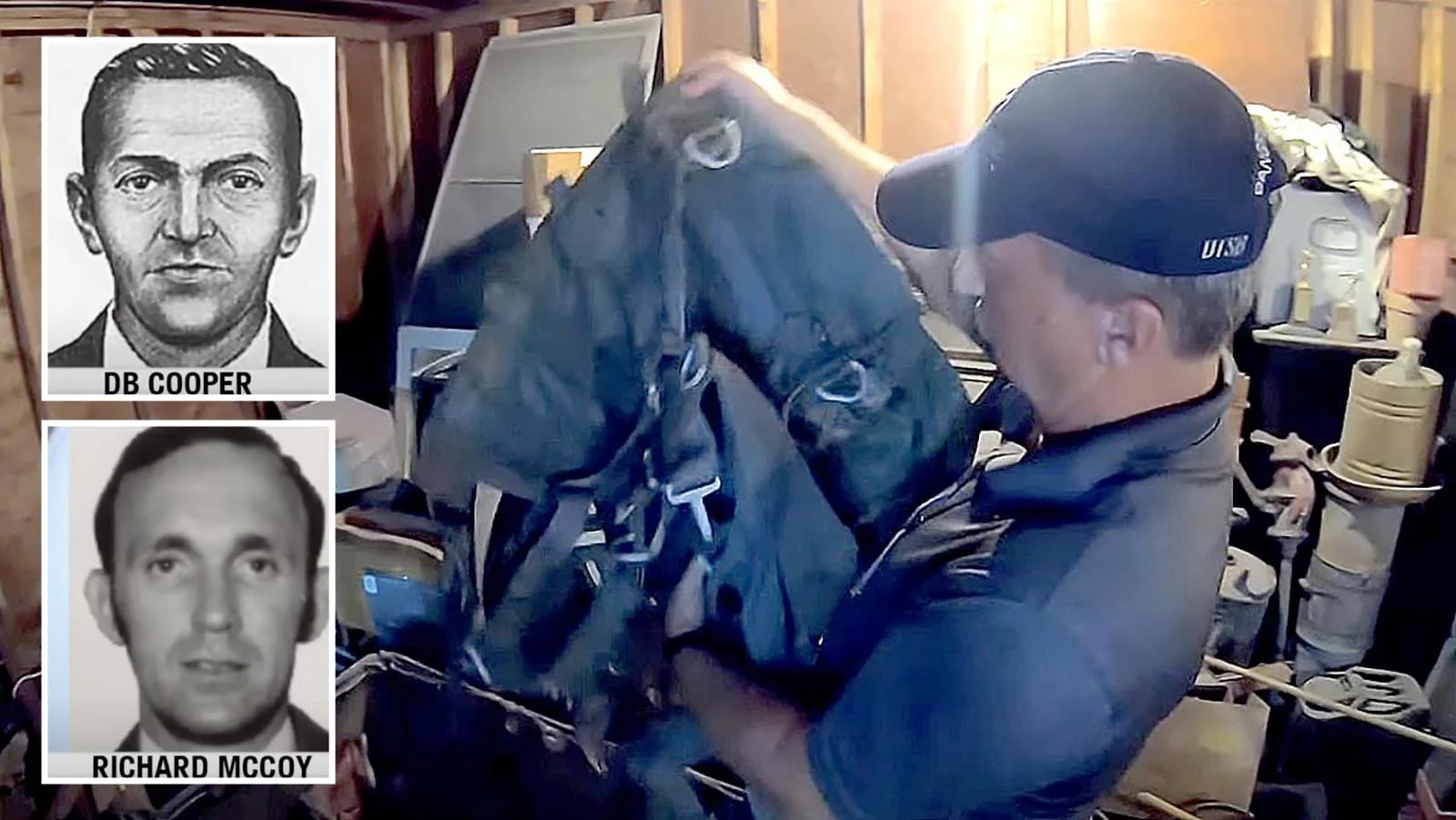
In 1971, a man calling himself Dan Cooper hijacked a commercial flight, collected $200,000 in ransom, and parachuted out of the plane over the Pacific Northwest – never to be seen again.
The FBI officially closed its active investigation in 2016, telling the public it had redirected the case’s resources toward other investigative priorities, yet independent investigators refuse to let it go.
A recently surfaced parachute rig hidden in a family’s storage has reignited serious speculation, with the son of a deceased suspect stating he has provided DNA samples to the FBI and is willing to exhume his father’s body for further analysis. Physical evidence remains the sticking point – one longtime investigator notes that microscopic particles found on Cooper’s abandoned necktie, including rare-earth metals, suggest the skyjacker may have worked at a plane-building company… or an electronics plant.
Hundreds of suspects have been floated and dismissed, and it remains the only unsolved commercial hijacking in United States history. But #5 keeps getting “solved” by people who can’t actually prove it.
#5 – The Zodiac Killer’s Identity Keeps Being “Solved” And Un-Solved
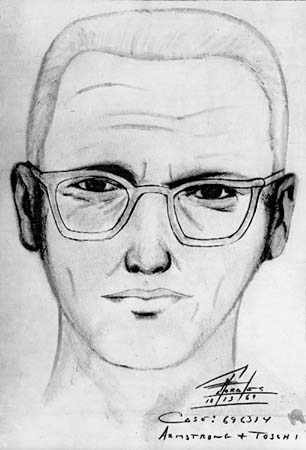
Beginning in 1968, a self-proclaimed serial killer terrorized Northern California, taunted police with cryptic ciphers, and claimed responsibility for as many as 37 murders, yet was never arrested.
A volunteer cold case team announced in 2021 that they had cracked the case, but law enforcement pushed back almost immediately. The FBI has repeatedly stated the file is still open, telling reporters that “the case remains open and there is no new information to report.”
Amateur codebreakers only cracked one of the killer’s ciphers decades after it was originally mailed, and several others remain completely unsolved to this day. A 2025 book by a retired FBI profiler claimed to reveal new evidence, but the FBI and local police have never officially confirmed a suspect, and plenty of experts remain skeptical.
While true-crime forums treat this case as functionally closed, plenty of forensic experts argue the physical evidence has never actually cleared the legal bar required for a real conviction. Yet #4 has divided scientists and theologians for decades.
#4 – The Shroud Of Turin’s Origin Still Divides Scientists And Theologians
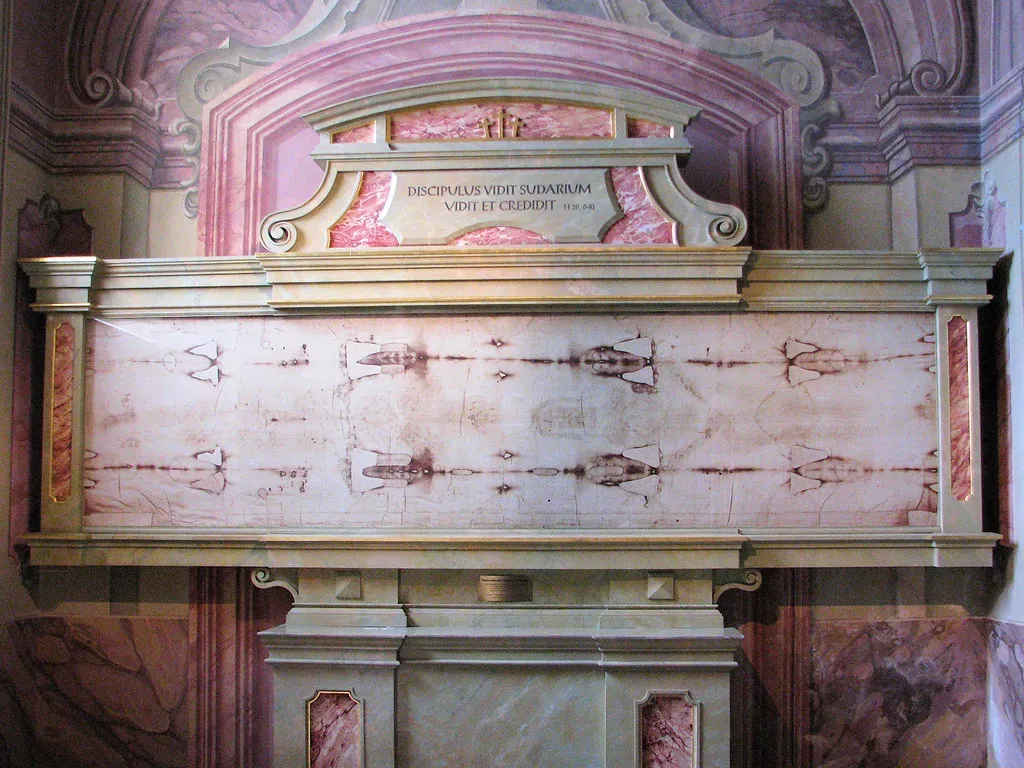
A linen cloth bearing the faint image of a crucified man has been venerated for centuries as the burial shroud of Jesus Christ, and scientific testing has only deepened the controversy rather than settling it.
Radiocarbon dating conducted in 1988 placed the cloth’s origin in the medieval period, between 1260 and 1390, seemingly debunking claims of an ancient origin. Later researchers challenged that very sample, arguing it was taken from a repaired corner of the cloth contaminated by centuries of handling and fire damage, reopening a debate that never fully closed.
The image itself has never been successfully replicated using any known medieval artistic technique, painting, or scorching method, which keeps forensic image analysts genuinely divided. Whether it’s an elaborate medieval forgery or something science genuinely can’t yet explain remains a question neither side has definitively won.
Still, #3 uses a printing technique that shouldn’t exist yet.
#3 – The Phaistos Disc’s Symbols Have Never Been Translated
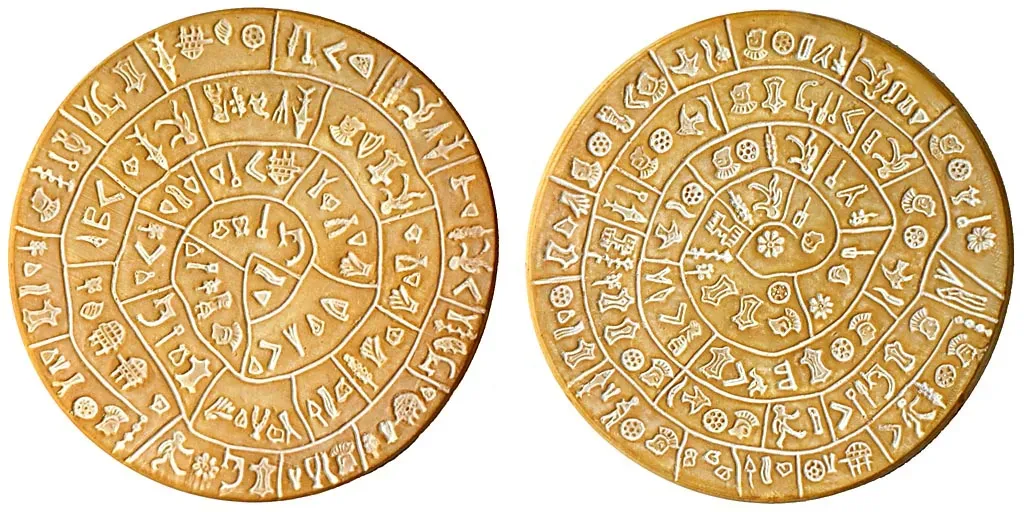
Discovered in Crete in 1908, this small clay disc is stamped with 241 symbols arranged in a spiral, using a printing-like technique that predates any other known example by thousands of years.
The symbols don’t match any known ancient script, including Linear A or Linear B, the writing systems used elsewhere on the same island around the same era. Some linguists argue it represents a prayer or hymn, others insist it’s a calendar or even a board game, and a handful of skeptics have suggested it could be an elaborate modern hoax.
No second example of this printing technique has ever been found anywhere else in the ancient world, making comparative analysis nearly impossible. The disc sits alone in a museum in Crete, its message frozen in a language nobody alive can read.
But #2 keeps rewriting – and un-rewriting – American history.
#2 – The Kensington Runestone Keeps Rewriting American History (Or Doesn’t)
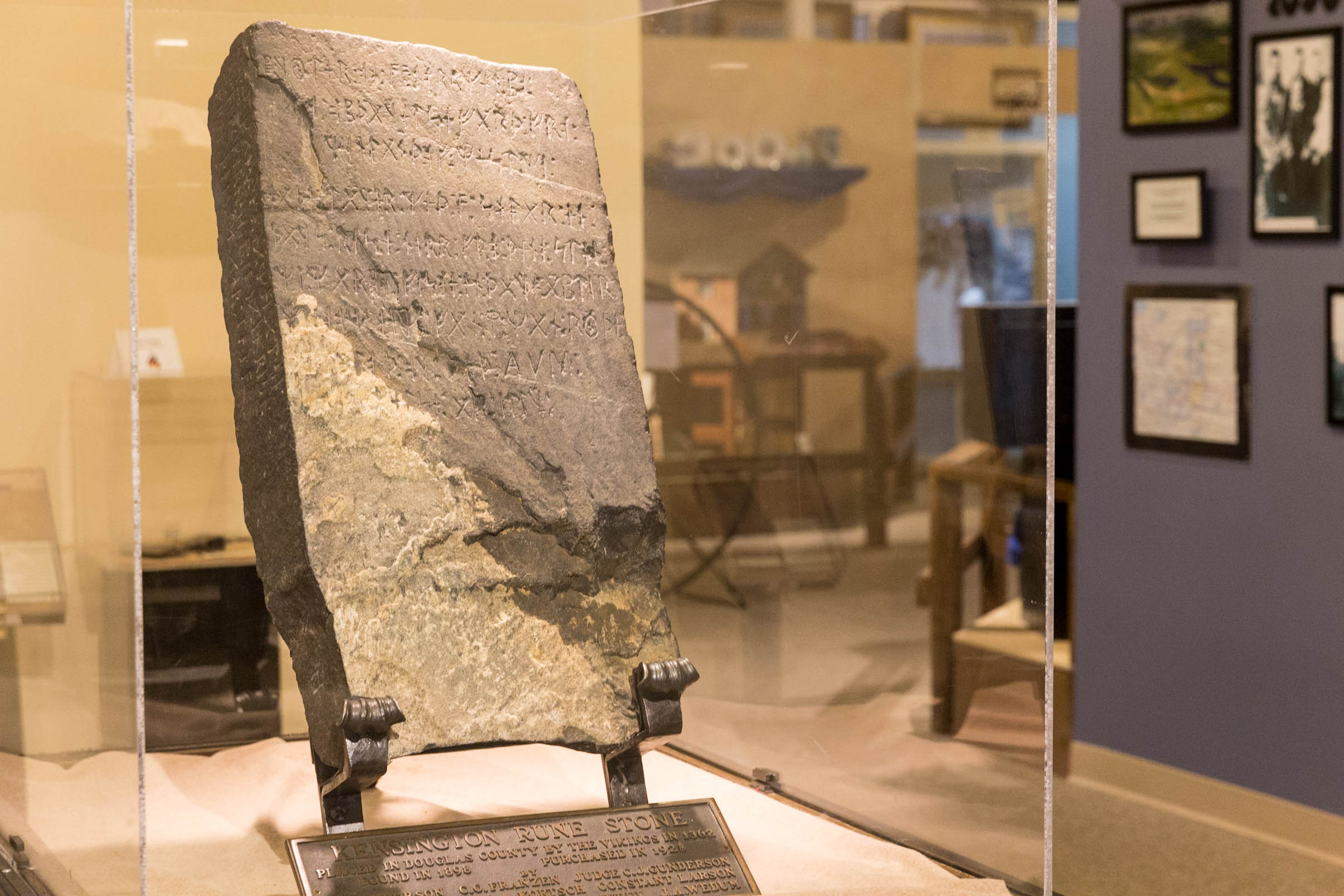
A stone slab found on a Minnesota farm in 1898 bears Norse runic inscriptions claiming Scandinavian explorers reached the American Midwest in 1362 – more than a century before Columbus.
Mainstream historians have long dismissed the stone as a 19th-century hoax, pointing to linguistic inconsistencies that don’t match authentic medieval Scandinavian runic conventions from that specific era. Yet certain runologists have pushed back for decades, arguing some of the supposedly “wrong” linguistic features actually match dialect patterns only rediscovered in genuine medieval texts long after the stone’s 1898 discovery.
The farmer who found it, Olof Ohman, never wavered from his story or profited meaningfully from the claim, which is precisely what keeps a small but serious contingent of researchers unwilling to fully dismiss it as fraud. The debate has outlived nearly every scholar who’s ever weighed in on it.
And #1 might be the most maddening mystery of them all.
#1 – Genghis Khan’s Tomb Has Never Been Found
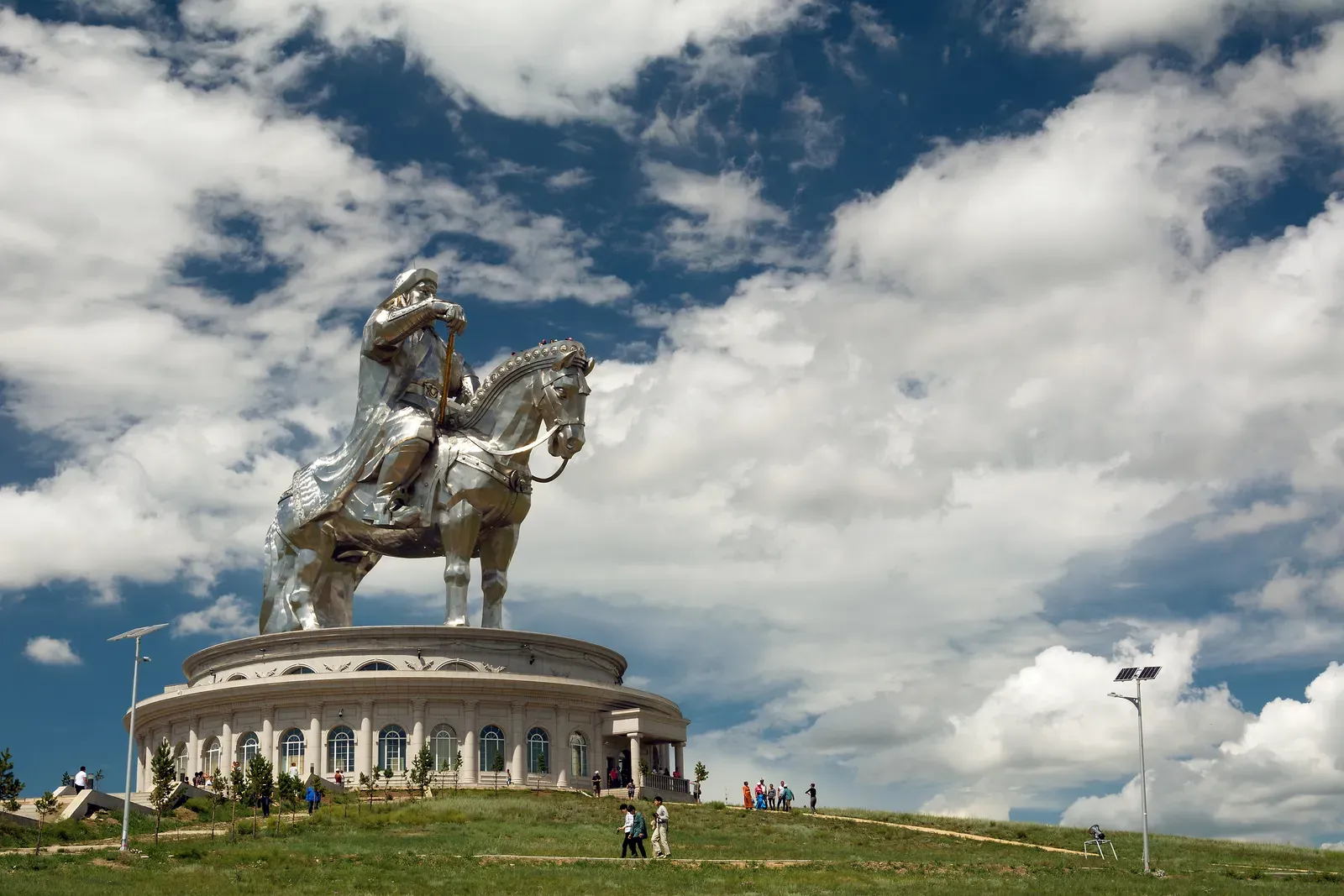
The man who built the largest contiguous land empire in human history died in 1227, and to this day, nobody knows where his body is buried.
Mongol tradition demanded secrecy around royal burials, and legend claims the soldiers who buried Genghis Khan were killed afterward, along with the soldiers who killed them, to erase all trace of the location. Some accounts describe a river being diverted over the grave site, or thousands of horses trampling the ground to erase any visible burial mound.
Modern satellite imaging and drone surveys across Mongolia have scanned thousands of square miles without producing a single confirmed lead, frustrating archaeologists who believe the tomb likely contains extraordinary treasure and historical records. Mongolian cultural taboos around disturbing the site have also discouraged aggressive excavation, even in areas where researchers suspect strong candidates exist.
Worth Knowing
- Genghis Khan died in 1227; his burial location was deliberately hidden per Mongol tradition
- Legend holds the soldiers who dug the grave were killed, then their killers were killed too
- Satellite and drone surveys have scanned thousands of square miles with no confirmed lead
- Mongolian cultural taboos still discourage excavation near suspected burial sites
Nearly 800 years later, one of history’s most powerful men remains completely, deliberately unfindable.
The Bottom Line
These aren’t fringe conspiracy theories. They’re cases where real historians, forensic scientists, and archaeologists still disagree, sometimes furiously, about the basic facts.
The most unsettling truth here isn’t that these mysteries exist – it’s that modern technology keeps failing to close them. Sonar found rocks instead of Amelia Earhart’s plane. DNA evidence keeps almost-but-not-quite naming a serial killer. Satellites have scanned all of Mongolia and come back empty-handed.
If anything, better tools have only proven how much we still don’t actually know. Maybe that’s the uncomfortable part nobody wants to admit: some stories were never built to have a tidy ending, and the ones on this list may simply outlast us too.