
You’ve probably never given gravity a second thought. It’s just the thing that keeps your coffee in the cup and your feet on the floor – boring, predictable, done deal. But physicists will tell you that’s barely scratching the surface of what’s actually happening.
Gravity bends time, punches invisible dents into the ocean, and keeps you in a permanent state of free fall right now, even as you sit reading this. Some of these facts sound like they were lifted from a science fiction script – except they’ve been measured by satellites, confirmed with lasers, and verified in Nobel Prize-winning experiments. Here are 16 real, proven facts about gravity that will make you rethink everything you thought you knew about “down.”
#1 – Gravity Isn’t Actually a “Force” at All
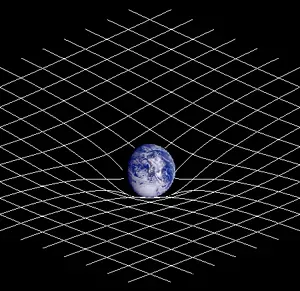
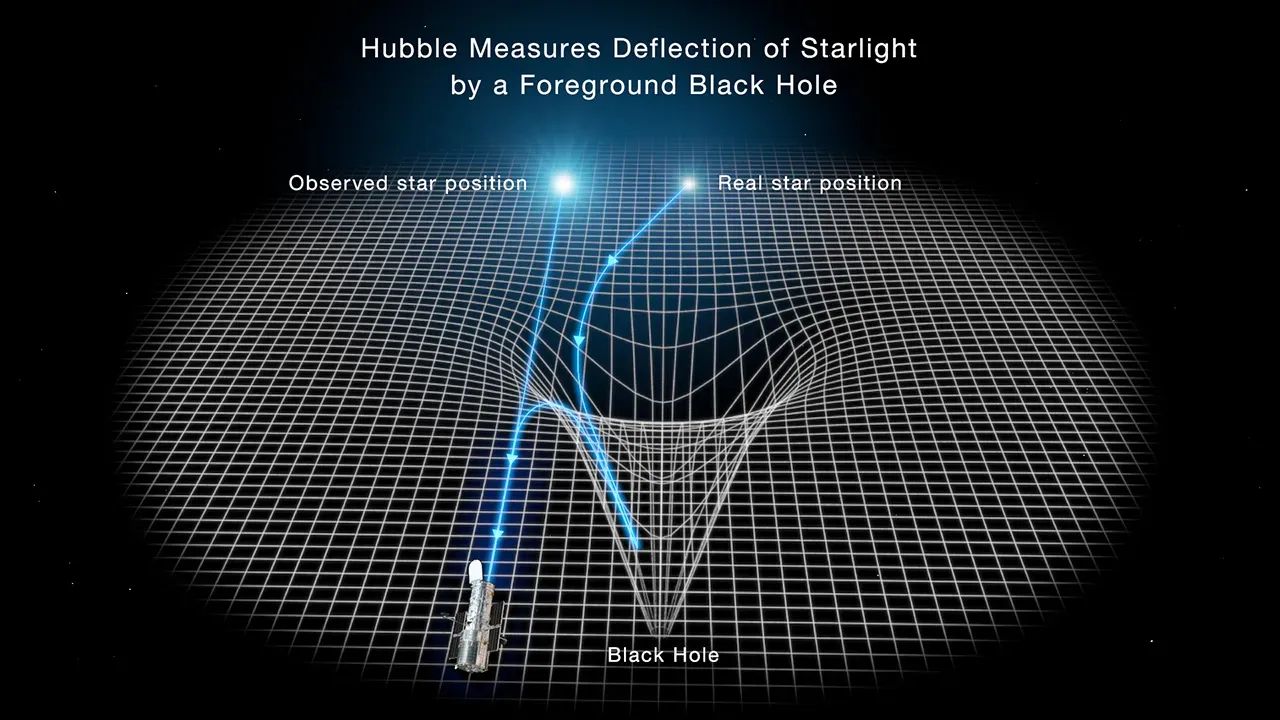
Here’s the twist that ended Newton’s 300-year reign: gravity isn’t a pull between objects, it’s the shape of space itself. Einstein’s general relativity reframed gravity as curvature in the four-dimensional fabric of spacetime, created whenever mass or energy is present. Massive objects like the sun don’t reach out and grab planets – they warp the space around them, and planets simply follow the curved paths laid out for them.
Fast Facts
- Einstein published general relativity in 1915, replacing Newton’s centuries-old gravity model.
- The theory was famously confirmed in 1919 when astronomers observed starlight bending during a solar eclipse.
- It predicts several things Newton’s model never could, including time dilation, light bending, and gravitational waves.
Think of it like a bowling ball resting on a stretched trampoline. A marble rolling nearby doesn’t get pulled by an invisible rope, it just follows the dip in the fabric. This is why gravity can bend light itself, something a simple pulling force could never do, since light has no mass to grab onto. That single insight rewired modern physics – and it’s just the opening act.
#2 – Gravity Literally Slows Down Time

If you live on the ground floor of a building, you are aging very slightly slower than your neighbor on the top floor. This isn’t a joke, it’s gravitational time dilation, and it’s been measured with atomic clocks precise enough to detect the difference over just a few feet of elevation.
The stronger the gravitational field, the slower time ticks compared to someone farther away from that mass. GPS satellites orbiting Earth experience weaker gravity than we do on the surface, so their clocks run measurably faster than ours. Engineers have to correct for this time drift daily, or GPS navigation would fail within minutes. It’s not theoretical math – it’s a real-world engineering problem solved by accounting for gravity’s grip on time itself.
#3 – You Are Constantly Falling, Even Right Now
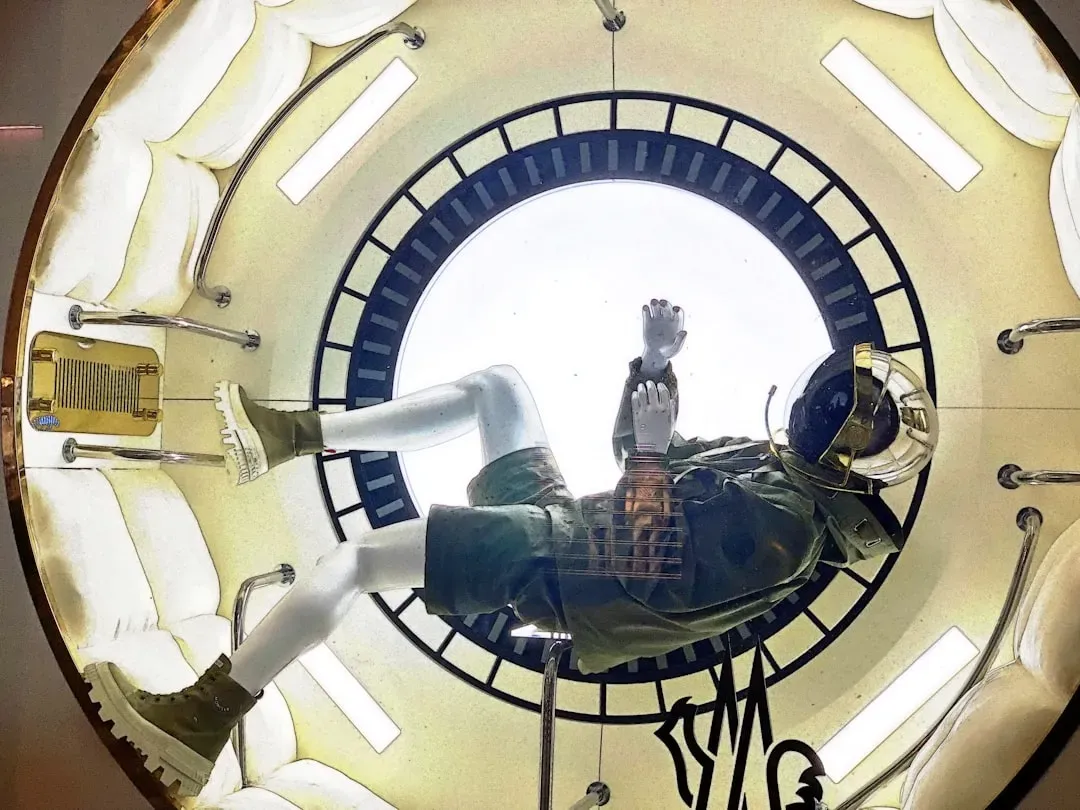
Astronauts aboard the International Space Station aren’t floating because gravity switched off – they’re in a permanent state of free fall. The ISS orbits at roughly 17,500 miles per hour, moving forward so fast that as it falls toward Earth, the planet’s curved surface falls away beneath it at the same rate.
This means “zero gravity” is a myth. It should really be called microgravity, because Earth’s gravitational pull at that altitude is still about 90% as strong as it is on the surface. Astronauts aren’t escaping gravity, they’re falling around the planet forever, like an endlessly missed shot at the ground. It’s less “no gravity” and more gravity locked in a permanent chase.
#4 – There’s a Massive “Gravity Hole” Hiding in the Indian Ocean
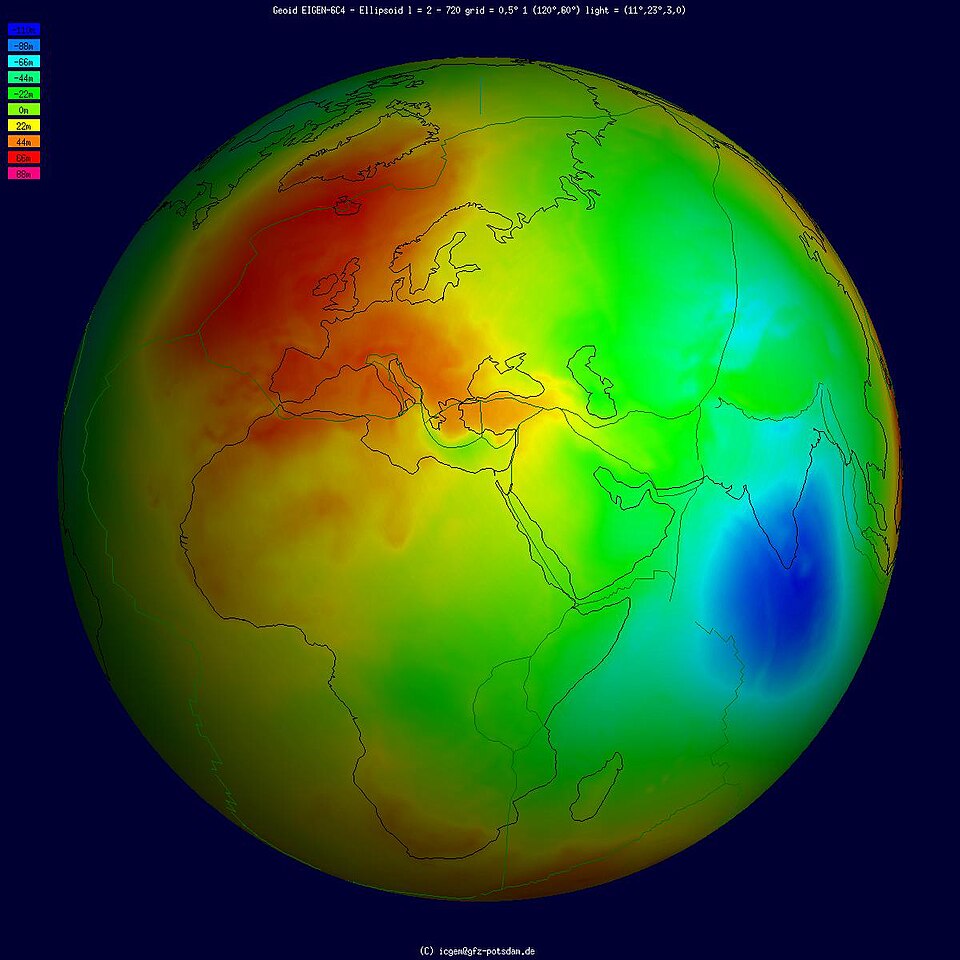
Somewhere south of India, sea levels dip more than 300 feet lower than the global average, and scientists believe it’s tied to a gravitational anomaly. This region, known as the Indian Ocean geoid low, has weaker gravity than surrounding areas, which causes water to sag inward instead of bulging outward.
Researchers still debate the exact cause, but leading theories point to lower-density material deep in the mantle beneath the region, possibly linked to ancient tectonic plates that sank long ago. This “gravity dent” is invisible to the naked eye but detectable through satellite measurements of sea level. It’s a strange reminder that Earth’s gravity isn’t uniform – it has dips, bulges, and irregularities most people never learn about in school.
#5 – Gravity Is the Weakest Force in the Entire Universe
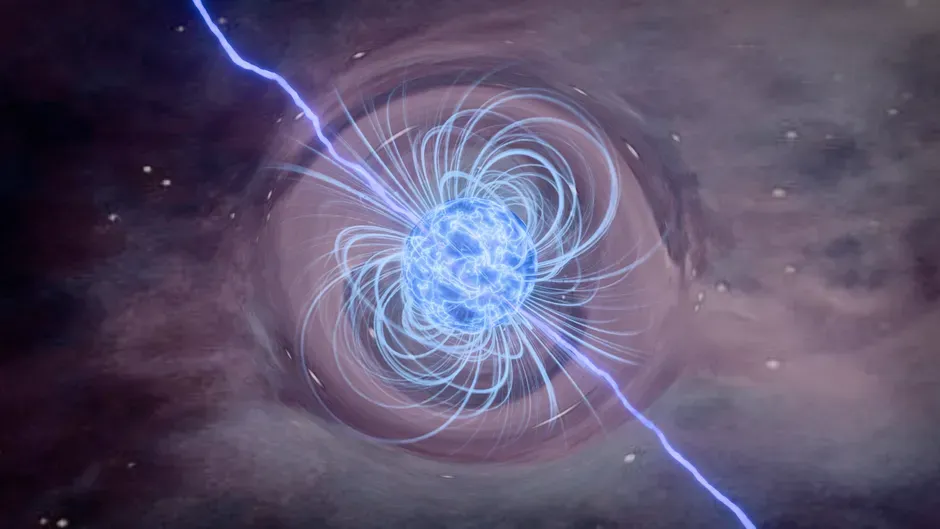
It might not feel weak when you’re falling off a ladder, but gravity is astonishingly feeble compared to the other fundamental forces of nature. Electromagnetism, for example, is trillions upon trillions of times stronger than gravity at the atomic scale.
Quick Compare
- Strong nuclear force: the most powerful of the four, binding protons and neutrons inside atomic nuclei.
- Electromagnetic force: vastly weaker than the strong force but still dwarfs gravity by many orders of magnitude.
- Weak nuclear force: governs radioactive decay, far stronger than gravity despite its name.
- Gravity: the weakest by an enormous margin, yet the only one that dominates on cosmic scales.
Here’s proof you can test yourself: a small refrigerator magnet can lift a paperclip off a table, overpowering the gravitational pull of an entire planet with just a few grams of metal. That tiny magnet is out-muscling the combined gravitational force of all 6 septillion kilograms of Earth. Scientists still don’t fully understand why gravity is so comparatively weak, and figuring out how it fits with quantum mechanics remains one of physics’ biggest unsolved mysteries.
#6 – Black Holes Don’t Actually “Suck” Anything In
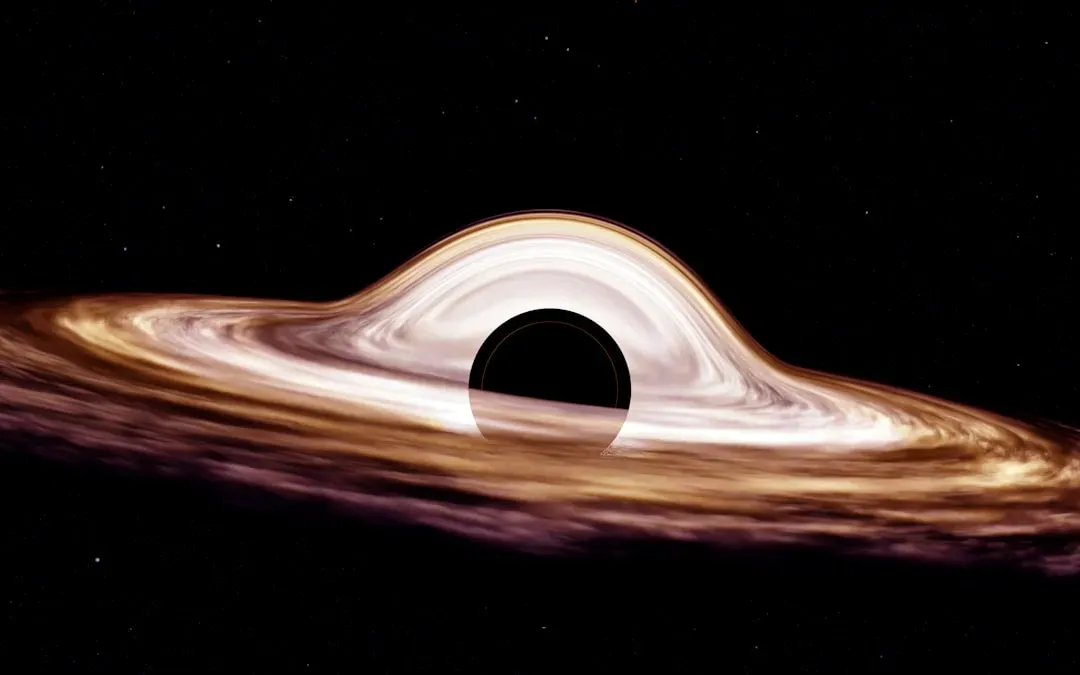
Despite the popular image of a cosmic vacuum cleaner, black holes don’t actively suck matter toward them any more than any other massive object does. They simply have gravity so intense that, past a certain boundary called the event horizon, nothing – not even light – has enough speed to escape.
If our sun were magically replaced by a black hole of the same mass, Earth wouldn’t get sucked in. It would keep orbiting exactly as before, just in the dark. The only difference is what happens if you cross that invisible boundary, where gravity becomes so extreme that escape becomes mathematically impossible, regardless of how fast you’re moving. It’s less a vacuum and more a point of no return.
#7 – A Teaspoon of Neutron Star Would Outweigh Mount Everest
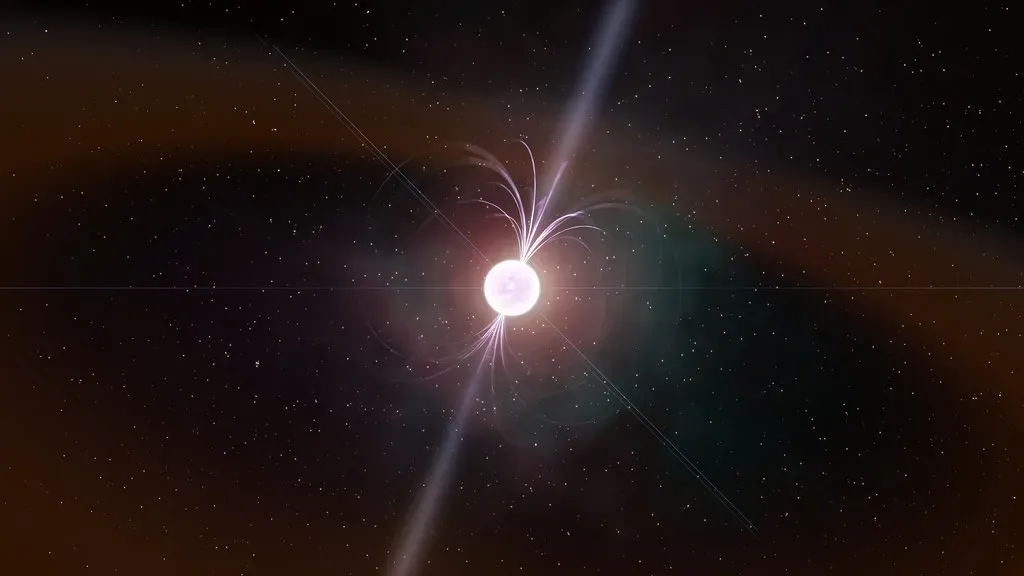
When massive stars collapse, some become neutron stars – objects so dense that gravity crushes atoms until protons and electrons merge into neutrons. The result is an object where a single teaspoon of material can weigh billions of tons.
At a Glance
- Typical diameter: roughly 12 to 15 miles, about the size of a city.
- Typical mass: often more than the entire mass of our sun.
- Formation: born from the collapse of a massive star during a supernova.
- Surface gravity: strong enough to bend light and crush ordinary matter beyond recognition.
This isn’t hyperbole, it’s basic density math applied to one of the most extreme objects known. A neutron star can pack more mass than our entire sun into a sphere roughly the size of a city. Gravity at the surface of a neutron star is so strong that if you dropped an object from just one meter up, it would slam into the surface at a significant fraction of the speed of light.
#8 – Gravity Creates Ripples That Scientists Can Actually Hear
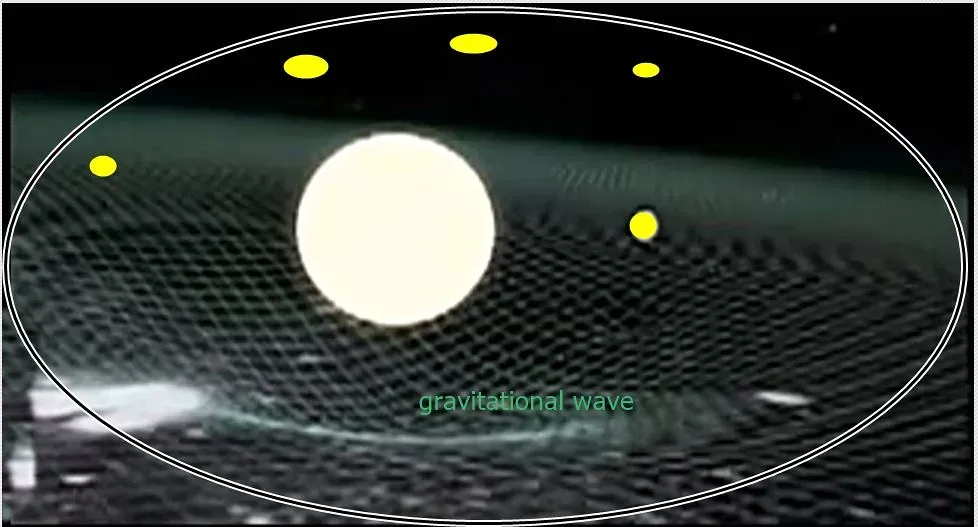
In 2015, scientists detected something Einstein predicted a century earlier but never thought could be measured: gravitational waves, ripples in spacetime caused by cataclysmic cosmic events like colliding black holes. The detection came from the LIGO observatory, using lasers sensitive enough to notice a distortion smaller than a fraction of an atom’s width.
This discovery confirmed that gravity doesn’t just bend space instantly, it propagates as a wave, traveling at the speed of light across the universe. Scientists have since converted these gravitational wave signals into sound, essentially letting humans “hear” two black holes merging billions of years ago. It opened an entirely new way of observing the cosmos, one that doesn’t rely on light or telescopes at all.
#9 – Your Own Body Generates Its Own Tiny Gravity
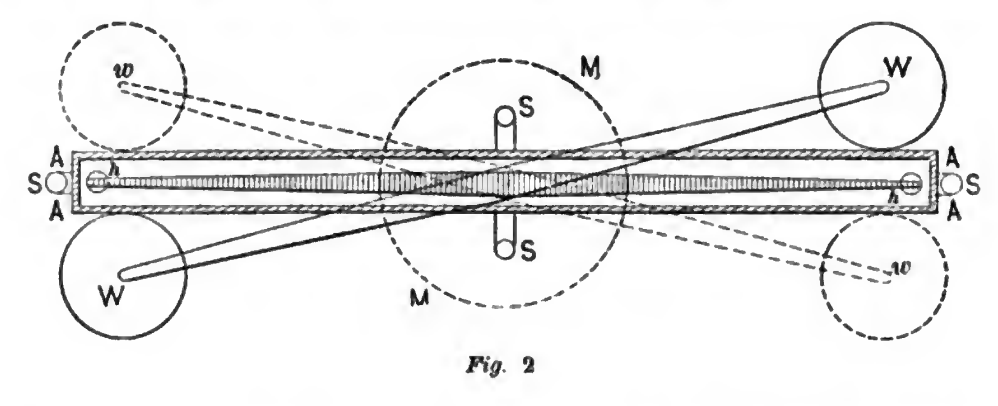
Every object with mass creates a gravitational pull, including you. It’s incredibly tiny compared to Earth’s gravity, but it’s real, and it’s been measured in laboratory settings using extraordinarily sensitive equipment.
The classic demonstration is the Cavendish experiment, first performed in the late 1700s, which used small lead spheres and a delicate torsion balance to detect the gravitational attraction between ordinary objects sitting in a room. This experiment was so precise it allowed scientists to calculate Earth’s actual density and mass for the first time, using nothing but the barely-there gravitational pull between metal balls. So yes, technically, you are attracting the person sitting next to you – just not enough to notice.
#10 – The Moon’s Gravity Is Slowly Rewriting Earth’s Calendar
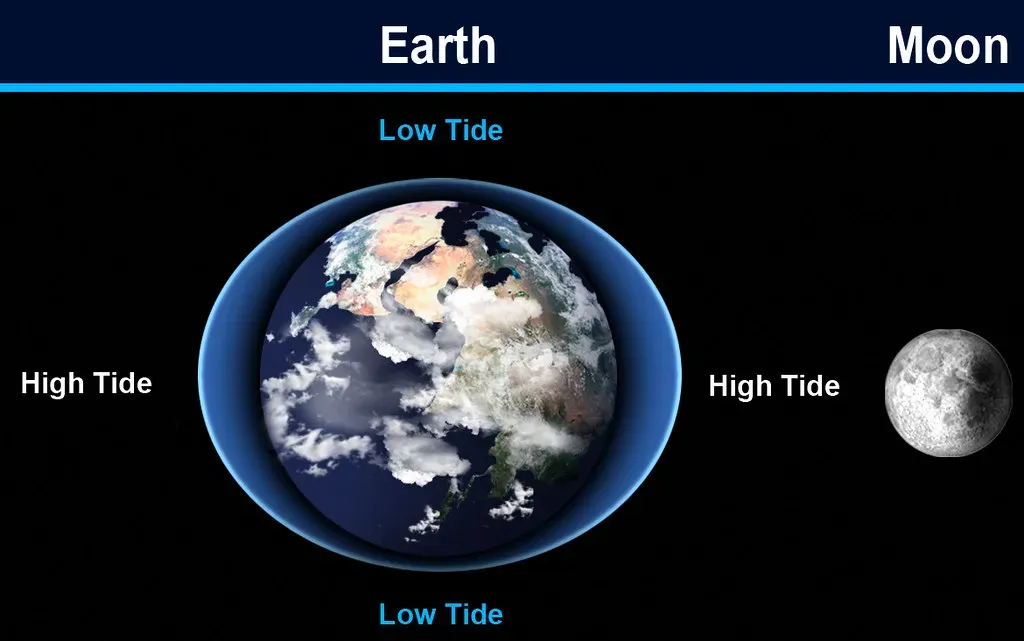
We often credit the moon with romantic imagery, but its real power lies in gravity strong enough to physically pull the ocean’s water toward it, creating the tides we see every day. This gravitational tug-of-war between the moon, sun, and Earth creates predictable rising and falling water levels across the globe.
What’s less commonly known is that the moon’s gravity is also slowly pulling Earth’s rotation to a stop, lengthening our days by a tiny fraction of a second every century. Billions of years ago, a day on Earth lasted only about six hours because our planet spun much faster before lunar gravity applied its brakes. Gravity, in this sense, isn’t just shaping oceans, it’s quietly rewriting the length of our entire calendar.
#11 – Gravity Bends Light Enough to Create Cosmic Illusions
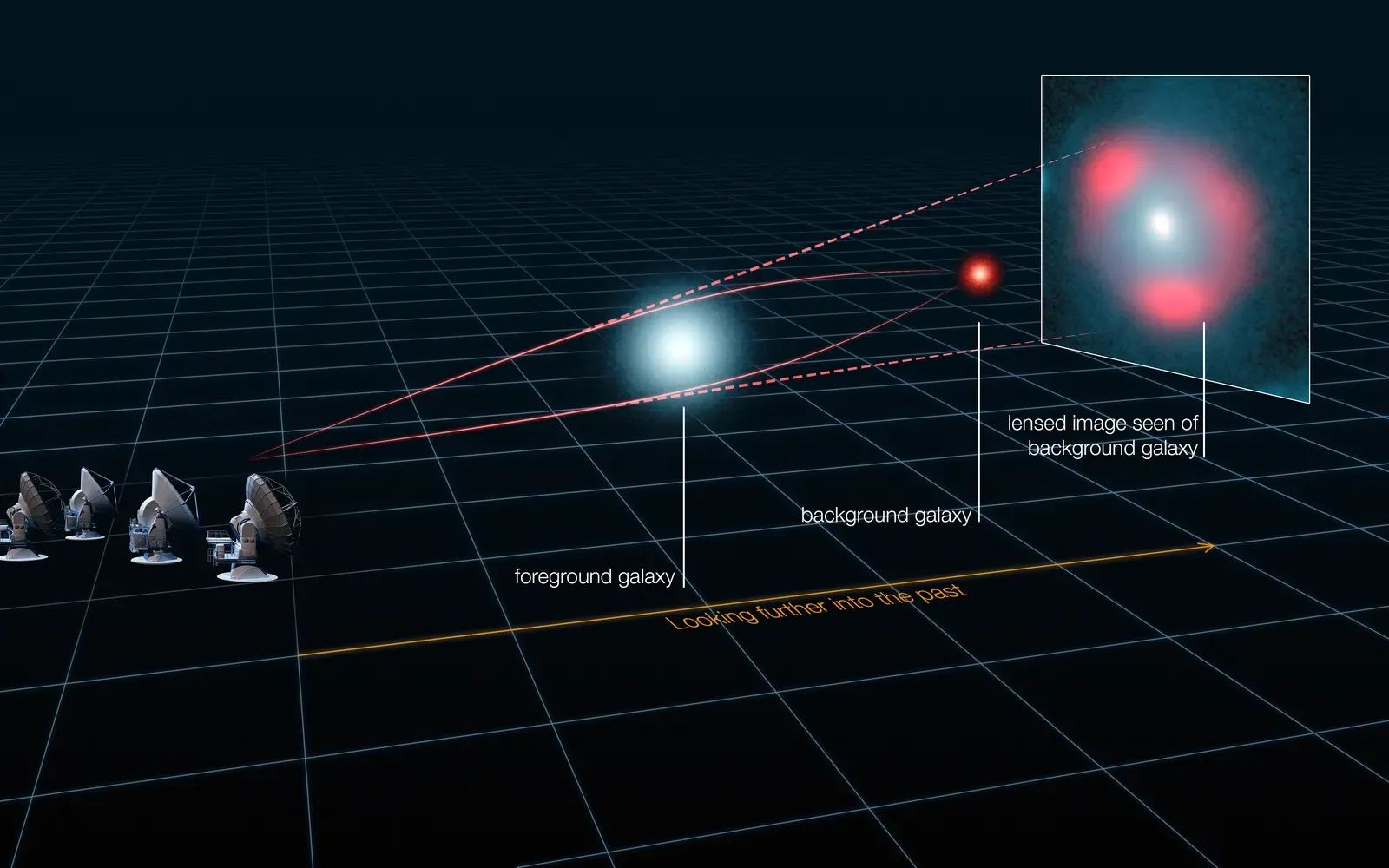
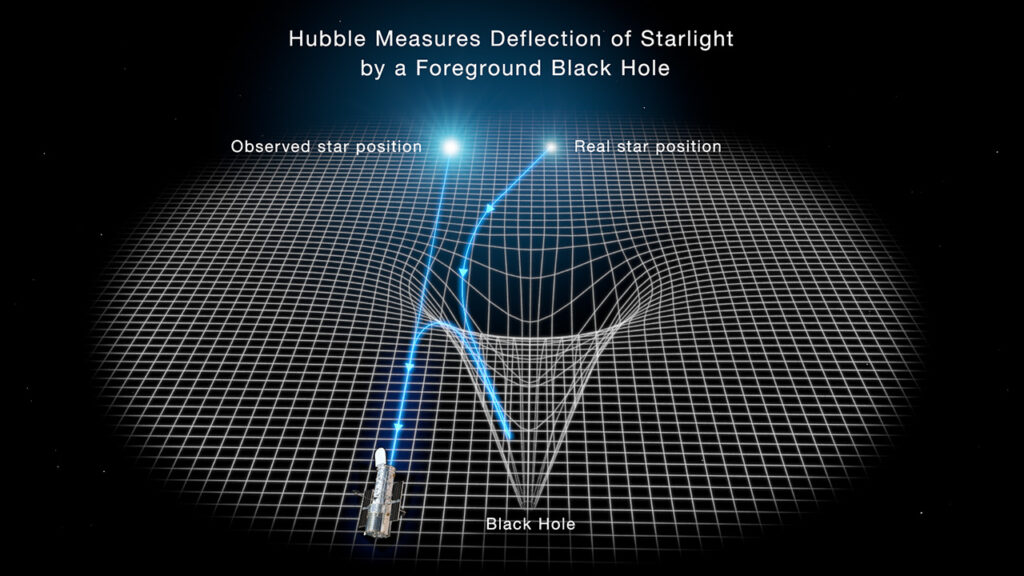
Massive objects like galaxies can warp space so severely that light bends around them, creating an effect astronomers call gravitational lensing. This means the light from a distant galaxy can be stretched, magnified, or even split into multiple duplicate images as it passes near a massive foreground object.
Astronomers actively use this phenomenon as a natural magnifying glass, allowing telescopes to observe galaxies that would otherwise be too faint or distant to detect. Some of the most detailed images of the early universe exist only because gravity bent and amplified their light on the way to us. Without this bending effect, huge portions of deep-space astronomy simply wouldn’t be possible with current technology.
#12 – You Weigh Slightly Less at the Equator Than at the Poles
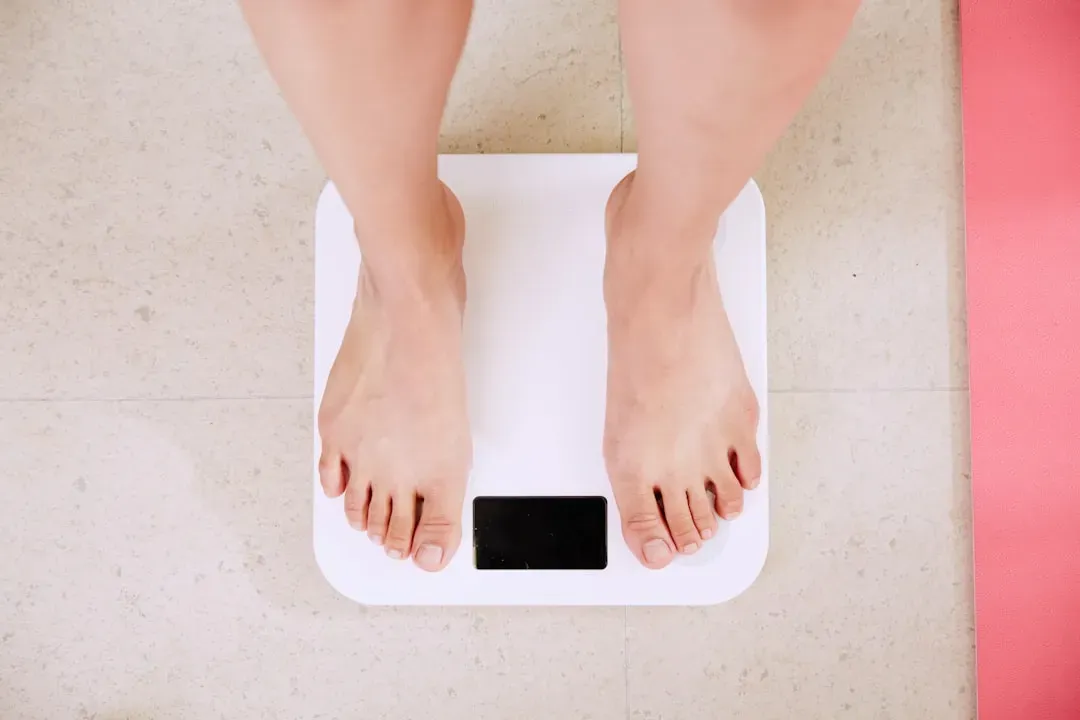
Step on a scale in Ecuador, then fly to Norway and weigh yourself again – you’ll actually register as slightly heavier at the higher latitude, assuming the same scale and body. This happens because Earth isn’t a perfect sphere, it bulges at the equator due to its rotation, placing equatorial points farther from Earth’s center.
Worth Knowing
- Earth’s equatorial bulge places you farther from the planet’s core than at the poles.
- Gravitational pull weakens with distance from Earth’s center, however slightly.
- The difference is small, but precise enough that scientists and record-keepers factor it into exact measurements.
- Your “weight” is really a local measurement, not a fixed universal constant.
Since gravitational pull weakens with distance from Earth’s core, this bulge means equatorial gravity is very slightly weaker than gravity at the poles. The difference is small but real, precise enough that Olympic weightlifting record calculations have to account for it. It’s a strange reminder that “your weight” isn’t a fixed universal number, it shifts subtly depending on exactly where on Earth you’re standing.
#13 – Gravity Technically Reaches to the Edge of the Universe
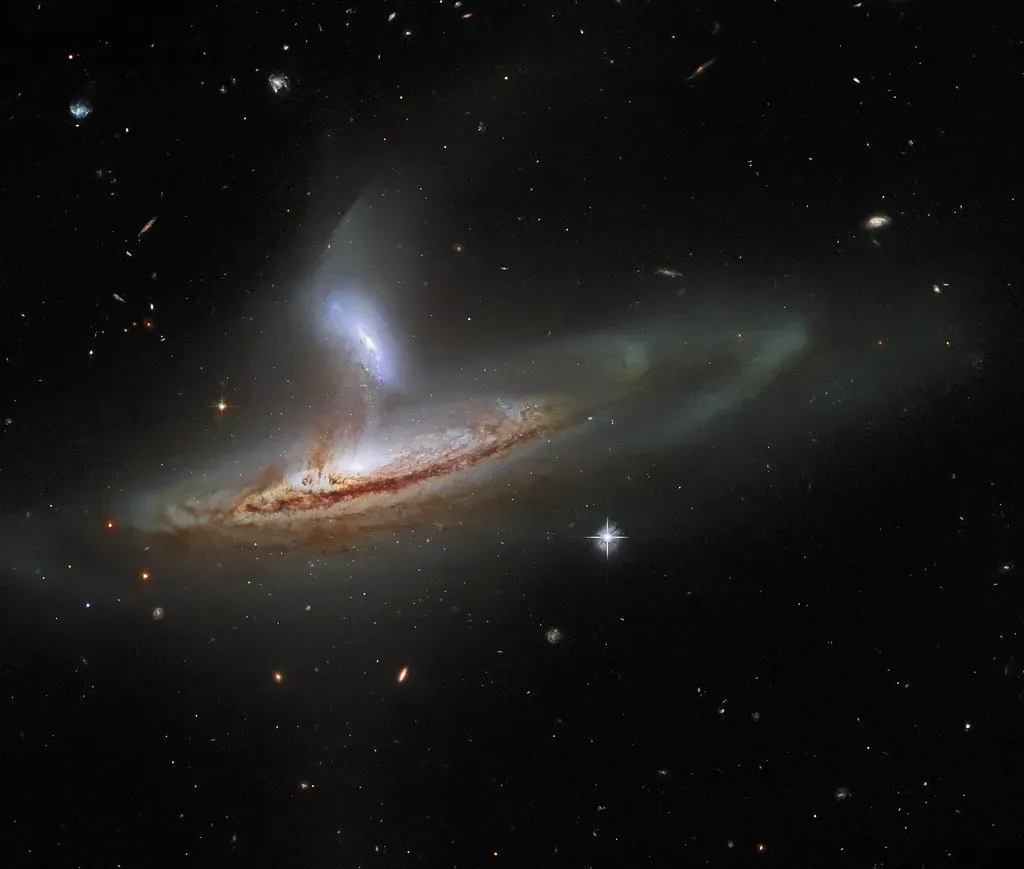
Unlike the strong and weak nuclear forces, which only operate at microscopic distances, gravity’s influence never truly reaches zero, no matter how far away you get. Every object with mass in the universe is, in principle, gravitationally tugging on every other object, even galaxies billions of light-years apart.
Of course, the strength fades dramatically with distance, following an inverse-square relationship that makes gravity’s pull from distant stars practically undetectable. Still, mathematically, the gravitational influence of a coffee cup on your desk technically extends to the edge of the observable universe, even if the effect is unmeasurably small. It’s a humbling thought: everything, everywhere, is connected by this invisible thread of mutual attraction.
#14 – Falling Objects Don’t Actually Fall at the Same Speed Everywhere on Earth

Galileo famously argued that all objects fall at the same rate regardless of mass, and in a vacuum, that’s true. But on Earth’s actual surface, gravitational acceleration varies slightly depending on your location, altitude, and even the density of rock beneath your feet.
Why It Stands Out
- Ultra-sensitive gravimeters can detect gravity differences too small to feel but easy to measure.
- These tools help geologists locate oil deposits, mineral reserves, and underground cavities.
- Denser rock or hidden structures create measurably stronger local gravity readings.
- Satellite missions have even mapped subtle gravity variations across the entire planet.
Areas with denser underground material, like certain mountain ranges or mineral deposits, exhibit measurably stronger local gravity than areas above less dense rock or empty underground caverns. Geologists actually use ultra-sensitive gravimeters to map hidden underground structures, including oil deposits and ancient sinkholes, purely by detecting these tiny gravitational fluctuations. Gravity, in other words, is quietly mapping the hidden geology beneath our feet every single day.
#15 – Gravity Might Not Even Be a Fundamental Force
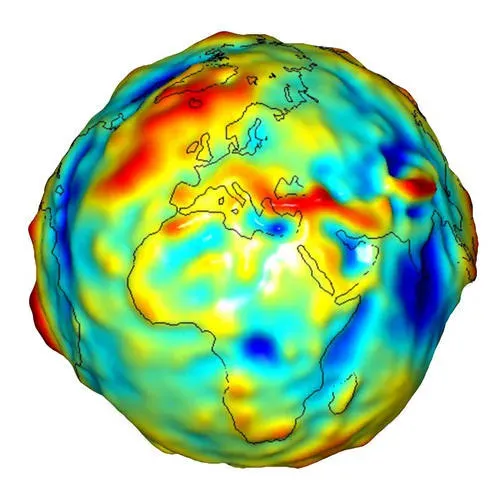
While the other three fundamental forces – electromagnetism, and the strong and weak nuclear forces – fit neatly into quantum physics, gravity stubbornly refuses to cooperate. Many physicists now suspect gravity might not be fundamental at all, but rather an emergent property arising from deeper, still-unknown quantum information processes.
This idea, sometimes called “entropic gravity,” suggests gravity could be a side effect of information and entropy at the quantum level, similar to how temperature emerges from the collective movement of countless particles. If this theory holds, gravity as we know it might be closer to a byproduct than a true fundamental force of nature. It sounds abstract, but resolving this question could finally unify Einstein’s relativity with quantum mechanics – arguably physics’ biggest unsolved puzzle.
#16 – Near a Spinning Black Hole, Gravity Could Theoretically Warp Time Into Loops
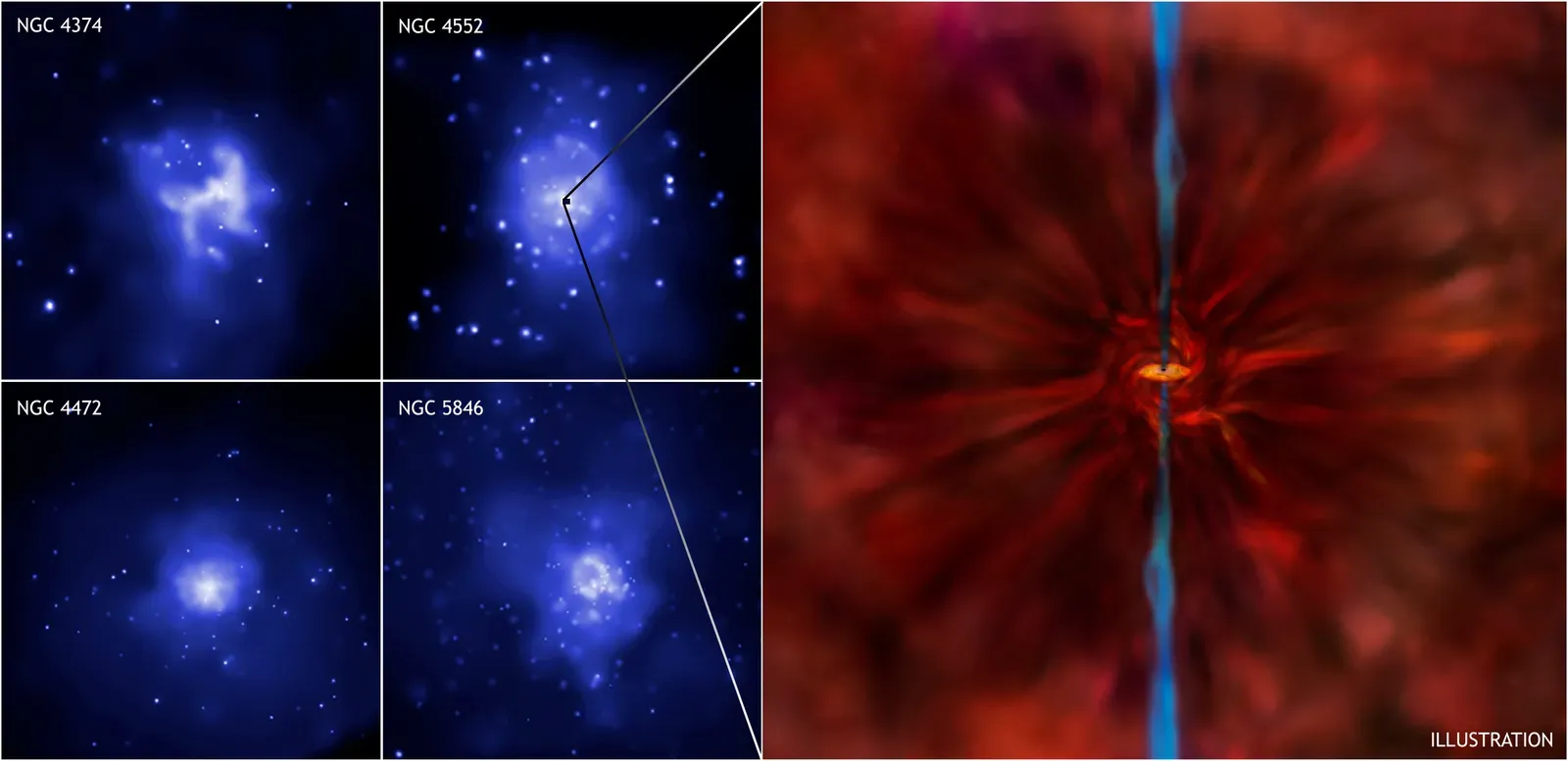
At the extreme edges of physics, some solutions to Einstein’s equations allow for what are called closed timelike curves – theoretical paths through spacetime near massive rotating objects, like spinning black holes, that curve back on themselves. In principle, this means gravity could be so extreme that it distorts the very structure of cause and effect.
Most physicists stress this remains firmly theoretical, since no closed timelike curve has ever been observed, and the paradoxes involved make many scientists skeptical they could ever exist practically. Still, the math checks out under general relativity, meaning gravity’s extremes brush right up against the border of theoretical time travel. It’s one of the strangest frontiers in physics, where gravity stops just being about falling apples and starts questioning the nature of time itself.
The Bottom Line
Gravity isn’t the simple, boring force we learned about in grade school. It’s warping time, gouging invisible dents into the ocean, and bending light across billions of light-years, all while you sit there assuming “down” is the whole story.
If you ask me, the most underrated fact on this list is #2. Most people walk around assuming time is fixed, when in reality, gravity is quietly rewriting your clock every single day, just by a few nanoseconds. That’s not science fiction, that’s Tuesday. The universe clearly has more tricks up its sleeve than most of us were ever taught – so which of these facts messed with your head the most?