
Stories of hidden worlds beneath our feet sound like something out of a fantasy novel, yet some of these legends stubbornly cling to real objects, puzzling ruins, and unexplained artifacts. Archaeologists are usually quick to dismiss wild claims, but in a surprising number of cases there is at least some physical evidence that refuses to fit neatly into the standard narrative. That does not mean lost underground super‑civilisations are real, but it does mean the line between myth and material fact is a lot blurrier than most people think.
What follows is not a list of proven secret societies living in vast crystal-lit caverns. Instead, it is a tour through ten legends where something concrete exists in the dirt: bones, tunnels, inscriptions, engineered caves, and objects that forced investigators to pause and say, in polite academic language, “we honestly do not fully understand this yet.” Some of these cases have sober explanations; others remain wide open. And in every one of them, the legend of subterranean civilisations has been kept alive because of things you can actually touch.
The Ant People and the Hidden Dwellers of the American Southwest
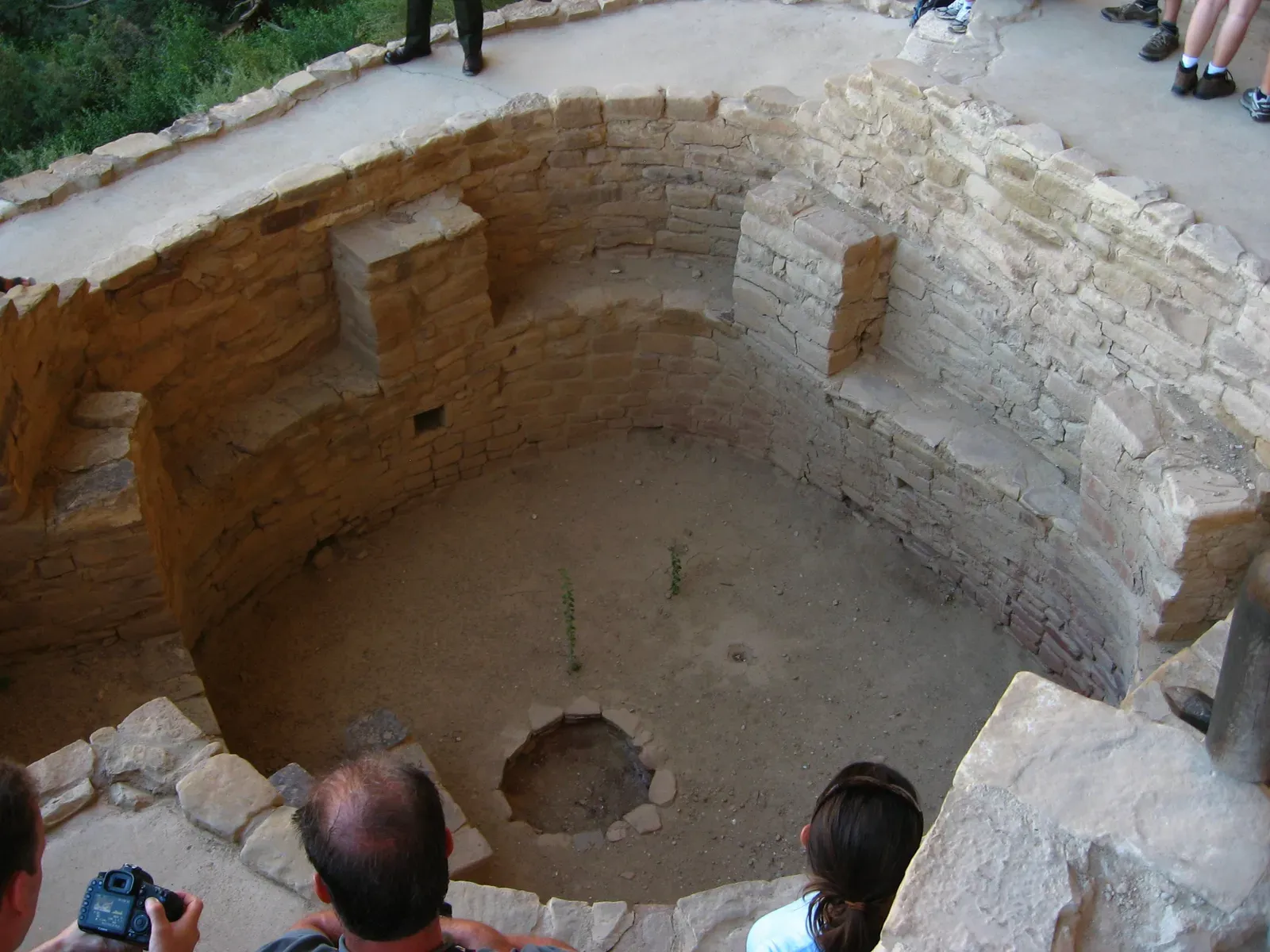
In the deserts of the American Southwest, Native traditions talk about beings who lived underground and helped humans survive cataclysms on the surface, often called “ant people” or deep earth dwellers. On its own, that sounds like pure myth, but then you start looking at the astonishing density of ancient cliff dwellings, kivas, and subterranean ceremonial rooms carved into rock and built into canyon walls. These structures, especially the round underground kivas of the Ancestral Puebloan people, show that generations were deeply invested in spaces cut below or into the earth, not just as storage pits but as central places of ritual and community.
Archaeologists have uncovered intricate networks of rooms accessed through narrow openings in the floor, with ventilation shafts, carefully plastered walls, and aligned ceremonial features that clearly reflect a worldview tied to an underworld. That does not prove an advanced non-human ant civilisation, but it strongly backs the idea that myths of underground beings grew alongside real, sophisticated earth‑integrated architecture. When you stand in a kiva with soot still clinging to the ceiling and a sipapu (a symbolic “gateway” in the floor), the legend of friendly subterranean helpers feels less like fantasy and more like a poetic way of describing very real relationships with the world below.
Derinkuyu and the Vast Underground Cities of Cappadocia
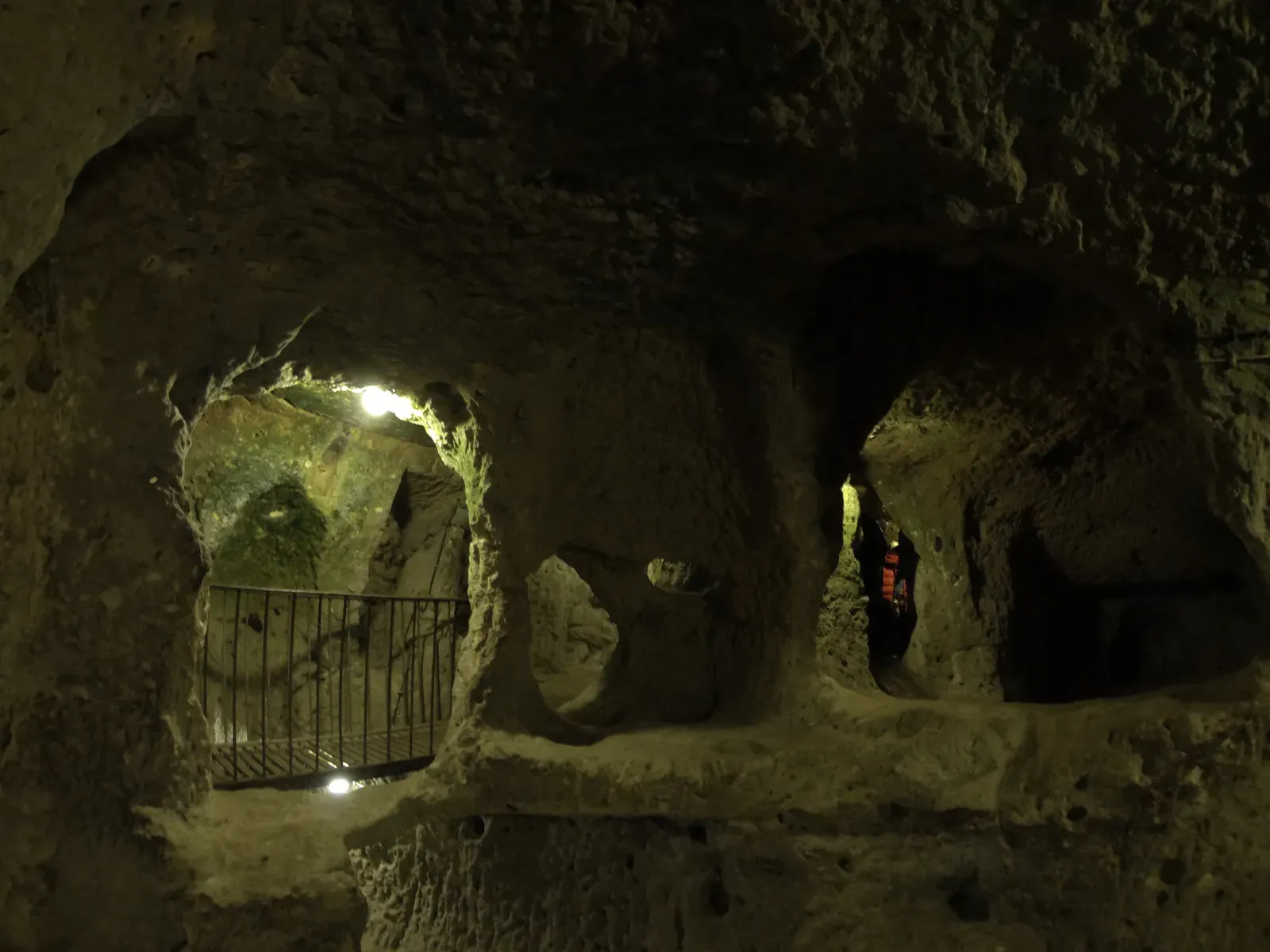
Central Turkey’s Cappadocia looks like a science‑fiction landscape on the surface, but what lies underneath is even stranger: multi‑level underground cities like Derinkuyu and Kaymaklı, stretching down many stories with stables, churches, kitchens, wine presses, and complex ventilation. These are not small hideouts; we are talking about underground complexes that could shelter thousands of people for extended periods. The entire region is riddled with tunnels and carved rooms, some linked between separate “cities,” forming a hidden world that made early explorers wonder whether they had discovered evidence of a long‑lost subterranean culture.
Modern archaeology takes a more cautious view, suggesting these complexes were expanded in phases over many centuries as refuges from invasion and persecution. Even so, their scale, planning, and engineering skill remain staggering. Narrow choke points, huge rolling stone doors, and fresh‑air shafts show that whoever built them understood underground living at a level most ancient societies never attempted. Legends that speak of entire peoples retreating into the earth to escape surface turmoil are not completely exaggerated here; they are grounded in stone, corridors, and rooms that prove people really did vanish underground for safety and survival.
Hypogeum of Ħal Saflieni: Echoes of an Underground Cult on Malta
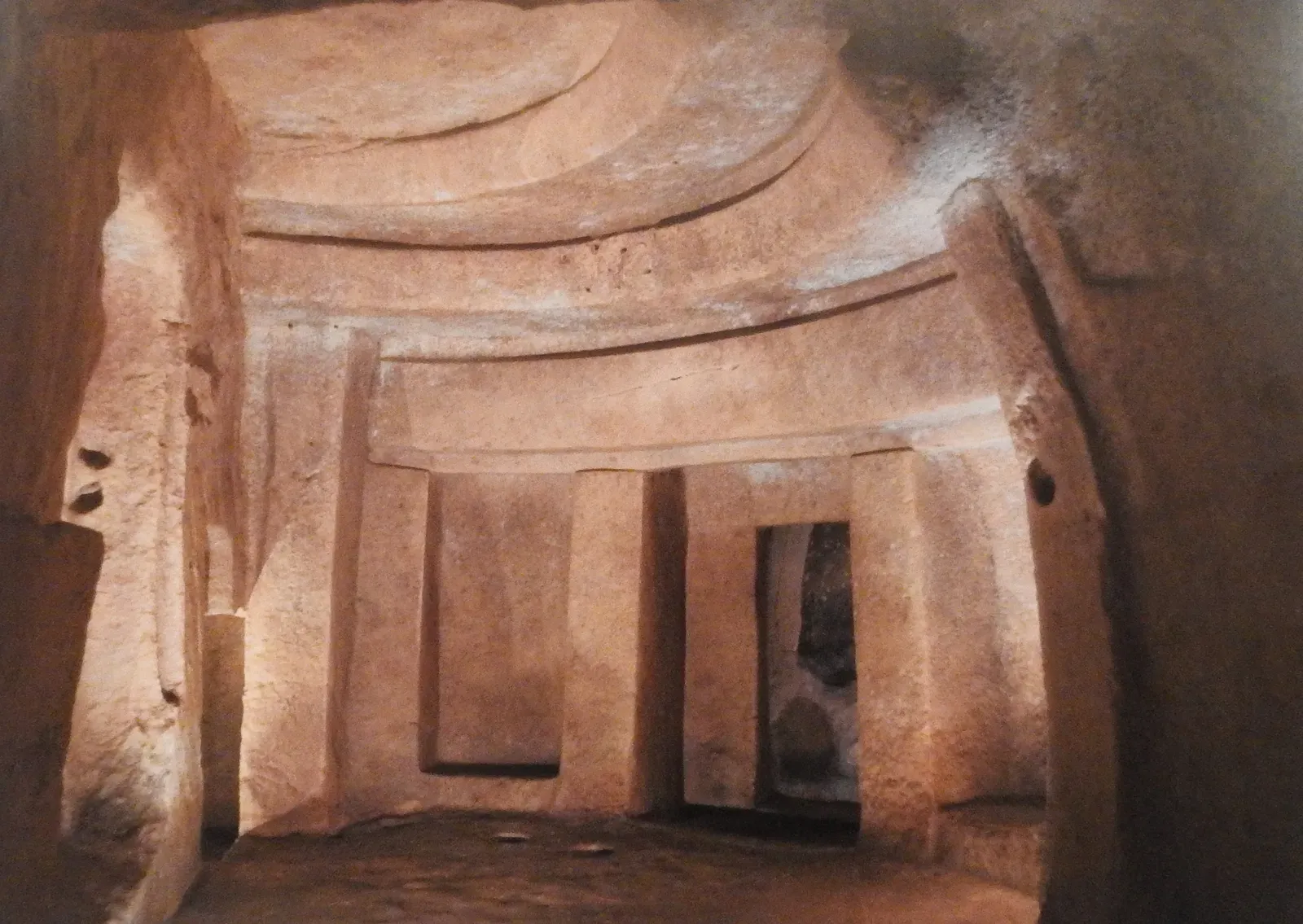
On the island of Malta, the Hypogeum of Ħal Saflieni is a carved subterranean complex dating back to the Neolithic period, created by people who left behind massive stone temples above ground. The Hypogeum runs several levels deep, with chambers hewn directly from the rock, including spaces with carefully polished surfaces and red ochre patterns on the walls. Archaeologists have recovered thousands of human remains from the site, suggesting it functioned as both a burial place and a ritual center, almost like a self‑contained underground city of the dead intertwined with the living.
The acoustics of certain chambers are so unusual that some frequencies resonate powerfully throughout the complex, leading to speculation about chanting, music, or sonic rituals practiced in the dark. Legends grew around the Hypogeum about strange subterranean beings and even stories of people going missing in deeper, undiscovered sections, although such tales drift into urban legend territory. Still, the very existence of such a refined and extensive underground complex from so early in human history makes it easy to see why later storytellers imagined a hidden society below Malta’s surface, communicating and perhaps even guiding those above.
Subterranean Labyrinths and the Labyrinth of Hawara in Egypt
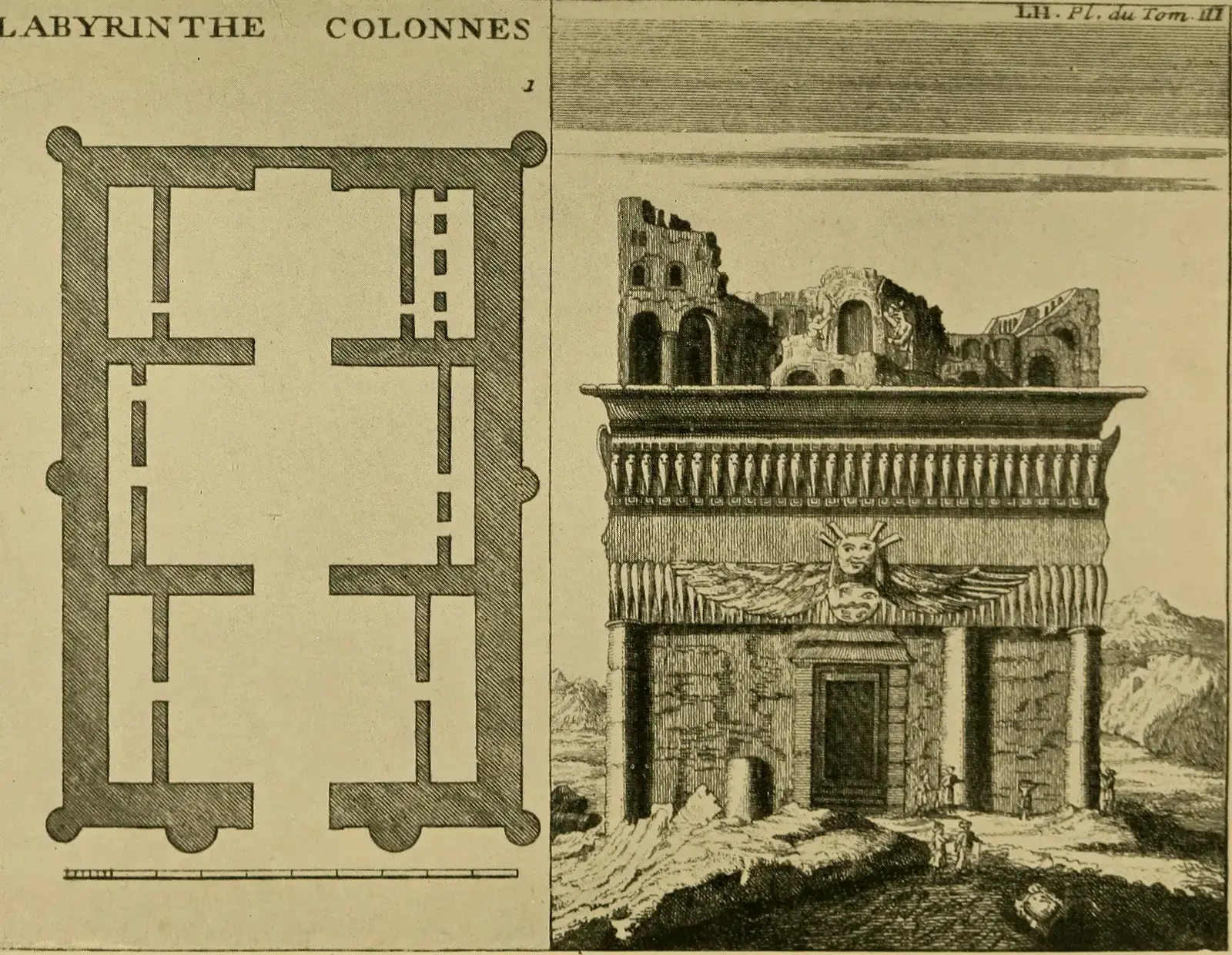
Ancient writers described an enormous labyrinth in Egypt, supposedly rivaling the pyramids in complexity, made up of thousands of rooms, some above ground and many below. For a long time, this sounded like sheer exaggeration, until archaeologists started to investigate the site at Hawara near the Faiyum Oasis. What emerged was not the neatly preserved maze of ancient descriptions, but scattered evidence of massive foundations, subterranean corridors, and carved stone blocks hinting at a large, multi‑level structure with underground sections that could easily feed a legend of a subterranean administrative or religious center.
Much of the original labyrinth was quarried away over the centuries, so we are left with only portions of substructures and a sense of scale rather than a complete underground city. That gap between textual descriptions and fragmentary physical remains has invited wild speculation about buried chambers still untouched, potentially holding records or artifacts from a shadowy priestly class. In reality, it was almost certainly a monumental complex tied to royal power and religious practice, but the existence of buried corridors and flooded passages keeps the idea of an Egyptian underworld made stone very much alive.
The Chinkanas of Cusco and the Andean Underground
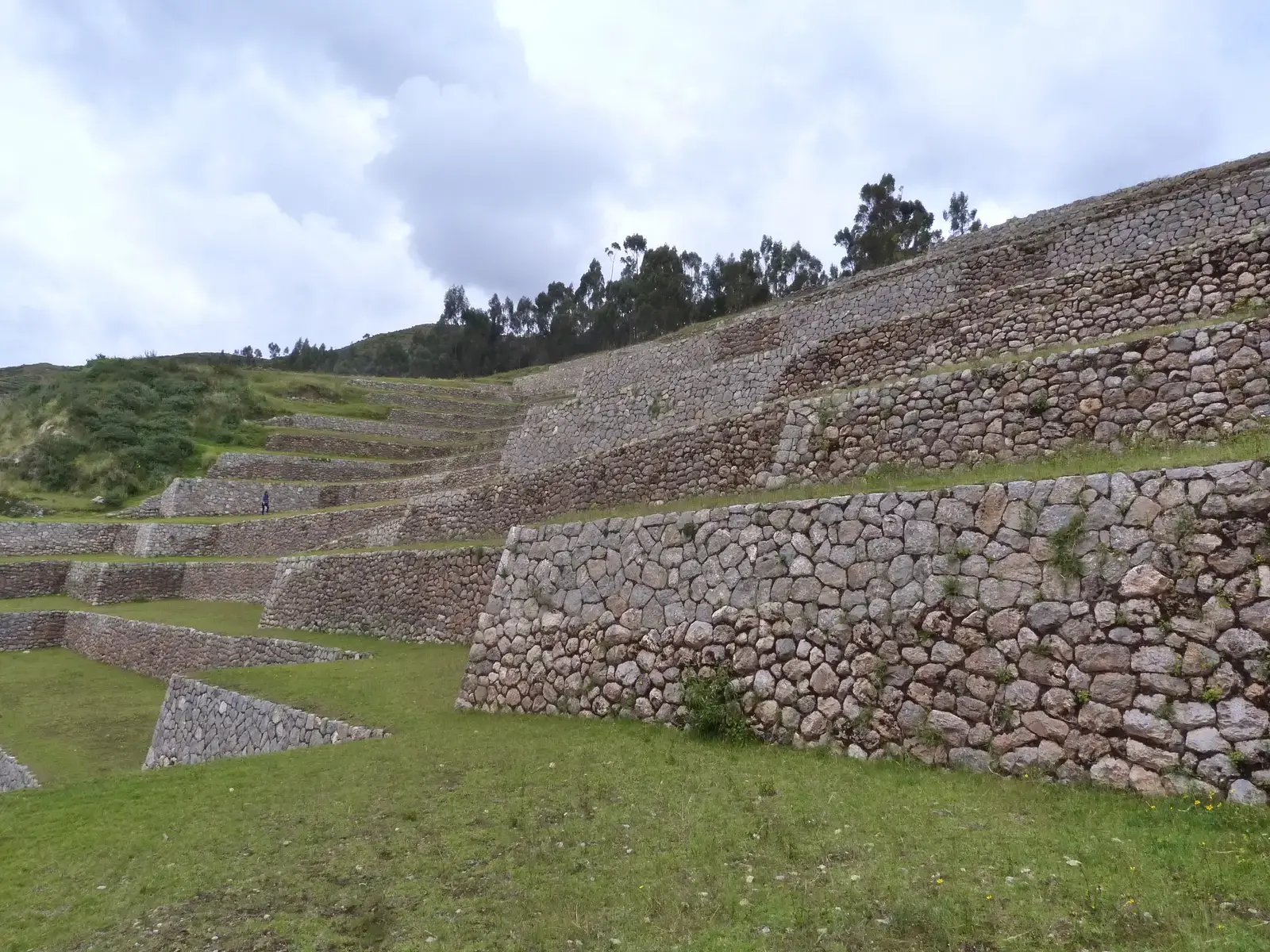
In and around Cusco in Peru, there are mysterious tunnels known locally as chinkanas, some of them carved directly into volcanic rock and running beneath ancient sites. Legends among locals describe these tunnels stretching for vast distances, connecting temples, palaces, and even far‑flung cities, with stories of people entering and never returning. Modern surveys have confirmed shorter segments and complexes of narrow passages, including some under Sacsayhuamán, but the full extent of earlier networks is still debated.
Archaeologists generally interpret the well‑documented chinkanas as ritual or strategic structures rather than proof of a hidden subterranean civilisation, but they do acknowledge that the Inca and their predecessors went to considerable effort to build in and under solid stone. When you combine these tangible tunnel systems with Andean cosmology, which divides the universe into upper, surface, and underworld realms, you get a potent mix where underground beings and societies feel entirely plausible within that worldview. The physical reality of carved passageways and hidden chambers under sacred sites has kept the legend of an Andean people of the depths stubbornly alive, even as researchers focus on more practical explanations.
The Longyou Caves of China and the Mystery of Massive Man‑Made Caverns
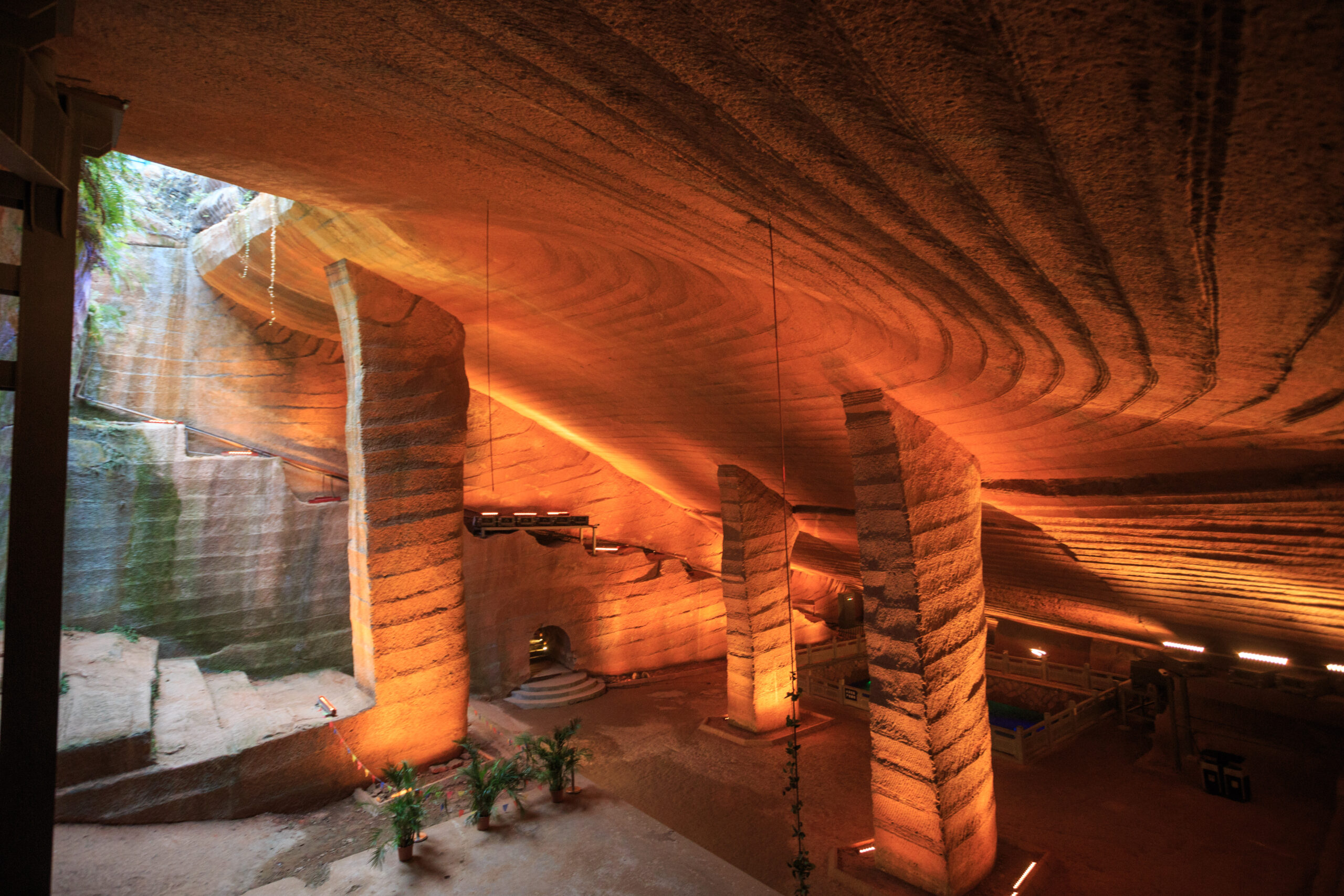
In eastern China’s Zhejiang province, the Longyou caves are a cluster of enormous hand‑carved caverns discovered when villagers drained small ponds in the 1990s. Inside, they found vast underground rooms with high ceilings, pillars left in place for support, and distinctive chisel marks covering almost every surface in neat, parallel patterns. No historical records clearly describe their construction, no tools have been definitively linked to them, and yet the scale of excavation would have required immense manpower and organization.
Because of the lack of documentation, the Longyou caves are a magnet for theories about lost subterranean civilisations or secret ancient projects hidden from official history. Archaeologists tend to see them as large storage or refuge spaces, perhaps tied to periods of turmoil, but they openly admit that the specific purpose and builders remain unclear. Standing in one of these echoing stone halls, knowing it was dug out entirely by human hands and then mysteriously abandoned, it is hard not to feel as if you are walking into the physical footprint of an underground culture that vanished without leaving a written name.
Subterranean Temples and Tunnels Beneath Teotihuacan
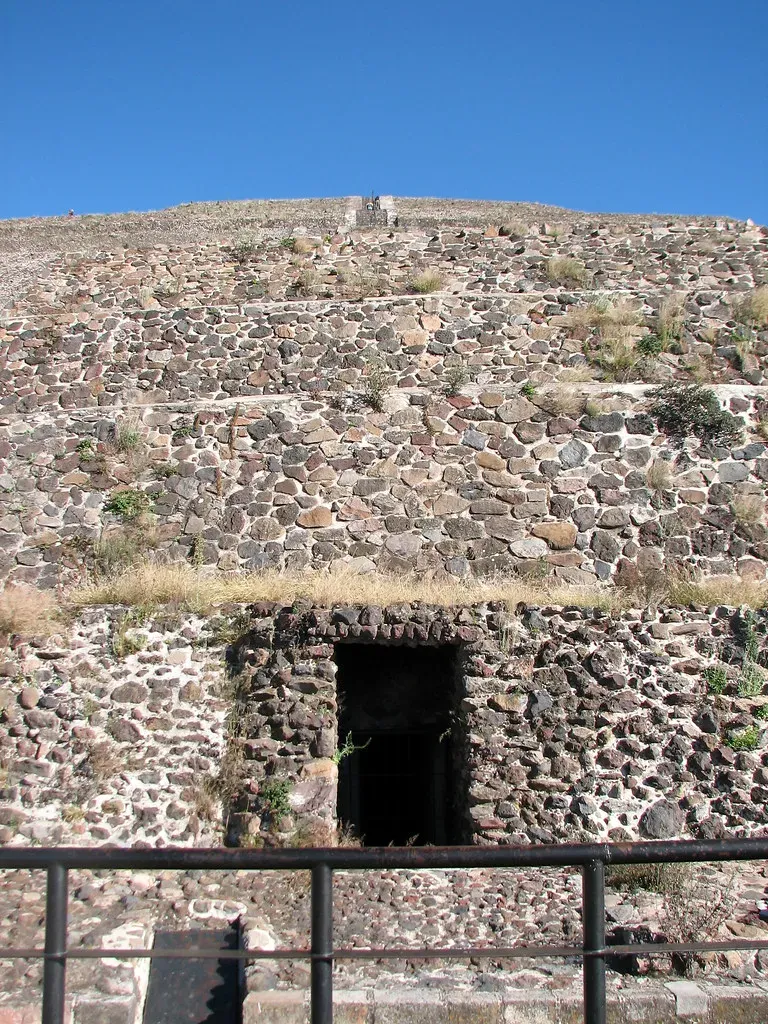
The ancient city of Teotihuacan in central Mexico already feels otherworldly with its massive pyramids and broad Avenue of the Dead. In recent decades, archaeologists using ground‑penetrating radar and careful excavation have discovered tunnels and subterranean chambers beneath major structures like the Pyramid of the Feathered Serpent. One tunnel, filled with offerings including sculptures, shells, jade, and even liquid mercury, appears to have been designed as a symbolic underworld, a place where elites interacted with the realm of the gods beneath the city.
These discoveries have given new weight to older stories about Teotihuacan as a place where humans and supernatural beings coexisted, some of them dwelling below ground. No one seriously argues for a separate full‑blown underground civilisation here, but the extent of intentional subterranean architecture is striking. The people of Teotihuacan were clearly obsessed with mirroring the cosmos below as well as above, carving out spaces that functioned like hidden cities for the dead and divine. The fact that these tunnels were carefully sealed and packed with offerings suggests a deliberate decision to close off an underworld that was once actively used, which naturally fuels speculation about what else might still lie buried under the city’s foundations.
The Subterranean Necropolises of Rome and the Christian Catacombs
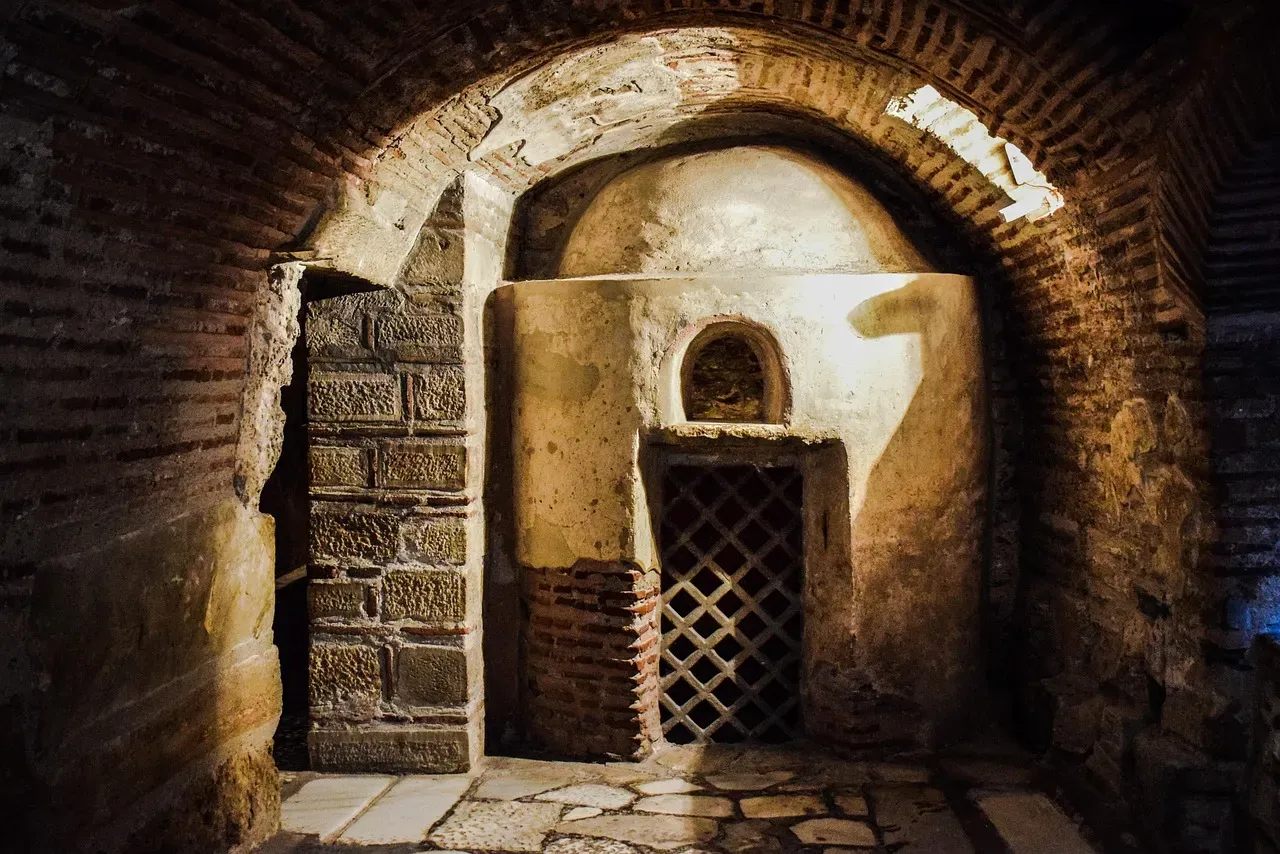
Rome sits atop layer after layer of human occupation, and some of its most evocative spaces are underground: catacombs, hypogea, and corridors cut into soft volcanic tuff. Early Christians, Jews, and others buried their dead in sprawling catacomb networks that snake beneath the city and its outskirts. These were not just graves; they were complex subterranean environments with frescoed chambers, meeting spaces, and symbolic decorations that must have felt like a separate world compared to the bustling, sunlit streets above.
Ancient and medieval stories about secret underground Christian communities hiding from persecution, or entire congregations living in catacombs for long stretches, are probably exaggerated. Still, there is tangible evidence of gatherings, rituals, and sustained activity underground, supported by inscriptions, lamp soot, and modifications to the tunnels. The physical reality of these necropolises blurs the line between mythic tales of underground believers and the day‑to‑day reality of people who spent some of their most important moments – grieving, praying, commemorating – below the surface. In a sense, those who built and used the catacombs did create a partially subterranean society, one whose traces archaeologists are still mapping and conserving.
European Cave Worlds: From Palaeolithic Sanctuaries to Underground Fortresses
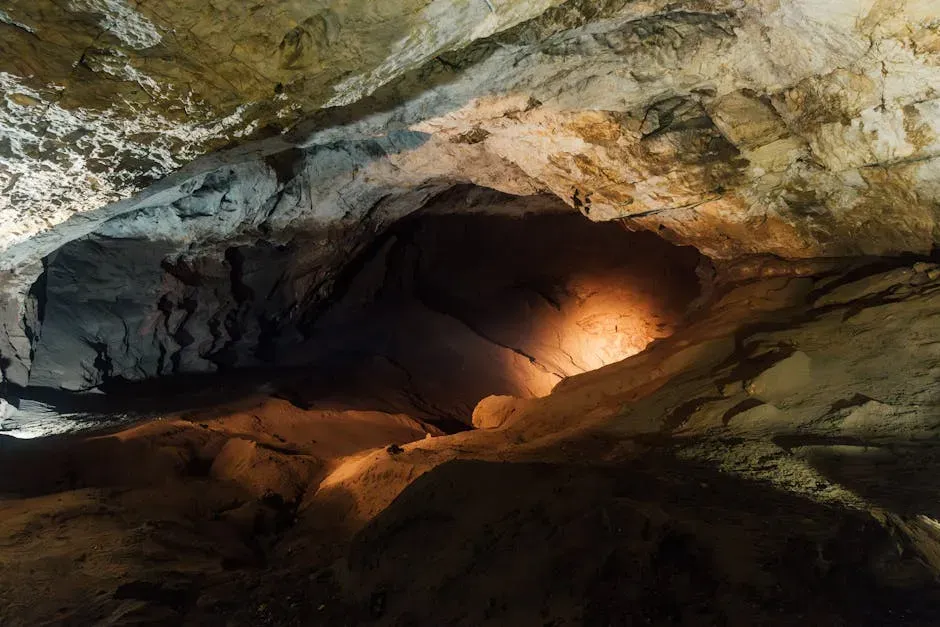
Across Europe, caves have long been associated with hidden peoples, from fairy folk in Celtic stories to dwarves in Germanic legends said to mine and smith deep underground. What gives these tales staying power is the sheer amount of human activity documented in caves over tens of thousands of years. Palaeolithic cave art in places like Lascaux and Chauvet, intricate burial sites in underground chambers, and later medieval use of caves for hermitages and refuge all provide physical anchors for the idea that some groups spent significant time living and working in subterranean environments.
In more recent centuries, entire underground fortifications and tunnel systems have been carved beneath European cities and hillsides, blurring the line between legend and military engineering. When local folklore speaks of forgotten underground villages or networks stretching between distant towns, archaeologists often find at least partial truths in the form of cellars, smuggling tunnels, war shelters, and abandoned mines. Each discovery of a previously unknown passage or chamber reminds us that, for many communities, the underground world was not just a backdrop for stories but an integral part of survival and identity.
Modern Myths, Hollow‑Earth Ideas, and the Archaeological Reality
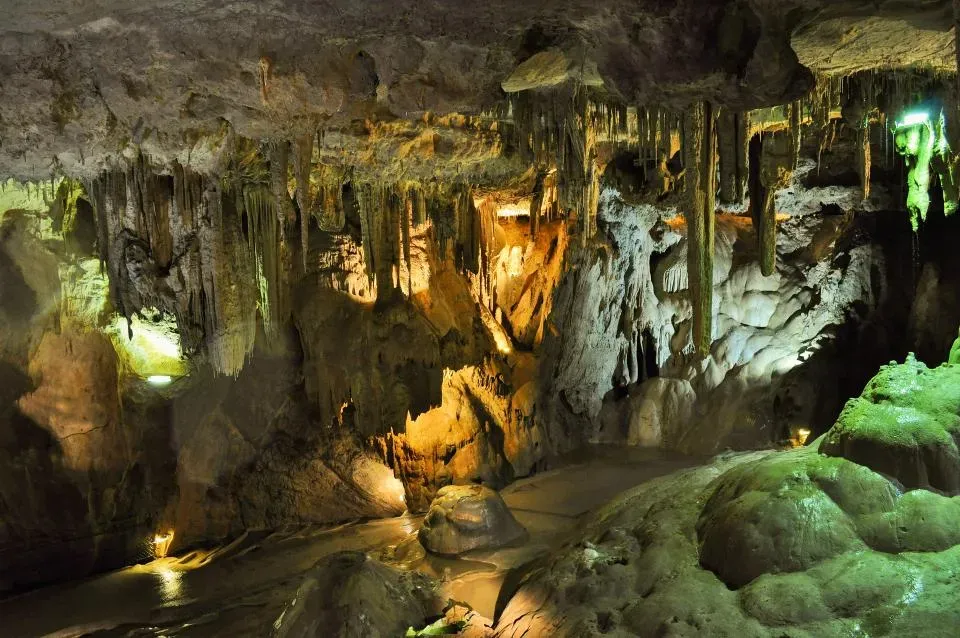
In the last couple of centuries, more elaborate myths have sprung up about vast subterranean civilisations – sometimes human, sometimes not – living in enormous caverns or even inside a hollow Earth. These stories often mix bits of genuine archaeology, like real tunnels or enigmatic caves, with completely unfounded claims about advanced technologies, hidden cities, or non‑human residents. The tricky part is that they occasionally latch onto places where archaeologists really have found something puzzling or poorly understood, then stretch that uncertainty into a grand narrative.
From a scientific point of view, there is no solid evidence for a global network of unknown subterranean civilisations. What does exist, repeatedly and around the world, is a deeply human tendency to use the underground as a canvas for stories about refuge, origins, and contact with the divine or the strange. Whenever archaeologists uncover a new tunnel, chamber, or underground complex that does not immediately fit established explanations, those myths get fresh fuel. In my view, the most interesting truth is not that secret super‑civilisations are hiding under our feet, but that real human societies have been shaping, inhabiting, and ritualizing the underground for so long that it has become one of our most powerful shared metaphors – and that is a story written in stone, not just in imagination.
Conclusion: Why We Crave Civilisations Beneath Our Feet
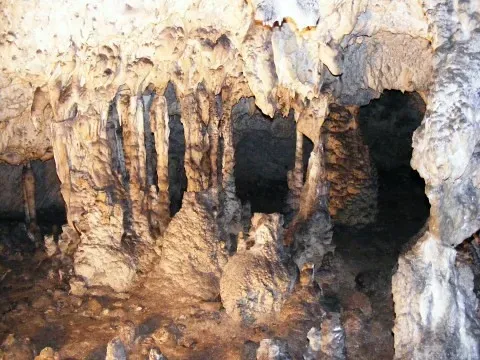
When you look closely at these ten cases, a pattern emerges: legends of subterranean civilisations almost always hover around places where the archaeological record is impressive but incomplete. There are real tunnels, real caverns, real underground complexes with clear evidence of planning and culture, yet gaps remain in our knowledge of who built them, why they were abandoned, or how they were experienced by the people who used them. Those gaps invite stories, and over time, the stories grow into full‑blown legends of whole peoples living permanently below the surface, wiser, stranger, or more advanced than us.
Personally, I think the truth is both less sensational and far more profound. We probably will not discover a hidden nation beneath Cappadocia or a living underworld beneath Malta, but we keep rediscovering how flexible humans have always been in their relationship with the earth. Some communities carved homes into rock faces, some dug down to survive invasions or climate shifts, and some built underground spaces purely to meet the sacred on its own terms. To me, the most compelling question is not whether a secret subterranean civilisation still exists, but how many different ways our ancestors already became people of the depths – and what that says about how we might adapt, retreat, or reinvent ourselves if the surface world changes again.