
Imagine looking up at the night sky four thousand years ago and seeing it suddenly rip open with fire. You have no telescopes, no physics, no modern science. All you have is clay, a stylus, and a culture that sees the heavens as the language of the gods. That is the world of ancient Mesopotamia, where scribes quietly recorded terrifying sky events that modern scientists are now starting to compare with actual comet and meteor impacts in the physical, geological record.
We are still at the cautious, detective stage of this story: historians and geologists lining up broken pieces of clay texts with layers of disturbed soil, shocked minerals, and odd chemical traces in the ground. Some potential matches are stronger than others, many are debated, and nothing is as simple as people sometimes wish. But taken together, these ten examples show something fascinating: ancient writers were sometimes very good observers, and their descriptions of blazing stars, falling fire, and shaking earth may line up with real, measurable events in the crust of our planet.
1. Babylonian Sky Omens and the Hunt for Impact Clues
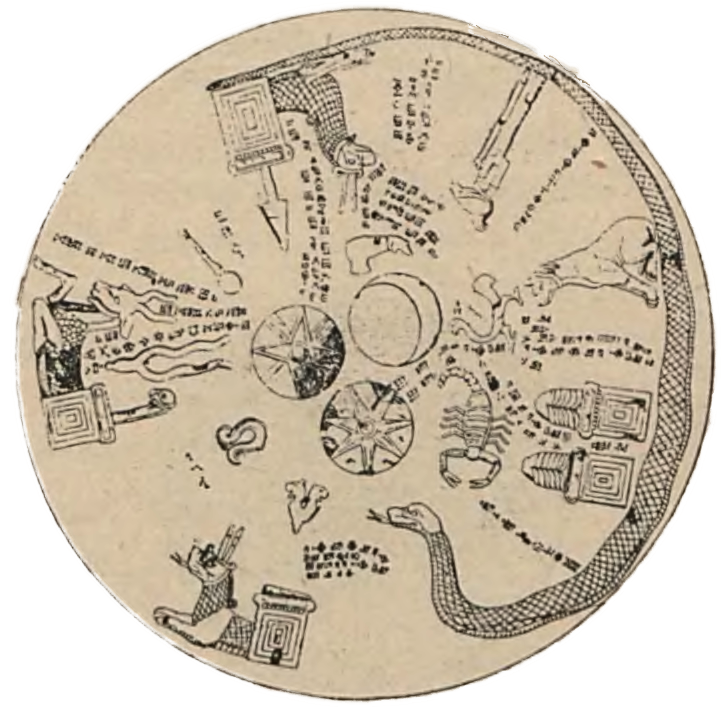
One of the most important sources for Mesopotamian sky events is the long series of omen texts often grouped under names like Enūma Anu Enlil. These tablets do not read like scientific reports; they read like manuals for court astrologers, listing combinations such as a star flaring, a halo around the moon, or a fiery object crossing the sky, followed by what these were believed to mean for kings and kingdoms. Yet buried inside these formulaic lines are descriptions of brilliant, short-lived objects that do not behave like normal stars or planets and sometimes sound like meteors or bolides.
Modern scholars tend to be careful here, because omen texts mix routine celestial phenomena with rare and dramatic ones. Still, when a tablet notes a terrifying brightness, a star that suddenly “fell” and vanished, or fire crossing the sky in a way that seems directional and fast, researchers have started to compare those references with evidence in the geological and ice-core record. The match is rarely one-to-one, but the very existence of such detailed sky catalogues means we have a time-stamped, human record that can at least be tested against physical layers in the Earth that show possible impact signatures.
2. The Mul-Apin Compendium and Unusual “Guest Stars”
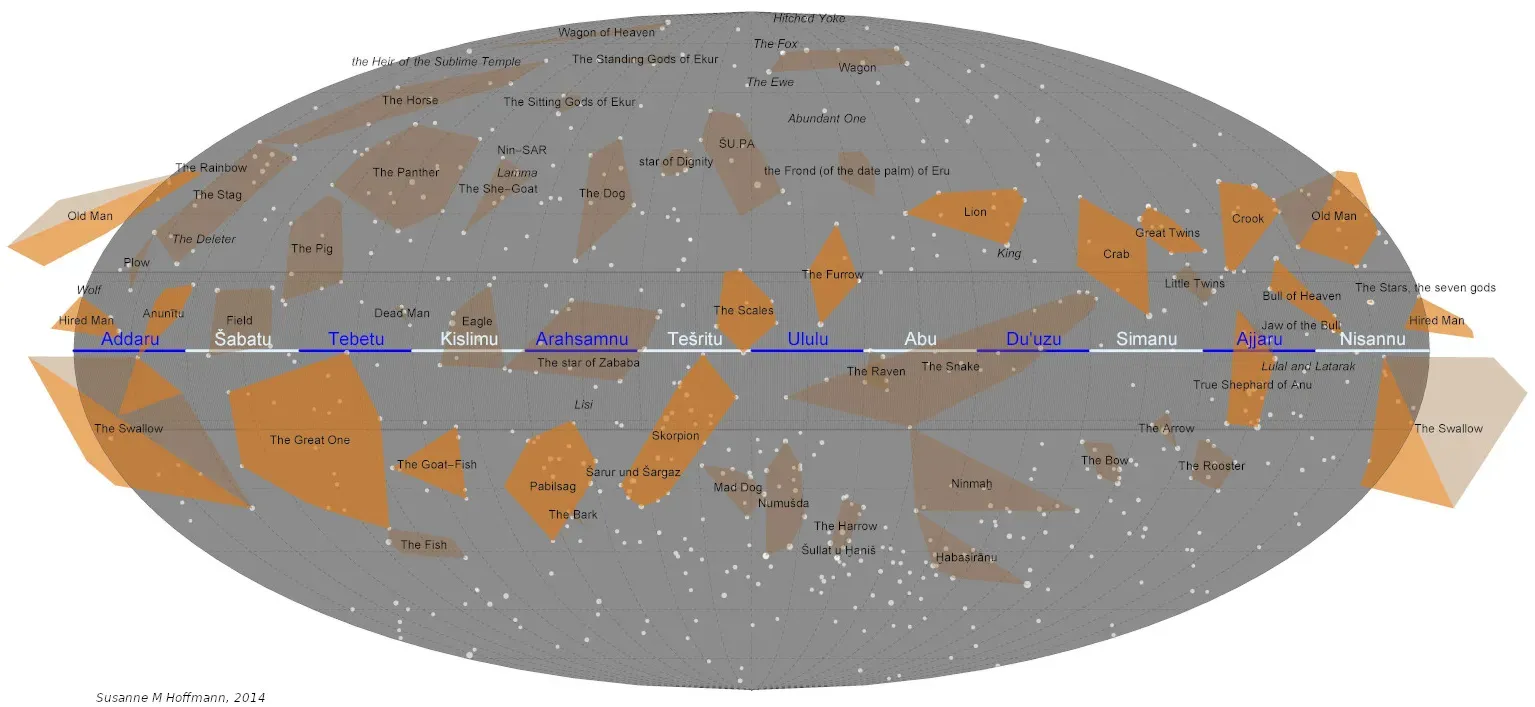
The Mul-Apin tablets are often described as a kind of Mesopotamian star handbook: lists of constellations, rising and setting times, calendrical notes, and practical instructions for tracking the sky. Most of what appears in Mul-Apin is regular and predictable, but that is exactly why oddities stand out so much. When a tradition is built on long-term, repeated observation, a sudden appearance of a bright, unfamiliar star-like point can be noticed and remembered as something worth singling out.
Some researchers have argued that rare mentions of unusual bright objects in or near familiar constellations could represent what we would call “guest stars” today: comets, novae, or even spectacular meteors that lingered in memory. Geological layers containing tiny spherules, shocked minerals, or abrupt chemical shifts provide an independent line of evidence that something energetic happened in the atmosphere or on the surface around certain periods. Matching dates is tricky, given the uncertainties in ancient chronology and the limited precision of some physical dating methods, but the fact that both records exist invites careful, testable cross-comparisons instead of wild guesswork.
3. The Tale of Gibil and Fire from the Sky
In Mesopotamian myth, the god Gibil (or Girra) is associated with fire, both controlled and wild: hearths, forges, and also destructive burning that sweeps across fields or cities. Some hymns and incantations describe fire coming from above with an intensity that is hard not to read as poetic exaggeration. Yet when those same texts talk about the sky blazing, intense heat, and devastation over a wide region, a few modern commentators have wondered whether an actual fiery atmospheric event might have left a deep impression that was later wrapped in mythic language.
Geological studies in several parts of the broader Near East have found traces of high-temperature events that do not match typical volcanic or routine fire signatures: melted surfaces, shocked quartz, or thin layers rich in certain elements that point to cosmic material. No one can honestly say that a specific hymn to Gibil describes a specific impact site, because the evidence is far too indirect. However, the overlap between a culture obsessed with divine fire and a landscape that does bear occasional traces of violent heating from above makes it plausible that at least some extreme sky fires were real events, later retold in reverent, fearful terms.
4. Akkadian Reports of “Falling Stars” and Atmospheric Explosions
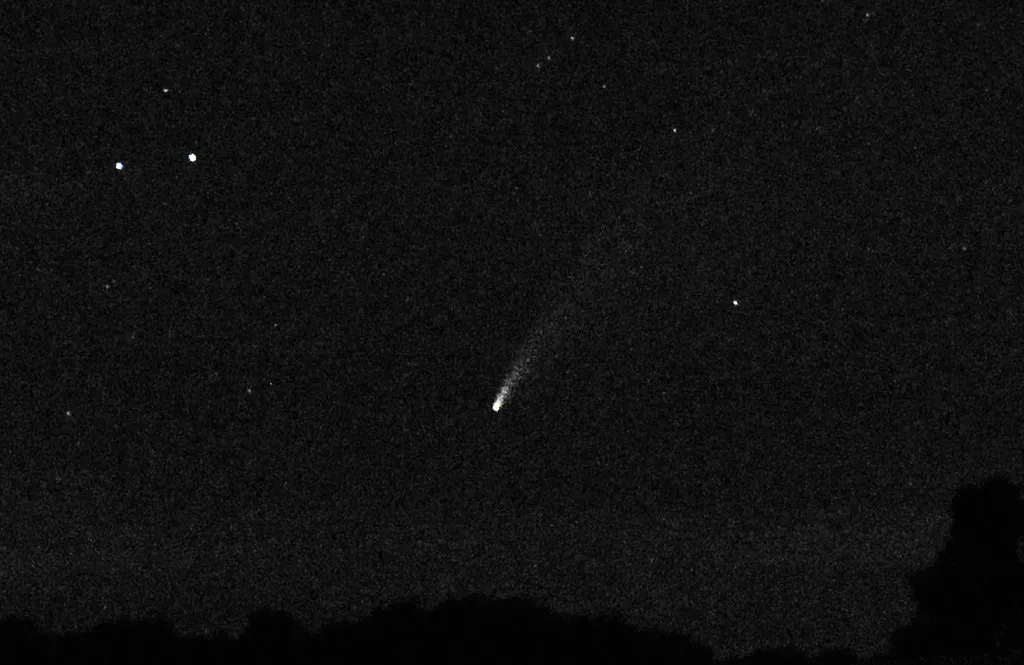
Akkadian texts sometimes talk about “stars” that fall, scatter, or rush across the heavens. Many of these are clearly routine meteors; people everywhere have watched shooting stars for as long as humans have looked up at night. But in a few cases, the descriptions emphasize great brightness, sound, and even ground shaking, which suggests something more energetic, closer to what modern scientists call airbursts or atmospheric explosions caused by larger incoming objects.
In several regions of the Middle East, thin layers in lake sediments and soil cores show sudden deposits that could be consistent with intense blasts in the air: microscopic glassy droplets, abrupt charcoal layers, and disrupted pollen records indicating short-term ecological stress. When such layers are dated to time windows broadly overlapping with late third or second millennium BCE, they raise the question of whether some of those exceptional Akkadian references to thunderous, fiery “stars” might be eyewitness accounts of real airbursts. The connection remains a working hypothesis rather than a closed case, but it is one that geologists and textual historians increasingly treat as worthy of systematic testing rather than romantic speculation.
5. The So-Called Sumerian “Black Storm” Motif and Dust-Laden Skies
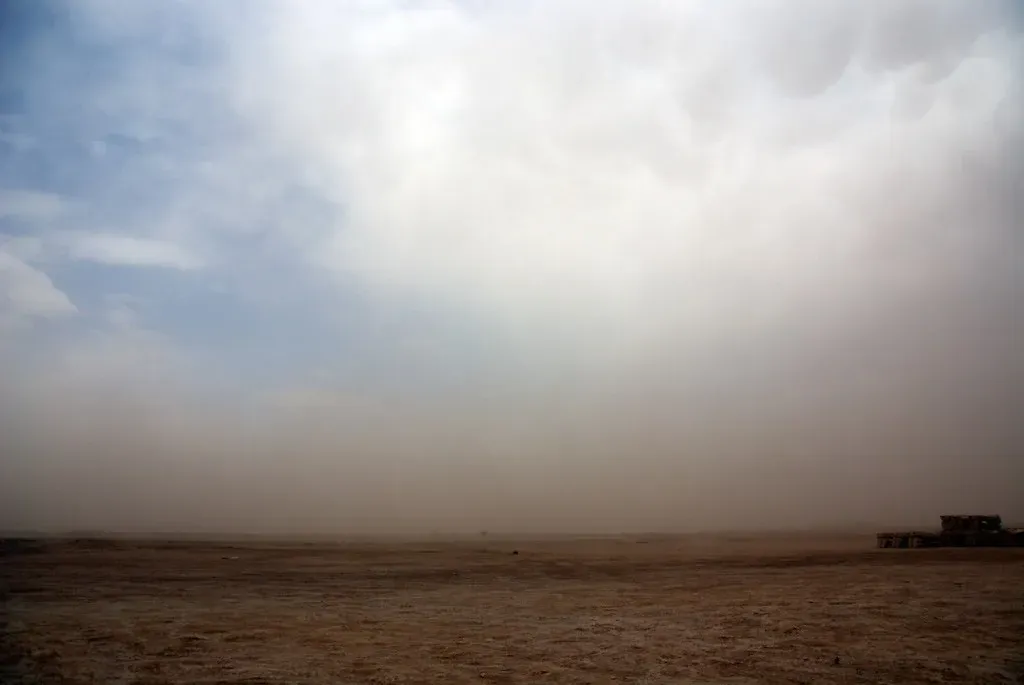
One recurring image in Sumerian literature is the “black storm” sent by angry gods, often associated with ruin and sudden collapse. On the surface, this can mean invading armies, drought-driven winds, or even real sandstorms that turned the air brown and choked crops. However, some passages describe darkness at unusual times of day, ash-like fallout, and a sense of the sky turning unnaturally oppressive, which has led a minority of researchers to wonder about links to distant impact events that lofted massive dust into the atmosphere.
From the geological side, we know that even moderate regional impacts can temporarily load the air with fine particles, causing short-lived but dramatic dimming of sunlight and strange sky colors. Sediment cores in parts of Mesopotamia and surrounding areas show occasional layers of unusual dust, sometimes with tiny clues that hint at an extraterrestrial component. It would be easy to overreach here and label every literary “black storm” as the aftermath of a meteor impact, which would be reckless. A more grounded view is that this shared motif probably bundles multiple real phenomena, and a small subset of those episodes may well line up with physically documented events tied to fiery objects from space.
6. Omen Tablets Describing Comet-Like Visitors
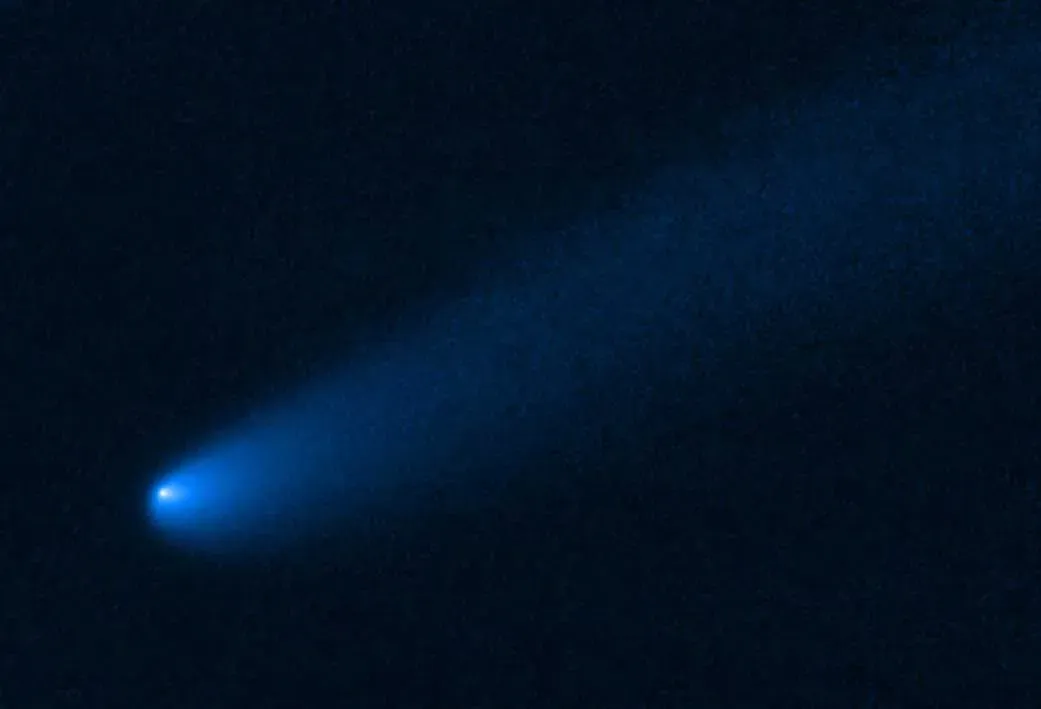
Among the many lines of the omen series are references to bright objects with tails, or heavenly signs that stretch across a portion of the sky for days. These do not read like fast, streaking meteors; they sound more like slow-moving, persistent visitors, which we would categorize today as comets. Mesopotamian scholars did not have our vocabulary, but they were sharp enough to notice when something in the sky behaved differently from their usual catalog of planets and fixed stars.
Modern orbital simulations of known long-period comets, combined with ice-core chemistry and historical observations from other parts of the world, suggest that some bright comets passed close enough to Earth to shed dust and, in a few cases, release fragments that may have entered the atmosphere later as smaller meteors. Certain dust-rich layers in ice and sediment that date to the late Bronze and early Iron Ages roughly coincide with historically plausible windows for such comet appearances. While we cannot pin a particular clay line to a specific comet with the confidence of modern astronomy, the overall pattern is consistent: ancient omen texts notice strange tailed stars at about the same epochs when the physical record hints that large, dusty objects were indeed moving through our planet’s neighborhood.
7. Temple Foundation Records and Sudden Local Destruction
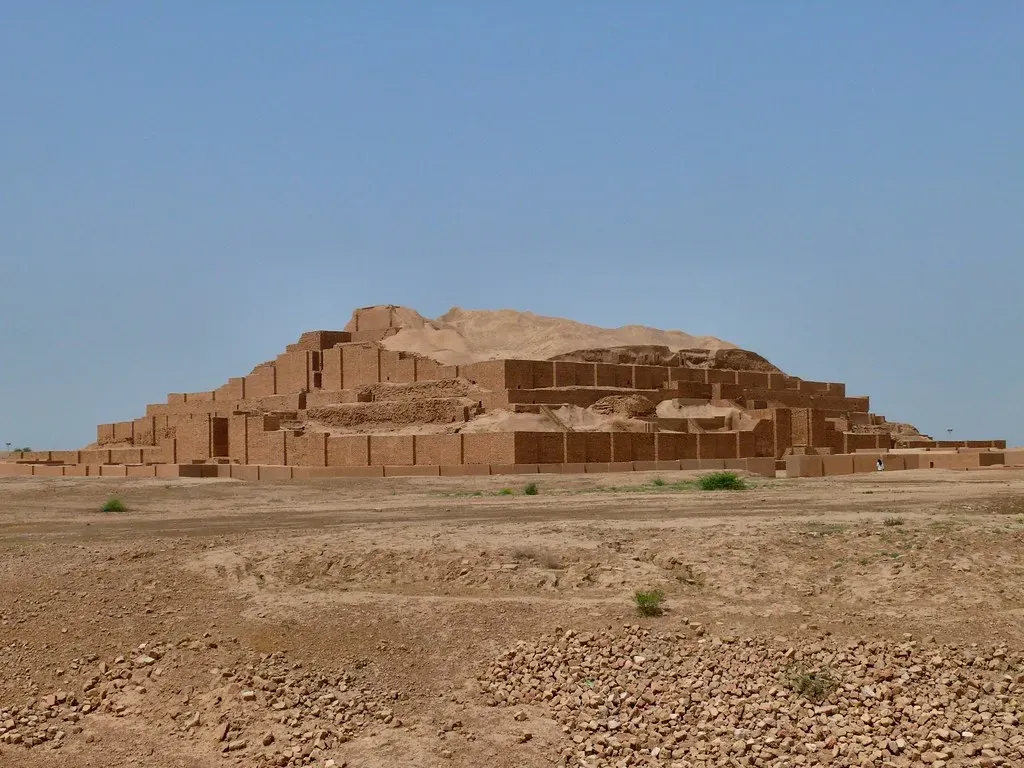
Mesopotamian rulers liked to commemorate building and rebuilding projects with inscriptions that explain why a temple or city wall needed repair. Usually the culprits are political or mundane: wars, neglect, floods. Yet a small number of foundation texts and building records mention destruction linked to fire from above, blazing signs, or sudden blows from the heavens that damaged specific places. These accounts are often tangled up with theology, but they stand out because they attribute very concrete physical damage to sky-borne causes rather than only to armies or rivers.
Archaeologically, some sites in the region show abrupt burn layers and collapse strata without clear evidence of lengthy siege or extensive conventional burning, along with traces of unusual heating or pressure. In a few debated cases, there are hints of high temperatures that could fit either a particularly intense firestorm or a more exotic cause like an airburst in the near vicinity. It is tempting to align each dramatic temple inscription with a candidate impact-like layer beneath the same city, but dating precision and interpretive uncertainty force us to stay humble. The most reasonable stance is that ancient builders did sometimes witness extreme local sky events, remembered them as divine blows, and that a subset of those episodes might correspond to the physical scars that modern excavations are beginning to pick up.
8. The Late Bronze Age Upheavals and Extraterrestrial Hypotheses
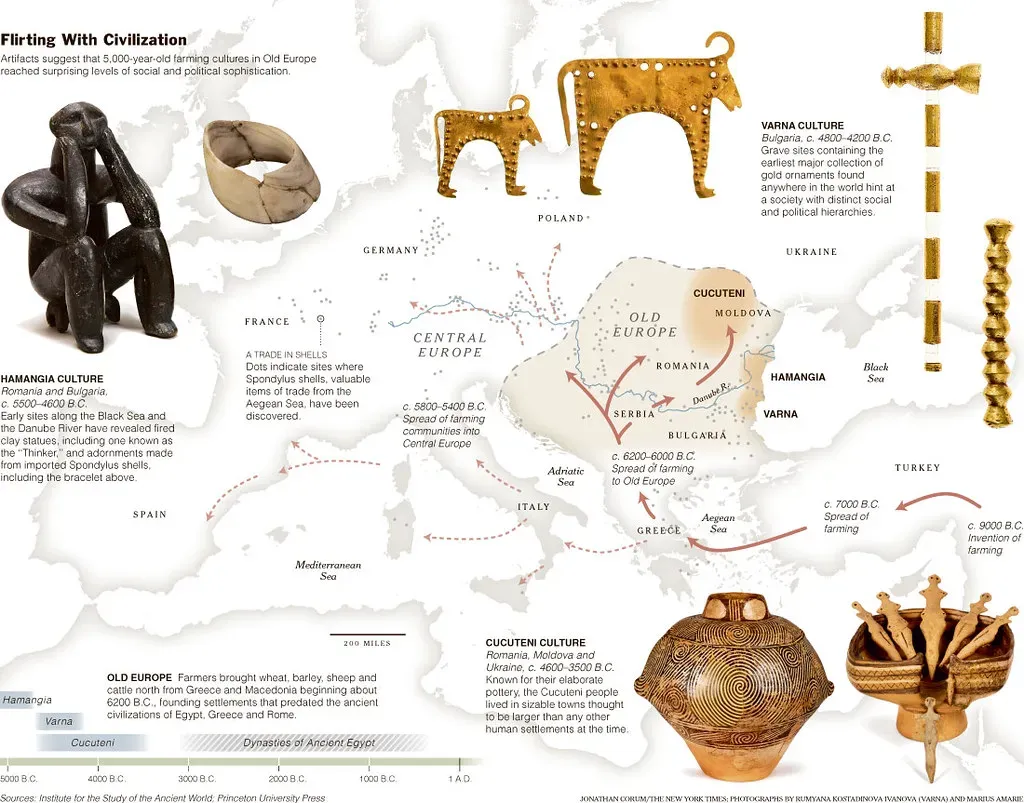
The collapse of many Late Bronze Age societies around the Eastern Mediterranean has attracted almost every kind of explanation: climate shifts, invasions, trade breakdowns, internal rebellions. In that crowded field, some researchers have floated the idea that at least one large airburst or impact may have contributed to regional chaos, citing layers of destruction, disturbed soils, and tiny geological markers that suggest intense heating. Mesopotamian chronicles and omen texts from around this broad timeframe sometimes speak of dire portents, fire in the sky, and cities suddenly laid waste.
The honest truth is that the evidence here is complex and contested. While there are intriguing hints of cosmic involvement in a few destruction layers, the broader pattern of Bronze Age collapse can be explained without invoking a major impact, and many specialists remain skeptical of giving space rocks too large a role in such a tangled historical drama. Still, even a single significant airburst in a densely settled region would have left a deep cultural imprint and may be one thread among many. Mesopotamian records that dramatize sky fire and divine anger might, in a few cases, preserve distorted memories of those traumatic events, now being sifted out of the ground layer by layer.
9. Astronomical Diaries from Babylon and Precise Sky Watching
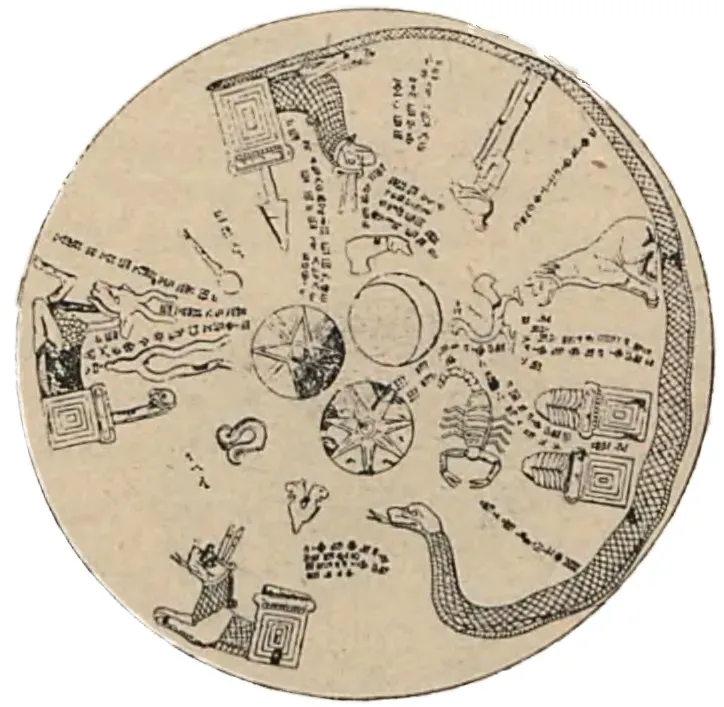
By the first millennium BCE, Babylonian astronomers had become remarkably systematic. The so-called Astronomical Diaries record planetary positions, eclipses, weather, prices, and sometimes unusual sky events in a day-by-day style that feels almost modern compared with older omen series. When these diaries mention exceptionally bright meteors, fireballs, or rare celestial visitors, they are doing so in a context where other entries can often be dated with impressive precision, thanks to the predictable motions of planets and the Moon.
This level of chronological control makes the diaries particularly attractive for comparison with physical evidence. If a diary notes an unusually bright fiery object or a sequence of sky disturbances over a narrow time span, geologists can look to ice cores, tree rings, and sediment records for signs of brief atmospheric changes or increased influx of extraterrestrial material. In several cases, there are tantalizing broad alignments between episodes of heightened meteoric dust in the physical record and clusters of sky-notes in the diaries, though nothing rises to the level of a courtroom-style proof. Still, these texts show that by this era, Mesopotamian observers were not only watching the heavens closely but writing in a way that gives modern science a fighting chance to sync clay with stone.
One thing that strikes me, reading translations of these diaries, is how familiar the mindset feels. You get the sense of people who are almost proto-data scientists, logging the sky the way someone today might track stock prices and weather apps, trying to find meaningful patterns. It makes it completely believable that if an exceptional meteor or small impact happened in their view, they would note it carefully, even if they wrapped its meaning in a very different worldview from ours.
10. Why Most “Matches” Stay Probable, Not Proven
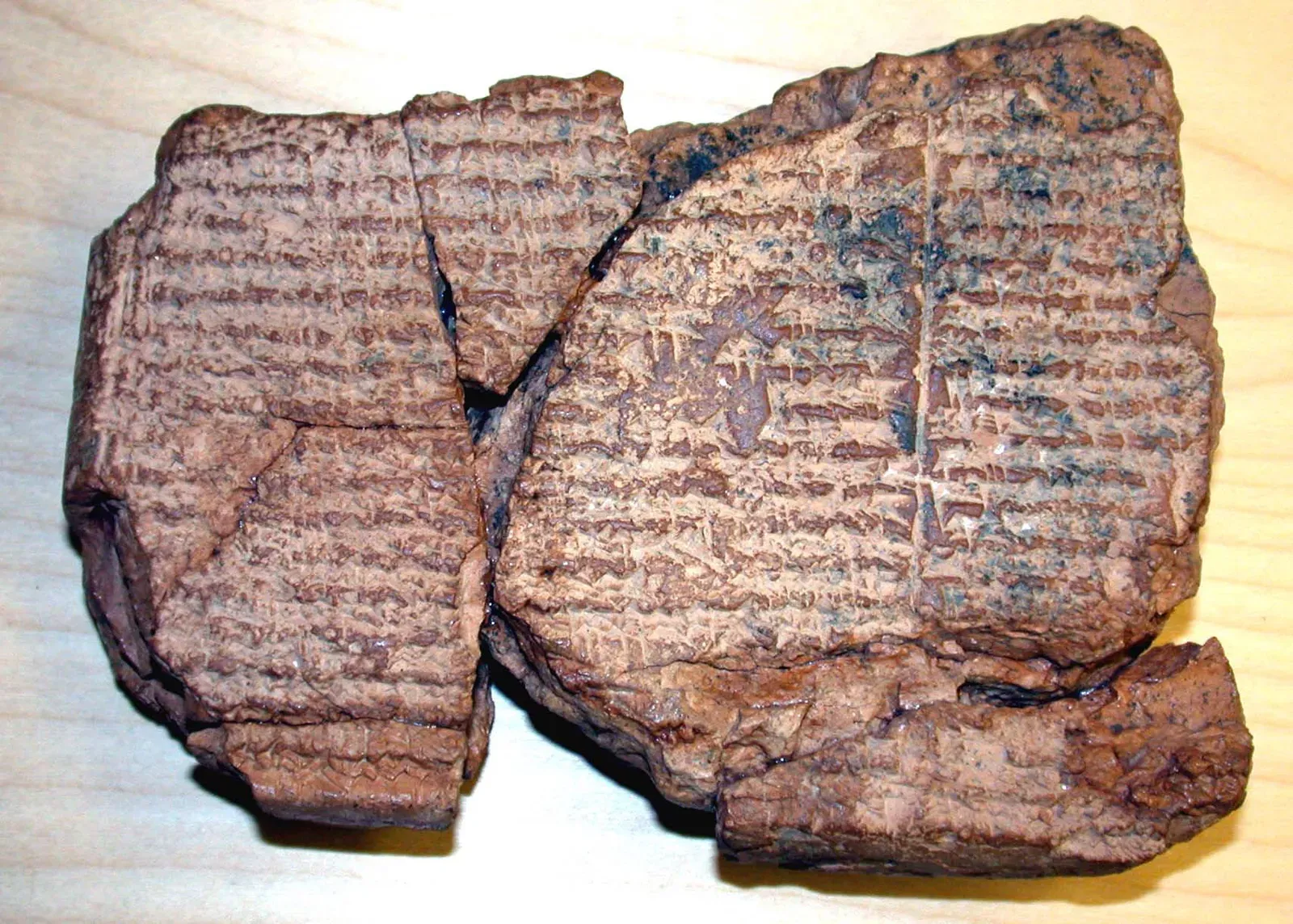
When you zoom out and look at all these cases together, a clear pattern emerges: there are plausible overlaps between some ancient Mesopotamian accounts of fiery or strange sky events and geological signals of cometary or meteoritic activity, but very few hard, complete matches. Chronological systems differ, dating methods have margins of error, legends get reworked, and physical layers can be disturbed or misinterpreted. Anyone promising a neat one-to-one list of specific tablets tied to specific craters is overselling the current state of the evidence.
That does not mean the exercise is pointless; on the contrary, it is one of the more exciting examples of how the humanities and the natural sciences can talk to each other. Textual scholars can flag descriptions that sound unusually physical and specific, while geologists can test sites and strata from the same broad time windows for impact-like fingerprints. Over time, as both dating techniques and text editions improve, some candidates will strengthen and others will quietly fall away. The right attitude is critical thinking without cynicism: treating ancient observers as careful, if culturally shaped, witnesses, and letting the rocks confirm or contradict them.
Conclusion: Cosmic Stones, Clay Tablets, and an Honest Sense of Wonder
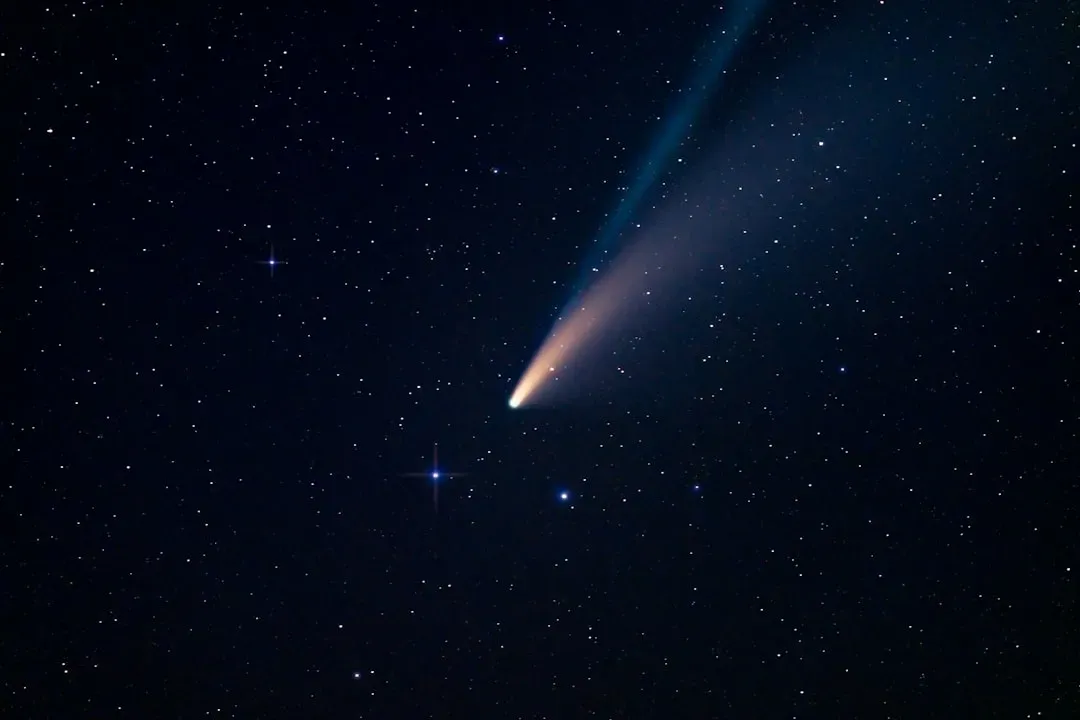
Putting all of this together, my own view lands somewhere between enthusiasm and skepticism. Enthusiasm, because it is hard not to be moved by the idea that a scribe scratching wedge-shapes into clay after a terrifying night of falling fire might be describing an event we can still detect today in shocked minerals and thin dust layers. Skepticism, because the signal is faint, the noise is loud, and it is all too easy to project modern impact obsessions onto texts that were often more concerned with politics and omens than with physical causality.
What seems most solid is this: Mesopotamian observers took the sky seriously, described it attentively, and sometimes lived through episodes that went far beyond gentle starlight and slow-moving planets. Some of those episodes almost certainly involved comets shedding dust, meteors exploding in the atmosphere, and maybe even small impacts leaving scars in the landscape and the geological record. Whether we ever manage to tie particular tablets to particular craters with full confidence, these comparisons remind us that human memory and planetary history are entangled in ways we are only beginning to trace carefully. The next time you see a meteor flash across the sky, it is worth asking yourself: if you were a scribe with a clay tablet and no science, how would you have told that story?