

Hidden in dusty grammars and crumbling inscriptions is a quiet shocker: ancient languages, separated by oceans and millennia, sometimes use almost the same sounds for the same ideas. Words for things like mother, water, star, or name echo across continents where the cultures never, as far as we know, had direct contact. Once you notice it, it is hard to unsee, and it makes the past feel a lot less distant.
This is where the story gets both scientific and a little unsettling. Are these similarities proof of deep, shared ancestry, echoes of very early migrations, or just the linguistic equivalent of coincidences in cloud shapes? In reality, it is a mix of all three. Let’s walk through twelve ancient languages and language families, where root words jump across time and space in a way that feels almost eerie, but becomes even more fascinating once you see how linguists actually make sense of it.
1. Proto‑Indo‑European: The Phantom Ancestor Behind Dozens of Languages
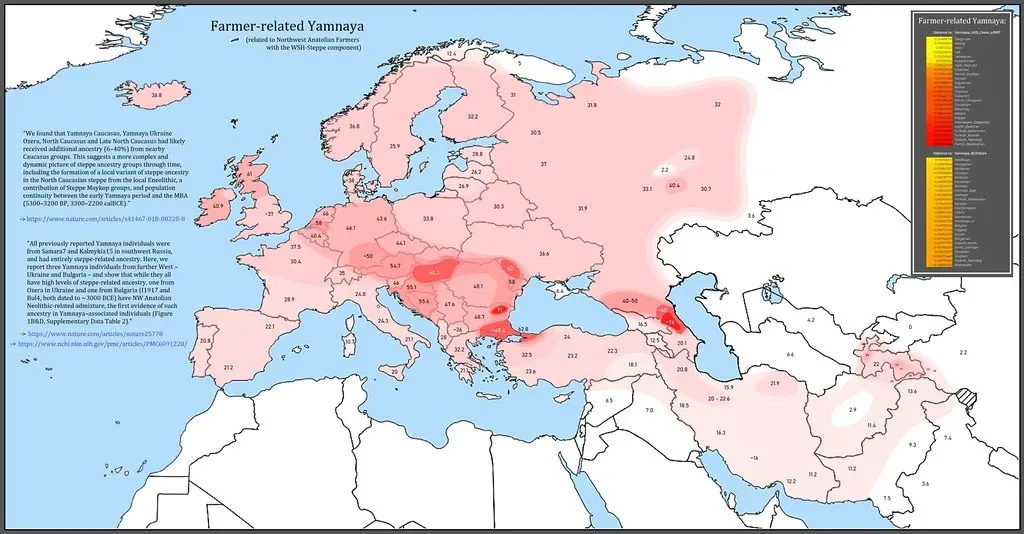
If there is a celebrity ghost language, it is Proto‑Indo‑European, often called PIE. It was never written down, yet it is reconstructed from patterns in languages as far flung as Sanskrit, Ancient Greek, Latin, Old Irish, and Hittite. When you line those languages up, you keep seeing the same basic word shapes for family terms, numbers, and parts of the body, like a faded watermark across Eurasia.
Think about the word for mother: Sanskrit has something like “mātṛ,” Latin “mater,” Old English “mōdor,” and so on. These are not random look‑alikes; sound changes follow systematic rules that can be rolled back like a linguistic time‑machine to arrive at an ancestral form. This reconstructed system underpins many modern words in English, Spanish, Russian, Hindi, and Persian, showing how one prehistoric speech community spread its verbal DNA across half the world.
2. Vedic Sanskrit and Ancient Greek: Sacred Verses and Epic Myths Speaking in Echoes
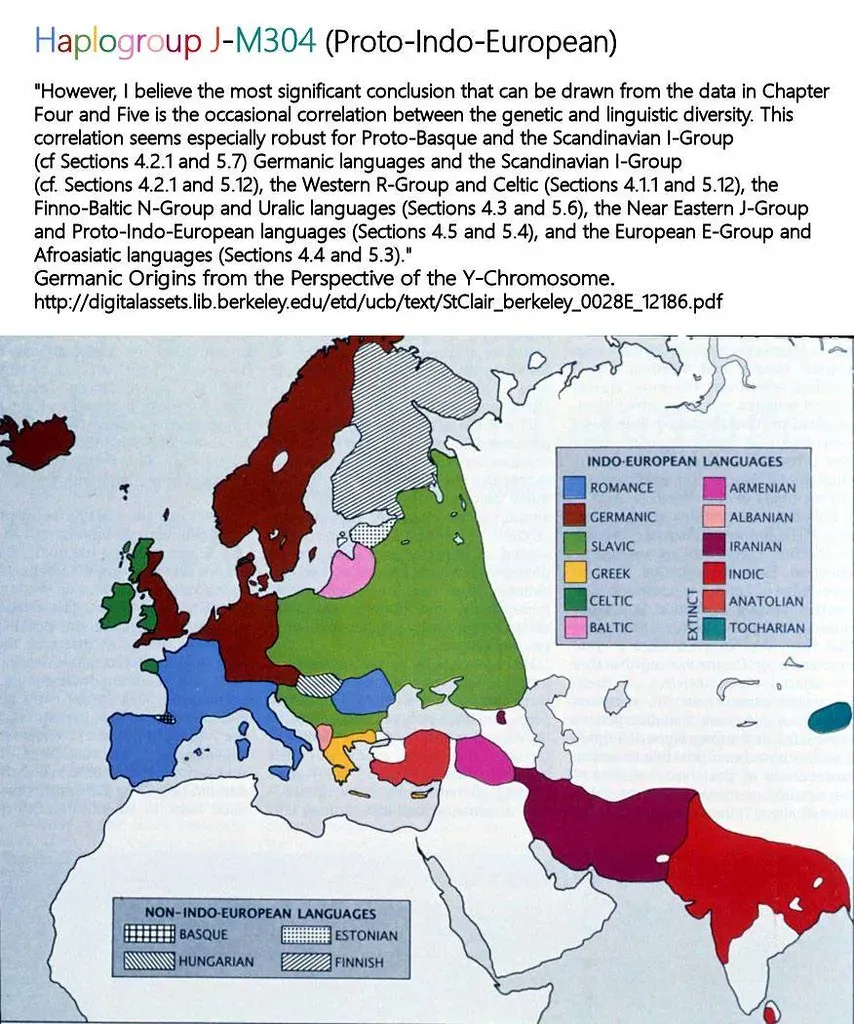
Vedic Sanskrit, the language of the earliest Indian hymns, and Ancient Greek, the language of Homer and early philosophy, seem worlds apart culturally. Yet when you put their old forms side by side, echoes jump out: similar words for gods, kinship, and even poetic formulas. The resemblance is so striking that early scholars in the nineteenth century were stunned to see such close cousins separated by thousands of kilometers.
Words for sky, for example, for divine beings, or for the number names look uncannily parallel once you account for regular sound shifts. This is not a conspiracy or mystical link; it is the trace of that shared Proto‑Indo‑European background. Still, when you first see a Sanskrit form and a Greek form that look nearly identical in both sound and meaning, it feels like two distant civilizations are quietly winking at each other across the ages.
3. Latin and Old Irish: When Rome’s Tongue Meets the Edge of the World

Latin, the language of the Roman Empire, and Old Irish, spoken on the fringes of Europe in early medieval Ireland, seem like they should have nothing in common beyond a few borrowed church terms. Yet, at a deeper level, they share inherited Indo‑European roots for basic vocabulary: words for numbers, kinship, and natural phenomena can be matched systematically, not as loanwords, but as cousins.
When you compare Latin and Old Irish forms that reflect earlier Celtic stages, the puzzle pieces fit surprisingly well. It is not that Romans and early Irish were swapping slang over sea routes in prehistory, but that both languages descend from a much earlier network of dialects. For me, seeing the same ancient root echo in Latin inscriptions and Irish sagas feels a bit like realizing two remote family branches share the same great‑grandparent nobody remembered clearly.
4. Hittite and Tocharian: Indo‑European outliers at Opposite Ends of Eurasia
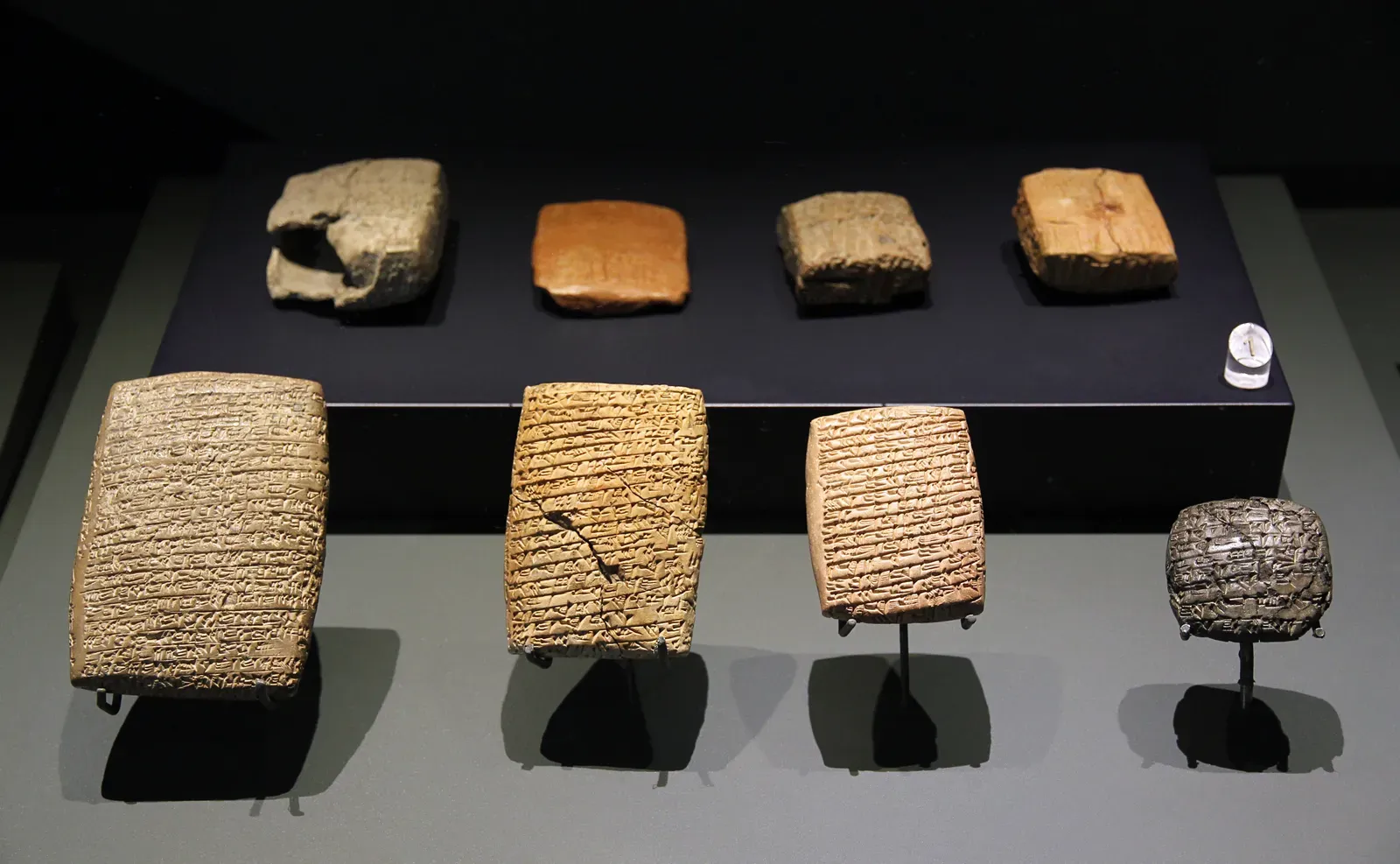
Hittite, preserved on clay tablets in Anatolia (modern Turkey), and Tocharian, found in Buddhist texts from the Tarim Basin in western China, are like two lost cousins discovered in different attics. Both are members of the Indo‑European family, but they sit on strange, early‑branching twigs of the family tree. Because of that, they sometimes preserve root forms closer to the original Proto‑Indo‑European shapes than the more famous branches do.
When scholars first realized that the odd‑looking words in Tocharian and the archaic forms in Hittite could be connected to familiar Indo‑European roots, it transformed our picture of how far that ancestral language spread. Shared roots for core ideas like water, names, or family roles link Bronze Age Anatolia and the Silk Road to a much wider story. It feels almost like discovering that a remote desert monastery and a ruined palace share the same forgotten founding language.
5. Proto‑Afroasiatic: Shared Roots from Ancient Egypt to Semitic Worlds
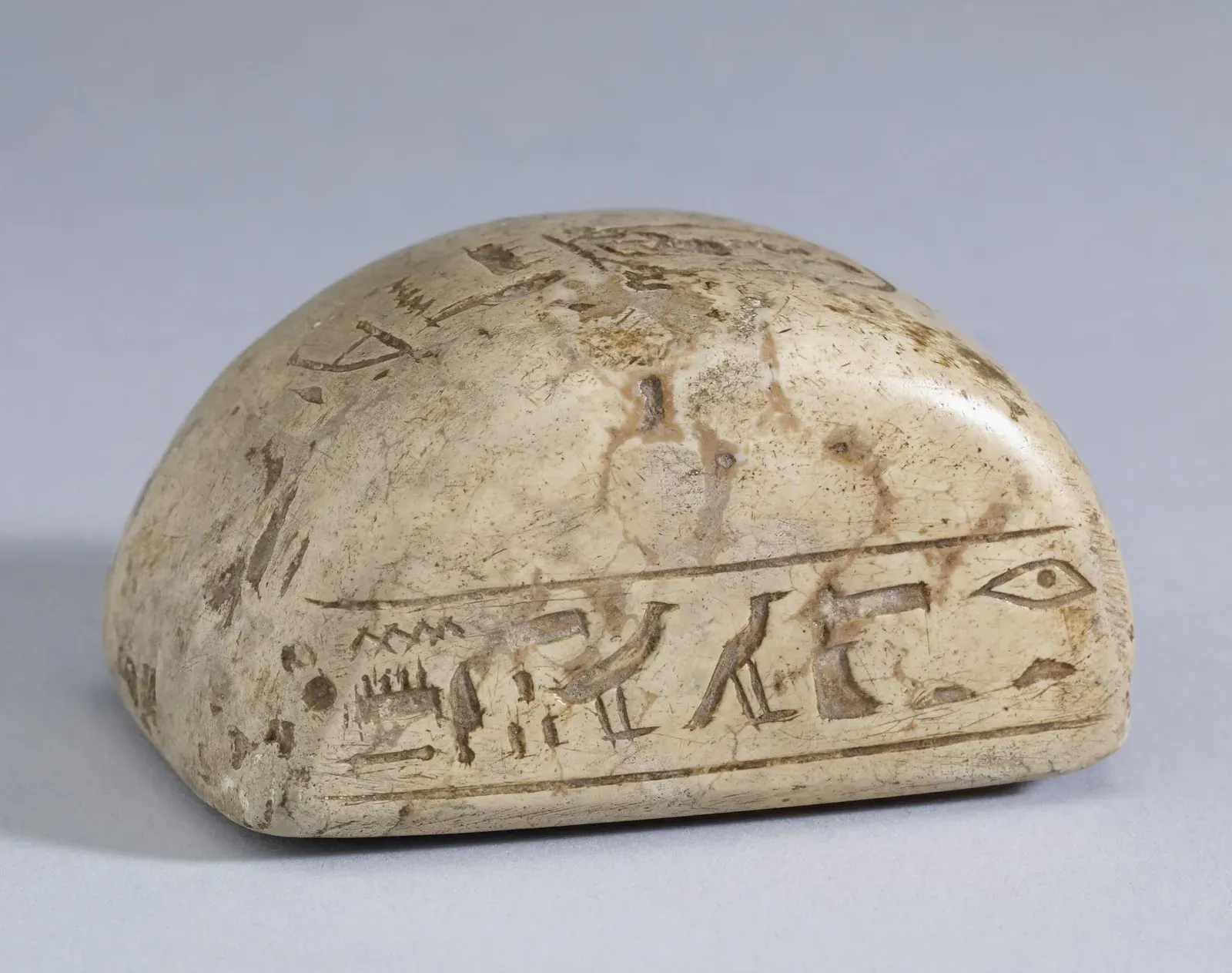
Move away from Indo‑European and you hit another deep ancestral giant: Proto‑Afroasiatic, the hypothetical ancestor of languages including Ancient Egyptian, Akkadian, Biblical Hebrew, Classical Arabic, and Berber tongues in North Africa. Here too, recurrent root patterns emerge, often built around consonant skeletons that carry core meanings like speech, kingship, or fertility. These roots ripple from the Nile valley to Mesopotamia and the Maghreb.
For example, words related to speaking or naming, or basic kinship terms, often line up in ways that are too systematic to be chance. One striking aspect is that while vowels may shift, the consonant framework of the root can remain recognizable across thousands of years and vast geography. So when you see cognate roots surfacing in Egyptian inscriptions and Semitic scriptures, it underlines that these civilizations were not isolated islands but branches of a deeper linguistic lineage.
6. Sumerian and Possible Ancient Substrates: Enticing Echoes with a Hard Reality Check
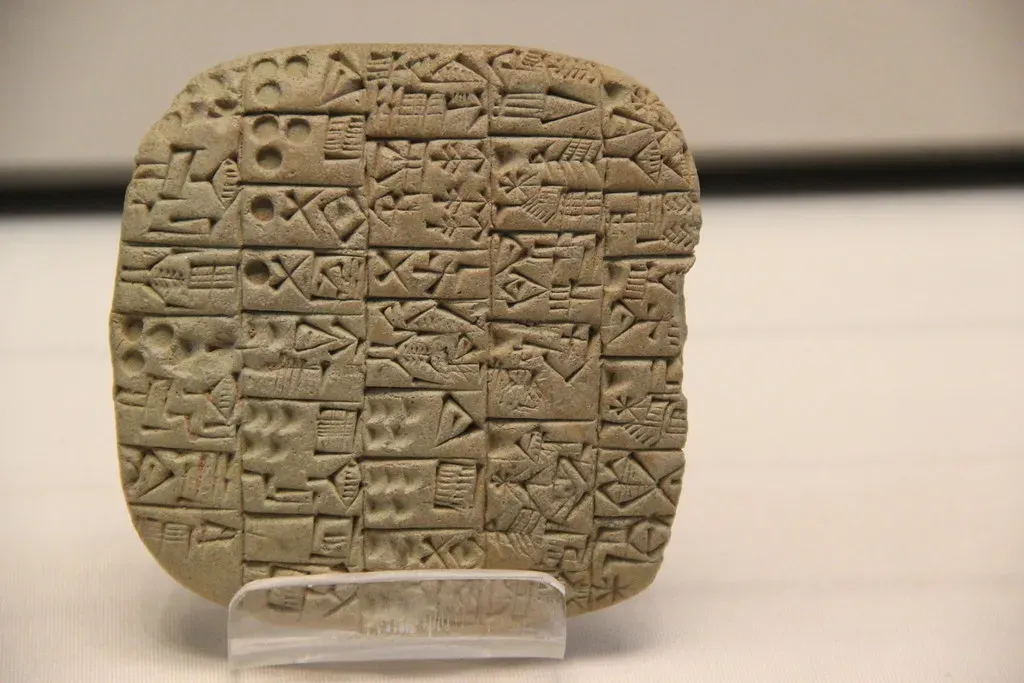
Sumerian, the language of the earliest known urban civilization in southern Mesopotamia, is a linguistic loner: as far as mainstream scholarship goes, it has no genetically proven relatives. Yet enthusiasts frequently point to similar‑sounding Sumerian roots and words in distant languages, from the Caucasus to the Americas, as evidence of ancient global connections. On the surface, some resemblances can look stunningly neat.
Here is the sober part: when you have thousands of short words and only so many sounds available, some will line up by accident. Without systematic sound correspondences across a broad swath of vocabulary and grammar, these similarities stay coincidences, not proof of kinship. I actually like the romantic idea of Sumerian ties stretching across oceans, but if we care about truth, we have to admit that the evidence so far is thin, and the similarities are better explained as the noise you get when you stare too hard at random patterns.
7. Proto‑Austronesian: Island Chains Connected by Ancient Word Roots
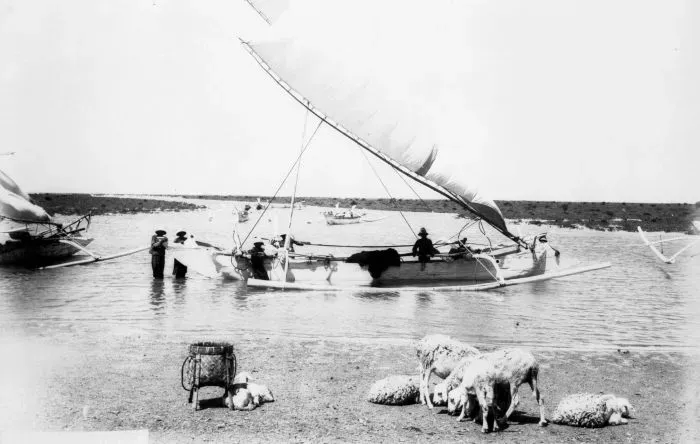
Now imagine a language family that sailed. Proto‑Austronesian is the reconstructed ancestor of languages spread from Taiwan and the Philippines to Indonesia, Madagascar off Africa, and remote Pacific islands like Hawaii and Easter Island. Despite being scattered over vast oceans, these languages share clear inherited roots for things like body parts, everyday tools, and elements of the seafaring world.
It is wild to realize that a root meaning eye, fire, or canoe can echo from Southeast Asia all the way to Polynesia and to the shores of Madagascar. That is not mystical telepathy; it is the result of real human voyages over centuries, with speech traveling in canoes and memory. For people who lived and died without maps, those stable word roots were part passport, part anchor, linking distant islands into a single linguistic galaxy.
8. Proto‑Bantu: Shared Roots Marching Across Sub‑Saharan Africa

Proto‑Bantu is the reconstructed common ancestor of a huge cluster of languages spread across central, eastern, and southern Africa. As Bantu‑speaking peoples migrated over centuries, they carried with them a core of vocabulary that remains recognizable from Cameroon to South Africa. Words for people, animals, staple crops, and basic actions can often be traced back to common ancestral roots.
When you compare modern Bantu languages, you see repeating patterns in noun class prefixes and shared lexical roots that make the relationships hard to ignore. This is less about oceans and more about sheer geographical scale: the same ancestral root might pop up in a village near the Congo River and in a farming community a continent away. It reminds us that language can be as powerful an archaeological tool as pottery or DNA, hinting at movements and contacts long before anyone was writing history down.
9. Mayan and Proto‑Uto‑Aztecan: Tempting Similarities Across Ancient Mesoamerica
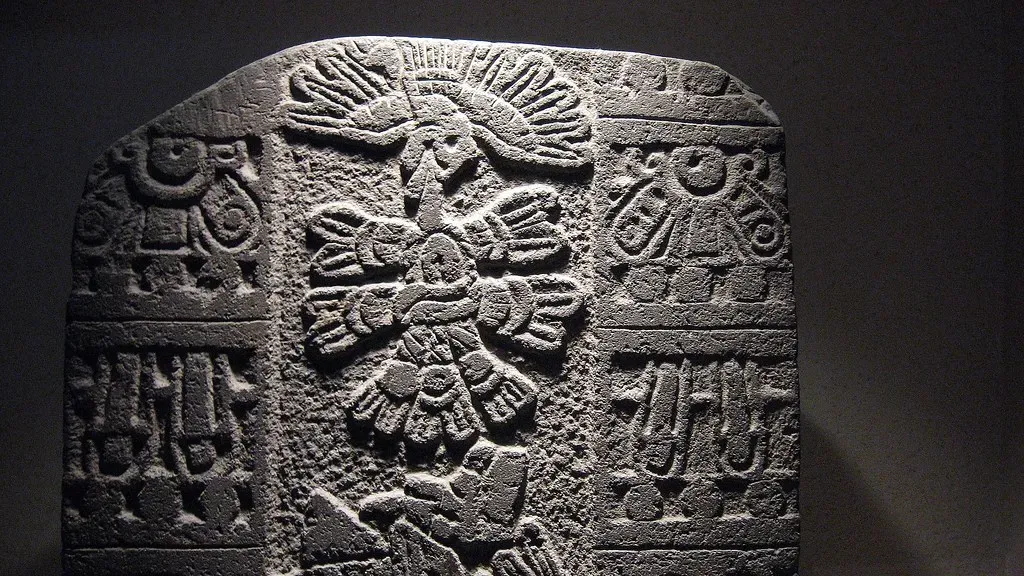
In the Americas, the Mayan languages and the Uto‑Aztecan family (which includes tongues ancestral to Nahuatl, the language of the Aztecs) developed in relatively close geographic proximity but in distinct cultural spheres. Occasionally, scholars and amateurs alike point out similar‑sounding words with overlapping meanings between ancient Mayan and reconstructed Proto‑Uto‑Aztecan forms. At first glance, it can look like evidence of a shared deep ancestor or powerful diffusion.
Careful work, though, suggests a more nuanced picture. Some similarities are probably due to contact and borrowing in border regions; others may simply be the by‑product of limited sound combinations and common human needs leading to coincidental overlaps. There is no widely accepted proof that the Mayan and Uto‑Aztecan families share a single, well‑reconstructed ancestor the way Indo‑European languages do. Still, those tantalizing matching roots keep the door open for new research into ancient trade, intermarriage, and cultural exchange in pre‑Columbian Mesoamerica.
10. Ancient Chinese and Proposed Sino‑Tibetan Roots: Echoes from the Yellow River to the Himalayas
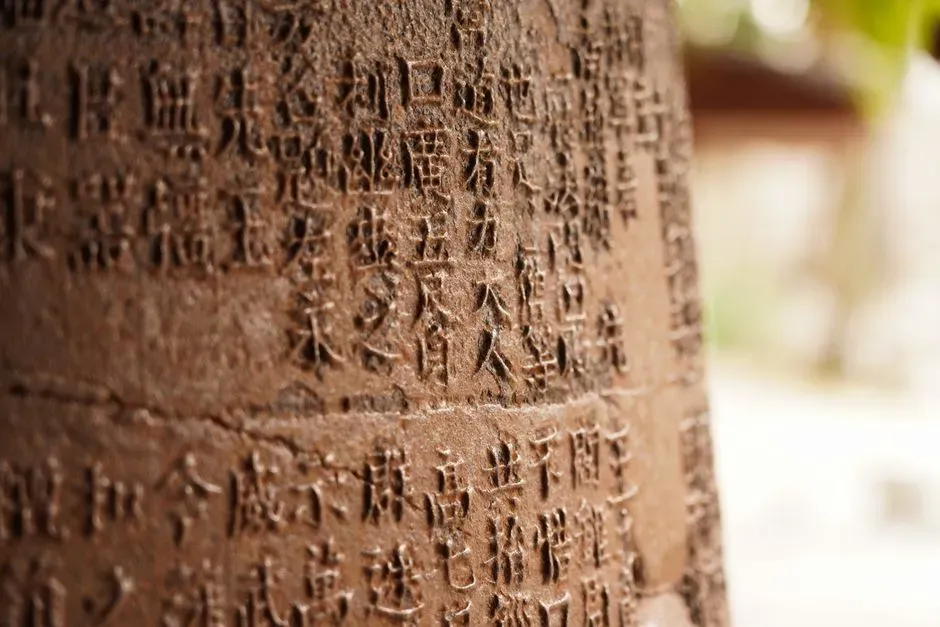
Old Chinese, the language behind the earliest inscriptions and classic texts of China, is now widely viewed as part of a larger Sino‑Tibetan family that includes Tibetan, Burmese, and many Himalayan and Southeast Asian languages. When you try to peel back sound changes in Old Chinese and compare them with reconstructed Proto‑Sino‑Tibetan forms, shared roots start showing up for basic words like water, fire, and kinship terms. It is like watching different mountain valleys drain into one hidden linguistic spring.
Because Chinese was written with a logographic system, reconstructing its ancient pronunciation takes serious detective work, using rhyme patterns and phonetic hints in characters. Even so, the overlapping roots between early Chinese and languages spoken far away in rugged terrain support the idea of a distant common ancestor. This makes the continuity of Chinese civilization even more remarkable: a written tradition that stretches back over three thousand years may still carry faint traces of a much older language spoken by communities spread from river plains to highland trails.
11. Proto‑Eskimo‑Aleut and Possible Links Across the Arctic and Beyond
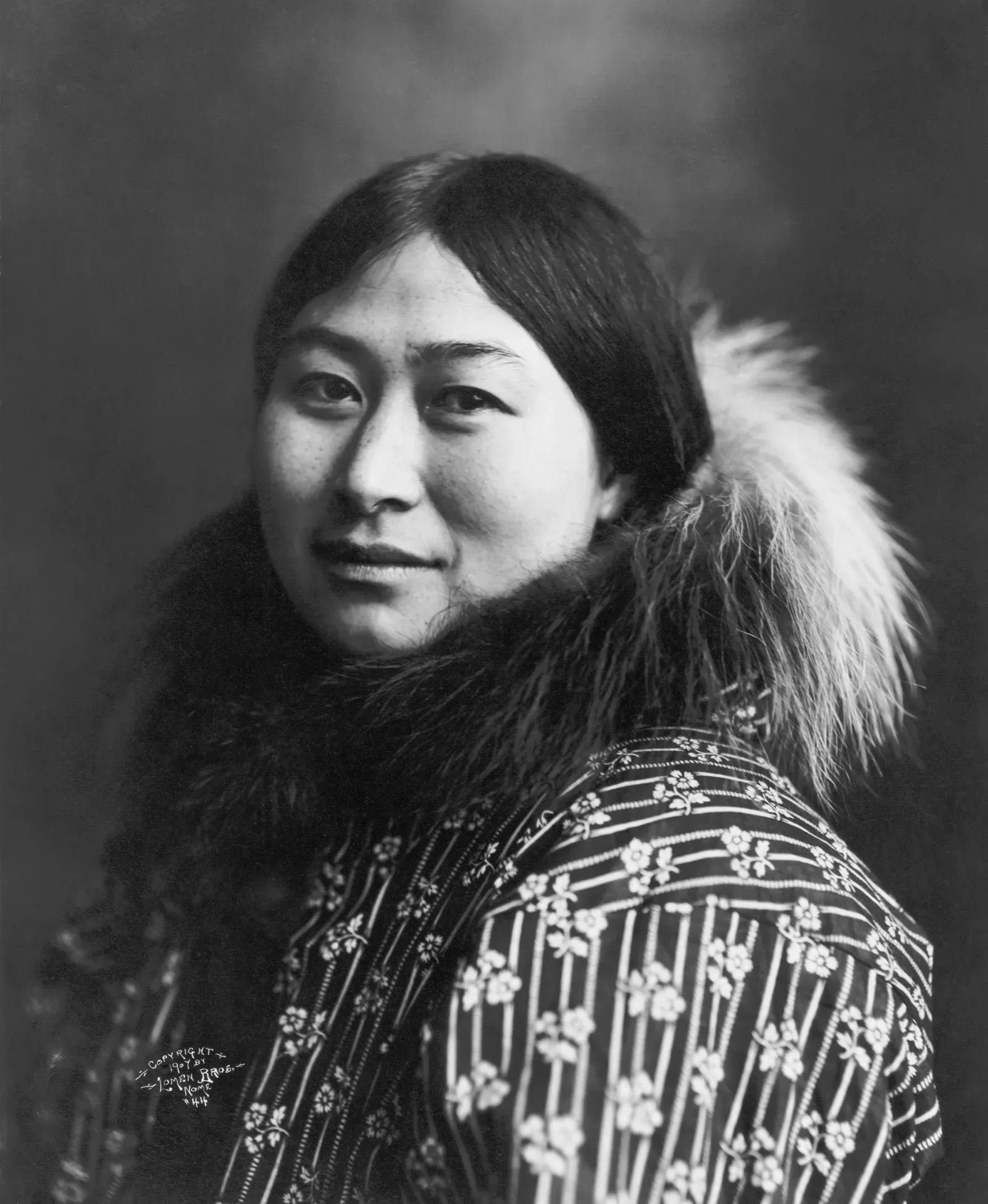
Proto‑Eskimo‑Aleut is the inferred ancestor of the languages spoken from Siberia’s far northeast across Alaska to Greenland. Within that family, shared roots for sea ice, hunting, body parts, and weather are clear and expected. The controversial part begins when some researchers claim to see related roots between Eskimo‑Aleut and other far‑flung families, such as Uralic or even certain Native American groups further south, suggesting deep prehistoric connections.
The reality is that evidence for a single, neat super‑family that ties all these Arctic and sub‑Arctic languages together remains weak and heavily debated. Harsh environments and similar lifestyles can lead to similar vocabulary by function, and short words in small sound systems are likely to overlap by chance. Personally, I find the idea of an immense circumpolar language network exhilarating, but the data so far pushes us to stay cautious and separate solid cognates from mirages created by wishful thinking.
One more suggestion: there seems to be a mistake in how Proto‑Indo‑European is sometimes lumped together with Proto‑Eskimo‑Aleut as if they form a single, well‑established “Nostratic” family. Most specialists do not accept such a mega‑family as proven. While it is tempting to imagine that a handful of similar roots link Eurasian farmers and Arctic hunter‑gatherers in one tidy package, the comparative evidence is too thin and controversial to treat as solid fact. It is a helpful reminder that linguistic deep‑time work needs more than just a few look‑alike words to be convincing.
12. Chance Resemblance vs. Deep Connection: Why Identical Roots Do Not Always Mean Shared Origin
Here is the uncomfortable twist: human languages are built from a smallish set of sounds, short words are common, and every community needs words for water, mother, sun, and so on. That means some identical or very similar root shapes will pop up independently, like unrelated people in different countries happening to be named Sam. Without systematic patterns across large amounts of vocabulary and grammar, apparent root matches are just that: appearances.
So when you see near‑identical root words in ancient languages separated by oceans and thousands of years, you have to ask some hard questions. Are there clear, regular sound correspondences? Does the similarity show up in many core words, not just one or two? Is there archaeological or genetic evidence of contact or shared ancestry that makes a linguistic link plausible? Being strict here is not being boring; it is the only way to separate truly ancient connections from the brain’s relentless tendency to find faces in the clouds.
Conclusion: A World Bound Together by Words, but Not by Magic

Looking across these twelve cases, you can feel two powerful forces pulling in opposite directions. On one side, there is the genuine thrill of discovering real shared roots stretching from India to Ireland, from Egypt to Mesopotamia, or from Taiwan to far‑flung Pacific islands. Those are not coincidences; they are the fingerprints of migrations, marriages, conquests, and quiet daily conversations that built the world we live in. On the other side, there is the sobering reality that some seductive resemblances are little more than linguistic pareidolia, impressive only until you start doing the math and the method.
My own take is that the truth is more beautiful than the myths. We do not need secret ancient super‑civilizations or lost continents to explain why languages share roots; ordinary humans with boats, feet, and patience did the job over thousands of years. The real magic is that echoes of those journeys still live in your everyday speech, in words so familiar you stop noticing them. Next time you say a basic word like mother, water, or name, it might be worth pausing for a second and asking yourself: how many forgotten mouths, in how many vanished worlds, quietly spoke something almost the same long before you were born?