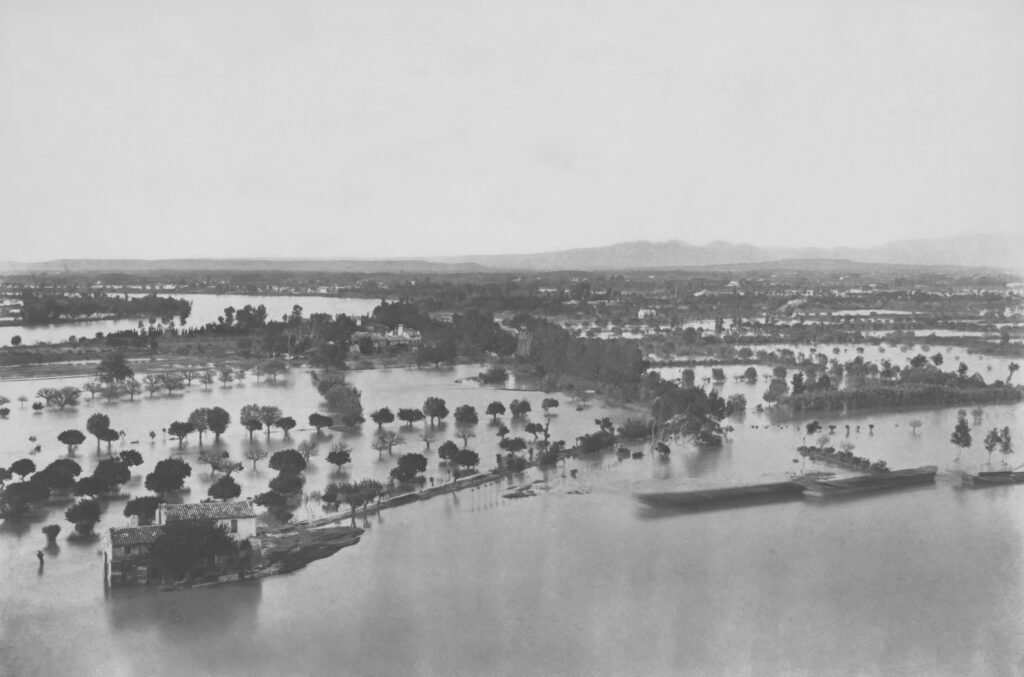

There is something eerie about how often ancient people, separated by oceans and millennia, tell stories about the world drowning. You open a myth from Mesopotamia, then a tale from Mesoamerica, and suddenly you are staring at the same images: rising waters, desperate survivors, mountains becoming islands in an endless sea. It feels almost like flipping through different languages of the same dream.
At the same time, when you go hunting for hyper‑specific overlaps – matching dates, matching river systems, matching coastlines – the evidence gets a lot messier than sensational claims suggest. Still, those flood narratives are real, and some of them do line up in striking ways on geography, timing, and memory of environmental disaster. The real story here is not about secret identical scripts copied across continents, but about how human beings, staring down the same terrifying forces of water and climate, ended up producing myths that echo each other in ways that are hard to ignore.
Mesopotamia’s Deluge And The Rivers That Ruled A World
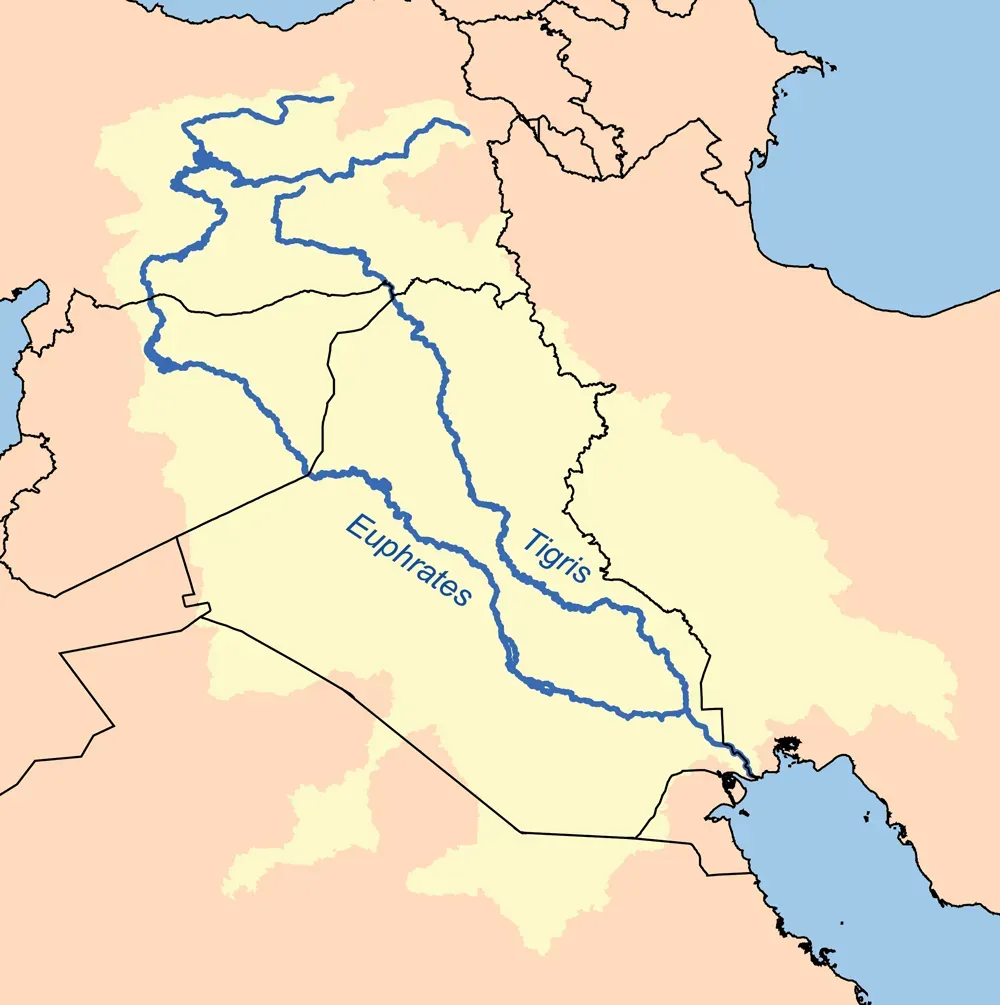
If you want to start anywhere, you start in Mesopotamia, where the Tigris and Euphrates made civilization possible and also endlessly threatened to wipe it out. Texts like the Epic of Gilgamesh and Atrahasis describe a catastrophic flood that overwhelms the land, with a chosen survivor building a boat, loading animals, and riding out waters that swallow cities and fields. The setting is very clearly riverine: flat alluvial plain, capricious rivers, and a people whose lives revolved around irrigation, levees, and seasonal flooding that could suddenly turn deadly.
What makes these accounts feel grounded is how tightly they fit what we know about the real landscape. Archaeology has revealed flood deposits in some Mesopotamian sites, and historians can trace episodes when river courses shifted or overflowed in ways that would have been experienced as civilization‑ending by people who had never seen the ocean. The time frames in the texts are mythological rather than literal calendars, but the details of barges, reeds, mudbrick cities, and low, sprawling floodplains put the story in a specific geography, not a vague “world.”
The Hebrew Flood Story: Echoes, Edits, And Local Memory
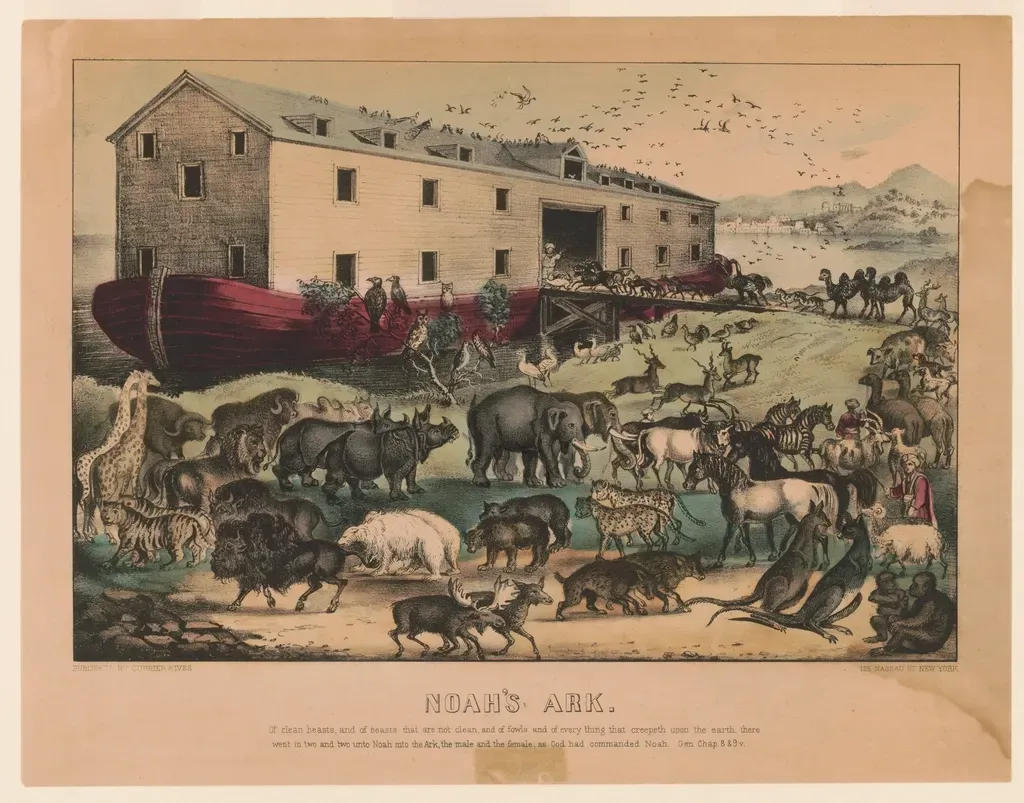
The biblical story of Noah feels like a cousin of the Mesopotamian tales, and that is probably not an accident. The narrative of an ark, animal pairs, a divine warning, and a mountain where the vessel finally grounds shares a family resemblance to older flood epics from the same broad region. The geography is once again centered on a Near Eastern landscape with seasonal flooding, highlands to the north and east, and rivers that could transform overnight from life‑givers into monsters.
Where this account becomes particularly intriguing is in how it reworks earlier flood ideas into a different theological and cultural frame. Instead of a noisy humanity annoying the gods, the biblical story leans into moral corruption, covenant, and restart, which reflects the distinctive concerns of its community. Yet the bones of the narrative still suggest that real experience of erratic water shaped the memory: rivers overflowing, lowlands inundated, survivors in elevated terrain watching a muddy world slowly re‑emerge. It is less a global news report and more a theologically charged memory of a massive regional catastrophe.
Greek Flood Traditions And The Power Of Mountain Refuge
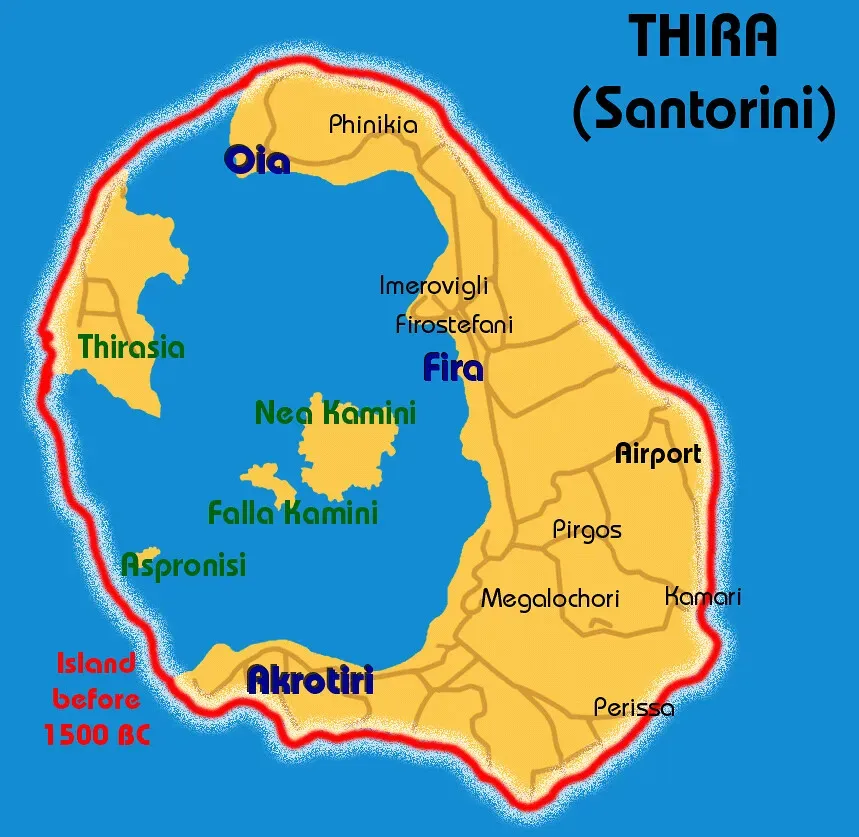
Move west into the Greek world and you meet another flood survivor, Deucalion, riding out waters that cover much of the known land and then landing on a mountain. Again, the themes feel familiar: divine displeasure, destruction by water, a surviving human pair, and the use of high ground as a refuge and restart point. The Greek landscape is full of mountains, steep valleys, and coastlines vulnerable to sudden sea surges and heavy winter rains, so the setting of the myth fits the environment.
What is striking is how often mountains show up across these different cultures as the place where the flood story ends. In Greece, as in the Near East, you have people imagining water racing through valleys, pouring onto plains, and rising until only the peaks remain. That is exactly how a catastrophic flash flood or tsunami‑like event would look from the point of view of someone clinging to a hillside. The specific names and gods change, but the physical logic of the story feels like a shared human perception of how water moves through rugged terrain.
South Asian Floods, Seasonal Extremes, And The Boat Of Manu
In ancient Indian tradition, the flood of Manu introduces yet another cultural lens on the same frightening phenomenon. Here, a virtuous figure is warned by a fish about an oncoming flood and builds a boat, eventually tying it to a mountain to ride out the waters. The story unfolds in a land where monsoon rains and overflowing rivers have always been both agricultural lifelines and existential threats, making the idea of the whole world turning into water feel uncomfortably close to home.
It is tempting to draw a red line connecting Indian flood stories directly to those of Mesopotamia or the Levant and declare a single, perfectly shared narrative with identical geographic and temporal details. The reality is more cautious: there are overlapping motifs, and there may have been cultural transmission, but the evidence supports a more organic process. People in different river‑dominated societies watched fields disappear under brown torrents year after year, and it is no surprise that their myths converge on boats, warnings, mountains, and a sense that time itself was reset after a great watery break.
China’s Great Flood And The Long Battle With Rivers
In early Chinese tradition, stories of the Great Flood and the work of figures like Yu the Great revolve around taming water rather than one single episode of universal drowning. These narratives describe long‑lasting floods that submerged wide regions, with efforts to dredge channels, redirect rivers, and ultimately bring order to chaos. The geography is intensely specific: vast river systems like the Yellow River, notorious for course shifts and devastating overflows that buried villages in silt and transformed fertile plains into disaster zones.
Modern research has even suggested that some of these stories may preserve memory of large, real flood events in north China, though the exact timing and scale remain debated and far from settled. What matters for our purposes is that, once again, a river‑civilization facing unpredictable extremes embeds that experience into stories of near‑total inundation and heroic survival. It is not a carbon copy of Mesopotamia or the Near East, but it plays out the same pattern: humans, rivers, and the constant fear that one prolonged season of water might erase everything they know.
Americas And Oceania: Distant Lands, Familiar Waters
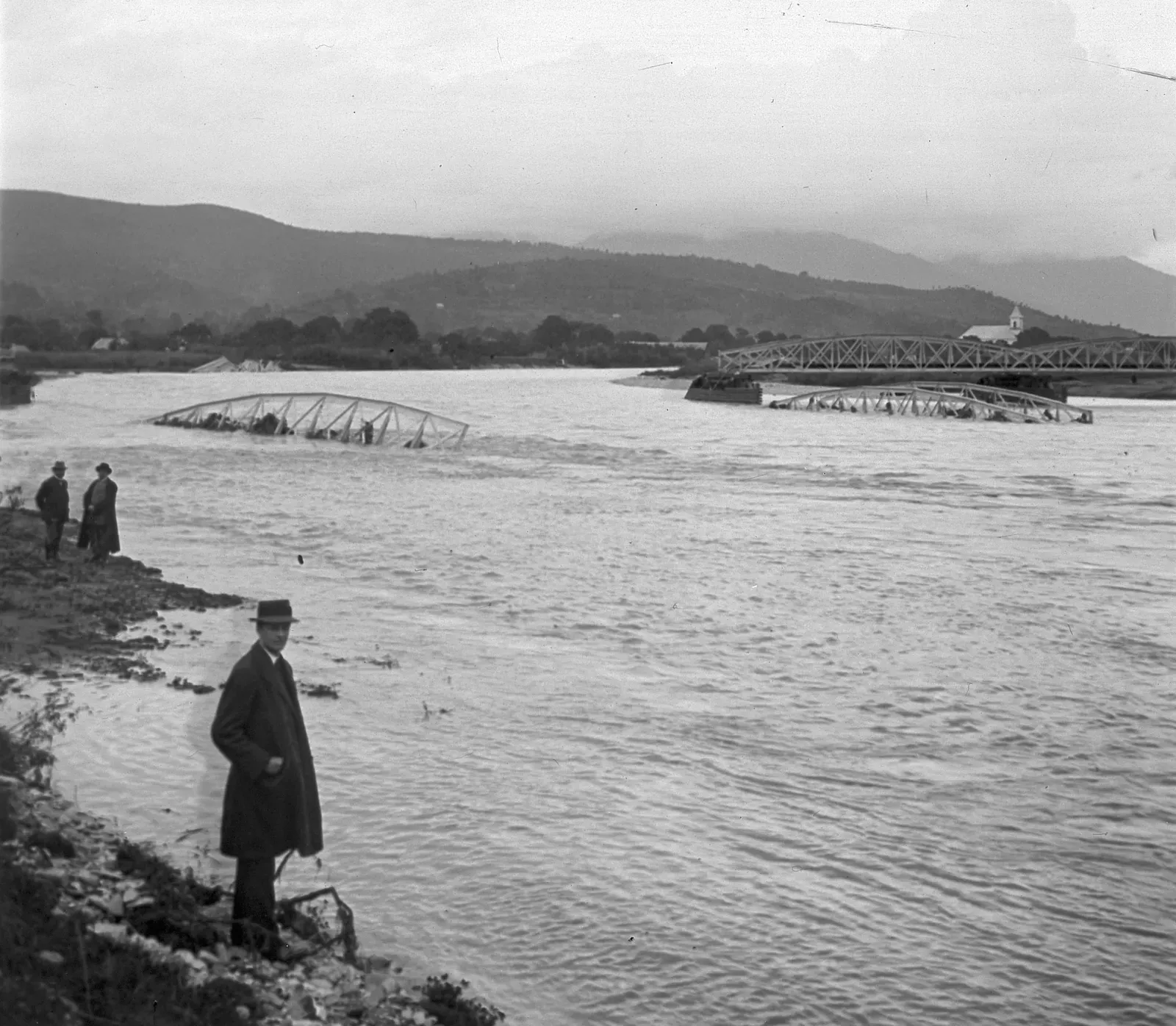
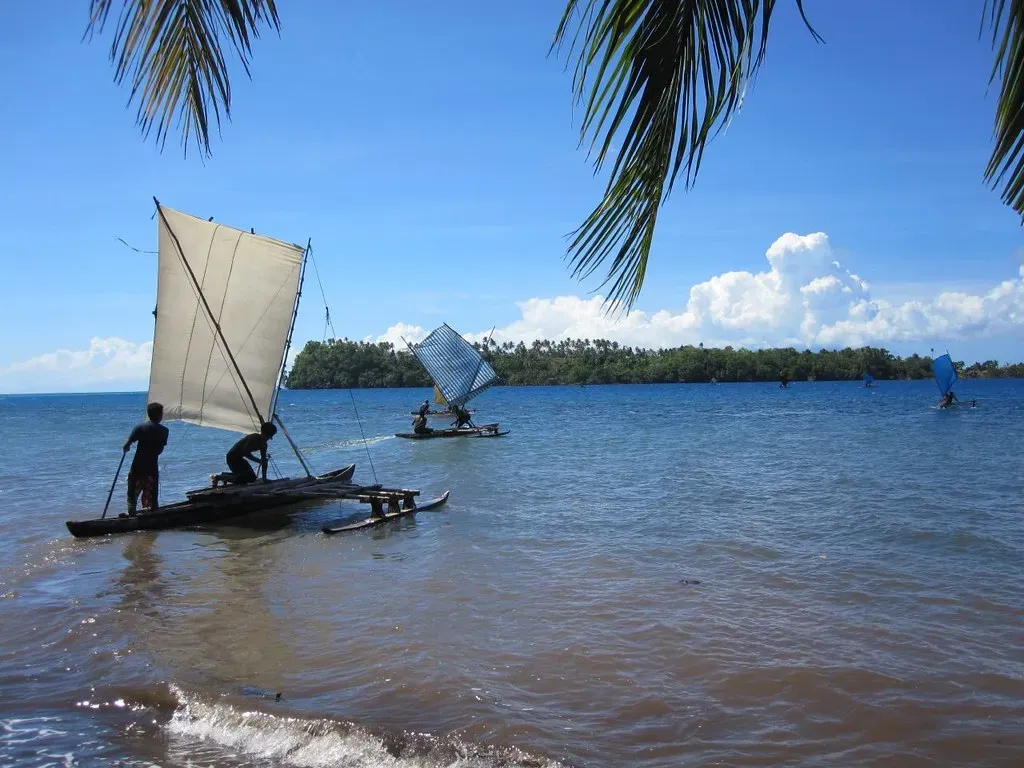
When you look at indigenous traditions in the Americas and Oceania, you find flood stories arising in places that had no sustained historical contact with the ancient Near East or Mediterranean. Some Native American groups tell of rising waters forcing people onto mountaintops or rafts, while certain Pacific Island cultures speak of entire islands disappearing or seas suddenly climbing higher than anyone remembered. These are regions defined by coasts, rivers, and, in the case of islands, the ever‑present horizon of the ocean, so of course floods loom large in their cultural imagination.
The details here are often vivid but rooted in local geography: particular rivers, specific islands, distinct headlands. What you do not see, though, is a rigorously matched set of dates or a global, synchronized flood timeline secretly encoded across all these stories. Instead, you see humans in widely separated environments grappling with tsunamis, storm surges, river outbursts, and slow sea‑level changes, and turning those events into myths of world renewal. The parallels are powerful and sometimes startling, but they make sense once you accept that water disasters are among the most universal crises any settled community can face.
Conclusion: Shared Waters, Separate Histories
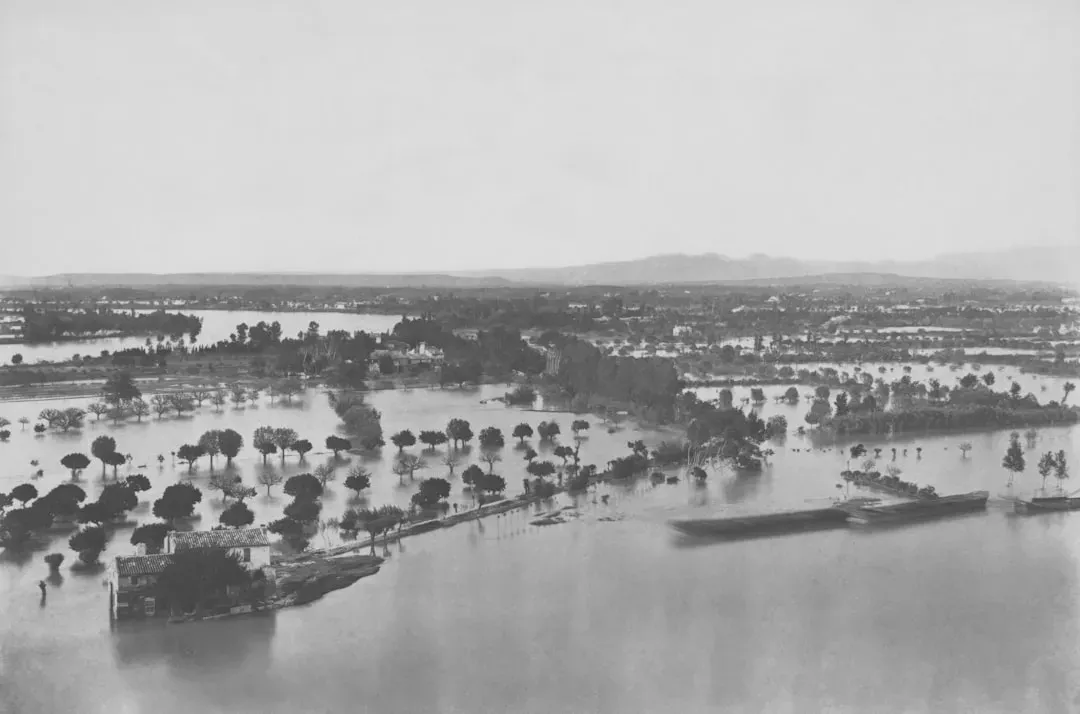
I think the most honest way to read all these flood stories is to see them as family resemblances, not perfect clones. There is no solid evidence that six fully isolated cultures recorded a single flood with precisely matching geographic coordinates and calendar dates, like some hidden global report waiting to be decoded. What we do have is something both humbler and, in a way, more impressive: people in very different corners of the world taking the same raw experience of terrifying water and turning it into meaning, ethics, and identity.
When I first dove into this topic, I half expected some secret smoking gun, a set of myths lined up so neatly that doubt would just vanish. Instead, I found a messier, more human story: partial memories of real floods, embroidered with theology, politics, and imagination, circling around rivers, mountains, boats, and fresh starts. That feels right to me. It respects the evidence without flattening it into a single tidy narrative, and it still leaves room for awe at how similar our fears and hopes are, even when oceans lie between us. In the end, the deeper question is not whether every flood myth hides the same timestamp, but why humans everywhere keep telling themselves that after the waters rise, there is still a future worth rebuilding.