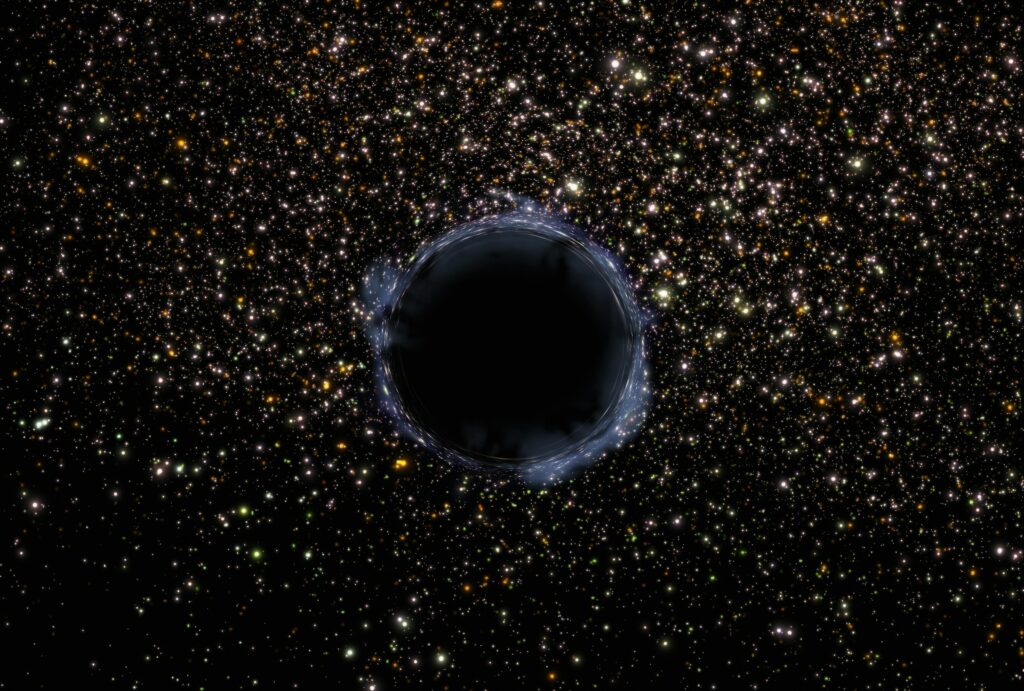

You have probably scrolled past a black hole without knowing it. Not the dramatic, Hollywood-style vortex swallowing stars, but a small, dark neighbor hiding in plain sight on some “boring” astronomy image. Modern telescopes are so powerful and sky surveys so extensive that if the closest black hole to Earth is out there quietly minding its own business, chances are good someone has already imaged the bit of sky where it lives – you just have not recognized the culprit yet. When you think “closest black hole,” your mind might jump to famous ones like the monster in the center of the Milky Way or the one the Event Horizon Telescope turned into a glowing ring. But the closest one to you is almost certainly far smaller, quieter, and visually unremarkable. That is exactly why it is so hard to pick out – and exactly why it is so plausible that it already sits, unnoticed, in some telescope archive you have never heard of.
The Strange Idea of Photographing a Black Hole Without Knowing It
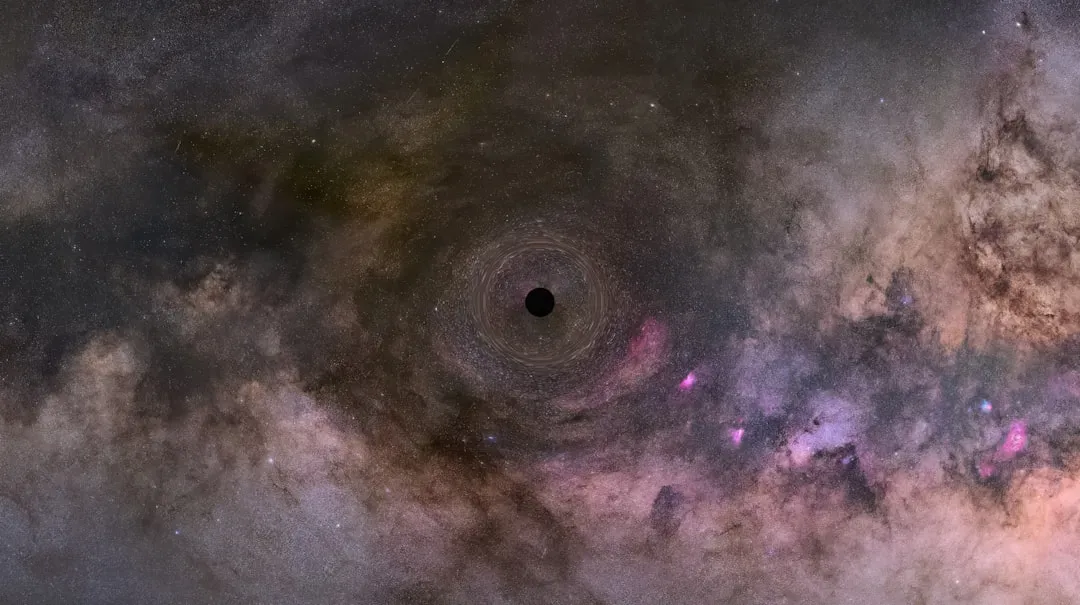
You might assume that if you photographed a black hole, you would see some kind of cosmic drain in the sky. In reality, unless a black hole is actively feeding on nearby gas, it is almost invisible, more like a missing puzzle piece than a dramatic monster. What your camera would catch is not the black hole itself, but the ordinary stars and faint background light whose positions and motions are slightly nudged by its gravity. Imagine taking a group photo and not realizing that one person in the back is a world‑famous celebrity in complete disguise. The picture is already on your phone, but without context you just see another face in the crowd. In the same way, the “closest black hole” might already lurk in a routine exposure of a star field, showing up only as a subtle distortion in how a star brightens, dims, or drifts – something you would never notice unless you were looking for that exact effect.
Why Astrophysicists Expect Nearby, Quiet Black Holes
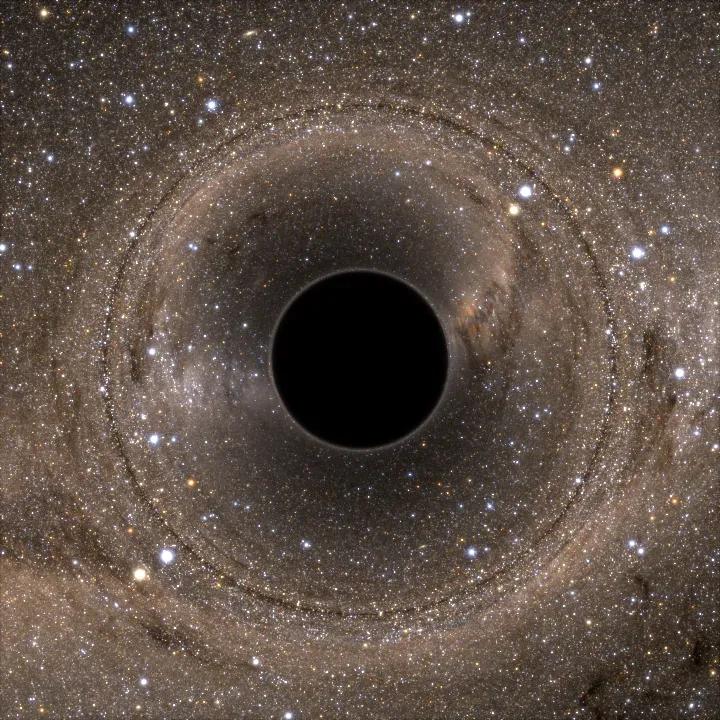
You live in a galaxy that has been forming and destroying stars for billions of years. Massive stars end their lives in violent supernova explosions, and many of those explosions leave behind black holes roughly a few times the mass of the Sun. When you add up how many massive stars must have lived and died in the Milky Way, you get a staggering population of stellar‑mass black holes scattered through the disk, including the neighborhood around the Sun. Most of those black holes are not in bright X‑ray binaries or dramatic systems that scream for attention. They are solitary, moving through interstellar space or partnered with ordinary stars in relatively calm orbits. From your vantage point on Earth, that quiet behavior means you should expect a hidden zoo of nearby, faint black holes that do almost nothing obvious. Statistically, it would be more surprising if the Sun had no black hole neighbors than if one of them turned out to be uncomfortably close.
How You Could “See” Something That Is Basically Invisible
Even if you cannot see a black hole directly, you can still catch its influence, and you might already have. When a black hole passes in front of a more distant star, its gravity bends and magnifies the light, creating a brief brightening known as microlensing. To your eye, it just looks like a star that got strangely brighter for a while and then faded back to normal, with no obvious culprit in view. Large sky surveys constantly capture such events. If the lensing object is massive but emits no light, one of the most natural explanations is a black hole. You may have looked at a graph of a star’s brightness changing over time – just a squiggly line on a screen – and not realized you were staring at the signature of an otherwise invisible black hole drifting through the Milky Way.
Why Sky Surveys Make Hidden Black Holes Easy to Miss
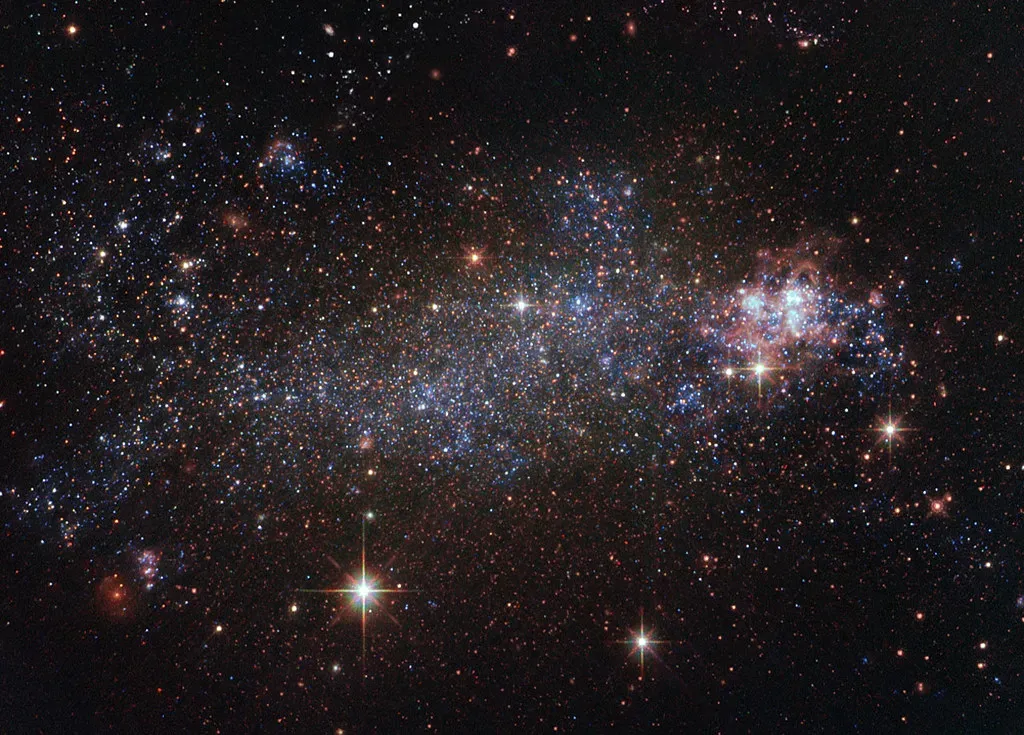
You now live in an era where automated telescopes image the entire sky over and over again. Projects like all‑sky surveys build up enormous archives of star fields, galaxies, and faint background smudges. Buried in those archives are countless objects no one has paid close attention to yet, simply because there are far more data than there are eyes and hours to analyze them. In that flood of images, a nearby black hole would not stand out as some dramatic dark circle. It might reveal itself only through a slightly odd motion of a star over a few years, or a subtle lensing event that looks unremarkable at first glance. If someone later re‑analyzes those old images with a smarter algorithm or follows up on a weird motion, they could suddenly realize that what looked like just another star field held the closest known black hole to Earth all along.
The Evidence So Far: Hidden Neighbors and Quiet Companions
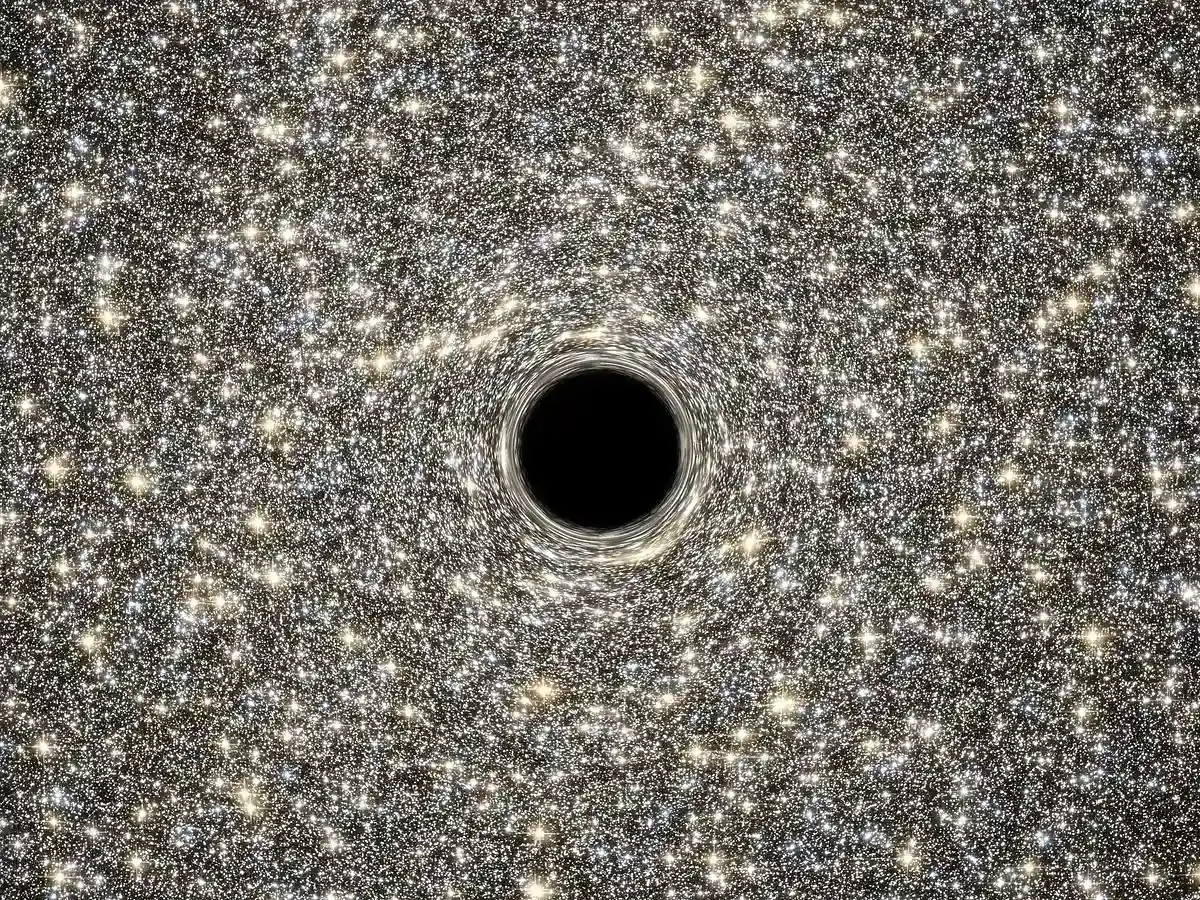
You have already seen hints that these stealthy neighbors exist. Astronomers have identified systems where a seemingly ordinary star orbits an unseen massive companion, and the simplest explanation is a dormant black hole that is not actively feeding. A few candidates have been found surprisingly close in galactic terms – thousands of light‑years instead of millions – showing you that quiet black holes can and do lurk fairly nearby. You may also have heard of strange microlensing events where something dark and heavy passed in front of a background star, magnifying its light in a way that matched the mass of a black hole. Those detections are like footprints in the snow without seeing the animal that made them. Each one strengthens the case that the Milky Way’s black hole population is real, numerous, and partly hidden in exactly the way that makes it plausible you have already photographed one without knowing it.
Why “Closest to Earth” Probably Looks Totally Ordinary
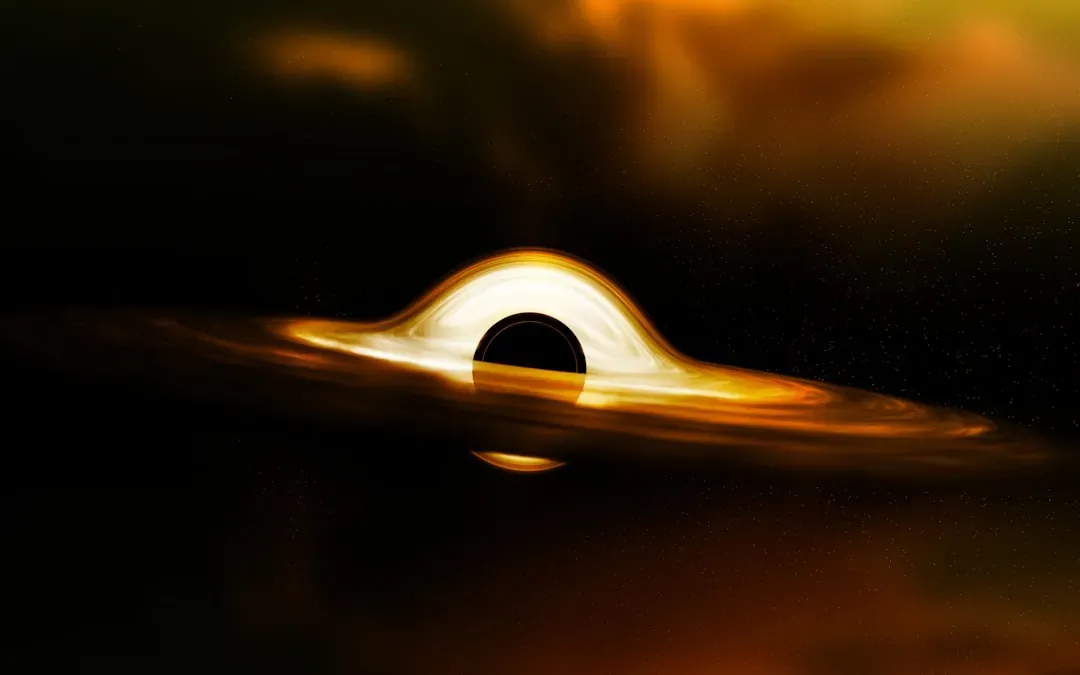
When you hear “closest black hole to Earth,” it sounds like the setup for a disaster movie. In reality, even the nearest one is almost certainly far enough away that it poses no threat. If it were close enough to wreck planetary orbits or tear apart the solar system, you would already be seeing signs in the motions of planets and comets. The lack of such chaos is actually good news: the closest black hole can be close enough to be findable, yet still comfortably distant. That comfortable distance also means it would blend in visually. On a sky image, the scene would probably look like a normal patch of stars. The only giveaways might be the way a companion star wobbles in its orbit or how a background star briefly brightens as the black hole passes in front of it. To your eyes, though, it would just look like one more mundane frame in a vast cosmic photo album.
How You Might Have Already “Looked” at It
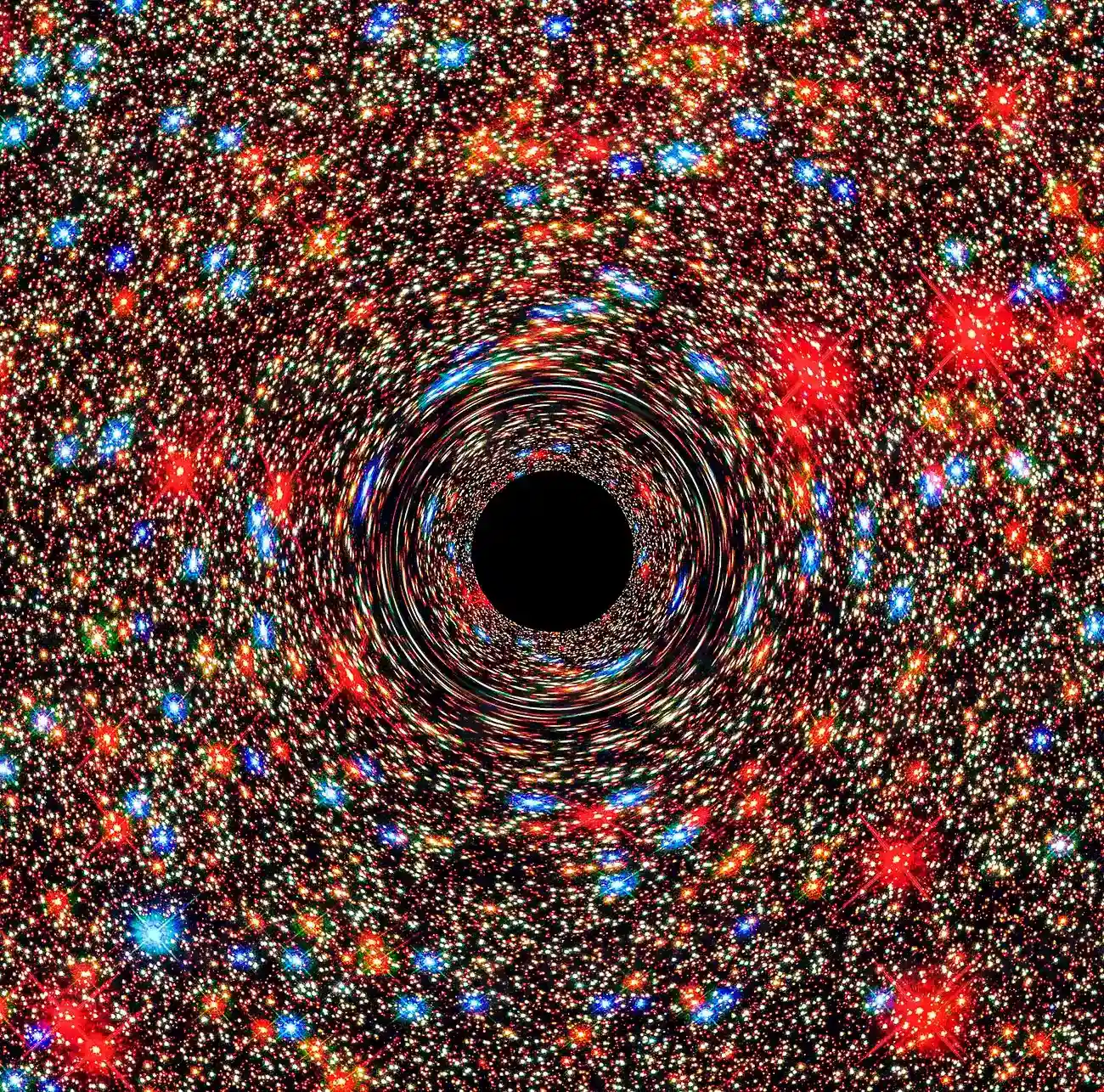
If you have ever browsed through space images online or seen deep‑sky photos taken by amateur astrophotographers, you have almost certainly seen patches of sky that hold unknown objects. Some of those frames include faint stars in the Milky Way’s disk, background galaxies, and streams of gas that have not been studied in detail. A nearby black hole sitting in such a field would not draw your attention any more than a nondescript building in a distant city skyline. On top of that, modern astronomy pipelines automatically catalog objects, measure their brightness, and track their motions. You might have scrolled past a plot or catalog entry where something looked “odd but not urgent,” and that something could one day be recognized as the signature of the closest black hole. Until someone connects the dots, it just sits there in the data, quietly waiting for a curious eye or a clever algorithm to notice.
What Future You Will Do to Finally Spot It
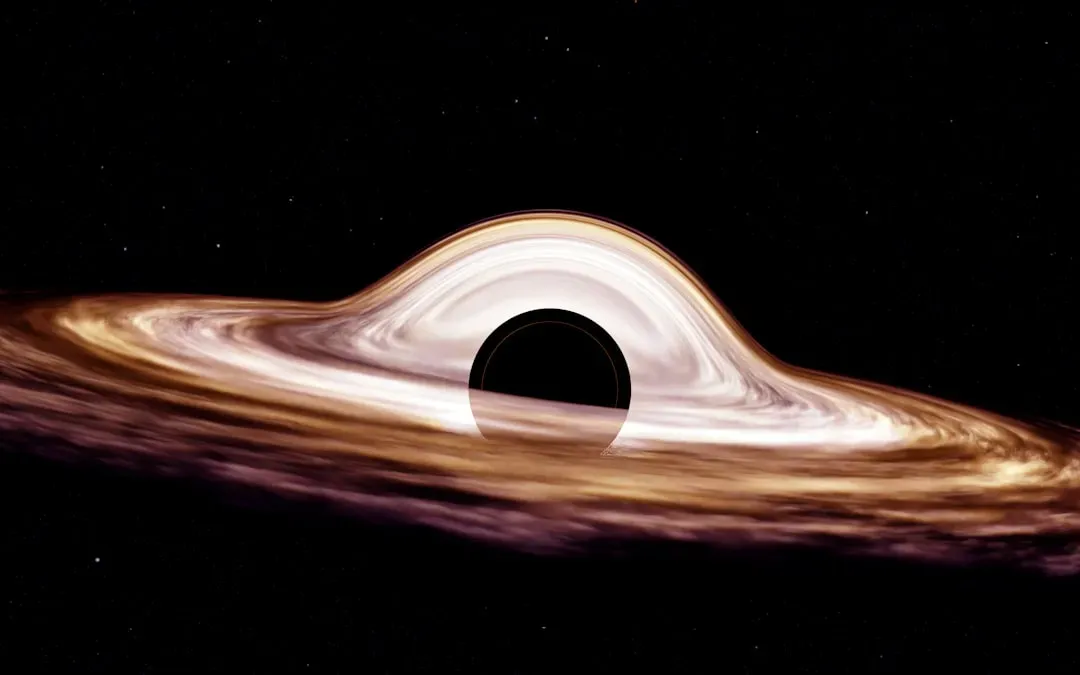
As computational tools improve, you will see more efforts to mine old sky images for new discoveries. Machine‑learning systems can comb through star catalogs, looking for subtle wobbles in stellar motions or brightness curves that match the gravitational pull of an unseen massive object. That means the black hole you “photographed” years ago, buried in some archive, could be uncovered in the future without anyone taking a fresh picture. You will also see more precise measurements of how stars move through space, thanks to missions that map their positions and velocities in extraordinary detail. If a star’s motion betrays the tug of an invisible companion, follow‑up work can nail down whether that hidden partner is a black hole. In that scenario, the crucial images may already exist; what changes is not the sky itself, but your ability to read the faint handwriting of gravity written across it.
Conclusion: The Cosmic Secret Already Sitting in the Camera Roll
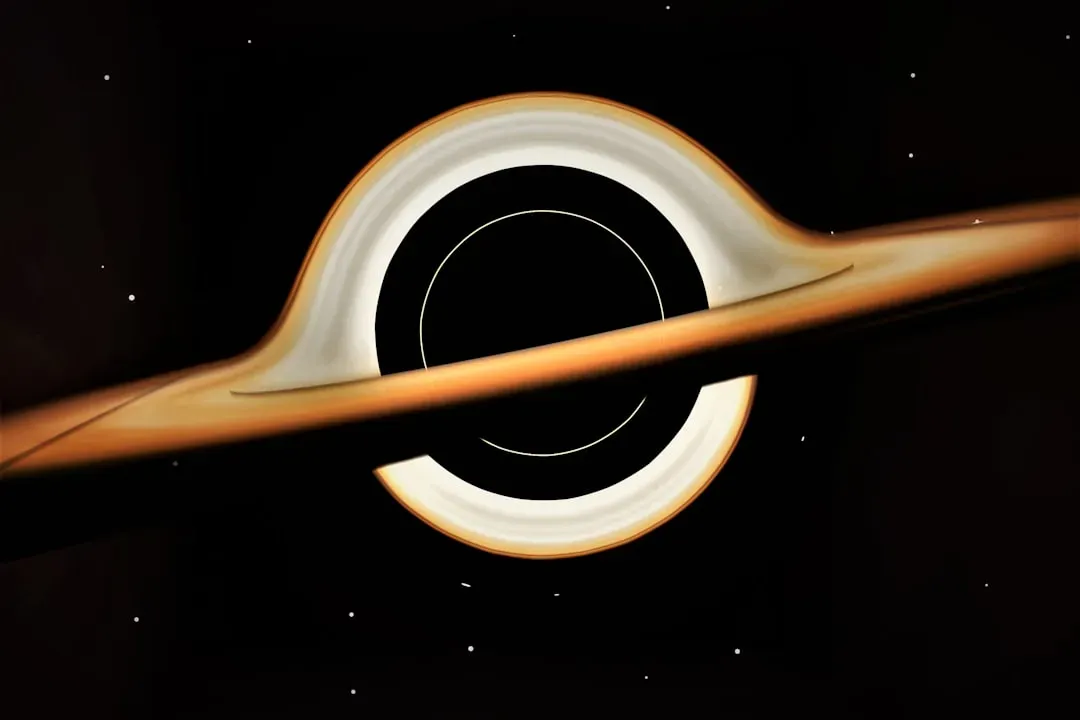
When you put it all together, the idea that you have already photographed the closest black hole to Earth stops sounding wild and starts sounding almost routine. The galaxy is filled with quiet stellar‑mass black holes, your telescopes have swept huge swaths of the sky, and your analysis tools are only now catching up to what the cameras have been recording for years. The most likely reality is that some unnoticed patch of pixels in an old observation already holds the signature of your nearest dark neighbor. There is something oddly comforting about that. The universe has been keeping this secret in plain sight, not as a looming threat, but as a quiet reminder that most of its wonders are subtle, patient, and easy to overlook. The next time you see a “boring” star field, you might wonder: are you already looking at the evidence of the closest black hole to Earth without realizing what you are seeing?