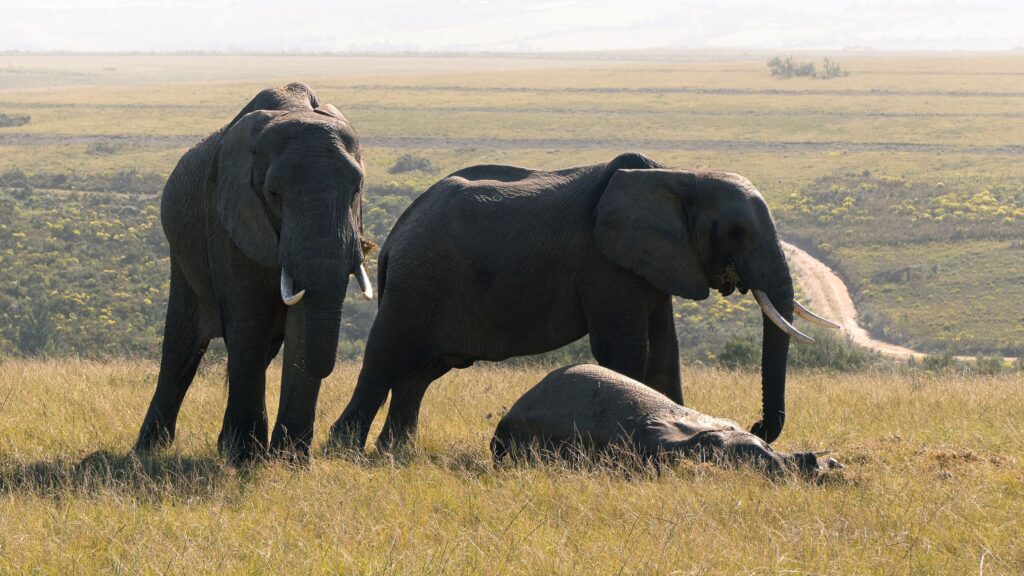

You have probably seen those haunting clips: a herd of elephants suddenly falls silent, trunks reaching out to gently trace a skull, a sun-bleached tusk, a scattered rib cage. It is tempting to translate that stillness into one word you know well: grief. But if you look at what researchers are actually finding, what you see in those moments is stranger, sharper, and, in some ways, more unsettling than a simple animal version of human sorrow. When you stand back from the viral captions and sentimental edits, you find something far more precise taking shape. Elephants are not just being “sad” in a human way at a body. They are systematically drawn to the remains of their own kind, even when there is no smell of fresh death, no kinship, no obvious benefit. You are watching a mind that recognizes its own bones, returns to them, and cannot quite let them go.
You Are Watching Recognition, Not Just Sadness
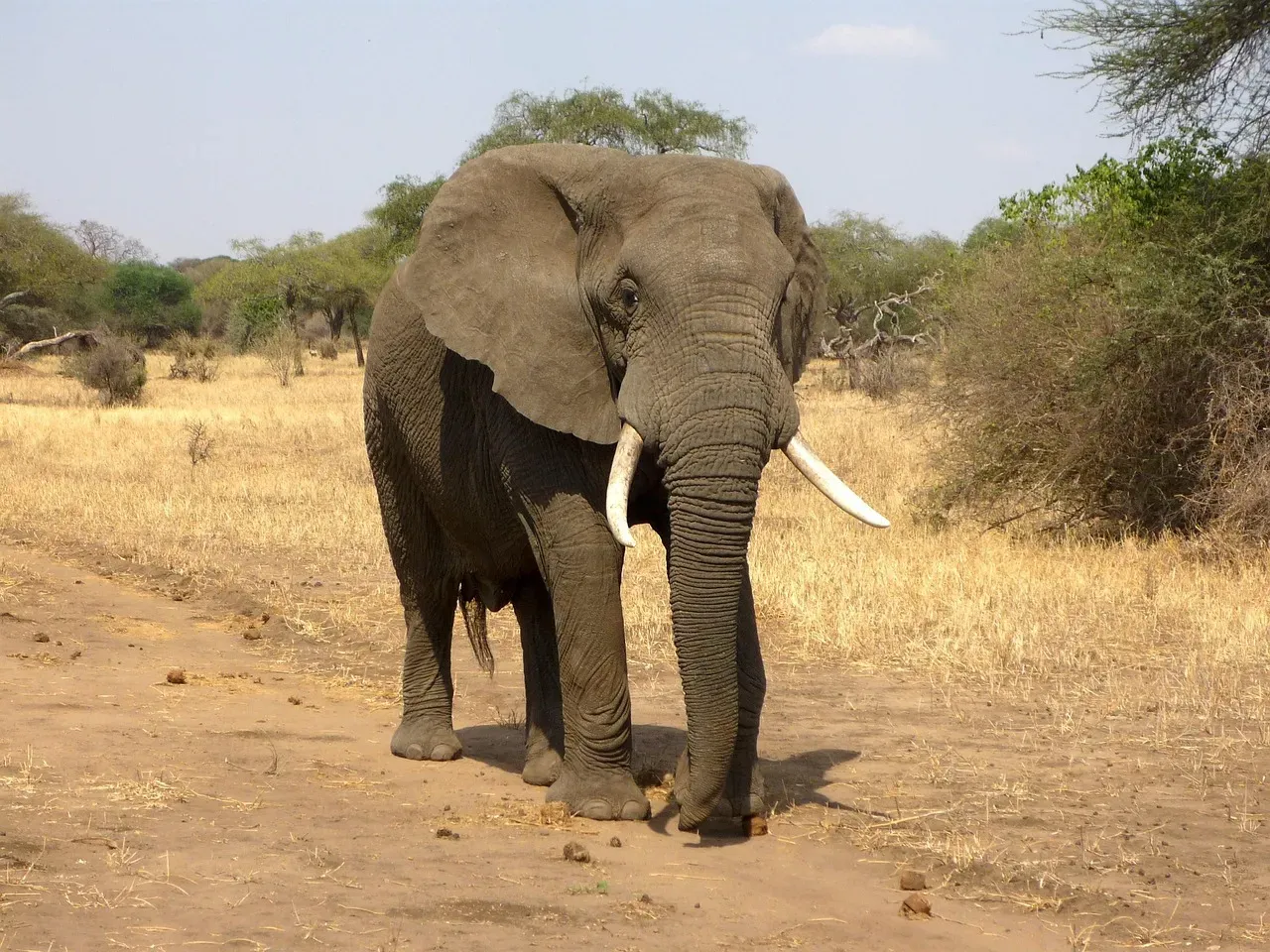
When an elephant pauses at another elephant’s bones, you are not just seeing a generic reaction to a carcass. Field studies show that elephants will walk past the remains of other species, then stop, turn, and converge on elephant skulls and tusks, touching them again and again with trunks and feet. They do this with fresh bodies, half-decayed carcasses, and clean, sun-bleached skeletons scattered over the ground. ([pubmed.ncbi.nlm.nih.gov](https://pubmed.ncbi.nlm.nih.gov/17148317/?utm_source=openai)) You are also seeing a very particular kind of interest. Elephants are especially drawn to the head, the face, the tusks, as if those are the “identity markers” their minds are tuned to. They do not treat every dead thing this way, and they do not need blood, smell, or flesh to respond. The bare architecture of an elephant’s skull seems to be enough to trigger a deep, focused attention that goes well beyond morbid curiosity. ([pubmed.ncbi.nlm.nih.gov](https://pubmed.ncbi.nlm.nih.gov/17148317/?utm_source=openai))
Comparative Thanatology: How Science Tries to Name What You Are Seeing
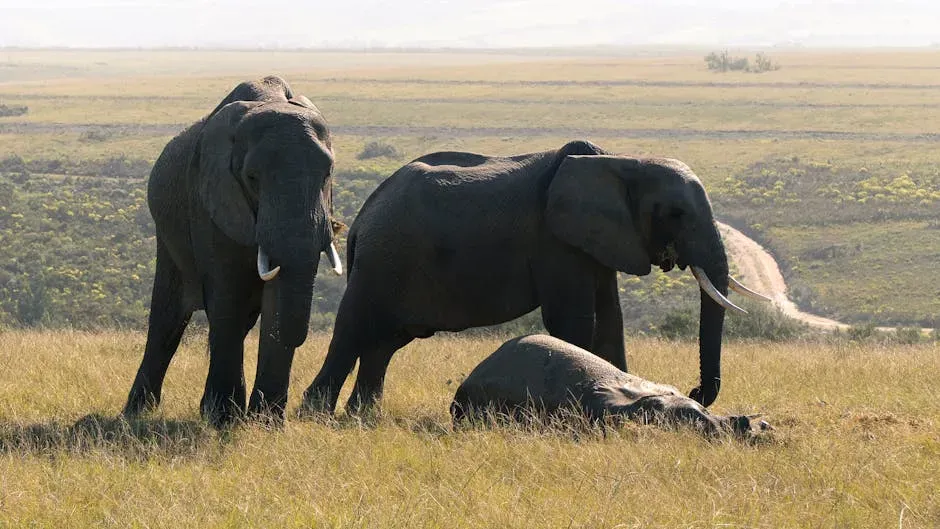
If you want to understand these scenes without simply calling them funerals, you have to step into a relatively new scientific field: comparative thanatology, the study of how different species respond to death. Researchers have systematically gathered reports from decades of fieldwork, noting how elephants behave at carcasses, which parts they touch, how long they stay, and whether they come back later. ([pubmed.ncbi.nlm.nih.gov](https://pubmed.ncbi.nlm.nih.gov/31713106/?utm_source=openai)) When you compare elephants with other mammals, you see patterns that stand out. Many animals sniff a dead body briefly and move on; elephants often stop feeding, cluster around the remains, and spend long stretches exploring the bones. Scientists are careful here: they resist the urge to claim human-style grief, because you cannot interview an elephant. Instead, they talk about “heightened attention to death-related cues” and “prolonged investigative responses,” phrases that try to respect the mystery without pretending you already understand it. ([pubmed.ncbi.nlm.nih.gov](https://pubmed.ncbi.nlm.nih.gov/31713106/?utm_source=openai))
Why Scientists Say It Is Not Grief in the Human Sense
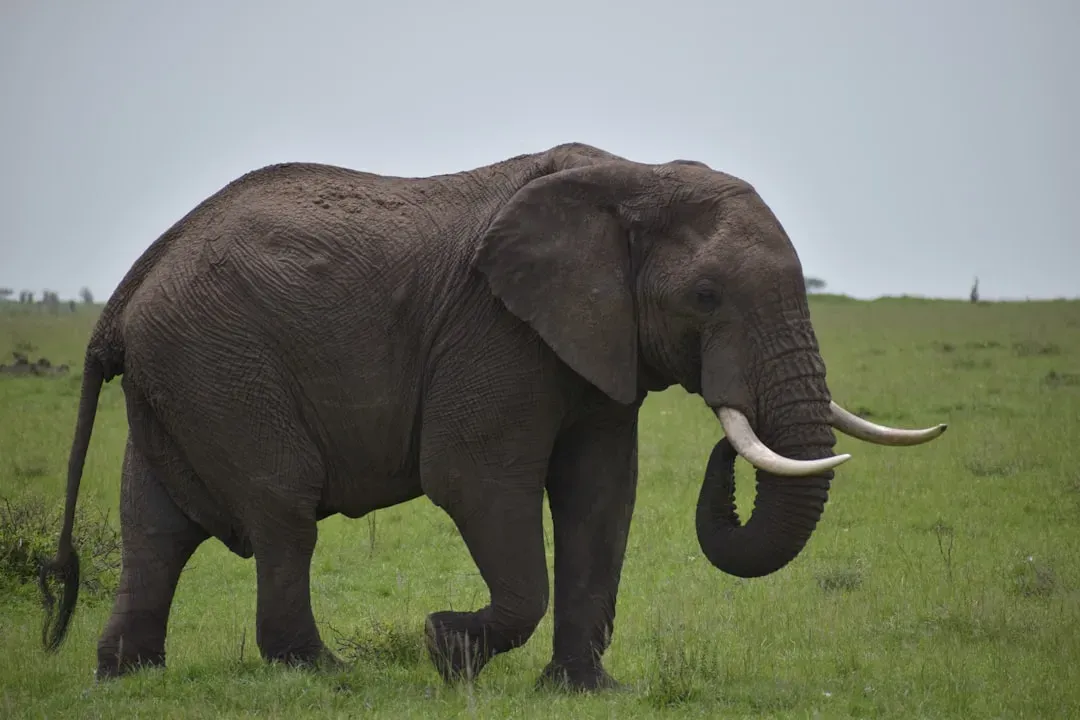
You might feel certain that an elephant standing over a carcass is grieving exactly like you would. But when zoologists say “not grief in the human sense,” they are pointing to very specific criteria. Human grief is not just a moment of sadness at a body; it is a long-term, life-shaping state that changes sleep, appetite, social behavior, and motivation in patterned ways over time. To claim that in another species, you would need systematic data showing persistent, measurable changes across many individuals. ([nationalgeographic.com](https://www.nationalgeographic.com/animals/article/elephants-mourning-video-animal-grief?utm_source=openai)) Right now, what you have is compelling behavior at the site of death, plus some anecdotal reports of individuals seeming withdrawn afterwards. That is powerful, but it is not enough to say elephants experience grief exactly as you do, with the same emotional architecture and narrative understanding of mortality. When scientists pull back from that claim, they are not denying the elephants’ inner lives. They are refusing to paste a human template over a mind that may be feeling something related, but not identical, to your own version of loss. ([pubmed.ncbi.nlm.nih.gov](https://pubmed.ncbi.nlm.nih.gov/31713106/?utm_source=openai))
The Bone Focus: A Precise Attraction to Elephant Remains
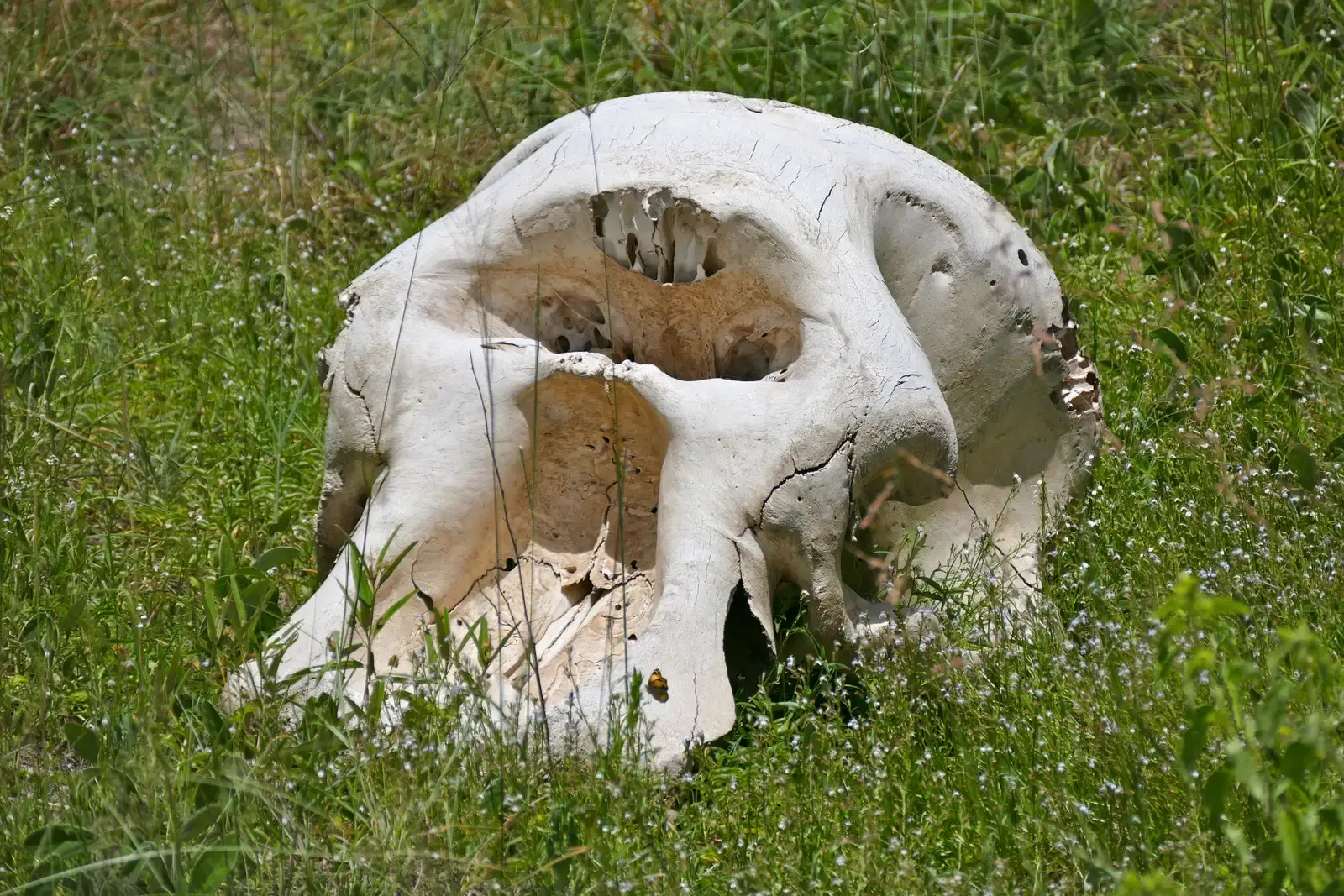
Here is where it gets unsettling: elephants are not only interested in fresh bodies but in bones, especially elephant bones, in a way that seems almost ritualized. Experiments placing elephant skulls and tusks alongside the bones of other large animals show that elephants routinely spend much more time investigating the elephant remains, returning to them, and handling them with trunks and feet. They may pick up bones, carry them, or reposition them, even when those bones are dry and odorless. ([pubmed.ncbi.nlm.nih.gov](https://pubmed.ncbi.nlm.nih.gov/17148317/?utm_source=openai)) You might expect interest in a fresh carcass because it smells of blood or danger, but the enduring attraction to skeletal remains is harder to explain in simple survival terms. These bones do not offer food, do not pose a present threat, and often do not belong to living kin. Yet elephants will still stop, fall quiet, and engage. In a landscape full of rocks and logs, they seem to know which shapes once walked and trumpeted like them, and they cannot help but respond. ([pubmed.ncbi.nlm.nih.gov](https://pubmed.ncbi.nlm.nih.gov/31713106/?utm_source=openai))
Kin or Not, Elephants Still Care: The Disturbing Impartiality
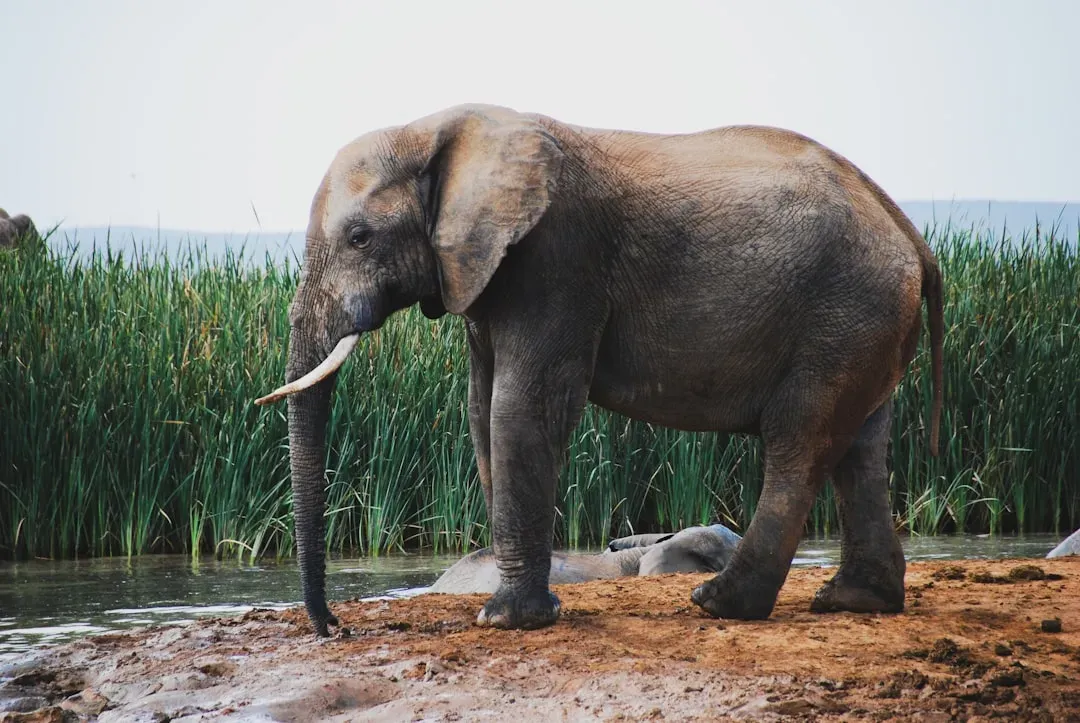
You might assume that elephants linger only over the bones of close relatives, the way you might feel drawn to a grave of someone you loved. But observations suggest something more impartial and, in a way, more eerie. Elephants often show similar levels of attention to the remains of unrelated individuals, including those from completely different families. They may stand guard, touch the bones, or circle the carcass even when DNA analysis later shows no kinship. ([biology.ox.ac.uk](https://www.biology.ox.ac.uk/node/3469496?utm_source=openai)) This generalized response hints that what grips them is not just personal attachment but the simple, stark fact of “dead elephant.” You are watching a creature that seems to recognize a category: its own kind, undone. That broad concern for an anonymous conspecific is one of the reasons some researchers talk about empathy and awareness of death, even if they stop short of calling it full human-like mourning. It is as if elephants are compelled to bear witness whenever one of their own has crossed that invisible line. ([sciencedirect.com](https://www.sciencedirect.com/science/article/abs/pii/S0168159106001018?utm_source=openai))
Unsettling Cognition: Memory, Self, and the Shadow of Death
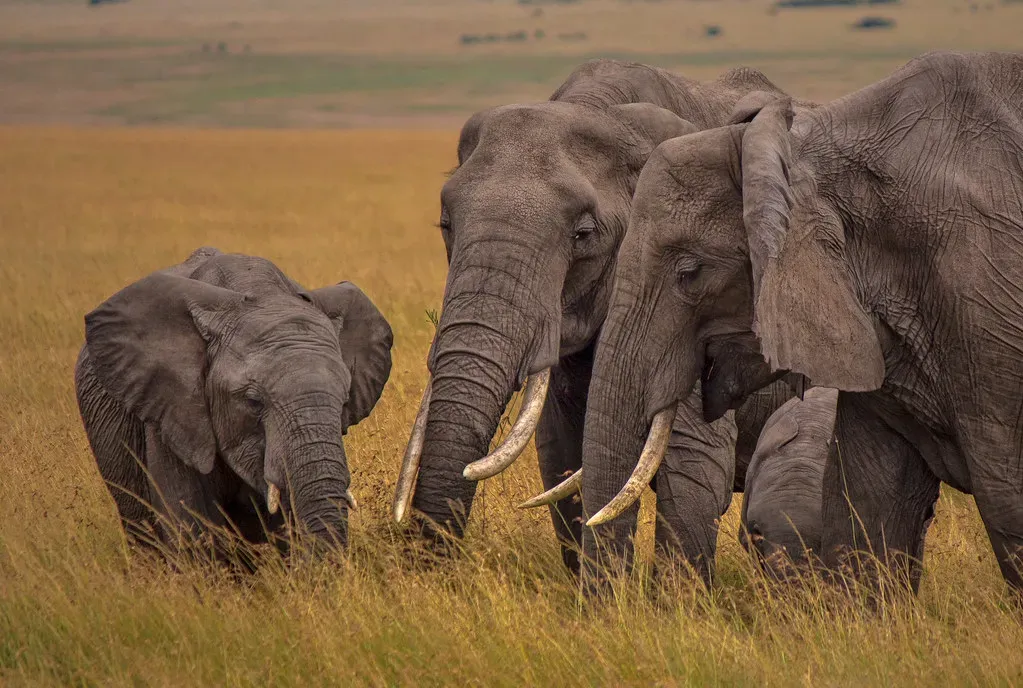
Once you realize elephants can recognize elephant bones as elephant, even years after death, you are forced to confront their cognitive depth. These are animals with long lives, complex social networks, and impressive memories for individuals and places. Field observations describe elephants returning to the same carcass or bone scatter long after the body first fell, pausing again as if the site itself holds a meaning they cannot ignore. ([en.wikipedia.org](https://en.wikipedia.org/wiki/Elephant_cognition?utm_source=openai)) What does that do to an elephant’s sense of self? If an elephant can recognize that these are elephant remains, it is at least brushing against the concept that beings like itself can stop, dissolve, and become objects in the landscape. You are watching a mind that encounters the physical proof of its own vulnerability, not in abstract language but in touch, smell, and silence. That is not just “being sad”; it is facing what it means to be a living body that can become bone. ([pubmed.ncbi.nlm.nih.gov](https://pubmed.ncbi.nlm.nih.gov/31713106/?utm_source=openai))
Beyond Comfort: Why the Truth Is More Unsettling Than Sentimental Narratives
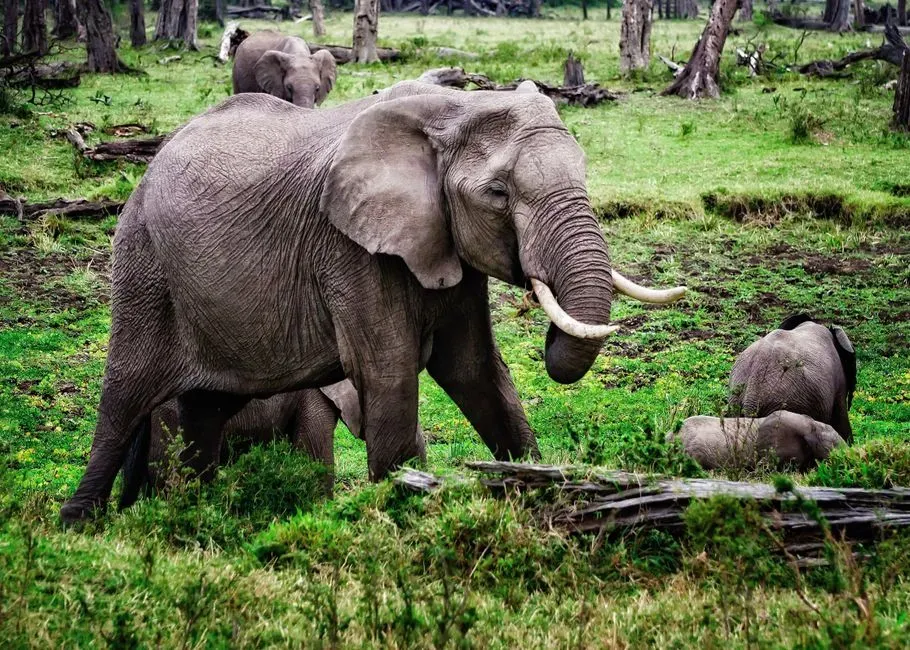
It would be comforting, in a strange way, to say elephants simply grieve like you do and leave it there. That story makes them feel familiar and noble, like distant cousins acting out a recognizable funeral. But the actual scientific picture is more disquieting: you are looking at a nonhuman mind drawn again and again to the material evidence of its own mortality, treating those remains with focused care but without any cultural script you can fully decode. ([forbes.com](https://www.forbes.com/sites/scotttravers/2026/07/09/why-do-elephants-hold-funerals-for-their-dead-a-biologist-explains/?utm_source=openai)) There is something almost existential about how elephants behave at bones. They halt the routines that keep them alive – feeding, walking, social play – to stand at the border between life and death and pay attention. They do it for relatives and strangers, for fresh corpses and bare skulls, in ways that defy simple evolutionary explanations. Instead of reassuring you that grief is your private, human domain, elephants force you to consider that emotional responses to death may be older, stranger, and more widely shared than any culture’s rituals. ([pubmed.ncbi.nlm.nih.gov](https://pubmed.ncbi.nlm.nih.gov/17148317/?utm_source=openai))
What This Means for You: Rethinking Animal Minds and Moral Distance
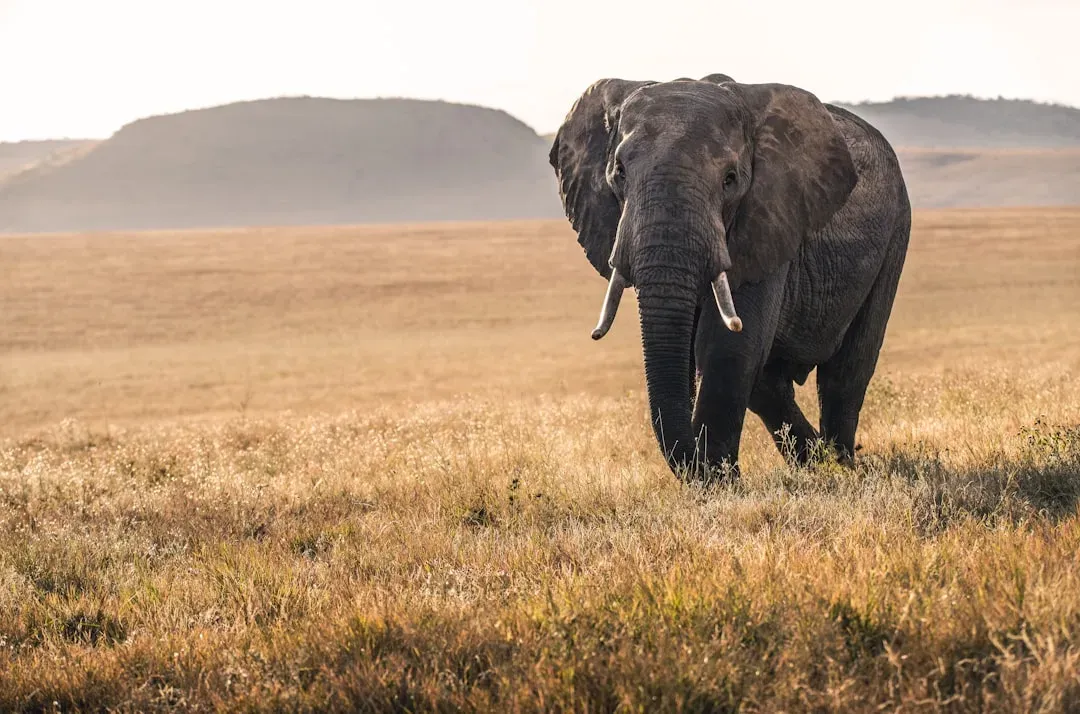
Once you accept that elephants are not just reacting mechanically to carcasses, you have to rethink how you place yourself in relation to them. These are beings that appear to recognize dead versions of themselves, show sustained concern at those sites, and possibly experience something that rhymes with your own unease about death, even if it is composed differently on the inside. That does not make them human, but it does make them harder to treat as simple, interchangeable units of wildlife. ([pubmed.ncbi.nlm.nih.gov](https://pubmed.ncbi.nlm.nih.gov/31713106/?utm_source=openai)) You might find this realization uncomfortable, especially when you think about poaching, habitat destruction, and captivity. If elephants can recognize their dead and may even revisit the bones left behind by violence, then every carcass is not just a biological event but a cognitive and emotional one for the survivors. When you picture them pausing at those bones, you are not just watching grief or not-grief; you are watching a fellow mind meeting the fact of death head-on, with no comforting story to soften it. ([pubmed.ncbi.nlm.nih.gov](https://pubmed.ncbi.nlm.nih.gov/17148317/?utm_source=openai))
Conclusion: Standing with Them at the Bones
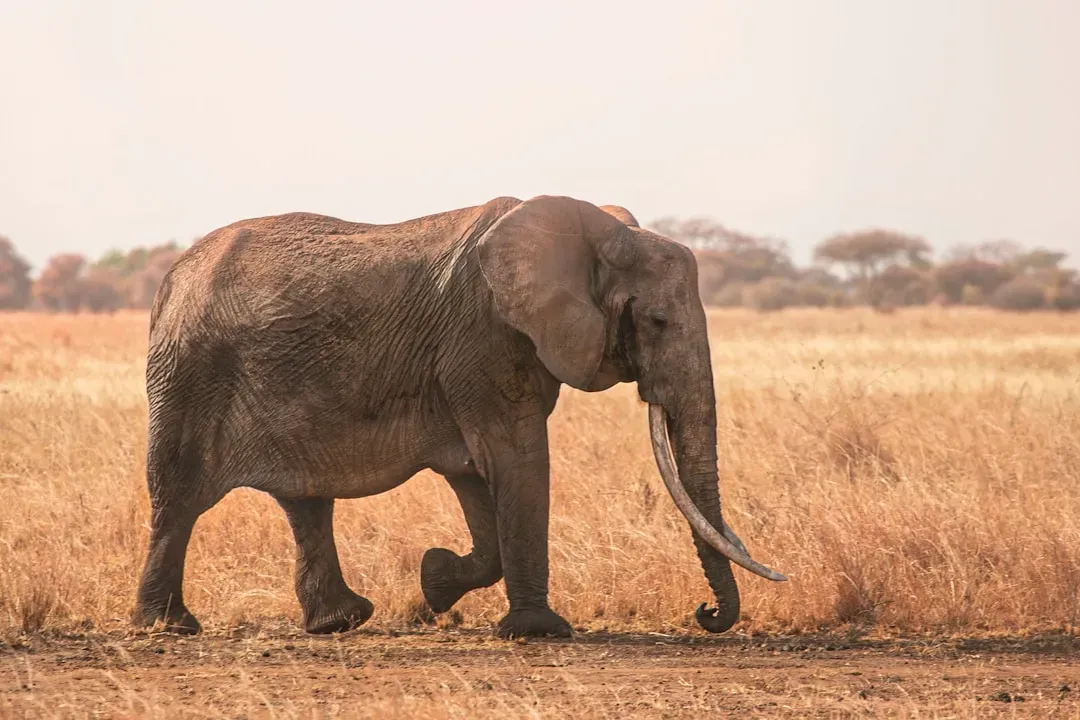
When you picture an elephant pausing at a skull, trunk resting on bone, you might be tempted to translate it directly into your own language of bereavement. Zoology is asking you to do something more demanding: to see that behavior in all its precision, all its strangeness, without flattening it into a human script. What elephants are doing at those bones is not less than grief; it is something adjacent, rooted in recognition, memory, and a quiet, persistent attention to the final state of their own kind. If you let that sink in, you are left with a remarkable, unsettling realization: you share this planet with minds that not only live, cooperate, and remember, but also turn back toward their dead and seem unable to walk past the fact of death without stopping. The next time you see footage of elephants standing over bones, you are not just watching a sad scene; you are watching another intelligence confront the same abyss you do – only without words, rituals, or explanations. Knowing that, how can you look at those bones, or those elephants, in quite the same way again?