You know that eerie feeling when the world suddenly goes quiet, right before the sky turns dark and heavy? The birds stop singing, insects fall silent, even the breeze seems to hold its breath. It feels almost supernatural, but it is not. In that moment, you are watching an entire ecosystem receive the same message and respond in its own finely tuned way.
Ecology gives you a powerful lens to understand that silence. It is not drama; it is data. Every chirp that stops, every animal that disappears into cover, is reacting to signals you can barely sense. When you start to see that quiet not as emptiness but as communication, a storm becomes more than bad weather – it turns into a live demonstration of how deeply everything around you is connected.
That Shocking Silence Is Actually a Loud Ecological Signal
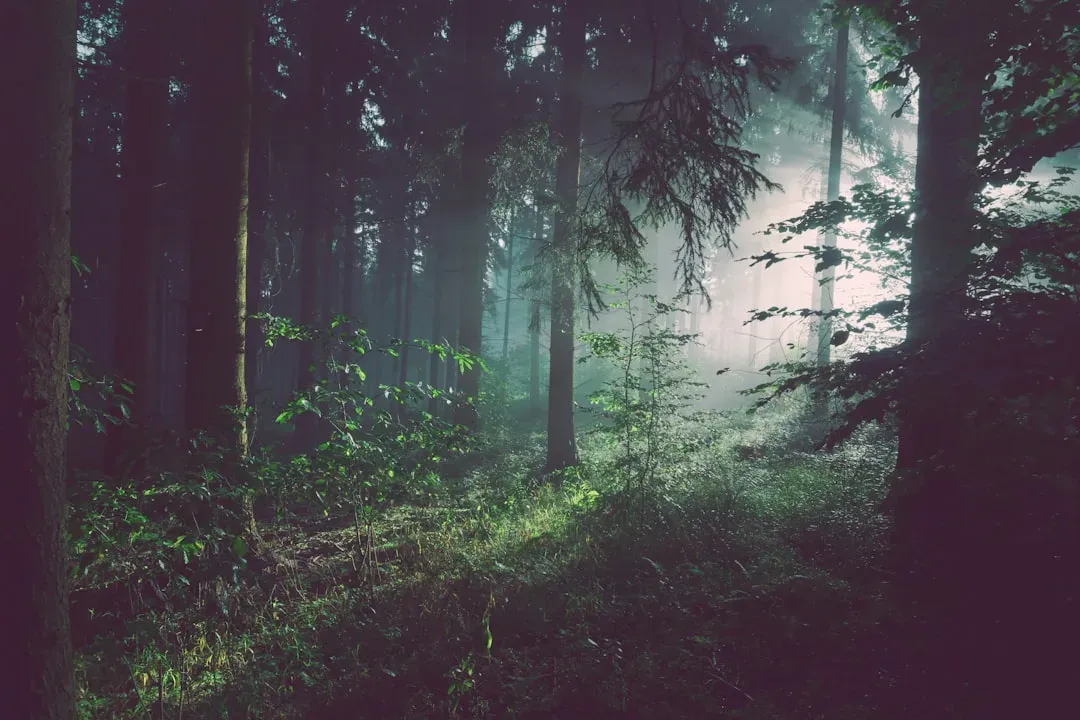
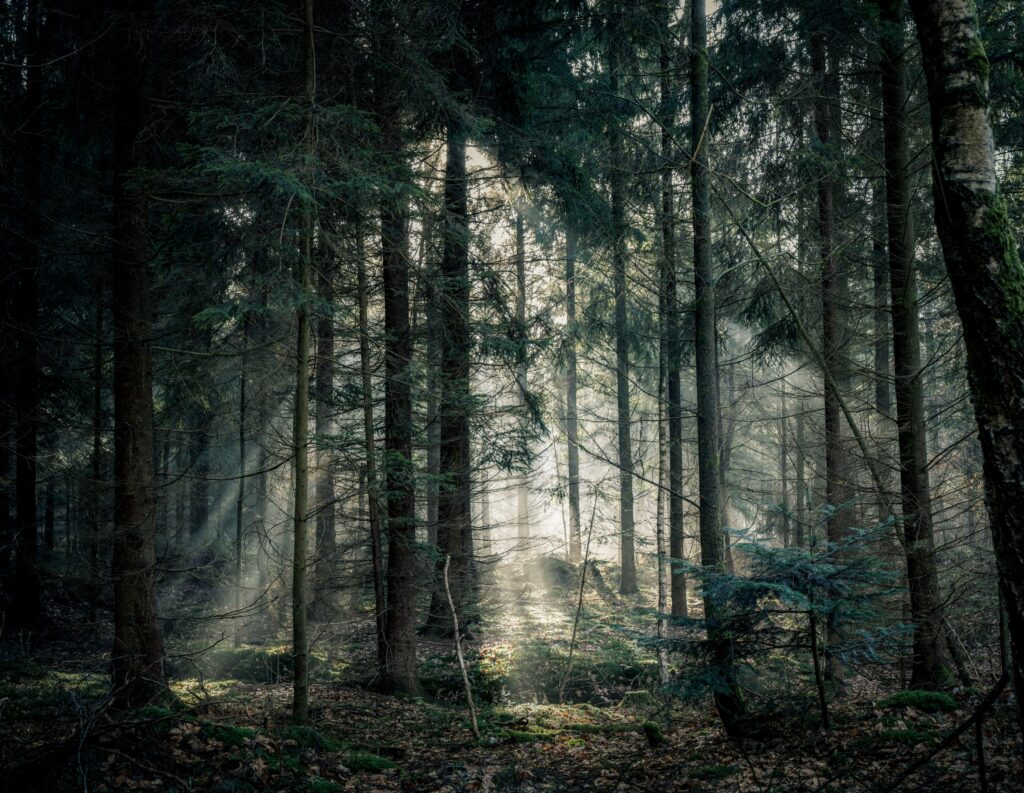
When a forest goes quiet before a storm, you are not witnessing a coincidence, you are stepping into a huge, invisible conversation. Animals are not waiting for the weather app on your phone; they are reading cues from the air, the pressure, the light, and each other. The silence you notice is actually the sum of thousands of tiny decisions made almost at once.
To you, it might feel spooky or poetic, but for wildlife it is survival math. If you could hear beyond sound, you would notice that the silence is packed with meaning: where to hide, when to stop foraging, when to move young to shelter. The forest is not empty; it is bracing. You are just catching a rare moment when the entire system agrees on the same urgent message.
How Animals Sense Storms Long Before You Do
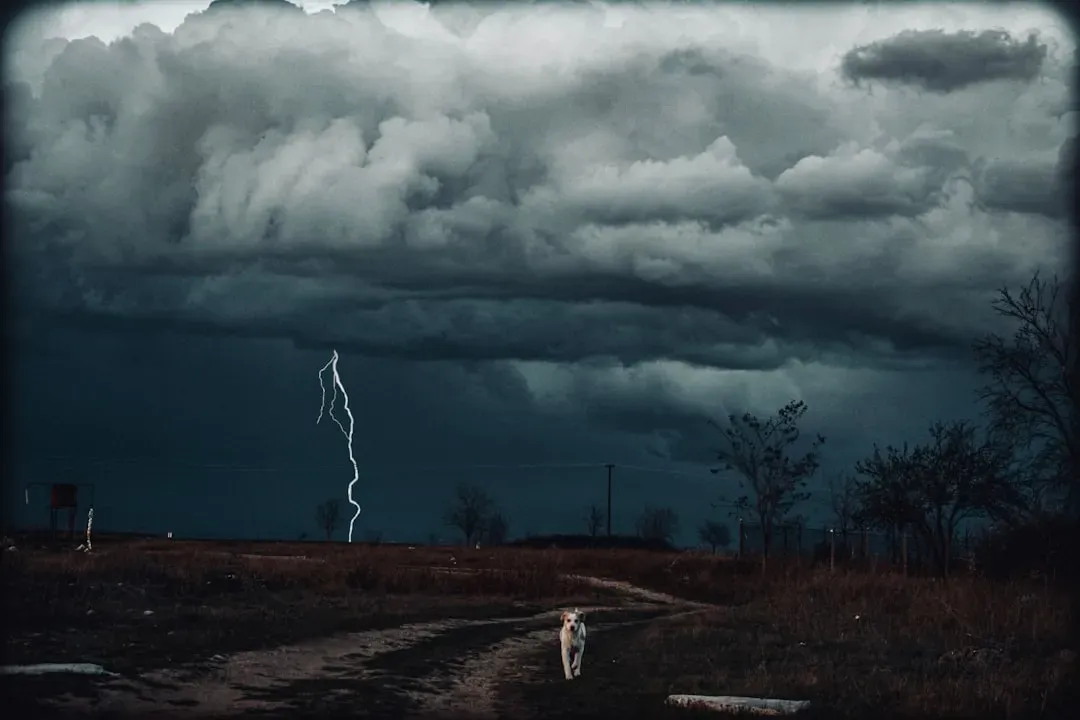
You probably notice a storm when clouds pile up or a weather alert pops up on your screen. Most wild animals do not need that. They sense storms through tiny shifts in barometric pressure, humidity, temperature, wind direction, and even low-frequency sounds that you never register. Their bodies are basically living, walking weather stations.
Birds often react to falling air pressure by ending their songs and heading to cover, sometimes hours before rain hits. Insects such as bees or butterflies hurry back to shelter as humidity and wind patterns shift, changing their flight dynamics. Even some mammals alter their activity once the air feels “wrong.” You might just call it heavy or muggy; they interpret it as an immediate safety problem and adjust their behavior before you even think to grab an umbrella.
Why Birds Stop Singing and Vanish Into the Green
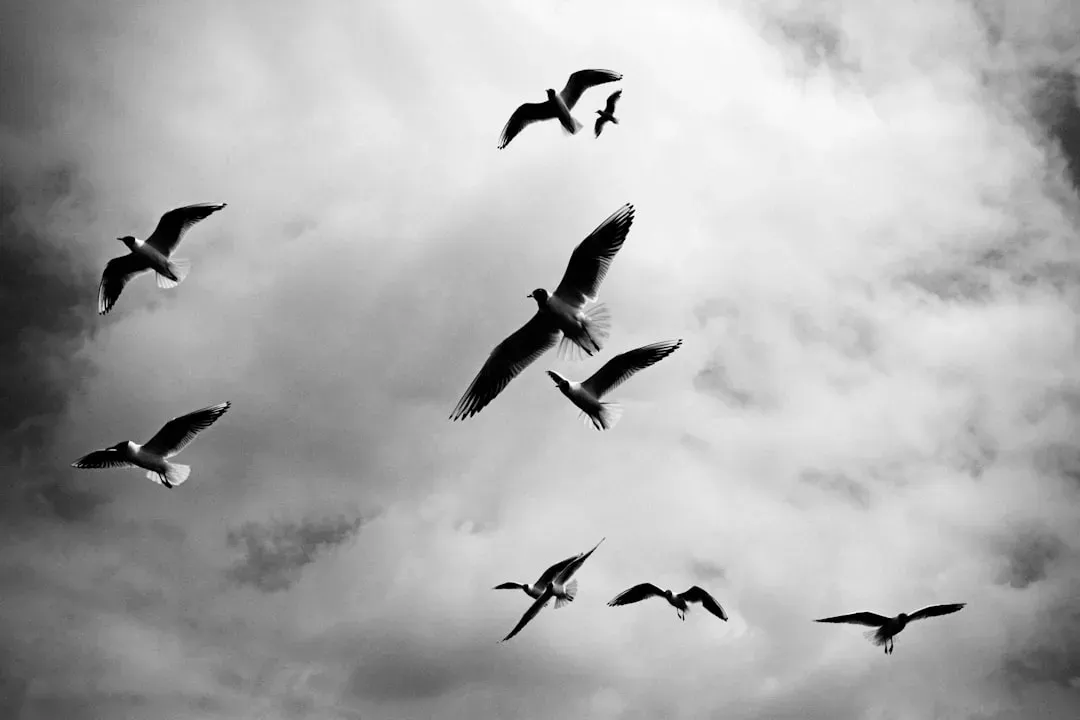
When the forest falls silent, one of the first things you notice is that birds stop singing. That is not because they are “feeling moody”; it is because song is a luxury, not a necessity, when danger is on the way. Singing uses energy, exposes location, and is mostly about courtship and territory – things that instantly drop on the priority list when survival is at stake.
Many birds shift from visible behaviors like singing and perching in exposed spots to low-profile ones like huddling in dense foliage, moving closer to the ground, or taking cover in tree cavities and shrubs. Nesting birds may settle tightly over their eggs or chicks to protect them from wind and cold rain. The silence you hear is not emptiness but a strategic shutdown of risky behavior, bought with millions of years of trial and error.
Insects, Amphibians, and the Small Creatures You Rarely Notice
You might not see them, but insects are some of the most sensitive storm forecasters around you. Many flying insects reduce or stop flight as air pressure drops and wind picks up, because turbulent air can throw them off course or exhaust them. Pollinators often rush back to their nests or shelters, which is why you can suddenly see far fewer bees or butterflies when a storm is approaching.
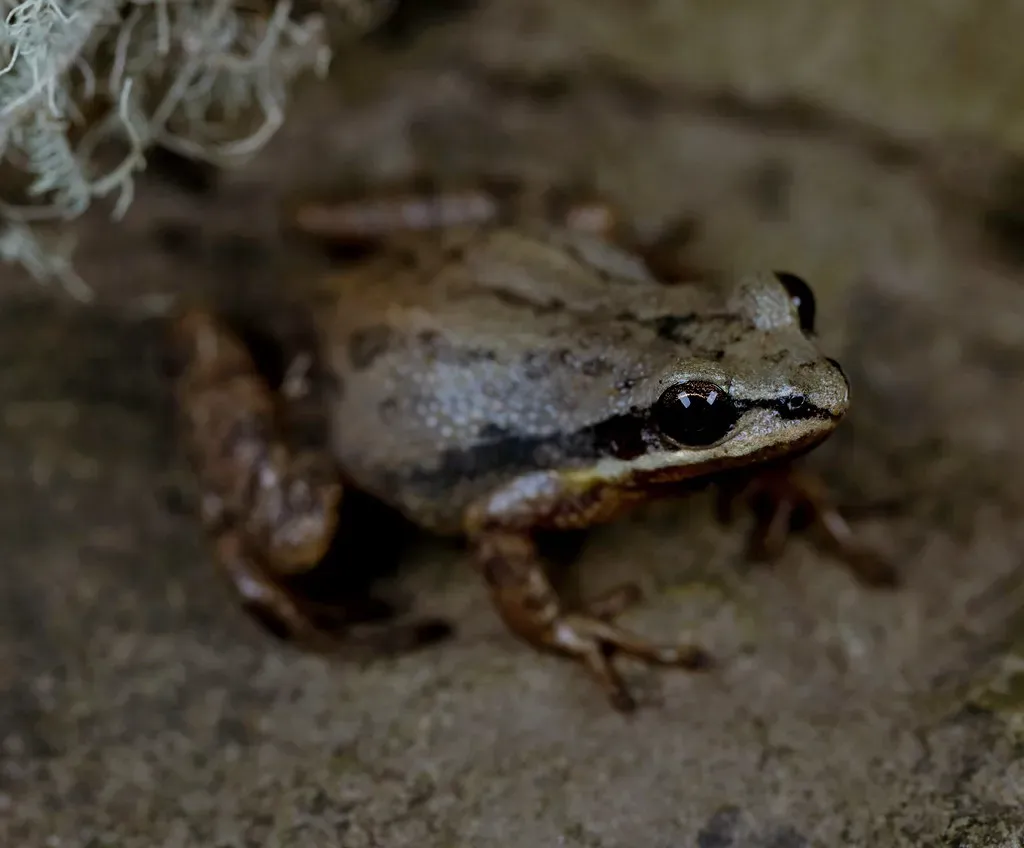
Amphibians such as frogs and toads also adjust their routines. Some call less as humidity, temperature, and pressure change, while others may become more active before certain kinds of rain because wet conditions help them move and breed. Tiny mammals, reptiles, and other overlooked species slip into burrows, leaf litter, or under logs, trading feeding opportunities for safety. The forest’s silence is partly the sound of the smallest lives deciding that disappearing is smarter than staying out.
The Invisible Role of Air Pressure, Humidity, and Light
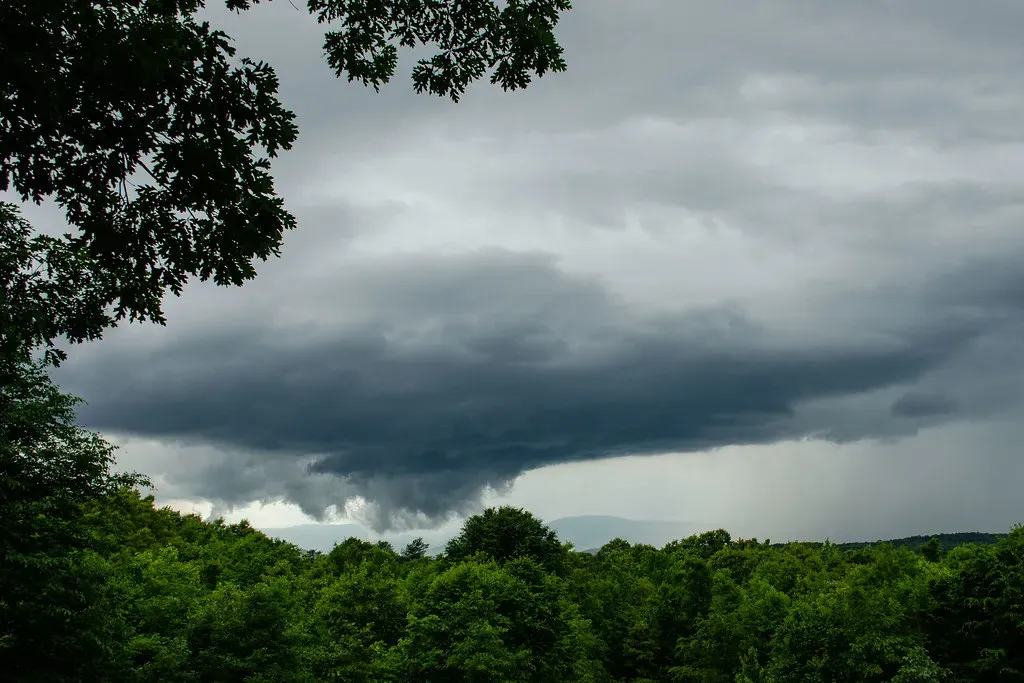
You might describe the air before a storm as heavy, sticky, or strange. Animals experience those same conditions as precise, meaningful signals. Falling barometric pressure can irritate their inner ears, alter how their bodies feel, and change how sound travels. Rising humidity and shifting wind can carry smells and sounds differently, reshaping how animals detect predators, prey, and each other.
Light changes, too. As clouds thickly cover the sky, brightness levels drop, colors wash out, and day can feel like fake dusk. Many animals time their activity to light intensity, not a clock on the wall, so they may switch into sheltering mode early. What looks like “just weather” to you is a combination of physical changes that tell wildlife the usual rules of the day are suspended until the danger passes.
Behavior Cascades: When One Species’ Reaction Triggers Many Others
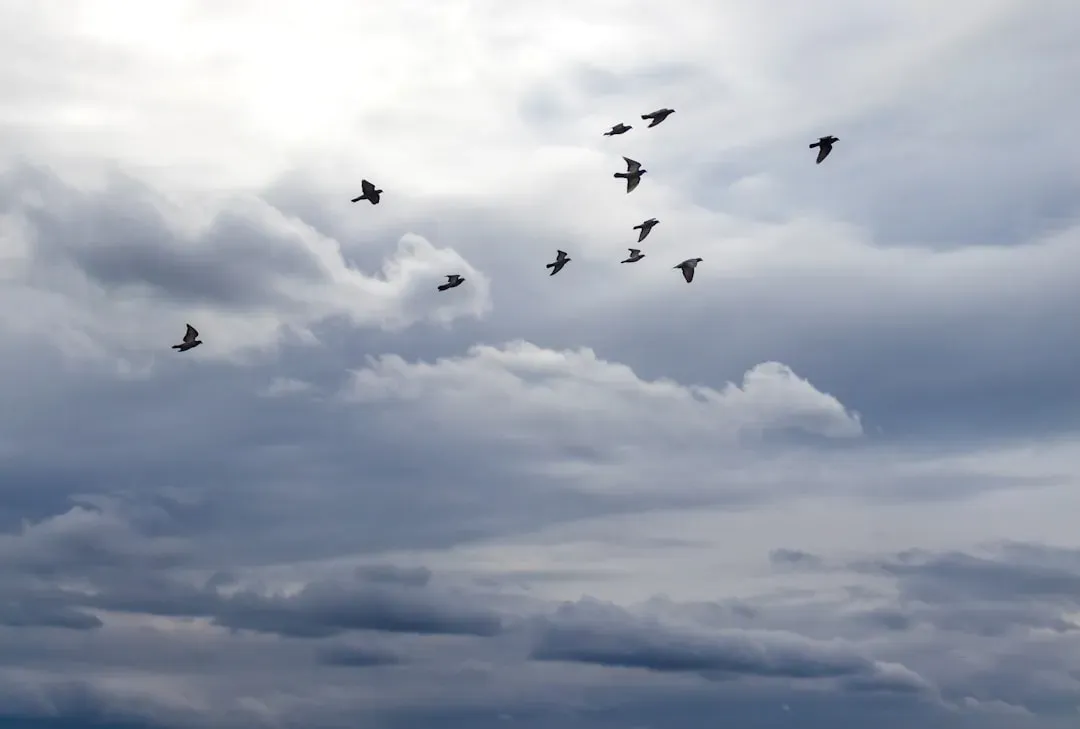
Even if not every animal can detect a storm equally well, they often use each other as early-warning systems. This is where you see the true power of an ecosystem acting as one. When birds suddenly stop singing and rush to cover, other animals notice that shift in sound and movement. When insects disappear from open flowers and grasses, predators that feed on them start to change course too.
You can think of it like a crowded room where one person suddenly goes quiet and looks at the door, then others pick up the cue. In the forest, that cascade happens fast. Prey species read the body language and silence of other prey, predators sense that their usual hunting patterns have been disrupted, and within minutes the entire soundscape can flip from normal bustle to tense stillness. The silence is less like a single switch and more like dominoes falling in every direction.
Storms, Survival, and Natural Selection in Action
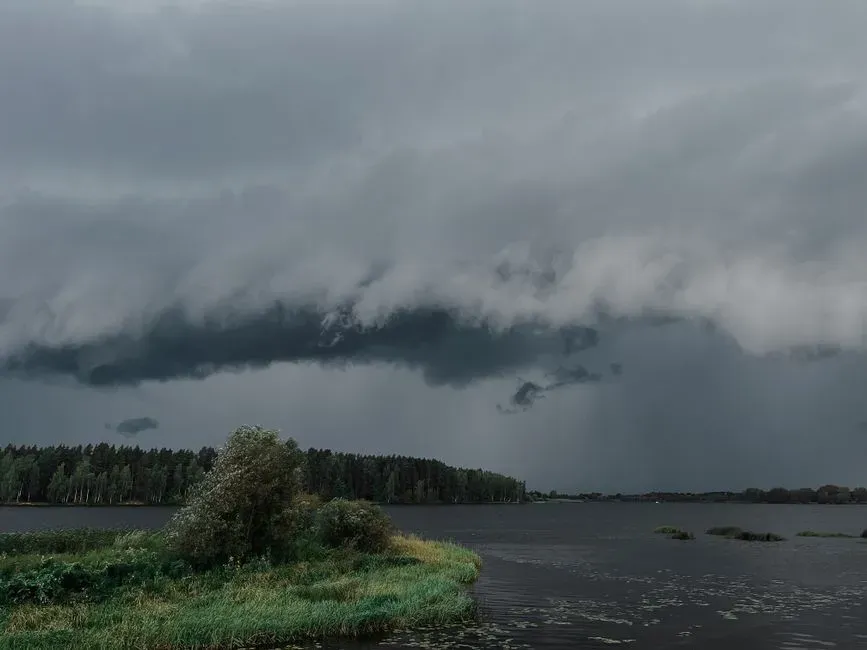
If you look at this from an evolutionary angle, that pre-storm silence is not mysterious at all; it is exactly what you would expect. Over generation after generation, animals that reacted too late to dangerous weather were less likely to survive, feed, or successfully raise young. Those that picked up the signals early and made safer choices were more likely to leave descendants.
In that sense, you are listening to the result of countless storms that came before. The behaviors you see – birds tucking away, insects dropping out of the air, mammals vanishing into cover – are not random habits, they are strategies that have been tested by reality over and over. When you stand there in the quiet right before a storm hits, you are watching natural selection reveal itself in real time, written not in textbooks but in the choices every animal is making.
How You Can Read and Respect These Ecological Warnings
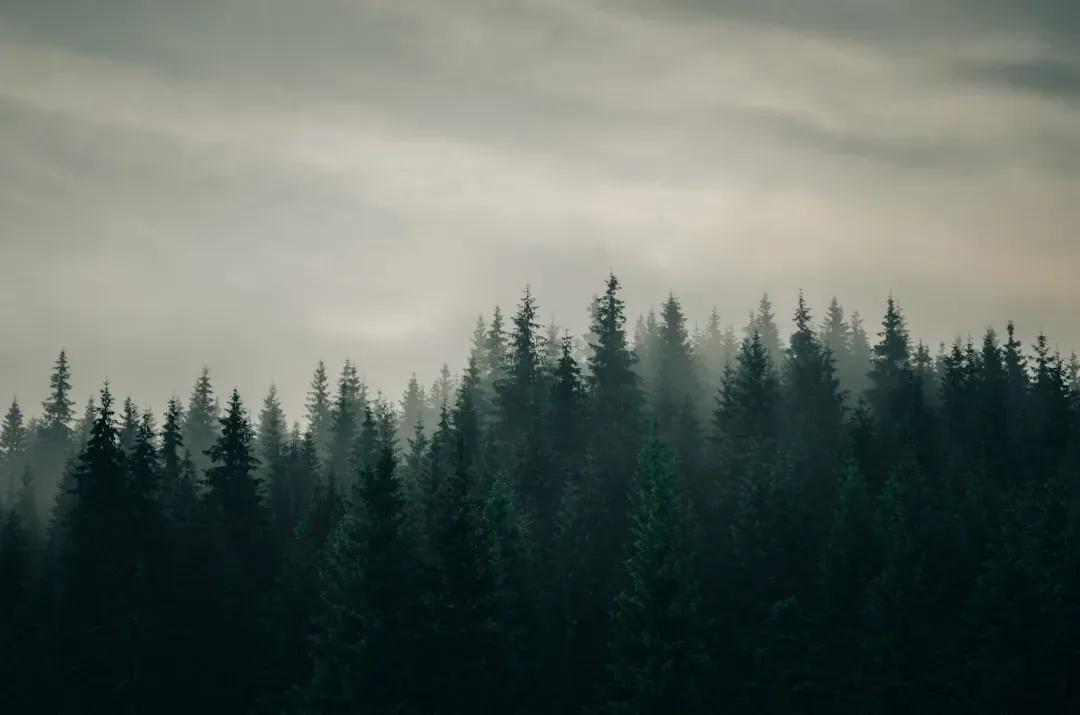
Once you know what that silence really means, you can start using it as a practical tool in your own life. If you are hiking, camping, or working outdoors and you notice birds going quiet, insects disappearing, and the air feeling heavy or strangely still, take it as a serious hint. You can start planning for shelter, securing gear, or shortening your route before the worst of the weather catches you.
Beyond personal safety, paying attention to these signals changes how you move through nature. Instead of treating animals as background noise, you begin to see them as part of a sophisticated early-warning system that you are lucky to share. Respecting that system means giving wildlife space to respond, avoiding unnecessary disturbance, and recognizing that your comfort often depends on their finely tuned instincts.
Why This Matters for Conservation and Your Place in the Web
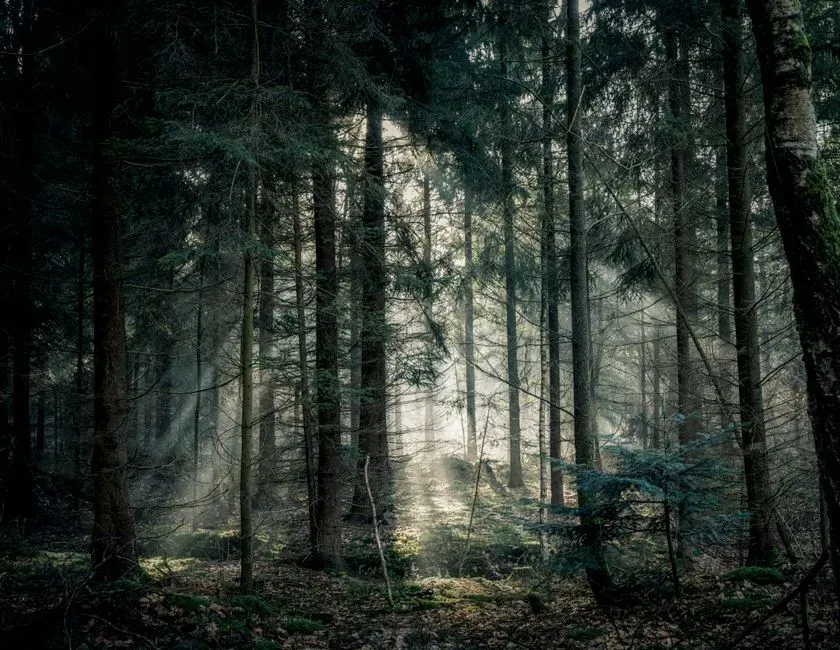
When you understand that a forest’s silence is a signal, not an empty gap, you also see how important it is to protect the species that create that signal. If habitats are fragmented, populations shrink, or soundscapes are drowned out by constant human noise, those early-warning networks can weaken. Fewer birds, fewer insects, and fewer small mammals mean fewer eyes, ears, and bodies tuned to the environment’s subtle changes.
By supporting conservation efforts, protecting natural areas, and reducing noise and pollution, you are not just saving “pretty” animals. You are helping maintain a living sensor network that has been running far longer than any human technology. When you choose to care, you are deciding that those signals – the quiet before the storm, the sudden hush in the trees – are worth hearing for generations to come.
Conclusion: The Next Time the Forest Holds Its Breath
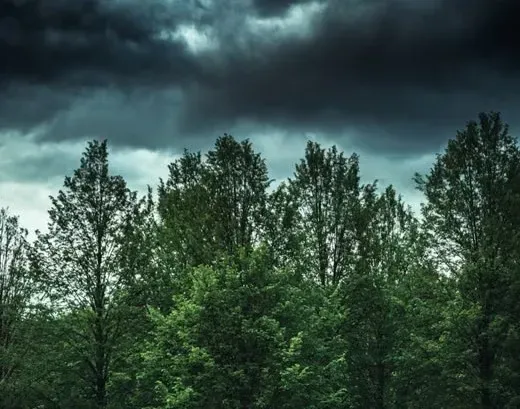
The next time you step into the woods and feel that sudden, unsettling quiet before a storm, you will know it is not random. You will be standing in the middle of an ecosystem that has just received the same urgent message and is responding with precision and speed. Every muted bird, hidden insect, and vanished rustle is part of a coordinated response you got to witness from the inside.
When you start reading those signs, the world stops feeling silent and starts feeling deeply alive, even in its quietest moments. You realize you are not separate from this system; you are one more animal sharing the same sky and the same storms. So the next time the forest goes still and the air turns heavy, will you walk on as if nothing is happening, or will you pause, listen, and recognize that the whole living world just agreed on something important?