You probably remember the first time you saw a photo or video of flying fish and thought your eyes were playing tricks on you. Fish are supposed to swim, not glide for dozens of meters through the air like tiny silver rockets skimming the waves. Yet these animals do exactly that, popping out of the water and gliding across the surface with a grace that looks almost unreal. When you dig into why they do this, the story gets even more fascinating. You discover a mix of survival strategies, physics, muscle power, and evolutionary trade‑offs that turn this strange behavior into something that makes perfect sense. By the time you finish this, you may never look at the ocean’s surface the same way again.
Escaping Hungry Predators Below
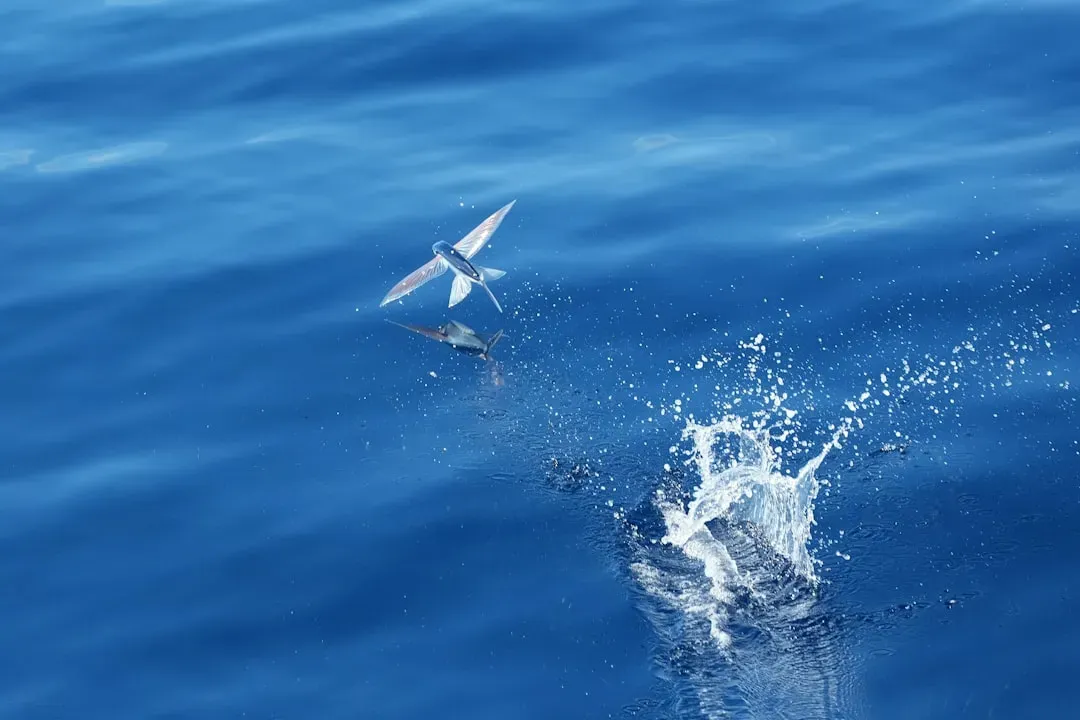
If you lived in the open ocean with fast, sharp‑toothed hunters chasing you, you’d probably try every trick imaginable to stay alive. That’s exactly what flying fish are doing when they launch themselves out of the water: they’re trying to break the pattern that predators like tuna, dolphinfish, and billfish rely on when they attack. Those predators are built for speed in water, not for sudden changes into a different environment. By leaping into the air and gliding, a flying fish forces its pursuer to lose precious time and orientation. The predator has to slow down, turn, or dive deeper, while the fish has already covered dozens of meters in a straight line above the surface. You can think of it like suddenly jumping onto a different playing field mid‑chase; for a few crucial seconds, the rules completely change in your favor.
Using Air As a Fast‑Track Highway
Water is much denser than air, and you feel that every time you try to run through waist‑deep surf at the beach. Your legs drag, your movements slow, and everything feels like it’s happening in slow motion. Now imagine you could suddenly switch into a lighter medium where your body meets a lot less resistance. That’s what flying fish tap into when they glide. By moving into the air, a flying fish can cover distance with far less drag than it faces in water. Once it’s built up enough speed under the surface, gliding lets it travel farther, faster, using less energy than if it kept swimming. In some situations, this might help it cross patches of turbulent water or move quickly away from a dangerous area, like a fast lane laid right above the waves.
Turning Fins Into Wings Through Clever Design
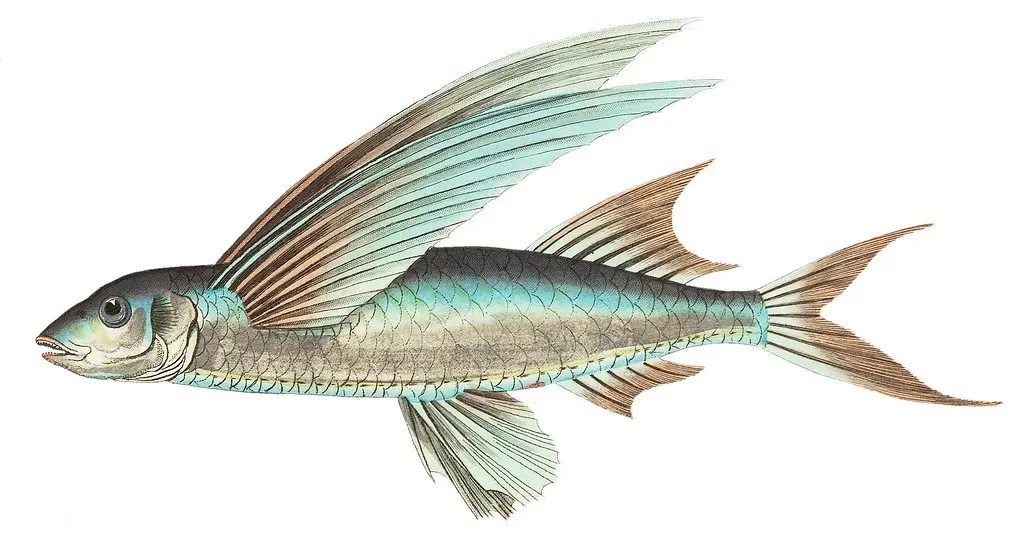
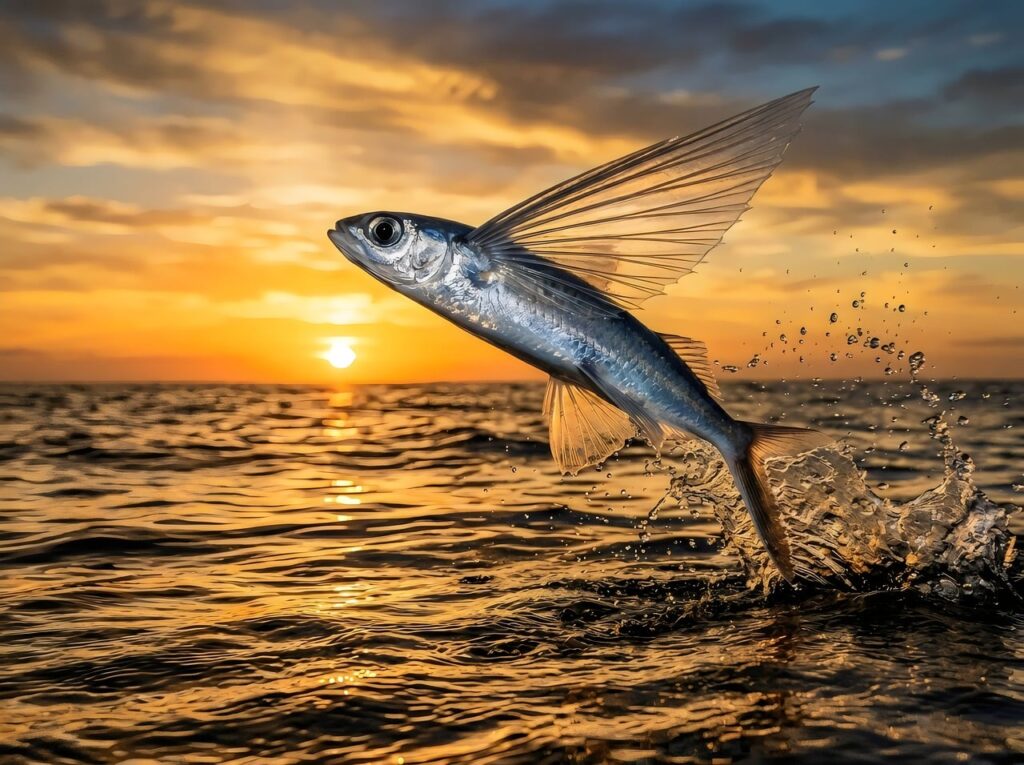
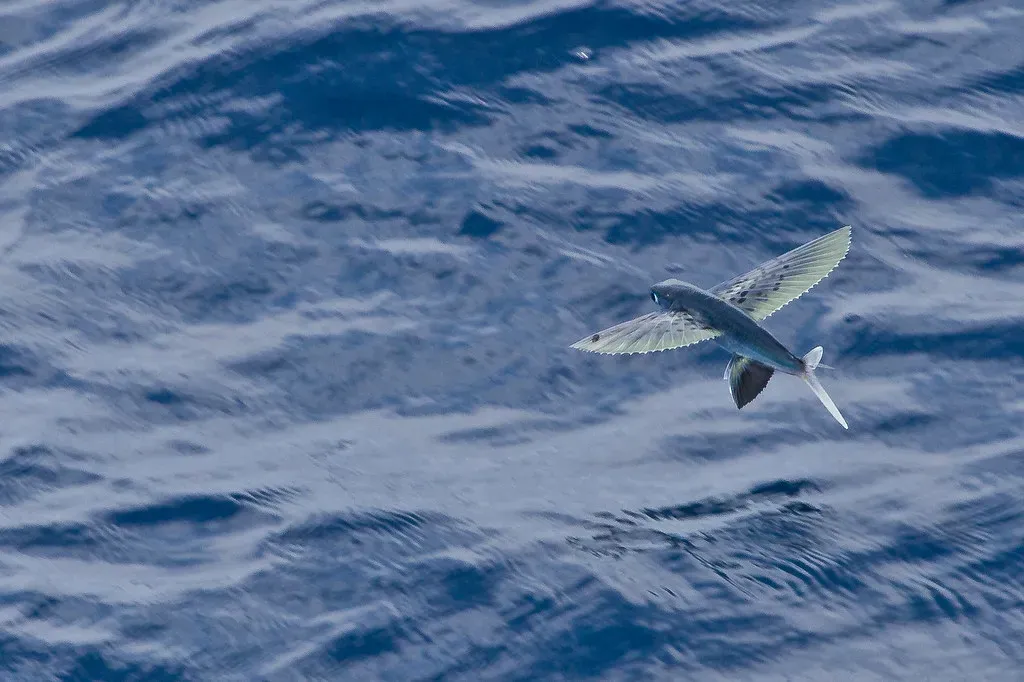
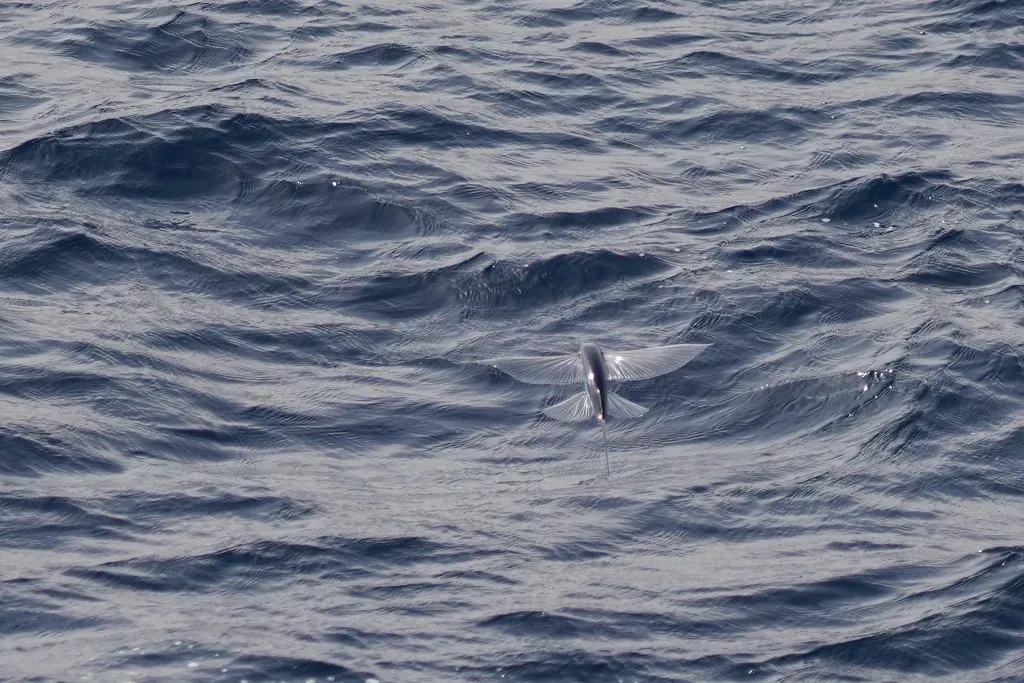
You might look at a flying fish and think it grew wings, but what you’re really seeing is a brilliant redesign of fins. The pectoral fins – those side fins near the head – are enlarged and stiffened so they can act like gliding surfaces. In some species, the pelvic fins are also big and wing‑like, giving the fish a four‑winged look when it’s airborne. To your eyes, it almost resembles a small bird or a paper glider when it fans everything out. The tail is part of the trick too. The lower lobe of the tail fin is usually longer than the upper one, and that asymmetry helps the fish generate extra thrust when it’s right near the surface. This tail design lets it slap rapidly against the water, building and maintaining speed during takeoff. Put together, it’s like a compact flying machine built out of nothing but modified fish parts.
How Speed, Lift, and Glide Actually Work
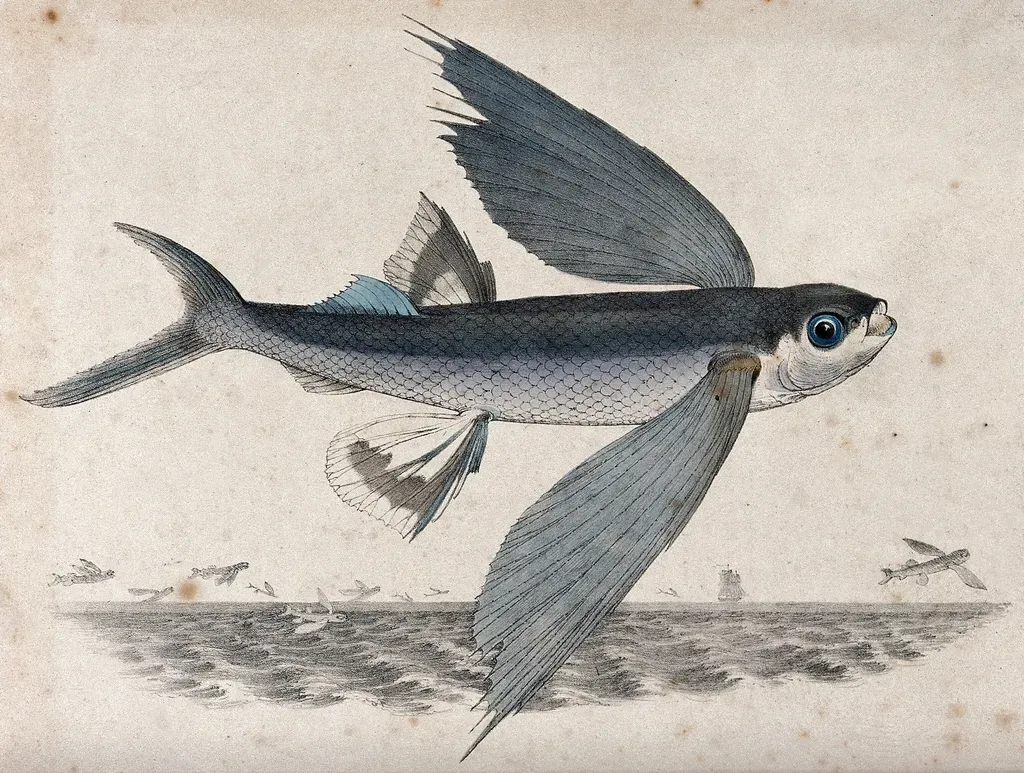
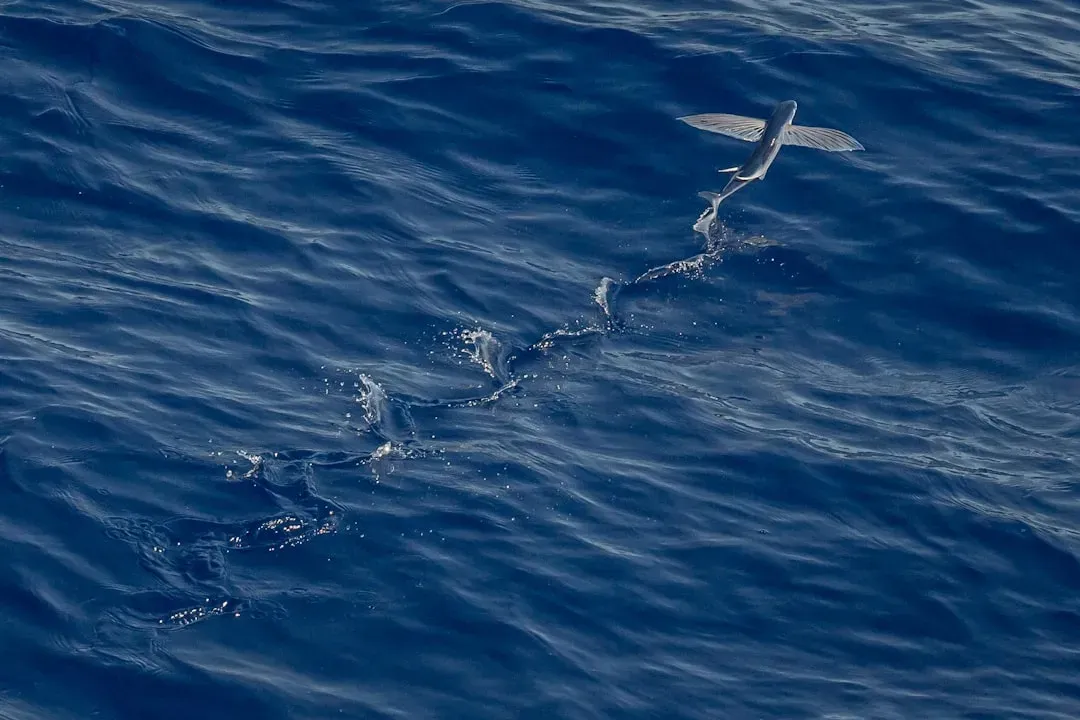
You might think gliding like this requires magic, but it follows the same basic physics that lets a plane or glider stay in the air. Before takeoff, a flying fish accelerates underwater, sometimes for several body lengths, using powerful bursts from its tail. As it nears the surface, it angles upward and explodes out of the water at high speed, then spreads its fins wide to catch the airflow. Once in the air, its body and fins create lift as air flows over and under them, just the way wings on a simple glider do. The fish does not flap like a bird, but it can adjust its fin angles and body posture to control direction and stability. In some cases, it even re‑touches the water with its tail while still gliding, beating it rapidly to gain a speed boost and extend the glide, almost like you tapping the ground with a scooter to keep going.
Living Between Two Worlds: Trade‑Offs and Risks
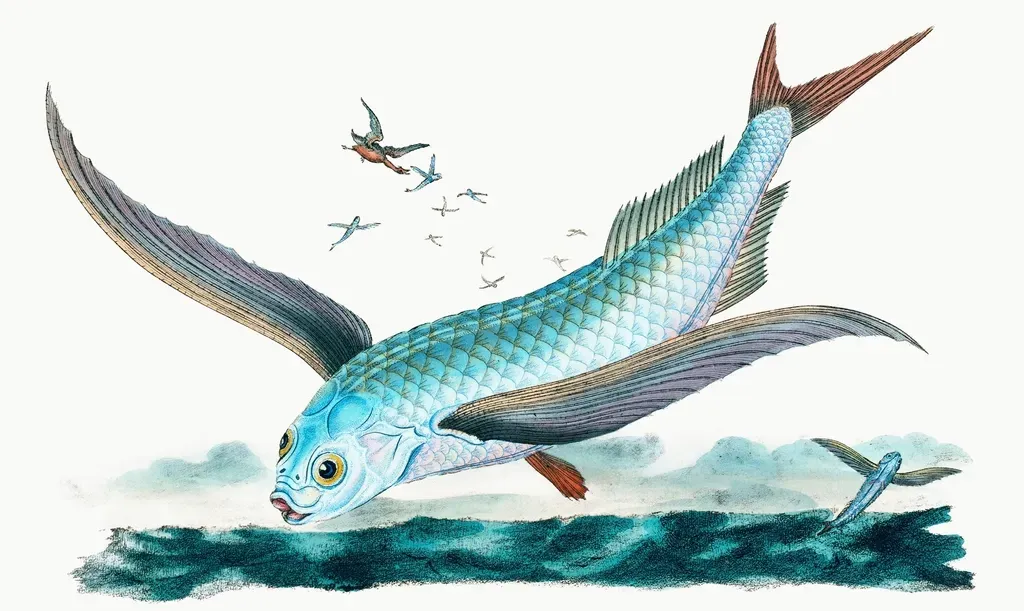
Whenever you step into a new environment, you gain some advantages and open yourself up to new dangers, and flying fish are no exception. By gliding above the water, they escape underwater hunters, but they also expose themselves to threats from above. Seabirds quickly learn to target them, turning their airborne escape into a risky gamble. You can picture a fish fleeing a tuna below only to meet a hungry bird overhead. Their body design itself reflects this compromise. Longer fins and specialized tails help them glide, but they still need to function as competent swimmers most of the time. Evolution has pushed them into this middle space where they’re not true flyers like birds and not pure swimmers like many other fish. You’re watching the result of a long series of trade‑offs where surviving both in and just above the water matters more than being perfect at either one alone.
Why You Often See Them in Warm, Open Oceans
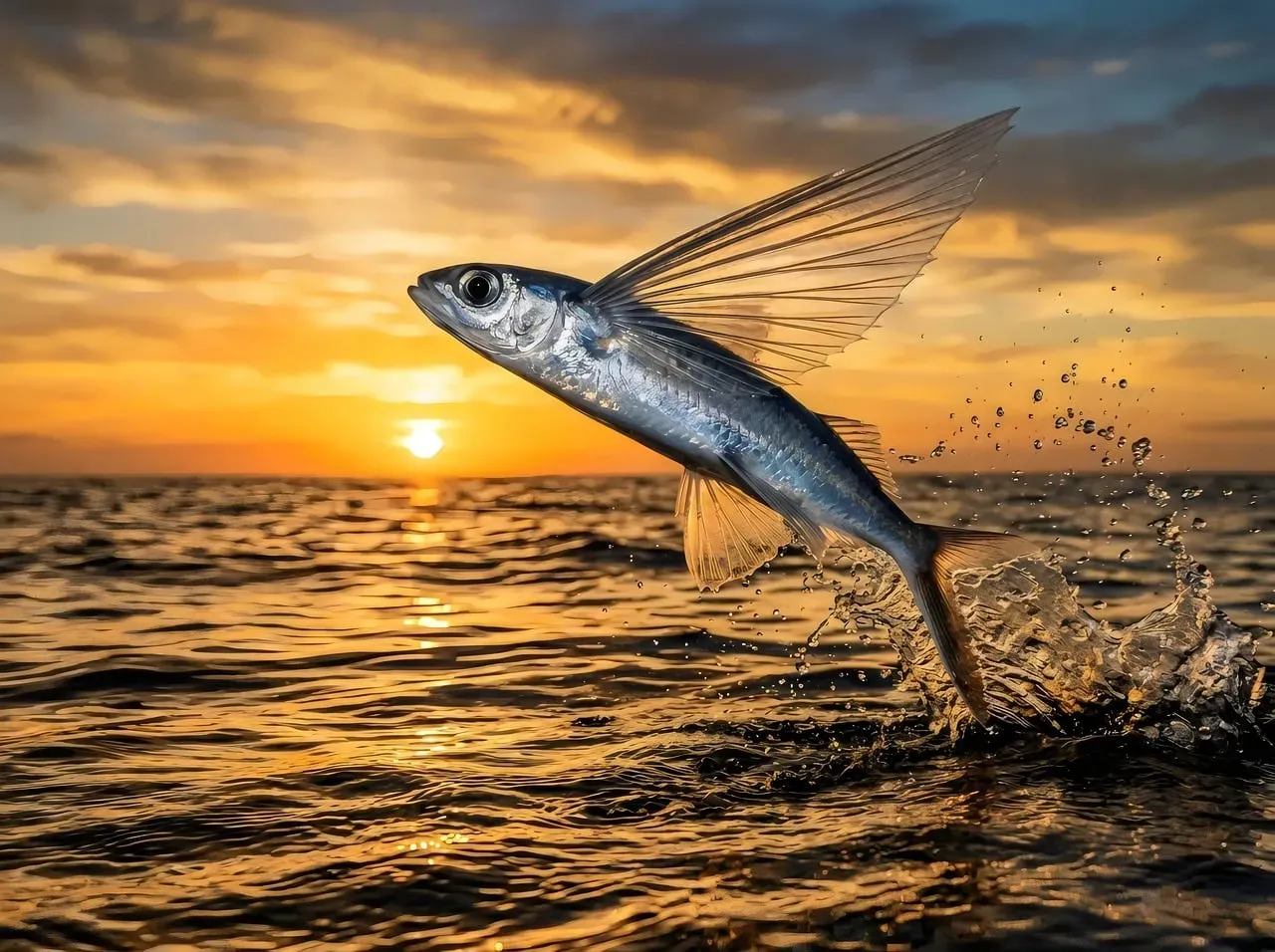
If you go out on a boat in warm tropical or subtropical waters, you’re much more likely to see flying fish than in chilly, coastal seas. They tend to thrive in open‑ocean regions where the water is relatively warm and clear, and food like plankton and small crustaceans are plentiful. These parts of the ocean also host many fast‑moving predators, which makes their gliding escape strategy especially useful. In a way, the environment almost forces them to become creative survivors. At night, lights from boats can attract them, and you might find them unexpectedly on decks in the morning after they misjudged a leap. When you realize how much of their life is spent near the surface, it makes sense that they’d cross paths with ships and human activity. You’re seeing a species that has adapted to a very specific slice of the ocean: that thin, dynamic boundary where water meets air.
How Evolution Pushed Fish to Take to the Air
It can be tempting to imagine that one day a single fish just decided to fly, but evolution does not work in sudden, dramatic jumps like that. What likely happened instead is that early relatives with slightly larger fins and slightly stronger bursts of speed got tiny survival advantages. Maybe they could clear the water for a brief hop, throwing off a predator just enough to avoid getting eaten. Those small wins added up over countless generations. Over time, the fish with better glide potential survived and reproduced more successfully, slowly shaping the group into the flying fish you see today. You’re not looking at a weird accident; you’re looking at a long story written by pressure, danger, and opportunity in the open sea. When you watch one of these fish slide over the waves, you’re seeing millions of years of trial and error condensed into a few seconds of effortless motion.
What Their Glides Reveal About Nature’s Ingenuity
When you really let it sink in that a fish has managed to borrow a bit of the bird’s world, it changes how you see the ocean. You start to notice that the boundary between water and air is not a hard wall but a flexible space where life experiments. Flying fish are one of the clearest examples of that, turning what looks like a desperate leap into a finely tuned survival tactic. In a single glide, they blend swimming, jumping, and gliding into something that feels almost artistic. For you, they’re also a reminder that nature constantly bends the rules you think are fixed. Fish do not just swim, and the surface of the sea is not just a flat border; it’s a stage for some of the strangest and smartest adaptations on the planet. Next time you picture the open ocean, will you still see just water, or will you imagine those silver bodies momentarily becoming creatures of the air?