
You probably already feel it in your bones: a walk outside, a bit of sky, the sense of space above your head, and your whole body seems to exhale. What’s easy to miss is that this isn’t just “in your head” in the casual sense – your stress hormone system is literally shifting gears when you spend time under an open sky. When you stop going outside for days or weeks, that system quietly drifts out of tune, and the longer you stay cooped up, the bigger the drift becomes. You live in a world that keeps pulling you indoors: work screens, phone screens, streaming, errands by car. But your biology was built for a very different daily rhythm, one shaped by light, horizon, and open air. In this article, you’ll see how regular time under the sky shapes your cortisol curve across the day, why losing that exposure slowly stretches the gap between “nature-fed” and “nature-starved” patterns, and what you can realistically do about it without moving to a cabin in the woods.
The Hidden Clock in Your Stress Hormones

Think of cortisol as the body’s built‑in coffee and brake pedal combined: it helps you wake up, focus, and respond to challenges, but it’s also supposed to ease off later so you can relax and sleep. Over a typical day, your cortisol should peak in the early morning and gradually taper through the afternoon and evening, forming a gentle downhill slope rather than a jagged roller coaster. This daily wave is part of your circadian rhythm, the internal clock that keeps everything from your immune system to your mood on schedule. When you spend time under open sky, especially in the first half of the day, you’re giving that internal clock the cues it evolved to expect. Bright, broad-spectrum daylight hitting your eyes tells your brain “this is morning,” which anchors the timing of your cortisol peak and helps ensure it drops at night. If you mostly see the world through glass and screens, that clock can get confused, and cortisol starts showing up at the wrong times – higher at night, flatter in the morning, or just noisy and irregular.
Why Open Sky Changes Your Cortisol Curve

When you step outside and look up, you’re bathing your brain in light far stronger than typical indoor lighting, even on overcast days. Indoor lights often give you only a tiny fraction of the brightness you’d get just from standing near a window, and the sky is several times stronger than that. Your circadian system is tuned to that sky-level brightness, not the soft glow above your desk. So when you actually go outdoors, your body reads it as a clear, reliable signal about what time of day it is. That signal matters for cortisol. With enough daylight exposure, especially in the morning, you’re more likely to get a sharp rise after waking and a steady drop as the hours tick by. When you consistently miss that level of light, your cortisol pattern tends to flatten out and blur, like a song that’s lost its rhythm. You might still produce cortisol, but the highs and lows become less distinct, and that can leave you feeling “tired and wired” – not fully awake when you need to be, and not fully calm when you want to unwind.
When You Stop Going Outside, the Gap Doesn’t Stay Small

The striking part is that the difference between people who regularly get open-sky time and people who don’t does not just freeze in place; it often widens with time. If you go through a short stretch where you barely leave the house, your cortisol rhythm might wobble a bit but stay mostly on track. As that absence of daylight and sky stretches into weeks, the system that keeps your hormone timing sharp can slip further out of alignment. You may notice sleep quality changing, energy getting patchier, or stress feeling more “sticky.” The longer your brain goes without clear, consistent signals from the sky, the more guesswork it has to do. It starts relying on weaker cues like indoor lighting and screen use, which are often out of sync with natural day-night cycles. That’s when the gap really shows up: someone who gets outside most mornings tends to maintain a steeper, healthier cortisol slope, while someone who’s been mostly indoors can drift toward a flatter, more chaotic pattern. The difference is not usually dramatic in a single day but becomes obvious when you zoom out over weeks and months.
Flat Cortisol, Frazzled Mind: How You Actually Feel It

You might wonder how a “different daily cortisol pattern” shows up in your real life, because no one walks around thinking, “My hormone curve seems a bit too flat today.” Instead, you feel it as fuzzy mornings, afternoon crashes, late-night second winds, and a general sense that your stress dial is set slightly too high. When cortisol doesn’t peak and drop at the right times, your brain and body struggle to tell the difference between “challenge” and “rest,” so you stay in a kind of low-grade alert mode for too long. Over time, that constant low hum of stress can make it harder to focus, regulate your emotions, and shake off worries. You might react more strongly to small frustrations, feel less resilient when things go wrong, or find that it takes longer to wind down after work. It’s not that going outside magically erases all your problems; it’s that time under the sky helps your body remember when to gear up and when to let go. Without that, you’re more likely to live in a state where everything feels like “a lot,” even when nothing truly dramatic is happening.
Light, Distance, and Perspective: Why the Sky Itself Matters
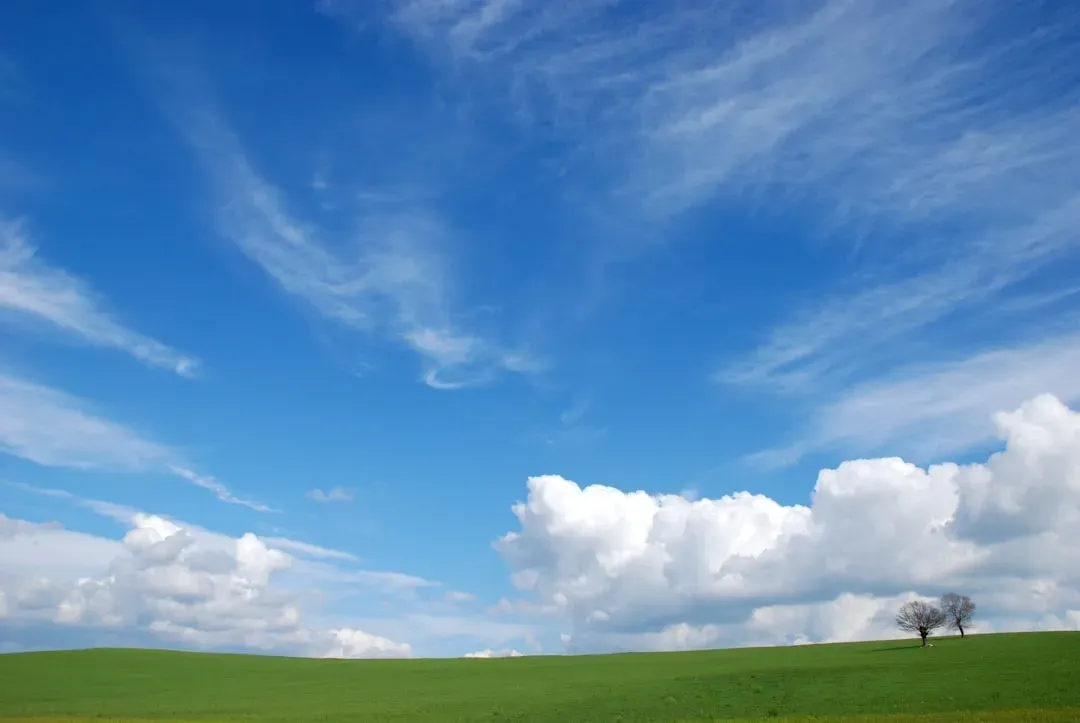
There’s something uniquely powerful about having open space above you and distance in front of you. When you’re outdoors, your eyes focus on faraway points instead of hovering inches from a screen, and that physical shift changes the signals streaming into your brain. Looking at a horizon or a stretch of sky engages different visual circuits than staring at a wall, and those circuits are tightly linked with parts of your brain involved in mood and alertness. You’re essentially giving your nervous system a broader, calmer picture of the world. On top of that, natural scenes – even simple ones like trees against the sky or clouds drifting by – tend to be less visually “loud” than what you see indoors. They contain patterns and movements that your brain finds easier to process, like the gentle chaotic motion of leaves or the slow change of light. That ease lets your stress system ease off the gas a bit. When you remove yourself from that environment for long periods, your brain spends more time in cramped, visually intense spaces that keep your alert systems slightly more activated.
Sleep, Screens, and the Late‑Night Cortisol Creep

If your outdoor time drops while your screen time rises, your cortisol pattern can start to flip in uncomfortable ways. Without bright morning light to anchor your rhythms, your brain may not fully register the start of the day, but it definitely sees the bright blueish light from screens at night. That late exposure can push your internal clock later, nudging hormones like melatonin and cortisol into a schedule that does not match your actual responsibilities. You may lie in bed awake, then drag yourself through the next morning, and the cycle repeats. As that pattern continues, your body may begin secreting more cortisol in the evening than it should, or delaying its drop-off so that you never get fully into “rest and repair” mode. Over time, this kind of late-night cortisol creep is linked to worse sleep, more anxiety, and higher perceived stress. Regular time under sky – particularly earlier in the day – acts like a counterweight, making it easier for your body to differentiate daytime from nighttime and keep cortisol from hanging around when you should be powering down.
Mood, Motivation, and the “Nature Deficit” You Don’t Notice at First

You might not immediately connect your mood to how often you see the sky, but your brain certainly does. When outdoor exposure drops, people often report feeling a bit more irritable, less motivated, and less optimistic without any obvious trigger. That subtle shift can be part of the widening gap in cortisol patterns: a poorly timed hormone rhythm tends to drag mood and motivation with it. You may feel like getting outside even less, which then further deprives your system of the very cues that would help it reset. The flip side is just as real. Regular time under open sky tends to support a pattern of cortisol that rises enough in the morning to get you moving and then gradually eases, which aligns better with stable mood and a sense of manageable stress. You may not feel euphoric every time you see the sun, but you’re more likely to experience steady energy, a bit more mental flexibility, and a more grounded response when life throws something annoying at you. Over months and years, those small differences add up in how you feel about your days.
How Much Sky Time Makes a Real Difference for You?

You don’t need to turn your life into a nature documentary to see benefits. Studies looking at light exposure and outdoor time suggest that even short, regular doses can help your circadian system and cortisol rhythm stay more stable. For you, that might look like a ten- or fifteen-minute morning walk, a lunch break outside instead of at your desk, or simply standing on a balcony and actually looking at the horizon instead of your phone. The key is consistency more than perfection – a regular cue beats an occasional marathon hike. It helps to think in terms of “anchors” rather than rules. If you can give yourself one reliable outdoor anchor earlier in the day, your internal clock has a solid reference point. Add a bit of daylight in the afternoon, and you’re reinforcing that pattern. Even on cloudy days, the light outside is far stronger than typical indoor environments, so it still counts. The goal is not to chase an ideal, but to nudge your cortisol pattern in the right direction over time so that your stress system works with you instead of against you.
Practical Ways to Rebuild Your Outdoor Rhythm After a Slump

If you’ve gone through a stretch of long work days, illness, or bad weather and barely seen the sky, you’re not stuck there. The first step is to lower the bar and make outdoor time ridiculously easy to win. You might decide that every morning you will at least step outside your front door with a mug of coffee or water for a few minutes, even if you do nothing else. That tiny habit tells your brain, “Here’s the start of the day,” and begins to tug your cortisol rhythm back toward a steeper, healthier shape. From there, you can stack more exposure in ways that fit your life: walking one bus stop farther, taking a phone call outside, doing a quick bodyweight exercise session in a park instead of your living room. You don’t have to feel motivated first; the outdoor time itself helps your motivation and mood catch up. What matters is repeating the signal often enough that your nervous system trusts it again. Over time, you may notice that the groggy mornings and wired evenings ease, not because your life became less stressful, but because your stress hormones finally remembered what time it is.
Conclusion: Your Cortisol Still Listens to the Sky

Your daily cortisol curve may sound like an abstract lab measurement, but it quietly shapes how you experience every day: how quickly you wake up, how much stress sticks, how deeply you rest. Regular time under open sky nudges that curve into a healthier rhythm, while long stretches indoors slowly pull it off beat, widening the gap between those who see the sky often and those who barely do. The difference does not arrive overnight; it accumulates, gently but steadily, in your sleep, mood, and sense of control over your own energy. You do not need a perfect routine or a dramatic lifestyle change to shift that pattern – you need a relationship with the sky that is consistent enough for your body to count on. A few minutes here, a short walk there, a habit of actually looking up: these are small acts with outsized effects on how your stress system behaves. The next time you feel stretched thin or oddly restless, you might ask yourself a simple question: when was the last time you let the open sky reset your day?