You live on a planet that never really sleeps. Even when the ground feels steady under your feet, tiny fractures are slipping, fluids are moving, and stresses are slowly winding up beneath you. Every now and then, those hidden processes burst into the open as an earthquake swarm: hundreds or even thousands of small quakes clustered in one area, without a single big “main” event to explain what is going on. Most of the time, scientists can at least point to a likely driver: magma on the move, hot water circulating, or human activity like wastewater injection. But some swarms stubbornly refuse to give up their secrets. They are officially logged in seismic catalogs, studied in detail, and yet, even years later, no clear, agreed‑upon cause has been nailed down. Those are the swarms you are about to walk through here: ten unsettling sequences where the ground shook, the instruments recorded, and the “why” is still sitting in the gray zone.
1. The Enola, Arkansas Swarm: A Small Town That Wouldn’t Stop Shaking
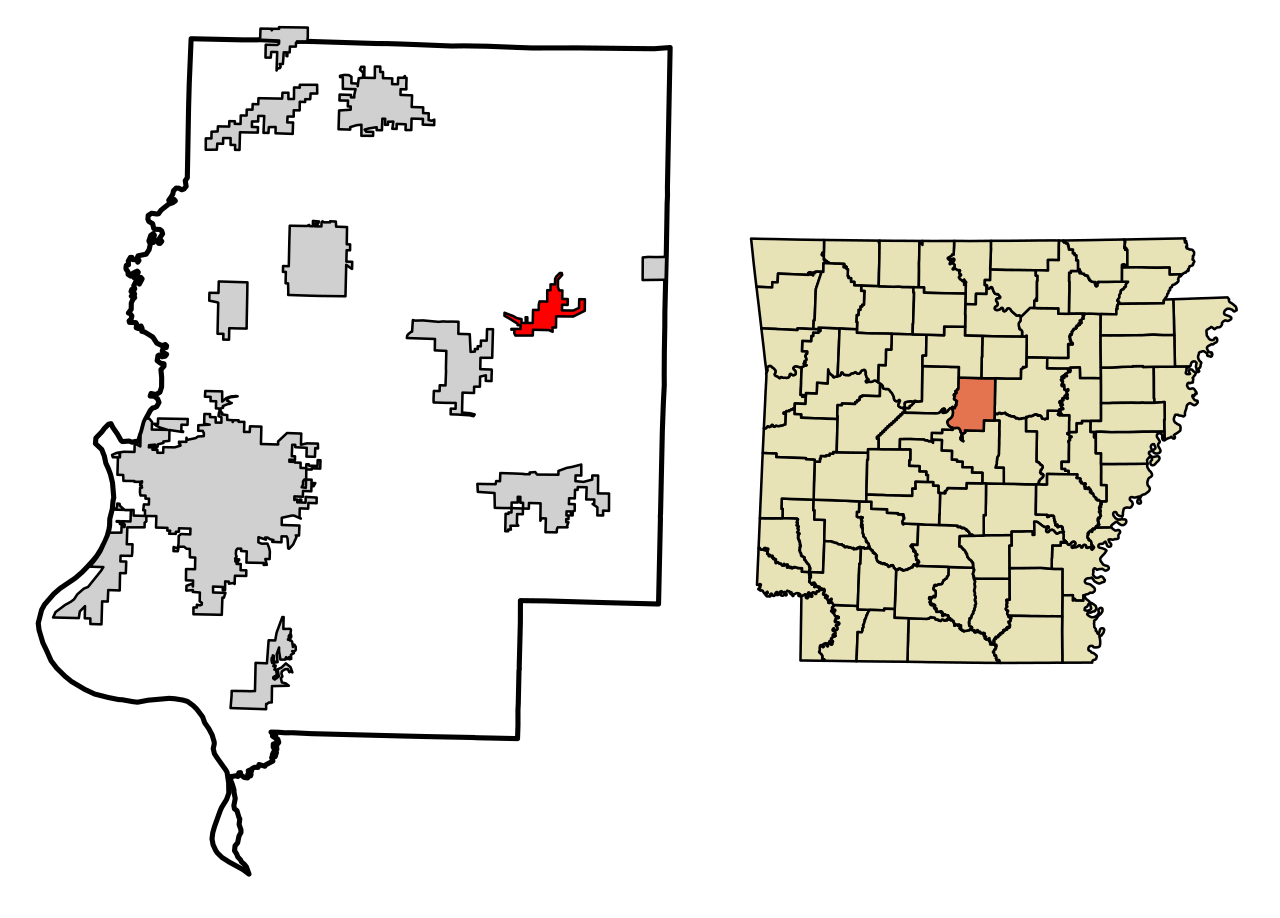
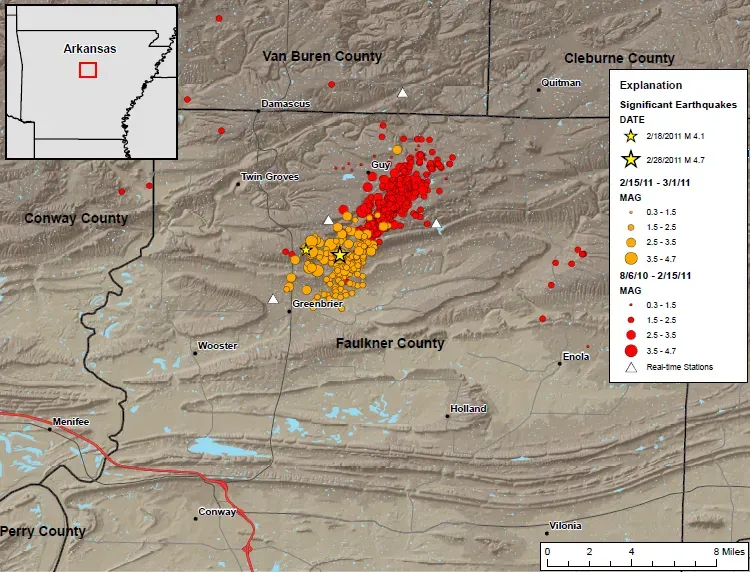
Imagine living in a quiet rural community and suddenly the ground starts rattling day after day for months, sometimes several times in a single hour. That was reality around Enola, Arkansas, in the early nineteen‑eighties, when a swarm of thousands of small earthquakes drew national attention and a full‑scale scientific investigation. You had clusters of shallow quakes, no volcanoes nearby, and no single large shock to mark a beginning or an end – just a relentless drumbeat of tremors. You might expect that, with so much data, scientists would eventually land on a neat explanation. Instead, Enola became a classic case of ambiguity: researchers mapped pre‑existing faults, considered regional tectonic stress, and even looked at possible links to deep fluid movement, but no single mechanism fit everything cleanly. Official reports described the sequence in detail yet stopped short of a definitive cause, and if you look back now, Enola still sits in the literature as a textbook example of a long‑lived intraplate swarm that defies a simple label.
2. West Bohemia–Vogtland, Central Europe: Swarms Fueled by Invisible Fluids
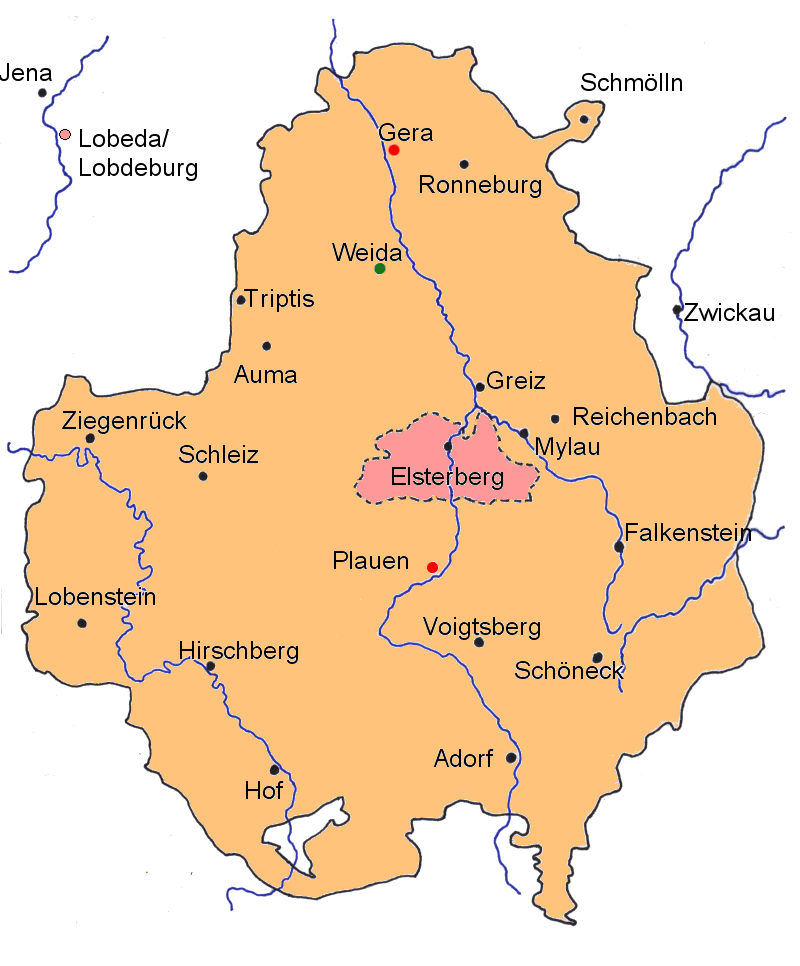
In the border region between the Czech Republic and Germany, you find one of the most famous swarm zones on Earth: Vogtland–West Bohemia. If you lived there, you would have felt repeated bursts of shaking over the years, usually modest in size but unnervingly persistent. Seismologists have tied many of these swarms to high‑pressure fluids and carbon‑dioxide‑rich gases circulating deep in the crust, and sophisticated studies show that hydrothermal alteration can weaken rocks and help trigger clusters of quakes. But here’s the catch: even with detailed imaging and geochemical work, you still do not get a single, simple cause you can write on a signpost. Some swarms appear strongly tied to fluid pulses; others fit better with slow‑moving tectonic stress on existing faults. When you zoom out, you are left with a hybrid picture – a complex dance of fluids, altered rocks, and regional stress – and no single trigger that scientists can point to and say, with confidence, “this is it.” The swarms are officially documented, but their deeper driver remains partly in the dark.
3. Central Utah’s Quietly Persistent Swarms
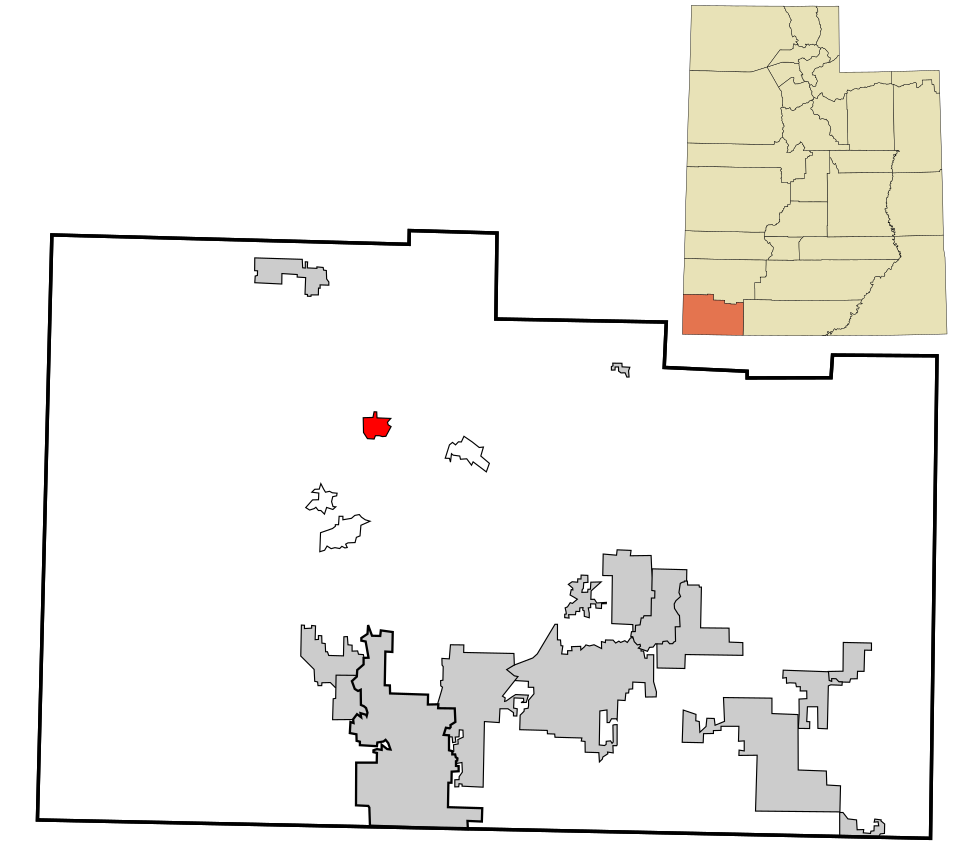
If you drove through central Utah, the landscape might look calm: high desert, mountains, and long fault scarps that hint at a restless past. Underneath that calm surface, though, decades of seismic monitoring have revealed dozens of small earthquake sequences, many of them swarms. When researchers combed through more than forty years of data, they found that a large share of these sequences simply did not behave like classic aftershock patterns. Instead, they clustered in space and time without a clear mainshock and popped up repeatedly in certain spots. You might think geothermal systems or active magmatic intrusions would offer straightforward explanations, and in some places they do seem to play a role. But not every Utah swarm occurs near obvious heat sources or production wells, and some appear in places where you would not instinctively suspect hot fluids at all. Studies now talk about a mix of regional tectonic stretching, inherited faults, and local hydrothermal systems as the backdrop, yet they still stop short of cleanly attributing each swarm to one dominant process. For you as an observer, the message is simple: even in a well‑monitored region, some of the shaking is still effectively “unassigned.”
4. Central and Southern Japan: Swarms Beyond the Volcanoes
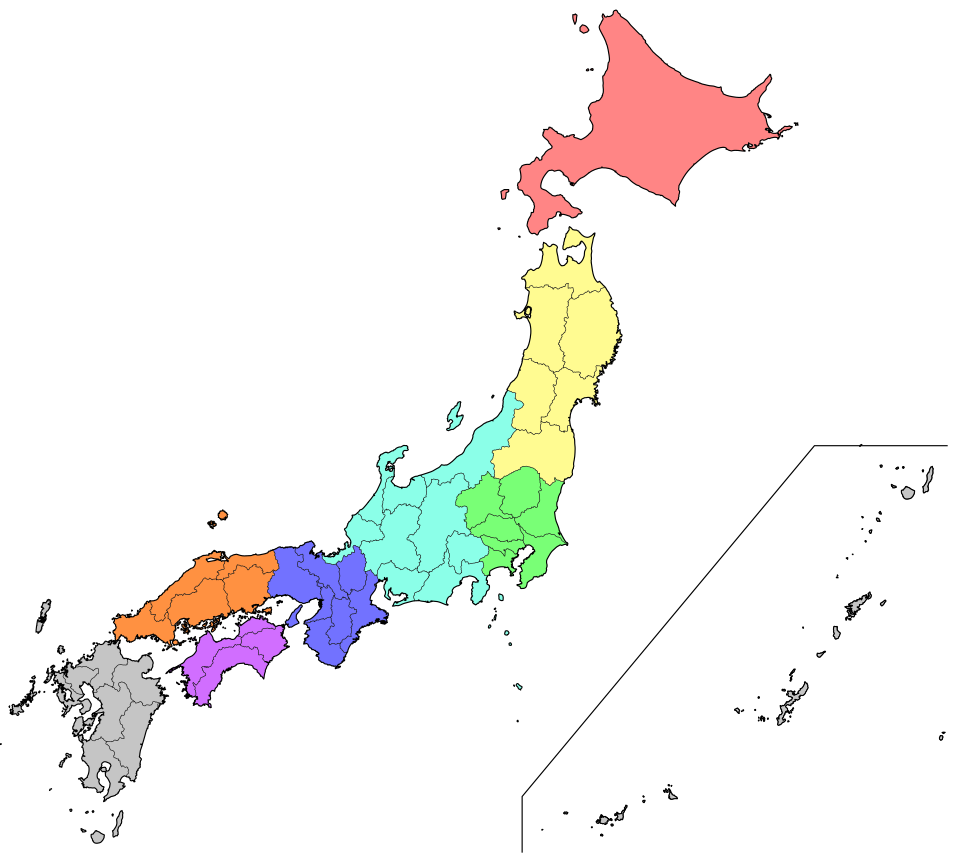
When you think of earthquake swarms in Japan, your mind probably jumps straight to volcanoes and steaming geothermal fields. You would not be wrong – many swarms there are clearly linked to magmatic activity or hot fluids. But researchers noticed something that might surprise you: a significant number of swarms occur far from active volcanic centers, along regular tectonic faults, and they can last longer near volcanoes than elsewhere. In other words, “swarminess” is not just a volcano story. What makes this fascinating is that, in many of these non‑volcanic zones, there is still no single, universally accepted cause. The best working idea is that some swarms are driven by very slow fault slip – almost like a fault quietly creeping over minutes to weeks instead of snapping in a single big earthquake. Hot water and other fluids may still be involved, but the exact balance between fluid pressure, fault geometry, and background tectonic loading varies from place to place. For you, that means that swarms in Japan have become a kind of laboratory for messy, real‑world seismic behavior that resists clean attribution.
5. California’s Deep, Diffusing Swarms: Fluids on the Move?
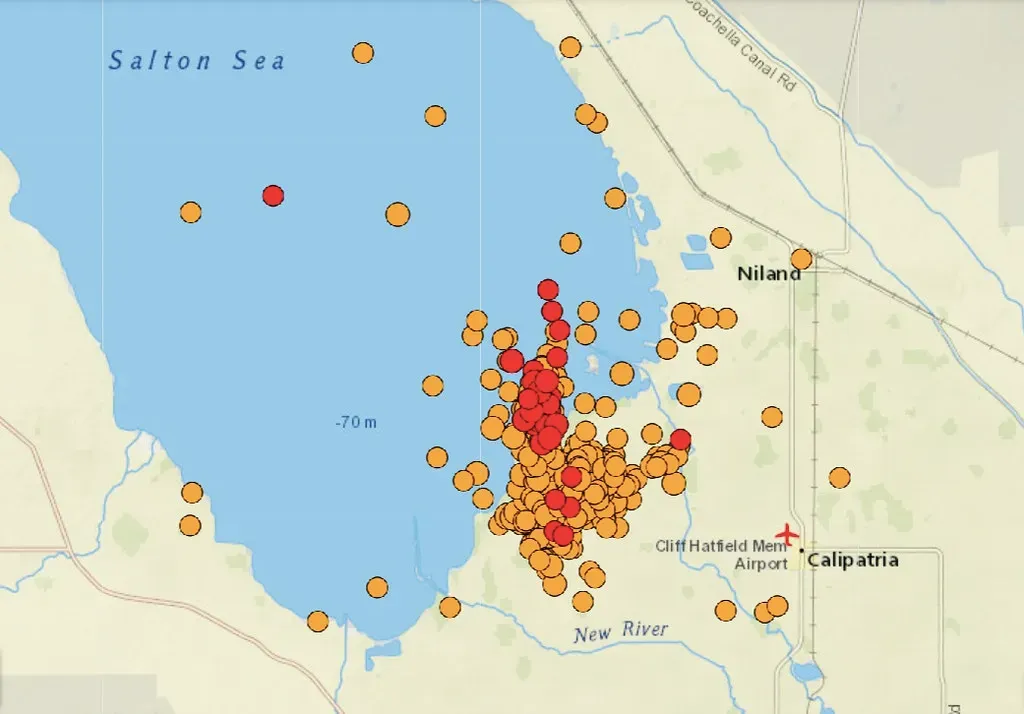
If you have ever followed California earthquake feeds, you know that the state is no stranger to swarms. Some of them, like those near geothermal fields or volcanic centers, line up pretty cleanly with human activity or magmatic systems. Others are more mysterious: clusters of small quakes that appear to migrate over time, almost as if whatever is driving them is spreading through the crust like ink seeping through paper. Advanced analyses show patterns that look a lot like diffusion, reinforcing the suspicion that fluids under pressure are moving through complex fracture networks. But here is where things stay unresolved for you as a curious reader. While fluid migration is a strong candidate, tying a given swarm to a specific source – deep natural fluids versus subtle tectonic creep or even distant stress changes – is not straightforward. Studies of long‑lasting swarms in Southern California have shown that, once you look at tiny events with modern techniques, you uncover intricate fault geometries and multiscale patterns that no single mechanism fully explains. So even in one of the world’s best‑instrumented regions, some swarms end up officially cataloged but only loosely explained.
6. Nazko, British Columbia: Magma Suspected, Eruption Missing
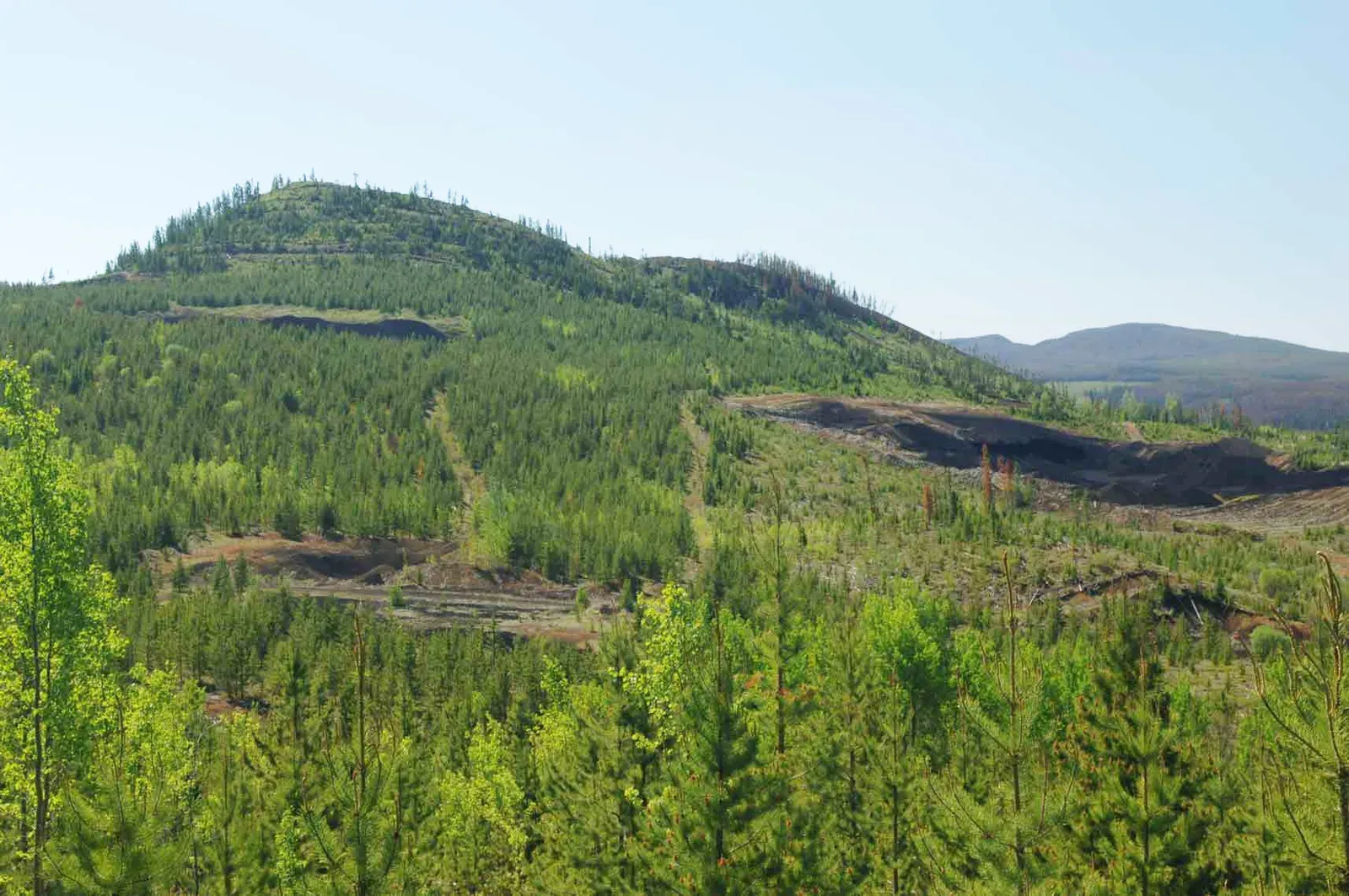
In 2007 and 2008, a remote part of central British Columbia suddenly lit up with an earthquake swarm beneath Nazko Cone, a small volcanic feature that had shown no historical eruptions. If you had been following Canadian seismic reports at the time, you would have seen a burst of small but persistent quakes in a place that had been essentially silent before. Their depth and characteristics suggested brittle rock breaking in response to something pushing from below, and many scientists leaned toward magma intrusion as the cause. Yet that magma never broke the surface, and no eruption followed. Seismologists noted that the depth range was enough to rule out shallow hydrothermal activity, but they could not say definitively whether the swarm was driven by tectonic stress alone or by a stalled magmatic intrusion. For you, Nazko stands as a reminder that even when magma is suspected, the story can end in a shrug: the swarm is recorded, the models are run, and the official narrative remains that both tectonic and volcanic interpretations are still on the table.
7. Tokaanu–Waihi, New Zealand: Geothermal Energy Without a Simple Answer
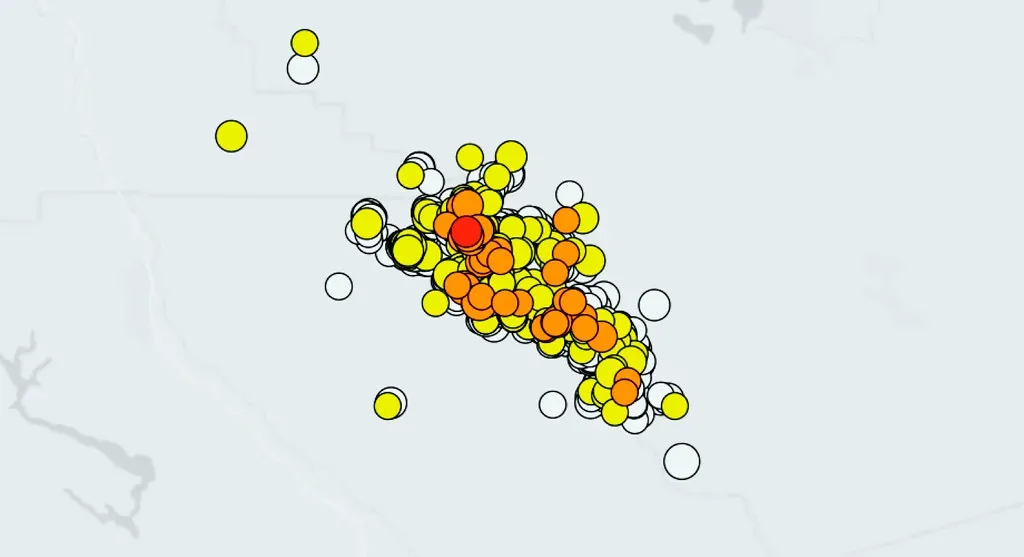
If you visit New Zealand’s volcanic plateau, you see geysers, steaming vents, and hot pools everywhere, and you might assume any earthquake swarm there is obviously tied to geothermal activity. The Tokaanu–Waihi area, with its buried geothermal resources, has indeed produced repeated swarms of tiny quakes, often too small for you to feel but clear on local networks. These swarms tend to cluster in narrow zones beneath known hot fields, which makes geothermal fluids an appealing explanation. However, when researchers combined seismology, electrical imaging, and gravity data, they found a crust that is fractured and complex, with multiple layers of structures that can store and release stress. That means you cannot simply blame every swarm on human operations or even on a single hydrothermal system. Instead, you are looking at a tangled interplay between natural tectonic forces, circulating fluids, and patchy rock properties. Official reports describe the patterns in detail but still use cautious language about causation, leaving you with swarms that are mapped precisely but not attributed neatly.
8. The Anahim Hotspot and McNaughton Lake, Canada: A Suspected Volcanic Fingerprint
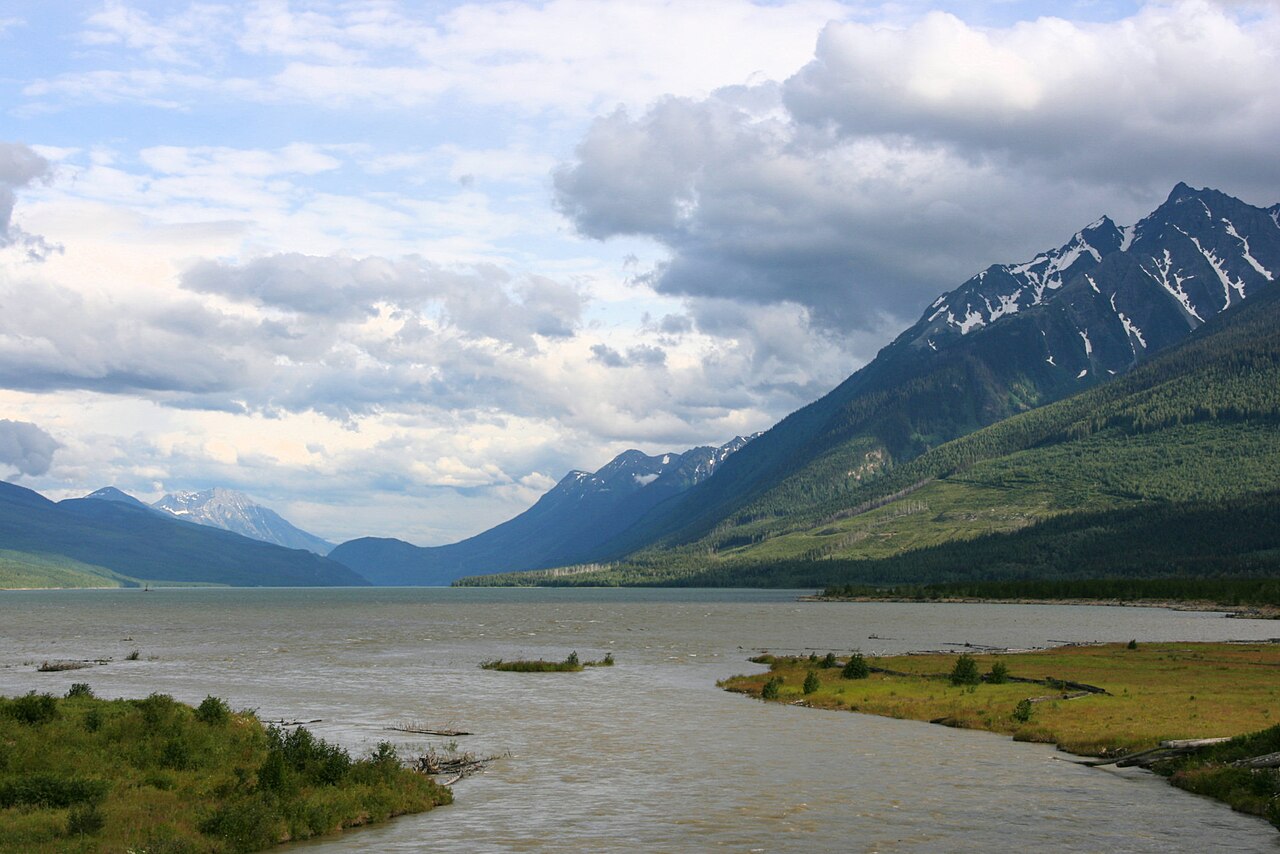
Along the Anahim hotspot track in British Columbia, you find yet another puzzle. Near what is now called Kinbasket Lake, an earthquake swarm once raised eyebrows because of its location relative to the deep‑seated hotspot. If you were following the science at the time, you would have seen experts speculate that the swarm might mark magma moving beneath an area that does not look particularly volcanic at the surface. Seismic studies hinted at brittle failure and fracturing, possibly tied to an intrusion that never made it upward. But speculation is not the same as attribution, and you will not find a definitive, signed‑off explanation in the official record. The swarm is part of the geological story of the hotspot, yet it sits in a gray area between tectonic slip on old faults and deeper magmatic processes that only reveal themselves indirectly. For you, the lesson is that in intraplate volcanic provinces, swarms can signal deep changes that never reach the surface, and even decades later, scientists may still be debating how to classify them.
9. Central Europe’s Deep CO₂‑Driven Swarms: When Rock Chemistry Joins the Plot
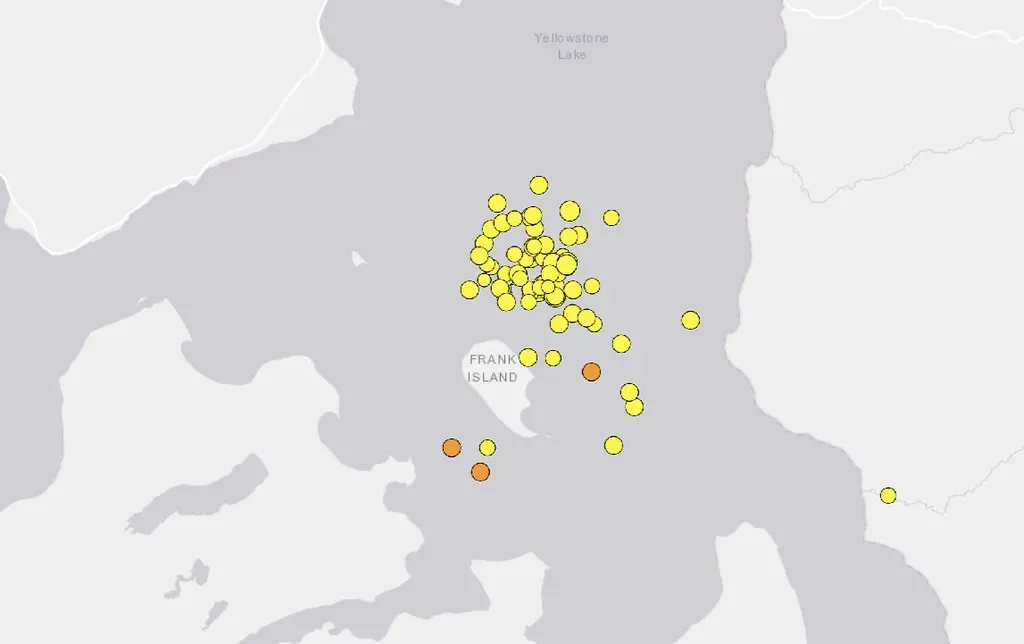
In some parts of Central Europe, especially around areas with carbon‑dioxide‑rich springs and gas emissions, you run into another kind of elusive swarm. Here, detailed research has shown that hydrothermal fluids and CO₂ can chemically alter rocks, weakening them and changing how stress is stored and released. If you picture rocks slowly dissolving and re‑cementing while being squeezed by regional tectonic forces, you start to see why earthquakes might occur in clusters rather than as isolated events. Yet even with that level of detail, you still do not get a neat headline cause. For any given swarm, you have to weigh tectonic stress, the timing and pressure of fluid pulses, and long‑term alteration of the crust, and those factors can vary from one episode to another. So when you read that swarms in these regions are “fluid‑related,” you should treat that as an informed but broad label, not a full explanation. The quakes are officially monitored and carefully modeled, but the deeper mix of chemistry, fluids, and stress remains partly unresolved.
10. Earthquake Swarms in Tectonic Hinterlands: Nevada, Oklahoma, and Beyond
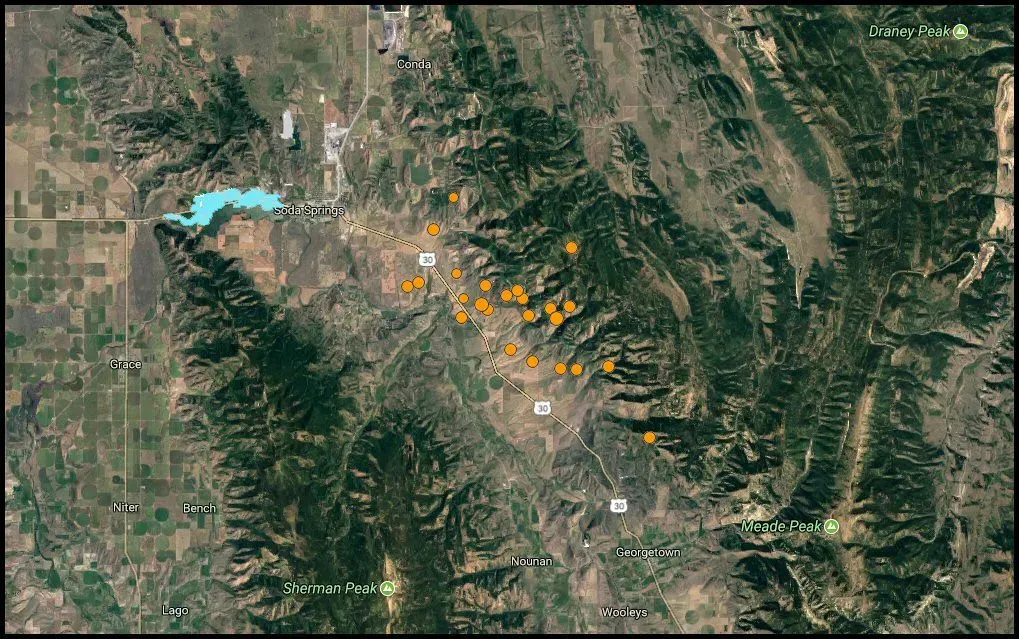
You might assume that swarms only matter in obvious hotspots like volcanoes or geothermal fields, but the seismic record tells you otherwise. In places like Nevada, Oklahoma, and parts of the interior western United States, you see swarms popping up far from plate boundaries and famous volcanoes. Some sequences have clear links to human activity, such as wastewater injection or resource extraction, but others occur in areas with little or no industrial footprint and on faults that have not produced large quakes in recorded history. For those “quiet‑zone” swarms, official interpretations tend to be cautious. The most you usually get is that they reflect slip on pre‑existing faults within a slowly deforming crust, possibly nudged along by subtle fluid movements that do not show up clearly at the surface. In practice, that means you end up with swarms that are cataloged, mapped, and discussed, but still described in broad terms rather than pinned to a single driver. For you as a reader, they underscore a humbling truth: even in countries with dense seismic networks, a lot of the small‑scale shaking is still essentially unassigned background noise of a restless planet.
Conclusion: Living With Questions Beneath Your Feet
When you step back from these ten examples, a pattern jumps out at you: you can measure earthquake swarms in exquisite detail, yet still walk away without a tidy answer to what caused them. Often, you are looking at a blend of processes – slowly slipping faults, migrating fluids, altered rocks, buried heat – all acting together in ways that existing models cannot fully untangle. Official reports, by design, stay conservative, which is why so many swarms end up in the “likely related to” or “consistent with” category rather than being decisively attributed. If you live in a swarm‑prone area, the practical message is not that you should panic, but that you should respect how complex the subsurface really is. Swarms without clear causes remind you that science is still catching up with the messy reality of how the crust fails. They also show you why continued monitoring, better imaging, and open‑ended research matter, even for small, nagging quakes that never make headlines. The next time you read about a “mysterious” swarm, will you see it as a warning sign, a scientific opportunity, or simply another whisper from a planet you are still learning to understand?