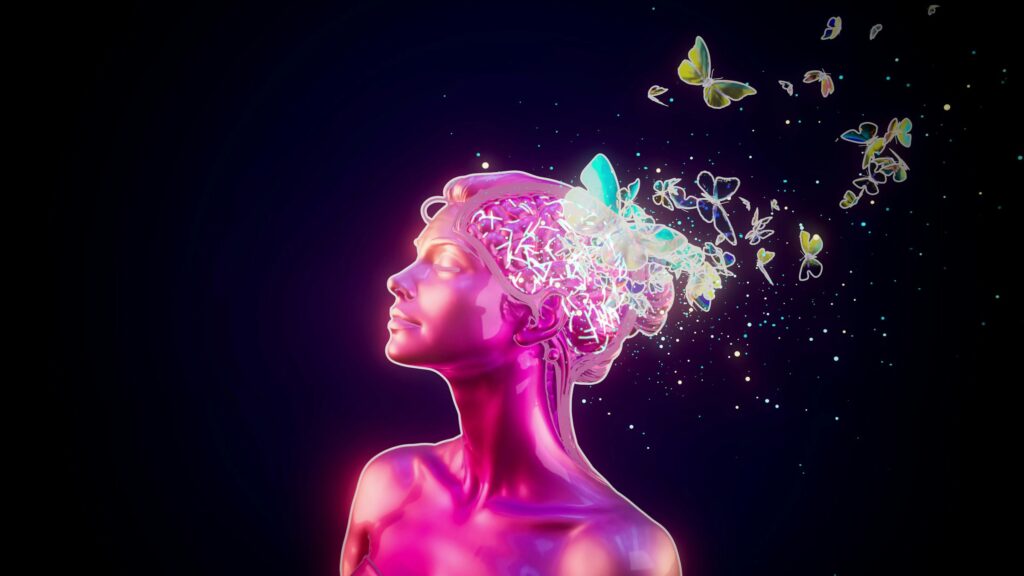
There’s a quietly unsettling idea hiding in modern neuroscience: what if the voice in your head that says “I chose this” is more like a commentator than a commander? Many brain scientists now argue that decisions might be largely made by unconscious neural machinery before we ever “feel” ourselves deciding. Yet the experience of choosing still feels incredibly real, intimate, and morally important.
This tension has turned free will into one of the most emotional and controversial debates in brain science. On one side are researchers who see human behavior as the inevitable outcome of biology and environment; on the other are those who insist that something crucial is missing from that story. Most of us live somewhere in the messy middle: we feel like real agents, but we also sense we’re deeply shaped by things we don’t control. Neuroscience, for better or worse, is now shining a flashlight into that uncomfortable gap.
The Strange Discovery That Your Brain “Decides” Before You Do
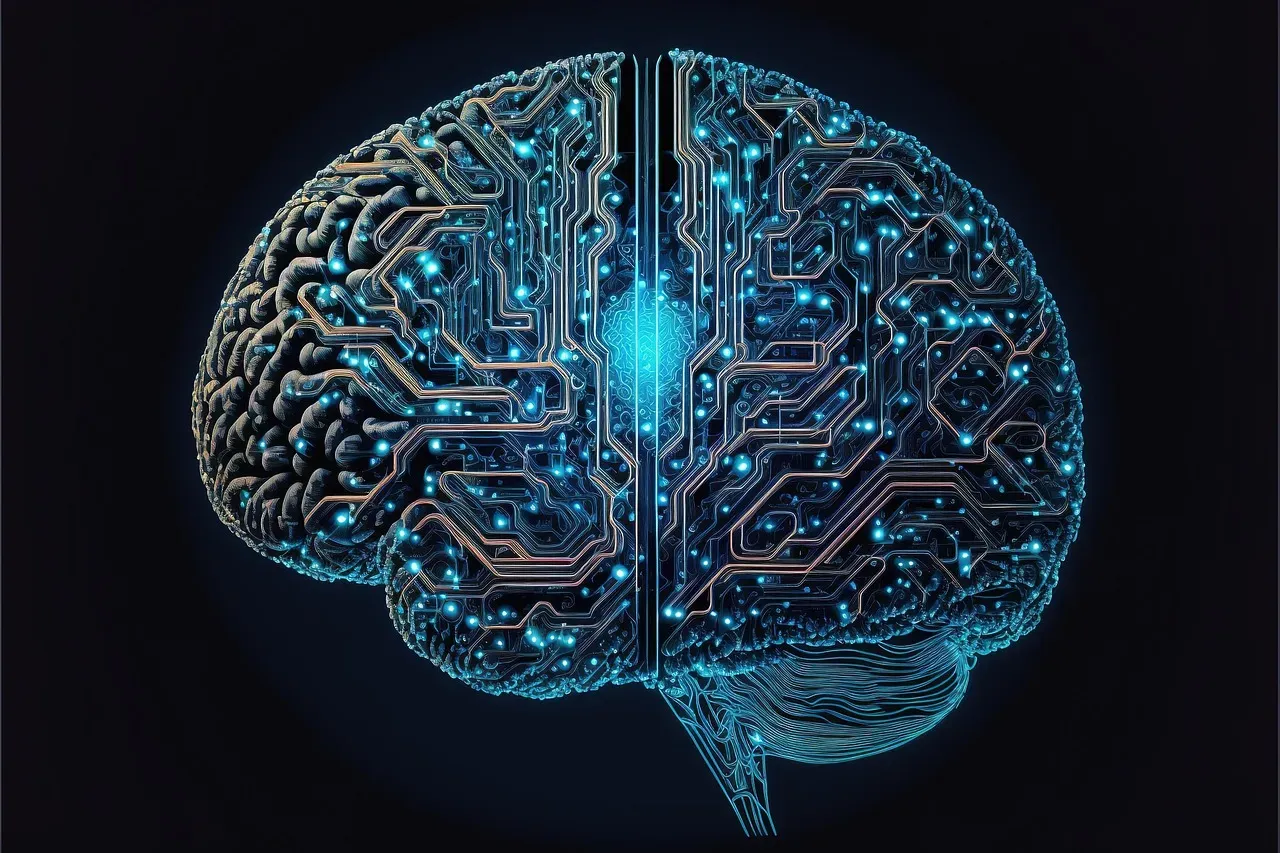
One of the most famous and provocative findings in this area comes from experiments showing that brain activity predicting a decision can be detected before a person reports consciously making that choice. In classic setups, people are asked to move a hand whenever they feel like it while watching a clock and reporting the moment they “decided.” Brain signals related to movement often ramp up a fraction of a second earlier than the reported decision time, which sounds eerily like the brain deciding before “you” do.
Later experiments using brain scanners pushed this gap even further, sometimes predicting which of two options a person would pick several seconds before they became aware of their choice. That does not mean everything in life is predetermined down to the last detail, but it does seriously challenge the simple picture of a conscious self sitting in the driver’s seat. The unsettling implication is that conscious intention might be more like a final headline slapped on a story that was mostly written backstage by neural processes you never saw.
Why These Experiments Do Not Actually Settle the Free Will Question
Despite how dramatic these findings sound, many philosophers and neuroscientists argue that they do not, by themselves, prove that free will is an illusion. The experiments usually involve trivial, low-stakes actions: flexing a wrist, pressing a button, or choosing between basically meaningless options. Everyday decisions about careers, relationships, or moral dilemmas are richer, slower, and shaped by long-term goals, values, and reasoning.
There is also a technical question about what these brain signals really mean. Some researchers see them as the forming of a decision, while others think they might reflect a build-up of random neural noise or preparation that could still be vetoed by conscious control. In that view, the conscious mind might not initiate every action but could still play a critical role in shaping, endorsing, or blocking what the brain is about to do. The science here is still very much a work in progress, not a closed case.
The Feeling of Agency: Why It’s So Powerful (And Sometimes Wrong)

The core of the controversy is not just whether decisions are determined by the brain, but whether our feeling of agency is accurate. Neuroscience and psychology have shown that the sense of control over our actions can be surprisingly malleable. In certain experiments, people can be tricked into feeling they caused events they did not actually cause, or into denying responsibility for actions they did perform, simply by manipulating timing or feedback.
There are also neurological conditions that disturb the normal sense of ownership over thoughts and movements. In disorders like alien hand syndrome, a person’s hand might perform complex actions without the person feeling in control of it. In other conditions, people may attribute their own inner speech to external sources. These cases do not show that free will never exists, but they reveal that the experience of control can be distorted, constructed, and sometimes disconnected from what is really happening under the hood.
Brains, Determinism, and the Old Debate with a New Vocabulary
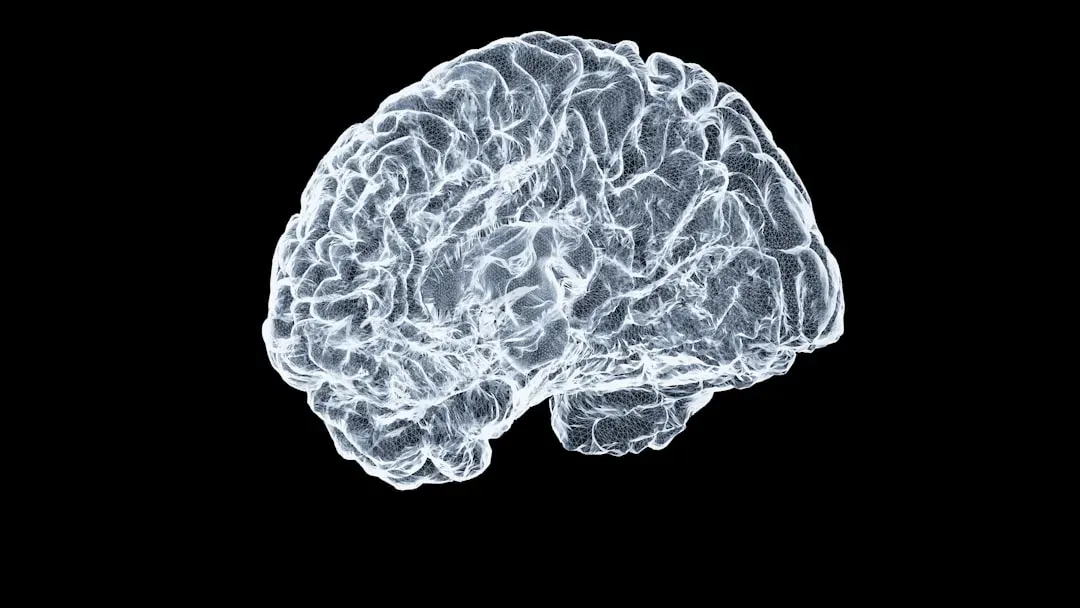
The free will debate long predates neuroscience; philosophers have argued for centuries about whether a world governed by cause and effect can contain genuine choice. What brain science does is add a new layer of detail about the machinery generating thoughts and actions. If every decision can, in principle, be traced to neural activity shaped by genes, development, and environment, then where exactly is the room for something we would call “free”?
Some thinkers embrace a hard determinist line, holding that once the state of the brain and the world is fixed, only one future is possible. Others argue for more nuanced views, suggesting that even in a determined system, complex beings like us can still be meaningfully responsible if our actions flow from our own reasons and character instead of external coercion. Neuroscience, in this sense, does not kill the discussion; it forces everyone to restate old arguments in far more concrete, biological terms.
Compatibilists: Maybe Free Will Is Not What You Think It Is

One of the most influential camps in this debate are the so-called compatibilists, who argue that free will can coexist with a determined brain and universe. Their key move is to redefine what matters: freedom is not about magical ability to step outside causality, but about acting according to your own motives, values, and long-term plans without being manipulated or forced. Under this view, the fact that those motives and values have physical roots in the brain does not automatically erase responsibility.
From a compatibilist perspective, the experiments showing unconscious brain activity before action do not destroy free will; they simply reveal that the conscious self is part of a larger, layered system. What matters is whether your decisions reflect who you are over time, whether you can respond to reasons, learn from mistakes, and change your behavior. You might not have total control over the raw materials life gave you, but you still shape what you do with them, and that is enough for many people to call it real freedom.
Why the Illusion View Still Refuses to Die
Despite these attempts to rescue free will, a growing number of scientists and philosophers lean toward the idea that our feeling of conscious control is largely a useful fiction. They point to the constant influence of genetics, upbringing, social pressures, and subtle priming effects to argue that we dramatically overestimate how independent we are. In this view, the brain constructs a narrative of choosing after the fact, stitching together a coherent story from processes we did not initiate.
There is a harsh honesty to this stance that I find both bracing and hard to swallow. On one hand, it pushes us to be more compassionate, recognizing that people’s behavior is deeply shaped by factors outside their control. On the other hand, if pushed too far, it risks draining everyday life of meaning, turning love, creativity, and moral courage into mere byproducts of wiring. The illusion view is powerful because it hits us where we live: right in the feeling that we are authors of our own story.
Responsibility, Law, and How Much Control We Really Expect

Whatever your stance on the philosophy, the stakes become very real when we talk about blame, punishment, and reward. Modern legal systems rest on the idea that people can, at least in many cases, choose to follow or break the rules. As neuroscience reveals more about brain disorders, impulsivity, addiction, and trauma, it becomes harder to draw a clean line between someone who “could have done otherwise” and someone who was deeply constrained by their biology and history.
This does not mean we should abandon responsibility altogether; societies still need rules, incentives, and consequences. But it does suggest we may need to think of responsibility more like a dimmer switch than an on-off button. Instead of asking whether someone had absolute free will, we might ask how much control they realistically had, what kinds of interventions actually help, and when punishment should give way to treatment or prevention. In that sense, neuroscience pressures us to make our moral and legal systems more humane, evidence-based, and honest about human limits.
Living as If You’re Free When Your Brain Is Calling the Shots

Here is the strange paradox I keep coming back to: even if every decision I make has a physical explanation in my brain, it still feels like my life goes better when I treat myself as an agent who can choose. Setting goals, resisting temptations, apologizing, forgiving, and trying again after failure all depend on the idea that change is possible. If you fully convinced yourself that you were just a puppet of neurons, it would be hard to muster the energy to improve anything at all.
So a kind of practical middle path emerges. You can accept that your mind is deeply shaped by biology and circumstances, while still leaning into tools that expand your effective freedom: therapy, education, meditation, supportive relationships, and better social conditions. In this sense, free will becomes less like a mysterious inner spark and more like a skill or capacity that can grow or shrink depending on how your life is structured. Even if the universe runs on causes, we can still fight for conditions that give people more room to steer their own story.
Conclusion: Why I Think Free Will Is Both Real and Redefined

If you came here hoping for a neat verdict on whether free will exists, neuroscience will disappoint you; the data do not hand us a simple yes or no. What they do show, convincingly, is that our old picture of a tiny conscious pilot pulling all the levers is wrong. Unconscious brain processes are fast, powerful, and constantly at work before we ever feel a decision, and the sense of agency can be bent or broken in surprising ways. Ignoring that would be like insisting the Earth is flat because it looks that way from your window.
Still, I think throwing out free will entirely is too quick and, frankly, too fatalistic. The feeling of choosing is not just a pretty lie; it tracks something real about how our brains integrate reasons, values, and long-term goals into action. For me, the most honest stance in 2026 is this: we are not the absolute authors of our lives, but we are also not mere passengers. We are co-authors with our biology, history, and culture, and acknowledging that mix can make us more forgiving of others and more demanding of ourselves. The real question may not be “Do we have free will or not?” but “How can we build a world where more people actually feel able to choose the kind of life they want?”