We all know we age, and we all know we die, but very few of us ever stop to ask the blunt question: what, exactly, fails at the cellular level that makes death basically unavoidable? It is not just some vague idea of “getting old” or “wearing out.” Inside your body, every second, there is a fierce and beautiful balancing act between damage and repair, division and decay, renewal and loss. Aging is what happens when, over time, this balancing act slips out of our favor.
If you have ever wondered why medicine can fix a broken bone, replace a heart valve, or even edit genes, but still cannot give us bodies that run smoothly for two hundred years, the answer lives in the small, stubborn limits of our cells. As you read, keep one question in mind: is aging really an unavoidable fate written into our biology, or is it a complex, somewhat negotiable side effect of how life works at the smallest scale?
The Hayflick Limit: Built‑In Cellular Expiration
![The Hayflick Limit: Built‑In Cellular Expiration ([1] Direct
StemBook Figure 1 Asymmetric cell division in Drosophila larval neuroblasts (NBs; on the left) and mammalian epithelia (on the right).Toledano, H. and Jones, D.L., Mechanisms regulating stem cell polarity and the specification of asymmetric divisions (March 31, 2009), StemBook, ed. The Stem Cell Research Community, StemBook, doi/10.3824/stembook.1.41.1, http://www.stembook.org., CC BY 3.0)](https://nvmwebsites-budwg5g9avh3epea.z03.azurefd.net/dws/40145737f512e57307fcaecc9faccc82.webp)
One of the most quietly brutal facts about our biology is that most of our cells have a hard cap on how many times they can divide. This is known as the Hayflick limit, and it is basically a cellular “punch card” that gets stamped every time a cell copies itself. After a certain number of divisions, the cell stops dividing and shifts into a state known as senescence, where it is alive but no longer pulling its weight in tissue repair.
Imagine a city where construction crews are only allowed to build a fixed number of houses in their entire career. At first, there are enough crews to fix potholes, replace roofs, and keep everything tidy. But after decades, more and more crews retire, and no new ones come in. Slowly the city decays, not because of a single disaster, but because routine maintenance collapses. That loss of cellular “maintenance workers” is one of the core reasons aging bodies cannot keep tissues young forever.
Telomeres: The Fraying Shoelaces of Your Genome
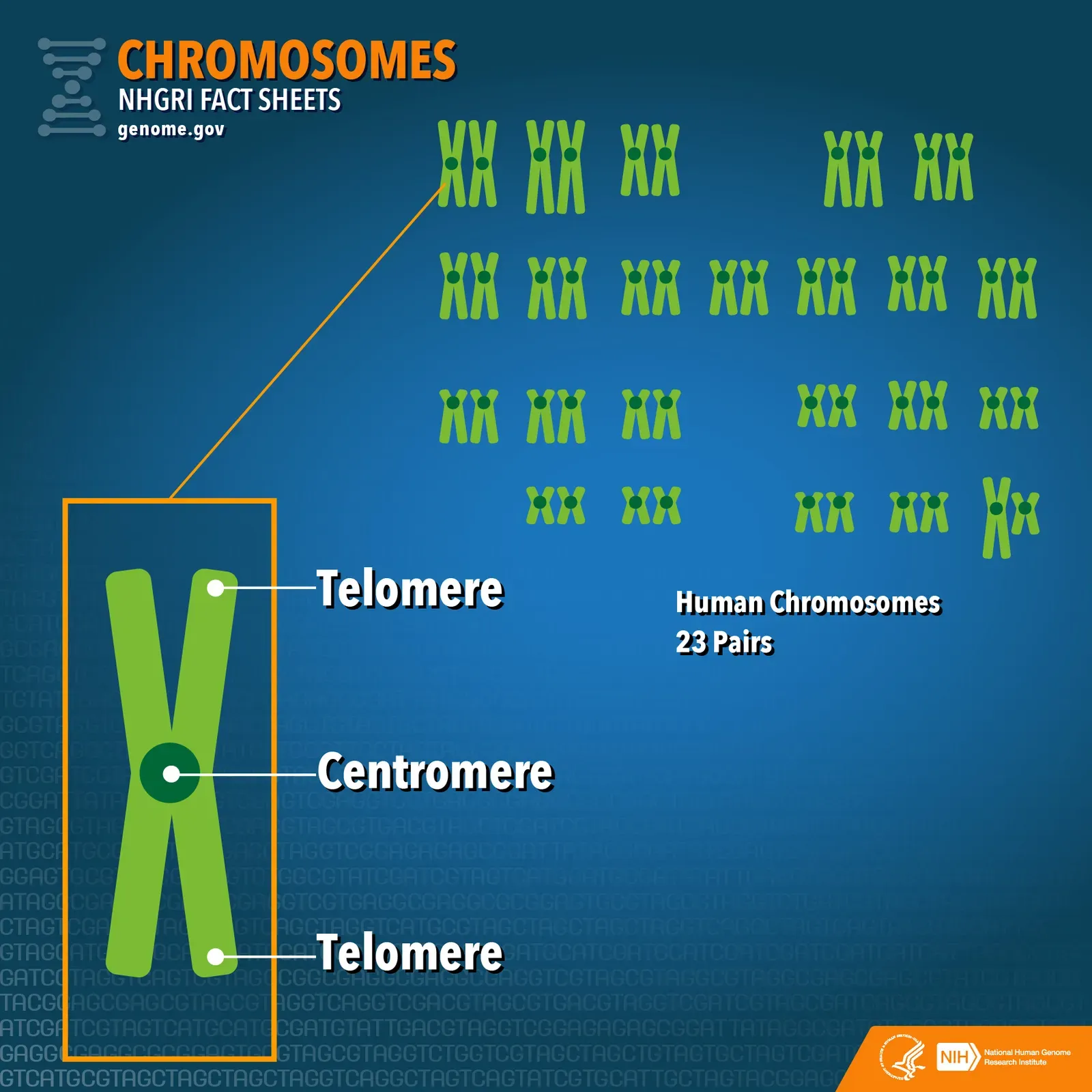
Every time a cell divides, it has to copy its DNA, and that process is not perfectly complete at the very ends of chromosomes. To protect important genetic information, our chromosomes are capped with telomeres, stretches of repetitive DNA that work like plastic tips on shoelaces. With each cell division, a bit of this protective cap is lost, and over time those caps get shorter and more ragged.
When telomeres become critically short, the cell senses this as danger and either stops dividing or self-destructs. It is a powerful tumor‑suppressing strategy, but it also means our regenerative capacity is slowly drained. You can think of telomeres as the “use‑by” dates on many of our cells: they delay catastrophe early in life but eventually signal that the product is no longer safe, nudging tissues toward dysfunction and, eventually, system‑wide failure.
DNA Damage and Mutation: The Slow Erosion of the Blueprint
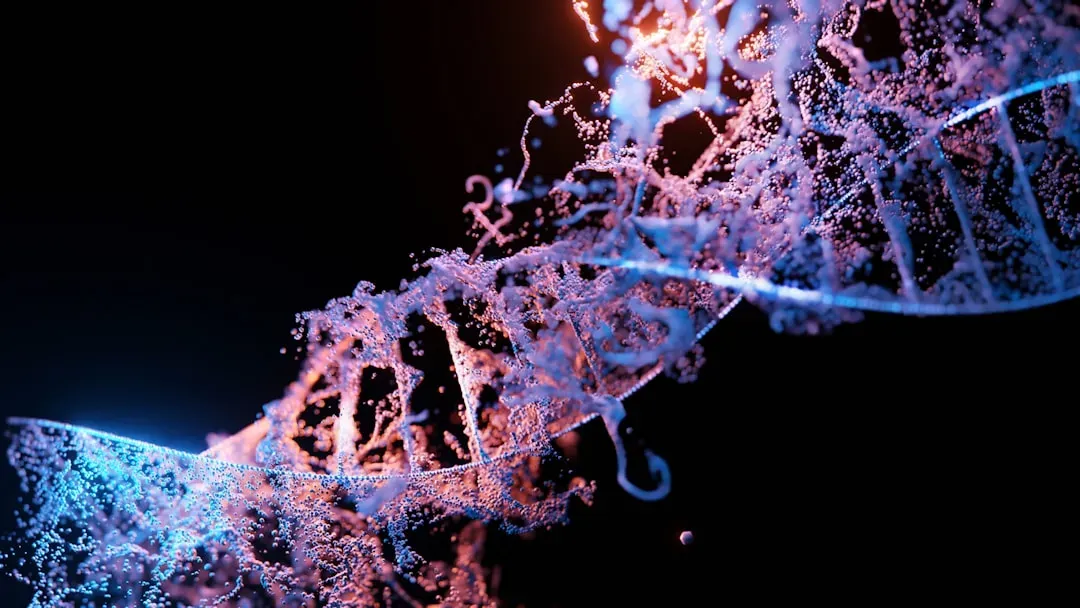
Your DNA is constantly under attack from radiation, chemicals, metabolic byproducts, and even normal replication errors. Thankfully, cells are equipped with sophisticated repair systems that patch up breaks and fix mismatches. Still, these systems are not perfect. Over the years, damage accumulates, and some of it slips past quality control, leading to small mutations scattered across the genome.
Early in life, when you have robust repair and plenty of cellular “backup copies,” the system can absorb these hits. As decades pass, the constant drip of damage chips away at the instructions that keep cells orderly and cooperative. Some cells become less responsive to signals, some forget how to function properly, and some turn cancerous. Eventually, the chance that one of these genetic misfires will push a critical tissue or organ past the point of recovery becomes high enough that death is statistically baked into the process.
Cellular Senescence: Zombie Cells That Refuse to Leave
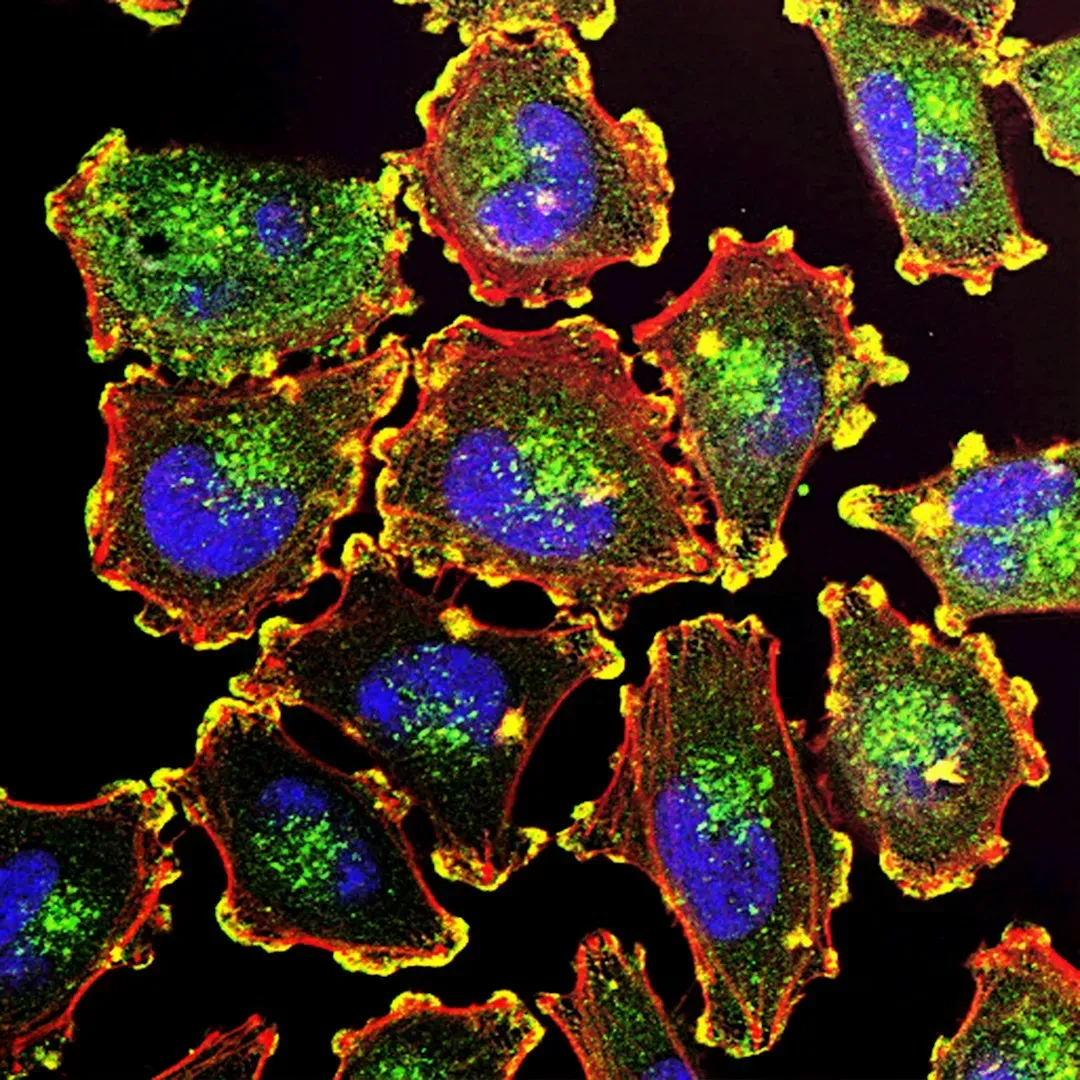
Senescent cells are a strange middle ground between life and death. They no longer divide, which is good for preventing runaway growth like cancer, but they also do not quietly disappear. Instead, many of them linger, secreting a cocktail of pro‑inflammatory molecules and enzymes that can degrade surrounding tissue. It is a bit like having retired workers who stay in the factory and start breaking equipment instead of mentoring the new hires.
As we age, these senescent “zombie” cells accumulate in organs and tissues. Their presence fans the flames of chronic, low‑grade inflammation and disrupts the behavior of otherwise healthy neighbors. Over time, this contributes to conditions like tissue stiffness, impaired wound healing, and organ decline. In a cruel twist, the very mechanism that helps keep us cancer‑free when we are young feeds into the slow, smoldering decay associated with old age and, ultimately, organ failure.
Mitochondrial Breakdown: When the Power Plants Falter
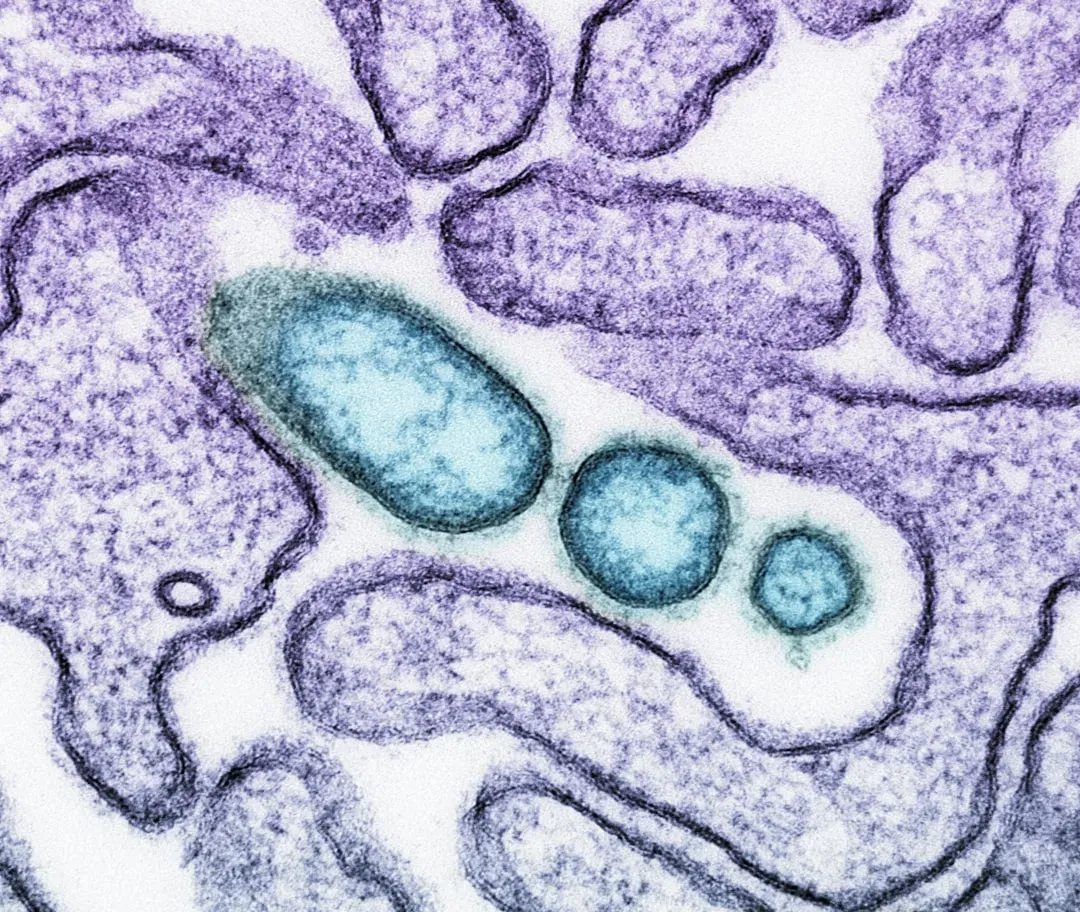
Mitochondria are the power plants of the cell, turning nutrients into usable energy. They also generate reactive byproducts, often compared to sparks from a fire, that can damage proteins, lipids, and DNA. Cells have ways to manage this, but as the years roll on, mitochondrial DNA accumulates mutations and the quality‑control systems that recycle broken mitochondria become less efficient.
The result is a vicious cycle: damaged mitochondria produce energy less efficiently and leak more damaging byproducts, which in turn harm the cell further. Tissues that depend heavily on constant, high energy – like the heart, brain, and skeletal muscles – are especially vulnerable. When enough of these high‑demand systems lose their energetic edge, the body’s ability to maintain stable function crumbles, and the odds of a fatal failure, like heart disease or neurodegeneration, go steadily up.
Loss of Stem Cell Function: The Drying Well of Regeneration
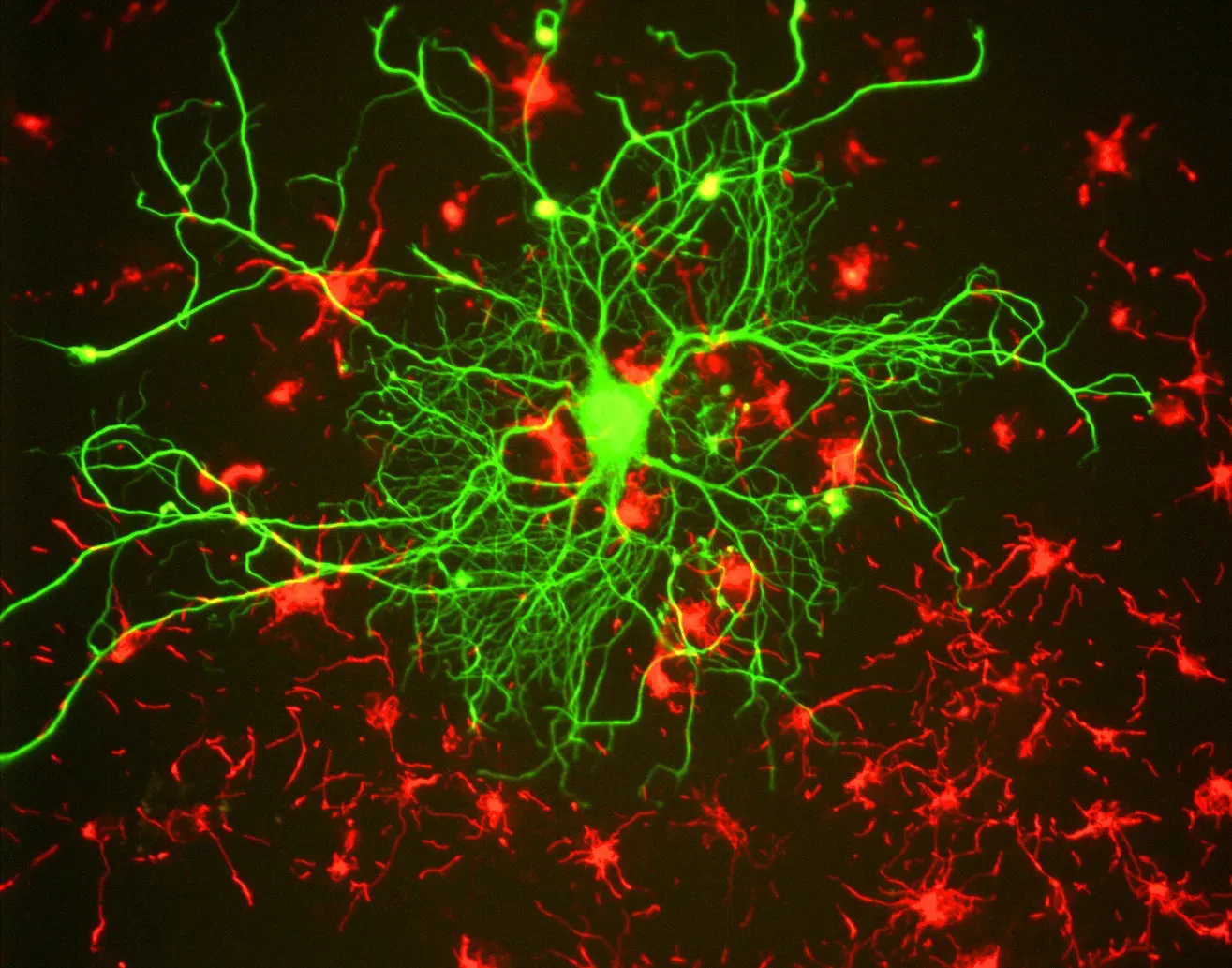
Stem cells are the body’s long‑term repair reserves, quietly replacing worn‑out cells in tissues like blood, skin, and the gut. In youth, these pools are active, flexible, and ready to respond to injury or stress. With advancing age, stem cells decline in number and function, and the signals that guide them become muddled. It is like a fire department that still exists on paper but has fewer trucks, older equipment, and broken alarm systems.
When stem cell function drops below a certain threshold, the body’s capacity to replace damaged or dead cells is simply not enough to keep up with daily wear and unexpected insults. Wounds heal slower, immune responses weaken, and organs lose their ability to recover from even moderate injuries. At some point, a stroke, infection, or heart attack that a younger system might have survived becomes a final, unrecoverable blow because the regenerative backup is no longer there to save you.
System‑Wide Dysregulation: When Homeostasis Finally Slips
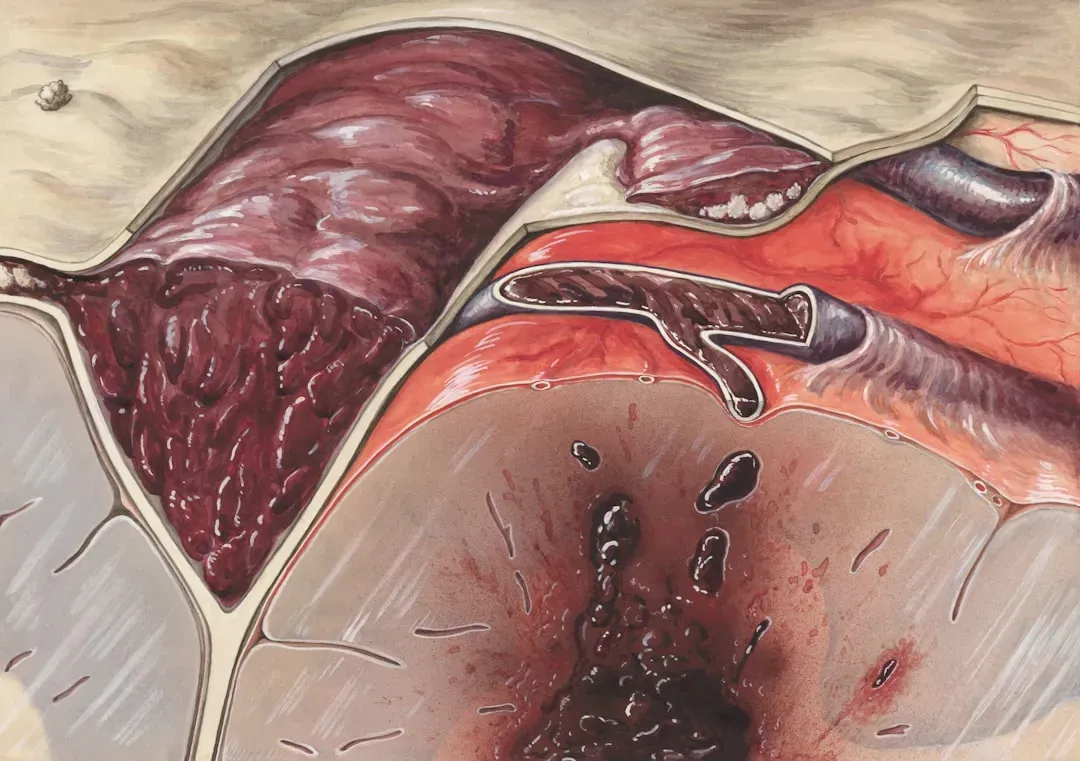
All of these cellular changes – shorter telomeres, DNA damage, senescent buildup, mitochondrial decline, stem cell exhaustion – do not act in isolation. They weave together into a gradual breakdown of homeostasis, the delicate internal balance of temperature, hormones, nutrients, and immune activity that keeps you alive. The body becomes less able to keep blood pressure stable, clear toxins, fight infections, and maintain a steady internal environment.
In practical terms, this means that where a younger person might bounce back from a severe infection or trauma, an older person is walking a far thinner tightrope. A single flu, a pneumonia, a small clot in the wrong vessel can tip the entire system into cascade failure. Death, then, is rarely due to one cellular mechanism alone; it is the final outcome of years of slowly fraying control systems that can no longer pull the body back from the edge when a crisis hits.
Conclusion: Aging as a Trade‑Off, Not a Glitch
When you zoom out from all the molecular detail, a provocative picture emerges: aging is not just a bug in the code; it is a trade‑off built into the architecture of life. The very mechanisms that protect us from cancer, enable rapid growth in youth, and allow complex multicellular bodies to exist come with long‑term costs. We get decades of robust function in exchange for a high likelihood that, sooner or later, our cellular systems will drift beyond repair. Personally, I find it oddly reassuring that death is not random cosmic cruelty but the predictable endpoint of a strategy that gave us consciousness, love, ambition, and everything else that makes a human life feel full.
That does not mean we are helpless. Research into senolytic drugs, telomere biology, mitochondrial repair, and stem cell rejuvenation is already nudging the boundaries of what a healthy lifespan can look like, even if immortality remains more science fiction than science. The deeper truth is that understanding why aging gives us a chance to push back, even if only by a few years or decades, and to make those extra years genuinely worth living. If you could slow your cellular clock without freezing life’s natural arc, how far would you actually want to go?