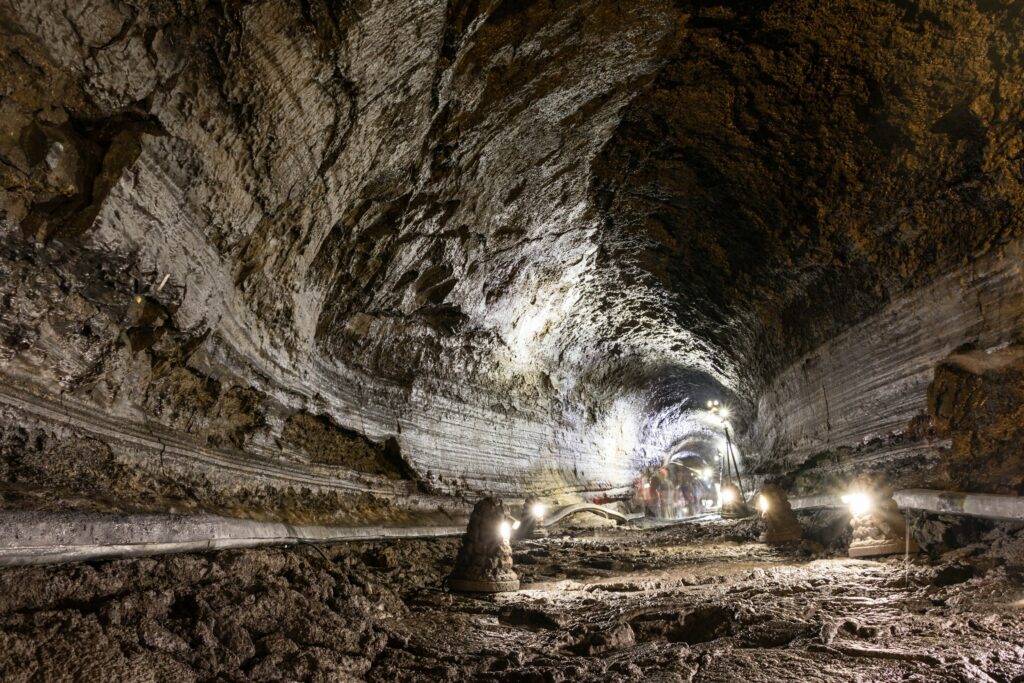
Imagine standing in a space so vast your brain keeps insisting it must be outdoors. Your eyes see rock, your ears hear dripping water, but your body swears you’re in some kind of underground sky. That’s what it feels like inside the world’s biggest cave chambers, places so enormous that people keep joking that whole cities could move in and still have room left for parks.
These aren’t small tourist caverns with a gift shop at the exit; they’re colossal voids carved by water, time, and geology on a scale that’s genuinely hard to imagine. Deep inside them, life has taken some very strange turns: blind fish, ghostly crickets, transparent shrimp, even entire ecosystems that never see the sun. Let’s walk through 11 of the most jaw‑dropping cave systems on Earth where city‑sized chambers exist – and peek at the bizarre creatures that actually call them home.
1. Sơn Đoòng Cave, Vietnam – A Vault Big Enough for Skyscrapers
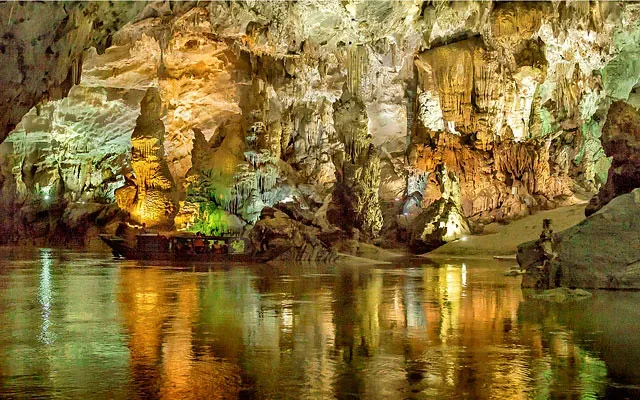
Sơn Đoòng, in Vietnam’s Phong Nha–Kẻ Bàng region, is the undisputed heavyweight champion of cave chambers. Its main passage is so massive that people have compared it to squeezing an entire Manhattan block underground, with room to spare for a couple of mid‑rise towers. Standing on the floor, you can watch clouds forming under the cave roof and see jungle trees towering from sunlit collapse dolines that punch through the ceiling like broken glass.
For all that size, what really hits you is that this isn’t just a void, it’s a world. Inside, there are isolated forests with their own climate, mists, and even weather‑like airflow patterns. Life has exploited this strange “underground open air”: ferns, mosses, and hardy plants blanket the skylit zones, while deeper in, pale insects, swiftlets, and bats navigate the dim corridors. Guides regularly point out eyeless cave crickets and small invertebrates clinging to rock and guano, quietly thriving in a place that feels more like science fiction than a real landscape.
2. Miao Room, China – The Underground Stadium of Gebihe
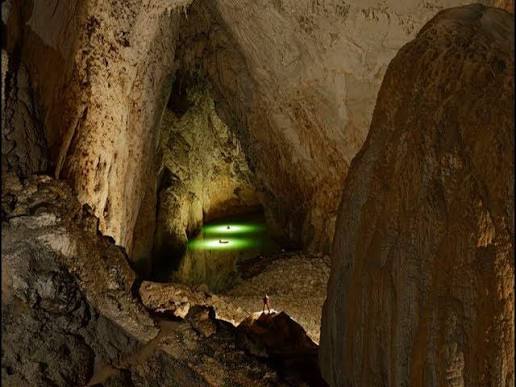
Hidden beneath Guizhou Province, the Miao Room in the Gebihe cave system is often described as an underground stadium, but that honestly undersells it. The chamber stretches so far that the far wall can dissolve into darkness, and its floor area has been likened to a dense urban neighborhood folded under stone. It’s the sort of space where the idea of painting lines for a dozen football fields feels almost modest.
This cavern owes its size to relentless water erosion chewing through soluble rock for incomprehensible spans of time, and that same process has created niches for life. In the damp crevices and pools, scientists have recorded cave‑adapted insects, spiders, and crustaceans, many with reduced pigmentation and eyesight. Bats and swallows find roosting spots high in the ceiling fractures, and microbial films cloak wet surfaces, doing the quiet, constant work of recycling nutrients in a world almost entirely cut off from sunlight.
3. Sarawak Chamber, Borneo – A Cave the Size of a Town Square… Times a Hundred
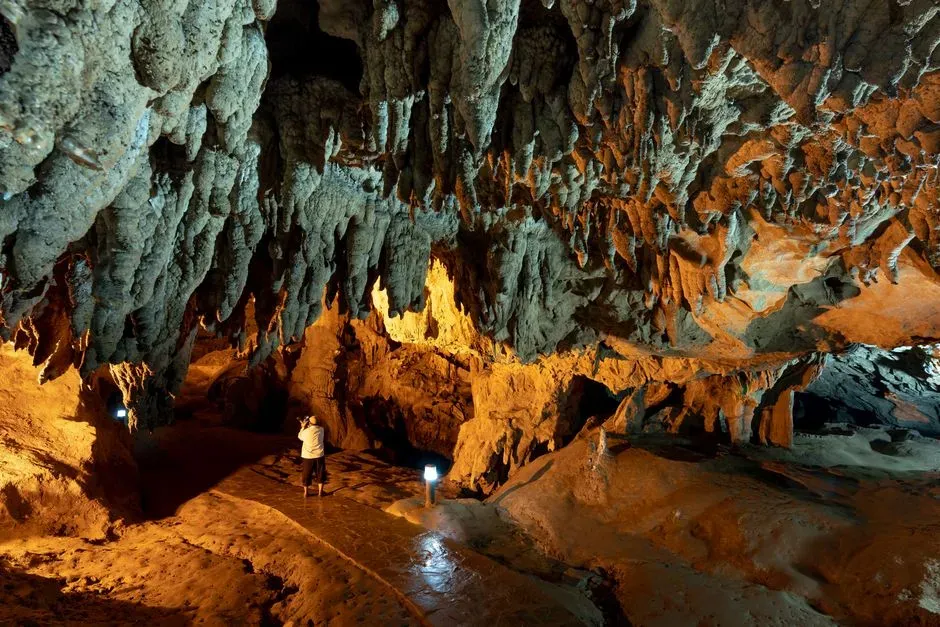
In Malaysian Borneo’s Gunung Mulu area, the Sarawak Chamber has long been the poster child for “too big to be believable.” Explorers crossing it have compared the experience to wandering an empty mining hall the size of a small town, only with no straight walls and a ceiling that disappears into black. Early expeditions struggled just to map its edges because distance and darkness play tricks on your sense of scale.
Despite feeling barren at first glance, Sarawak Chamber is stitched into a living cave network. Bats and swiftlets commute through nearby passages, and their droppings support entire communities of beetles, millipedes, and other scavengers on guano piles. Tiny decomposers, including fungi and bacteria, break this material down further, feeding even smaller organisms. It’s a food chain driven not by green plants but by animals that forage outside and drag their energy budget back underground with them.
4. Clearwater Cave System, Borneo – Mega‑Passages and Hidden Rivers
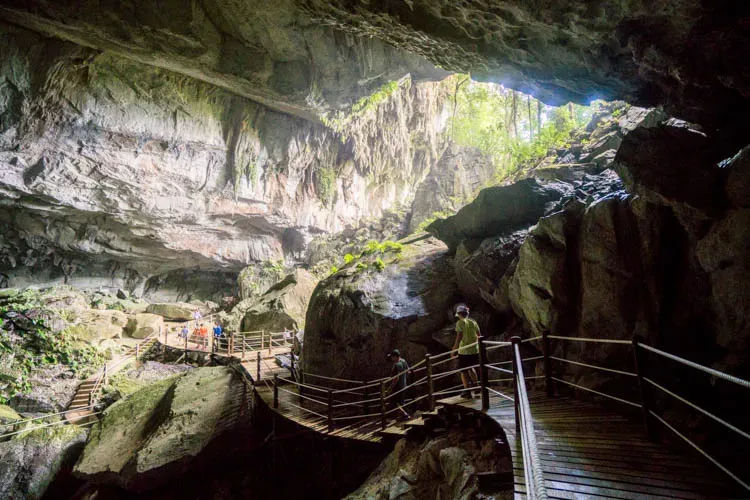
Also in the Gunung Mulu region, the Clearwater system is less about one single mega‑room and more about a sprawling network of oversized galleries and underground rivers. Some sections are so broad and high that you could imagine threading a highway through them, with hanging bridges crisscrossing overhead. Water roars and whispers through these voids, continually reshaping them and reminding visitors that gravity and groundwater still run the show.
Those rivers are lifelines for cave‑dwelling organisms. Blind fish and shrimp move through the dark currents, guided by touch and chemical cues rather than sight. Along the water’s edge, you’ll find cave crabs, aquatic insects, and pale worms feeding on organic particles washed in from the forest above. Higher in the drier ceilings and ledges, bats roost in huge seasonal numbers, their guano seeding little pockets of life where beetles, roaches, and mites form miniature cities of their own.
5. Mahendra Gufa–Type Caverns, South Asia – Temples Beneath the Mountains
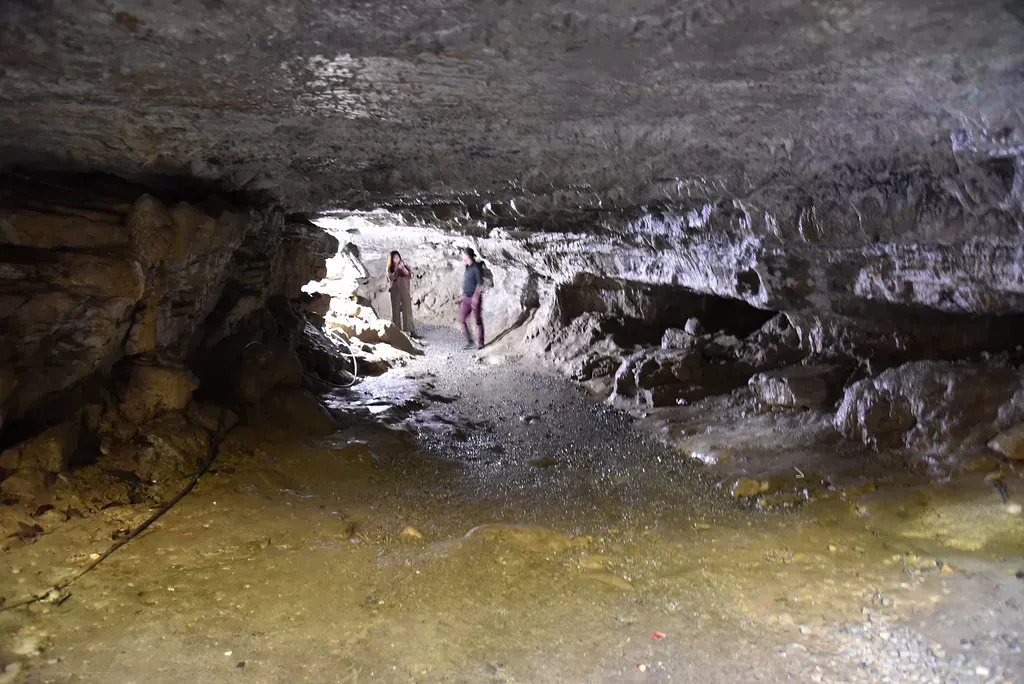
Across parts of South and Southeast Asia, giant limestone chambers often end up entwined with human culture, and Mahendra Gufa in Nepal is a good example of this type. While some of these caverns fall just short of the extreme record‑holders, their internal rooms and naves are still easily big enough to swallow large temples, public plazas, or dense blocks of housing. Walking into them feels like entering a natural cathedral, complete with soaring stone “columns” and echoing soundscapes.
Because they tend to be accessible and sometimes used as shrines or tourist sites, the wildlife in these caves has had to coexist with people. Bats, cave crickets, and spiders still occupy darker side passages and ceilings, while small microbat colonies often dwell in cracks that remain undisturbed. In pools and dripping zones, you may find frogs, insects, and occasionally fish that shuttle between surface and subsurface, blurring the line between fully cave‑adapted species and opportunistic visitors just using the cave as shelter.
6. Lechuguilla Cave, USA – Crystal‑Lined Mazes in the Desert
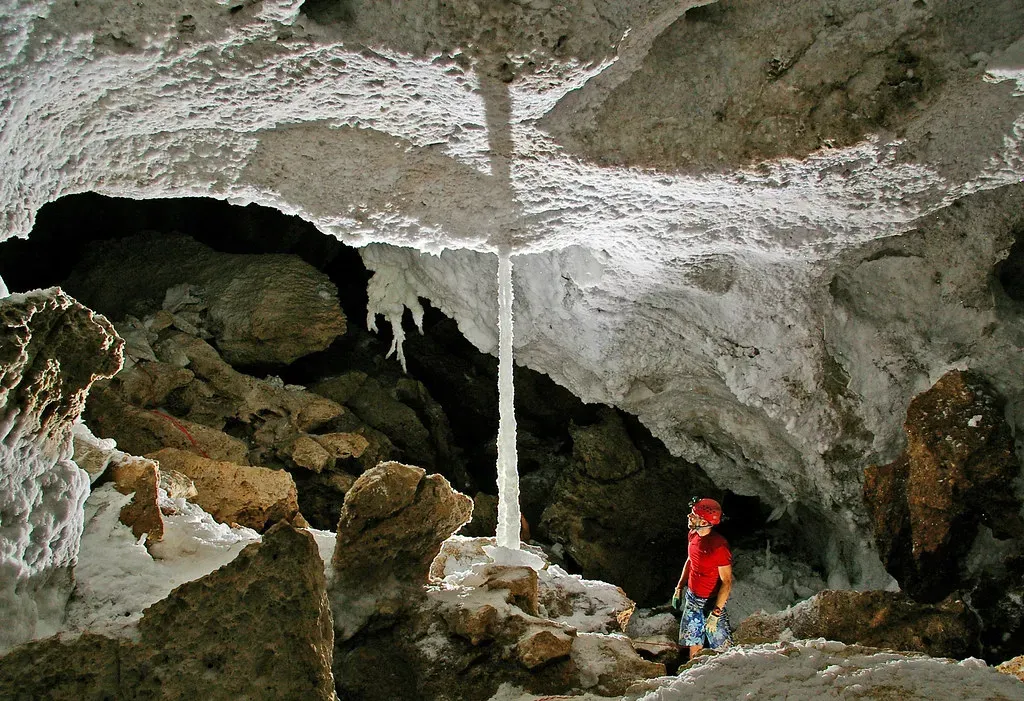
New Mexico’s Lechuguilla Cave doesn’t advertise a single monster hall in quite the same way as Sơn Đoòng or Sarawak, but many of its chambers are cavernous enough that, if you hollowed out a chunk of city block and tucked it inside, it would look perfectly at home. The real twist here is not just size but decoration: some of these rooms are lined with extraordinary formations like gypsum chandeliers, delicate “soda straws,” and surreal mineral shapes that look almost biological.
What lives here is as strange as the scenery. Deep in Lechuguilla, scientists have studied microbes thriving in water isolated from the surface for long periods, feeding not on sunlight but on chemical energy stored in minerals. On a more familiar scale, small arthropods such as beetles, millipedes, and pseudoscorpions have been recorded, many showing classic cave adaptations like pale coloring and elongated limbs. It’s one of those places where the living world feels more like a laboratory of evolution than a standard checklist of animals.
7. Sistema Sac Actun and the Yucatán Giants, Mexico – Sunken Cities in Karst
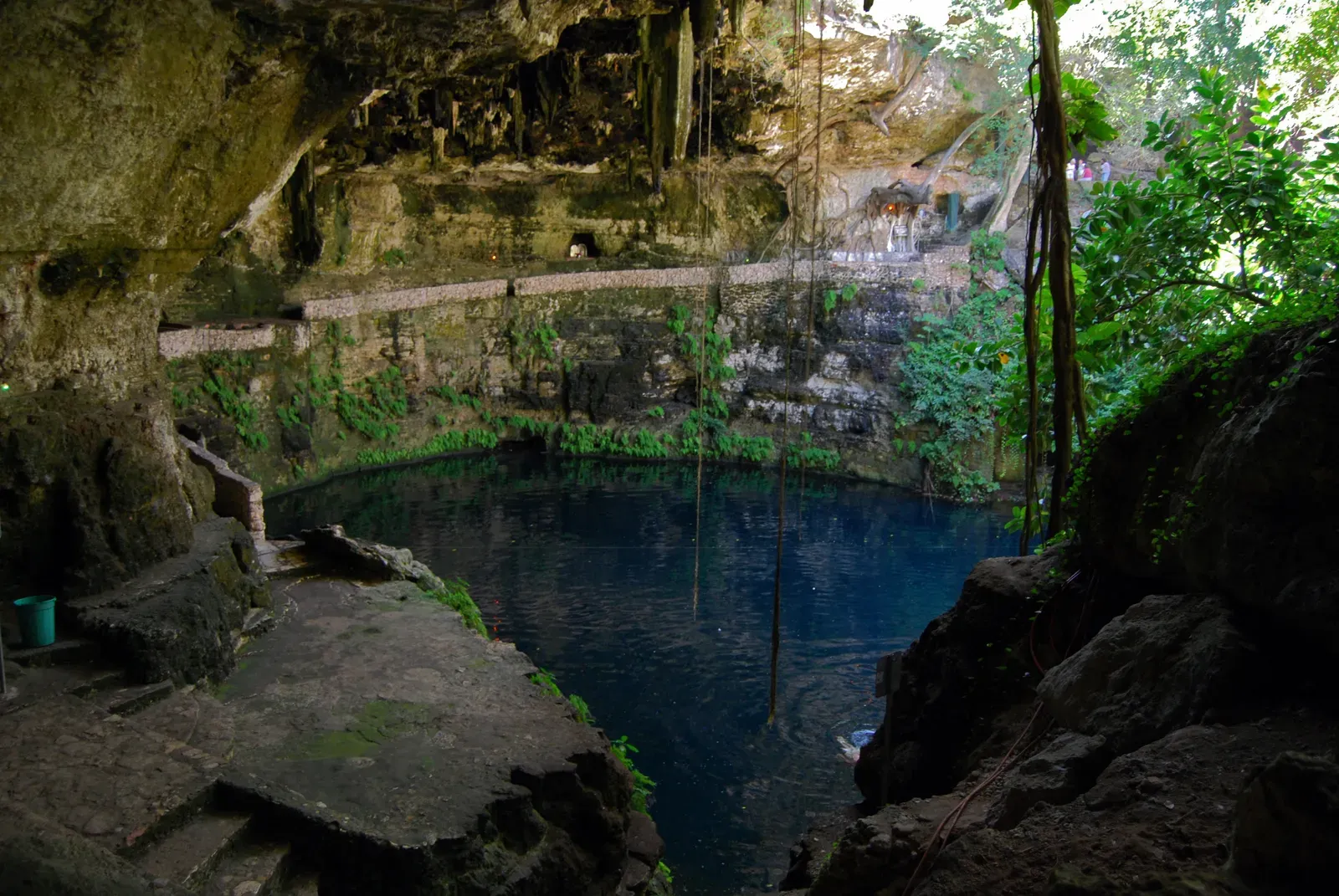
Beneath Mexico’s Yucatán Peninsula lies an interconnected web of cave systems like Sac Actun and Dos Ojos, with sprawling chambers linked by flooded tunnels. Some of the air‑filled sections and collapsed cenotes form spaces so voluminous that you could imagine hanging multi‑story buildings from the ceiling and still having open water below. When you dive or snorkel here, you’re essentially moving through partially drowned caverns that feel like submerged city plazas.
The life in these caves is wildly varied because they mix fresh water, salt water, and air in complex ways. Divers have documented blind cavefish, translucent shrimp, and other crustaceans navigating the haloclines where fresh and salt layers meet. Bats roost in the upper vaults, dropping guano into the water where fish and invertebrates pick it apart. Even tree roots hang down from the surface jungle, delivering organic matter and literally stitching the world above to the world below.
8. Eisriesenwelt and Ice Mega‑Caverns, Europe – Frozen Cathedrals Under the Hills
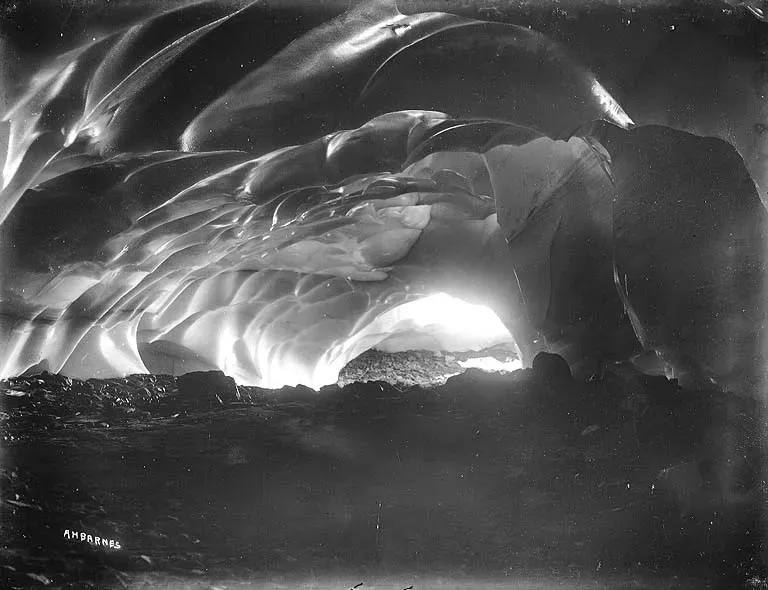
Europe’s great ice caves, such as Eisriesenwelt in Austria, combine large‑scale chambers with thick deposits of ice that turn them into seasonal frozen kingdoms. The biggest halls, while not always breaking world size records, are easily grand enough to hold city squares or indoor arenas, with towering frozen columns and gleaming floors. Walking through them can feel like stepping into an underground glacier housed inside a stone shell.
Life here has to deal with cold, seasonal variations and frequent human visitation. Most large animals are absent from the deepest ice zones, but near entrances and milder sections you’ll find bats, moths, spiders, and beetles taking advantage of stable temperatures. Microorganisms are the real survivors in the ice itself, where hardy bacteria and fungi can persist on tiny amounts of organic material trapped in the frozen layers. In a sense, these caves are archives, storing both ice and microscopic life like pages in an underground history book.
9. Skocjan and the Karst River Giants, Slovenia – Where Rivers Vanish Into Underground Canyons
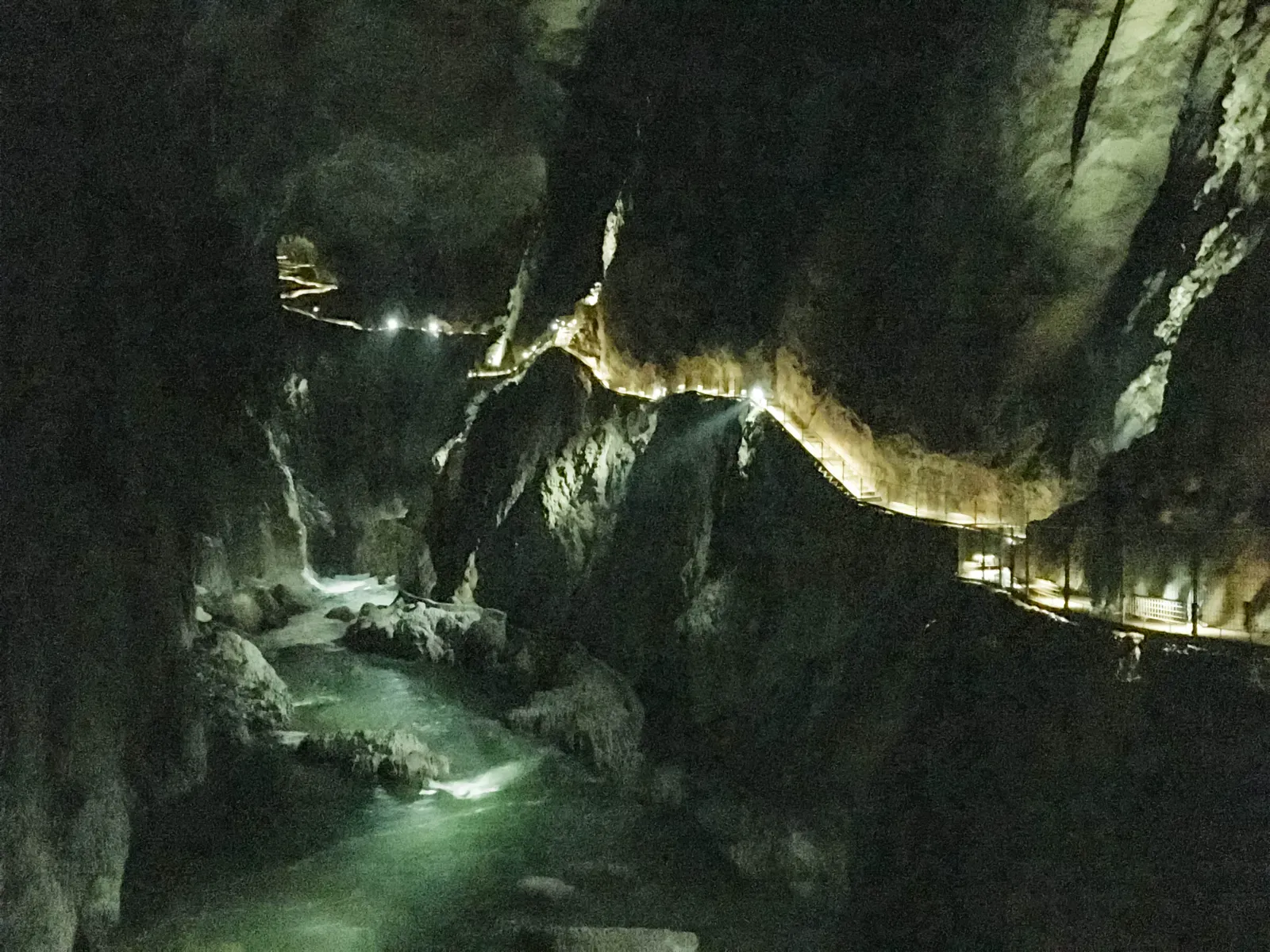
The Skocjan cave system in Slovenia showcases what happens when a powerful river decides to run underground. The main chambers and canyons are so high and wide that you could imagine suspending multiple levels of pedestrian bridges like a stacked metro system inside, with the river roaring at the bottom. Lights on modern walkways feel almost absurdly small in such a grand natural architecture.
That underground river is the spine of the ecosystem here. Fish, amphipods, and other aquatic invertebrates occupy the water, while along the drier ledges bats cluster in colonies, emerging at dusk to hunt insects outside. Walls, boulders, and guano deposits support communities of beetles, millipedes, and springtails, many of which are specialists in cave life. Even though tourists pass through some sections daily, large stretches remain relatively undisturbed, leaving room for wildlife to keep following their own ancient schedules.
10. Majlis al Jinn–Type Pits, Oman – Vertical Gateways to Giant Halls
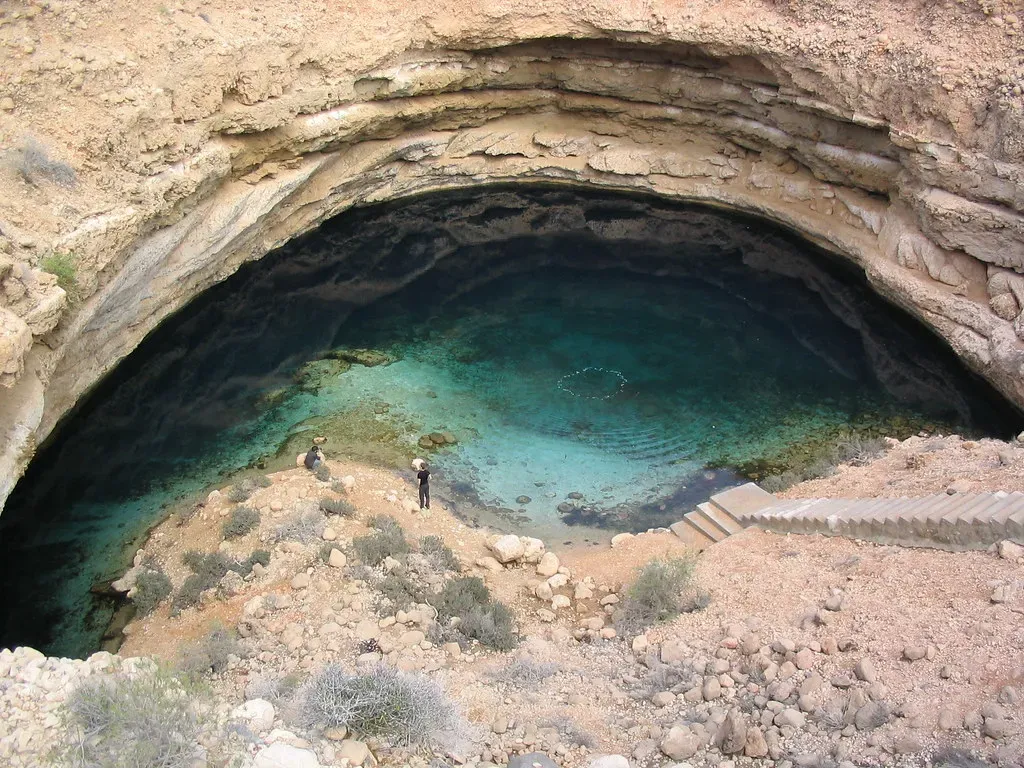
On Oman’s plateau, massive vertical sinkholes like the one historically known as Majlis al Jinn open into chambers that defy normal human scale. Imagine dropping a skyscraper down a shaft and still having room to fly a helicopter around it; that’s roughly the kind of volume we’re talking about. The chamber walls curve and plunge in a way that makes your inner ear rebel, and the distant floor can look almost like an alien desert.
Because access is mostly vertical and difficult, these caves are far less disturbed than more tourist‑friendly systems. Life tends to be sparse but specialized: occasional bats, insects, and spiders cling to cracks and ledges where organic debris accumulates. In some similar pits, seasonal water pools can host ephemeral communities of invertebrates that spring to life when rains deliver nutrients from the surface. It’s a reminder that even in what looks like a stone void, biology is poised to exploit any trickle of energy that makes it down the hole.
11. Chicxulub Impact Caves, Mexico – City‑Scale Voids in an Ancient Crater
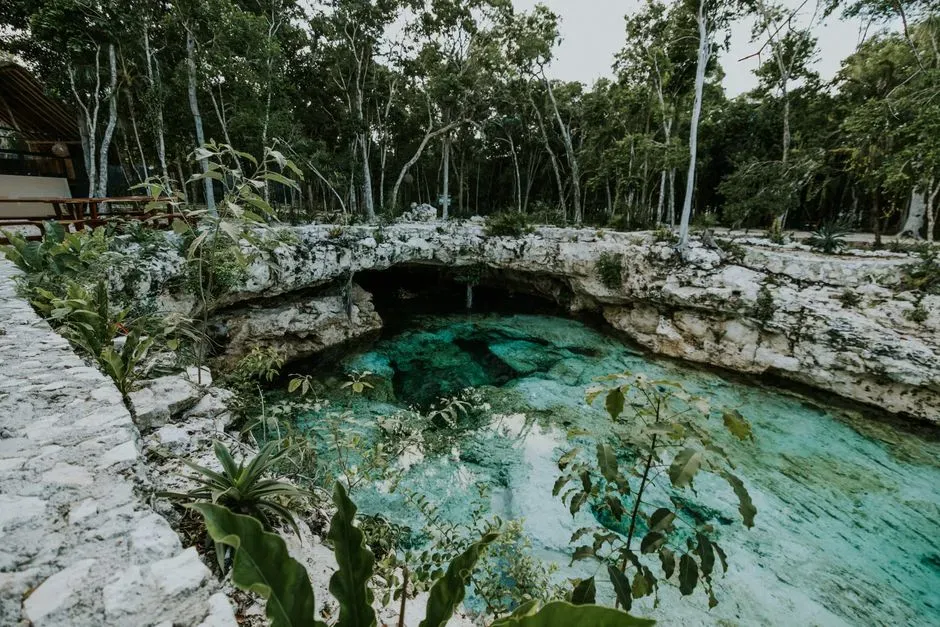
On the fringes of the buried Chicxulub impact crater in the Yucatán, networks of huge karst chambers and sinkholes trace the fractures left by the asteroid event that helped end the age of dinosaurs. Some of these connected halls and cenotes are large enough that you could imagine building entire waterfront districts along their edges if they were magically transplanted to the surface. Their geometry is controlled not only by dissolving limestone, but also by the ancient shock patterns locked into the rock.
Life here is a strange mix of surface species and deeply adapted cave fauna. In flooded sections, divers have encountered blind fish, pale shrimp, and other invertebrates cruising through the darkness, while overhead, bats use drier chambers as roosts. Microbial mats cling to rock and sediment, sometimes feeding on chemical gradients rather than sunlight. There is something almost poetic about the idea that a catastrophe that once wiped out so much life left behind fractures that now shelter entire hidden communities.
Conclusion: Cities of Stone, Citizens of Darkness
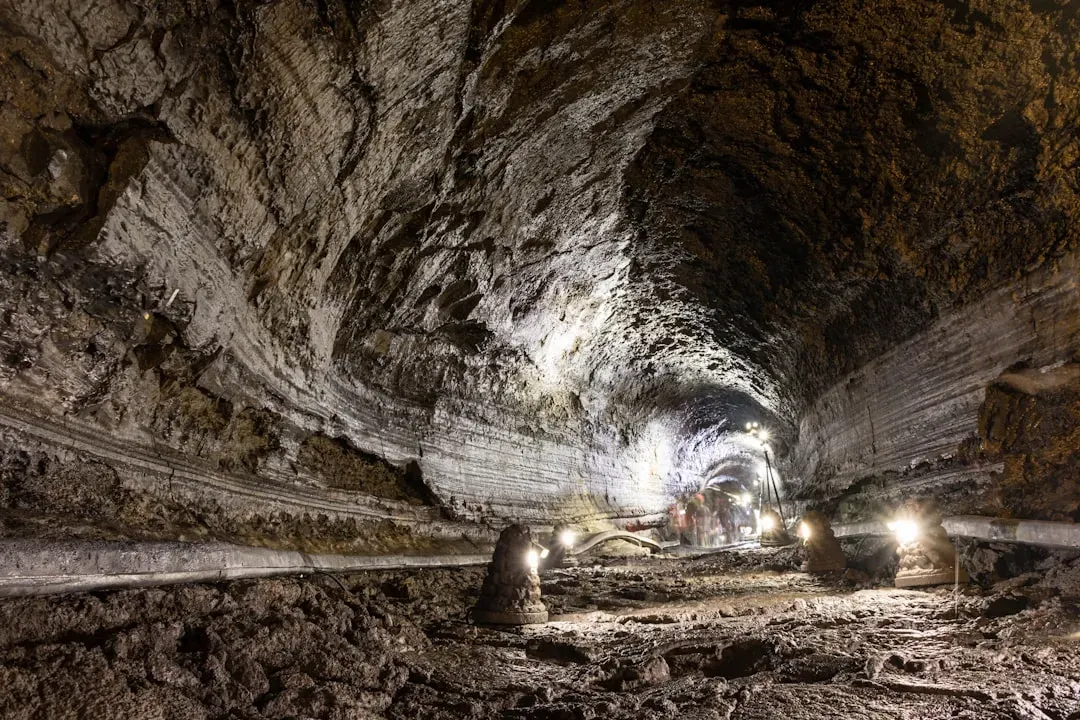
It’s tempting to think of these giant caves as empty rooms waiting for human use, future underground cities in the making. The deeper I look into them, though, the more I feel that they are already populated – not by us, but by bats, blind shrimp, ghostly insects, and microscopic chemists quietly running their own civilizations. In a way, we’re the visitors in their metropolis, walking through their streets with our headlamps and helmets, staying just long enough to be amazed before we vanish back to the daylight.
If there’s one opinion I’ve come away with, it’s this: the grandest architecture on Earth is not the skyscraper skyline, it’s the hollowed‑out planet beneath our feet, shaped by water and time and then colonized by life that never needed the sun. Whenever someone suggests filling these vaults with human infrastructure, I can’t help feeling it would be like paving over a cathedral to build a parking garage. These spaces have been wild for far longer than we’ve been around; maybe the most respectful thing we can do is to visit lightly, marvel honestly, and then leave them to the quiet creatures who have already called them home for thousands of years. Would you still picture a city down there – or can you finally see the one that is already alive in the dark?