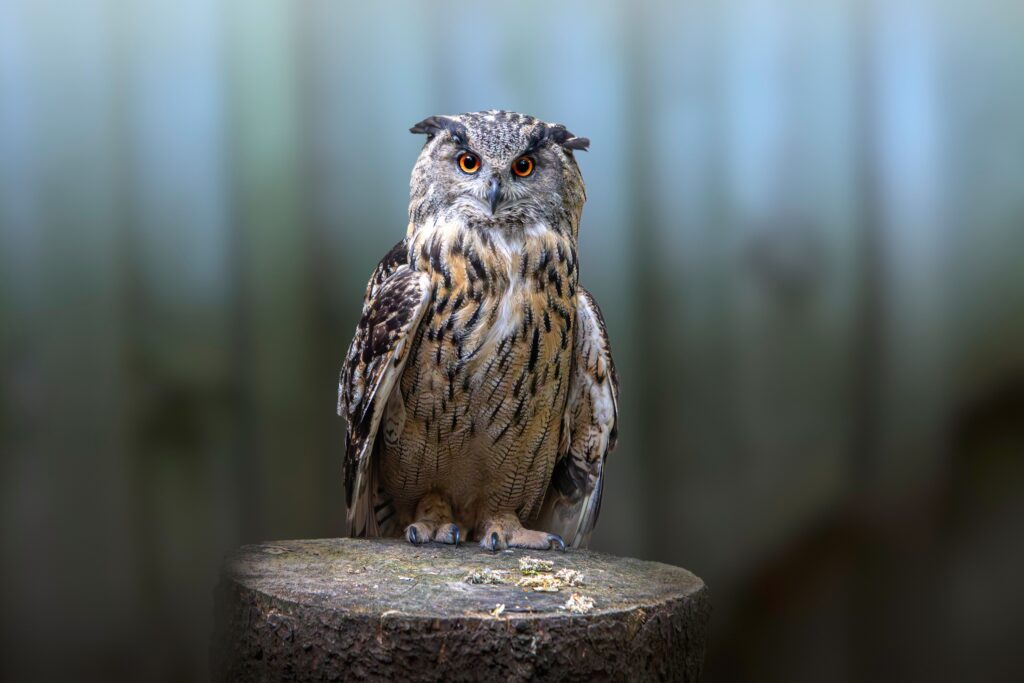
You probably do not forget the first time you lie awake at night and realize an owl is calling just outside your window. When it happens again the next night, and then again, it stops feeling random and starts to feel personal. In the hills and hollers of Appalachia, people have taken that feeling seriously for generations. In this region, where folk belief weaves into daily life as tightly as wood smoke into clothes, an owl calling outside your house is rarely dismissed as background noise. You are not just hearing a bird; you are hearing a sign. The question is what sort of sign you choose to hear.
The Owl as a Messenger Between Worlds
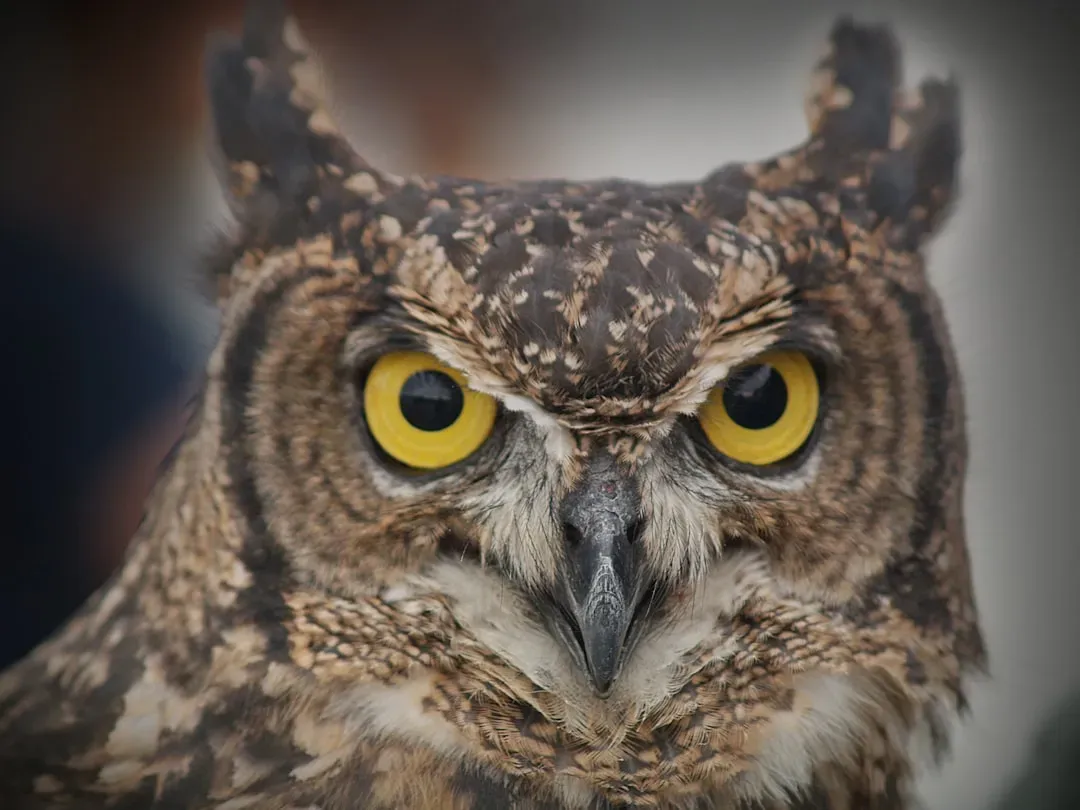
In Appalachian folk tradition, you are often taught that owls do not just belong to the forest; they belong halfway between this world and the next. When one calls close to your home on several nights in a row, older stories say it may be carrying a message from beyond, especially if you already feel unsettled, sad, or preoccupied with someone who has passed on. The owl’s wide, unblinking stare and silent flight add to the feeling that it sees more than you do.
You might notice how the call cuts through the quiet like a question you have been avoiding. Appalachian lore tends to link repeating signs with unresolved business, so if that owl seems determined to stay near you, tradition nudges you to ask what you are not facing. You may not get a clear answer, but just paying attention and reflecting on your own life is part of how this belief works.
Omens of Death, Illness, and Serious Change
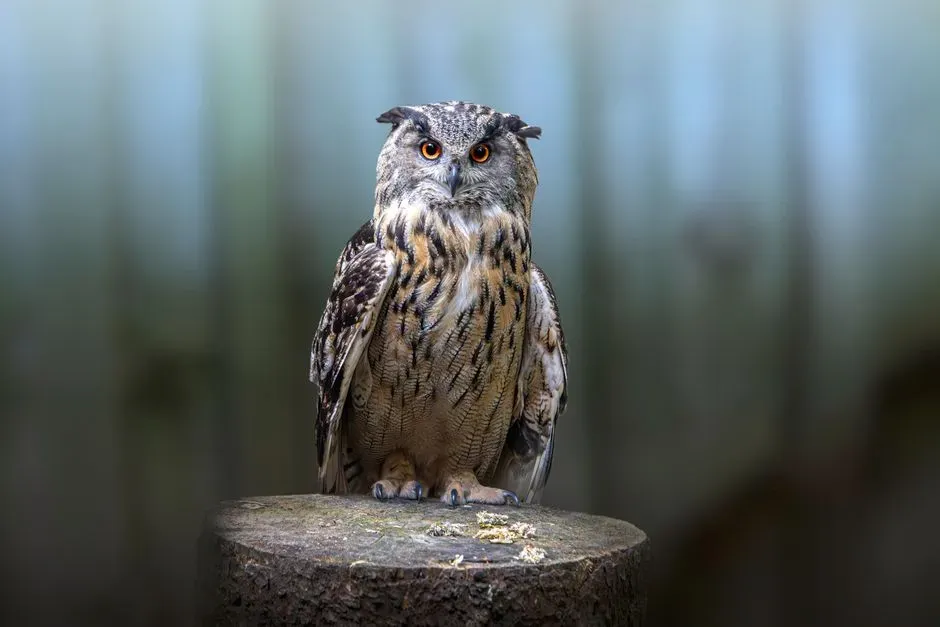
Among the most intense Appalachian beliefs is the idea that an owl calling repeatedly near your house can warn of death or serious illness. If you talk to older folks, you may hear stories of someone hearing an owl for several nights and then a relative falling sick, or a funeral happening soon after. These stories stick because the timing feels eerie, and once they are told, you start to listen differently when the hooting starts.
If you take this tradition seriously, you may find yourself checking on older relatives, driving a little more carefully, or simply moving through your day with a sharper sense of vulnerability. Even if nothing bad happens, the belief still affects your choices. In a way, the superstition functions like a psychological alarm bell, causing you to pay closer attention to the fragile people and fragile moments in your life.
Warnings About Your Own Choices and Path
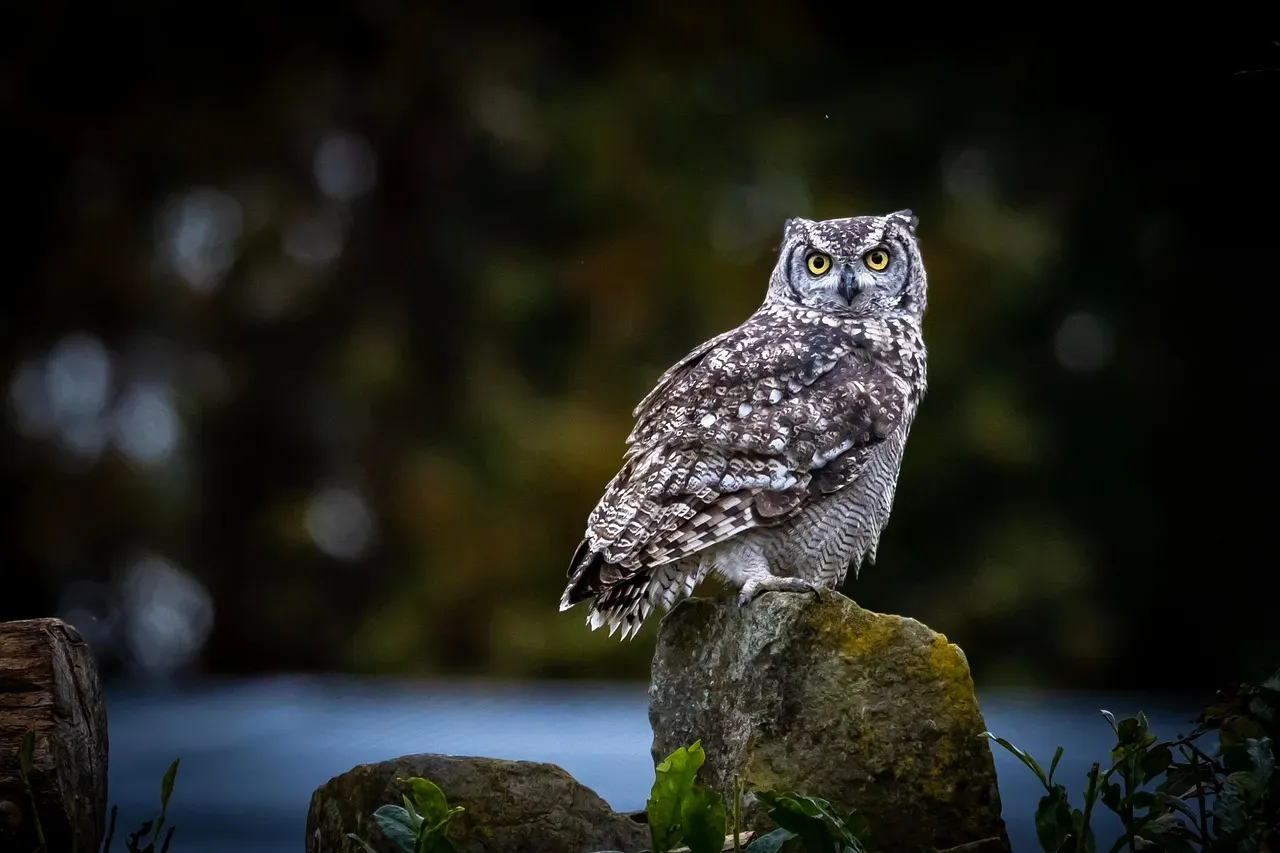
Not every Appalachian interpretation of owl calls is about literal death. Sometimes, the “death” is more symbolic: the end of a habit, a job, a relationship, or a version of yourself that you have outgrown. If an owl seems to choose your bedroom window night after night when you are already on the edge of a big decision, you might feel pushed to see it as a warning or a nudge.
In that frame, the owl is not out to scare you, but to make you stop drifting. You might ask yourself where you are refusing to change, or which situation in your life feels like it is rotting on the vine. Appalachia’s storytelling culture often wraps practical wisdom in spooky language, so a warning from an owl can be another way of saying that you need to pay attention to the crossroads you are standing at right now.
Connections to Witches, Cunning Folk, and Mountain Magic
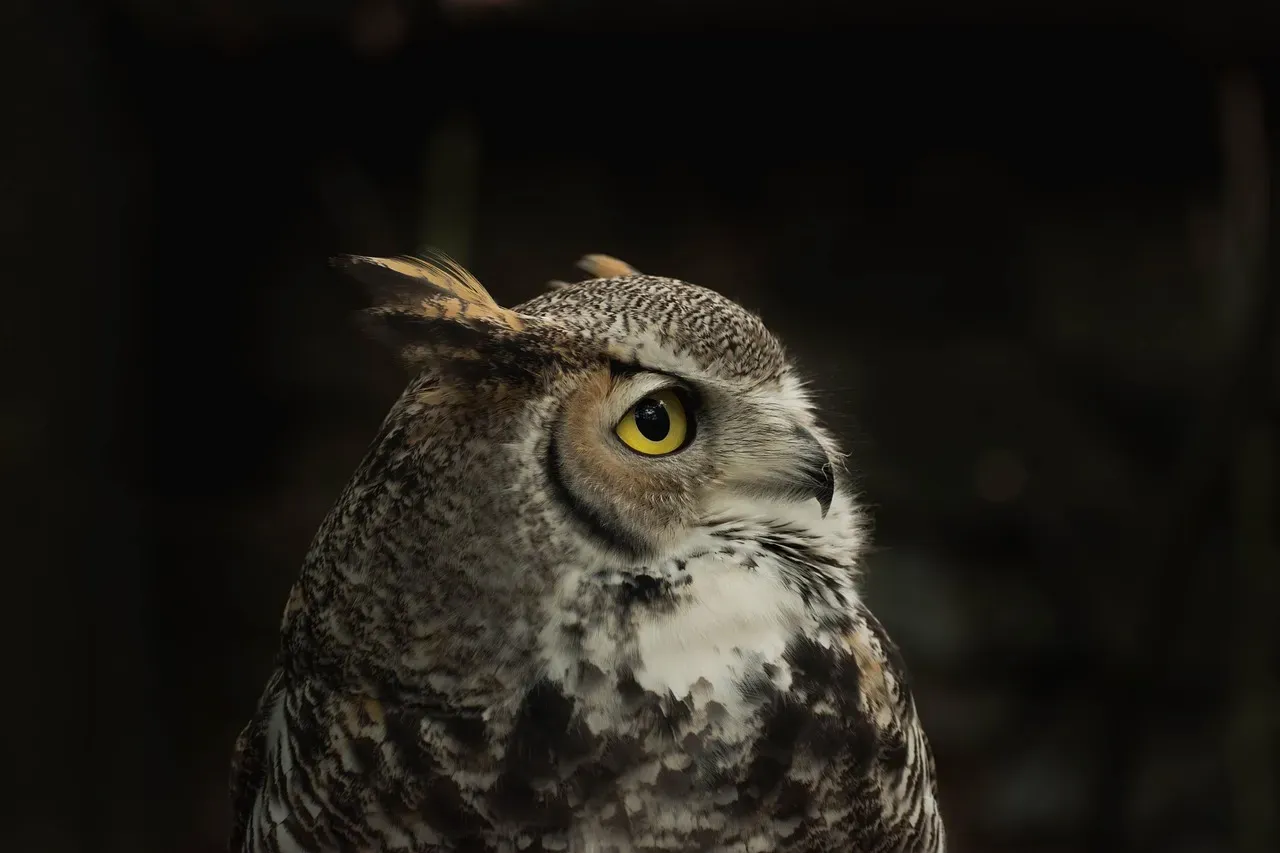
In old Appalachian stories, owls sometimes show up alongside tales of witches, conjure workers, or “granny women” who know herbs and charms. You might hear that a witch can take the form of an owl, or send an owl as a spy or a warning. If you live in a community where people still trade these tales, an owl crying outside your window multiple nights in a row can feel like you are being watched by something more than wildlife.
On the gentler side of mountain magic, some people see the owl as a helper that belongs to wise women and healers, a sort of feathered ally that appears when spiritual work needs to be done. If you lean toward that view, you might treat the repeated calls almost like a knock on a hidden door, encouraging you to explore your dreams, your intuition, or the old remedies and rituals in your family line. Either way, the owl becomes tangled up with human power, not just animal behavior.
Night, Fear, and How Your Mind Fills in the Blanks
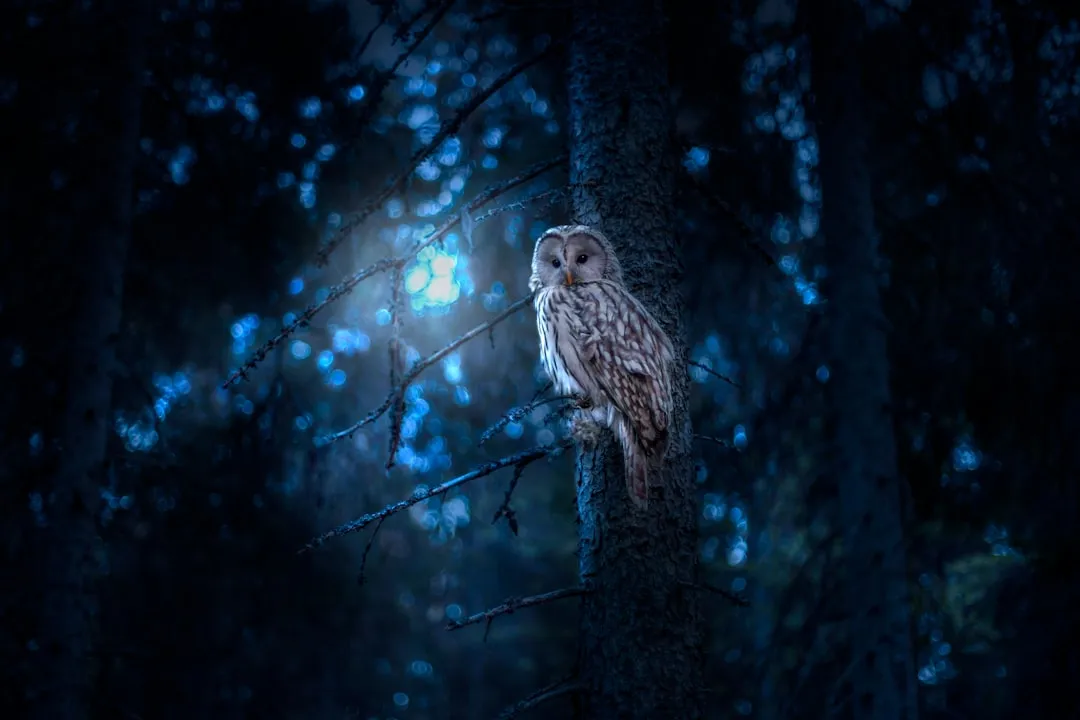
There is a reason many Appalachian owl beliefs tilt dark: night in the mountains used to mean real danger, from steep slopes to wild animals to isolation. When you listen to an owl call across a hollow, the sound echoes in a way that makes the forest feel endless, and your house feel small. Your mind naturally starts to project its fears into that sound, especially if you are already anxious or grieving.
You may notice that the owl’s call seems to match whatever mood you are in. On a calm night, it might sound soothing or mysterious; on a worried night, it might feel like a threat. Appalachian folk tradition grew out of generations who had to listen closely to survive, so they turned these reactions into stories and rules. When you inherit the beliefs, you also inherit that habit of filling in the dark with meaning.
The Natural Reality: Territory, Mates, and Food
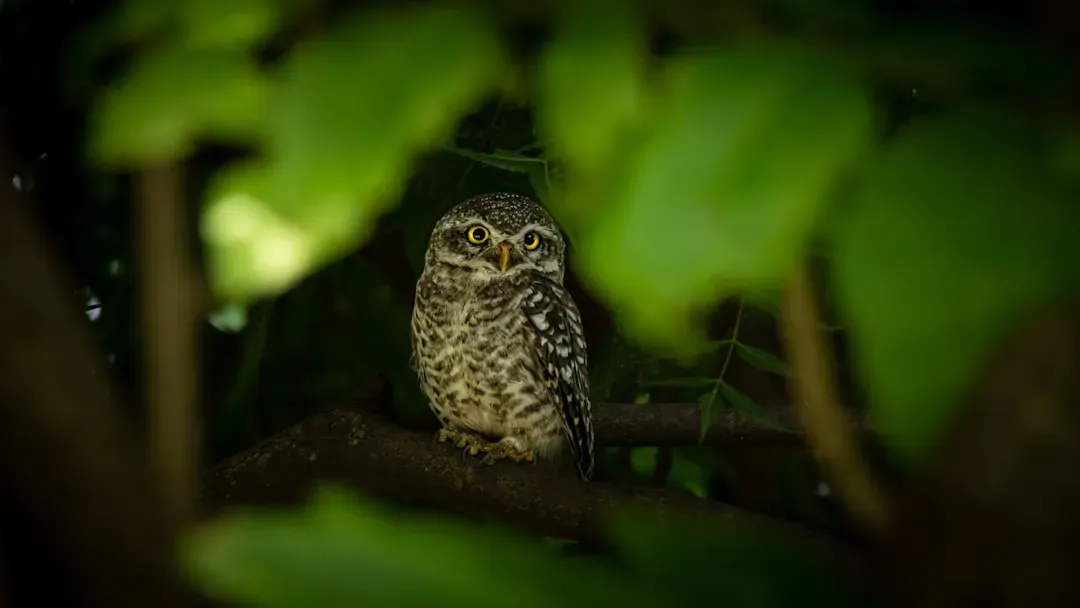
If you step back from the folklore for a moment, you find a simpler explanation for why an owl might call outside your window on consecutive nights: it is probably working its territory. Many owls stay loyal to certain hunting grounds and perches, and if your yard has good trees, less light, and plenty of prey like mice or small rabbits, you have basically rolled out a welcome mat. You are hearing it because you happen to live inside its nightly route.
Sometimes, repeated calling lines up with breeding season, when owls are searching for or talking to mates and defending their space. To your ears, it feels like a message for you; to the owl, it is more like posting a “keep out” sign or flirting loudly with a neighbor. Knowing this does not have to ruin the magic. It just reminds you that nature is busy living its own life, even while you layer your stories on top.
Finding a Balanced Way to Respond to the Calls
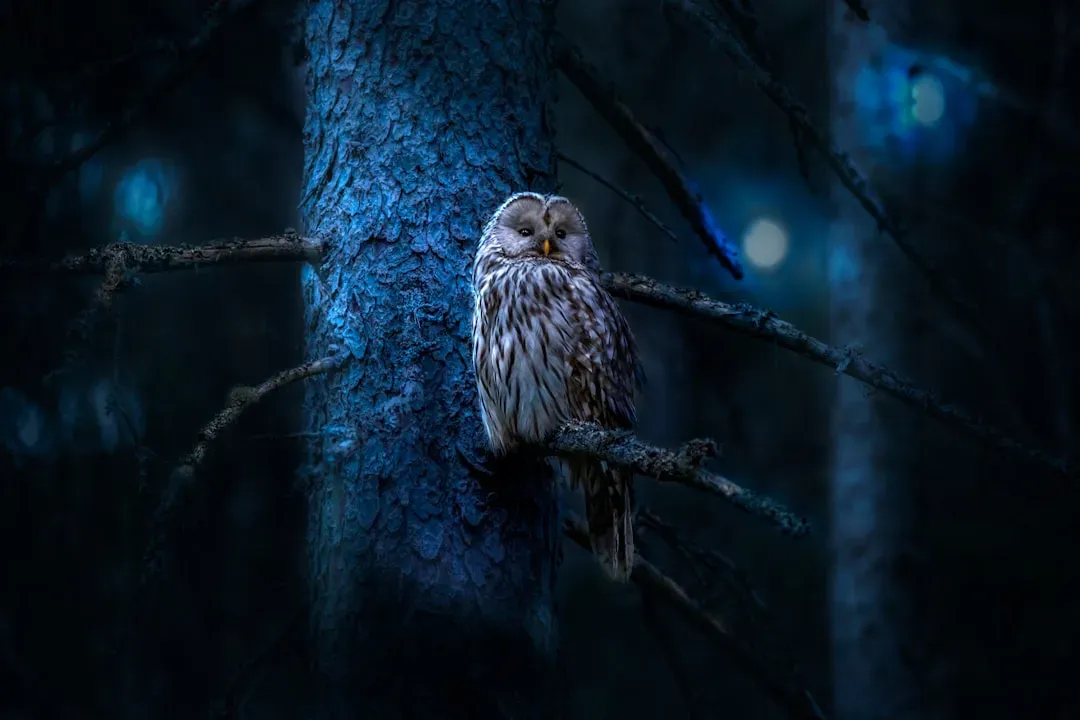
When you combine Appalachian tradition with what biologists know, you end up with a more grounded way to interpret those late-night calls. You can let yourself feel the chill, remember the stories you have heard, and still recognize that a bird is behaving like a bird. If the calls make you think about your health, your older relatives, or your choices, you can use that as a prompt to act with more care and kindness without assuming disaster is guaranteed.
On a very practical level, you might also respond by dimming outdoor lights, keeping pets safe at night, or taking a quiet moment on the porch to simply watch and listen. Treat the owl as a neighbor you respect, not a force you have to fight or worship. In doing that, you keep the heart of Appalachian belief alive: you pay attention, you stay humble, and you remember that your life is threaded through the lives of the wild things around you.
Conclusion: When the Owl Keeps Calling Your Name
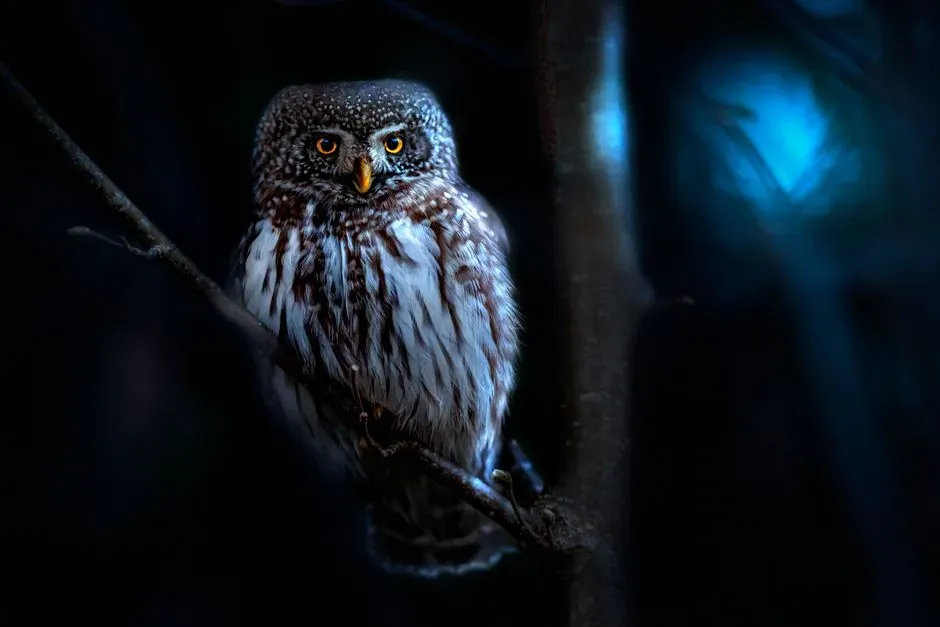
So when an owl chooses your window for its stage night after night, Appalachian tradition invites you to listen with more than your ears. You are stepping into a long line of people who have taken such moments seriously, hearing in that haunting call a reminder of mortality, mystery, and the need to wake up to your own life. You do not have to believe every dark omen to let the sound stir something honest in you.
Maybe the owl brings a warning, or maybe it simply brings you back to the present, where you can check on someone you love, face a decision you have been ducking, or finally sit quietly with your own thoughts. In the end, the meaning you take from those consecutive nightly calls may matter more than any superstition. The next time you hear that echoing voice in the dark, what story will you choose to tell yourself about it?