
You know that strange, slightly embarrassing moment when you walk into a room, stop, and think, “Wait… what was I doing?” It hits you like your brain just briefly unplugged from reality. The headline idea that this might be your consciousness hopping to a parallel memory timeline sounds wild, but it taps into something you feel every day: your mind is not a simple, single-track recorder. It’s more like a busy airport, with flights (your thoughts) constantly taking off, landing, and sometimes being rerouted mid-air. In this article, you’re going to look at what science actually says about these memory glitches, what’s speculation, and where the fun parallel-timeline metaphor still captures something emotionally true about the way your mind works. You’ll see how your brain constantly juggles multiple “versions” of what you intend to do, how context can both help and sabotage you, and why that blank moment in the doorway might say more about how powerful your brain is than how broken it feels.
The doorway moment: glitch in the Matrix or ordinary brain feature?

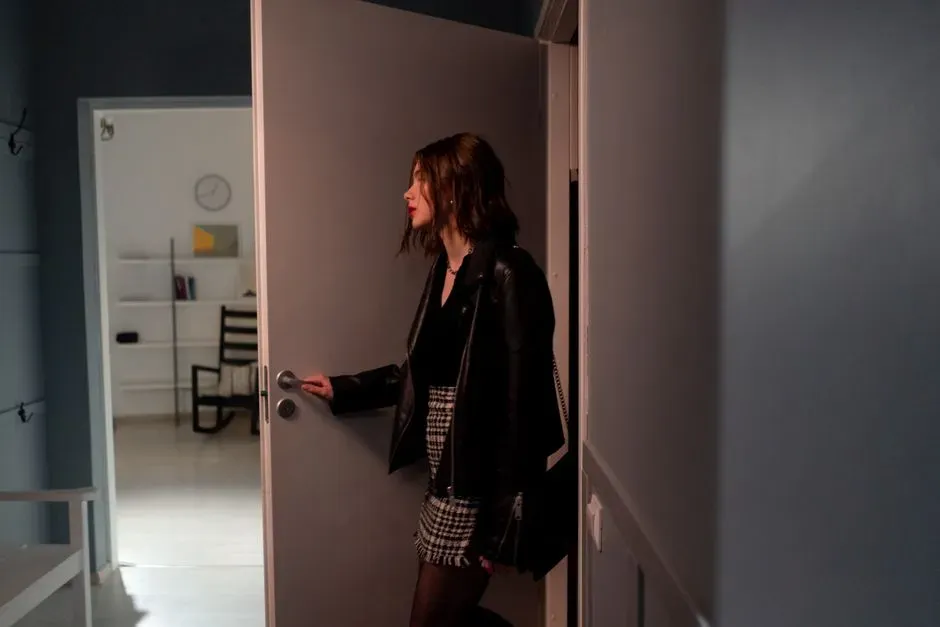
When you forget why you walked into a room, it feels like a sci‑fi moment, as if your personal universe just forked and you landed in the wrong version. You step in, your mind goes blank, and suddenly you’re staring at the furniture like it owes you answers. That feeling is so unsettling because your sense of self is tightly tied to having a clear, continuous story of what you’re doing and why. What’s actually happening is less mystical but no less fascinating. Your brain is constantly updating your “current mission” in the background, and transitions between spaces are like chapter breaks. Crossing a doorway, changing floors, or even opening a new app on your phone can act as a reset point, where older details get deprioritized in favor of new context. So it’s not that you became a different you from another universe; it’s that your same brain quietly decided that this new room might require a new focus and accidentally dropped the old one.
How your brain builds “timelines” of experience
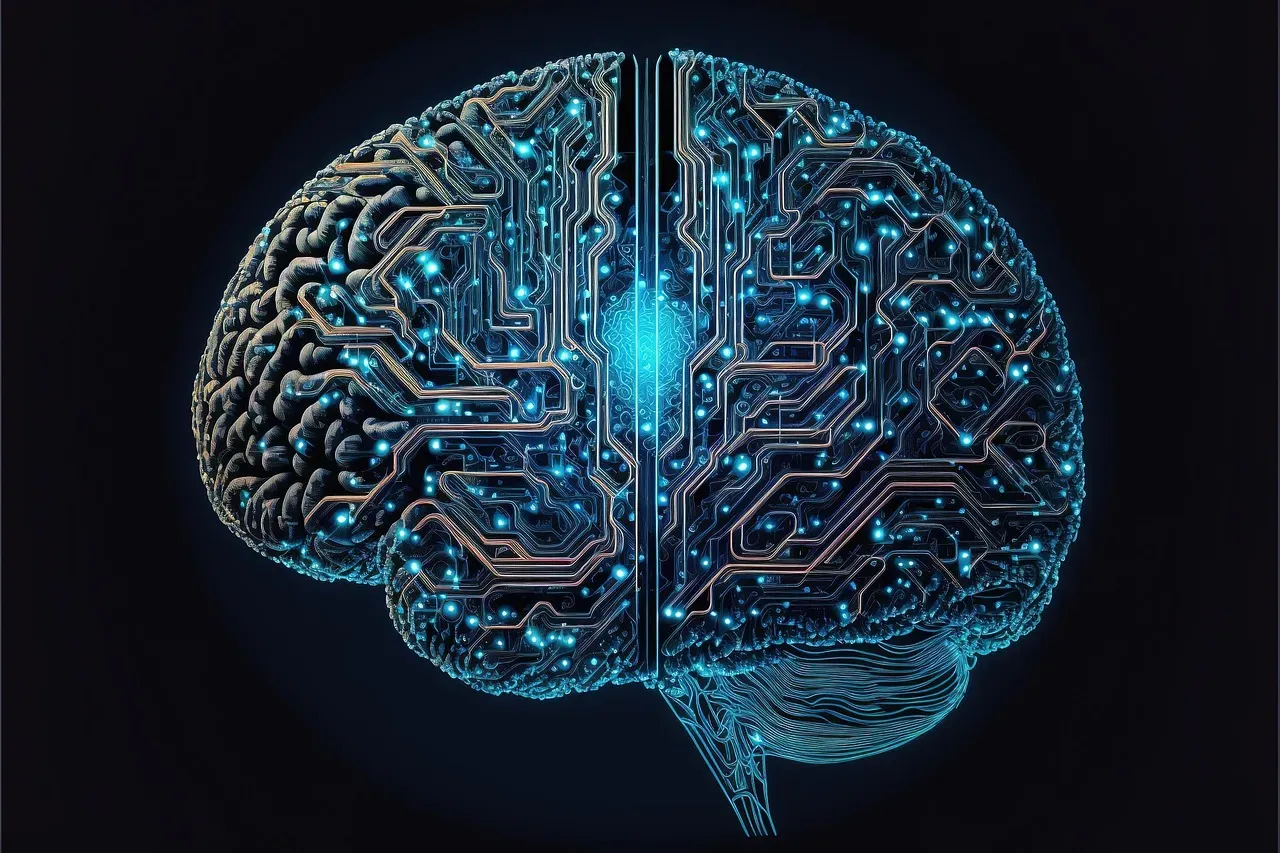
You experience your life as one smooth story, but your brain actually pieces it together in chunks. You string together short episodes of perception, thought, and action into what feels like a single, solid timeline. Each of these episodes carries its own little cluster of memory: what you wanted to do, what you saw, and what you felt. You do this so automatically that you don’t notice how many small “cuts” your consciousness makes every day. Imagine your day as a series of overlapping timelines: the “making coffee” timeline, the “answering messages” timeline, the “getting ready to leave” timeline. When you decide to walk into another room, your brain has to choose which timeline stays in focus and which moves to the background. When that handoff is imperfect – or something distracts you mid-transition – you suddenly find yourself in a room with the feeling that the previous timeline has slipped just out of reach. It can feel like you slid sideways into a neighboring version of events where one thread of intention is just not there.
What science really says about doorways and memory lapses

Researchers studying memory and context have found that changes in environment can make it harder for you to recall what you were just doing. Moving from one room to another, sitting in a different seat, or shifting from one digital screen to another can act like mental chapter markers. When you cross those markers, your brain partially “closes” the old mental scene and starts organizing a new one, which makes the old intention less accessible for a moment. You feel that as an abrupt gap, even though the information is still stored somewhere in your mind. This is sometimes called an event boundary effect: your brain treats a doorway or a noticeable transition as a sign that a previous mini‑episode has ended. Instead of smoothly carrying your goal forward, your memory files it as something attached to the previous location or context. That’s why walking back to the original room, or looking at the object that first triggered the thought, often makes your intention come flooding back. You are not losing your mind; you are bumping into how your memory system organizes your life into scenes.
Why the “parallel timeline” metaphor feels so right

Even though science does not literally say you hop to another universe when you forget why you walked into a room, the idea resonates because it mirrors how your inner experience feels. You often sense that there are different “versions” of you depending on where you are, who you are with, and what role you are playing. The you who is relaxed on the couch and the you who is giving a serious work presentation can feel like separate characters living in parallel mental worlds. When you walk through a doorway, you can feel that shift of identity. The parallel‑timeline image also captures how your brain stores multiple possible futures at once: what you plan to cook, the message you want to send, the errand you meant to run. When you suddenly forget one of them, it can feel like you’ve snapped into a slightly different branch where that intention never existed. Thinking of it that way is less about literal physics and more about honoring the richness of your own subjective experience. It lets you see the glitch not as stupidity but as your mind juggling multiple possible paths forward.
Attention, distraction, and the cost of modern multitasking

You might notice that this “why did I come in here?” moment happens more often when you’re already half‑distracted – checking your phone, thinking about a message, mentally re‑playing a conversation. Your attention is like a spotlight, and you only get one bright beam at a time. When you constantly yank that beam from one thing to another, some intentions never get a chance to be properly encoded into memory before they are pushed aside. Walking through a doorway just amplifies that effect because it naturally invites a shift in focus. Modern life makes this worse by asking you to live across multiple “mental tabs” at once: a podcast playing, notifications popping, tasks stacking. Instead of one solid timeline, you’re running many short, overlapping ones that compete for space. The brain is good, but it is not magic. When your attention keeps flickering, your memory for small goals and reasons – why you stood up, what you went to get, which thought you meant to write down – becomes fragile. The blank doorway moment is often just your overtaxed attention system dropping one ball while trying to juggle ten.
How to reduce those memory gaps in everyday life
You can’t stop your brain from using event boundaries, but you can work with them. One helpful trick is to say your intention out loud or in your head right before you move: “I’m going to the bedroom to get my headphones.” That small act turns a vague impulse into a more solid, verbal memory, which tends to stick better across context changes. You can also carry a cue object – like holding your empty coffee mug as you head to the kitchen – to give your brain a physical reminder that anchors your purpose. You can also ease the strain on your attention so fewer intentions fall through the cracks. When you stand up to do something, resist the urge to check a notification halfway there or to start a new task mid‑walk. Give that one goal a clean runway. If you do forget, instead of panicking or judging yourself, walk back to where you had the thought, look around, and let the original scene re‑load. Often, the intention pops back into focus within seconds, purely because you’ve stepped back into the previous mental “timeline.”
What this says about your sense of self and consciousness
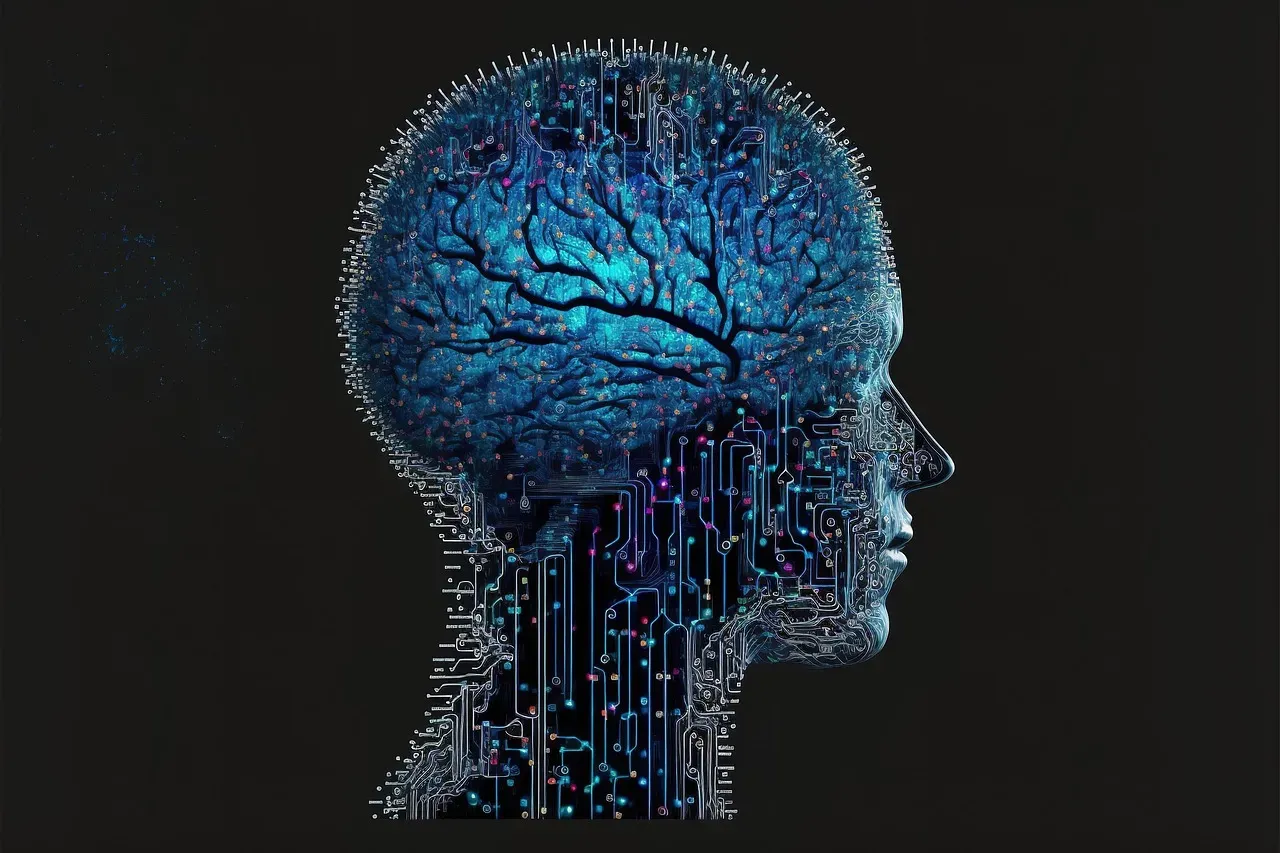
These small memory slips can feel like tiny identity crises: for a heartbeat, you do not know what you are doing or why. But instead of seeing that as a failure, you can treat it as a glimpse into how your sense of self is built moment by moment. You are not a fixed, unchanging narrator gliding through a simple world. You are a dynamic process that continuously stitches together perceptions, goals, and feelings into the story of “you,” and sometimes the stitching skips a frame. The fact that you notice these gaps is part of what makes you conscious. Thinking in terms of overlapping timelines can actually make you more compassionate toward yourself. You are constantly shifting between roles, rooms, and responsibilities; of course some threads will get lost in the shuffle. Instead of “I’m losing it,” you can reframe the feeling as “my brain just switched scenes and misplaced one line of the script.” That small change in perspective can turn frustration into curiosity and even a touch of awe at how much hidden work your mind is doing for you, all the time.
Could there be deeper mysteries behind these everyday glitches?
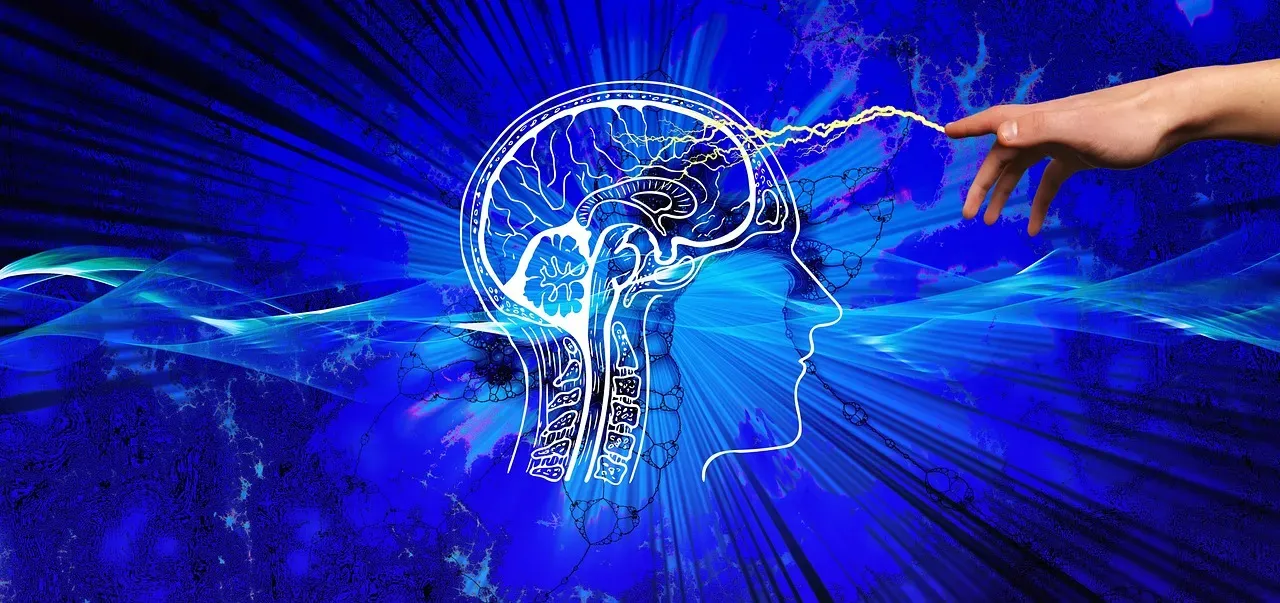
If you’re drawn to ideas about parallel universes and multiple timelines, you’re not alone. Physics and philosophy both explore questions about whether reality might have branching histories or many possible worlds. Current neuroscience does not claim that your everyday memory lapse is literal proof of you sliding between universes, but it also admits that consciousness itself remains deeply mysterious. You still do not have a complete, unified theory of how subjective experience arises from the brain’s activity. There is still a lot you simply do not know. What you can responsibly say is that your experience is richer and stranger than any simple mechanical description. The metaphor of a parallel memory timeline captures something true about how your brain handles alternate possibilities, interrupted intentions, and overlapping roles. You do live in a mind that constantly simulates different futures, edits old scenes, and sometimes misfiles them. Whether or not there is another you in another universe getting the thing you forgot, there is definitely another possible you in your own mind – and your brain is always choosing, moment by moment, which version steps into the room.
Conclusion: next time you forget, notice the mystery instead of the mistake

The next time you walk into a room and blank on your mission, pause for a second before you roll your eyes at yourself. In that tiny, disorienting gap, you are feeling the gears of your consciousness shift scenes, re‑prioritize timelines, and renegotiate what matters most right now. Your brain is not failing; it is doing a complicated balancing act between past, present, and possible futures, and occasionally it drops a small intention along the way. That awkward moment is a side effect of living in a mind that is far more powerful and complex than it feels from the inside. You can still make practical tweaks – stronger intentions, fewer distractions, smarter cues – to help your everyday memory. But you can also let these glitches remind you that your conscious life is not a flat, linear track. It is a woven fabric of many overlapping threads, some bright and obvious, others faint and easy to lose. When one slips, instead of assuming you broke reality, you can smile and wonder for a moment at how much of your inner universe is usually running smoothly in the background. The real question is not “What’s wrong with me?” but “Isn’t it amazing how much my brain gets right most of the time?”