
You know that strange calm you feel when the sky turns dark, thunder rolls in, and everyone else is running for cover? While others crave endless blue skies and beach weather, you might secretly light up the moment the forecast calls for storms. It can feel like the world finally matches what your inner world has always felt like: intense, charged, and slightly unpredictable. Psychology has a few things to say about that. There is emerging thinking that your comfort with chaos, noise, and intensity may be less about liking “bad” weather and more about what felt normal in your early emotional environment. When your childhood lacked stability and clear emotional patterns, your nervous system may have learned to relax inside the storm rather than in the sun. You are not broken for feeling this way – but it is worth understanding what might be going on under the surface.
Why the Storm Can Feel Safer Than the Sun

It sounds backwards at first: why would you feel safer when the sky looks threatening? Yet if you grew up in a home where moods flipped quickly, where you never knew whether the day would be peaceful or explosive, calm might not feel truly safe to you. Calm can feel suspicious, like the quiet part in a horror movie where you’re just waiting for something to jump out. In contrast, a thunderstorm is honest. The danger, noise, and intensity are all out in the open. You don’t have to guess how the sky is feeling; it tells you clearly. If you spent your childhood scanning for hidden emotional storms, you may actually feel relief when the storm is obvious. In a strange way, the chaos outside can mirror the chaos you’re used to inside, and that familiarity feels like home.
Unpredictable Childhoods and Your Nervous System

When you were a kid, your brain and body were wiring themselves around whatever emotional patterns showed up most often at home. If the people you depended on were loving one day, distant the next, and explosive the day after, your nervous system never got to fully relax into a reliable rhythm. Instead, it learned to stay half-alert all the time, waiting for the next emotional thunderclap. Over time, that state can start to feel normal, even comforting. Your body might quietly associate tension, intensity, and uncertainty with “this is how life works.” So when you’re an adult and a real storm rolls in, your body may respond with a strange sense of familiarity. The chaos outside aligns with the internal readiness you have been carrying for years, and that alignment can feel oddly soothing.
Emotional Weather: How You Internalize the Atmosphere at Home

Think back to the emotional “weather” of your childhood home. Maybe you had a parent whose temper arrived like lightning – sudden, loud, and impossible to ignore. Maybe affection and warmth were like sporadic showers; you never quite knew when they’d show up or disappear again. When emotional patterns are inconsistent, your inner world often starts to feel like a permanently unstable forecast. As you grow up, you might unconsciously seek outer environments that match what your inner atmosphere has always been. A bright, consistent sunny day can feel unfamiliar, almost like a language you never really learned to speak. Meanwhile, a stormy day can feel closer to the emotional landscape you lived in for years. You may not consciously think, “This feels like my childhood,” but your body recognizes the rhythm and relaxes into it.
Comfort in Chaos: Why Predictability Can Feel Boring or Threatening

If chaos was your baseline growing up, true predictability can feel unsettling. A stable relationship, a low-drama workplace, or a long stretch of peaceful days might sound ideal in theory, but in practice you can start to feel restless, empty, or even anxious. Your mind might begin poking at things, looking for what’s “wrong,” because it expects something to explode sooner or later. Thunderstorms can offer a kind of structured chaos. The world gets louder, the sky flashes, and the usual routine is interrupted, but you still know it’s just weather and it will pass. That makes the chaos feel safe enough to enjoy. You get intensity without personal risk. If your childhood chaos never felt safe or contained, you might unconsciously be drawn to storms as a way to experience emotional drama inside clear boundaries.
Control in the Midst of the Storm
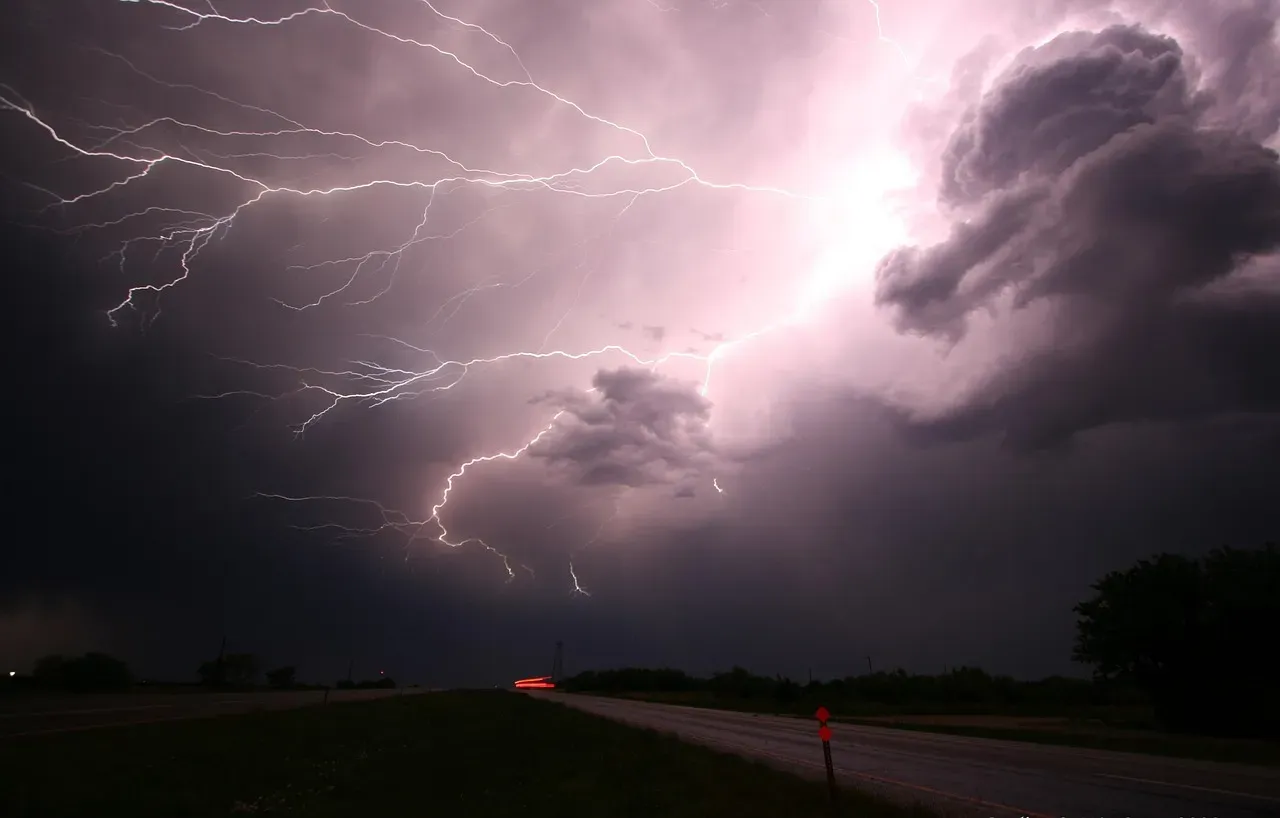
One subtle reason you may love storms is the sense of control they give you emotionally. You can choose to watch the lightning from your window, light a candle, put on music, and turn the chaos into an experience you curate. Unlike the unpredictable outbursts or shifting moods of caregivers in childhood, this chaos is not about you, and it is not aimed at you. That difference matters more than you might realize. In that sense, a storm becomes a kind of emotional sandbox. You get to rehearse feeling small in the face of something powerful while still knowing you’re not actually in danger. If your early life made you feel helpless in the middle of other people’s emotional storms, this version of chaos lets you re-experience intensity from a place of choice and safety. Without realizing it, you may be using the weather to rewrite an old script.
The Draw of Melancholy and Depth
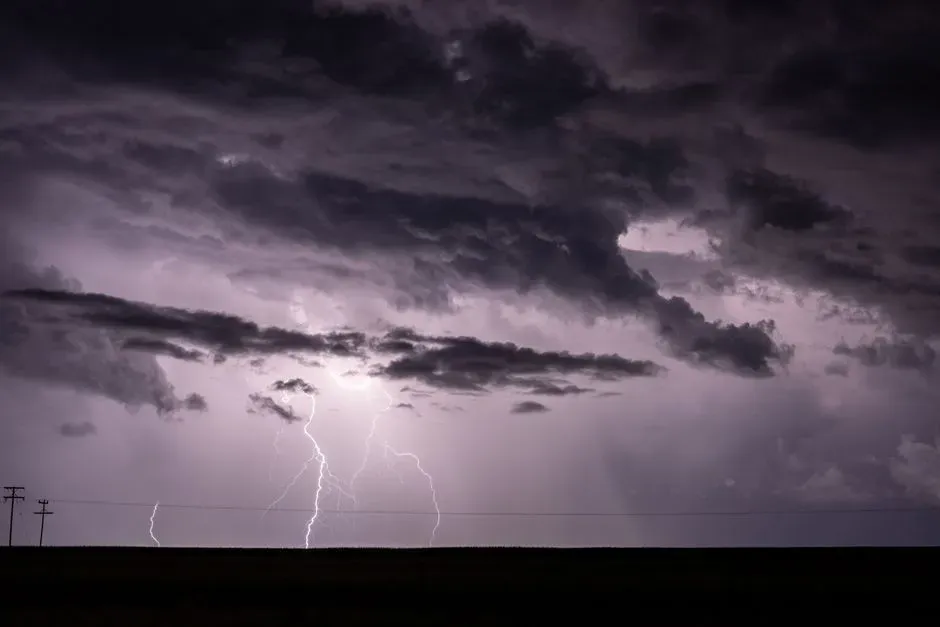
Thunderstorms often pull you into a more introspective, moody state. The dimmer light, the sound of rain, and the slower pace outside can nudge you toward deeper thoughts and feelings. If you grew up having to carry a lot emotionally, you might be more comfortable in that depth than on the surface-level lightness that sunny days often encourage. Sunshine tends to come with expectations: be cheerful, be productive, go out, socialize, be “on.” If your internal world does not match that, sunny days can feel like pressure to perform an emotional state you are not really in. Stormy weather gives you permission to slow down, feel heavy if you need to, and exist without a big bright smile. That alignment between the outer world and your inner emotional tone can feel like a huge relief.
Correlation Is Not Destiny: What Science Actually Supports
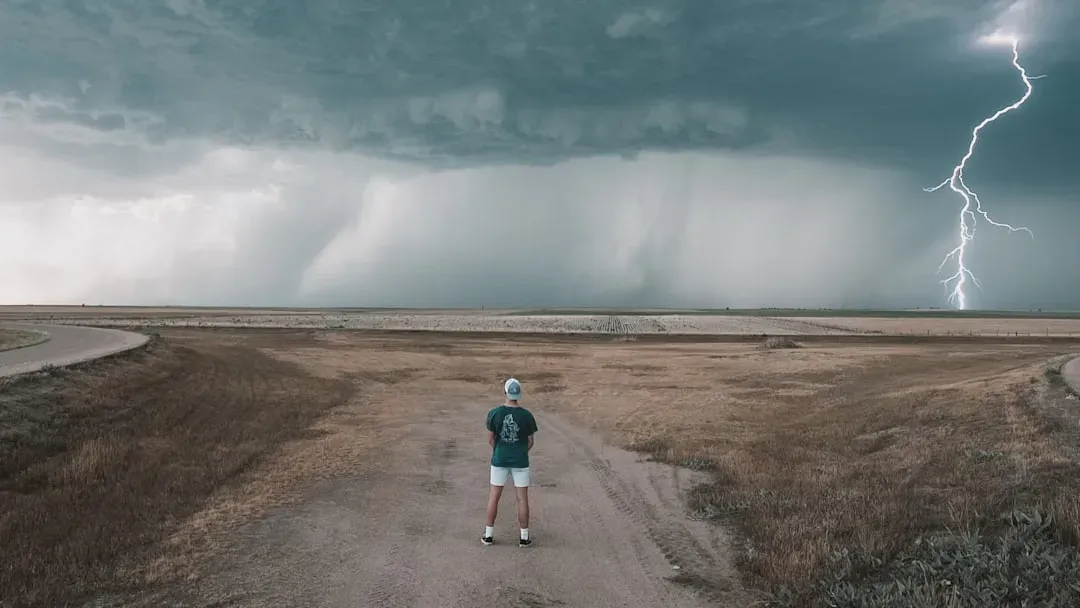
It is tempting to turn this into a simple formula: you like storms, therefore your childhood must have been chaotic. Real psychology is messier than that. While there are plausible links between early unpredictability and later comfort with emotional or environmental chaos, not every person who loves thunderstorms had a turbulent upbringing, and not everyone from a chaotic home prefers stormy weather. Human behavior rarely reduces to a single neat cause. What is more accurate is this: if you notice that you feel unusually at ease in chaos, drawn to intense moods, or oddly uncomfortable in stability, that pattern is worth exploring. Your weather preferences might be one doorway into understanding how your nervous system learned to cope in childhood. The key is to treat this as a gentle hypothesis, not a rigid diagnosis. You are noticing themes, not stamping yourself with a fixed label.
How to Work With This Tendency Instead of Against It

If you see yourself in these patterns, the goal is not to make yourself suddenly adore cloudless skies or to force yourself to become someone who loves bland predictability. Instead, you can start by getting curious: when you feel calm during a storm, what exactly feels good about it? Is it the sound, the shelter, the intensity, the break from normal life? Naming that can help you understand what your nervous system is seeking. From there, you can practice bringing some of that same feeling into calmer contexts. Maybe you create cozy rituals that make quiet days feel safe instead of suspicious. Maybe you build relationships where emotional honesty is as clear as thunder, but without the damage. Over time, you can teach your body that stability is not a trap or a prelude to disaster, but a place where you are allowed to rest without constantly scanning for lightning.
When to Consider Deeper Support

If your pull toward chaos shows up in more than just your love of storms – like repeatedly choosing volatile partners, tolerating toxic workplaces, or craving drama when life is calm – it might be time to dig deeper. You do not have to wait until everything falls apart to take your own patterns seriously. Notice how often you feel bored in peace and alive only in crisis; that ratio can tell you a lot about what your system is used to. Talking with a therapist or counselor can help you connect the dots between your current comfort zones and your past emotional environment. You can learn how to soothe a nervous system that has been trained to think danger is normal and safety is suspicious. Loving thunderstorms does not mean something is wrong with you, but if chaos is the only place you feel truly awake, you deserve support in building a life where calm can feel like home too.
Conclusion: Learning to Love Both Storms and Sunshine

If you are someone who feels a deep, almost secret joy when the sky darkens and thunder rolls, you are not weird, broken, or overly dramatic. You may simply be someone whose inner world was shaped in the middle of unpredictable emotional weather, and storms now feel like a familiar language. They match the emotional intensity you learned early on, and your body recognizes that pattern with a kind of quiet, wordless relief. The good news is that you are not doomed to chase chaos forever. You can keep your love of thunderstorms, your appreciation for mood and depth and intensity, while slowly teaching yourself that stability and warmth are not lies waiting to shatter. You can learn to enjoy a clear blue day without flinching for the next strike. As you look at the sky the next time a storm rolls in, you might ask yourself: are you just watching the weather, or are you also watching an old part of your story play out in the clouds?