
You know that feeling when you step outside, and there it is again – the same scruffy little cat watching you from the curb or lounging under a car? After a while, it stops feeling like a coincidence and starts to feel like a message. You might even catch yourself wondering if the cat is trying to tell you something, or if you’re somehow connected.
From an animal behavior perspective, that repeated encounter is rarely random. When you keep seeing the same stray cat, it usually reflects a mix of territory, routine, food sources, safety, and sometimes your own behavior. Once you understand what is actually going on in that small feline brain, you can make smarter, kinder choices – for the cat and for your community.
The Science of Why You Keep Seeing the Same Cat
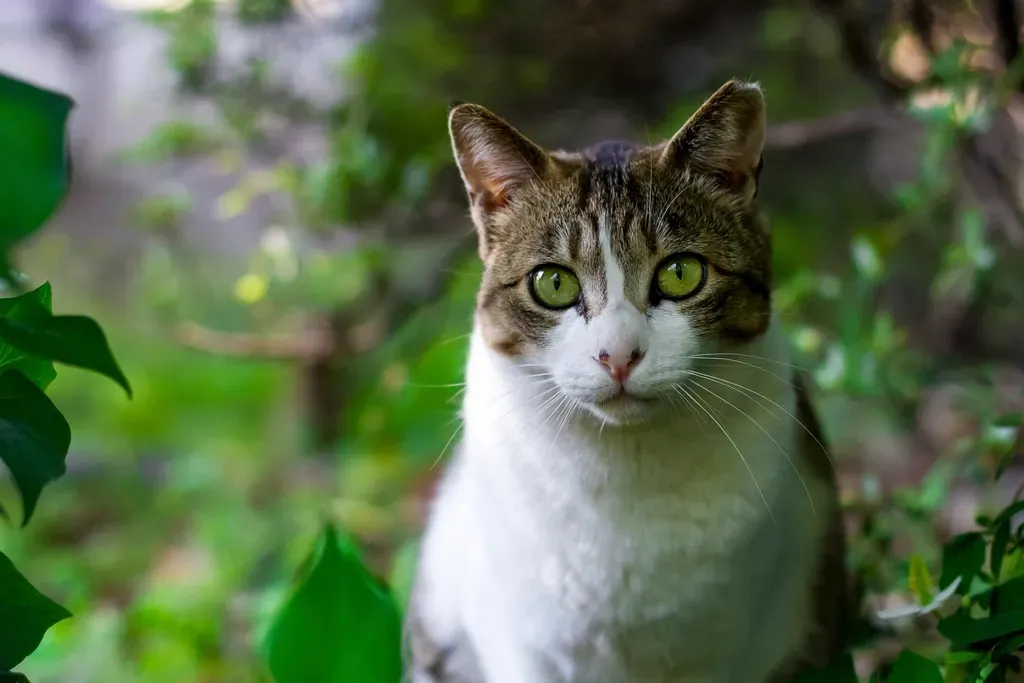
When you repeatedly see the same stray cat, the most basic explanation is territory. Cats are strongly territorial animals; they establish a home range where they hunt, rest, and monitor for threats, and they tend to stick to it. You are simply moving through that cat’s chosen space, the way you might regularly walk past someone’s front porch.
Strays and community cats usually settle in areas that reliably offer food, water, shelter, and escape routes. If your neighborhood provides all of that – dumpsters, garden sheds, porches, quiet yards – you become part of that cat’s daily landscape. So it does not mean you are “being followed” in a mystical sense; it means the cat has decided your street is a good survival zone and you are a predictable object inside it.
Territory, Routes, and Feline “Maps”
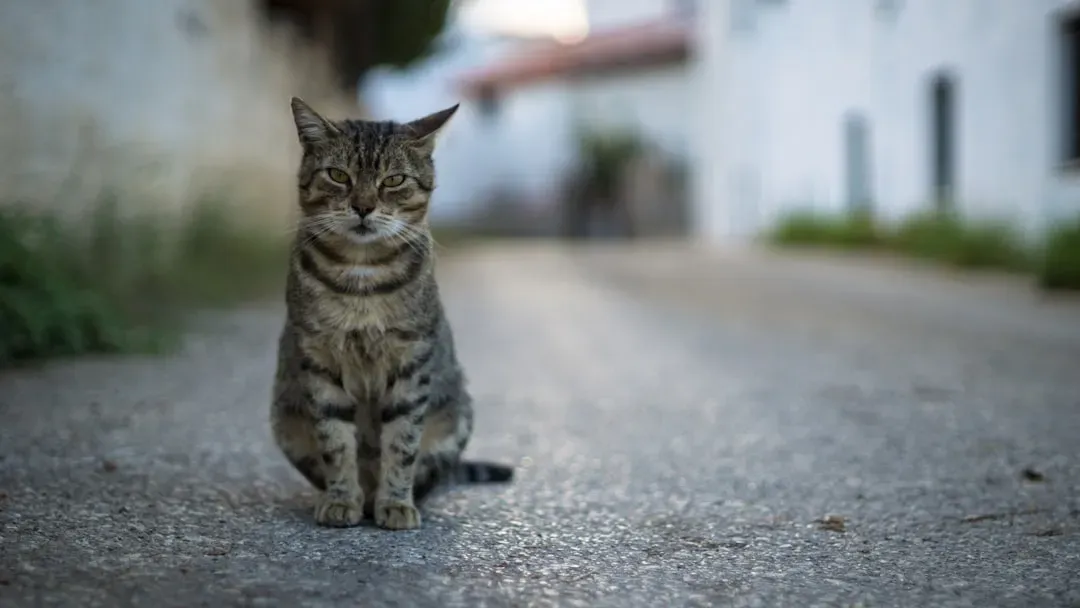
If you paid attention to this cat’s movements over a few days, you would probably notice it follows similar paths. Cats mentally map safe routes just like you map your commute, avoiding noisy areas, aggressive dogs, or busy intersections. Seeing the same cat on your block often means your home sits along one of its preferred “corridors” between feeding spots and resting places.
Neighborhood cats usually have a core area they use most heavily and a wider buffer area they patrol less often. If you see the cat close to your door, on your porch, or in your yard, that area may be part of its core zone. The more often it rests rather than rushes through, the more strongly it likely feels that this is part of its space, not just a shortcut.
Food, Water, and Why Your House Might Be the “Good Restaurant”

From a behavior science standpoint, one of the strongest forces shaping where a stray cat hangs out is food. If someone on your street feeds cats – maybe you, maybe a neighbor – the cat will return over and over because the reward is consistent. Even if you never intentionally feed it, trash bags, open compost, or bird feeders that attract prey can turn your property into a quiet buffet.
Water and shelter matter too, especially in hot summers and freezing winters. A dripping outdoor faucet, a calm corner under your porch, or a dry garage can all become valuable resources. If the cat sees you as part of that predictable environment, it may tolerate being closer to you or even choose spots near your door because that is where the good things tend to appear.
Habituation: When the Cat Starts Trusting You (A Little)
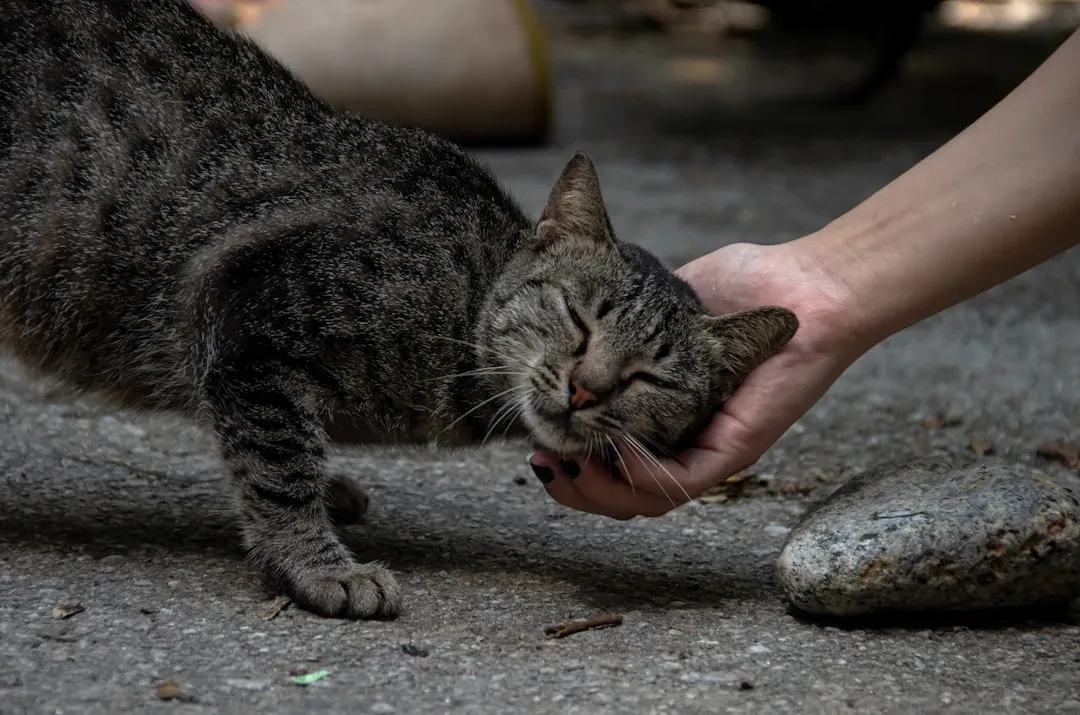
If the cat used to bolt the second it saw you but now only watches or moves a few steps away, you are witnessing habituation. In animal behavior, habituation is when an animal gradually stops reacting to something that repeatedly proves harmless. You walk past, you do nothing threatening, and over time the cat learns your presence is not dangerous.
This does not necessarily mean the cat is tame or wants to be petted. It simply means you are becoming background noise in its environment, like a passing car or a distant lawnmower. That calmer behavior is a compliment, in a way – your predictability is helping the cat conserve energy instead of wasting it on panic every time you appear.
Signs the Cat Might Be Lost, Abandoned, or Truly Feral
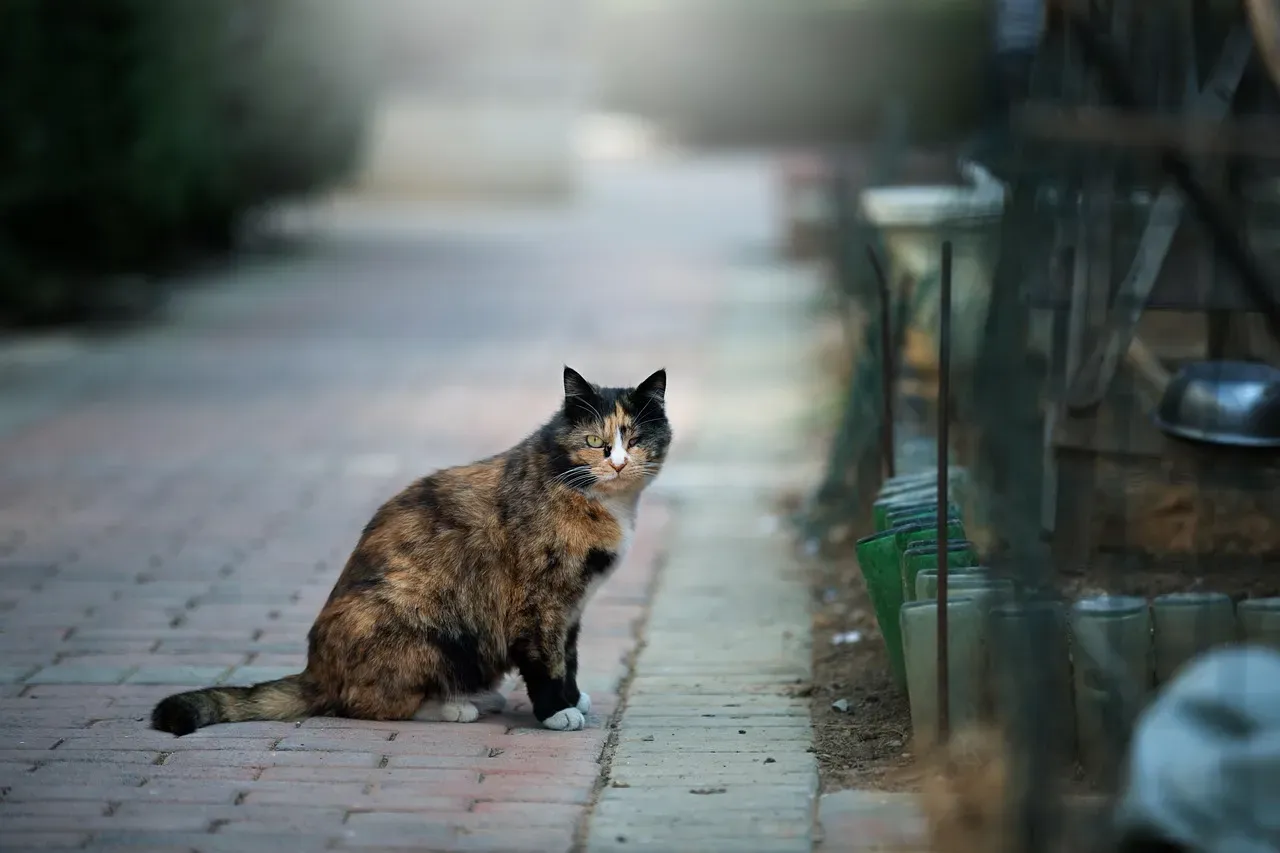
Not every cat you see outside is a classic “stray” in the same sense. Animal behaviorists usually distinguish between owned outdoor cats, lost or abandoned pets, and feral cats with little human socialization. If the cat approaches you, meows, or rubs against your legs, you may be dealing with a cat that has lived closely with humans before and could be lost or discarded.
On the other hand, a cat that consistently keeps distance, avoids eye contact, and reacts strongly to sudden movement is more likely to be feral or minimally socialized. Its repeated presence in your neighborhood reflects habitat suitability more than any bond with people. When you keep seeing the same cat, paying attention to its body language and willingness to interact helps you decide whether it needs active help finding an owner or more structured support as part of a community cat population.
What Your Repeated Encounters Say About Your Neighborhood

That familiar stray is not just telling you about itself; it is quietly revealing things about where you live. A stable group of outdoor cats in an area usually means there is a reliable food source – anything from intentional feeders to overflowing dumpsters or plentiful rodents. It can also signal gaps in spay and neuter access if kittens keep appearing each year.
You might also notice patterns: the cat appears more often at dawn and dusk, moves differently when traffic is heavy, or vanishes during storms. Those details show how wildlife navigates the human-made world you are part of. Seeing the same cat over and over can be a nudge to look at your block with fresh eyes and ask how safe, clean, and animal-friendly it really is.
How Your Behavior Shapes the Cat’s Behavior
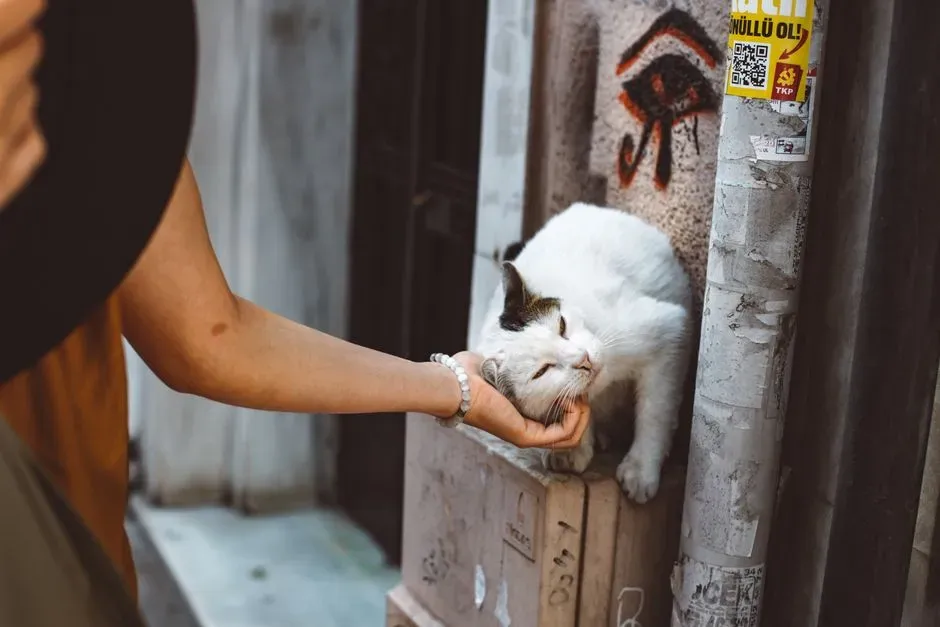
Every time you react to that cat, you are training it – even if you do not mean to. If you offer food at the same time and place, the cat quickly learns your routine and may start waiting for you or following you to that spot. If you consistently chase it away, it will probably still use the neighborhood but shift to quieter corners or visit at different times to avoid you.
Even small actions add up. Making direct eye contact, moving quickly, or trying to grab the cat can be perceived as threatening, while crouching sideways, speaking softly, and letting the cat decide how close to come helps build a fragile sense of safety. Over weeks and months, these tiny choices can turn you into either a source of comfort or a source of stress in that cat’s mental map.
When You Should Step In and Help
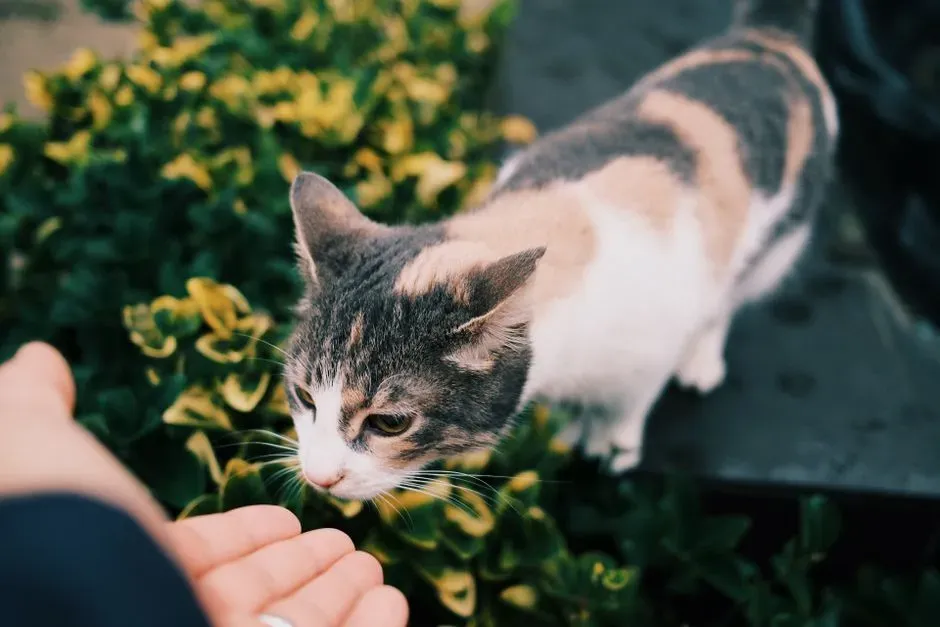
Seeing the same stray repeatedly is sometimes a signal that it is time to do more than just nod hello. If you notice signs of injury, limping, obvious weight loss, heavy sneezing or discharge from the eyes or nose, or repeated pregnancies, that cat likely needs help beyond casual kindness. Reaching out to local shelters, rescue groups, or trap‑neuter‑return programs can give you options that are more effective than trying to fix everything alone.
Even if the cat seems basically healthy, arranging for spay or neuter, vaccinations, and parasite control can make a huge difference to its long-term welfare and to the overall health of the neighborhood cat population. You do not have to adopt the cat into your home to improve its life; you just have to decide that its repeated presence in your world is worth a bit of effort and coordination.
Healthy Ways to Build a Relationship (Or Set Boundaries)

If you find yourself emotionally attached to this cat – as many people do – you can build a relationship that respects both your limits and the cat’s nature. Setting up a consistent feeding station away from doors and busy roads, providing a simple outdoor shelter, and keeping a regular schedule can give the cat stability without dragging it into a level of closeness it may not want. Over time, the cat may choose to come closer, or it may prefer a respectful arm’s-length friendship.
At the same time, you are allowed to have boundaries. If you do not want the cat on your car or in your flowerbeds, humane deterrents like motion-activated sprinklers, citrus peels, or designated alternative “cat spots” with soft bedding can redirect its habits. You are not a bad person for not taking the cat inside; you are a better neighbor – and a better human – if you handle the situation thoughtfully instead of ignoring it.
Conclusion: When a Stray Cat Becomes Part of Your Story

When you keep seeing the same stray cat in your neighborhood, it is not a random glitch in your daily life – it is a living, breathing creature quietly trying to survive within the boundaries you and your neighbors have created. Its routines are shaped by territory, food, safety, past experiences with humans, and the subtle signals you send every time you cross paths. You are watching animal behavior science play out on your sidewalk, one cautious glance and slow tail flick at a time.
You get to decide what you do with that knowledge. Maybe you simply understand the cat a little better and walk past with more empathy. Maybe you start a small feeding station, connect with a local TNR group, or even open your home to a new family member. Either way, that recurring glimpse of fur is an invitation to look up from your own worries and notice that you share your world with other beings – what are you going to do with that next time you see those same familiar eyes?