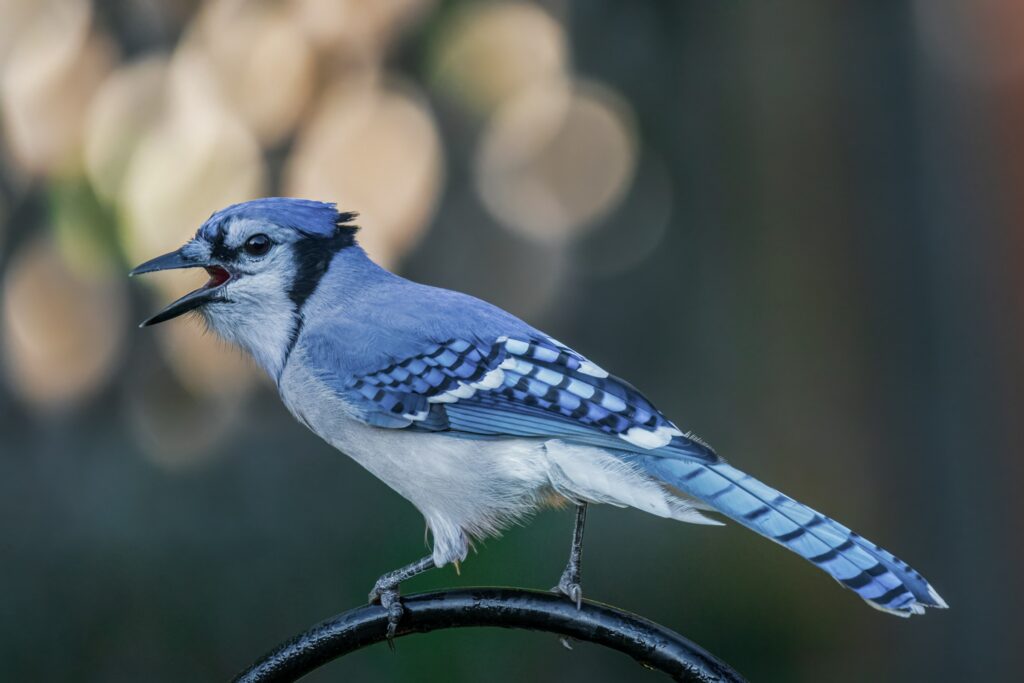
If you grew up thinking birds were simple creatures that just chirp, sing, and mind their own business, blue jays are about to wreck that idea for you. These flashy backyard regulars are not only loud and bold, they might also be pulling off something once thought to be beyond birds altogether: deliberate deception.
When you hear a sudden hawk scream in the trees and your heart jumps, you are not alone. Squirrels freeze, other birds dive for cover, and the whole forest seems to hold its breath. But here is the twist you might not expect: sometimes that “hawk” is actually a blue jay running a con. And if that is true in the way researchers now suspect, it means you are looking at a kind of strategic lying that scientists used to say belonged firmly in the realm of primates and a few other brainy mammals.
Why Blue Jays Imitate Hawks In The First Place
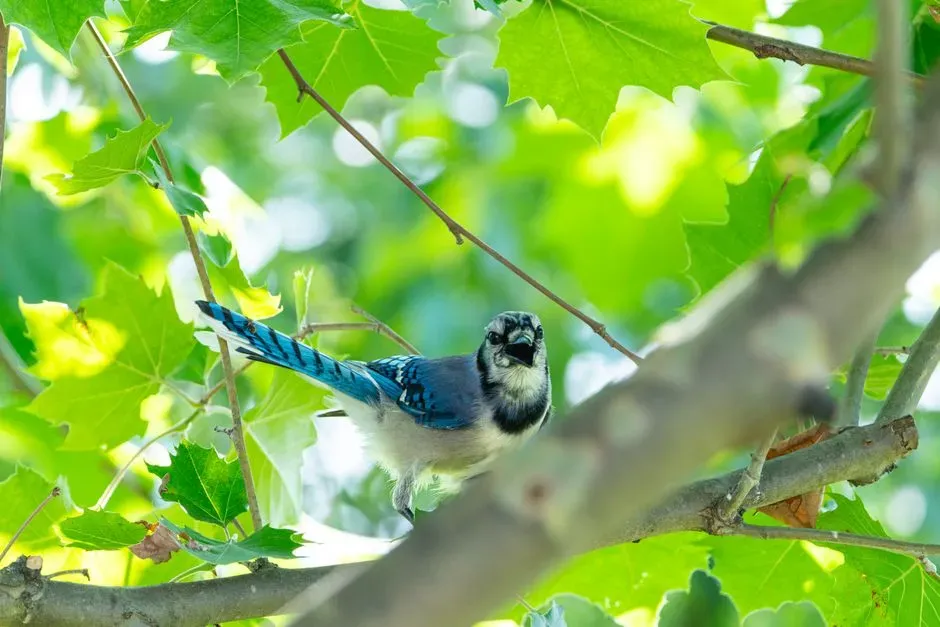
Picture yourself filling a feeder in your yard when you suddenly hear the piercing cry of a hawk overhead. You instinctively glance up, and every small bird vanishes into the bushes. That reaction is exactly what a blue jay can exploit when it mimics that same hawk call, turning your careful backyard setup into its private buffet by triggering panic in everything around it.
You are not just hearing noise; you are watching a behavioral strategy play out. The hawk call, whether real or faked, taps into a deeply wired fear in smaller animals. Blue jays seem to have figured out that if they sound like a predator, they can briefly become the boss of the neighborhood, slipping in to grab food or secure a safer perch while everyone else is too terrified to argue with a supposed raptor.
From Simple Mimicry To Suspected Deception
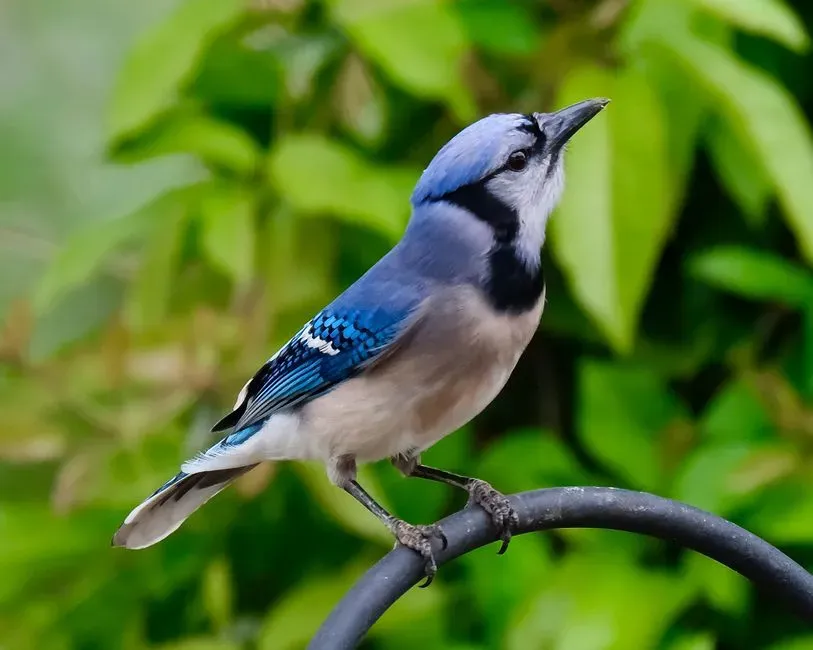
At first glance, you might shrug this off as just another case of imitation in nature, like a parrot copying your laugh without any idea what it means. That explanation feels safe, because it keeps bird behavior in the “cute but simple” category that humans have historically been comfortable with. But once you notice when and how blue jays use those hawk calls, that explanation starts to look a little too easy.
Researchers have observed blue jays pulling out their hawk impressions in moments when it clearly benefits them: at crowded feeders, in contested spaces, or when they seem outnumbered by competitors. When you see a bird repeating a specific sound at specific times to gain an advantage, it forces you to ask a harder question: are you just listening to mimicry, or are you witnessing something that shades into real deception?
What “Deception” Actually Means In Animal Behavior
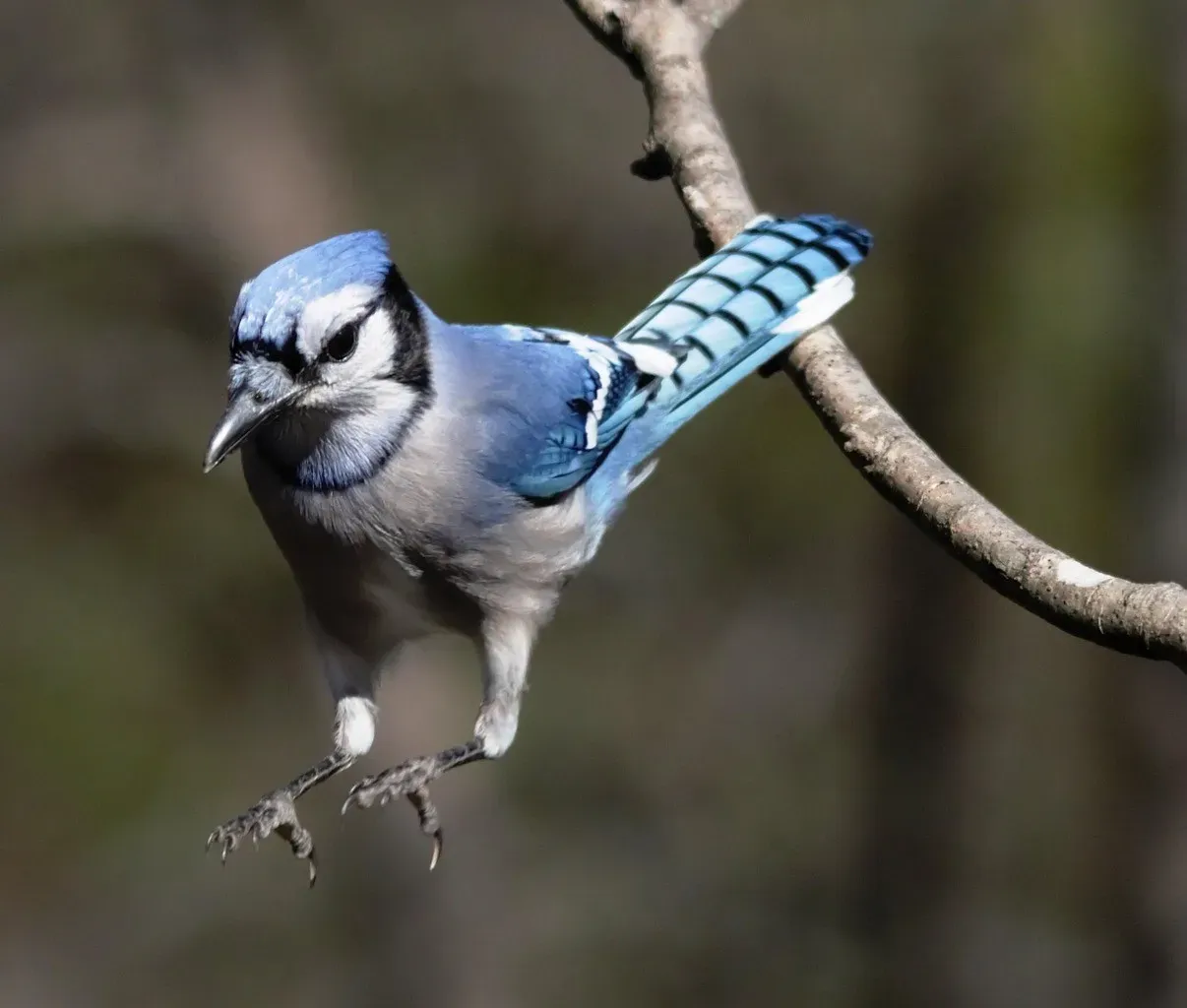
Before you decide whether blue jays are capable of deception, you need to be clear about what that word means in biology. You might think of lying as something humans do intentionally with language, but in animal behavior, deception is broader: it covers any signal that misleads another animal in a way that benefits the sender, whether or not it involves conscious plotting in the human sense.
So when you watch a jay scream like a hawk, the key question becomes whether that call consistently fools other animals and helps the jay come out ahead. If the sound sends potential rivals fleeing and the jay gets food or safety it could not get otherwise, you are looking at deceptive signaling, even if the bird is not sitting there scheming like a chess master. The impact on others, not the inner speech you imagine in the jay’s head, is what matters to scientists.
Why This Kind Of Deception Once Seemed “Impossible” For Birds
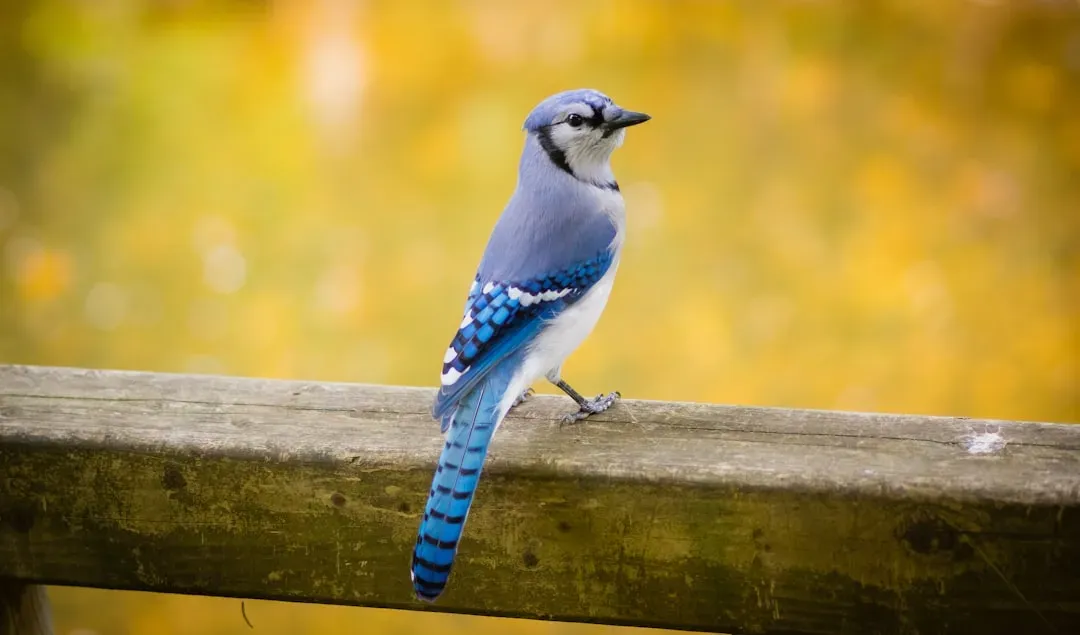
If you feel a bit skeptical, you are not alone; for a long time, many scientists would have been right beside you. You were probably taught that sophisticated mental tricks, like intentionally misleading others, belonged to primates, dolphins, or maybe a few clever dogs, not to the noisy bird scolding you from a telephone wire. Birds were more often used as symbols of instinct than of strategy.
Part of that bias came from older views of brain anatomy, where mammal brains were held up as the gold standard for complex cognition. But over the last couple of decades, evidence has quietly chipped away at the idea that birds are too simple for such behavior. When you look at corvids like crows, ravens, and jays, you are dealing with animals that solve puzzles, hide and re-hide food to avoid thieves, and show social maneuvering that looks increasingly like a form of tactical thinking.
The Blue Jay Brain: Small Size, Serious Power
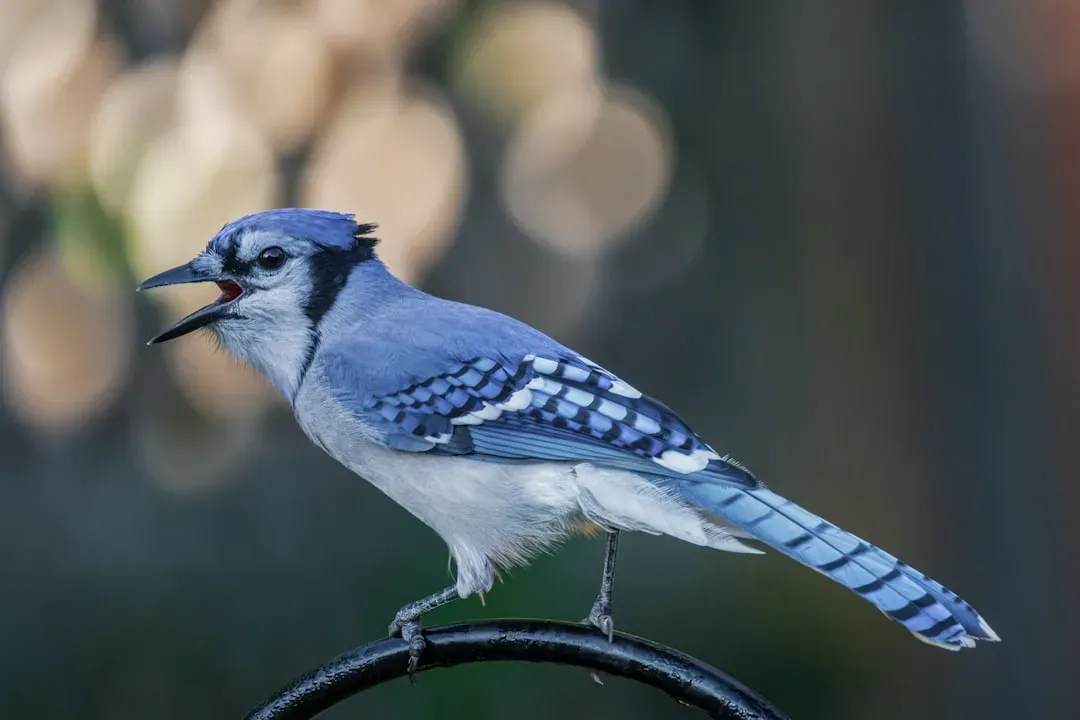
It is easy to underestimate a blue jay because its brain is only about the size of a large grape. Yet you know from your own life that size is a terrible shortcut for judging intelligence; a tiny phone in your pocket now outperforms computers that once filled rooms. Bird brains, especially in jays and other corvids, pack a high density of neurons into a compact space, giving them surprising processing power for their size.
When you add that neural density to the demands of survival in complex environments, the picture changes fast. A blue jay navigating predators, rivals, and shifting food sources benefits from being able to observe, remember, and adjust its behavior. Mimicking hawks at moments when that trick works best fits into a larger pattern of flexible problem-solving, not just random noise-making for fun.
From your perspective, that means you should start treating the jay at your feeder less like a simple ornament and more like a clever neighbor running quick calculations on when to push its luck.
How You Can See This Behavior In Your Own Backyard
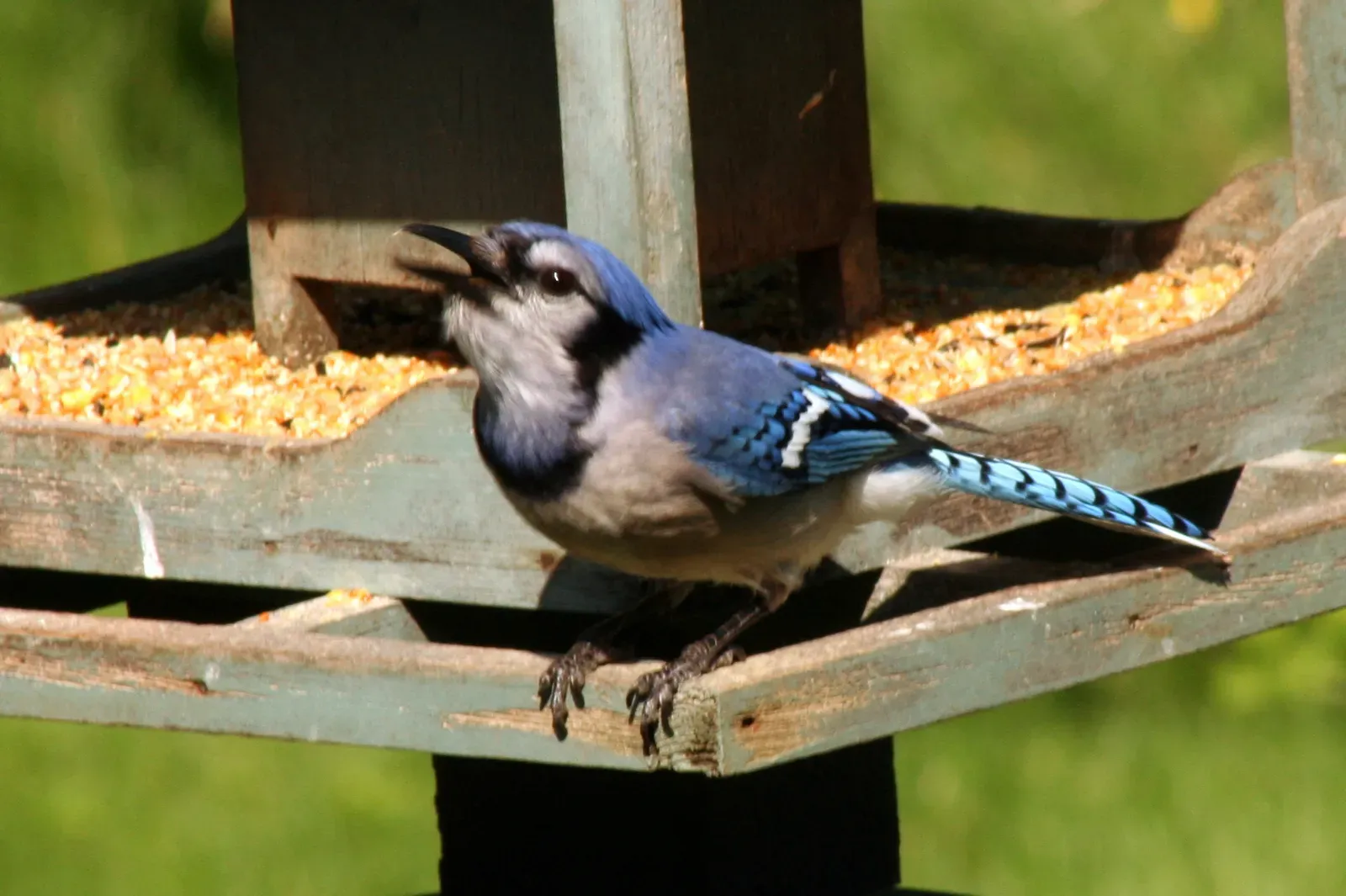
You do not need a lab or a grant to watch this drama unfold; you just need a bit of patience and a place where birds gather. If you regularly feed birds, try paying close attention to when you hear hawk-like screams. Ask yourself what is happening at that moment: is the feeder busy, is food running low, or are multiple assertive birds competing for the same spot?
Over time, you may notice patterns that go beyond chance. You might catch a blue jay sounding off like a hawk just as a crowd of smaller birds is pecking away at seed, then swooping in to grab prime access once everyone else bolts. When you witness that kind of timing again and again, you start to sense that you are not just hearing a borrowed sound – you are watching a tactic, one that you can almost predict if you learn the rhythm of your local bird community.
What Blue Jay Deception Tells You About Animal Minds
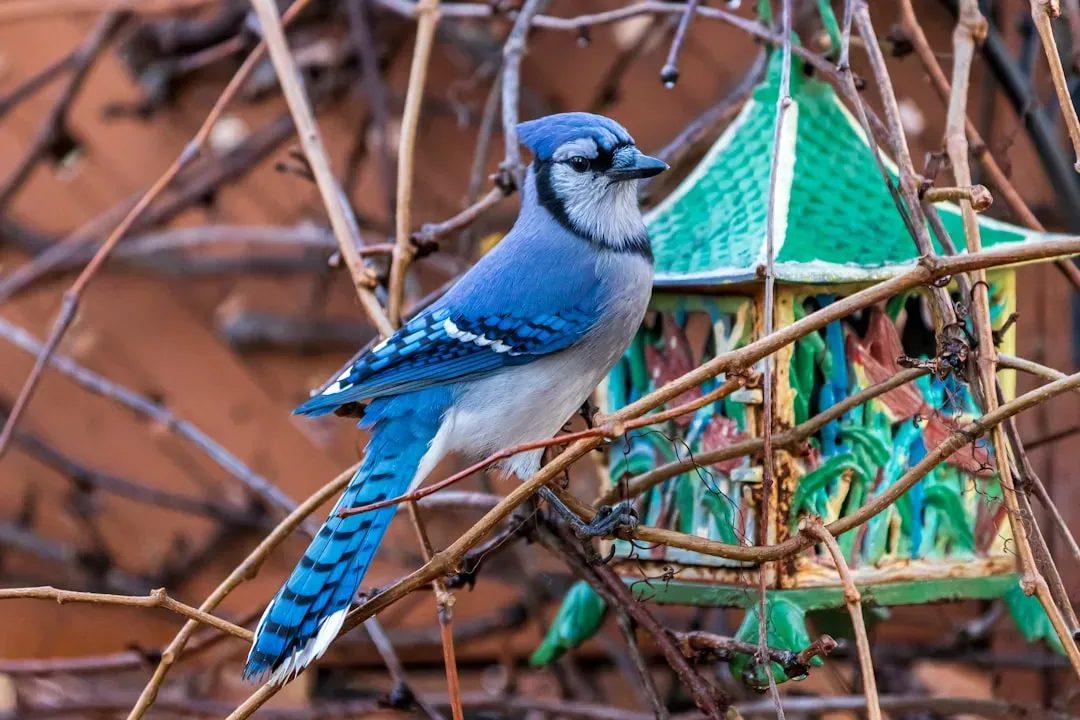
Once you accept that a bird at your feeder might be using a predator’s voice to manipulate the crowd, it becomes very hard to keep pretending that animal minds are simple and predictable. You are forced to widen your sense of who can play social games, who can exploit fear, and who can turn information into leverage. The humble blue jay becomes a reminder that intelligence has many shapes, not all of them familiar or comfortable to human assumptions.
This shift in perspective spills over into how you see other animals too. If a loud, common backyard bird can pull off this kind of move, then you have to wonder what subtle tricks you have missed in animals you rarely watch as closely. It nudges you toward more respect, more curiosity, and maybe a little more humility about where humans really sit on the spectrum of clever behavior in the natural world.
What This Means For How You Treat And Study Birds
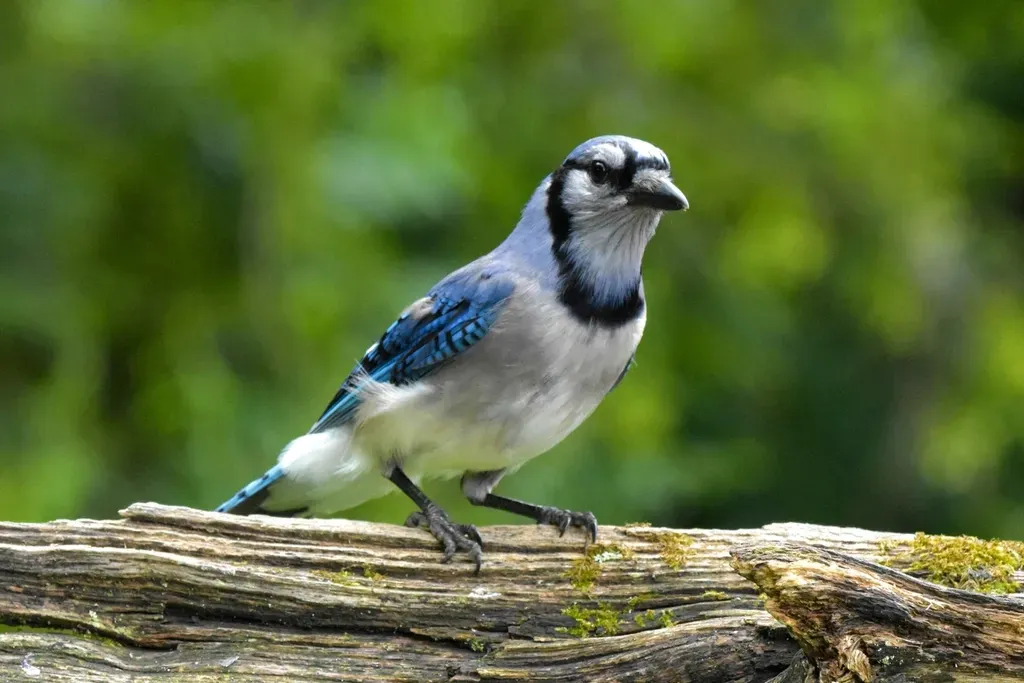
Knowing that blue jays may actively deceive rivals using hawk calls changes how you relate to them and how you might think about supporting bird life around you. Instead of just tossing out seed and walking away, you can start treating your yard as a kind of outdoor classroom, a place where strategies and counter-strategies are playing out in real time. That awareness can make everyday moments – like sipping coffee by a window – feel surprisingly rich.
It also suggests that if you are interested in bird behavior, you should not just rely on broad generalizations about what “birds” can or cannot do. You can take notes, compare seasons, and see if certain situations bring out more mimicry or more aggressive behavior. In your own small way, you become part of a larger effort to understand animal minds, one blue jay call at a time.
Conclusion: The Hawk Cry That Makes You Rethink Everything
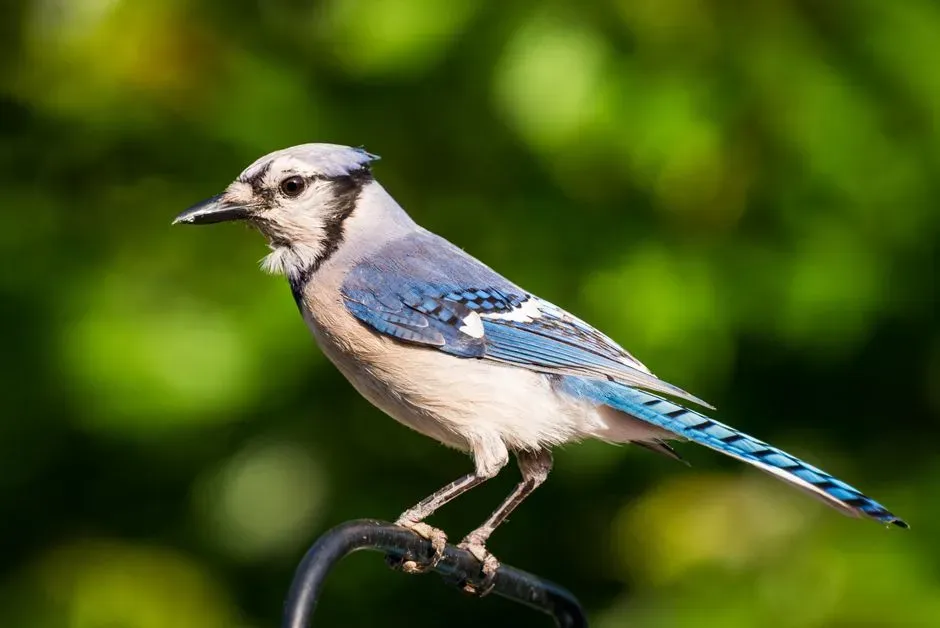
Next time you hear a hawk scream from the trees and your pulse jumps, pause before you decide what you are listening to. You might be hearing a genuine predator, or you might be hearing a blue jay slipping into costume, using fear as a tool in a way that used to be considered out of reach for birds. Either way, that sound is a reminder that the natural world around you is running on far more subtle and strategic behavior than you probably give it credit for.
If a bright blue bird in your backyard can bluff like a card player and turn a stolen hawk call into an advantage, what else have you underestimated out there – and maybe even in yourself?