You probably think about death more than you admit, even if it’s just in quick flashes you try to push away. You might feel a jolt in your chest on a turbulent flight, a hollow ache when you hear about a sudden accident, or a quiet dread when you wake up at 3 a.m. wondering what, if anything, comes after all this. That uncomfortable mix of curiosity and terror is not a personal flaw; it is baked into your brain and your psychology in surprisingly systematic ways. When you look at death through the lenses of neuroscience and psychology, fear of it stops feeling like a vague, mystical anxiety and starts looking like a set of understandable reactions. Your brain is wired to keep you alive at almost any cost, your mind is built to create meaning and continuity, and your social world is stitched together with the knowledge that everyone you love is mortal. Once you see how those pieces fit together, your fear of death does not magically vanish – but it can feel less like a monster in the dark and more like a nervous, overprotective guardian you can actually talk to.
Your Brain Is a Survival Machine, Not a Philosopher
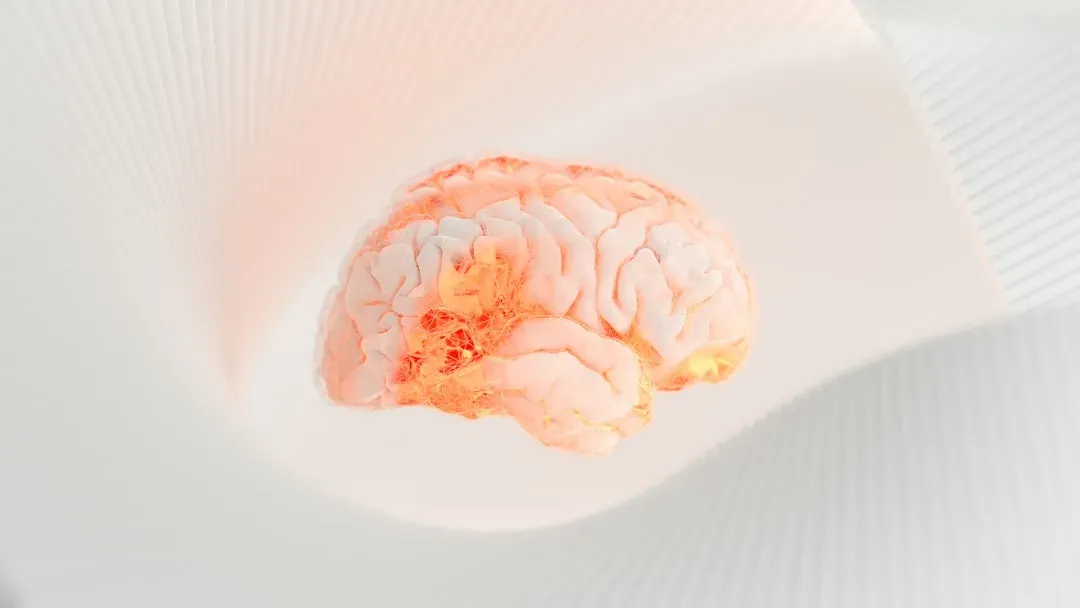
At the most basic level, your brain’s first job is brutally simple: keep you alive long enough to reproduce and protect your group. Deep structures like your brainstem and amygdala constantly scan for threats, often before you’re consciously aware of them. When anything hints at mortal danger – like a speeding car, a sudden drop, or even a disturbing thought about your own death – your nervous system can slam into high alert, tightening your chest, speeding your heart, and narrowing your attention like a spotlight. You like to imagine yourself as a reflective, rational being, but your survival circuitry is older and faster than your contemplative side. That is why you might intellectually accept that death is inevitable, yet still feel raw panic when you’re confronted with it directly. From your brain’s ancient point of view, death is the ultimate failure state, and it will throw every alarm it has to push you away from it, even when you’re only facing it in abstract thoughts, movies, or late-night worries.
The Amygdala and the Neural Signature of Mortal Threat
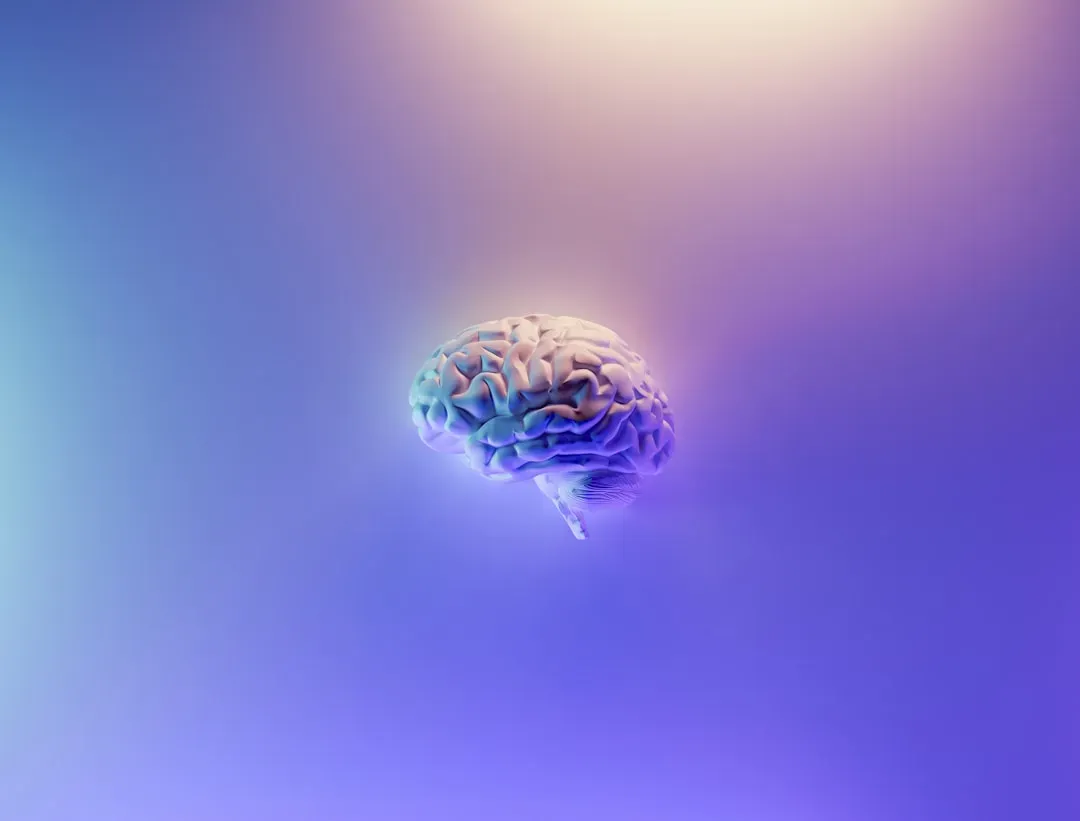
If you could peek inside your brain when you feel a stab of fear about dying, you would see the amygdala lighting up like a warning beacon. This almond-shaped cluster deep in your temporal lobe is one of your key fear centers, helping you detect danger and learn from painful or scary experiences. Studies using brain scans show that when you’re exposed to death-related images or words, your amygdala and related networks often become more active, even if you think you’re staying calm on the surface. At the same time, regions in your prefrontal cortex, which help you reflect, plan, and regulate emotions, may step in to dampen this raw fear response. When that top-down control is strong, you can look at death more philosophically, even if it still unsettles you. When it is weaker – because of exhaustion, stress, trauma, or mental health struggles – your brain’s alarm system can feel louder and harder to reason with, turning ordinary reminders of mortality into spirals of anxiety or panic.
Why Your Sense of Self Makes Death Feel Unthinkable
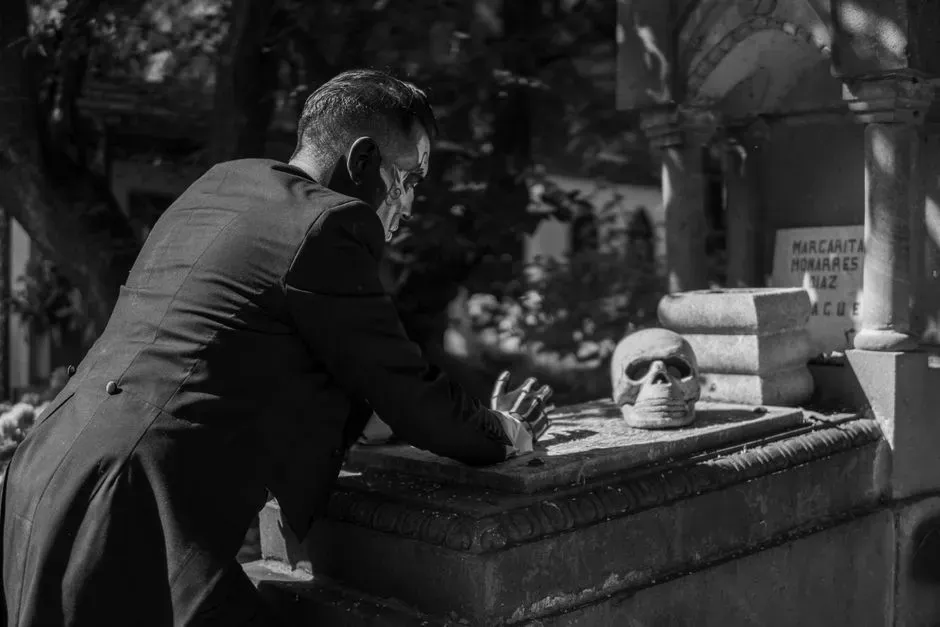
Psychologically, one of the most unsettling things about death is that it collides head-on with your sense of self. You move through the world with a quiet assumption that you are a continuous “you” who has a past, a present, and a future. That ongoing story gives every choice, memory, and plan its meaning. Death, as far as your everyday mind is concerned, is not just the end of your body; it is the apparent erasure of the narrator inside your head. Your brain is extraordinarily good at stitching together experiences into a coherent identity and remarkably bad at imagining the total absence of experience. When you try to picture your own nonexistence, you often end up imagining yourself watching your own death from the outside, like a scene in a film. This mental blind spot can make death feel less like a neutral event and more like hitting an impossible wall, which your mind then fills with fear, confusion, or a sense that something deeply unfair is happening to you.
Terror Management: How Culture and Beliefs Shield You
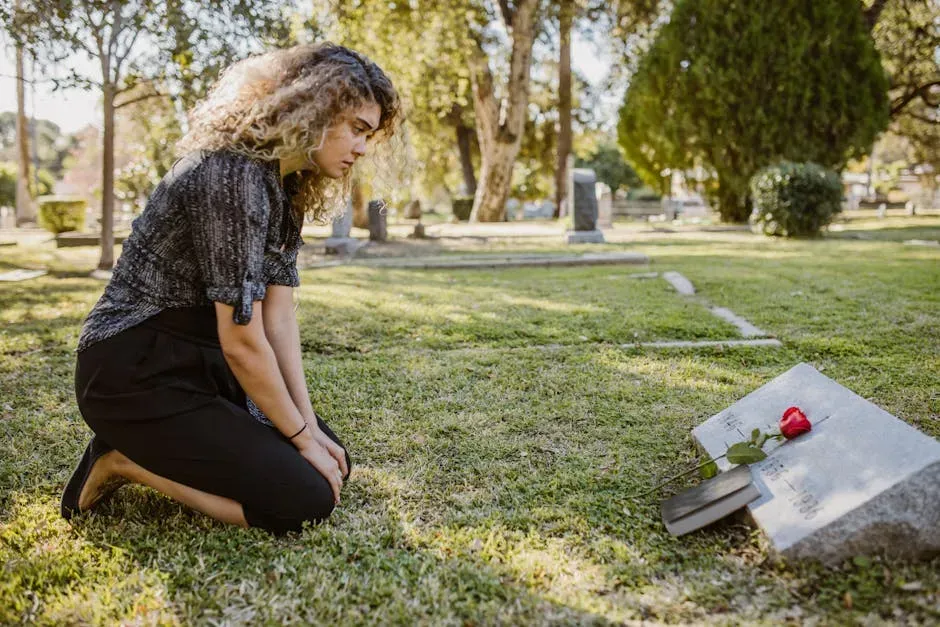
Psychologists who study death anxiety often talk about something called terror management. The idea is that your awareness of mortality could, in theory, overwhelm you, but you usually buffer that terror with cultural beliefs, values, and identities. When you commit to a religion, a nation, a cause, a family role, or even a career path, you are not just choosing a lifestyle; you are plugging into a framework that promises symbolic or literal continuity beyond your physical lifespan. You might tell yourself that you live on in heaven, in your children, in your work, or in the memory of others. These beliefs are not just comforting stories; they actively help regulate your fear. Experiments show that when you are subtly reminded of death, you tend to cling more strongly to your cultural worldviews and group identities. You may defend your beliefs more fiercely, seek status or recognition, or double down on the idea that your life has lasting value, all as a psychological shield against the raw knowledge that your body is temporary.
Uncertainty and the Fear of the Unknown
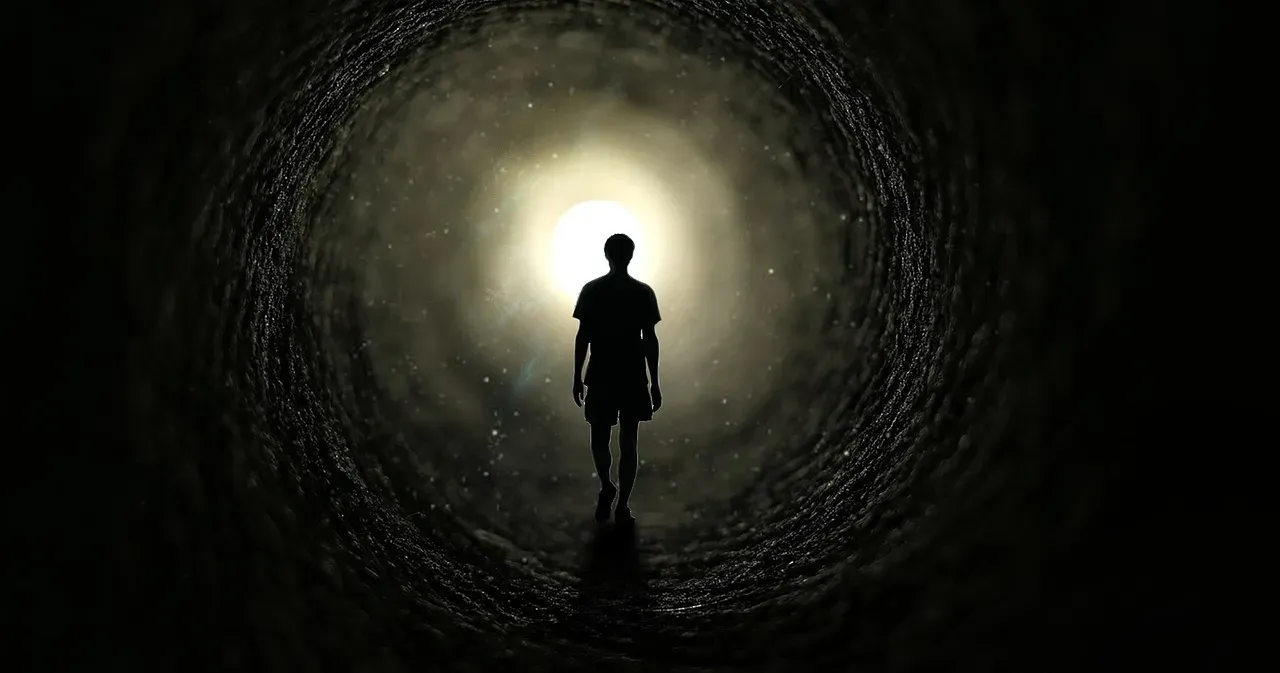
Even if you hold spiritual or philosophical beliefs about what happens after you die, you still live with a stubborn fact: you do not actually know, in a concrete, verifiable way, what that experience is like. Your brain is wired to prefer the predictable over the unknown, because uncertainty makes it harder to prepare and protect yourself. That is why you can sometimes feel more afraid before a medical test than after hearing a difficult diagnosis; at least once you know, your mind can start planning. Death sits at the far edge of uncertainty. You cannot observe it and return with a report, and your usual mental tools for prediction fall apart at that boundary. This radical unknown can trigger a special kind of anxiety, especially if you’re the type of person who finds comfort in control, order, and clear rules. The fear is not always about suffering or pain; sometimes it is about stepping into an experience you cannot model, measure, or manage in advance.
Attachment, Loss, and the Pain of Leaving Others Behind
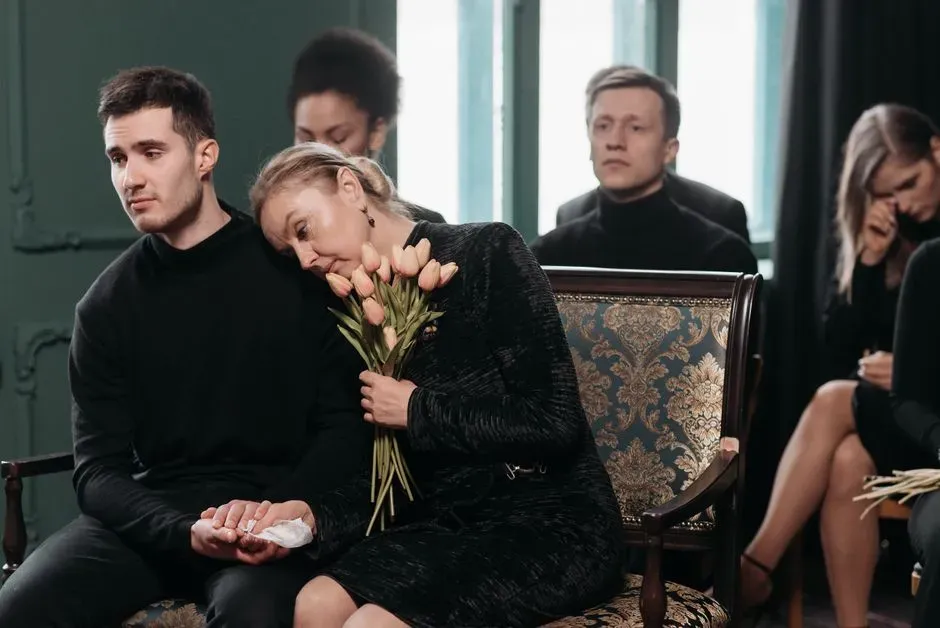
Your fear of death is not only about what happens to you; it is also about what happens to the people you love. From early in life, your brain builds strong attachment systems that tie your sense of safety to the presence of caregivers, friends, partners, and communities. When you imagine your own death, part of what hurts is the anticipation of leaving them with grief, or not being there for milestones, crises, and ordinary shared moments that give your life warmth and texture. There is also a quieter fear that can be hard to admit: the fear that you will be forgotten. On some level, you crave the sense that you matter in a way that outlasts your physical presence. This is why you might feel an urge to create, to raise children, to build something, or to shape other people’s lives. The idea that, one day, the world will simply move on without you can feel like a second death, and your mind may rebel against that possibility with sadness, anger, or a determined push to create some lasting imprint.
Control, Vulnerability, and the Illusion of Invincibility
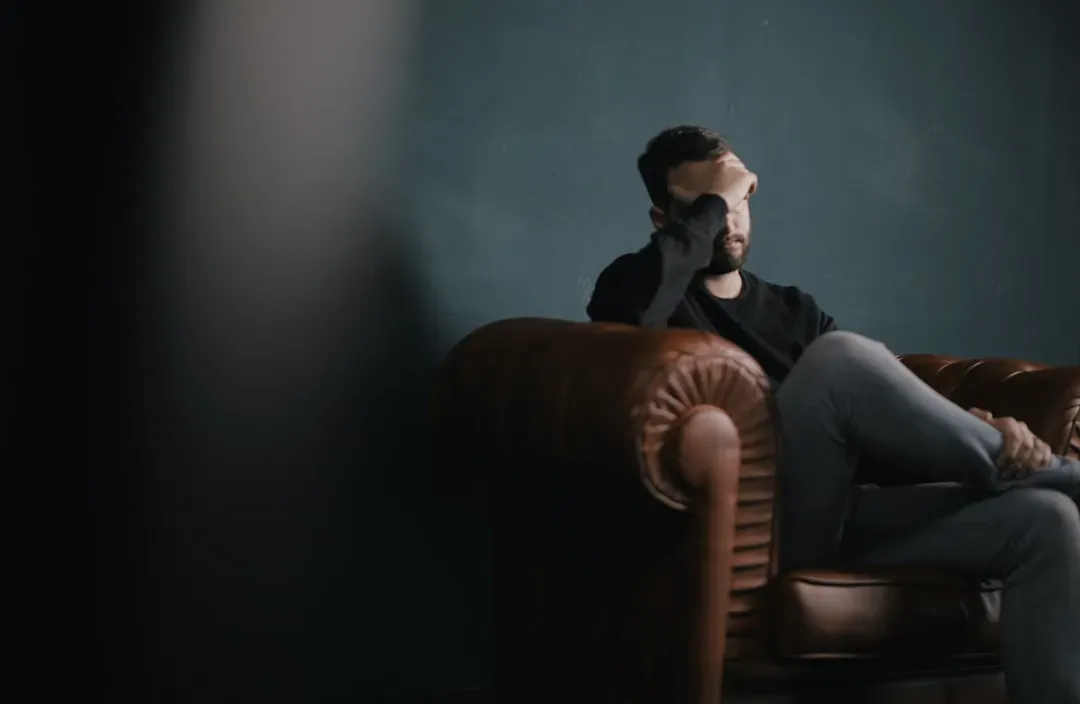
In daily life, you quietly depend on the illusion that you are in control. You make plans, set alarms, lock doors, follow health advice, and drive carefully, all to keep the chaos of the world at bay. Death, however, exposes a level of vulnerability that your mind does not like to face. You can influence your risks, but you cannot eliminate them, and some events – accidents, sudden illness, random tragedies – can shatter even the most careful routines. When that vulnerability breaks through, such as during a health scare or after witnessing someone else’s sudden death, your fear can spike. You may notice yourself becoming more cautious, more hyperaware of bodily sensations, or more drawn to promises of safety and control. At the same time, your rational mind knows that total control is impossible, and that tension – between wanting guarantees and knowing you cannot have them – fuels much of the unease you feel when you think seriously about your own mortality.
How Understanding Your Fear Can Make Life Feel Richer
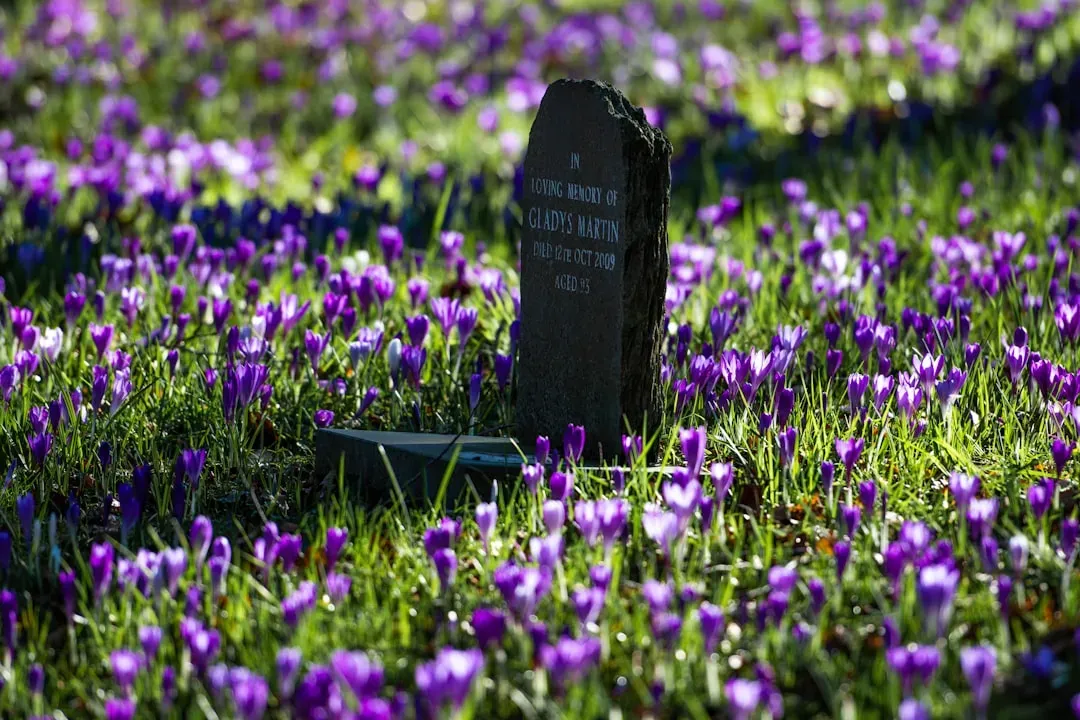
Once you recognize that your fear of death grows out of understandable brain mechanisms and psychological needs, it can start to feel less like a mysterious curse and more like a signal. You are not weak or defective for feeling unsettled by your own mortality; you are responding exactly as a survival-focused, meaning-seeking nervous system is designed to respond. That awareness can open the door to approaching death anxiety with curiosity rather than just avoidance. Many people find that when they gently turn toward this fear – through therapy, meditation, spiritual exploration, honest conversations, or simply private reflection – it changes their relationship with life itself. You may become more present with small joys, more forgiving of yourself and others, and more intentional about how you spend your limited time. The fact that life ends can make it feel more precious, like a rare book with a finite number of pages instead of an endless stream you can always return to later.
In the end, your fear of death is a conversation between your survival circuits, your sense of self, your attachments, and your need for meaning. Neuroscience and psychology do not erase the mystery of what happens after you die, but they can illuminate why you react to that mystery the way you do. When you see those reactions clearly, you have a chance not to be ruled by them.
You do not get to choose whether you will die, but you do get to choose how honestly you face that reality and what it inspires you to do with the time you have. If you let it, the fear of death can become a quiet companion that nudges you toward a fuller, more deliberate life rather than a shadow you always have to run from; what would it change for you if you treated it that way?