
You probably know, in a vague way, that the body shuts down when someone is dying. But when you are actually watching it happen to someone you love, nothing about it feels vague. Every small change in breathing, skin color, or level of awareness can feel huge, frightening, and strangely sacred all at once. Understanding what doctors and nurses look for does not make loss easy, but it can make the process a little less mysterious and a little less terrifying. What follows is not a rigid checklist. People do not die in perfect textbook order, and not every sign appears in every person. You will see patterns rather than rules, and ranges rather than exact timelines. But by knowing the most common medical stages and signs, you can better tell what is happening, what is normal, and when your real job is simply to sit close, hold a hand, and let love do the talking that words no longer can.
1. The Long Decline: When Serious Illness Quietly Changes Everything
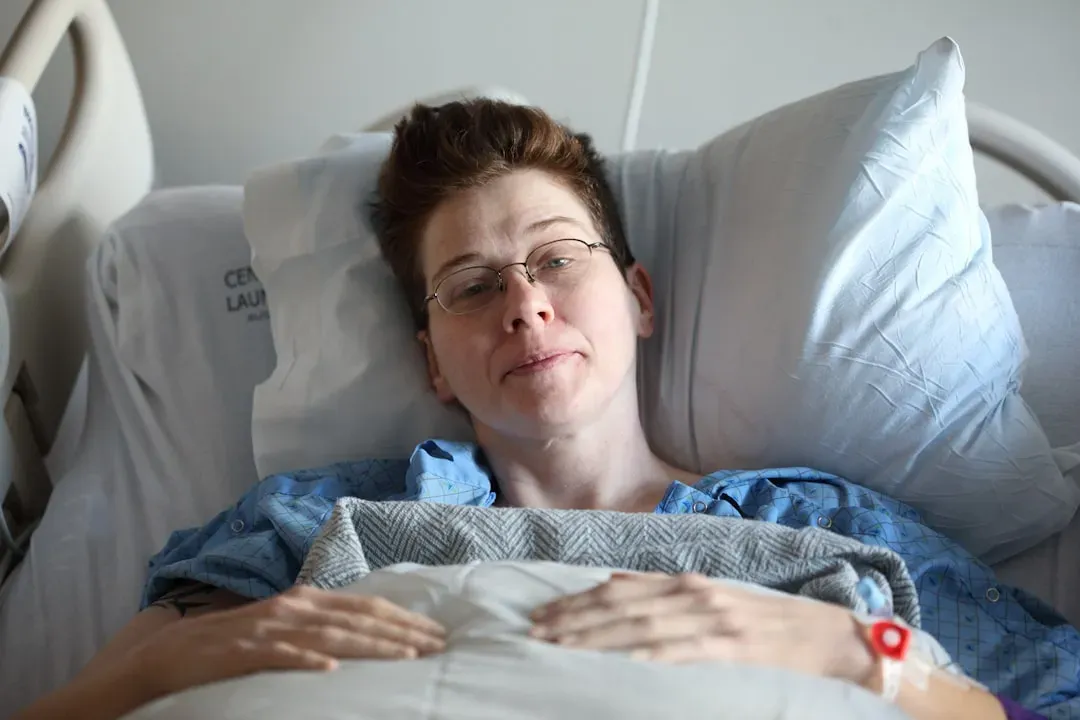
Long before anyone uses the word dying, you usually see a slow shift: you get tired more easily, lose weight without trying, or feel weaker doing everyday things like showering or walking to the mailbox. Doctors often call this functional decline. You might notice that meals take more effort, naps stretch longer, and you need help with things you handled alone just a few months earlier, even if you are still talking, joking, and making plans.
On the medical side, this is often when chronic diseases like heart failure, lung disease, advanced cancer, or dementia are gradually winning the tug-of-war with your body. Lab values may slowly worsen, hospital stays may become more frequent, and recovery from simple infections or falls takes longer than it used to. You may not feel like you are dying, but your body is spending more of its energy on basic survival and less on repair, strength, and appetite.
2. Reduced Intake and Rising Fatigue: When the Body Starts Conserving Energy

One of the earliest and most common changes doctors see as death gets closer is a shift in how much you eat and drink. You might feel full after just a few bites, forget about meals, or find that food you used to love now seems unappealing or even nauseating. Drinking can feel like a chore, and people around you may get worried that you are “starving” or “dehydrating,” even though your body is actually doing this on purpose as it begins to slow down.
Your fatigue also usually deepens during this time. You spend more of the day in bed or in a chair, needing frequent rest even after small efforts like brushing your teeth or sitting up to talk. From a medical point of view, this is your body shifting into a lower-power mode, redirecting blood flow and energy away from digestion and physical activity toward the organs that still need support. Pushing food or fluids aggressively at this point rarely makes you feel better; more often, comfort comes from small sips, moistening your lips, and respecting your sense of what your body can handle.
3. Mental Changes and Increasing Sleep: When the World Starts to Feel Farther Away
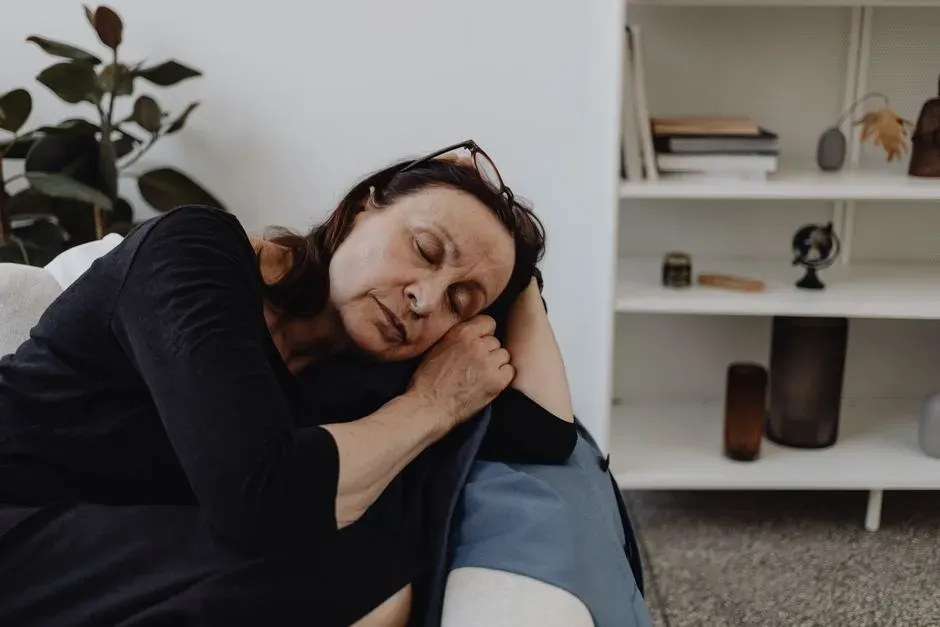
As you move closer to the final weeks or days, you usually spend more time sleeping and less time fully awake. You may drift in and out, respond slowly, or seem to listen with your eyes closed rather than meeting people’s gaze. Sometimes you are perfectly clear when you wake up; other times you might feel foggy or confused about the time, the day, or even where you are. To family, this can feel deeply unsettling, but medically it is a familiar sign that the brain is getting less energy and less oxygen than before.
You might also experience moments of delirium or agitation: seeing things others do not see, picking at the sheets, trying to get out of bed, or saying things that sound out of character. Medications, infections, organ failure, or simply the progression of disease can all play a role here. Doctors and nurses watch for these changes because they can sometimes be eased with adjustments to pain medicine, calming medications, better lighting, or a quieter environment. To you and your loved ones, it may feel like you are drifting between two worlds, with waking life and dreams starting to blend together.
4. Changes in Breathing: The Rhythms Doctors Watch Most Closely
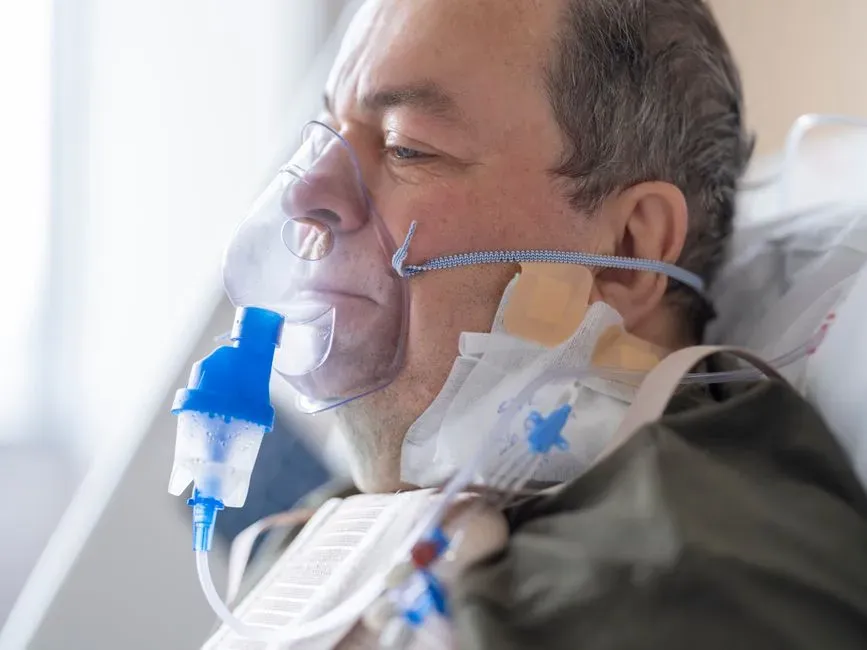
Breathing patterns often tell doctors the most about how close death may be. You might start breathing faster than usual while at rest, or slower and more shallow, as if each breath takes effort. There may be long pauses where you seem to stop breathing altogether, only to take a deep breath again; this stop‑and‑start rhythm, often called Cheyne–Stokes breathing, is very common in the final days. To someone at the bedside, these pauses can feel like the moment has come over and over again.
As the throat muscles relax and you are less able to cough or swallow, you may develop a wet, rattling sound in your chest or throat when you breathe. Clinically, this happens because secretions pool in the airways; it does not always mean you are in distress, but it can be extremely distressing to hear. Doctors often focus on your facial expression, body tension, and vital signs to judge whether you are uncomfortable. They may use medications or repositioning to reduce the sound, but the main goal is to keep you comfortable, not to force your lungs to behave like they used to.
5. Circulation and Skin Changes: What Your Hands and Feet Are Telling Everyone
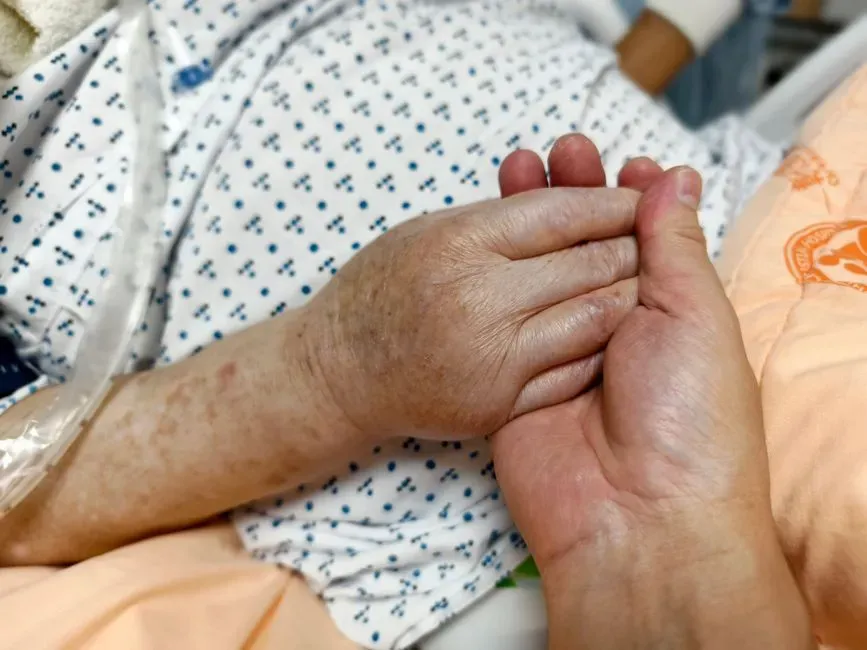
As your heart becomes weaker and your body prepares to shut down, circulation shifts toward the core organs and away from the skin. You may notice your hands and feet becoming cool or mottled, with patchy purple or blue areas especially on the toes, knees, or fingertips. Blood pressure often trends downward, and the pulse may become weak, irregular, or harder for nurses to feel at the wrist. To someone watching, these changes can look alarming, but medically they usually mean the body is doing its final energy triage.
Your skin may become more fragile, dryer, or more prone to small tears or bruises with even gentle handling. Lips can look dry or slightly bluish, and the area around the nails may darken. These signs do not hurt in themselves; they are more like visible footprints of the deeper shifts in circulation happening inside you. When clinicians see these patterns together with changes in breathing and consciousness, they often recognize that you may be in the final days or hours, and they will lean even more heavily toward comfort‑focused care.
6. Organ Failure and the Final Hours: How the Body Lets Go, Step by Step
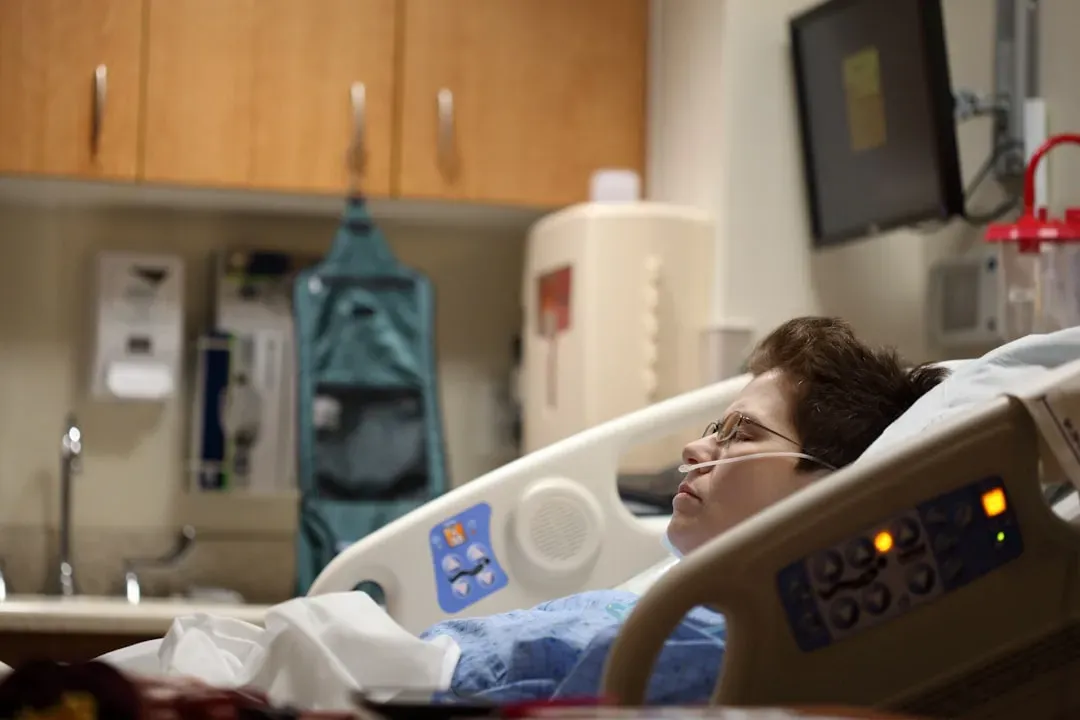
In the last stretch, usually measured in hours to a day or two, multiple organs begin to fail in a way that is often more peaceful than it sounds. Kidneys may slow dramatically, so you produce very little urine; the bladder stays almost empty, and diaper or catheter changes become infrequent. The liver may no longer process medicines or toxins well, which can deepen sleepiness or confusion. The brain runs on fumes of oxygen and sugar, and you may no longer respond to voices or touch, even though hearing is thought to be one of the last senses to fade.
From the outside, you might appear unresponsive, but you can still show subtle signs of discomfort like a furrowed brow, a grimace, or restless movements. Doctors and nurses pay close attention to these small clues when choosing pain medication doses and comfort measures. The focus shifts almost entirely to easing any signs of suffering: soft voices, dim lights, mouth care for dryness, gentle repositioning, and enough medication to quiet pain and anxiety while allowing the body to follow its own timeline. In this phase, life is not so much being taken away as gently unwinding.
7. The Moment of Death and the Quiet After: What You May See and Feel
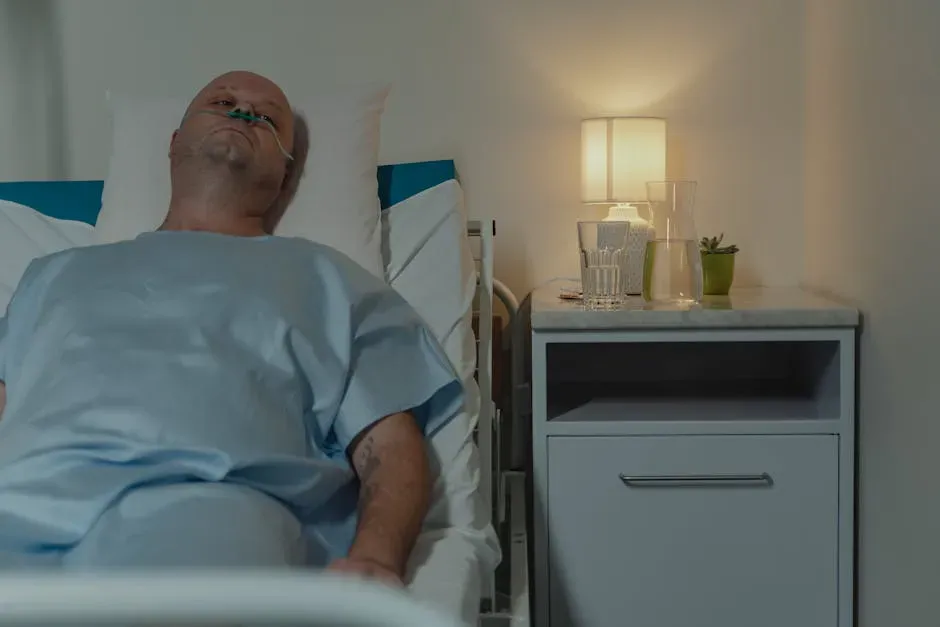
When death finally comes, it is often quieter and more ordinary than people imagine. Breathing typically slows, pauses become longer, and then eventually the next breath simply never comes. The chest no longer rises, there is no visible effort, and the faint pulse at the neck or wrist is gone. Sometimes there is a final, slightly deeper breath or a gentle sigh; sometimes it is simply a gradual fading, like a candle that has slowly burned down to the wick.
Right afterward, you may notice the jaw relaxing, the mouth falling slightly open, and the pupils becoming fixed and not reacting to light. The skin may lose its last bit of warmth over minutes to an hour, and the mottling in the extremities becomes more pronounced. Clinicians confirm death by checking for the absence of a heartbeat and breathing for a full minute or more, and then the room often becomes a kind of stillness you do not forget. If you are at the bedside, this is the moment when medical observation steps back and the human reality of goodbye steps forward.
Understanding these stages does not remove the pain of losing someone, and it does not turn death into something tidy or easy. But it can give you a map in the middle of a landscape that otherwise feels impossibly confusing and frightening. When you recognize that the things you are seeing are part of how the body naturally lets go, you can spend less energy on panic and more on presence: holding hands, saying what matters, and simply staying. Knowing all this, if you were sitting at a bedside today, what would you want your last words, or your last silence, to be?