
You know that strange split second when you’re drifting off and suddenly your whole body jolts like you just stepped off a cliff? One moment you’re relaxed, the next your heart is racing and you’re wide awake again, wondering what on earth just happened. It can feel spooky, dramatic, and oddly like your brain just hit a panic button at the worst possible time. That bizarre kick, twitch, or full‑body jump is so common that sleep scientists have a name for it: a hypnic jerk, or sleep start. And while the dramatic explanation that your brain is “testing if you’re still alive” is a bit of an exaggeration, there is a real kernel of truth hiding behind that idea. In a way, your nervous system really is double‑checking whether it’s safe to let go.
That Sudden Jolt Has a Name (And You’re Not Weird)

You might feel like the only person who flails around in bed like you just fell off a ladder, but you’re absolutely not alone. That sharp, involuntary twitch you feel as you’re drifting into sleep is called a hypnic jerk, and it’s one of the most common sleep-related experiences humans have. You’re usually half-asleep, your thoughts are getting fuzzy, and then – bam – your leg kicks, your arm jerks, or your whole body jumps. You often pair it with a quick, strange micro-dream: maybe you trip on a step, miss a stair, or stumble over nothing. It’s over in a heartbeat, but your body reacts as if something genuinely dangerous just happened. Your muscles tense, your breathing speeds up, and your eyes might even snap open. It feels dramatic because, to your nervous system in that moment, it is dramatic.
What Your Brain Is Actually Doing As You Drift Off
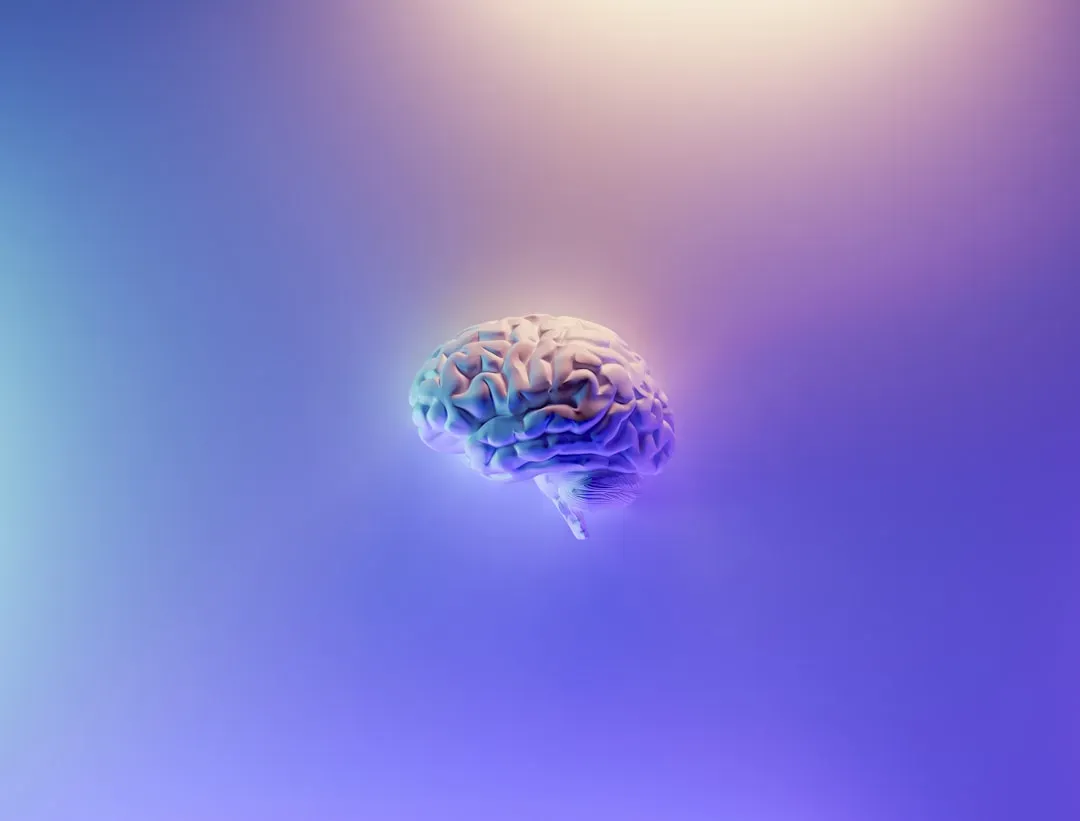
To understand why you suddenly jerk awake, you need to know what’s happening in your brain as you fall asleep. You’re not just flipping a switch from “on” to “off” – your brain passes through stages. In those first light stages, parts of your brain are starting to go offline while others are still running checks and managing your safety. It’s like shutting down a busy office while security is still walking the halls. As your muscles relax and your breathing slows, some areas of your brain interpret that shift as a big change in your body’s state, almost like a signal that something important is happening. Your arousal systems, the ones responsible for keeping you safe and awake, are not eager to give up control. So they keep monitoring signals and occasionally misread them, like a nervous guard dog reacting to a harmless noise.
Why It Can Feel Like You’re Falling (And Why That Matters)

You’ve probably noticed that your hypnic jerks often come with that falling sensation – off a curb, out of a chair, down a staircase that wasn’t there. That isn’t random. As your muscles relax and your body gets heavier into the bed, your brain’s movement and balance systems are still partly awake, still trying to track your position in space. When they suddenly detect less muscle tone and less feedback, it can feel to them like you’ve lost your footing. In that split second, your brain may respond as if you’re actually falling, triggering a fast, protective muscle contraction – basically a full-body “catch yourself” response. It’s the same system that kicks in if you trip on the sidewalk and flail to regain your balance. The difference here is that you’re lying safely in bed, but your nervous system doesn’t fully trust that yet.
Is Your Brain Really “Checking If You’re Still Alive”?

The catchy idea that your brain is “testing whether you’re still alive” is not literally how neuroscientists would phrase it, but it does capture something important. Your brain’s job is to keep you alive first and let you sleep second. As you slip toward sleep, your vital systems – breathing, heart rate, muscle tone – are all changing. Your brain is watching those changes closely to make sure they’re safe, not signs of danger. When your muscles suddenly relax, your brain can momentarily misinterpret that as a loss of control or a threat, like falling or collapsing. So it fires off a quick, powerful signal to your muscles, forcing a jerk and snapping your attention back online. In that sense, yes – your brain is doing a last-second safety check, making sure nothing catastrophic is happening before it fully lets you go offline for the night.
Stress, Caffeine, and Screens: Why It Happens More Some Nights

You may have noticed that these jerks hit harder on some nights than others, especially when you’re exhausted, anxious, or overstimulated. When you’re stressed, your nervous system is cranked up and more jumpy than usual. That means your brain is more likely to overreact to normal shifts in your body, like muscle relaxation or changes in breathing, and slam that emergency button unnecessarily. Caffeine, nicotine, and late-night screen time can also make your brain more alert even when your body is trying to wind down. Your muscles start to relax, but your brain is still buzzing, monitoring every little sensation. That mismatch between a wired brain and a body trying to power down sets the stage for those intense hypnic jerks that yank you awake just when you thought you were finally drifting off.
When It’s Harmless (And When You Should Pay Attention)

For most people, hypnic jerks are annoying but completely harmless. They’re just a glitch in the handoff from wakefulness to sleep – a little misfire in a very complex system. You might lose a few minutes of rest and feel a bit startled, but your brain and body are still working exactly as they should to protect you. Over time, you probably forget most of these jolts entirely. Still, you should listen to your body. If these jerks become so frequent or intense that they keep you from falling asleep night after night, or if they come with other symptoms like gasping, chest pain, or long pauses in breathing, it’s worth talking to a healthcare professional. Your body’s safety system is powerful, but if it never lets you relax, it may be pointing to something that needs attention rather than just a harmless reflex.
Simple Ways You Can Calm Your Nervous System Before Bed
You can’t completely erase hypnic jerks – they’re wired into your system – but you can absolutely make them less frequent and less intense. Start by giving your nervous system a softer landing at night. That means easing into sleep instead of crash-landing into it: dim the lights, step away from intense screens, and avoid heavy caffeine in the hours before bed so your brain is not on high alert when your body tries to relax. You might also find that a consistent pre-sleep ritual helps: a warm shower, light stretching, slow breathing, or reading something calm. These habits signal to your brain that you’re safe and it’s okay to drop its guard a little. The more familiar and predictable your bedtime feels, the less your brain will feel the need to “test the alarm system” just as you’re about to drift off.
What This Strange Reflex Says About Being Human
When you zoom out, hypnic jerks are a reminder that you’re walking around with an ancient survival machine inside your skull. Your brain is built to assume that sudden changes might mean danger, even when you’re lying in a soft bed in a safe room. That embarrassing leg kick you do at 2 a.m. is the same system that would have helped your ancestors avoid falling from a tree or reacting to a predator’s sudden movement. In a weird way, that jolt right before sleep is proof that your body is still watching over you, even when you’ve mentally checked out for the day. It shows how deeply your instinct to stay alive runs, right down into your muscles and reflexes. The next time you twitch awake and your heart races, you can see it not as your body failing, but as your nervous system doing its clumsy best to protect you.
Conclusion: Making Peace With The Jolt

That sudden jerk before sleep can feel frightening, embarrassing, or just plain annoying, but it’s also strangely reassuring once you understand it. Your brain is not broken – it’s hyper-vigilant. It’s running a last safety scan, sometimes overreacting, but always with one core priority: keep you alive long enough to wake up again tomorrow. When it happens next time, you can pause, take a slow breath, and remind yourself that this is your ancient survival software glitching a little as it changes modes. You’re not weird, you’re not alone, and you’re certainly not dying. In fact, that jolt is proof that your body is still paying attention. Knowing that, how differently might you feel the next time your leg kicks you awake on the edge of sleep?