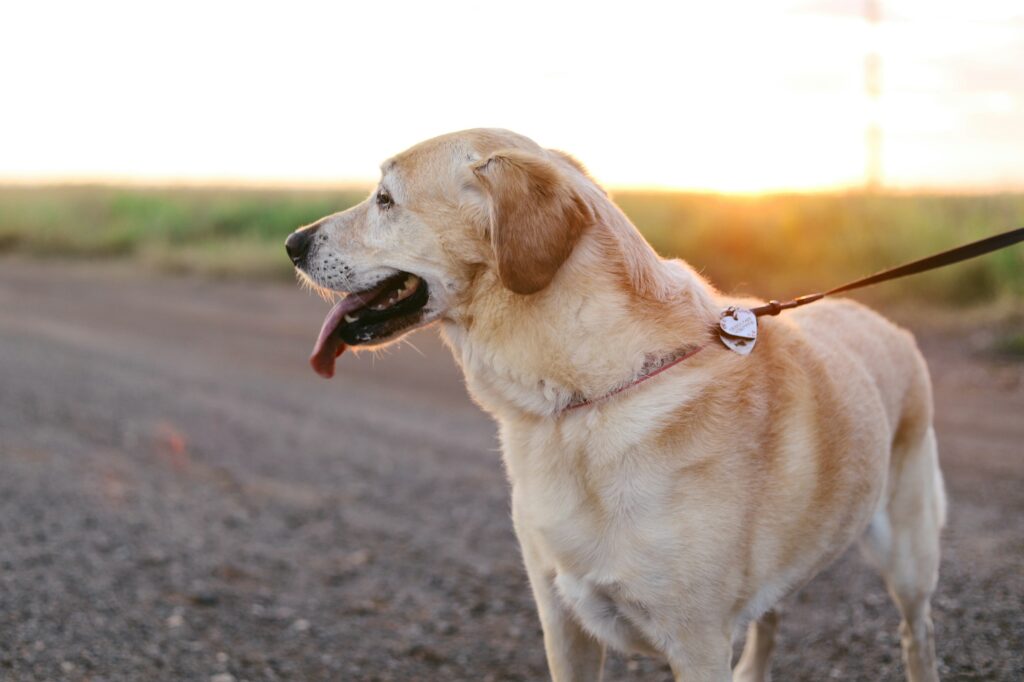
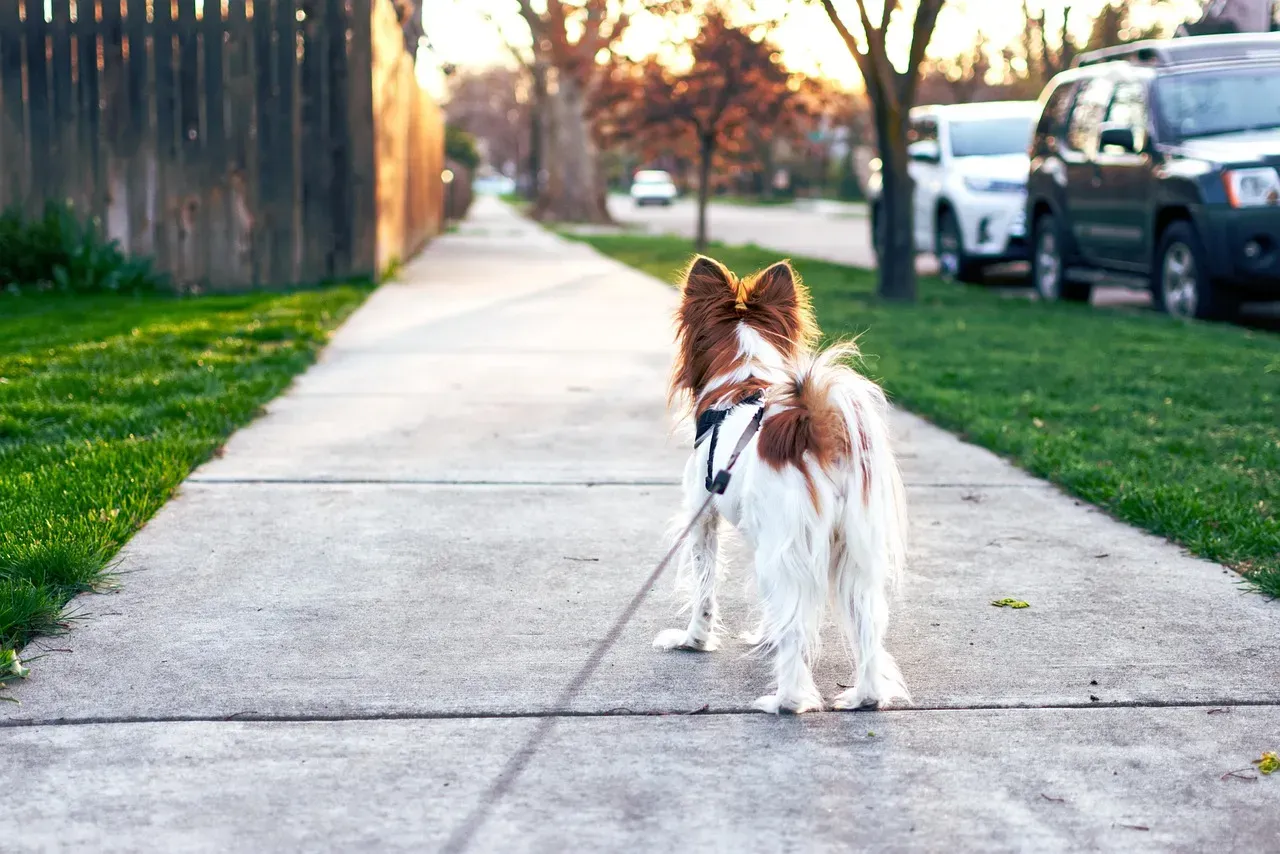
You probably know your walking route so well you could stroll it half-asleep, but your dog suddenly slams on the brakes at the exact same patch of sidewalk. They stare, pull back, maybe even go around it if they can. You feel nothing weird under your feet. The ground looks normal. Still, your dog is absolutely certain that something about that spot is wrong. It feels mysterious, maybe even a little unsettling, like walking into an invisible wall only your dog can see. That kind of moment sticks with you, and it should. While your first thought might be ghosts, bad vibes, or a hidden critter, some geologists suggest a more grounded possibility: slow, subtle movement of water or shifting material underground. You cannot feel it, and often you cannot measure it without instruments, but your dog’s senses might be picking up tiny vibrations, low sounds, or faint changes in smell that you completely miss. The result is a behavior that looks bizarre to you, but makes perfect sense to them.
When Your Dog Stops Cold: What Might Really Be Going On
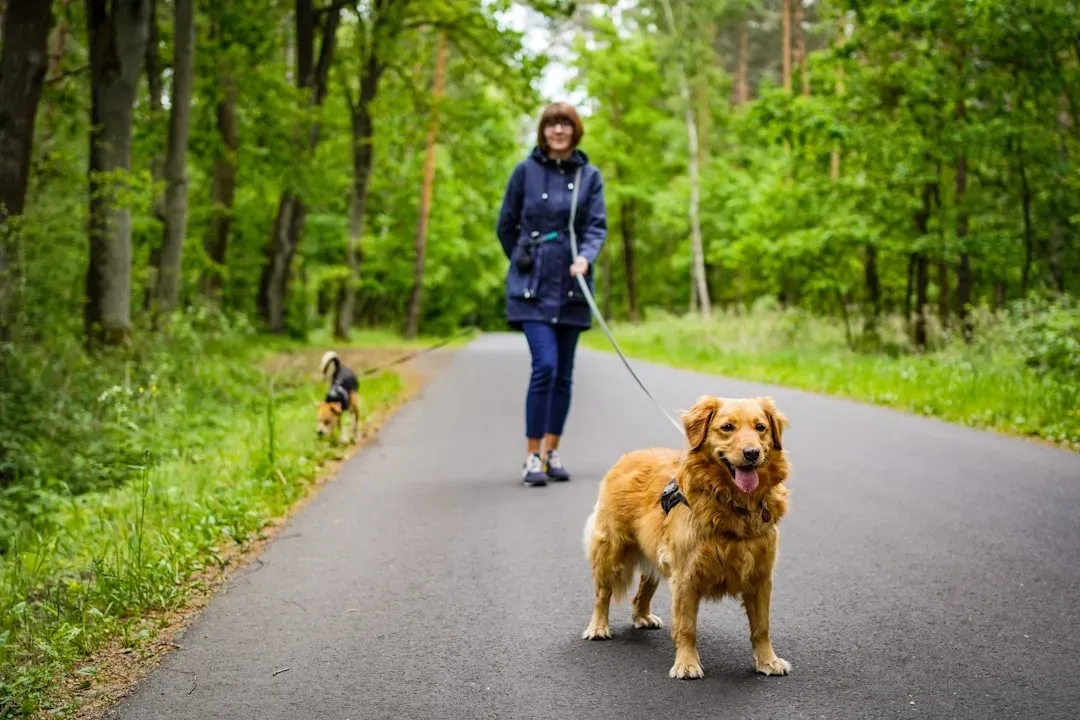
You notice it starts the same way every time: your dog is trotting along, tail relaxed, and then suddenly locks up a few feet before a specific point. They might plant their feet, refuse to move, or try to drag you to the opposite side of the street. To you, the pavement looks identical to the square they just crossed a second ago, but to your dog it clearly does not feel the same. From your perspective, it is easy to chalk this up to stubbornness or random quirkiness, but dogs rarely refuse to walk forward for no reason at all. Something in that spot is different in their experience of the world, even if you cannot see or feel it. The interesting part is that “something” can be subtle physical changes under the surface, not just what is visible on it.
The Hidden World Under Your Feet: Underground Water and Soil Movement

You might think of the ground on your regular route as one solid, unmoving thing, but geologists will tell you it is anything but. Beneath the sidewalk or path you walk every day, there can be layers of soil, rock, sand, and pockets of water slowly shifting over time. Underground water can seep, drain, recharge, or travel along old stream channels you never see. When water moves or the soil it flows through settles, it can create tiny vibrations and faint changes in how the ground transmits sound. You do not notice a thing, because your senses are tuned to bigger, more obvious movement like trucks and footsteps. Your dog, on the other hand, lives in a world where even the slightest changes in vibration and sound matter, and that is where things get interesting.
Why Your Dog Can Sense What You Can’t

You are walking through your neighborhood relying mostly on your eyes, but your dog is walking through the same world with a whole extra layer of information. They can hear higher-pitched sounds than you, detect very soft noises, and feel tiny tremors or changes through their paws. Their nose also reads information from the environment at levels you cannot even begin to imagine. If you have ever seen your dog react to a storm before you notice thunder, you have already watched this kind of sensitivity in action. Similarly, low rumbling, faint ground vibrations, or subtle changes that come with underground water movement may register to them as strange or even threatening, long before any person would have the faintest clue something is happening.
How Underground Water Movement Could Affect Your Dog’s Behavior
You might assume underground water is quiet, but as it moves through different layers of rock and soil, it can create low, continuous sounds that travel well through the ground. Your dog may hear or feel those low-frequency rumbles through their paws and bones, even when your ears pick up nothing. To them, that one patch of ground might feel like it is humming with an uncomfortable energy. In some cases, shifting soil or water close to buried pipes, voids, or old infrastructure can change how the ground responds to each step. Your dog might feel an odd hollow echo or slightly different “give” under their paws. It does not need to be dramatic; just strange enough that, based on their instincts, the smartest move seems to be stopping, avoiding it, or turning away.
Other Potential Explanations You Should Consider First

Even though underground water and subtle geological movement are fascinating possibilities, you should not jump to them as your first and only explanation. Your dog could be reacting to something more ordinary, like lingering smells from another animal, a past scary incident, or a sound from a nearby house, transformer, or piece of machinery. A buzzing electrical box or a high-pitched whine from underground cables can feel unbearable to your dog while sounding silent to you. You also want to consider whether anything negative ever happened near that spot: a loud crash, a loose dog, or an unpleasant interaction your dog has not forgotten. Dogs are experts at pattern recognition, and one bad experience can stamp a location as “danger zone” for a long time. The weird part is that you may have already forgotten the moment that locked into your dog’s memory.
When to Worry and When to Simply Observe
You do not need to panic every time your dog balks on a walk, but you should pay attention to patterns. If your dog consistently stops at the exact same location and seems anxious, alert, or distressed there, it is worth taking seriously. Watch their body language: tense muscles, tucked tail, pinned ears, or frantic sniffing tell you they are not just pausing for fun. At the same time, do not assume that a single stubborn stop means there is something dangerously wrong under the ground. Behavior is messy and influenced by many things, including mood, health, and training. Treat it like a clue, not a verdict. Note the conditions, the weather, the time of day, and how your dog reacts, and keep a mental record instead of reacting with fear right away.
What You Can Practically Do If Your Dog Refuses a Certain Spot
You can start by gently testing whether the issue is truly about that location or about the direction you are heading. Try approaching from the opposite side of the street or using a parallel route that runs next to the same general area. If your dog is fine elsewhere but stiffens only when you near that specific patch, you get a better sense that the spot itself is the problem. It can also help to walk past the area without forcing your dog to cross it, using distance to keep them more comfortable. Give them time to observe, sniff, and decide if they want to move closer at their own pace. If the behavior is intense, you might bring it up with your veterinarian or a qualified behavior professional, especially if you notice other new anxieties emerging around the same time.
How to Balance Respect for Your Dog With Healthy Skepticism
You do not have to become a full-time amateur geologist just because your dog dislikes one part of the sidewalk, but you can let their reaction nudge you into paying more attention to the environment. If your dog persistently avoids a spot and there are known issues in your area with sinkholes, ground settling, or water main breaks, it can be reasonable to view their behavior as one small data point among many. At the same time, you want to keep your feet on the ground mentally and not assume your dog is a magical early-warning system for every hidden underground hazard. It is more about respect than superstition. Your dog is telling you something about their experience. You can listen, adjust, and stay curious without turning every walk into a disaster movie in your head.
Could Your Dog Be Picking Up Pre-Earthquake Signals?
You have probably heard stories about animals acting strange before earthquakes, and there is ongoing scientific debate about how often that really happens and why. Some researchers think animals might be sensing tiny foreshocks, small changes in groundwater, or even shifts in electrical fields before people notice anything. The evidence is mixed, and you should treat dramatic claims with caution, but it is an area scientists still study. For you, this means you should not automatically label your dog’s hesitation as proof of an incoming quake, but you also do not need to dismiss the idea that they can detect things you cannot. Think of it as another reminder that your dog’s senses are built for a different world of signals. They might occasionally react to subtle geological changes, even if science is still trying to pin down how often that happens and under what conditions.
When to Loop In Professionals and Ask More Questions
If your dog keeps refusing a particular spot and you also notice cracks in the pavement, recurring puddles in dry weather, or odd depressions forming, it may be worth mentioning to your local public works department, utility company, or building management. They are the ones who can check for leaking pipes, sinking soil, or other infrastructure issues that could be quietly evolving underfoot. You can also talk to your veterinarian to rule out pain or medical issues that make certain surfaces or slopes uncomfortable for your dog. Sometimes what looks like fear of a location is really about sore joints or nerve pain that flares up on inclines or firmer ground. By getting both physical and environmental possibilities checked, you give yourself and your dog the best chance of walking safely and comfortably.
Conclusion: Listening to the Paw on the Brake

You might never know exactly why your dog refuses to walk past that one stubborn spot on your regular route, and that mystery can be oddly humbling. Somewhere between underground water movement, shifting soil, weird vibrations, buried infrastructure, remembered fear, and plain old dog preferences lies the real answer your dog is feeling in their body even when you cannot perceive a thing. The most practical approach is simple: stay curious, respect what your dog is telling you, and keep your thinking grounded in what science actually supports, not in wild guesses. You do not need to fear every step you take, but you do have a small four-legged sensor at the end of your leash, and sometimes, they might just know something you do not. Next time your dog slams on the brakes in the same exact place, are you still going to assume it is “nothing,” or will you let it prompt you to look a little closer at the ground beneath your feet?