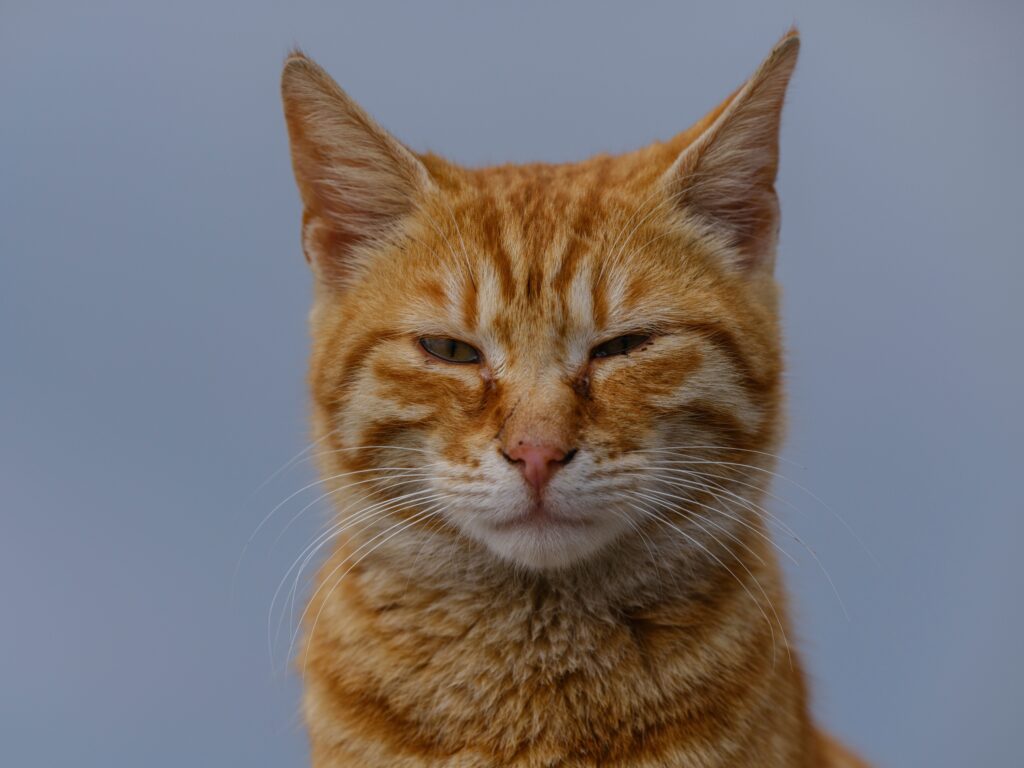
You know that moment when your cat locks eyes with you from across the room, pauses, and then slowly lowers their eyelids like they are moving in slow motion? It feels intimate and oddly special, almost like a tiny secret just between the two of you. For years, people have called this the “kitty kiss,” but when you look closer at what animal behavior research suggests, something more strategic is happening.
That slow blink is not just cuteness or random sleepiness. It is one of the clearest signals that your cat is running a low-key trust experiment on you, checking how safe you really are in their world. Depending on what you do next, you either reinforce their sense of security or quietly chip away at it. Once you realize that, you will never look at those half-closed eyes the same way again.
The Science Behind the Slow Blink: More Than a Cute Face
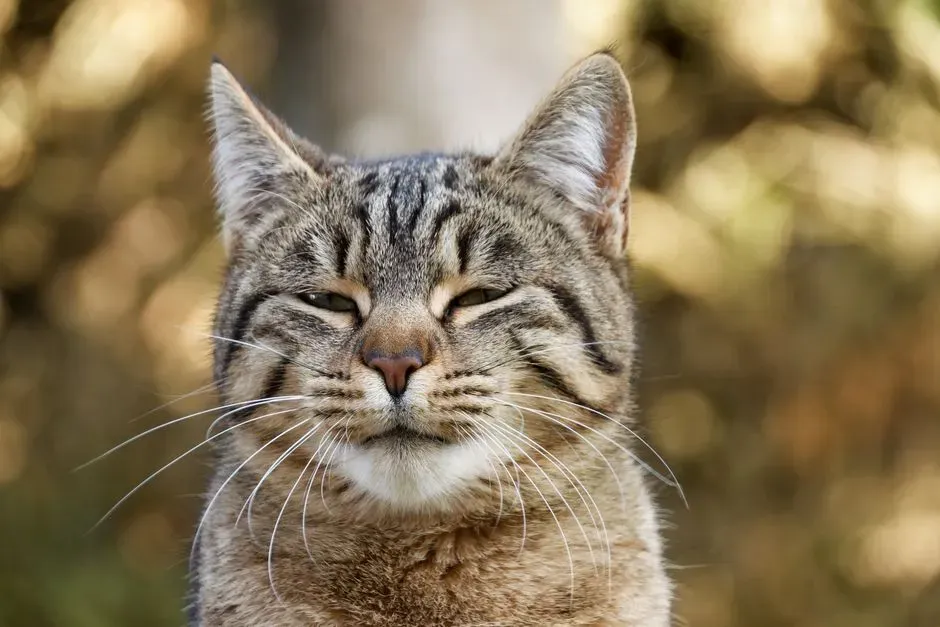
When your cat slowly blinks at you, you are seeing a behavior that researchers connect with relaxation and reduced alertness, not just fuzzy affection. In the wild, a cat would never deliberately close its eyes in front of someone it thinks might be a threat, even for a second. So when your cat does that around you, it is essentially saying that, at least in that moment, you are not on their danger radar.
Studies observing cats and their guardians show that when you mimic a slow blink back, your cat is more likely to approach you and stay close. That response suggests your cat is constantly reading your signals and adjusting how safe they feel with you. Instead of a simple “I love you,” the slow blink works more like “I am calm around you; are you calm around me too?” Every time it happens, your cat is sampling your vibes and collecting data.
Why Eye Contact Is So Intense in Cat Language
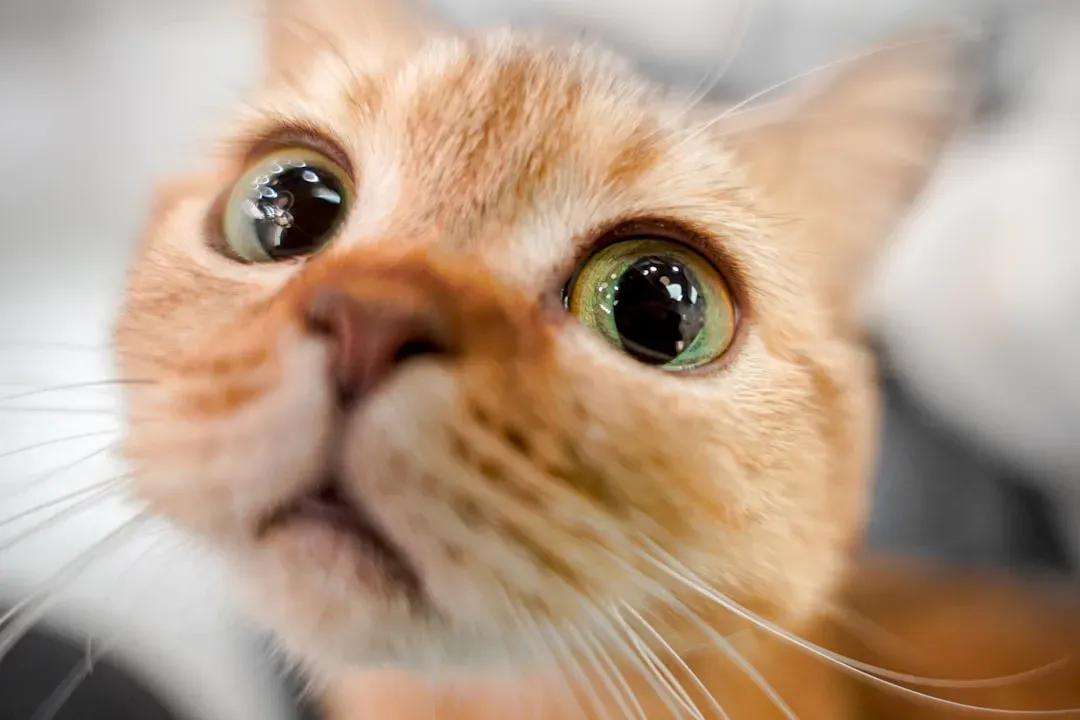
In human culture, you are often taught that good eye contact is a sign of confidence and honesty, but in cat language, direct staring can be rude, aggressive, or at least suspicious. If you ever watch two unfamiliar cats size each other up, you will notice the stiff body posture, locked gaze, and very slow movement. That is a negotiation that can flip either toward peace or toward a fight.
So when your cat looks right at you, then softens that stare into a slow blink, you are watching them deliberately dial down the tension. You might think you are just lounging on the couch, but from your cat’s point of view, they are making a choice: keep you in the “must watch closely” category or shift you into the “safe to relax around” box. The slow blink is how they tell you which column you are currently in.
How Your Cat Uses the Slow Blink as a Trust Test
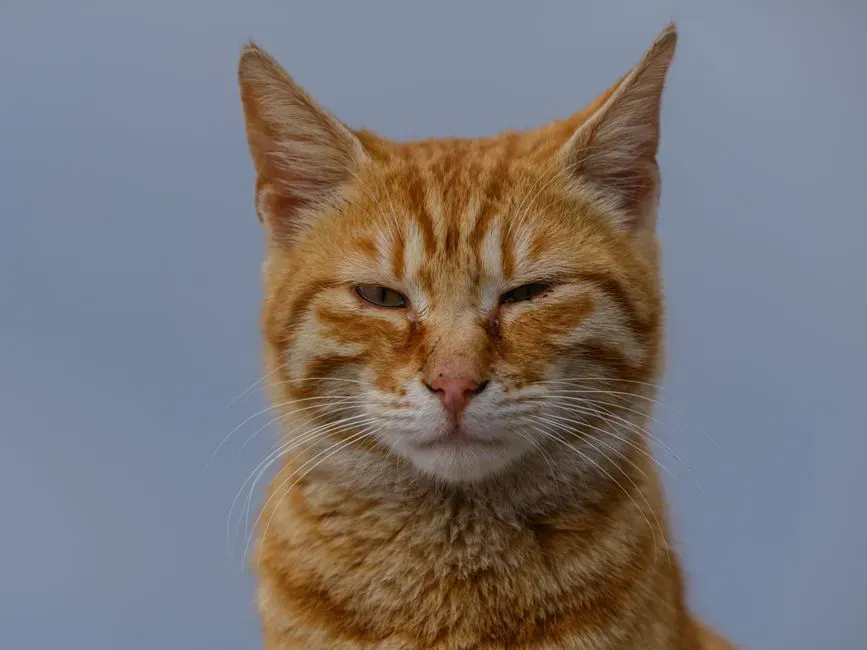
Think of the slow blink as your cat quietly sliding a test across the table with only one question on it: “Are you safe?” When they half close their eyes at you, they temporarily give up some vigilance, which is a risky move for a prey animal and a small predator. That brief surrender is not random; it lets them see how you respond when they are less guarded.
If you stay calm, gentle, and predictable during or after that blink, your cat’s brain registers that relaxing around you did not cause anything bad to happen. Over time, those tiny experiments stack up into a strong internal story that says, “This human is trustworthy.” If you respond with sudden movement, loud noise, or rough handling, they learn the opposite. You are either passing this trust test without realizing it or failing it in little ways that your cat never forgets.
Signs You Are Passing the Test (And Your Cat Knows It)
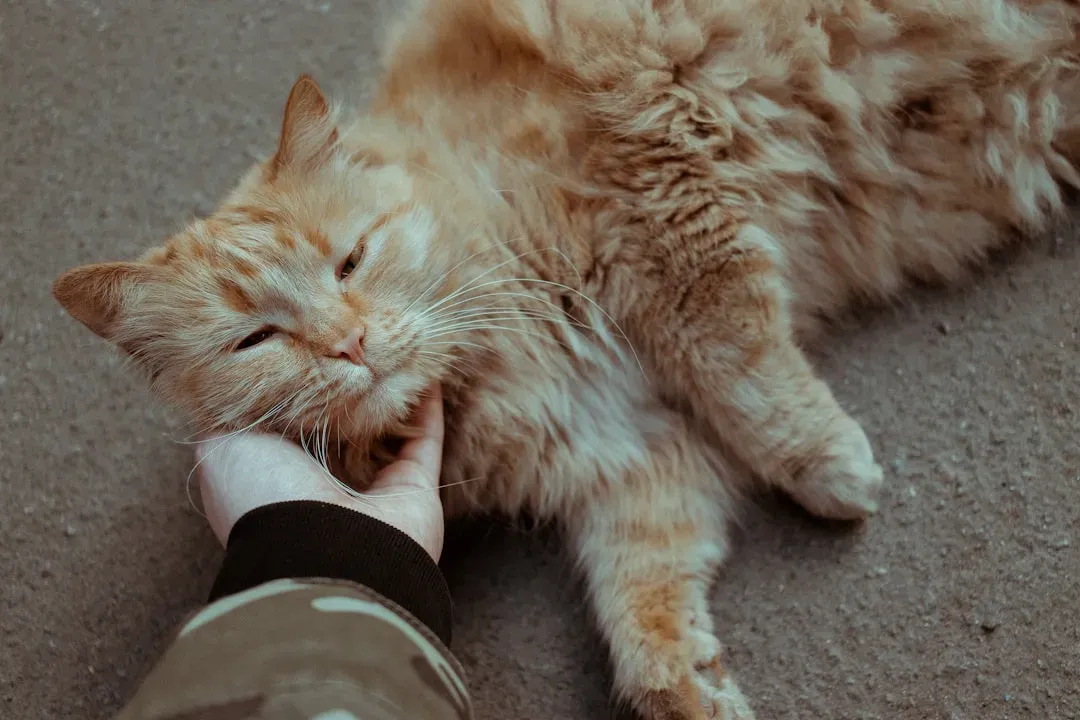
When you are doing well on your cat’s hidden trust exam, you start noticing a cluster of relaxed behaviors around you. Your cat might blink slowly and then stretch out on their side, exposing their belly, or curl up with their back turned toward you. They might loaf nearby with their paws tucked under and their eyes drifting half shut because they no longer feel the need to keep full watch.
You will also see your cat choosing to be around you without demanding anything specific: no food, no play, no obvious goal, just quiet company. That unhurried presence, paired with slow blinks and soft body language, is your report card. It is their way of saying that you have repeatedly shown up as gentle, predictable, and safe enough to nap near, and for a creature wired to survive by noticing threats, that is a massive compliment.
Subtle Ways You Might Be Failing the Trust Test
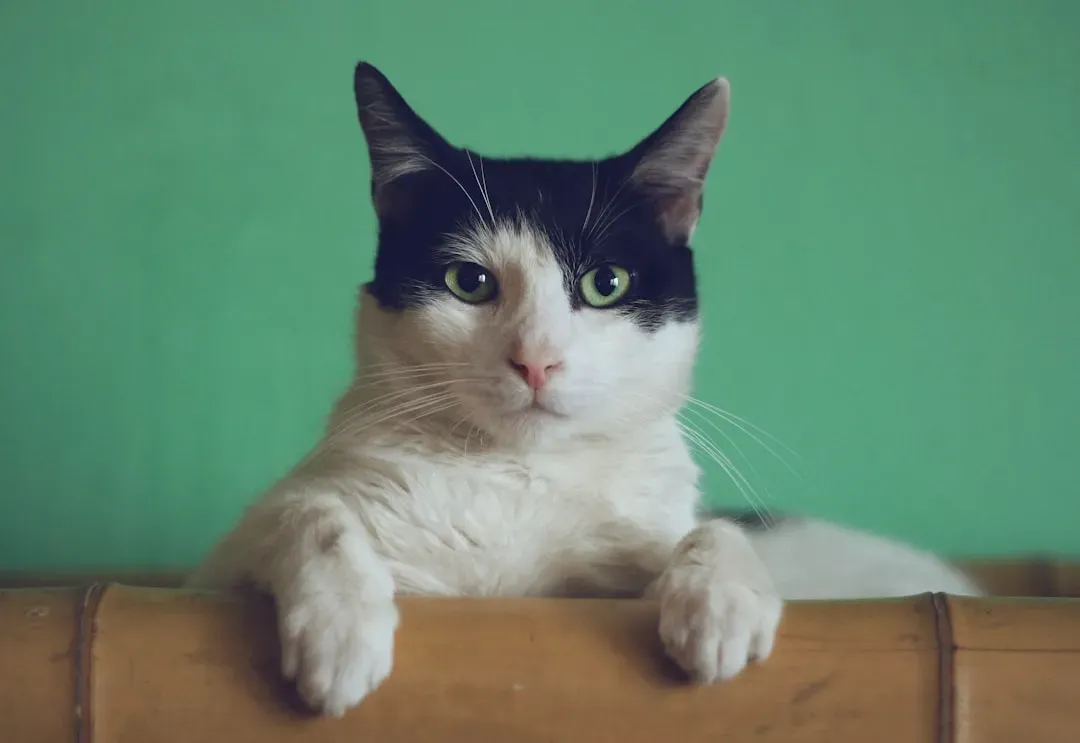
On the flip side, you can unintentionally fail this trust test, even if you adore your cat. Maybe when they slow blink, you rush in to scoop them up when they clearly wanted space, or you use that calm moment to clip nails, clean ears, or do something uncomfortable. To you, it might seem efficient; to your cat, it feels like punishment for letting their guard down.
Over time, your cat may blink less, keep more distance, or only approach you when they need something urgently. They might watch you closely from high places, keep their body slightly tense, or quickly turn away when you try to make eye contact. None of that means you are a bad person; it simply means your cat has collected enough mixed signals to decide that relaxing around you is a gamble they would rather not take too often.
How to Respond When Your Cat Slow Blinks at You
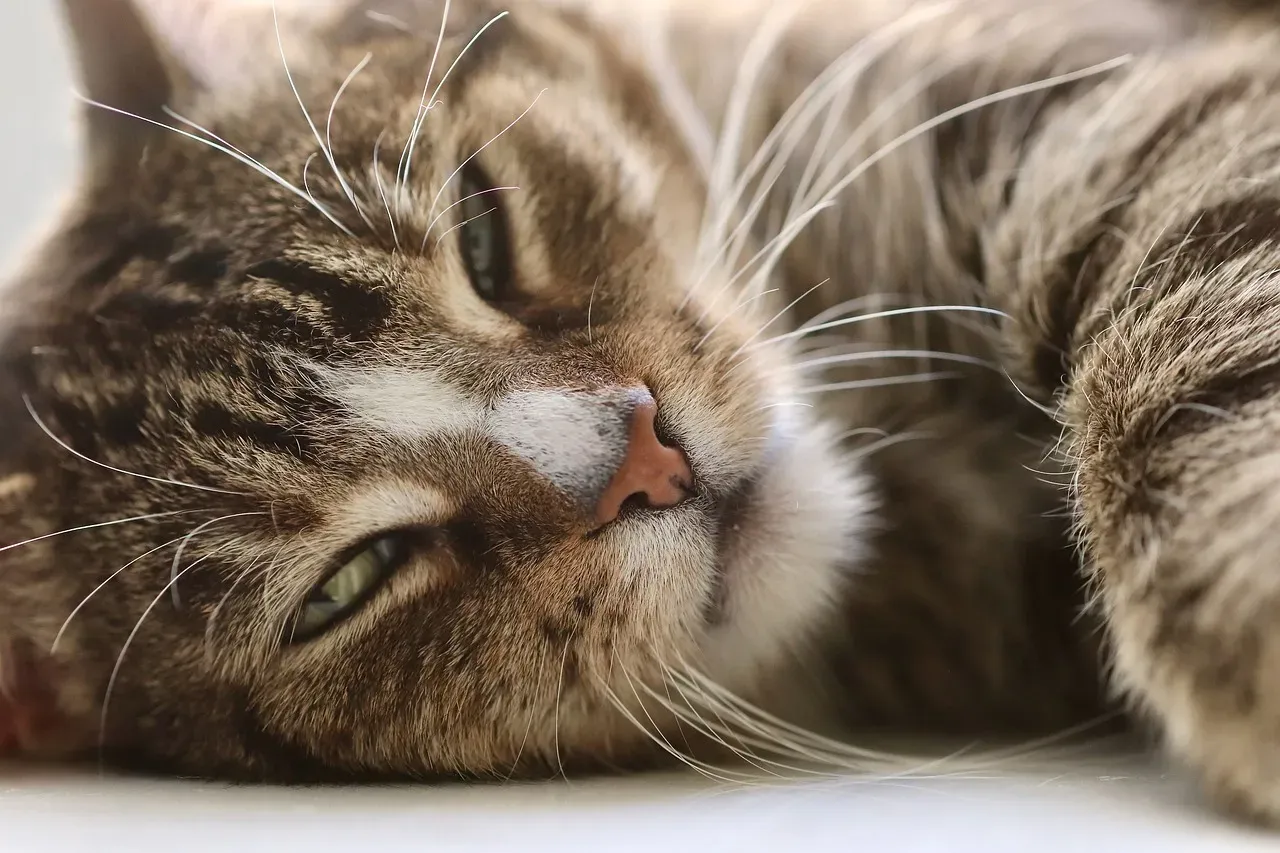
The simplest thing you can do when your cat slow blinks is answer in their own language. Gently meet their gaze, soften your expression, and slowly lower your eyelids for a second or two before opening them again. Keep your face relaxed, your body still, and your movements unhurried, almost like you are moving underwater.
After you blink back, you can stay where you are and let your cat decide whether they want to come closer. If they walk over, you can offer a hand for them to sniff or lean into, rather than reaching straight for their head. By treating the moment like a question they are asking and giving them control over the next step, you turn a tiny gesture into a powerful trust-building ritual you both understand.
Building a Bigger Trust Story Around the Slow Blink
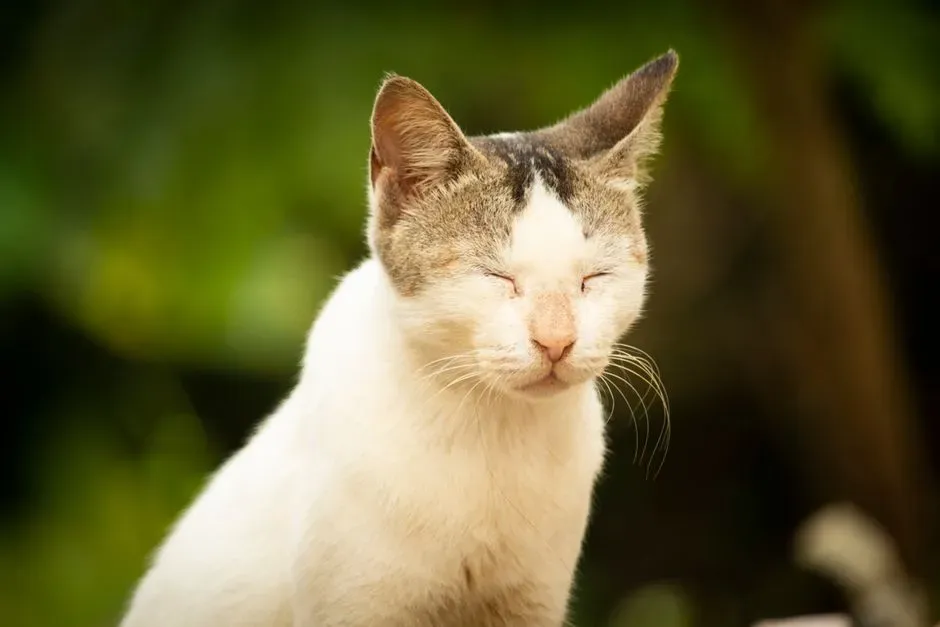
Even though the slow blink is a strong trust cue, your cat does not judge you on that one behavior alone. They are constantly connecting it with everything else you do: how you approach them, how you touch them, how you react when they make a mistake, and how predictable your daily routines are. To your cat, trust is not a single moment; it is a pattern woven from dozens of small interactions.
When you pair the slow blink ritual with gentle play, respectful handling, and a calm, stable environment, your cat’s nervous system starts to relax more deeply around you. They may greet you more often, sleep near you at night, or seek you out when they feel unsure. In a way, every slow blink becomes a bookmark in a bigger story that says, “This human keeps proving they are safe,” and your job is to keep writing chapters that match that message.
What Slow Blinks Do Not Mean (Avoid Over-Romanticizing It)
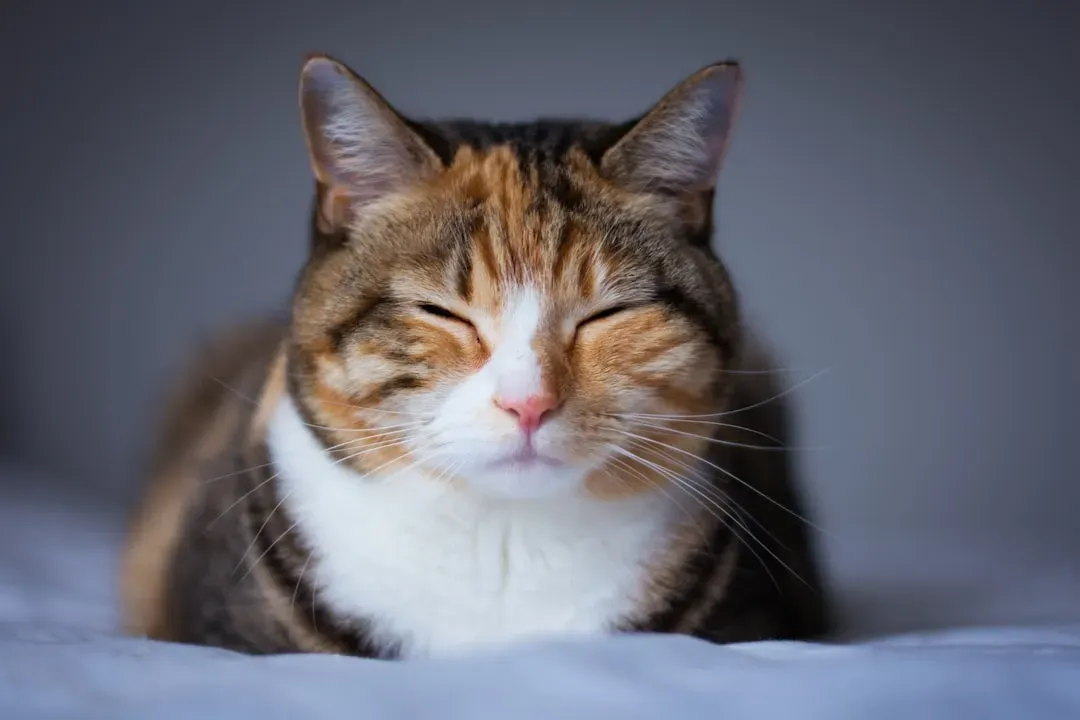
It is tempting to treat the slow blink as a pure love confession, but that is not quite accurate or fair to your cat. They are not secretly trying to act like a tiny furry human sending heart emojis through their eyes. Instead, they are using a natural, species-appropriate signal that helps them manage safety and tension in their world, including their relationship with you.
That does not make it any less special, but it does help you keep your expectations grounded. A slow blink is not a guarantee that your cat will never scratch, hide, or get spooked; it is simply a clear snapshot of how relaxed they feel with you in that moment. By seeing it as a trust test instead of a romantic gesture, you can respond in ways that actually support your cat’s needs instead of projecting human ideas onto them.
When Your Cat Never Slow Blinks: What You Can Do
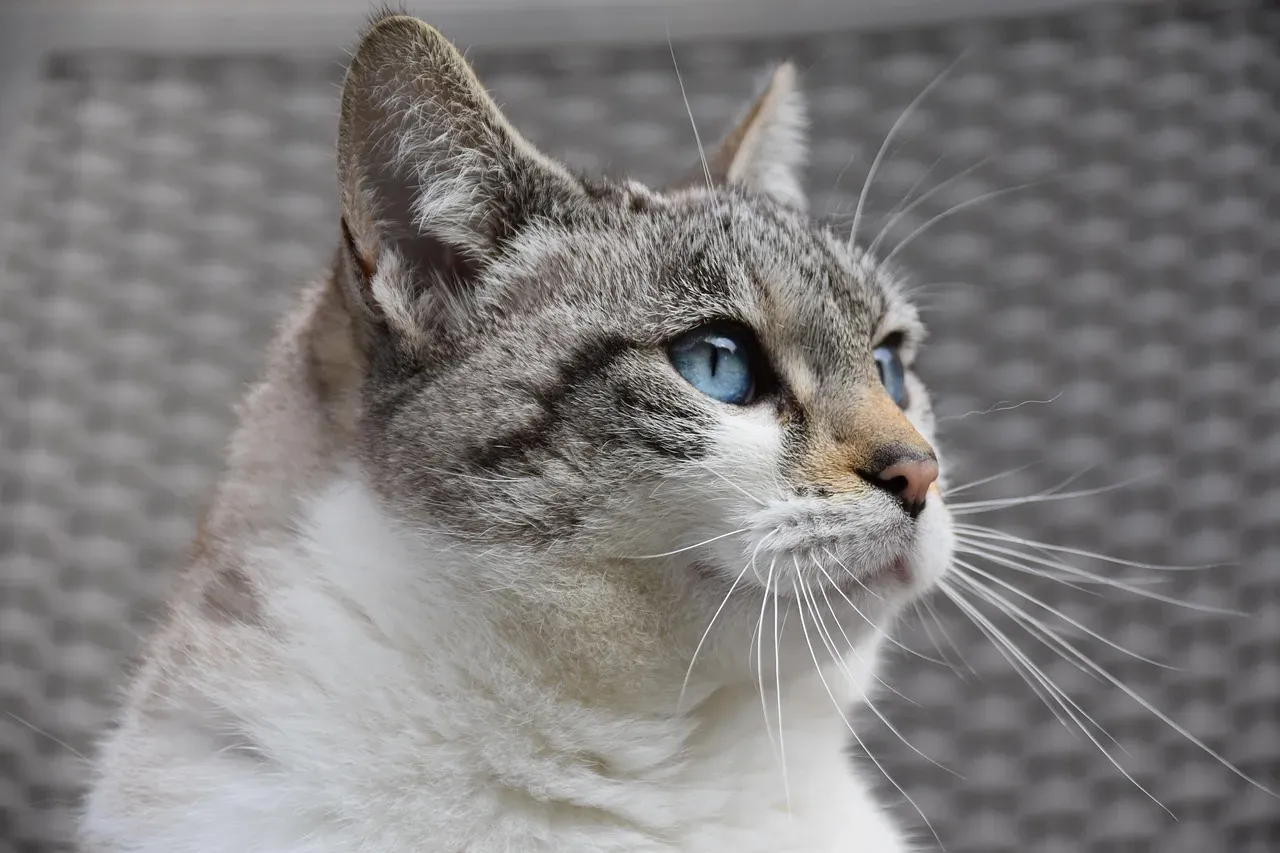
If you notice your cat rarely or never slow blinks at you, it does not automatically mean they dislike you or that you have ruined anything. Some cats are just more guarded, more alert by nature, or shaped by stressful early experiences that taught them to stay on high alert. You might still see other signs of comfort, like eating near you, sleeping in the same room, or choosing your lap only at certain times.
In that case, you can think of the slow blink as a skill you help them grow into, not a test they have already failed. Try offering slow blinks yourself from a comfortable distance, especially when the environment is quiet and nothing stressful is happening. Pair those gentle eye signals with soft speech, predictable routines, and patience, and over months, you might notice their eyes softening more often, even if the classic dramatic blink never fully shows up.
Conclusion: The Quiet Question Behind Every Slow Blink
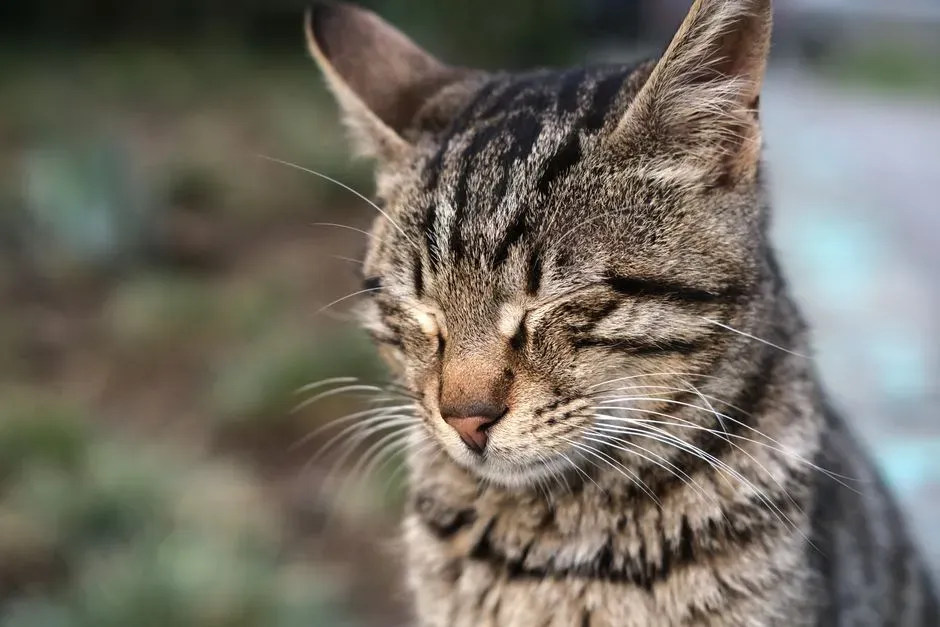
Once you start seeing your cat’s slow blink as a calculated trust test instead of a simple affection cue, your whole relationship shifts. You stop taking it for granted and start treating those sleepy eyes as a serious question your cat is asking: “Is it still safe to relax around you?” Every calm blink you give back and every gentle choice you make afterward is your answer.
In the end, you are not just passing or failing once; you are constantly shaping how secure your cat feels in your presence. That is a big responsibility, but also a strangely beautiful one, because it turns ordinary, quiet moments into chances to prove you are on their side. Next time your cat slowly lowers their eyelids from across the room, what kind of answer do you want them to read in yours?