When a stray cat suddenly decides your porch is the place to be and flat-out refuses to leave, it can feel strangely personal. You might catch yourself wondering if you’ve been somehow “chosen,” or if there’s a deeper reason this little furry stranger keeps staring through your window like they own the place.
From a feline behavior perspective, that stubborn porch-sitting is not random at all. It’s usually the result of powerful instincts, learned experiences, and very specific needs. Once you understand what is actually going on in that small, cautious brain, you can respond more confidently, protect your own household, and decide what kind of relationship you want with this surprise visitor.
The Science Behind Why a Stray Picks Your Porch
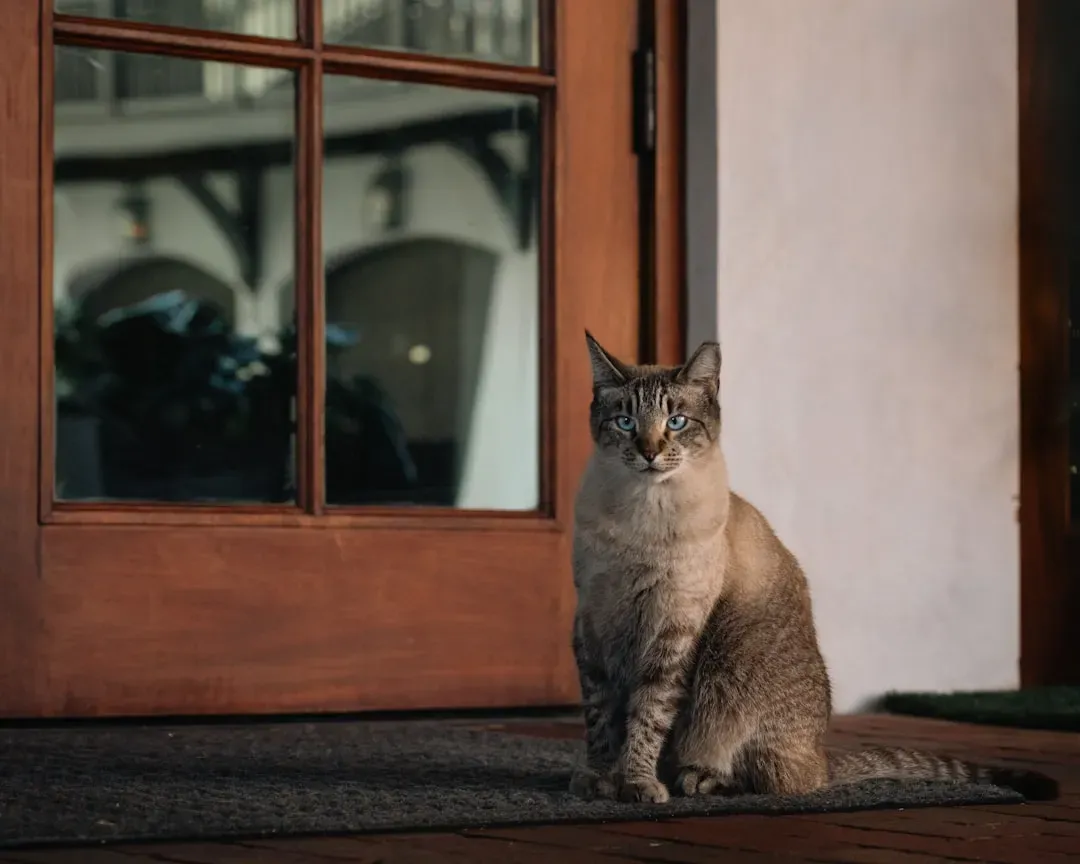
When a stray cat camps out on your porch, there’s a good chance it’s doing a quiet risk–benefit calculation. Cats are hardwired to seek safe vantage points where they can see threats coming and still have quick escape routes. A porch, especially one that’s raised, sheltered, or has railings, gives a cat a solid “base” that feels more secure than open ground or a noisy sidewalk.
You also unintentionally send signals that your porch is a good bet. Lights at night, the smell of food from your kitchen, the sound of calm human voices, and even the presence of other pets can all suggest to a stray that this territory is stable and relatively safe. From the cat’s point of view, your place may simply be the best combination of shelter, visibility, and low danger in the area.
How Hunger and Previous Human Contact Shape Their Behavior
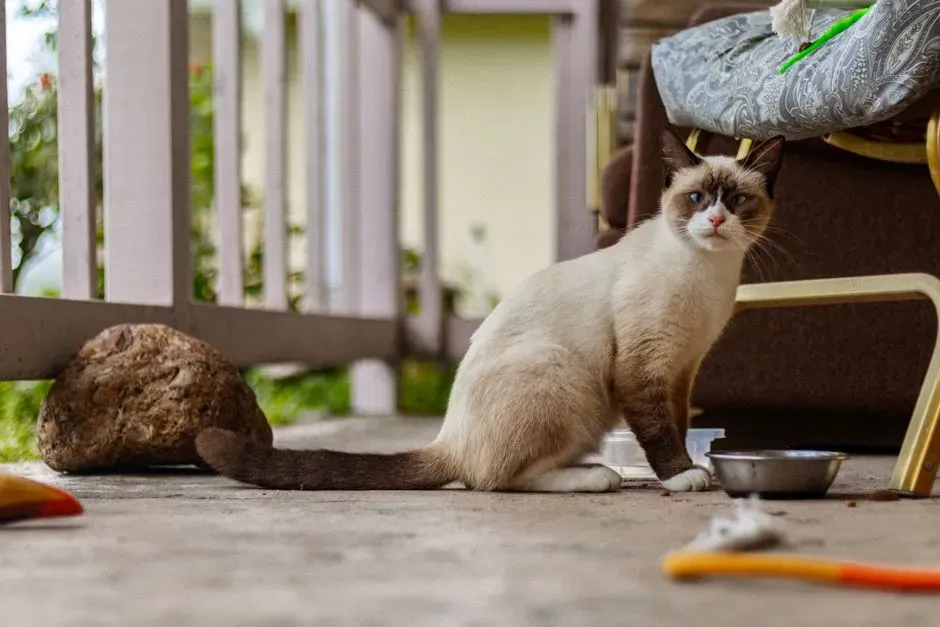
If a stray lingers and meows at your door, hunger is almost always part of the story. Cats are opportunistic feeders and quickly learn which locations produce food. Even if you’ve never fed this cat before, it may have been fed by people elsewhere and is now trying its luck with you, repeating a strategy that worked in the past.
Previous human contact matters a lot. A cat that has lived with people before (an abandoned or lost pet, not a truly feral cat) will usually be bolder about approaching doors, looking inside windows, and vocalizing at you. To that cat, you are not a mysterious predator; you’re a potential resource and maybe even a former kind of “family.” That familiarity can be what makes it dig in and refuse to leave your porch so easily.
Stress, Territory, and Why the Cat Won’t Just Move On
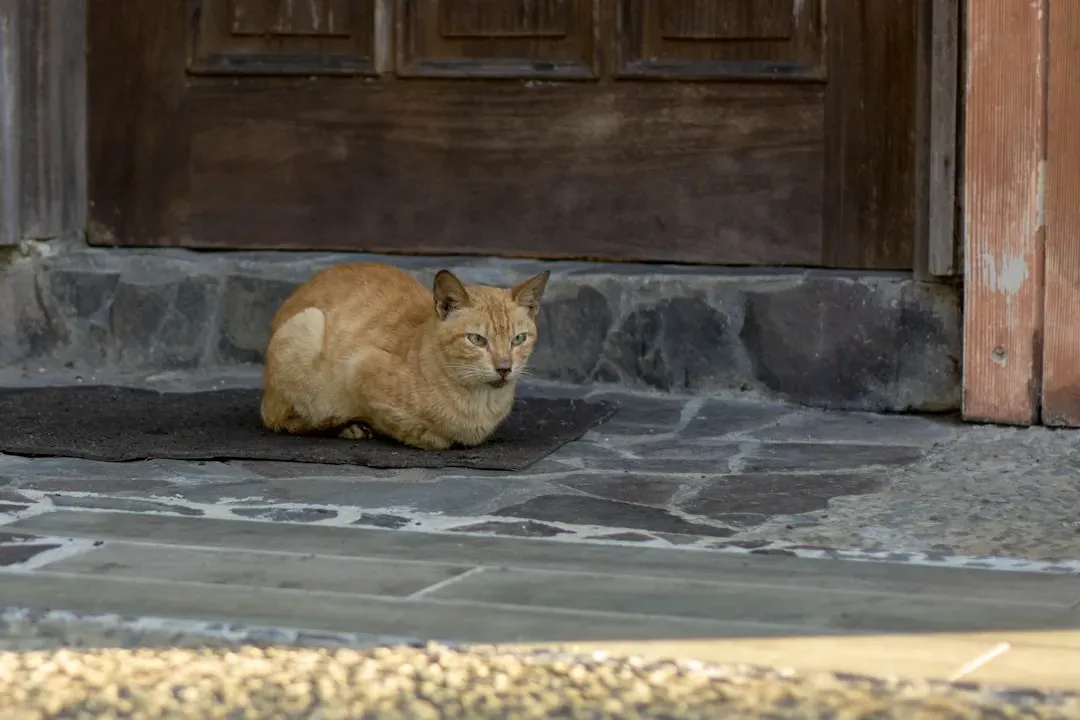
From a feline behavioral science viewpoint, territory is everything. When a stray settles on your porch and hangs around for days, it may be trying to claim that small zone as a safe slice of personal territory. Even if it wanders off to hunt or explore, it can keep returning to your porch as a “home base” in a world that feels unpredictable and dangerous.
Stress and fear can lock this pattern in. If nearby areas are hostile – loud dogs, busy roads, aggressive cats, or people who chase it away – your porch might be one of the few places that doesn’t trigger panic. The cat is not being stubborn for fun; it’s clinging to the one place where its stress level drops, even a little. That sense of relative safety is incredibly powerful for any animal living on the edge.
Reading the Cat’s Body Language: Affection or Desperation?
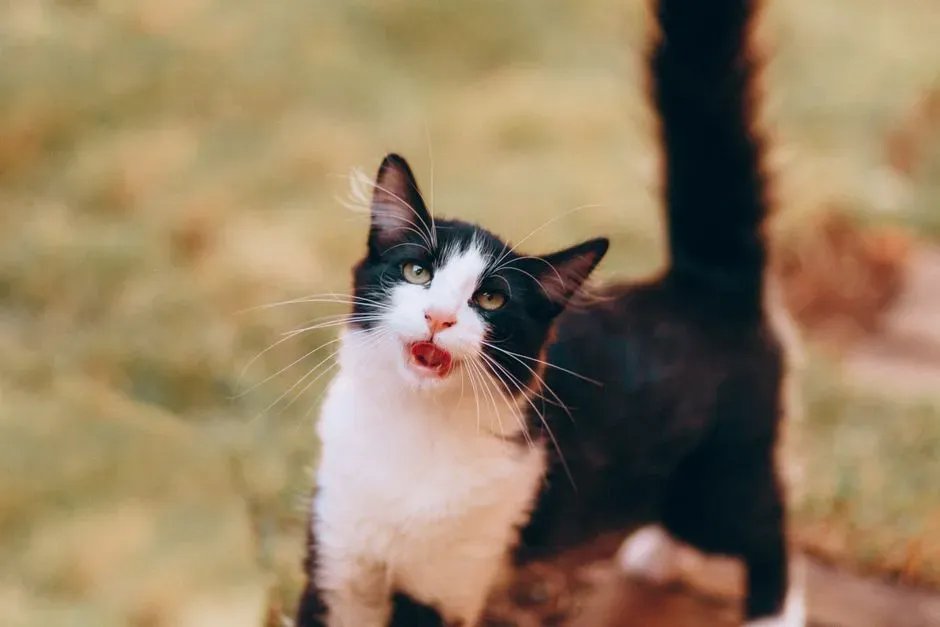
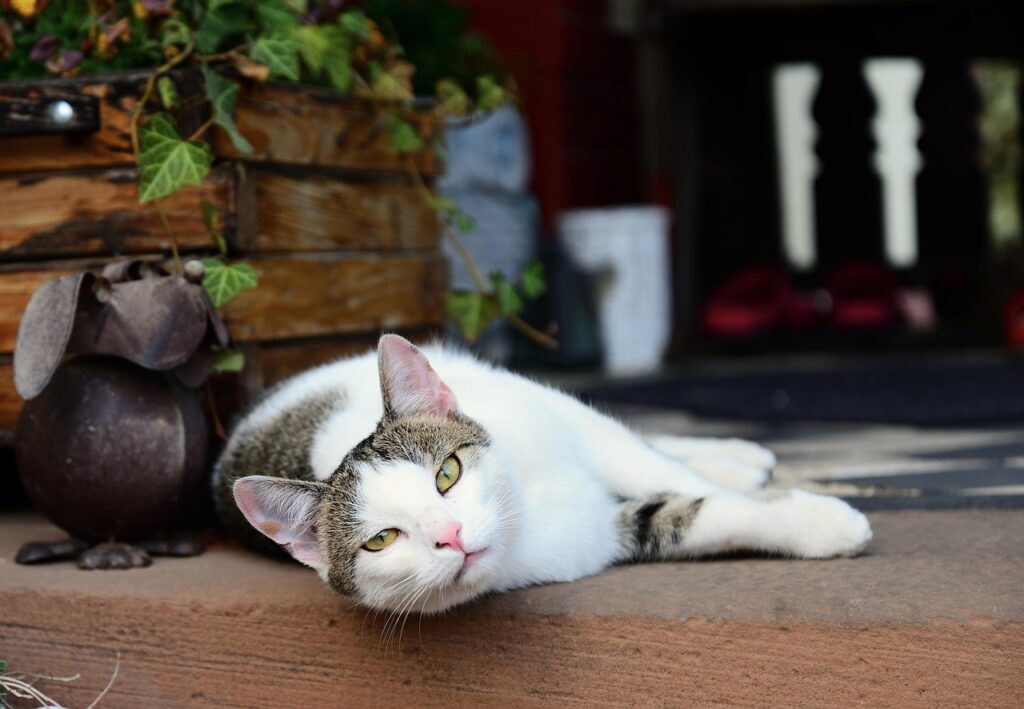
When you see slow blinks, a relaxed tail, or gentle head-butting against your door frame, it’s easy to interpret that as pure affection. Those signs do suggest the cat is reasonably comfortable near you and not seeing you as a major threat. A cat that flops on its side, rolls a bit, and shows you its belly (without letting you actually pet it there) may be trying to look less threatening while still keeping its guard up.
But you also want to notice signs of desperation: constant meowing, pacing, rapid tail twitching, panting in hot weather, or frantic scratching at the door. These can indicate hunger, heat or cold stress, or plain anxiety. What looks like “clinginess” may actually be a cat on the edge of its coping capacity, trying very hard to get help from the nearest large, food-providing primate – you.
Health Red Flags You Should Watch For Up Close
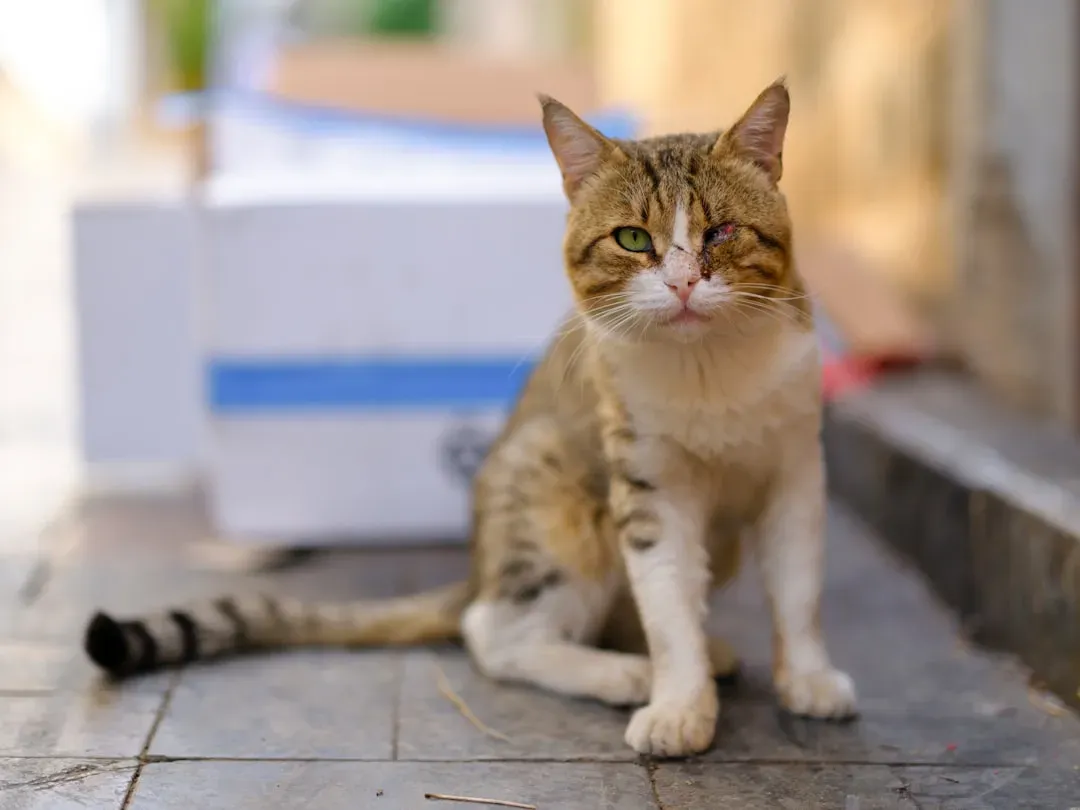
If a stray sticks around, you’re in a rare position to spot health problems that nobody else may be noticing. Signs like visible ribs, a dull or clumped coat, discharge from the eyes or nose, or limping all point to a cat that’s struggling physically. Frequent scratching, missing fur patches, and little black specks in the coat are classic signs of fleas, which can lead to anemia and skin infections over time.
You should also pay attention to behavior changes across days. A cat that suddenly becomes lethargic, hides more than usual, stops grooming, or shows difficulty breathing may be facing something serious like infection, injury, or underlying disease. When a cat “chooses” your porch and then looks progressively worse instead of better, that’s a strong sign it needs more than just a safe resting spot – it needs intervention.
How Your Response Shapes the Cat’s Future (and Your Own)
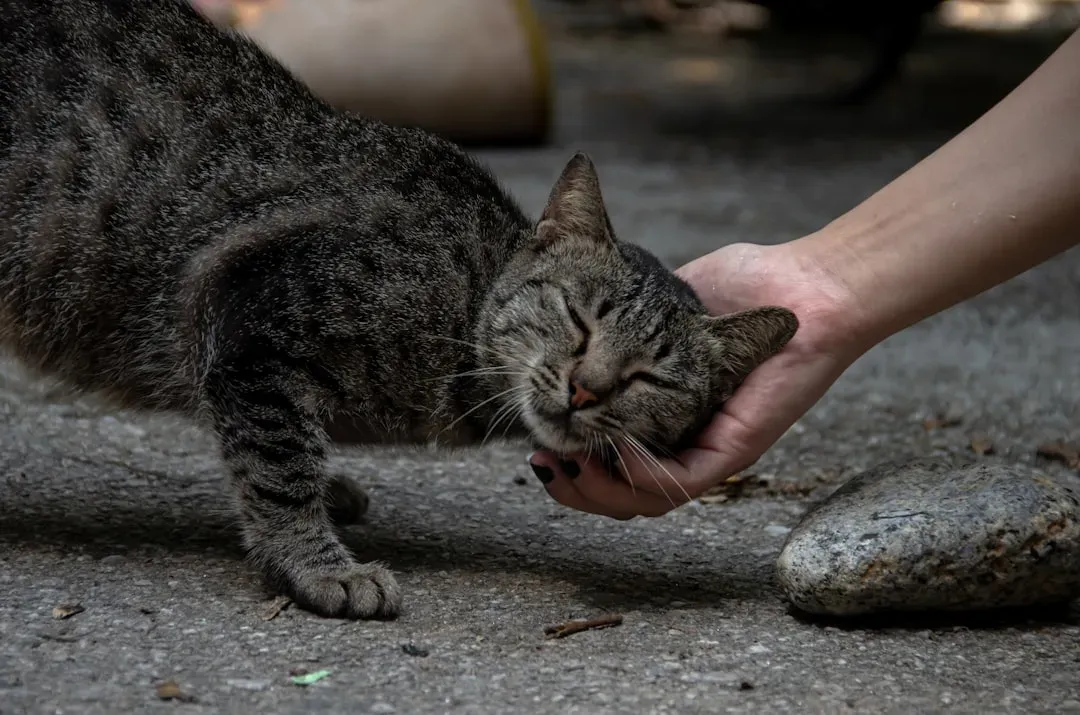
Once you acknowledge the cat as a regular presence, your decisions start shaping its life trajectory. Providing food, even occasionally, teaches the cat to anchor its routine around your home. That can be helpful if you plan to trap, vet, or adopt it, but it also makes the cat more vulnerable to disappointment and hunger if you later stop feeding it without a plan.
Your choices also affect your household. Feeding and interacting with a stray can bring emotional fulfillment and a sense of purpose, but it can also introduce fleas, parasites, and potential conflicts with your existing pets if you are not careful. Thinking ahead – about whether you can commit to adoption, foster care, or at least getting the cat fixed – helps transform a random porch encounter into a thoughtful, humane decision instead of a confused, drawn-out situation.
Indoor Pets, Outdoor Guests: Managing Risk and Boundaries
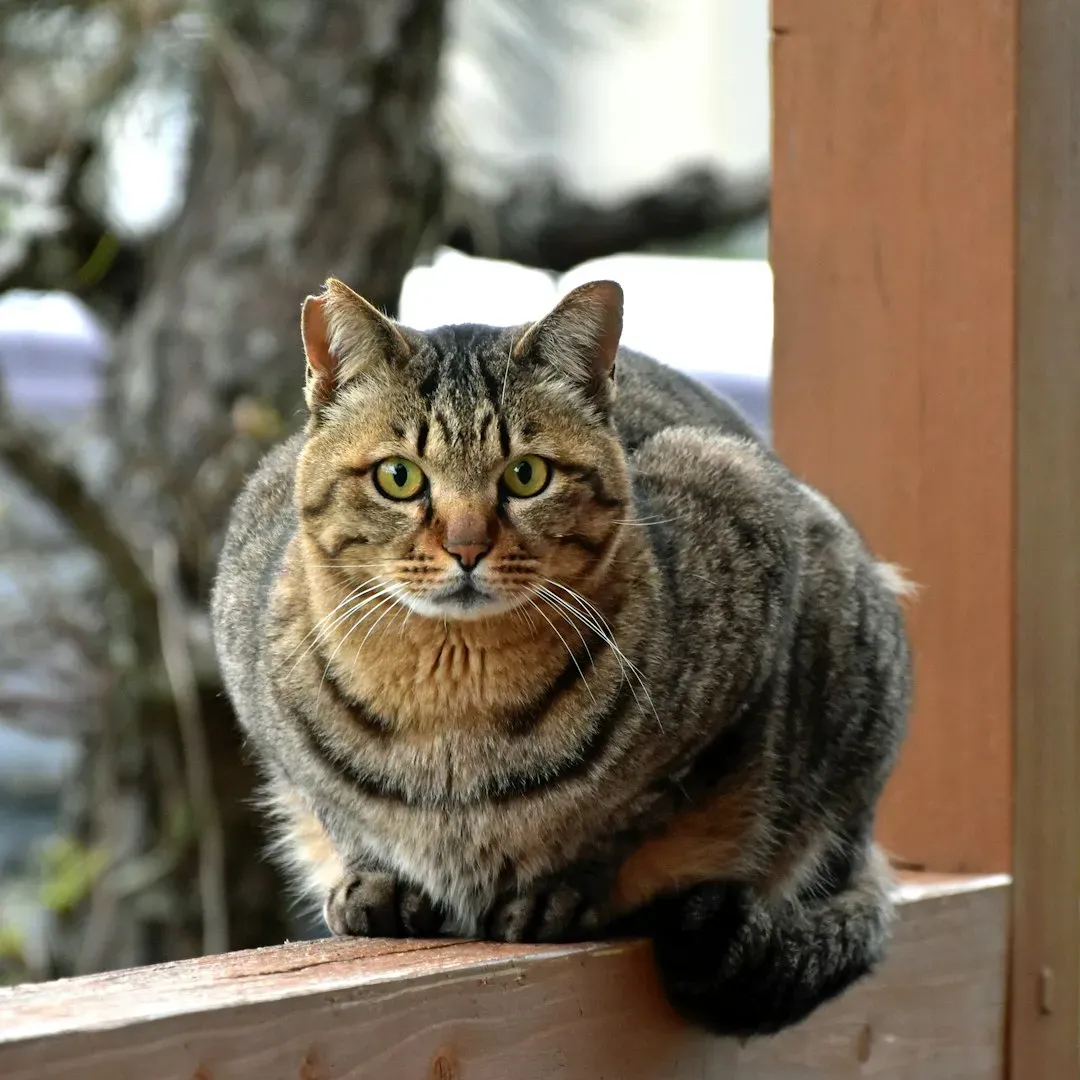
If you already have cats inside, a stray on the porch adds a whole layer of social drama. Through the door or window, your cats can smell and see the newcomer, which can trigger hissing, growling, urine marking, or sudden tension between cats that used to get along. From their point of view, this stranger is violating the invisible territorial bubble of your home, even if it never actually walks inside.
You can lower the tension by maintaining clear boundaries. Washing doors and windows where the stray rubs, using high-quality enzymatic cleaners on any indoor marking, and providing your own cats with extra vertical space and hiding spots all help them feel more secure. If you do decide to bring the stray indoors at some point, slow, controlled introductions and proper vet checks are crucial to protect everyone’s health and sanity.
Ethical Options: Feeding, TNR, Adoption, or Calling for Help
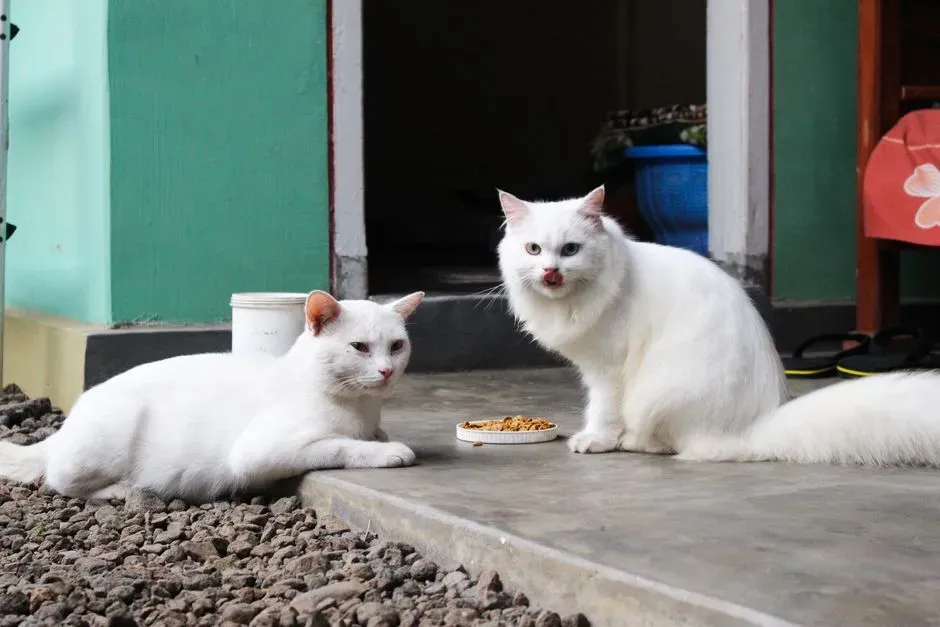
When a cat refuses to leave your porch, you’re essentially being asked – by circumstance – to decide how much responsibility you’re willing to take on. One humane option is Trap–Neuter–Return (often called TNR), where the cat is trapped, sterilized, vaccinated, and then returned to the area. This approach reduces future litters and can improve the cat’s long-term welfare, especially if it is more feral and not easily adoptable.
If the cat is friendly, handleable, and clearly used to people, you might instead consider adoption or working with a rescue group. In that case, feeding the cat makes sense as part of a larger plan to bring it fully into human care. If you cannot commit, contacting local shelters, rescue organizations, or community cat programs gives the cat a better chance than simply hoping it “figures it out” on your porch over time.
Creating a Safe Space Without Making Promises You Can’t Keep
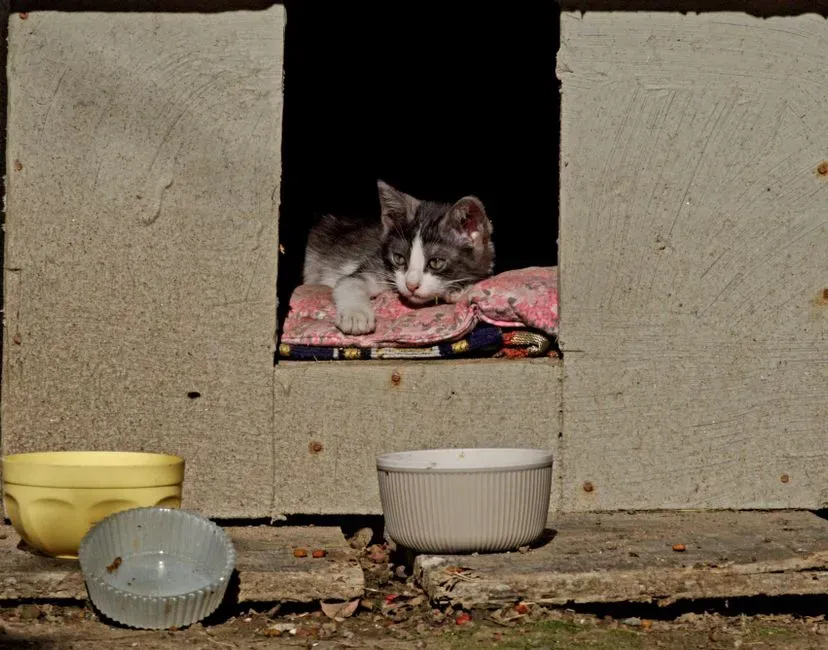
You might care about the cat but know deep down that you cannot adopt or take on major vet bills. In that case, you can still make things a bit safer without accidentally overcommitting. A simple sheltered spot like a plastic storage bin lined with straw, placed out of the wind and rain, can give the cat a weather-resistant retreat that doesn’t require you to open your door.
If you do choose to put out food or water, it helps to be realistic about consistency. Sporadic feeding can sometimes create more stress, as the cat waits and begs for meals that never come. It’s okay to decide that your role will be limited – maybe providing water in hot weather, or calling local groups to see if someone else can step in – so long as you’re honest with yourself about where your boundaries really are.
Conclusion: When a Porch Cat Becomes a Turning Point
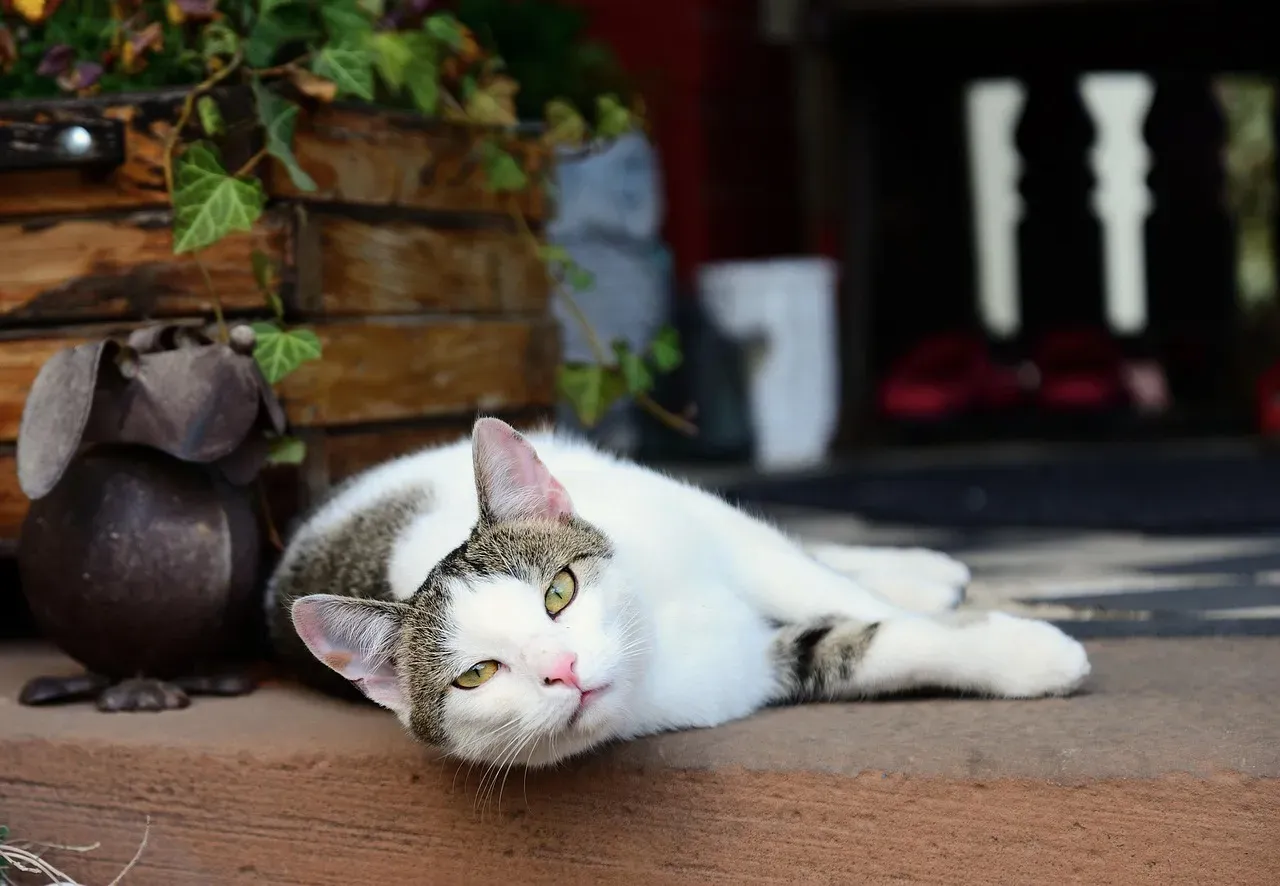
When a stray cat plants itself on your porch and stays, it’s not just a quirky moment you laugh about and forget. It’s a living, breathing animal telling you, in the only way it can, that your small patch of the world feels safer than the rest of what it knows. Whether that is driven by hunger, fear, habit, or a blend of all three, your reaction has real consequences for that cat’s future and your own daily life.
You do not have to rescue every animal that wanders into your orbit, but you also do not have to look the other way. By understanding the behavioral reasons behind that stubborn porch-sitting, you can make choices that are kinder, clearer, and more sustainable – whether that means adoption, TNR, or simply making a few calls on the cat’s behalf. If a stray chose your porch tomorrow, what kind of story would you want that choice to start?