Imagine your heart has stopped, your pulse is gone, and the monitor shows a flat line. By every clinical standard, you are dead. But in the last decade or so, scientists have started to see something deeply unsettling and strangely hopeful: the brain does not always go completely dark right away. In some cases, it flares with a brief, organized burst of activity, as if making one last stand.
That tiny window, lasting seconds to minutes, has become one of the most fascinating frontiers in neuroscience. It touches everything from how we define death, to what people report in near-death experiences, to what it means to have a conscious mind at all. This is not about proving an afterlife. It is about peering into the most mysterious moment a human being can live through: the moment when we are supposed to stop existing.
The Strange “Final Surge” After the Heart Stops
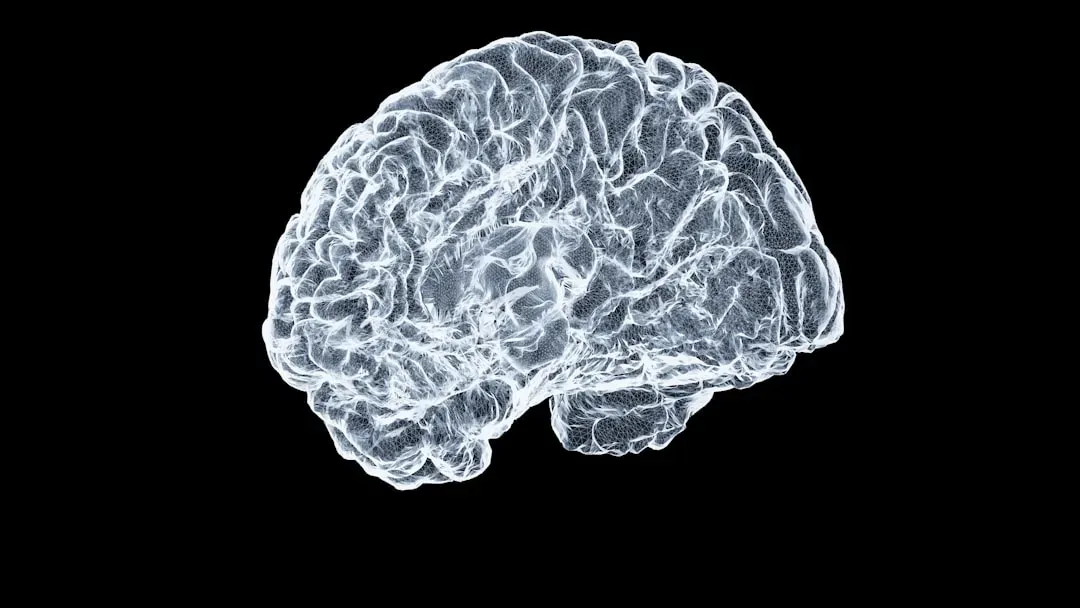
One of the most surprising findings in recent years is that some brains do not simply fade out after the heart stops; they briefly ramp up. In animal experiments, researchers have seen an intense, highly organized wave of brain activity just after blood flow is cut off, not random noise but rhythms that look oddly similar to awake, conscious states. Instead of an immediate blackout, there is a short-lived storm.
In a few rare human cases where patients were being monitored when their hearts stopped, scientists also recorded complex brain signals for tens of seconds, sometimes longer. These patterns included fast oscillations in areas linked to vision, memory and attention, regions often involved when we are vividly aware of something. That has fueled the idea that the brain might enter a heightened, even hyper-real state right as the body is sliding into death.
What “Clinical Death” Actually Means (And Why It’s Not the End of the Story)

When doctors say “clinical death,” they usually mean the heart has stopped beating, breathing has ceased, and there is no detectable circulation. In that moment, the body can no longer deliver oxygen to the brain the way it needs to survive long term. Traditionally, that flat line on the heart monitor has been the symbolic divider between life and death, the moment after which everything meaningful was assumed to be over.
But biological systems do not flip like a light switch. Once the heart stops, there is a short period when the brain’s cells are still structurally intact and some of them can still fire. There is no guarantee that this activity equals full-blown consciousness, but it does mean there is a twilight window where the brain is active in a body that is, clinically speaking, dead. That gap between “heart has stopped” and “brain is irreversibly gone” is exactly where the new science is digging.
Near-Death Experiences and the Brain’s Last Big Push
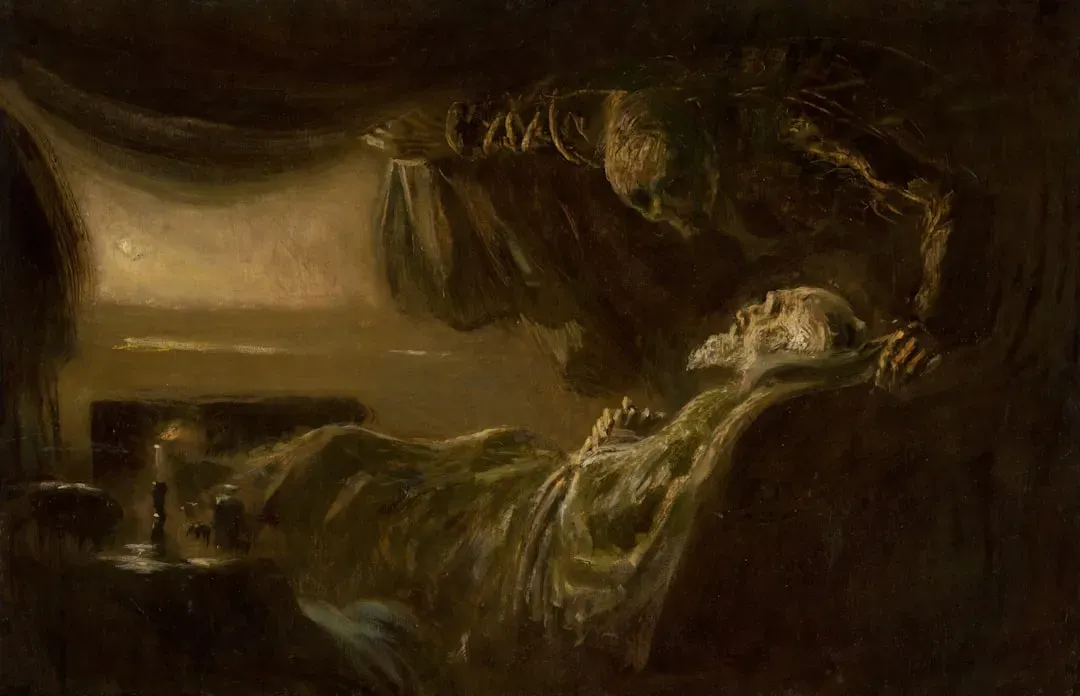
For decades, people who technically died and were resuscitated have described vivid experiences: moving through darkness, encountering light, reviewing their lives, feeling peace or detachment. For a long time, these stories floated in a weird space between medicine and mysticism, often dismissed as purely psychological or brushed off as hallucinations with no clear mechanism. The recent data on organized brain activity has pushed scientists to at least take these accounts more seriously as phenomena that need explanation.
The leading view in neuroscience is that these experiences are probably generated by a brain under extreme stress, not by something external to it. The surge of activity after oxygen loss might create unusual patterns of perception, like a brain suddenly running on backup power while key control systems fail. That could explain why some experiences feel more intense and meaningful than normal life: the filters are gone, the system is unstable, and everything is amplified. It is not a proof of anything beyond the brain, but it is a powerful reminder that our inner world can be astonishingly rich even at the edge of collapse.
What EEGs and Brain Scans Are Actually Showing
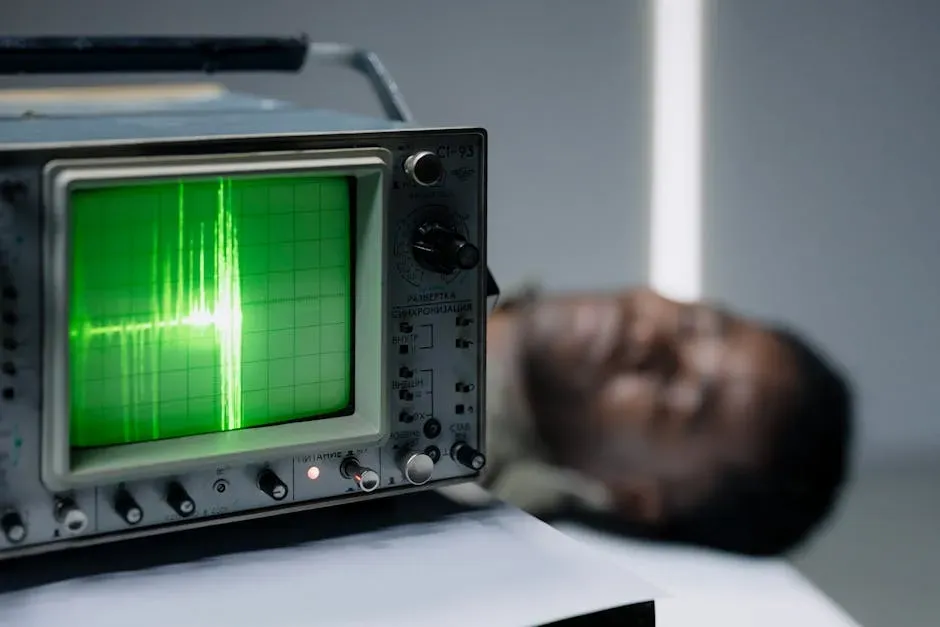
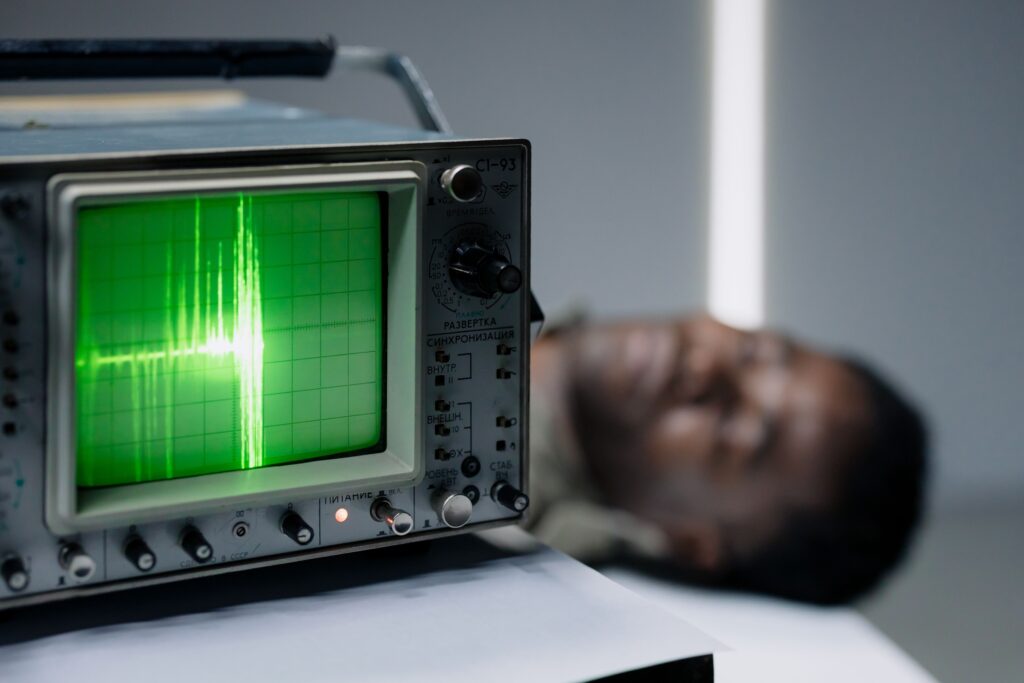
When we talk about “brain activity after death,” we are not talking about full conversations or normal waking thoughts. We are talking about patterns on electroencephalograms (EEGs) or other brain-monitoring tools that show electrical signals in certain frequency bands. In some monitored patients, moments after cardiac arrest, researchers have seen bursts of fast gamma activity, which in living, healthy brains is often tied to attention, perception and integrating information across different brain regions.
They have also seen interactions between different types of oscillations, like slower waves modulating faster ones, a sign of a coordinated network rather than random firing. Some recordings have shown these patterns in brain regions we associate with visual processing and with what is sometimes called the “default mode network,” an area linked to self-reflection and internal narrative. That is why scientists cautiously say these patterns are compatible with, or at least do not rule out, the possibility of conscious experiences in that window, even if they cannot conclusively prove the person was aware.
Why This Challenges How We Define Death
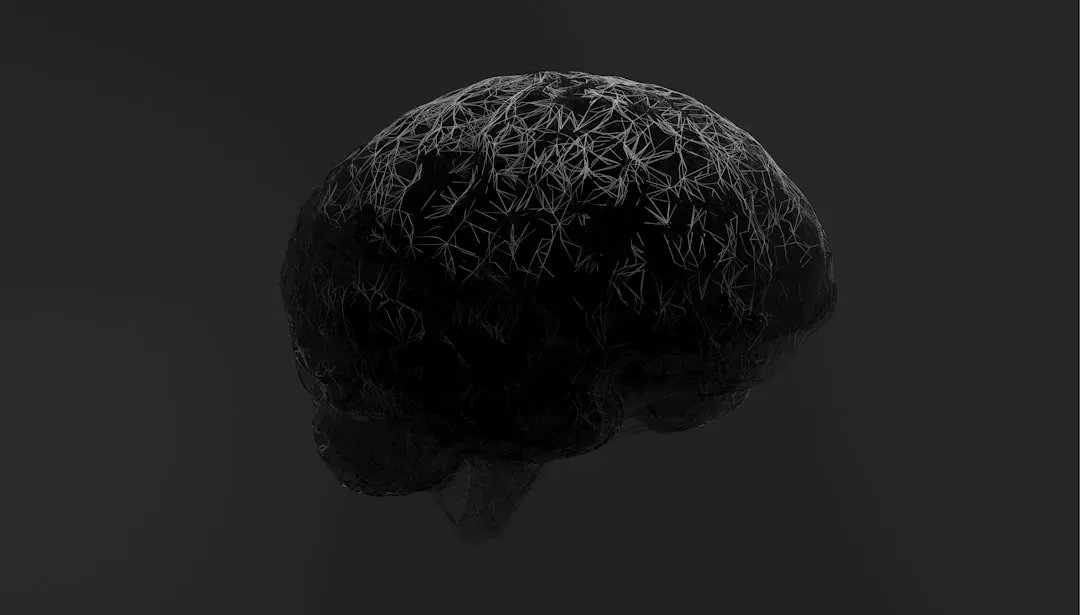
Legally and medically, death has never been a single, simple moment. Many countries now use “brain death” criteria for certain decisions: if the entire brain, including the brainstem, has irreversibly stopped functioning, a person can be declared dead even if machines are keeping the heart and lungs going. At the same time, other situations still focus on cardiac arrest and the inability to restore circulation. The discovery of organized brain activity after the heart stops complicates this already messy picture.
If the brain can mount a brief, potentially conscious response , where exactly do we draw the line for “irreversible”? It is not that we suddenly need to move the definition dramatically, but we do need to acknowledge that there is a gray zone where the brain is neither fully alive in the normal sense nor fully gone. That gray zone matters for resuscitation decisions, for how long we continue CPR, and for how we talk to families about what is still possible once a person’s heart has stopped.
Resuscitation Science: How Long Is the Brain “Rescuable”?
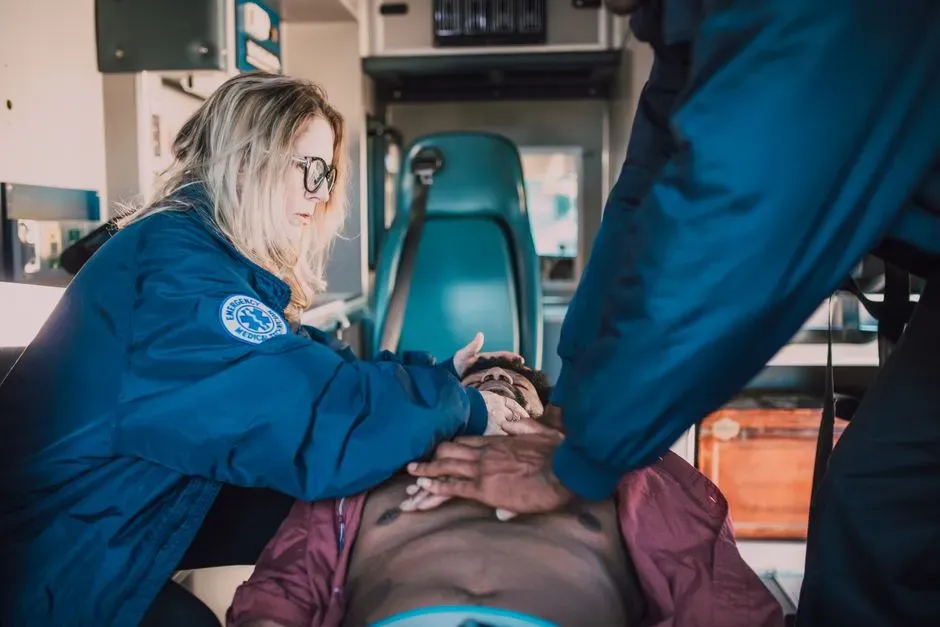
The more we learn about post-mortem brain activity, the clearer it becomes that the window for saving the brain is wider than people once assumed, but far from unlimited. Under certain conditions, especially when the body is cooled, brain cells can remain viable for longer than a few short minutes, which has inspired new ways of doing CPR and using machines to restore circulation. Some research teams have shown that even after an hour or more without a heartbeat in controlled settings, parts of brain tissue can still respond when blood flow is carefully reintroduced.
That does not mean someone can come back to full, normal consciousness after that kind of interval in everyday life; conditions in a hospital lab are very different from a chaotic emergency. Still, the basic lesson is stark: the brain dies in stages, and smart intervention can sometimes slow or interrupt that process. Personally, I think this should push us to invest more in resuscitation technologies and training, but also to be honest that a pulse is not the only thing that matters. Protecting the brain is the real race against time.
Does This Say Anything About an Afterlife? The Honest Answer
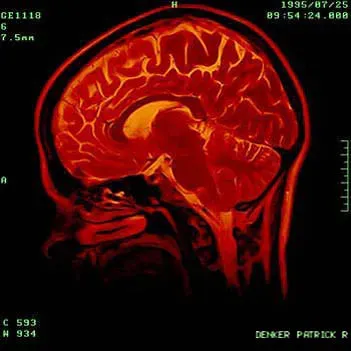
Whenever these findings hit the headlines, people immediately jump to the big question: does this prove some part of us lives on? The honest, slightly boring scientific answer is no. The data show that the brain can stay active and even show complex patterns for a short time , not that consciousness floats free of it or survives once the brain finally disintegrates. The activity we measure is still happening in physical nerve cells, using up whatever energy and oxygen they have left.
At the same time, it is totally understandable that people, including many scientists, find this emotionally charged. Standing at a bedside, watching a monitor flatten and then learning that the brain might still be having an intense inner experience for a brief moment, touches something very raw. My own view is that we should not pretend this proves or disproves an afterlife; that goes beyond what the data can support. What it does clearly show is that the boundary between living mind and silent brain is more gradual, more dramatic and frankly more mysterious than the simple on–off story we grew up with.
What This Means For How We Think About Being Alive
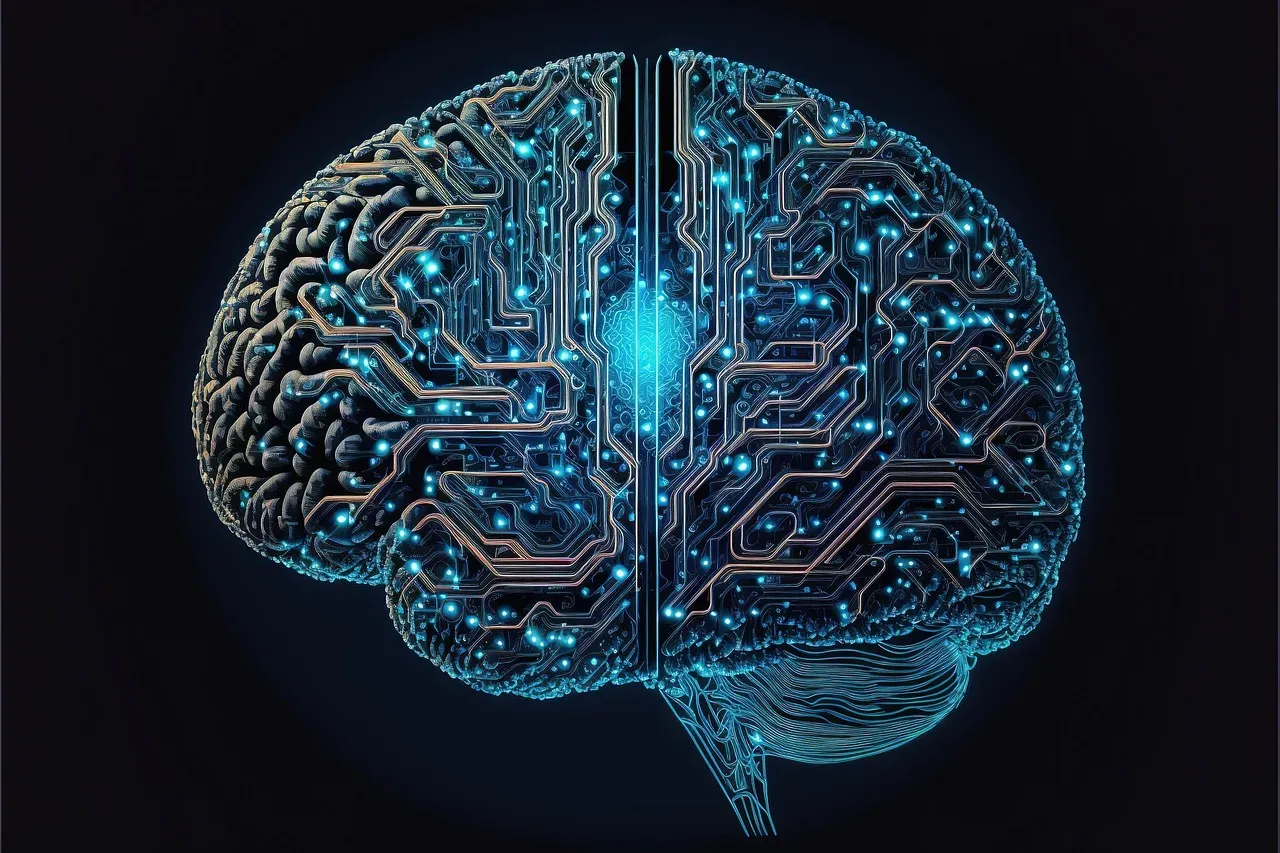
To me, the most profound part of this research is not about death at all. It is about how astonishingly resilient and complex the living brain is. Even stripped of its normal support, it tries to organize, to integrate, to squeeze a last burst of meaning out of fading signals. That sounds almost poetic, but it is grounded in something very physical: networks of cells that spent a lifetime wiring themselves into the story we call “you.”
There is also a quiet, humbling message here about everyday life. If the brain can generate intense, possibly meaningful experiences at the edge of death, think about what it is doing for you right now, while you sit here breathing and scrolling. We mostly ignore our own minds until something goes wrong, but these studies are a bit like shining a flashlight down a dark stairwell and realizing there is a lot more going on below than we ever imagined. Maybe the real takeaway is not to chase proofs of an afterlife, but to appreciate the wildly improbable consciousness we already carry around.
Conclusion: A Brief, Blazing Exit and an Uncomfortable Truth
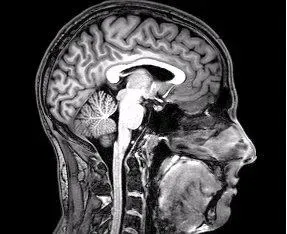
Putting it all together, the evidence points to a brain that does not go quietly. , instead of slipping instantly into silence, it can produce a short, intense burst of activity that may underlie some of the most dramatic human experiences ever reported. That forces us to rethink simple slogans about flat lines and final moments, and to accept that dying is more of a process than an instant. In my opinion, that is both unsettling and strangely respectful of how complicated we really are.
We should resist the temptation to turn these findings into easy comfort or quick answers about what lies beyond, because the science just is not there yet and may never be. But we also should not shrug and pretend nothing interesting is going on; the last flickers of the brain might be one of the richest windows we will ever get into the nature of consciousness itself. If anything, this research makes me feel that life is sharper, more precious and more mysterious than I was comfortable admitting before. When your heart finally stops, would you want your brain to blaze out in one last burst, or quietly fade into the dark?