There’s a strange moment that hits a lot of people in their twenties or thirties: you’re washing dishes, scrolling your phone, or sitting in traffic, and it lands – one day, you will die, and the familiar stream of thoughts in your head will stop. Consciousness research does not magically solve that gut-punch, but it is quietly reshaping how scientists, philosophers, and regular people think about what it means to be a mind in a mortal body. It does not give easy comfort, yet it offers something more interesting: a clearer, more nuanced picture of what we are actually afraid of losing.
In the last few decades, labs and clinics have put some of our deepest intuitions about the soul, the self, and the afterlife under the microscope. While the evidence leaves huge questions open, it also exposes some myths, refines old spiritual ideas, and forces us to confront one hard fact: whatever consciousness is, it is fragile, dynamic, and tightly bound up with a brain that can break. Instead of dodging that reality, consciousness research invites us to look right at it – and maybe come away with a different sense of what really matters about being alive.
The Shocking Fragility Of Consciousness
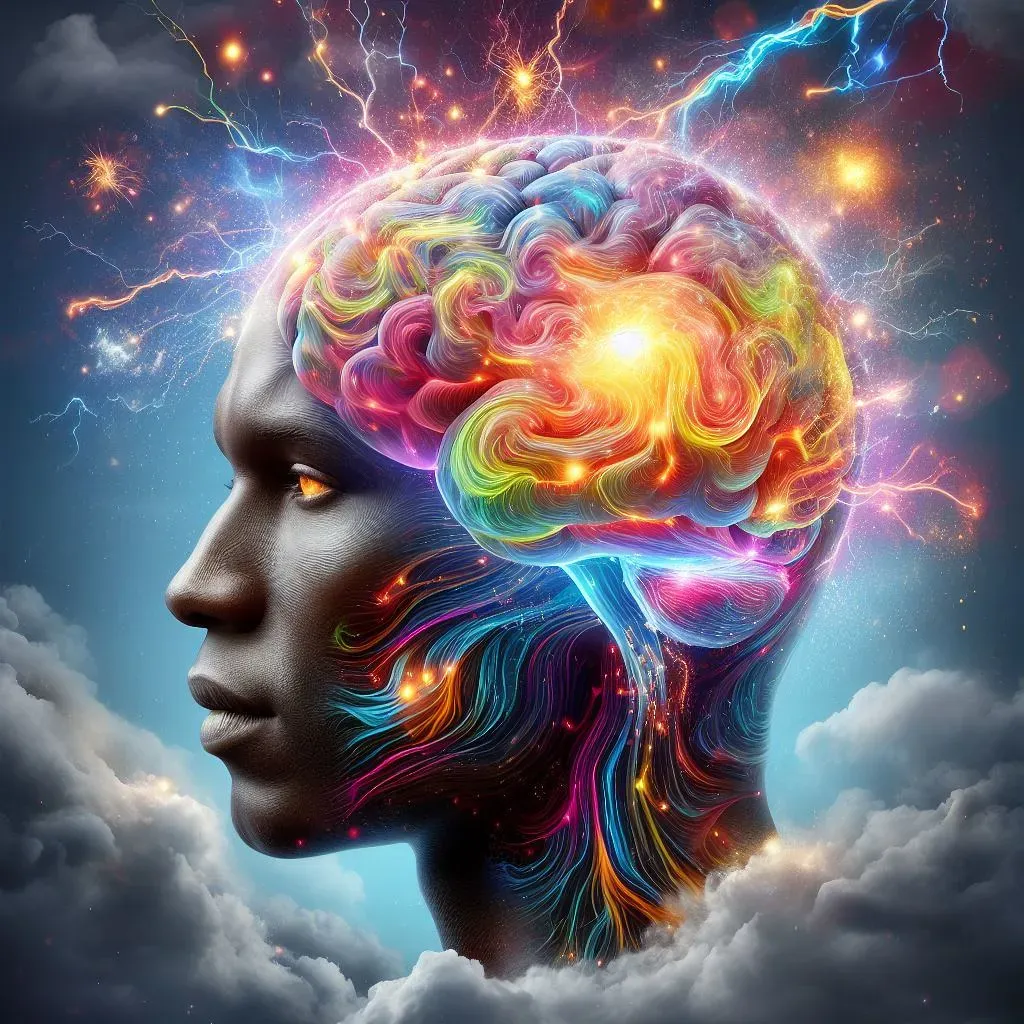
One of the most unsettling lessons from neuroscience is how easily consciousness can be switched off, scrambled, or narrowed. General anesthesia, a carefully dosed drug cocktail, can erase hours of subjective experience so thoroughly that people wake up with a sense that time simply did not exist for them; there is no blank darkness, just nothing. Brain injuries, seizures, deep sleep, certain psychiatric conditions, and even a few magnets placed near the skull can radically alter what a person feels like from the inside or whether they seem to be “there” at all.
This fragility tells us something uncomfortable about mortality: our everyday sense of being a stable, continuous self is not as robust as we imagine. If a small chemical tweak can dim the lights of awareness, then the total shutdown of the body at death is not some tiny step but a cliff. To me, that makes consciousness feel less like a solid object we possess and more like a flame that depends on tightly balanced conditions. That doesn’t make death less final – but it does make every ordinary, awake moment feel oddly precious, because it could so easily not be happening.
Near-Death Experiences: Clues Or Comfort Stories?
Near-death experiences get a lot of attention because they sit right on the edge of science and spirituality: tunnels of light, feelings of peace, life reviews, encounters with deceased relatives. Modern research has documented these reports in cardiac arrest patients and other critical cases, carefully checking medical records to see what the brain was doing at the time. Patterns have emerged, but so have big caveats. Many features of near-death experiences can be loosely mapped onto known brain phenomena, like oxygen deprivation, disinhibited activity, and how the visual system shuts down from the edges inward.
At the same time, some reports remain stubbornly hard to fit into neat boxes, especially when people describe detailed perceptions that seem to line up with real events they should not have been able to observe. The evidence so far does not decisively prove that consciousness floats free of the brain at death, but it also has not fully closed that door. The honest position, in my view, is that near-death experiences are psychologically real, often life-changing, and partially explainable in brain terms – but they do not yet rewrite what we know about final mortality. They may say more about how the dying brain tries to make sense of collapse than about what, if anything, lies beyond it.
Is Consciousness Just The Brain? The Physicalist Challenge
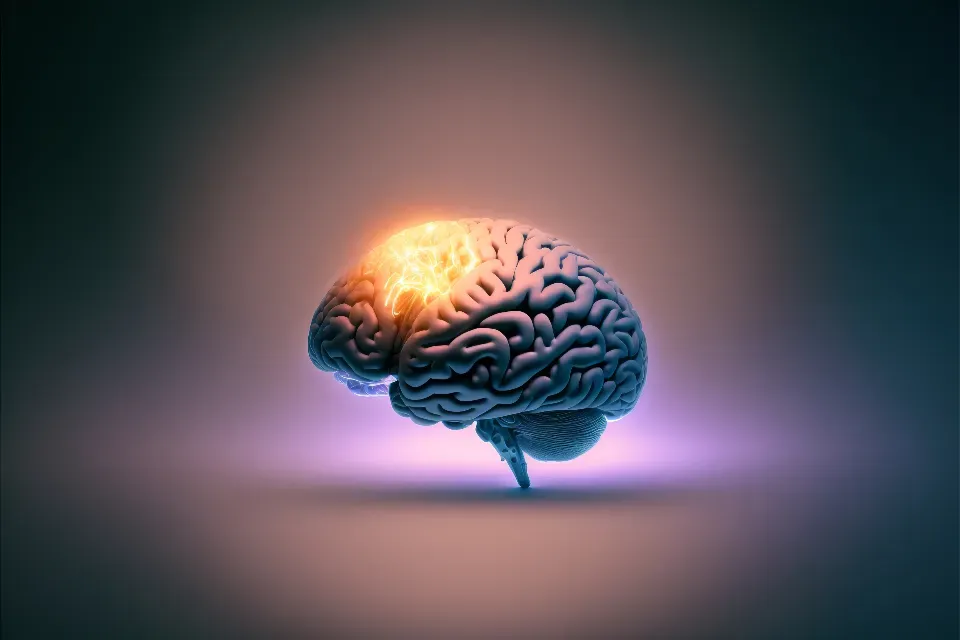
A huge chunk of consciousness research assumes a pretty bold starting point: that every conscious state, from the sting of a paper cut to the fear of death, arises from physical processes in the brain. Brain imaging studies consistently show tight correlations between patterns of neural activity and specific reported experiences, including the fading and re-emergence of awareness under anesthesia or during deep sleep. When certain regions are damaged, particular aspects of consciousness – like the ability to recognize faces, feel ownership of a limb, or maintain a unified sense of self – can partially or completely vanish.
This “physicalist” view does not explain why brain activity should feel like anything from the inside, but it does make one strong prediction about mortality: when the brain irreversibly ceases to function, the conscious subject ceases as well. That is a brutal conclusion, and people understandably resist it. Still, if you follow the weight of current evidence, it is hard to deny that consciousness is at least deeply dependent on a living brain. That dependence does not automatically rule out any form of survival beyond death, but if there is one, it likely does not look much like the person you know yourself to be right now.
The Self As A Story: What That Means For Dying
Another strange finding from consciousness research is that the self – the sense of being a single, coherent “me” moving through time – is not a simple, hardwired thing. It is more like a constantly updated narrative built from memory, emotion, social feedback, and bodily sensations. Brain disorders such as split-brain syndrome, depersonalization, or certain delusions can fracture this narrative in ways that reveal how constructed it is. Meditation studies show that with training, people can experience consciousness without the usual sticky feeling of “I, me, mine” attached to every perception.
If the self is a story the brain tells itself, then mortality partly means the story stops getting written. Some find this idea terrifying: if my self is just a narrative pattern, then when the pattern ends, there is nothing left. Others find it oddly liberating, like realizing your favorite TV show has a series finale instead of dragging on forever. Personally, I think this narrative view makes life feel more like authorship and less like ownership. You are not guarding a soul-object that must be preserved at all costs; you are co-writing a limited run, and the value is in how the chapters unfold, not in forcing the book to go on endlessly.
Time, Finitude, And Why Mortality Sharpens Meaning
Consciousness has a weird relationship with time. Experiments show that our sense of “now” is constructed over small windows of milliseconds to seconds, and that our brains often decide and act before “we” consciously feel like we’ve chosen. Yet subjectively, we string these micro-moments into a sweeping timeline: childhood, turning points, relationships, aging. Knowing that timeline has a hard stop – death – changes how that whole subjective arc feels. In one sense, mortality compresses value: because there is a deadline, experiences register as more urgent and more meaningful.
Psychological studies tend to find that when people are gently reminded of their mortality, they often reorient toward what matters most to them: relationships, creative work, moral values, and experiences over possessions. In other words, the looming end of consciousness can act like a brutal but effective filter, stripping away noise. I think this is one of the most honest gifts of death awareness. It does not offer cosmic reassurance, but it does help you choose how to spend the limited conscious moments you do have, instead of drifting as if the supply were infinite.
Altered States: Psychedelics, Mystical Insight, And The Fear Of Death
In the last years, clinical research with psychedelics such as psilocybin has revived a very old idea: that radically altered states of consciousness can change how people relate to death. In controlled settings, some participants report ego-dissolution experiences where the usual sense of a separate self temporarily disappears, replaced by a feeling of unity, vastness, or deep acceptance. Follow-up studies suggest that these intense, often challenging experiences can reduce death anxiety for some people and shift their priorities toward connection and authenticity.
There is a risk of over-romanticizing this. Psychedelics do not reveal a guaranteed picture of an afterlife, and their visionary content is shaped by expectations, culture, and the brain’s own pattern-making habits. What they do prove, though, is that our ordinary waking consciousness is not the only possible mode of being aware, and that shifting this mode can soften the terror of nonexistence without requiring blind belief. To me, the most interesting angle here is not that psychedelics secretly “prove” survival after death, but that they help some people rehearse giving up control and identity – a kind of psychological dress rehearsal for the final letting go.
Can Consciousness Outlive The Body? Speculation With A Hard Ceiling
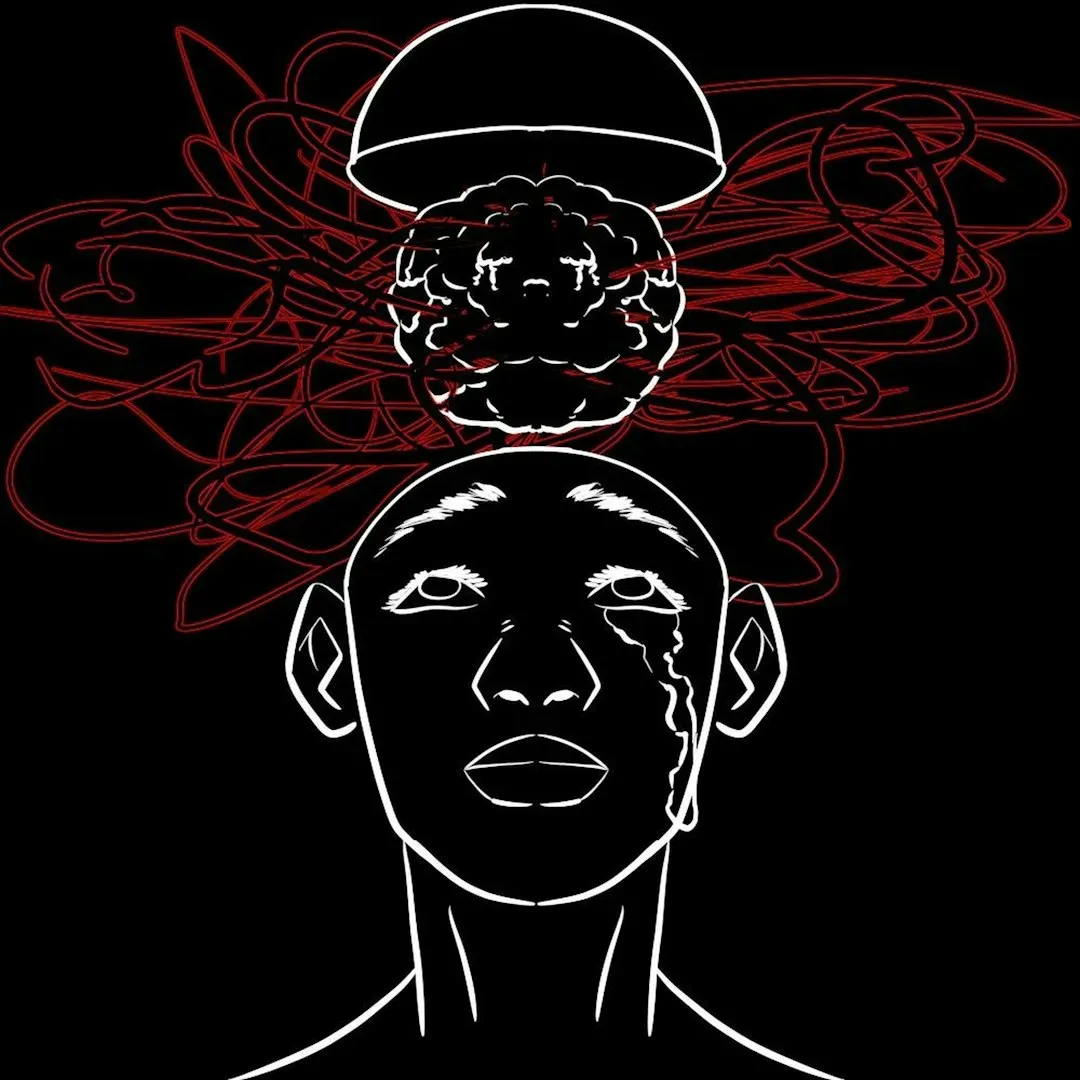
Of course, the question everyone secretly wants consciousness research to answer is the one it is currently least equipped to resolve: does any aspect of consciousness persist beyond physical death? A few lines of evidence tempt people toward yes – unusual near-death accounts, rare cases of apparent memories of past lives in children, or philosophical arguments that consciousness cannot be reduced to matter. On the other side, we have the overwhelming observation that mental life tracks brain health: when neurons die or disintegrate, personality, memory, and awareness degrade or vanish.
Right now, the responsibly skeptical stance is that survival claims are unproven and that the safest working assumption, scientifically, is that individual consciousness ends when the brain irreversibly ceases to function. That is not emotionally satisfying, and I do not think we should pretend it is. Still, it matters that this conclusion is tied to what we actually observe, not just to cultural habits or fear. If anything beyond-brain consciousness exists, it will have to be discovered by better evidence, not defended by wishful thinking. Until then, it is more honest – and arguably more meaningful – to live as though this life is the only guaranteed arena for our awareness.
How Consciousness Research Reframes A “Good Death”
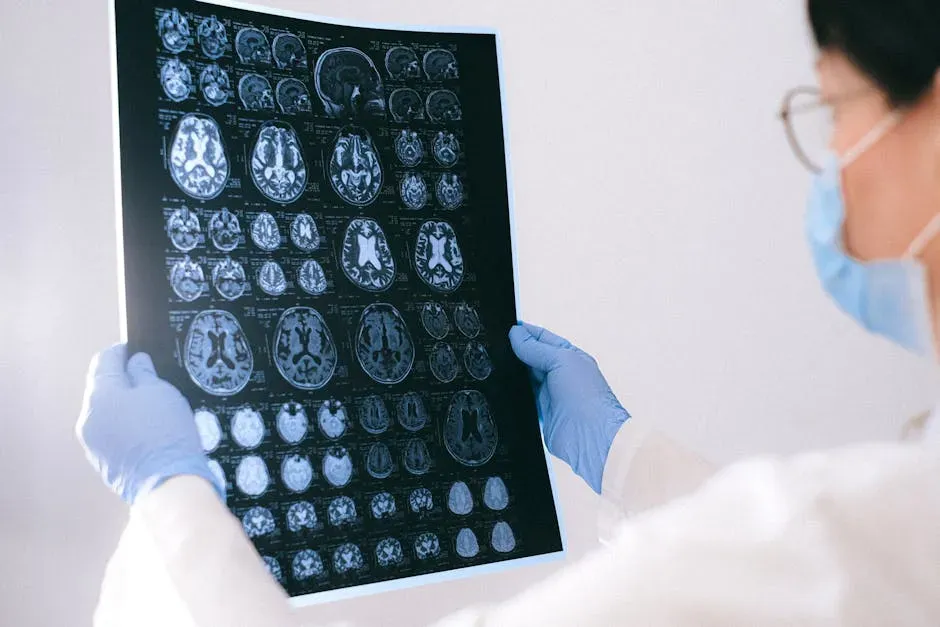
Practical work with unconsciousness – especially in intensive care, anesthesia, and end-of-life care – is quietly changing how we talk about a good death. Better monitoring of brain activity helps doctors assess whether patients are likely still having any conscious experience of pain or distress, even when unresponsive. Research into disorders of consciousness has shown that some people in so-called vegetative states may retain islands of awareness, which has major ethical implications for decisions about life support and sedation. We are slowly getting less comfortable with equating “no movement” with “no one home.”
At the same time, palliative care has taken insights about consciousness and pain perception to refine how we ease people into dying, focusing more on subjective experience than on purely biological markers. From my perspective, this is one of the most humane applications of consciousness research: using what we learn about awareness and suffering to reduce torment at the very end. It suggests that a good death is not just medically tidy but experientially gentle – a transition where fear, confusion, and agony are minimized, and where the last remaining moments of consciousness are treated as sacred, not as irrelevant leftovers.
Conclusion: Mortality As The Price Of Being Awake At All
Put together, consciousness research paints a sobering but oddly beautiful picture. Our awareness is not a magical jewel hidden inside the skull; it is more like a shimmering pattern woven by a living brain and body, vulnerable to disruption and ultimately destined to stop. There is no solid scientific proof that anything recognizably “you” continues after death, and pretending otherwise just to feel safe can cheapen the seriousness of what we do know. At the same time, the very fact that consciousness is fragile and finite is what gives each conscious moment its strange, electric value.
My own opinion is that facing mortality through the lens of consciousness science is not about erasing fear, but about cleaning it up – stripping away superstition, numbing distractions, and inherited stories that no longer fit the evidence. What is left is lean but profound: a short run of vivid awareness in a vast universe that mostly does not know it exists. You get a limited number of mornings to wake up, remember who you are, and care about anything at all. Seen that way, mortality is not an insult; it is the cost of admission for being here, now, as a conscious being who can love, notice, and choose. Knowing that, what will you actually do with the handful of days when the lights are on?