Most parents assume that having a dog or a rabbit around the house is mostly about chores. Someone has to fill the water bowl, someone has to walk the dog before dinner, and eventually the kids get roped into it. That’s the surface story.
Underneath it, researchers who study child development keep finding something quieter and more persistent. It shows up in surveys, in classroom observations, and in longitudinal data that follows kids for years. The pattern is consistent enough that it’s worth asking what’s actually happening in those quiet moments between a child and an animal that doesn’t happen the same way anywhere else.
The trait psychologists keep circling back to
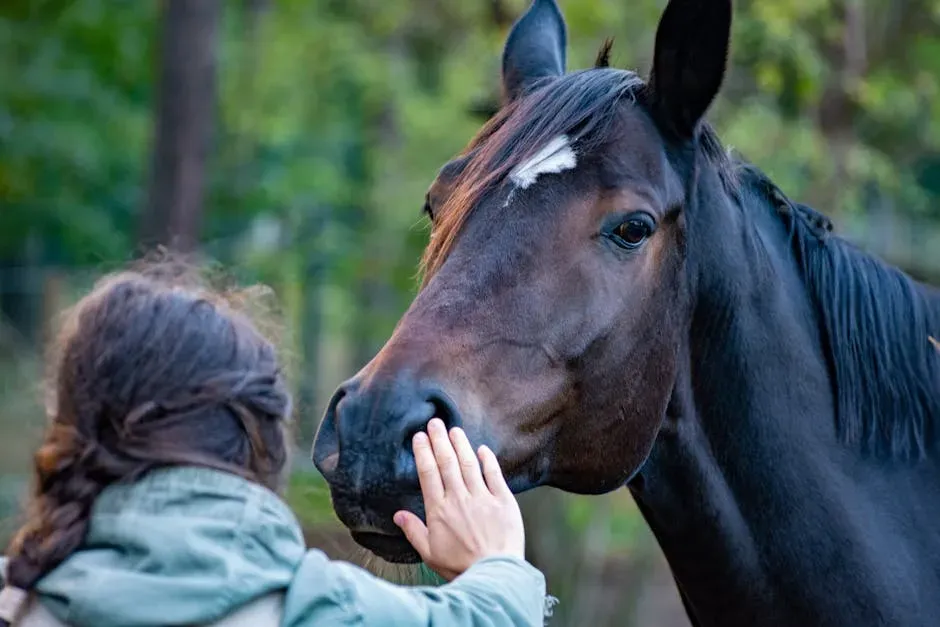
The word that comes up again and again in this research is empathy, specifically the ability to read another creature’s emotional state and respond to it appropriately. It sounds simple, but it’s actually a layered skill that combines emotional recognition, perspective taking, and a willingness to act on what you notice. Self-report studies have demonstrated links between pet ownership in childhood and higher self-esteem, enhanced emotion regulation, and greater empathy and theory of mind.
What makes this interesting is that empathy toward animals doesn’t stay confined to animals. Children’s experiences with pets at home contribute to an expanded repertoire of social and emotional skills, leading to broader social understanding, and these relationships with pets can serve as forums for emotional development, influencing higher moral reasoning, prosocial skills, and resilience. That spillover effect, from animal to human, is really the heart of what researchers keep trying to measure.
What the actual studies show, and what they don’t

It’s worth being honest here. This isn’t a settled slam dunk finding with one landmark study everyone agrees on. Evidence regarding the effects of pet ownership and related variables on youth socioemotional development is mixed, and inconsistencies across studies may be due to a variety of factors, including different outcomes measured, small potential effect sizes, and selected samples.
Some of the more careful research adds nuance rather than a flat yes or no. Children with companion animals did not differ in terms of empathy relative to children who did not have pets, but children who reported having strong bonds with their pets also showed more empathy than children who did not have a companion animal. In other words, ownership alone isn’t the magic ingredient. The depth of the relationship seems to matter more than simply having an animal in the house.
Why the connection isn’t the same across every animal

One detail that rarely makes it into casual conversation is that not all pets produce identical results. Two studies of Canadian elementary children found that dog ownership was associated with greater empathy, but empathy levels were actually lower among cat owners. That’s a strange enough finding that it deserves attention rather than being smoothed over.
It probably has something to do with the nature of the interaction rather than the species itself. Dogs tend to demand more active engagement, walks, play, feeding schedules, direct eye contact, while cats often set the terms of interaction on their own timeline. The takeaway isn’t that cats are somehow bad for kids. It’s that the amount and type of reciprocal engagement a child has with an animal seems to shape the outcome more than simply having a pet in the home.
The caregiving role reversal that classrooms can’t replicate
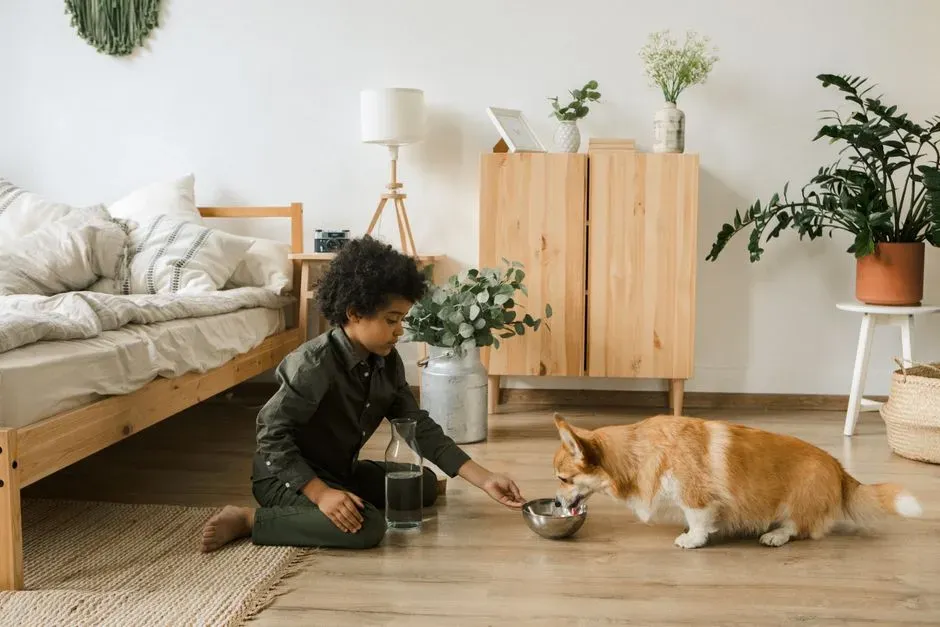
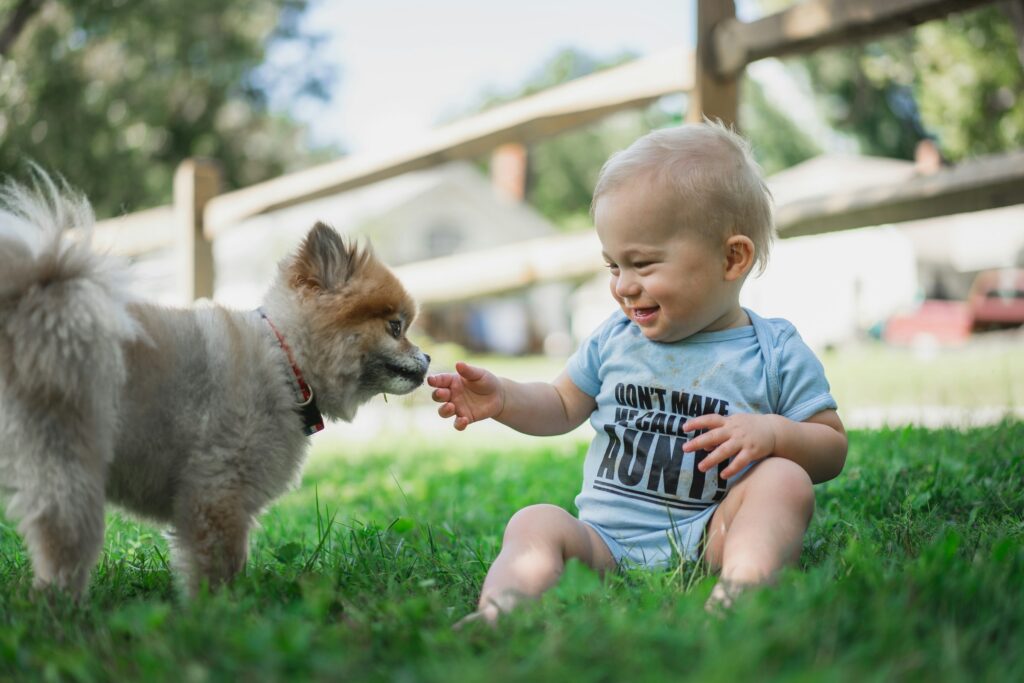
Here’s a detail that gets closer to explaining why this can’t just be taught with a worksheet. Spending time with animals may provide young children with an early opportunity to care for another living being, and because young children are primarily the recipients of care, this role reversal may train the development of prosocial emotions such as empathy.
Think about what that actually means for a five or six year old. In almost every other part of their life, someone else is taking care of them, a parent, a teacher, an older sibling. A pet flips that arrangement. Suddenly the child is the one responsible for another creature’s comfort, and that shift in position seems to build something that a lesson plan about kindness simply can’t recreate, because a lesson plan doesn’t put a child in charge of anyone.
Reading emotions without words
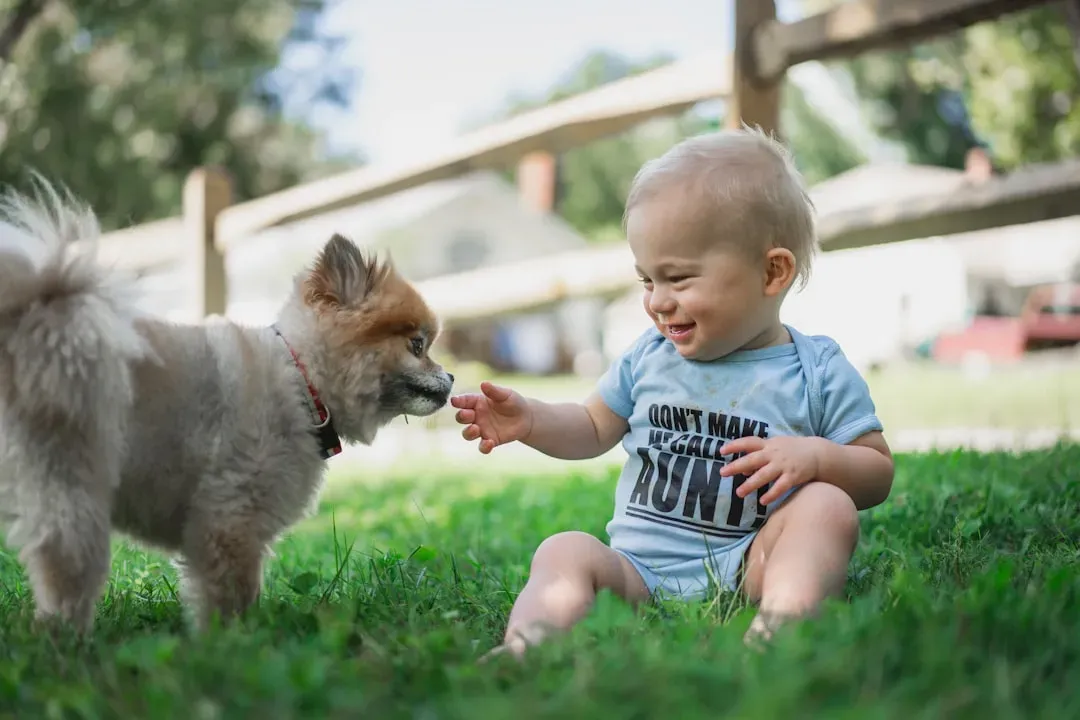
Animals don’t use language, which forces children to pay attention to a different set of signals entirely. Pets may act as social catalysts to facilitate other human relationships, increase prosocial behavior, help children understand nonverbal language, and provide cognitive benefits such as perspective taking abilities and intellectual development.
That nonverbal fluency is arguably one of the more underrated parts of this whole picture. A child who learns to notice a dog’s lowered ears or a cat’s flattened tail is practicing a kind of attentiveness that translates directly into reading human faces and body language, especially in people who are too young, too upset, or too nonverbal to explain how they feel in words. Classrooms tend to rely heavily on verbal instruction. Animals simply don’t give children that option, and that constraint seems to be part of what makes the learning stick.
Grief, loss, and emotional resilience
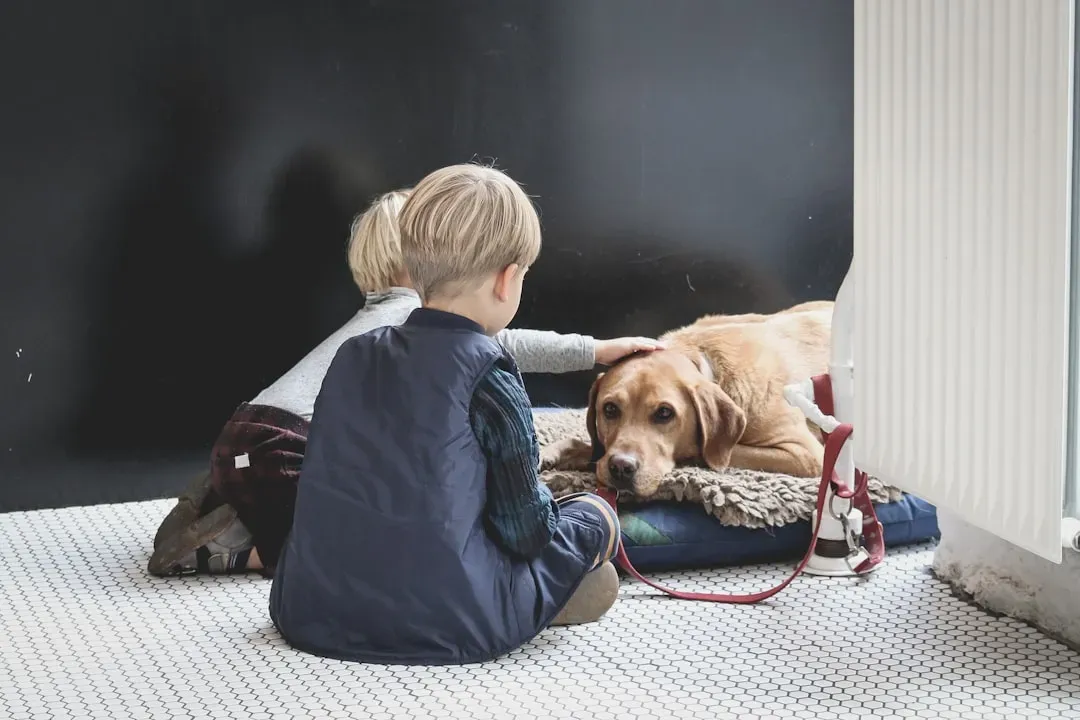
Losing a pet is often a child’s first real encounter with death, and researchers treat that experience as more developmentally significant than it might first appear. The experience of losing a pet or seeing them unwell can teach children about sadness and compassion, and such experiences help children process their emotions and those of others.
There’s also a protective side to this bond that shows up before any loss occurs. For young children, pet attachment seems to be a factor of importance for the prevention of depressive symptoms. That combination, comfort during ordinary days and a manageable introduction to grief when it eventually comes, is not something a curriculum can schedule or simulate on demand.
Where school based empathy programs fall short by comparison
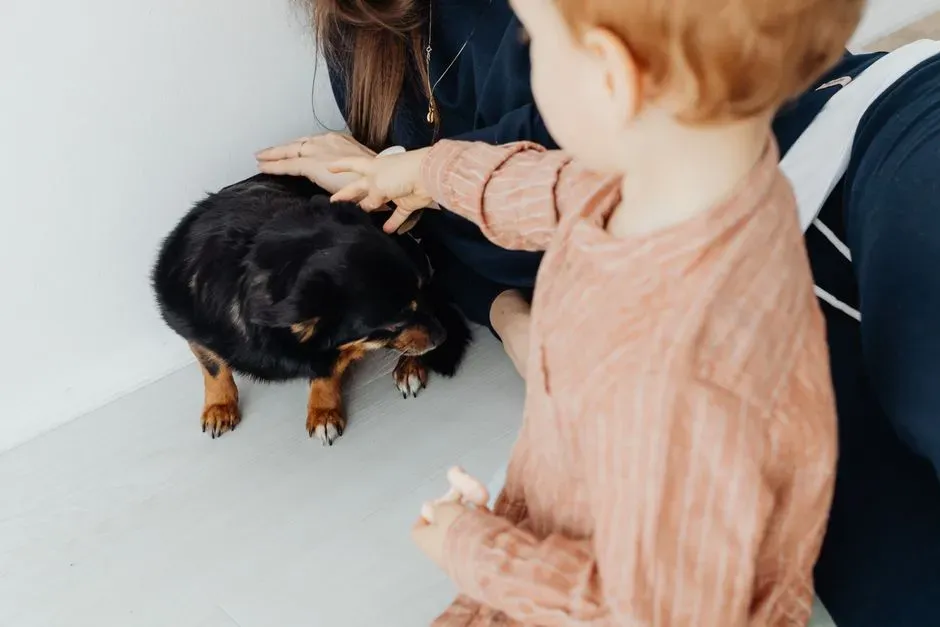
Schools have not ignored this gap. Social emotional learning programs, role play exercises, and humane education curricula have expanded significantly over the past decade, and some of them do show measurable benefits. Still, the research on classroom based empathy instruction reveals real limits. Participants in most non experiential learning programs had no significant improvements in prosocial behavior and empathy, while programs that provided community immersive activities demonstrated significant improvements in empathy, prosocial behavior, and subjective well being outcomes.
Notice the pattern there. It’s not that classrooms can’t teach empathy at all, it’s that the versions of teaching that actually move the needle look less like a lecture and more like lived experience. Empathy is rarely taught through instruction alone, it develops through experience, reflection, and meaningful relationships. A pet at home offers exactly that kind of ongoing, unscripted, emotionally real experience every single day, which is a much harder thing for a forty minute weekly lesson to match.
Why timing in early childhood seems to matter so much
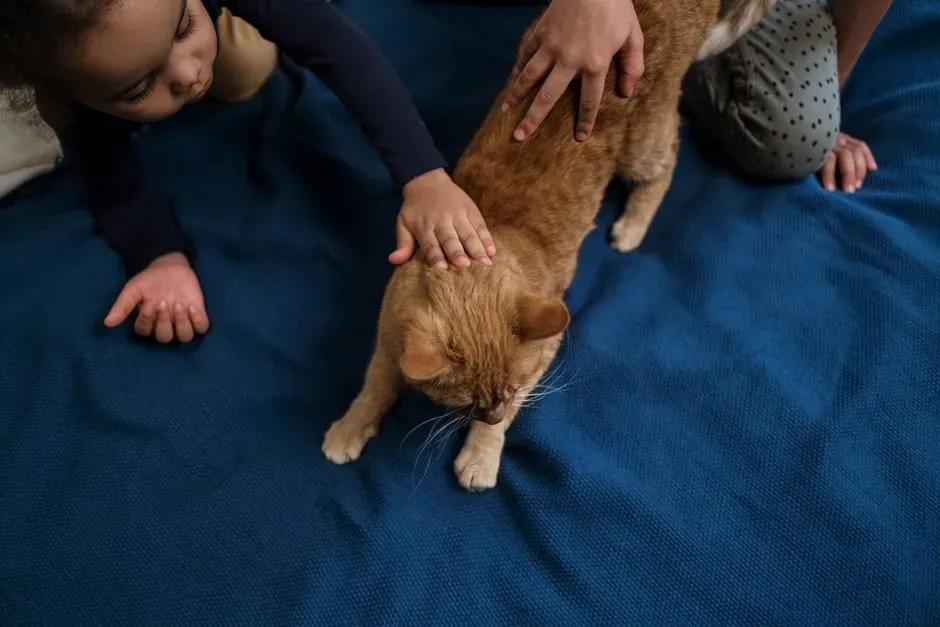
Age appears to play a genuine role in how deeply this sticks. Older adolescents were more likely than younger children to score high on cognitive and emotional dimensions of empathy and be less likely to feel alone and isolated, which suggests that empathy connected to animal relationships builds gradually rather than appearing overnight.
That gradual build is exactly why later interventions struggle to fully catch up. A structured empathy unit introduced to a twelve year old is competing against years of habits, instincts, and emotional wiring that a child who grew up around animals has already been quietly developing since toddlerhood. It’s not that older kids or adults can’t learn empathy skills. It’s that the foundational, almost automatic version that forms early through daily animal contact has a head start that classroom instruction, arriving later and in shorter bursts, simply cannot fully replicate.
Beyond pets: farms, therapy animals, and everyday wildlife
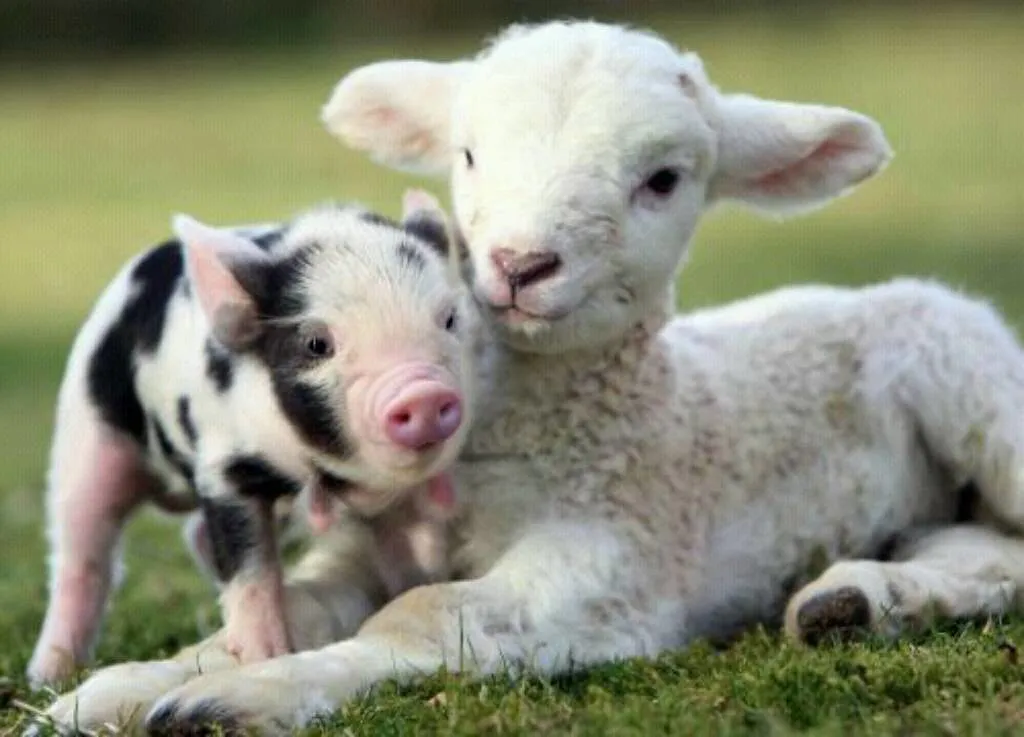
This effect isn’t limited to families who own a dog or a cat. Companion animals including horses, dogs, cats, rabbits and other rodents have the potential to promote healthy emotional youth development in many ways, as shown by research in human animal interactions, the mutual and dynamic relationships between people and animals that may affect the physical and psychological health and wellbeing of both.
Even without formal pet ownership, regular exposure to animals seems to leave an imprint. Research from the University of Southampton found that children who grow up with pets are more likely to show kindness and empathy toward both animals and people. Farm visits, school animal programs, and even casual encounters with birds or squirrels in a park appear to give children some version of the same practice, just in smaller, less consistent doses than a full time animal companion at home would provide.
The takeaway worth sitting with

I’ll be direct about where I land on this. The research is genuinely mixed in places, and anyone who tells you pet ownership is a guaranteed empathy machine is oversimplifying a messier picture. Bonding matters more than ownership, dogs and cats don’t produce identical effects, and correlation is not the same thing as proof of cause.
Still, the pattern is too consistent across too many independent studies to wave away as coincidence. Something happens when a child is put in charge of a creature that cannot explain itself in words, that requires patience on a bad day, and that eventually, sometimes, has to be grieved. That combination of responsibility, nonverbal attention, and emotional stakes is genuinely hard to schedule into a school day, no matter how well designed the curriculum is. My honest opinion is that we spend a lot of energy building empathy programs for classrooms while underestimating the quiet, unglamorous work already being done by a family dog waiting by the door every afternoon.