You’d think a museum knows exactly what it owns. Walk through any major collection and it feels like every bone, brush stroke, and beetle has been catalogued, studied, and put in its proper place. That confidence is mostly an illusion.
Behind the glass cases sit storage rooms stacked with unopened boxes, misfiled drawers, and specimens tagged with someone’s best guess a century ago. Some of those guesses were wrong. Dead wrong. And when a curator finally pulls the right box off the wrong shelf, entire timelines get rewritten. Here are 18 times that actually happened.
#18 – The Flint Axe That Quietly Broke the Bible’s Timeline
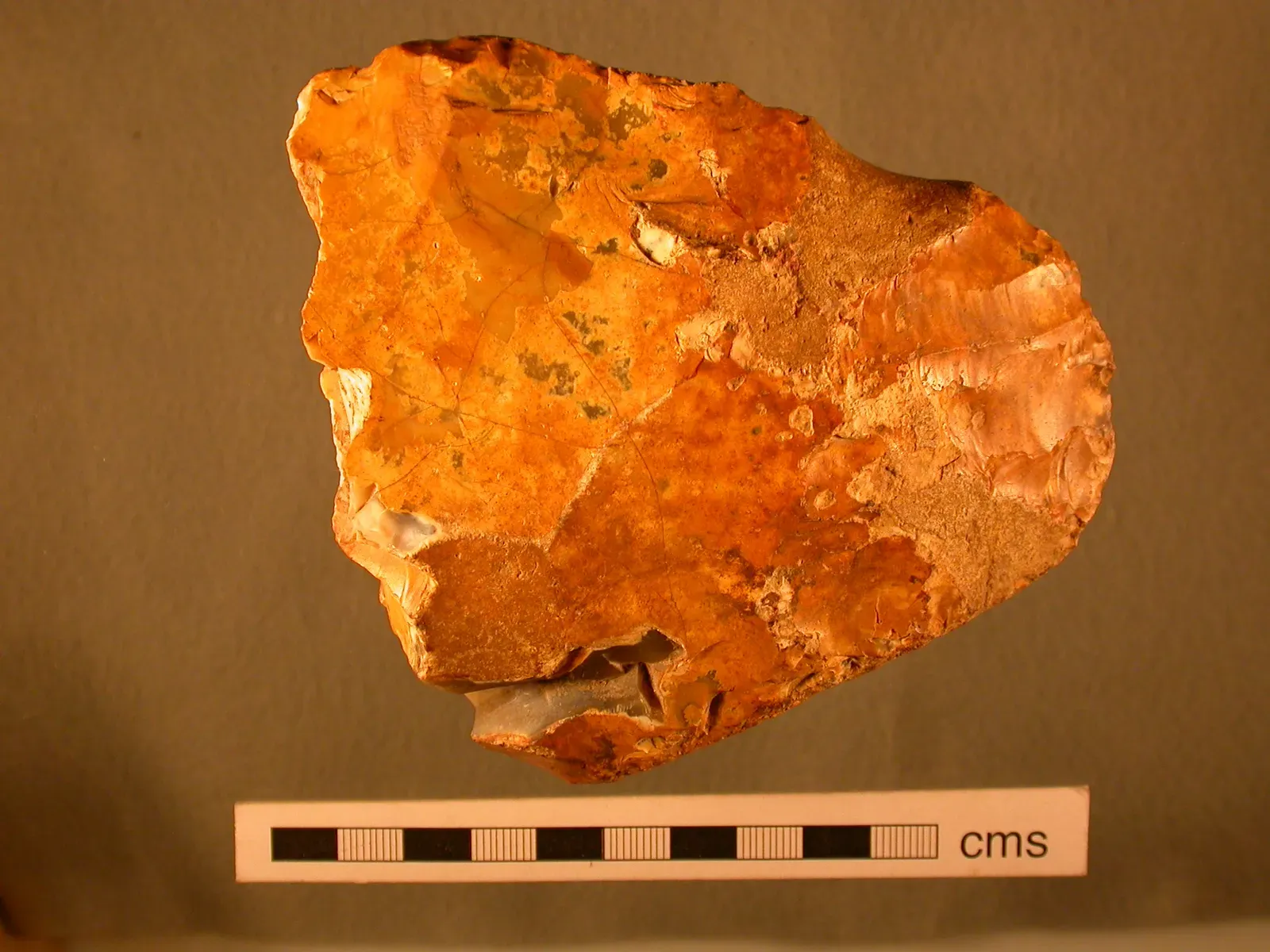
In 1859, geologist Joseph Prestwich and archaeologist John Evans pulled a crude flint hand axe out of a French gravel pit, buried right next to mammoth bones. That pairing was a problem. At the time, most educated Europeans still believed humans had only existed for a few thousand years, and this rock was telling a very different story.
The axe eventually landed in a drawer at London’s Natural History Museum and stayed there, essentially forgotten, for over a century. It wasn’t until a 2009 storage review dragged it back into the light that researchers matched it to Prestwich’s original photographs and confirmed the stratigraphy. The verdict: humans had been walking the earth for at least 400,000 years, quietly proven by a rock nobody had looked at twice in a hundred years.
Fast Facts
- Discovered in 1859 in a French gravel pit, right next to mammoth bones
- Found by geologist Joseph Prestwich and archaeologist John Evans
- Forgotten in storage for over a century before a 2009 review
- Confirmed evidence that humans existed at least 400,000 years ago
#17 – The Skeleton Nicknamed “Noah” That Sat in a Basement for 85 Years
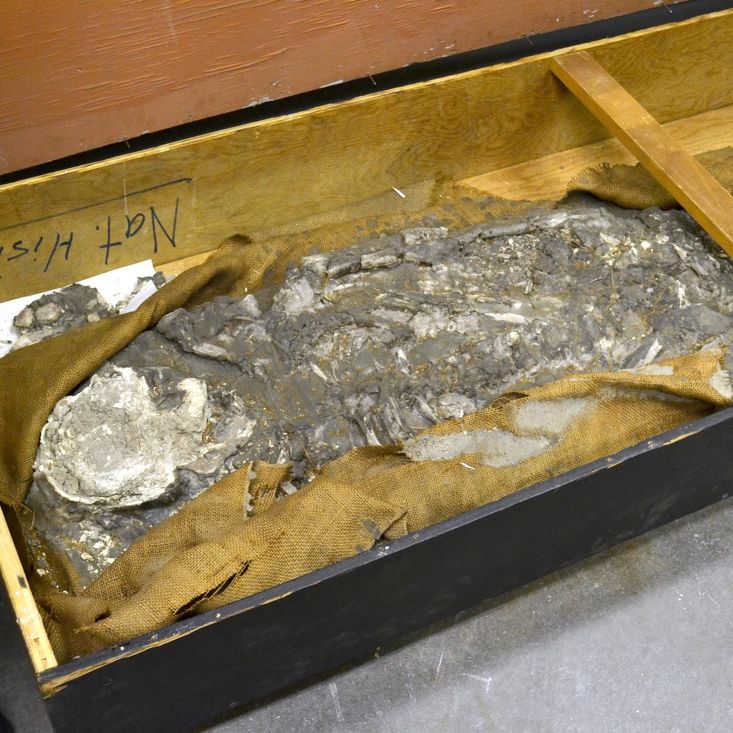
In 1929, archaeologist Leonard Woolley was digging through the ruins of Ur in southern Iraq when he hit a thick layer of clean silt sitting right on top of human remains. He called it evidence of a real, catastrophic flood, and lifted one skeleton out intact, encased in wax and burlap for the trip home to Philadelphia.
Then it disappeared into a basement. For 85 years, a Penn Museum catalog card simply read “two skeletons,” with no photos and no cross-reference to Woolley’s notes. A 2014 digitization project finally connected the dots, and the muscular, 5’8″-to-5’10” man buried after that ancient flood got his nickname back. “Noah” is now one of the only physical windows scientists have into who actually survived southern Iraq’s prehistoric deluge.
#16 – David Livingstone’s Beetles, Boxed Up and Ignored for 150 Years
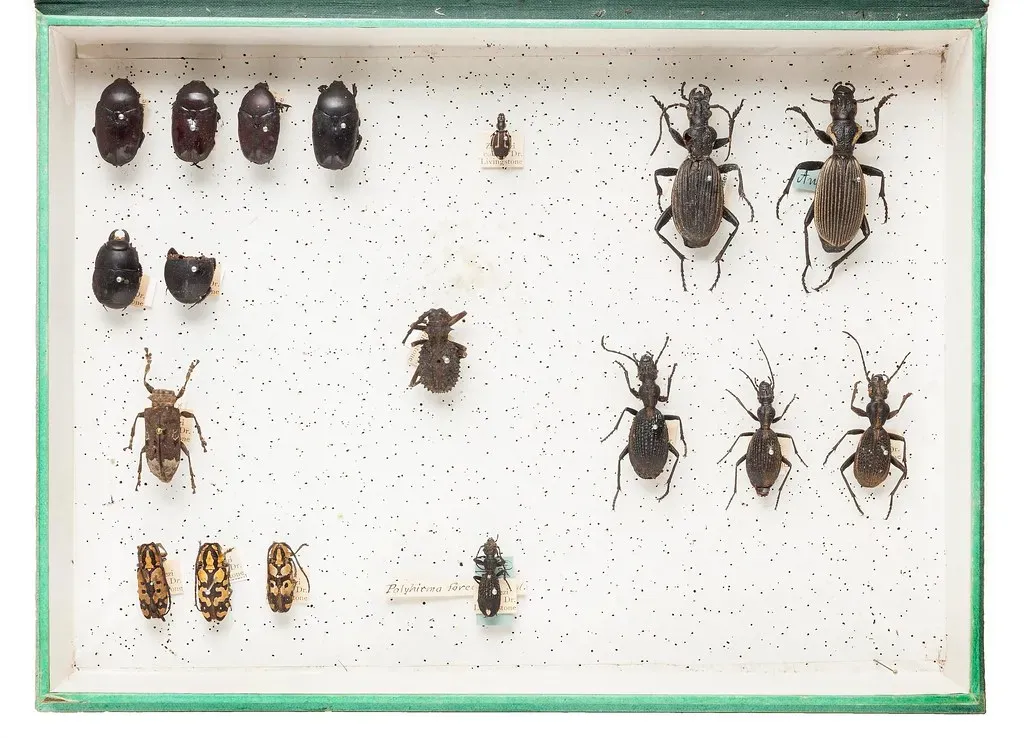
Between 1858 and 1864, the famous explorer David Livingstone collected insects along the Zambezi River while mapping out southern Africa. Twenty of his beetles ended up passing through an amateur collector’s hands before quietly entering London’s Natural History Museum in 1924, where they sat unpublished and essentially invisible.
It took a targeted 2014 search to find the plain wooden box, still labeled in faded ink: “Zambezi coll. by Dr. Livingstone.” Because the specimens were preserved so well, scientists can now run DNA and morphological comparisons against modern beetle populations in the same region. A dead man’s forgotten bug collection became a 150-year baseline for measuring how much the African landscape has actually changed.
#15 – The Barnacles Darwin Gave Away Before He Was Famous
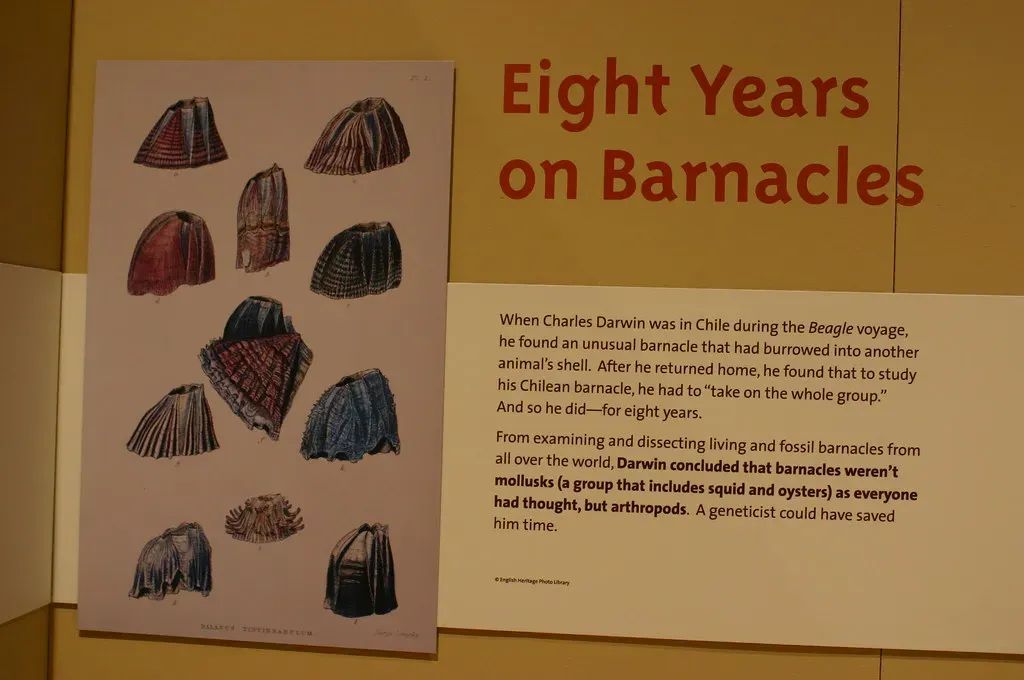
Long before “On the Origin of Species” made him a household name, Charles Darwin spent nearly a decade obsessively dissecting barnacles. In 1854, he mailed 55 of his specimens to a Danish colleague as a professional gift, and they simply scattered into storage drawers, filed by species instead of by donor.
That filing choice erased their history for 160 years, until researchers at the Natural History Museum of Denmark tracked down the original correspondence and matched it to surviving labels. These barnacles now stand as rare physical evidence of the grinding, years-long grunt work that quietly built the foundation for evolutionary theory.
I hate a Barnacle as no man ever did before.
Charles Darwin, in a letter to Joseph Hooker
#14 – The Dinosaur Skull Misfiled as the Wrong Species for 67 Years
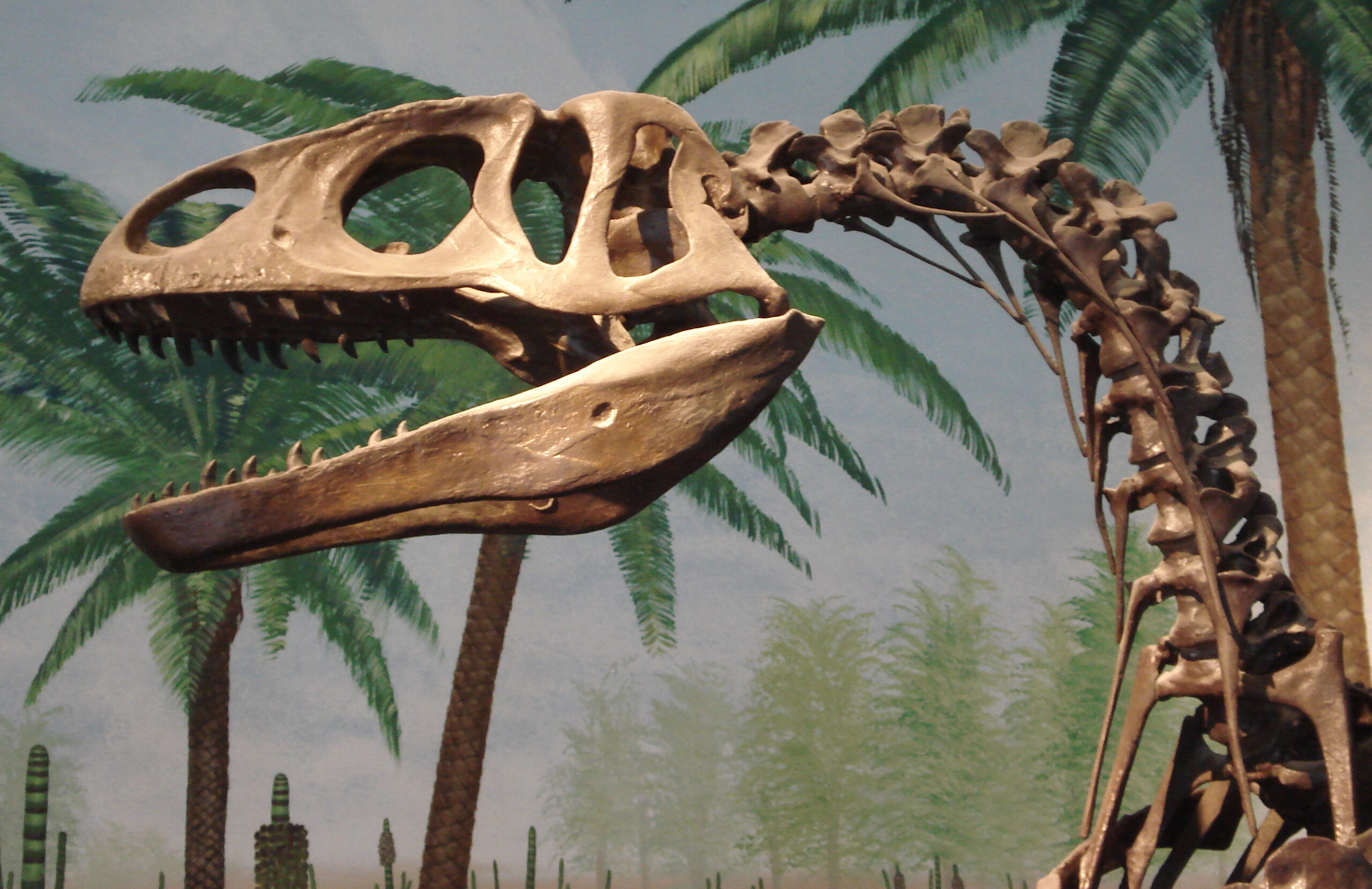
In 1942, a fossil skull from Gloucestershire, England was tucked into a museum drawer labeled as a variant of Megalosaurus, a fairly unremarkable classification. Nobody flagged it as unusual for the next six decades, because nobody had a reason to look closely.
Then came CT scanning in 2009, and everything changed. The internal air spaces and banana-shaped front teeth were textbook tyrannosaur features, just 100 million years too early. Proceratosaurus turned out to be the oldest known tyrannosaurid relative on record, and the only specimen of its kind ever found, hiding in plain sight under the wrong name.
#13 – The “Extinct” Echidna That Might Still Be Out There
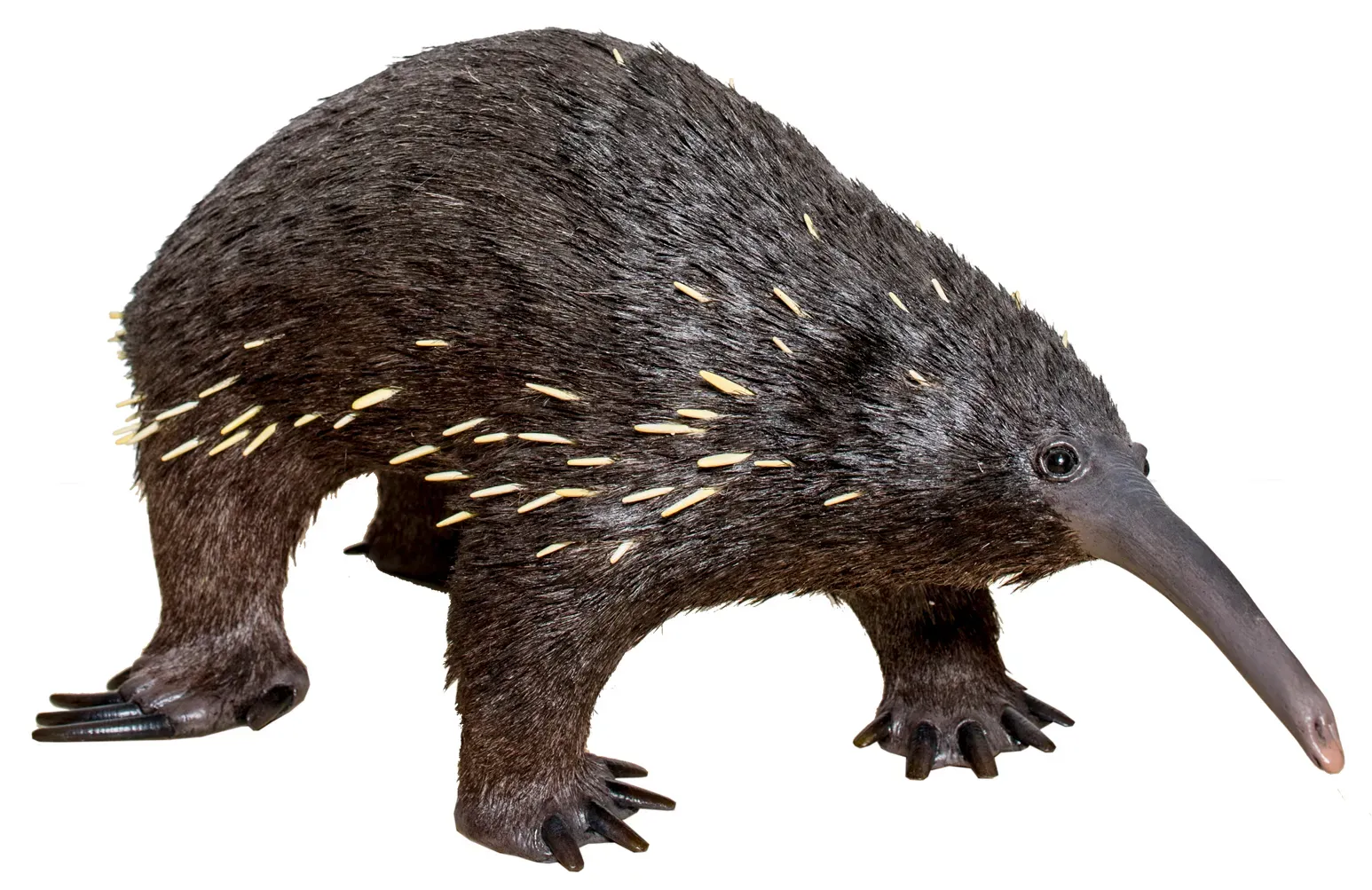
Textbooks confidently state that the long-beaked echidna vanished from mainland Australia around 11,000 years ago. Then a 1901 specimen turned up in London’s Natural History Museum mammal collection, tagged by naturalist John Tunney with a location in remote northwest Australia.
One handwritten label is now enough to reopen a question scientists thought was permanently closed. Researchers are planning targeted surveys of that exact region, chasing the unsettling possibility that a species declared extinct for 11 millennia might still be breathing somewhere in the outback, simply never seen by the right person.
At a Glance
- Species: long-beaked echidna, presumed extinct on the Australian mainland
- Presumed extinction: roughly 11,000 years ago
- Specimen collected: 1901 by naturalist John Tunney
- Location noted on the label: remote northwest Australia
#12 – The Butterfly That Survived a Shipwreck and a Century of Silence
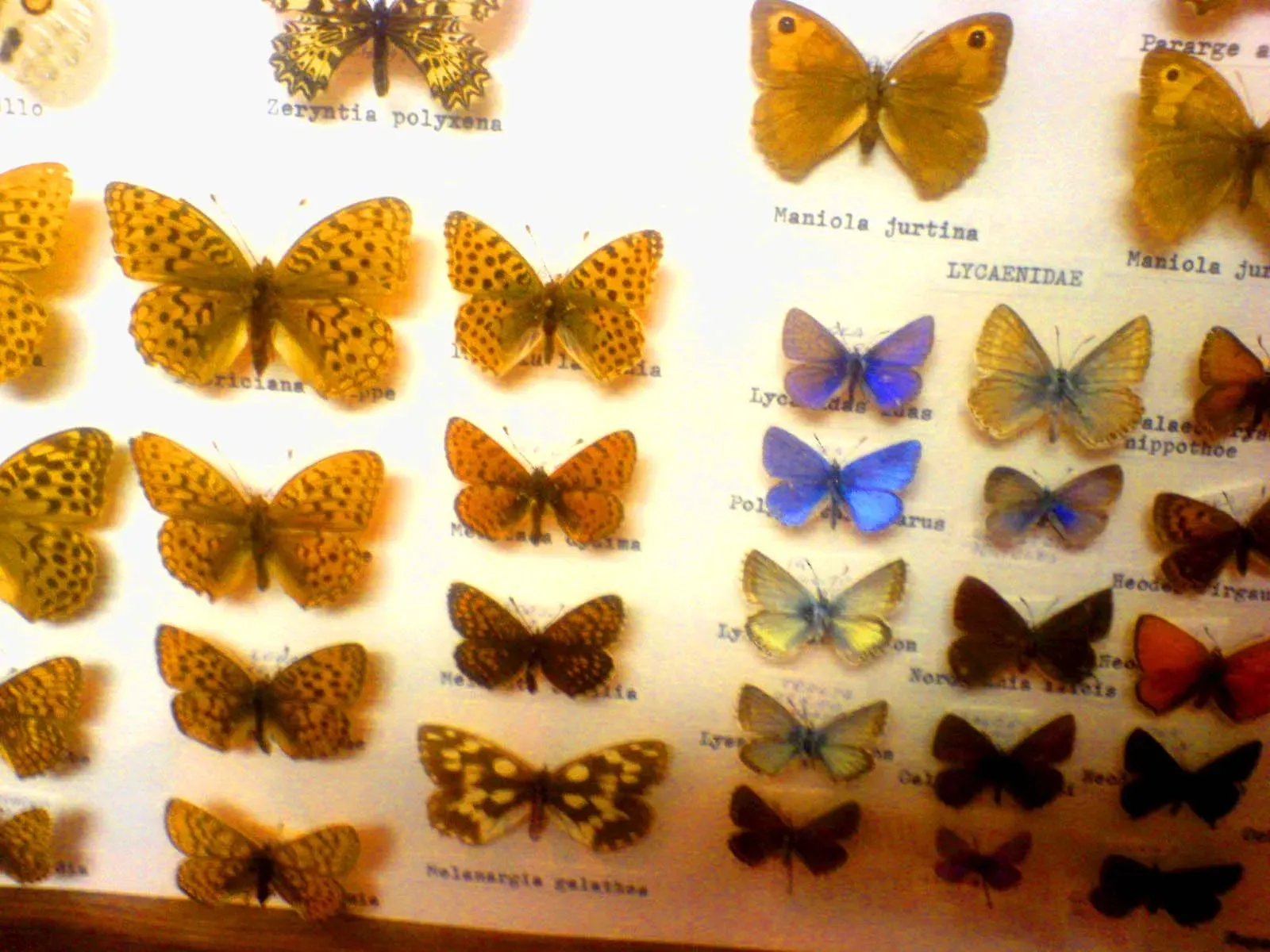
Alfred Russel Wallace lost most of his South American specimens when his ship caught fire and sank on the way home. What almost nobody knew was that a handful of Amazon butterflies had already been shipped ahead, and they ended up buried among 300 of his specimens at Oxford’s museum.
It took a 17-year-old volunteer, doing a slow drawer-by-drawer search in the 2010s, to match the tiny handwritten labels to Wallace’s known collecting routes. That teenager’s patience recovered rare primary evidence of species distributions that habitat loss has since erased entirely.
#11 – The Bear-Claw Necklace Filed Under the Wrong Continent
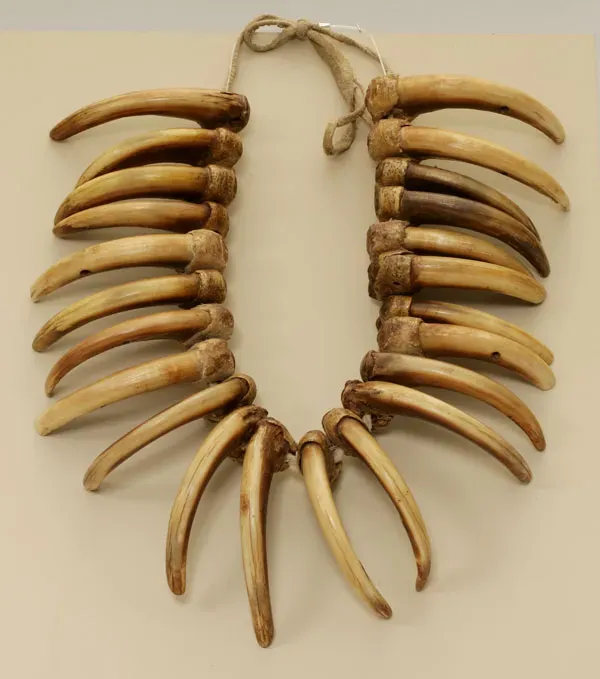
A grizzly-bear-claw necklace collected somewhere along the Lewis and Clark expedition, between 1804 and 1806, should have been treated as a national treasure from day one. Instead, it sat mislabeled as an “Oceanic” artifact until a 2003 inventory at Harvard’s Peabody Museum caught the error.
It’s now recognized as one of only seven surviving Native American objects with a confirmed direct link to the expedition, likely presented by a tribal leader as a gesture of diplomacy. A single clerical mistake nearly buried one of the earliest and rarest physical records of contact between the explorers and the nations they encountered.
#10 – Michelangelo’s Practice Sketches, Buried in His Own Family’s Archive
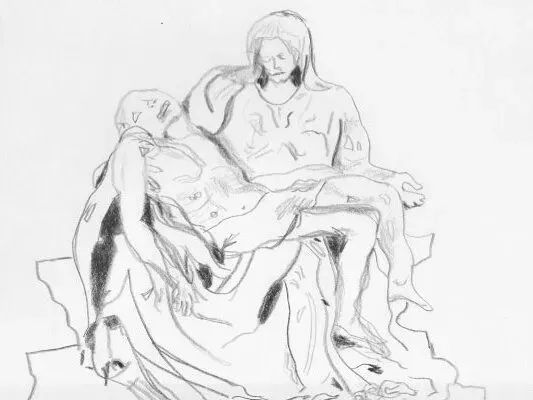
You’d expect every scrap of paper touched by Michelangelo to be under glass somewhere. Instead, several of his preparatory sketches sat unnoticed inside the Casa Buonarroti in Florence, the very building tied to his family, for generations.
Routine cataloging eventually revealed studies for compositions that never made it into finished work, giving historians a rare look at the artist mid-thought, before the polish. These sheets didn’t need a treasure hunt or a dramatic sale. They just needed someone to finally open the right folder.
#9 – The Van Gogh Painting Nobody Believed Was Real
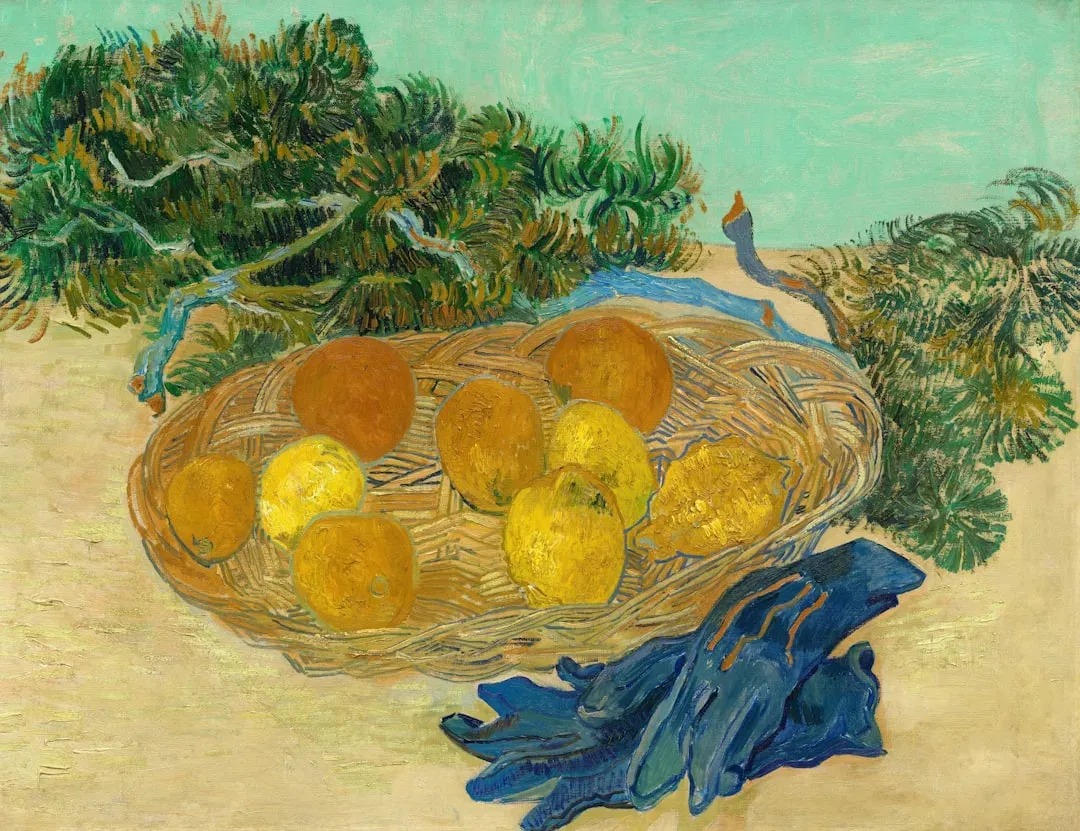
A Van Gogh still life sat in storage for decades under a cloud of doubt, treated as a probable misattribution rather than a genuine piece of the artist’s catalog. That kind of skepticism is common with unsigned or poorly documented works, and it’s often enough to keep a painting locked away and ignored.
Technical analysis and provenance research eventually lined it up with Van Gogh’s known meadow-flower period, and the painting was reclassified as authentic. One overlooked canvas expanded his entire documented body of work, and exposed just how thin the line is between “forgotten forgery” and “verified masterpiece.”
#8 – The Rembrandt Sketch Hiding Under a Lesser Artist’s Name
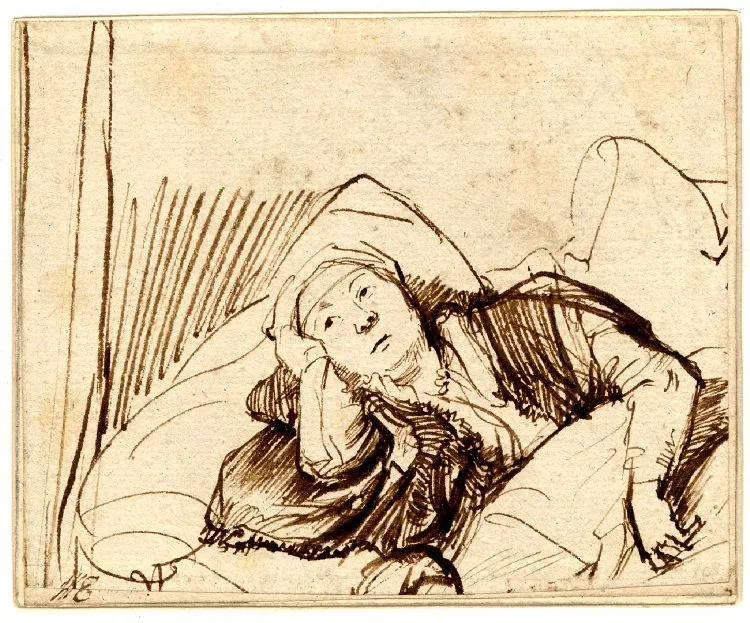
Somewhere in a European museum’s storage system, a genuine Rembrandt drawing spent decades cataloged under a minor artist’s name, quietly stripped of the value and attention its real creator would have commanded. Nobody was hiding it on purpose. Nobody was looking closely enough to notice.
A routine drawer audit changed that, and stylistic analysis alongside paper testing confirmed the master’s hand behind it. The find is a reminder that even the most heavily studied artists in history still have surprises sitting in institutional filing systems, mislabeled by someone who simply guessed wrong decades ago.
#7 – The Great Pyramid Fragment That Vanished for 70 Years
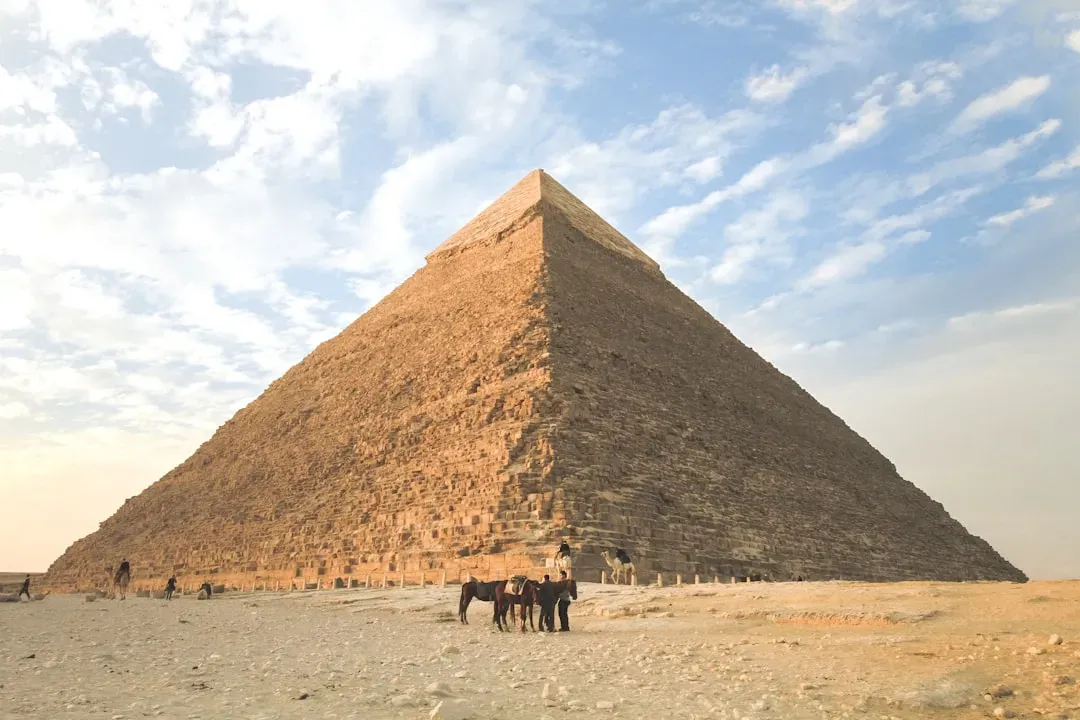
Only three artifacts have ever been recovered from inside the Great Pyramid of Giza, which makes each one extraordinarily rare. One of them disappeared from institutional records in the mid-20th century, separated from its documentation after being pulled out in the 19th century.
It took until 2020 for an archival search to relocate the piece and reconnect it with its history. Seventy years is a long time for one of only three known objects from inside one of the most studied structures on Earth to simply go missing in plain sight.
Worth Knowing
- Only three artifacts have ever been recovered from inside the Great Pyramid
- This fragment first vanished from records in the mid-20th century
- Originally pulled from the pyramid in the 19th century
- Relocated and reconnected to its history in 2020, after roughly 70 years missing
#6 – The Roman Emperor’s Statue Nobody Recognized
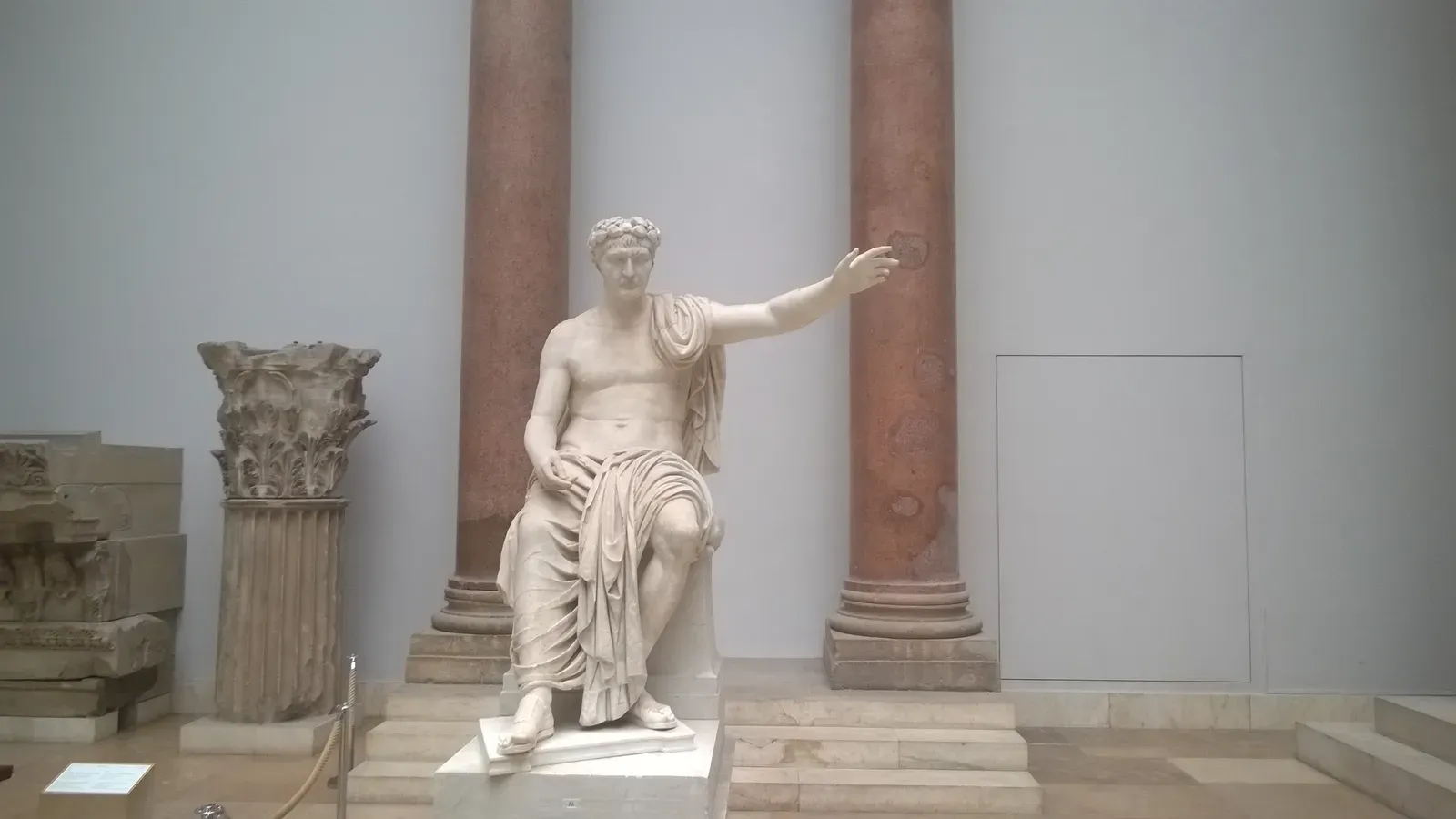
You’d assume every fragment of imperial Roman sculpture gets identified fast, given how obsessively scholars study that period. Instead, pieces of an unrecognized statue base tied to Emperor Trajan sat in storage, unidentified, until comparative stylistic study in the 2010s finally matched the markers to his reign.
The obscurity wasn’t intentional. Fragmented excavation records from decades earlier simply failed to connect the pieces to a name. Once they did, the find expanded the known record of official Roman imperial imagery from an era historians thought was already fully mapped out.
#5 – Darwin’s Bird Egg, Sitting in a University Drawer for Two Centuries
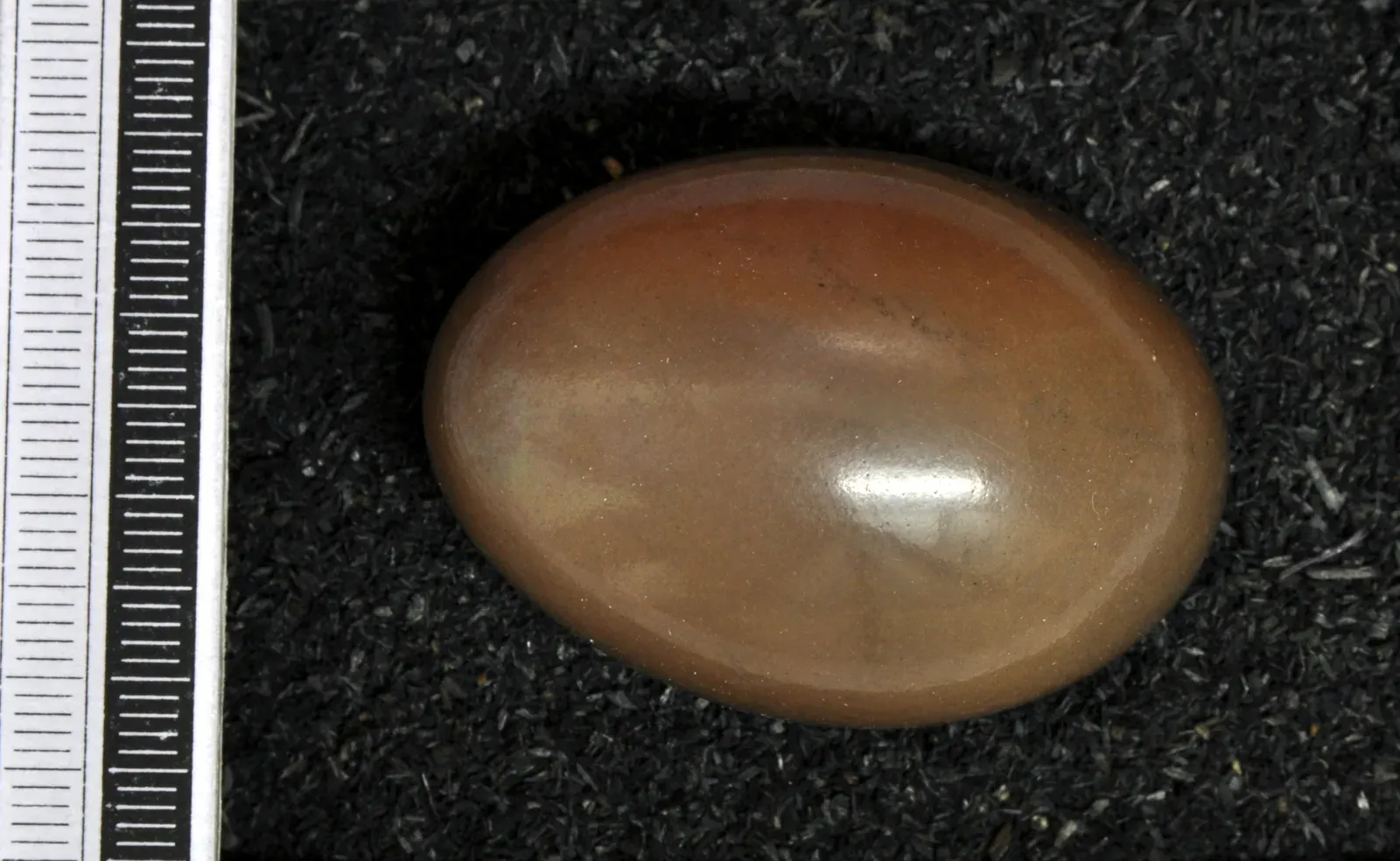
Field notes from the Beagle voyage suggest every specimen Darwin collected was tracked and accounted for. And yet a single tinamou egg he gathered in South America turned up in a Cambridge collection roughly two centuries later, its provenance confirmed only by painstaking label-matching and cross-referencing old correspondence.
It’s a small, fragile object, but it offers direct physical evidence of Darwin’s collecting habits during the very voyage that reshaped his thinking about life on Earth. It also proves that historically priceless items don’t always end up in famous museums. Sometimes they sit in a university drawer nobody thought to double-check.
#4 – The Mummy Wrapping Nobody Opened for 80 Years
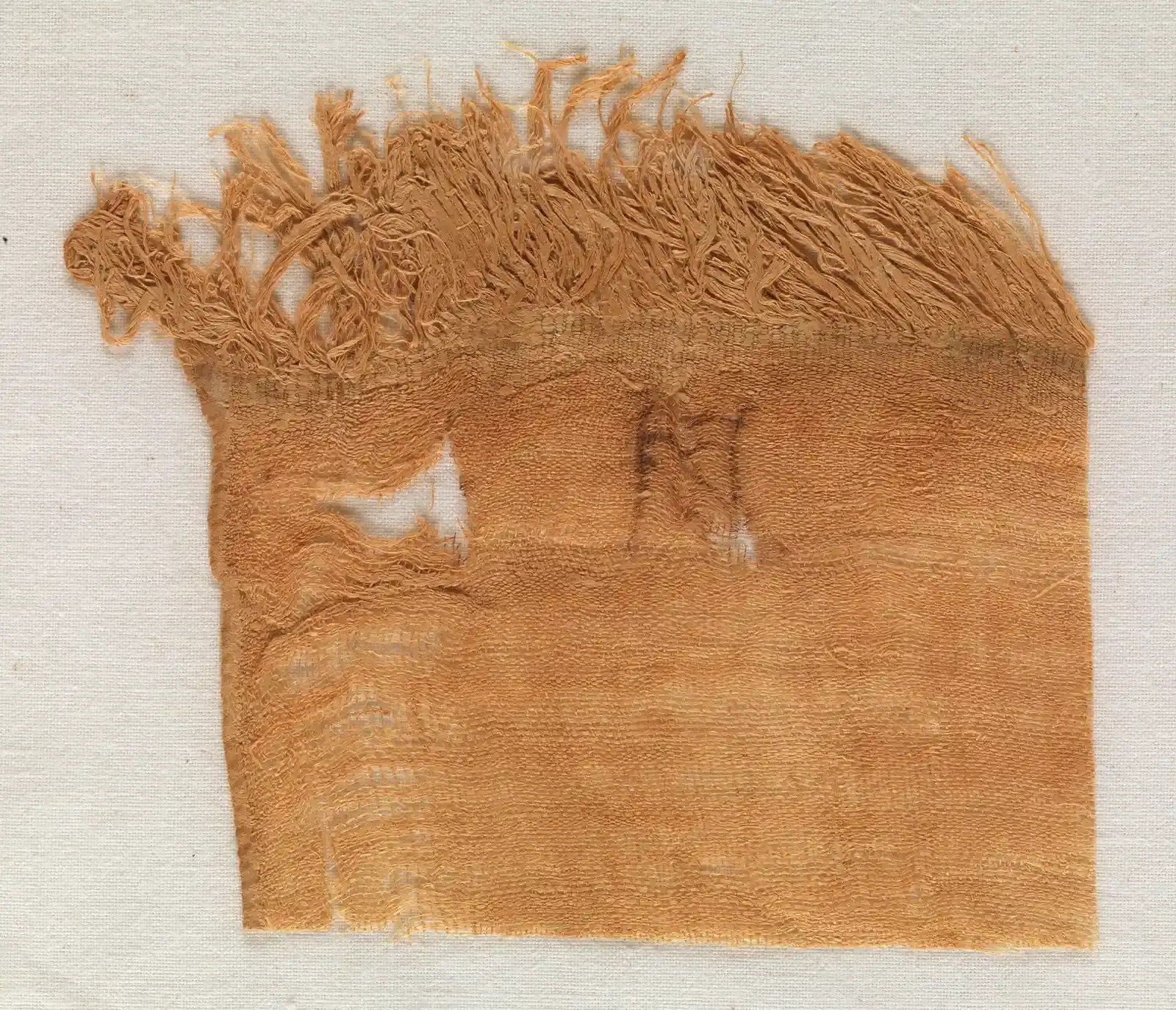
At the National Museum of Scotland, a paper-wrapped package tied to a documented Egyptian tomb sat completely unopened from the 1940s onward. Wartime-era packing habits and years of catalog backlog meant nobody circled back to it for generations.
A 2017 reassessment finally broke that seal, revealing burial textiles nobody had documented before, textiles that refine what historians understand about Late Period funerary practices. Eight decades of silence, undone in a single afternoon of careful unwrapping.
#3 – The First Archaeopteryx Fossil Ever Found, Mislabeled as a Flying Reptile for 115 Years
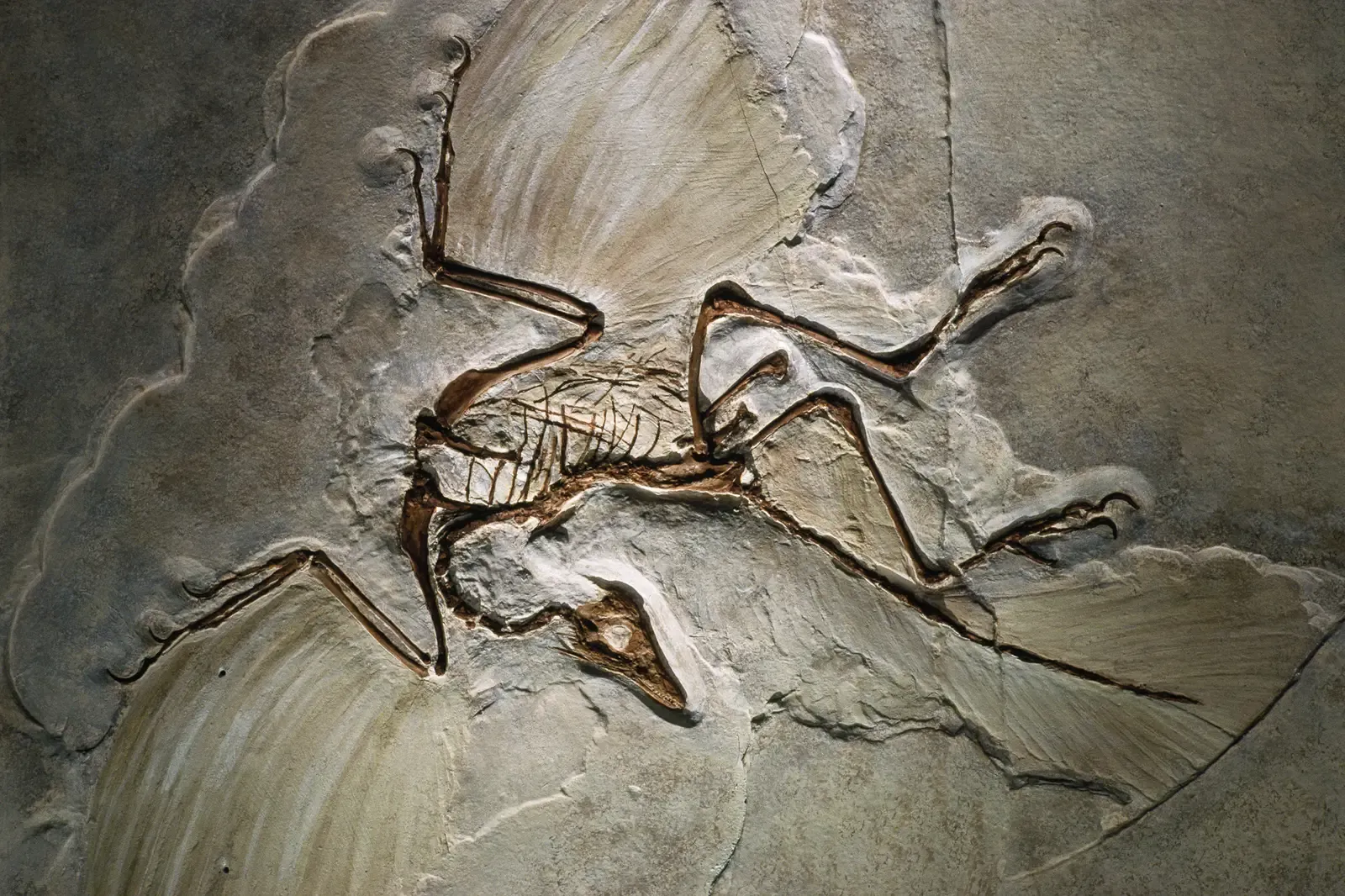
In 1855, six years before the specimen that made headlines around the world, a poorly preserved fossil turned up and was confidently described as Pterodactylus crassipes, a type of flying reptile. It was tucked away at the Teylers Museum in Haarlem, Netherlands, and left there without controversy for over a century.
In 1970, paleontologist John Ostrom re-examined the specimen and realized everyone had been wrong for 115 years. It wasn’t a pterosaur at all. It was Archaeopteryx, the feathered link between dinosaurs and birds, and technically the very first one ever discovered, just labeled incorrectly from day one and quietly overlooked while a different specimen got all the fame.
#2 – Wallace’s Borneo Ferns, Scattered Across a Herbarium for Over a Century

Alongside his butterflies, Alfred Russel Wallace collected 33 fern species during a single mountain ascent in Borneo. They ended up filed by plant family rather than by collector at a Cambridge herbarium, which meant the connection to Wallace himself simply disappeared from the records for generations.
A 2011 search finally reunited the sheets, each one carrying Wallace’s own handwriting and precise locality data. In a region that’s been dramatically reshaped by logging and agriculture since his visit, those ferns are now one of the only baselines scientists have for what the ecosystem actually looked like before it changed forever.
#1 – Thousands of Looted Bronzes Rediscovered Gathering Dust in Museum Storerooms
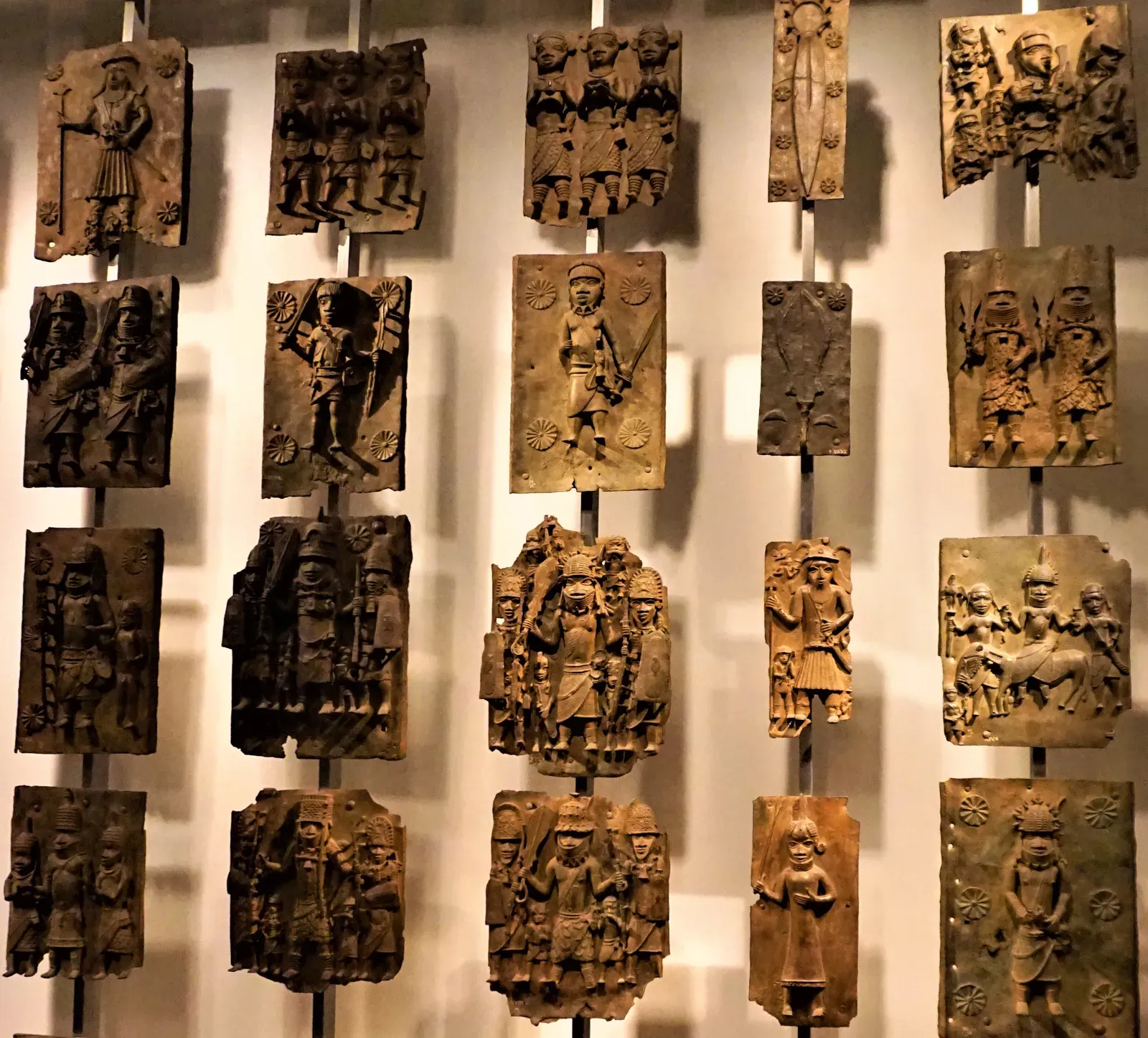
In 1897, British forces looted thousands of intricately cast bronze plaques and sculptures from the Kingdom of Benin, in what’s now Nigeria, scattering them across museums and private collections worldwide. Many were absorbed into institutional storage over the following decades, some cataloged only as generic “West African art,” with no real acknowledgment of where they came from or how they got there.
As restitution debates intensified in recent years, museums around the world finally conducted serious inventory reviews, and pieces that hadn’t been publicly displayed or properly documented in decades resurfaced in storerooms from London to Chicago. Unlike a misfiled fossil or an overlooked sketch, this isn’t a story about innocent clerical error. It’s a story about objects that were never lost, just conveniently left undisturbed, until the world stopped letting museums look away.
Why It Stands Out
- Looted in 1897 from the Kingdom of Benin, in modern-day Nigeria
- Thousands of bronze plaques and sculptures scattered across global collections
- Many cataloged only as generic “West African art,” with no origin recorded
- Recent inventory reviews have resurfaced pieces in storerooms from London to Chicago
The Bottom Line
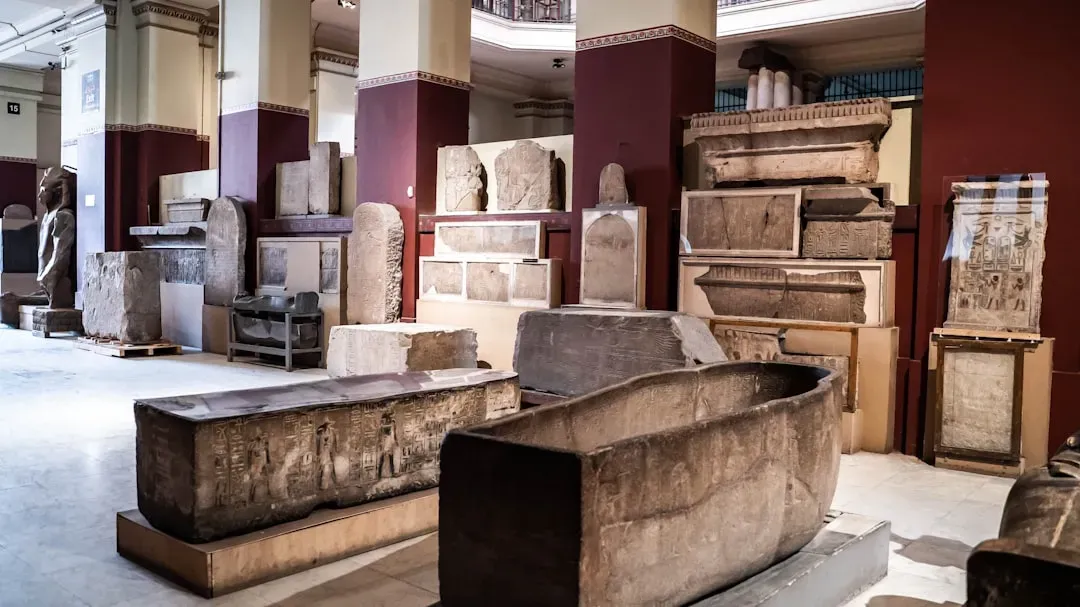
Here’s the uncomfortable truth underneath all 18 of these stories: museums don’t actually know everything they own. Storage rooms are stuffed with decades-old guesswork, and every single one of these discoveries only happened because somebody finally bothered to check.
That should bother you a little. It bothers me. Institutions with billion-dollar endowments are still finding first-of-their-kind fossils and looted cultural treasures by accident, decades after the fact, simply because nobody prioritized looking. The real scandal isn’t that these 18 objects were forgotten. It’s how many more are still sitting in the dark right now, waiting for someone to open the right drawer.