
Everyone likes to imagine archaeology as a finished story: the big tombs are opened, the lost cities are mapped, the timelines are locked in textbooks. That comfortable idea is wrong, and it keeps getting proven wrong in real time. Every digging season now, satellite scans, ancient DNA, and laser mapping tear a fresh hole in what we thought we knew about our own species.
Some of these sites have been picked over for a century. Others were hiding in plain sight under jungle canopy or desert sand. What they all share is a habit of humiliating the experts, and the deeper the shovels go, the stranger the story gets.
#20 – Göbekli Tepe’s Expanding Village Evidence
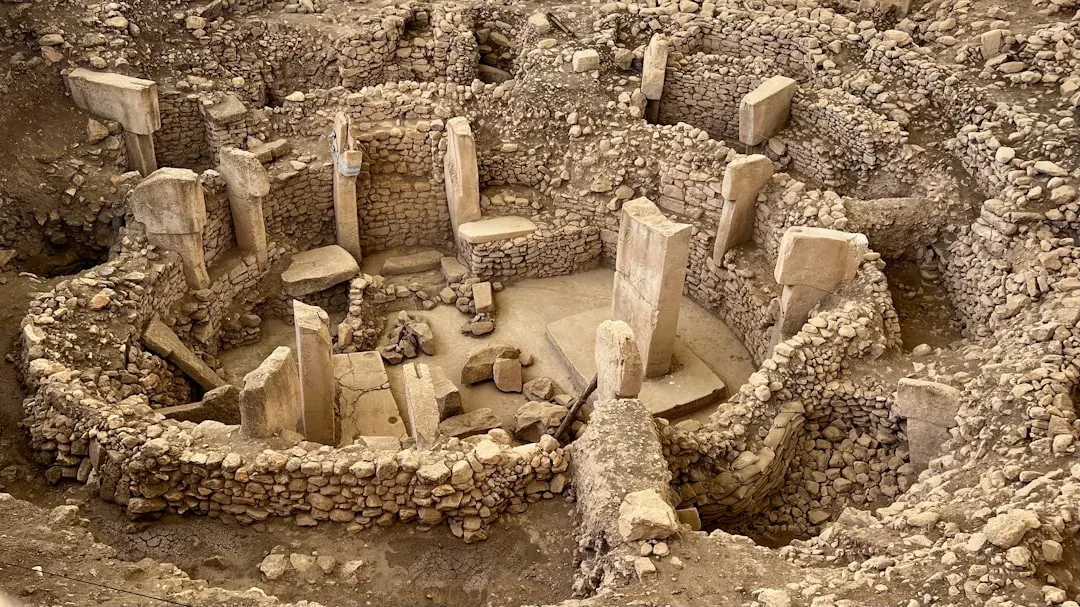
For years, Göbekli Tepe was sold as a lonely temple in the hills, a place hunter-gatherers visited briefly and left. Recent excavations have quietly demolished that picture. Domestic structures, tool-making debris, and everyday hearths now sit right beside the massive T-pillars, exactly where a purely ceremonial site shouldn’t have them.
Even stranger, the site shows layers of rebuilding over centuries, as if generations kept returning to expand and rework the same sacred ground. That turns Göbekli Tepe from a mysterious ritual outpost into something closer to a living, breathing town that grew up around its own monuments.
First came the temple, then the city.
Klaus Schmidt
#19 – Karahan Tepe’s Human-Faced Pillars
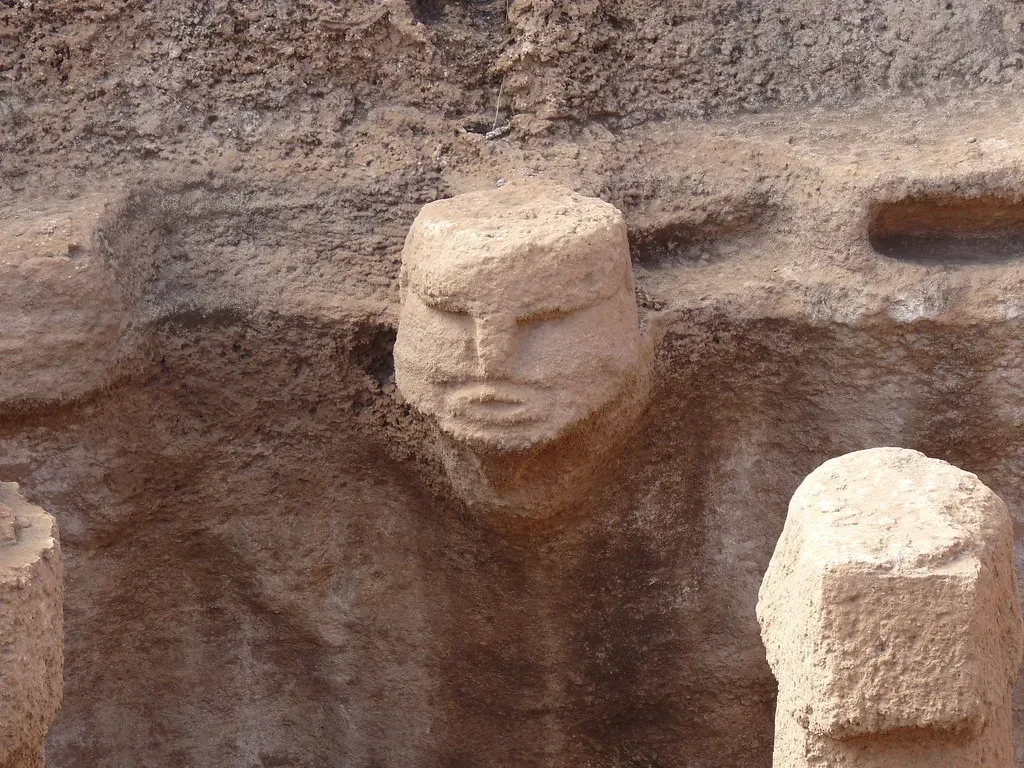
Karahan Tepe used to get filed as a footnote to its famous neighbor. That changed fast once diggers uncovered T-shaped pillars carved with detailed human faces, expressions nobody had documented anywhere in the region before. These faces sit in layers older than many features once assumed to be the earliest of their kind.
Carved benches and what look like ritual basins have turned up alongside the pillars, hinting at a community that occupied and reshaped the site across many generations. The stonework gets more sophisticated the deeper archaeologists dig, which is the opposite of what a one-off ceremonial stop should look like.
#18 – Pompeii’s Fresh Frescoes and DNA Surprises
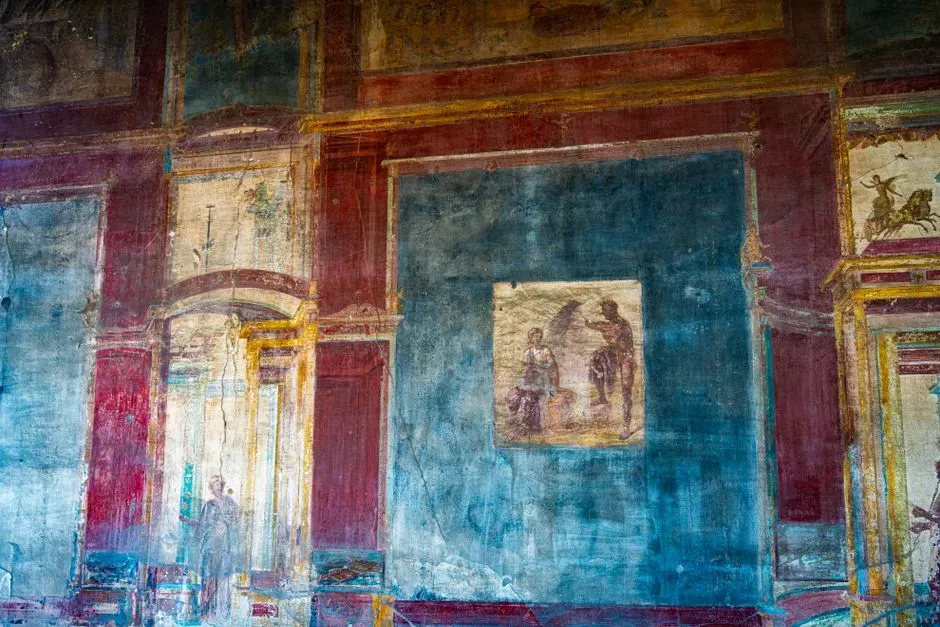
Pompeii is the site everyone assumes is already fully documented, photographed, and cataloged into oblivion. Yet crews working previously unexcavated blocks keep pulling vivid frescoes from the ash, including mythological scenes that don’t match the artistic patterns historians expected from Pompeii’s final decades.
The real gut-punch came from DNA. Genetic testing on victims has revealed unexpected diversity and, in several cases, quietly corrected identifications that had stood for years, including assumptions about family groups frozen together in the eruption. A charcoal drawing scratched by a child adds a small, human detail that no marble inscription ever could.
Fast Facts
- Mount Vesuvius buried Pompeii under thick volcanic ash and pumice in 79 AD.
- Formal excavations of the site did not begin until 1748.
- Historians estimate the city held roughly 11,000 to 15,000 residents at the time of the eruption.
- New sections of the city are still being uncovered nearly 280 years after digging first started.
#17 – Stonehenge’s Scottish Altar Stone
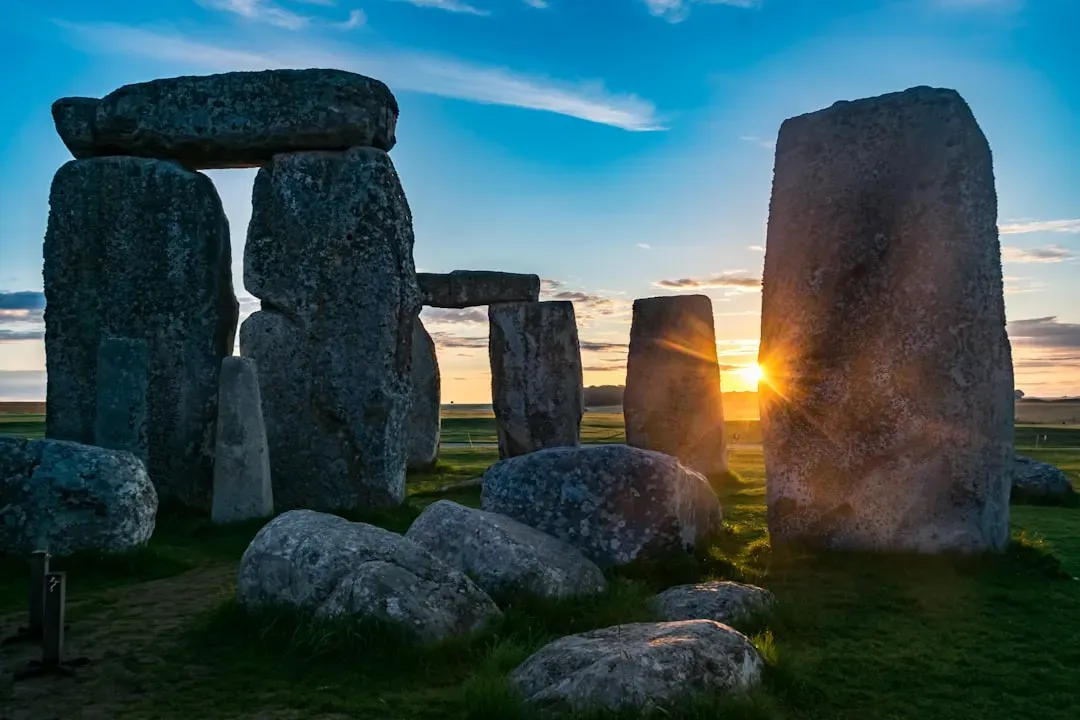
The Altar Stone was long treated as just another Welsh bluestone, part of the well-worn story of stones dragged from a few hundred kilometers away. Mineral analysis has now traced its origin to rock formations in northeast Scotland, hundreds of kilometers farther than any other stone in the monument.
That single result forces a rethink of how far Neolithic Britain’s social and trade networks actually stretched. Moving a multi-ton slab that distance means organized cooperation across regions archaeologists never linked before, which quietly rewrites what “local” meant 4,500 years ago.
#16 – Amazonian LIDAR Cities in Ecuador
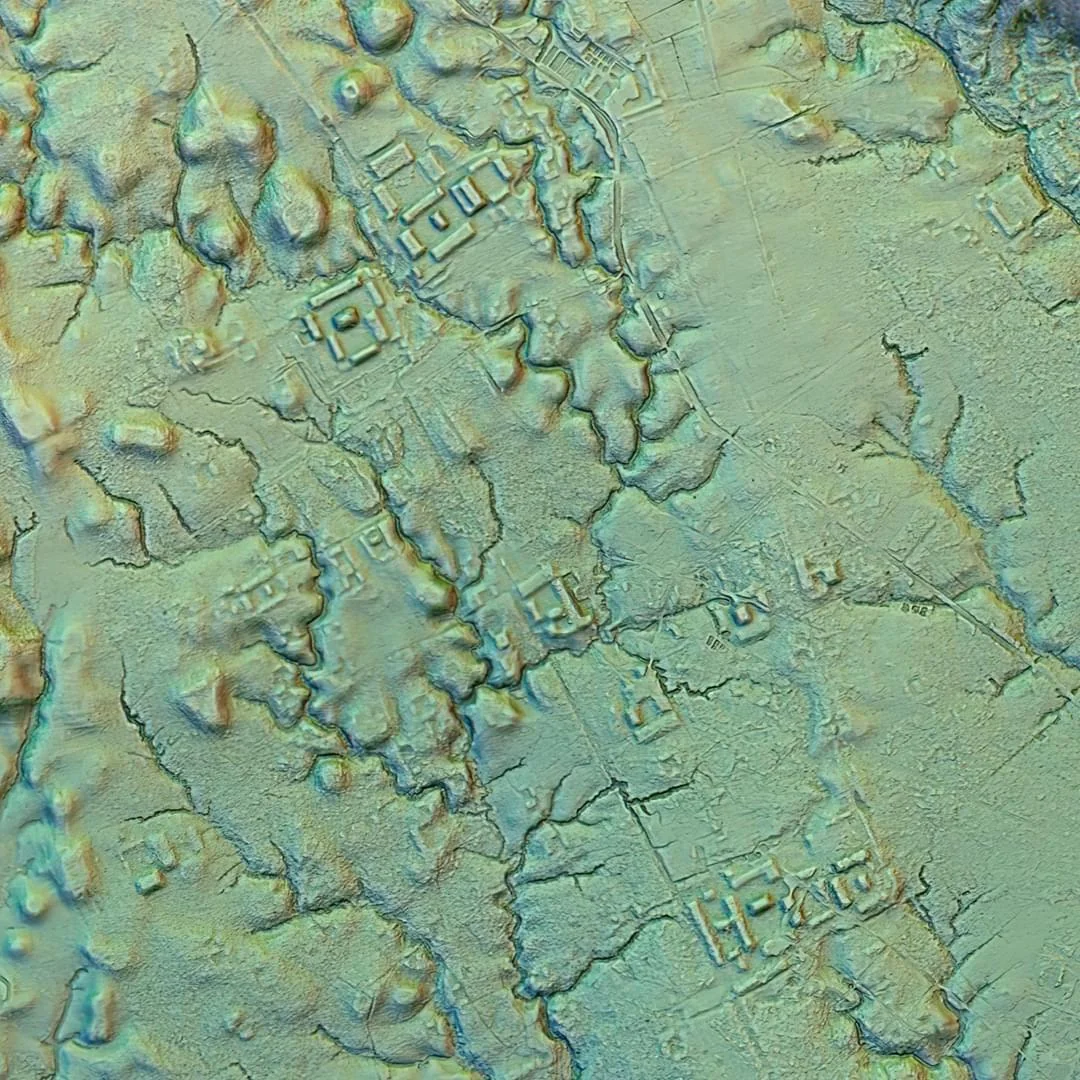
The rainforest was supposed to hide only scattered, small-scale settlements incapable of dense urban life. LIDAR blew that assumption apart by mapping more than 6,000 interconnected earthen platforms forming networks on an urban scale, dating back roughly 2,000 years.
Roads, plazas, and water management systems now show up across land once dismissed as too wild to support anything but small bands. The layout echoes Maya urban planning, suggesting Amazonian societies built complex cities that the jungle simply swallowed whole.
#15 – Nazca Lines’ AI-Discovered Geoglyphs
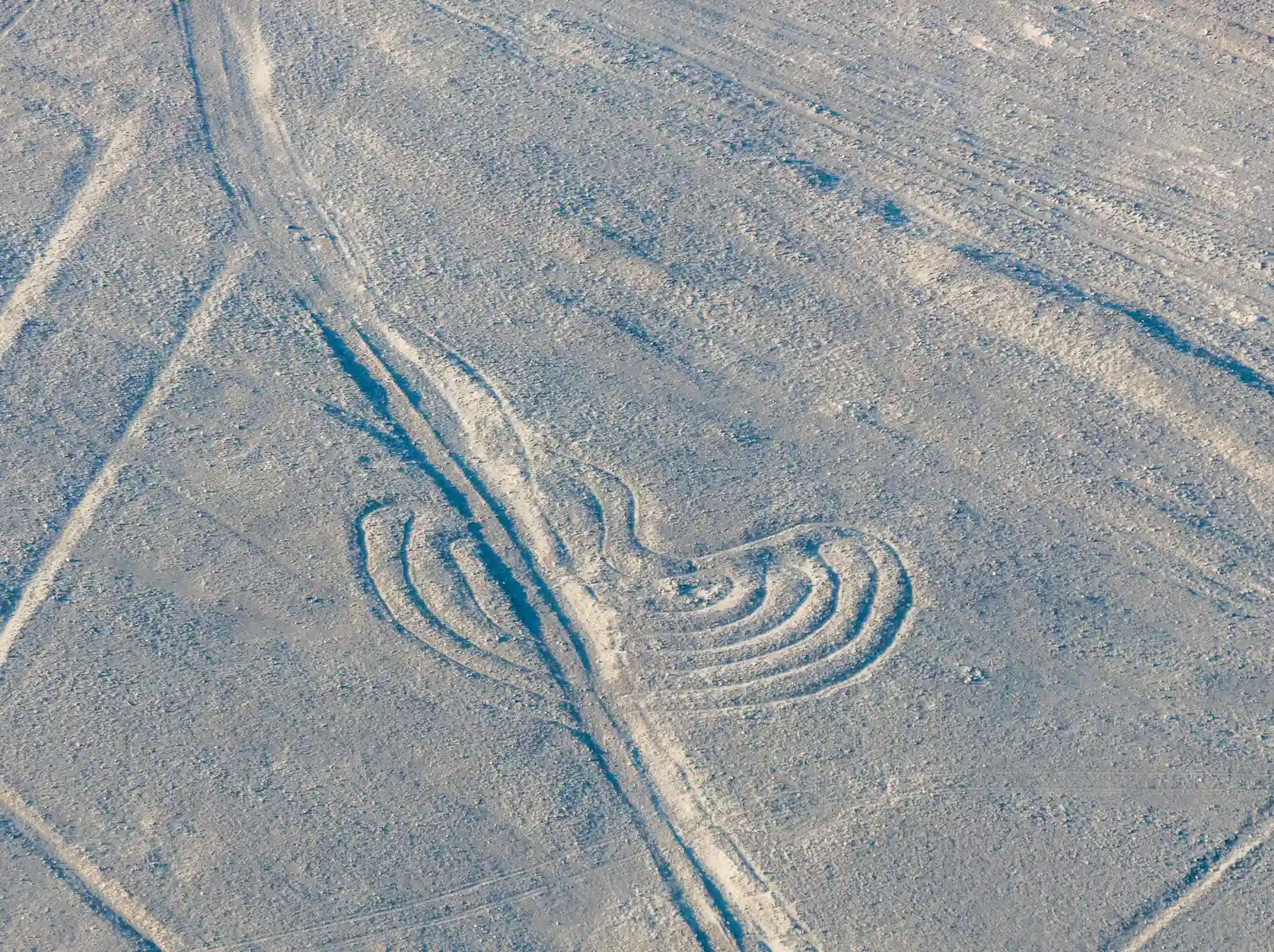
Roughly 400 Nazca figures were the accepted total for decades, carefully mapped and studied. Then AI scanning of satellite imagery found more than 300 additional figures in a matter of months, nearly doubling the known collection almost overnight.
Many of the newly found shapes are smaller and more intimate than the giant lines tourists fly over, depicting humans and animals clustered near ancient walking paths. That clustering hints these figures weren’t just art for the gods above but markers meant to be seen by people walking the ground.
#14 – White Sands’ 21,000-Year-Old Footprints
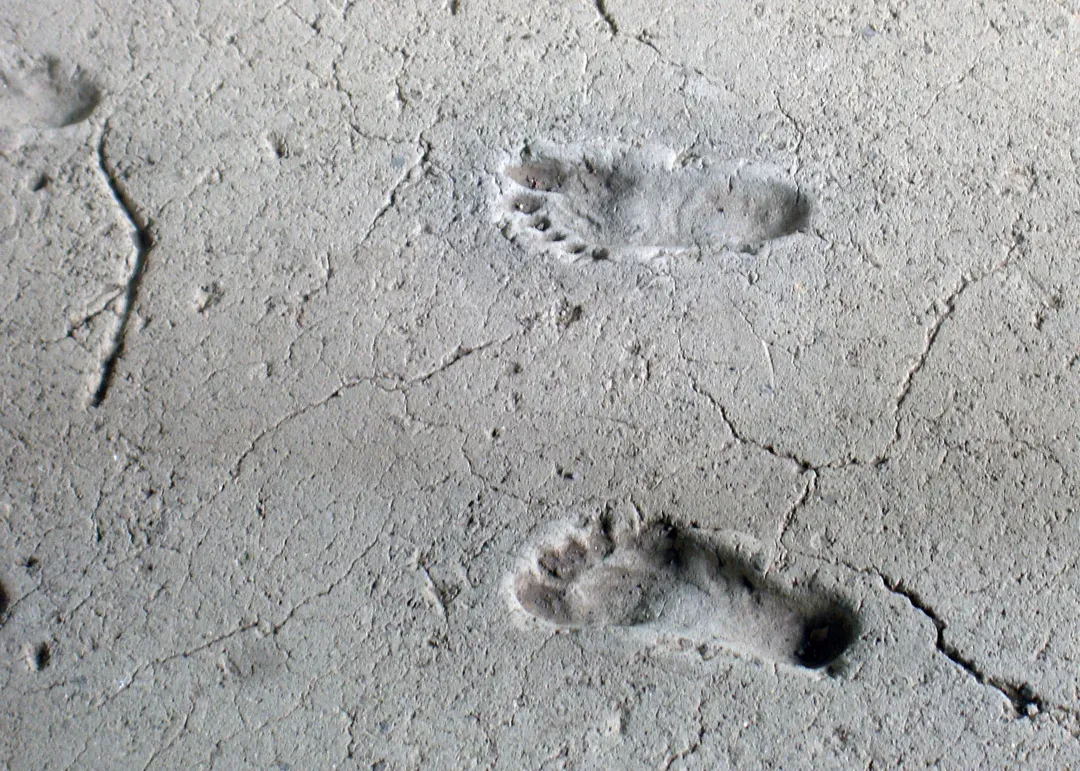
Footprints preserved in White Sands National Park were known for a while, but their age was badly underestimated. Seeds trapped in the same layers have now pushed the date back to roughly 21,000 years ago, making them the oldest confirmed human footprints anywhere in the Americas.
That number alone rewrites migration models that assumed people arrived thousands of years later. What makes the trackways haunting is the detail: adults and children moving together, small feet beside larger ones, a family caught mid-step in the mud for twenty-one millennia.
At a Glance
- The White Sands footprints are a set of ancient human footprints discovered in 2009 at White Sands National Park in New Mexico, United States.
- The team studying these ancient trackways in White Sands National Park excavated a total of 61 footprints and found they were mostly from teenagers and children.
- A 2023 study that included radiocarbon dating of pollen and optically stimulated luminescence dating of quartz grains within the footprint layers corroborated the original dates obtained from the seeds.
- A 2025 follow-up sent lakebed mud samples to two independent laboratories, both of which reported the same range of ages: 20,700 to 22,400 years ago.
#13 – Sulawesi Cave Art’s Record Age
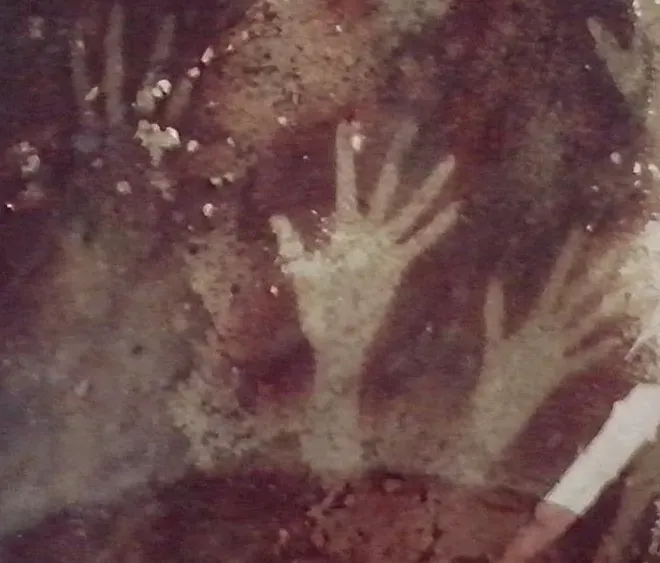
Indonesian cave paintings were already stretching the timeline for figurative art before this find. A hunting scene on Sulawesi has now been dated to at least 51,200 years old, beating previous records by several thousand years.
Pigment analysis and careful stratigraphy back up the shockingly old date, and the implications go beyond one cave. Figurative storytelling through art clearly didn’t start in Europe and spread outward; it appears to have emerged independently in multiple regions, far earlier than the old textbook maps suggested.
#12 – Panga ya Saidi’s 78,000-Year Occupation
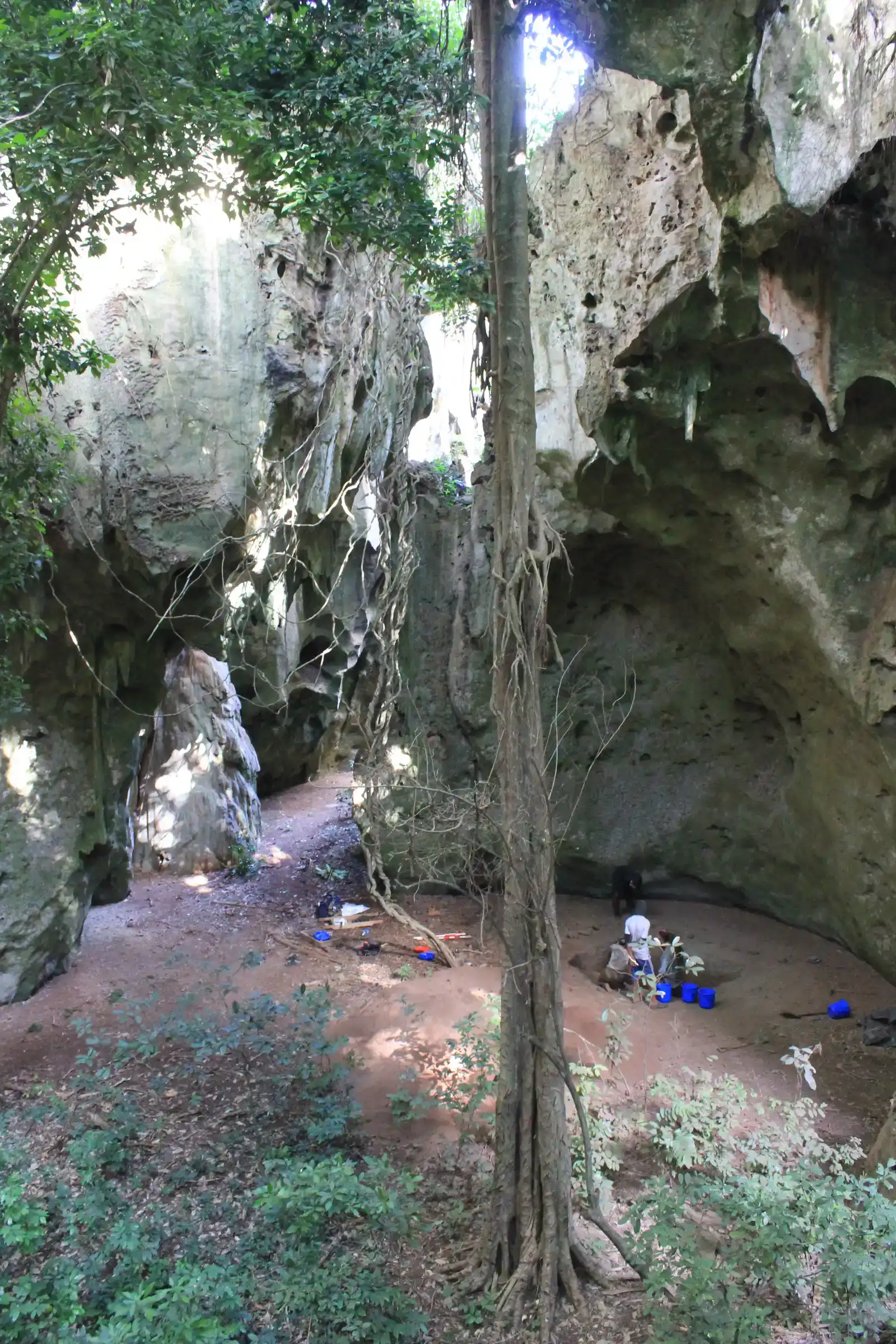
This Kenyan cave complex was known for Middle Stone Age tools, but nobody expected the occupation record to run so deep or so continuously. Layered deposits now trace an unbroken human presence back 78,000 years, straight through to the present day.
Specialized arrowheads and blades show up surprisingly early in these layers, alongside signs of symbolic behavior that suggest early humans here were thinking in abstract, meaningful ways long before similar evidence appears elsewhere. It’s one of the longest continuously inhabited spots on Earth, hiding in plain sight.
Worth Knowing
- Panga ya Saidi is an archaeological cave site located in Kilifi County, southeastern Kenya, about 15 km from the Indian Ocean in the Dzitsoni limestone hills.
- The Panga ya Saidi cave sequence dates back 78,000 years and is the only known site in East Africa with an unbroken archaeological record of human inhabitation.
- Of more than 30,000 items found at the site, some of the most remarkable include worked and incised bones, ostrich eggshell beads, marine shell beads, and worked ochre.
- Evidence of modern behaviour was found in 2021 when evidence of Africa’s earliest intentional burial was found, a 78,000-year-old grave of a three-year-old child.
#11 – New Maya Cities Hidden in the Guatemalan Jungle
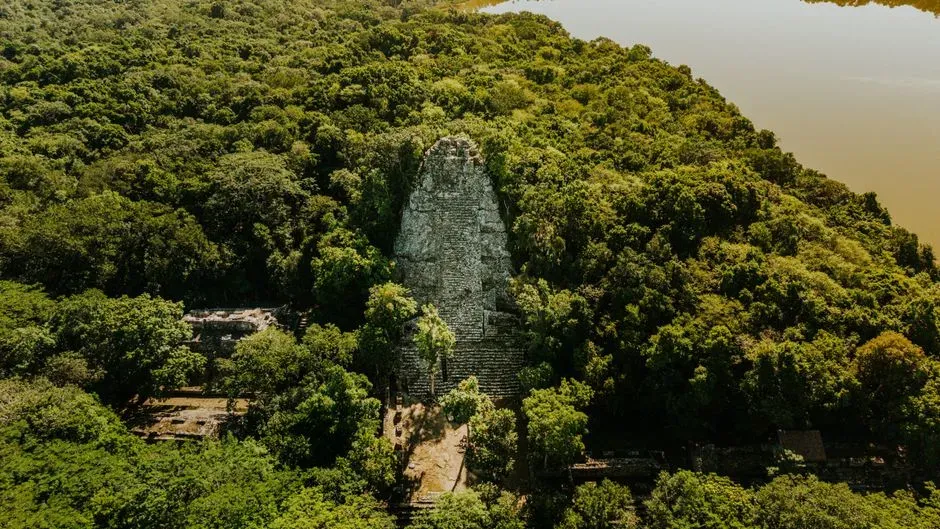
LIDAR has pulled three previously unknown Maya cities out from under dense Guatemalan canopy, complete with pyramids, ball courts, and residential zones linked by raised causeways. These weren’t minor outposts; they expand the known footprint of Classic Maya urban life significantly.
What’s genuinely unsettling is the defensive architecture built into these cities, walls and fortifications suggesting real regional conflict or competition between Maya centers. The jungle wasn’t hiding peaceful farming villages. It was hiding rivalries.
#10 – Egyptian Old Kingdom DNA Breakthroughs
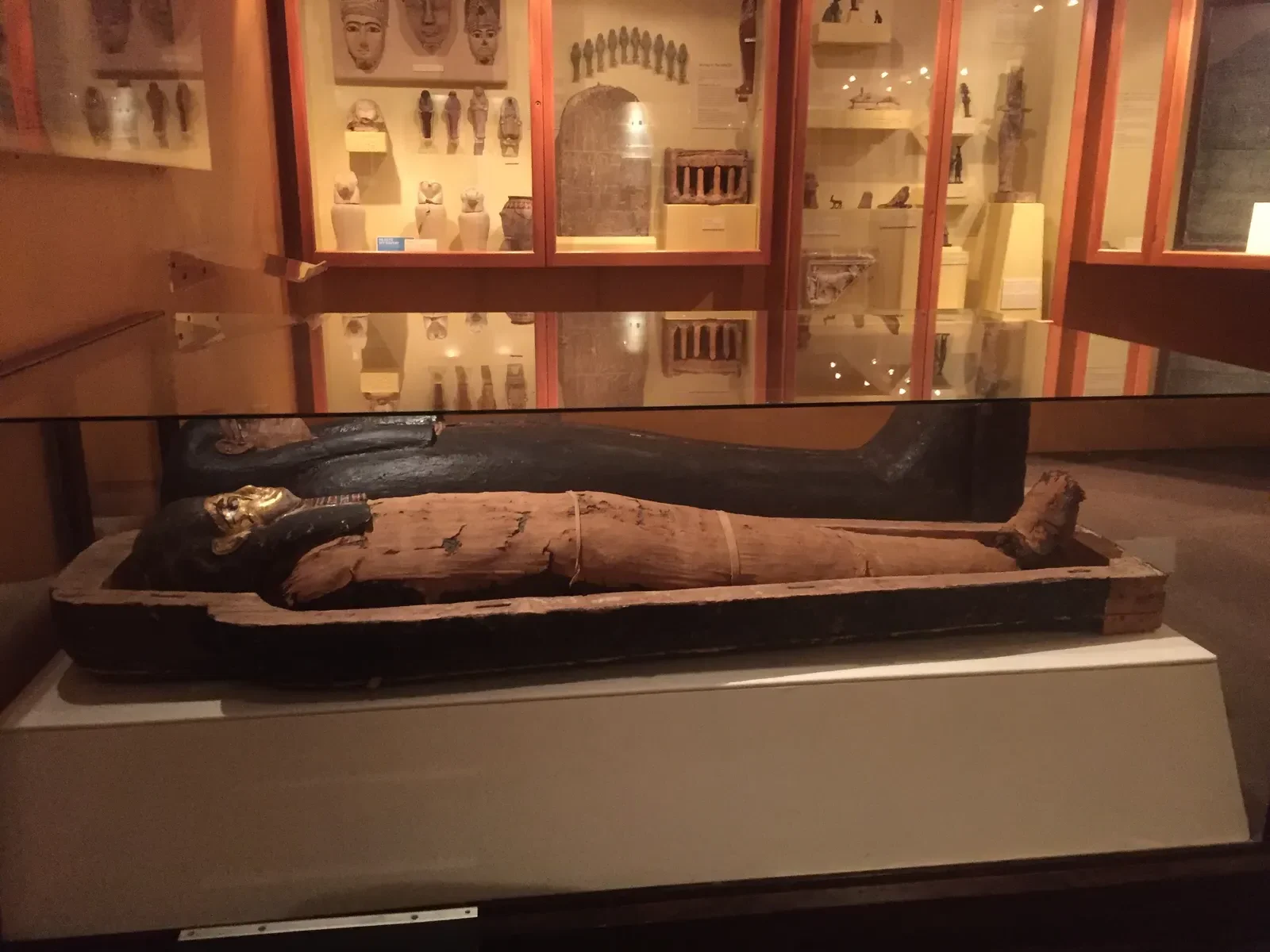
Sequencing the oldest known Egyptian genome from the pyramid-building era produced ancestry results nobody fully predicted. The individual showed greater Near Eastern and Levantine admixture than several existing population models expected.
At the same time, the genome confirmed genetic continuity with later Egyptian populations, meaning outside influence didn’t erase the older lineage, it blended with it. That combination of foreign input and lasting continuity paints ancient Egypt as far more genetically connected to its neighbors than the isolated-civilization image many grew up with.
#9 – Sanxingdui’s Bronze Age Mystery Culture
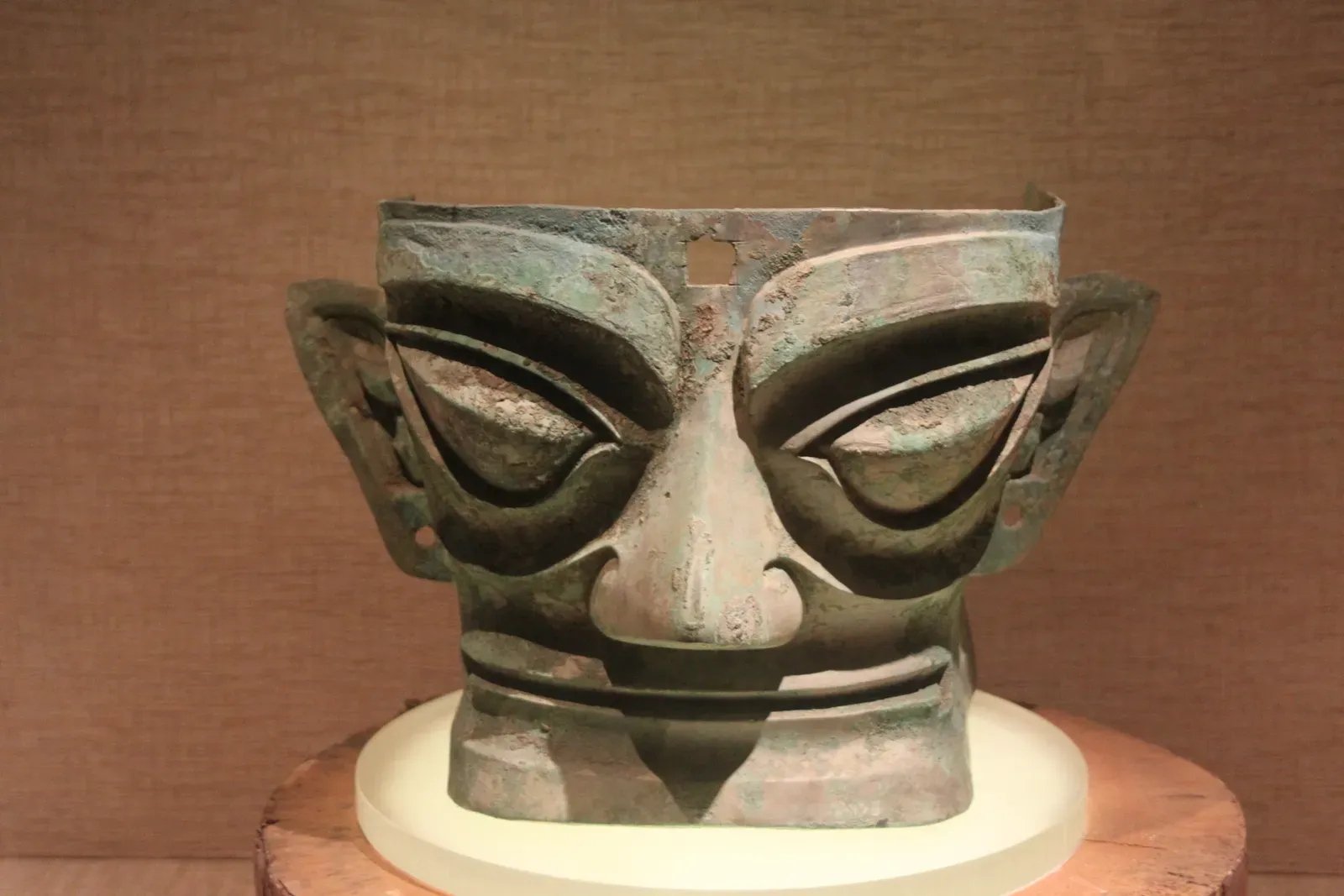
Sanxingdui in China keeps yielding bronze artifacts so strange that archaeologists still struggle to categorize them. Recent sacrificial pits have produced masks and bronze “trees” with stylistic elements that fit neatly into neither Shang nor Zhou tradition.
The metallurgy on display is advanced enough to prove this wasn’t some backwater culture copying its neighbors. It looks like an independent Bronze Age civilization with its own artistic language, one that flourished, left behind objects nobody can fully explain, and then largely vanished from the historical record.
#8 – Caracol’s Sprawling Hidden Water Empire
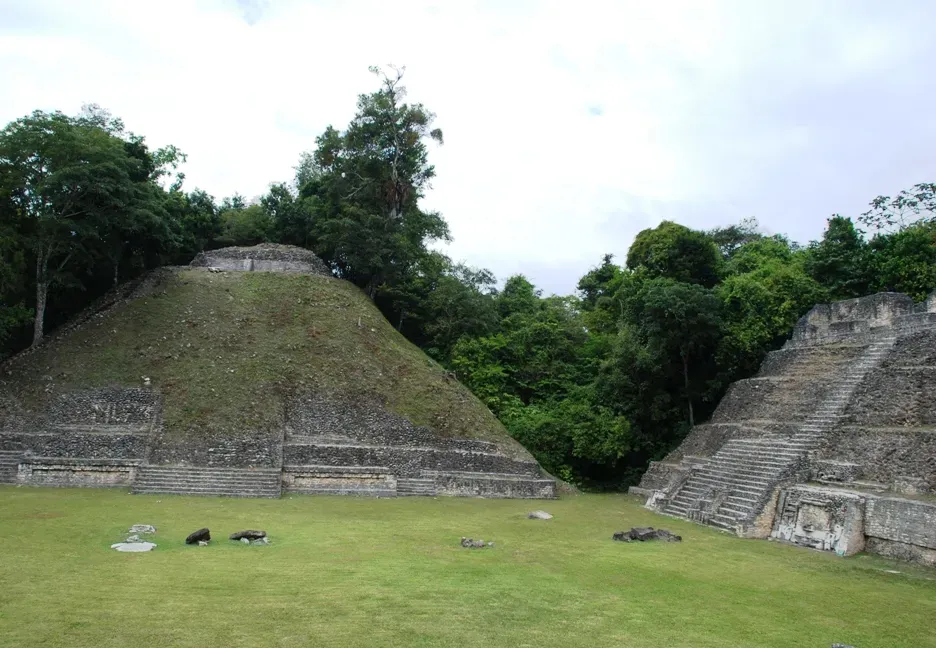
Long-term mapping at Caracol, Belize, keeps expanding the known city, turning up new plazas, reservoirs, and causeways almost every season. Recent surveys added elite tombs and agricultural terraces to an already massive urban footprint.
The real jaw-dropper is the water management system, engineered on a scale capable of supporting tens of thousands of residents in a tropical environment that should have made large-scale farming brutally difficult. Caracol wasn’t just big; it was built to survive.
#7 – Gran Pajatén’s Cloud Forest Secrets
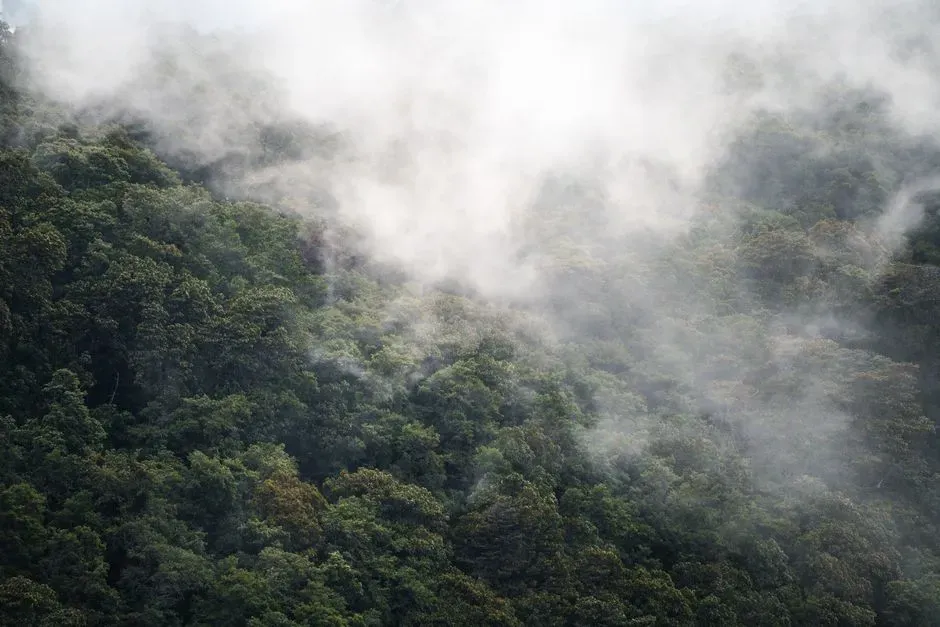
Peruvian cloud forest surveys have uncovered more than 100 new structures at this remote Chachapoya site, revealed as thick vegetation gets cleared away. Platforms, circular buildings, and detailed friezes are emerging from under centuries of growth.
What makes this site rare is preservation. Organic materials that almost never survive in tropical climates have held on here, giving researchers a level of detail about daily Chachapoya life that most rainforest sites simply destroy through humidity and decay.
#6 – Faya Palaeolandscape’s Desert Time Capsule
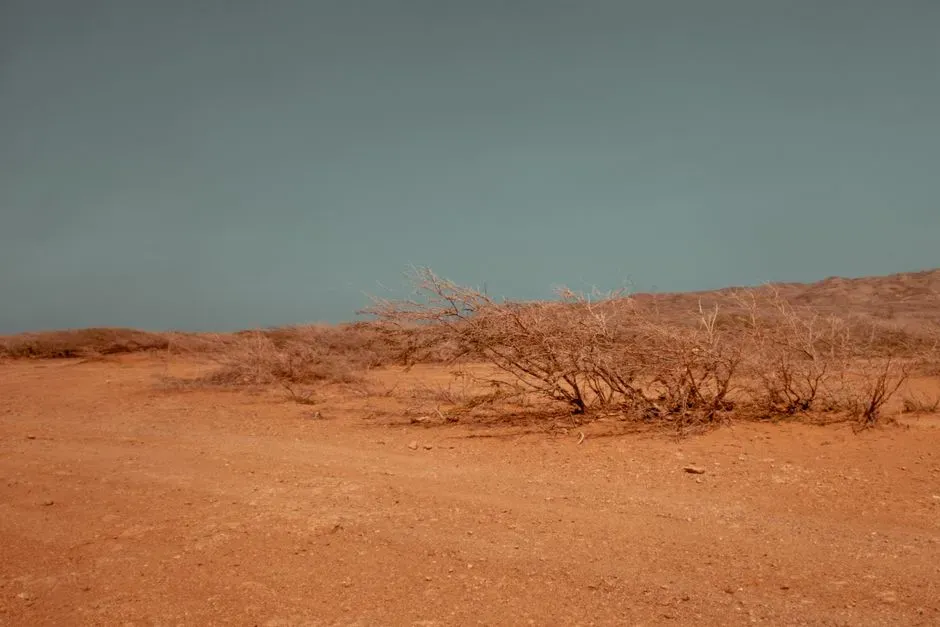
This UAE desert site has produced stone tools spanning multiple prehistoric periods, and recent work confirmed it holds some of the earliest evidence of human presence anywhere in Arabia. That alone reshapes migration routes out of Africa.
The layered evidence shows repeated occupation during wetter climatic windows, meaning humans kept returning to this patch of desert every time the climate briefly turned favorable. The desert wasn’t a barrier; it was a revolving door.
#5 – Koonalda Cave’s Symbols From an Arid Underworld
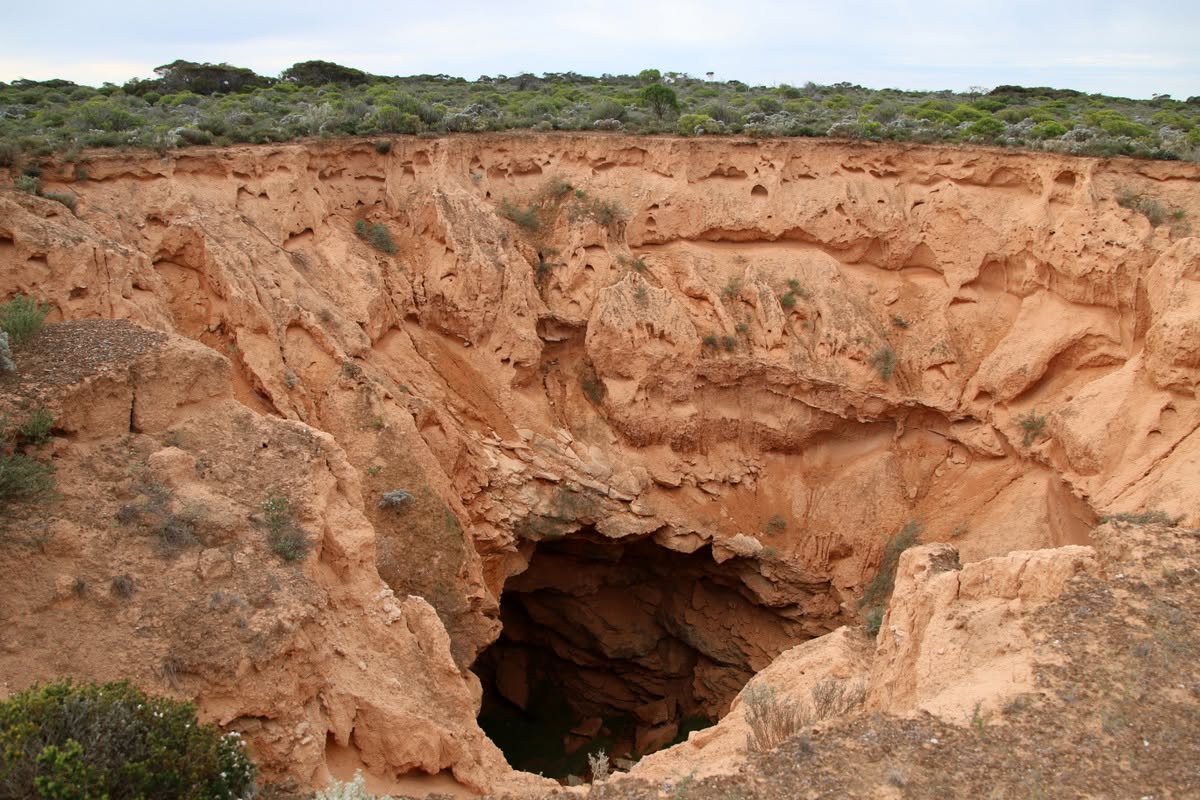
Deep subterranean passages in Australia contain extensive markings that new documentation has finally mapped in detail, revealing sophisticated symbolic systems dating back tens of thousands of years. These aren’t random scratches; they follow patterns.
The strangest part is timing. People were making and maintaining this symbolic art during periods of extreme aridity on the surface, meaning the cave served as both shelter and sacred space when the world above turned hostile.
#4 – Taposiris Magna’s Gold-Tongue Mummy
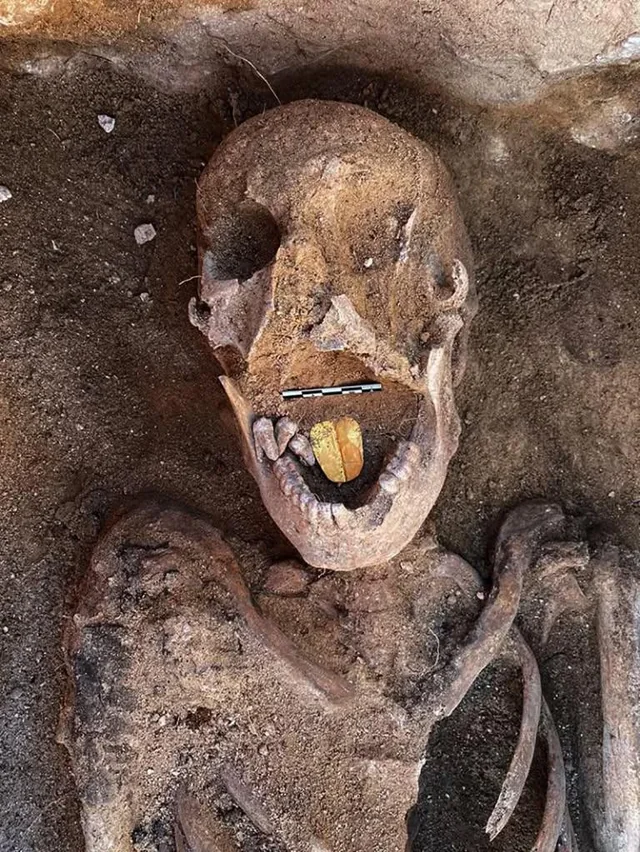
Excavations near Alexandria have turned up a mummy fitted with a gold tongue amulet, a burial detail tied to Ptolemaic-era elite ritual. The surrounding grave goods point clearly to high status and careful ceremonial preparation.
What stands out is the cultural blending inside a single tomb, Egyptian burial customs layered with Greek ritual elements from the same era Cleopatra’s dynasty ruled the region. It’s a tiny, gilded snapshot of two civilizations merging in death.
#3 – Teotihuacan’s Multi-Ethnic Burial Puzzle
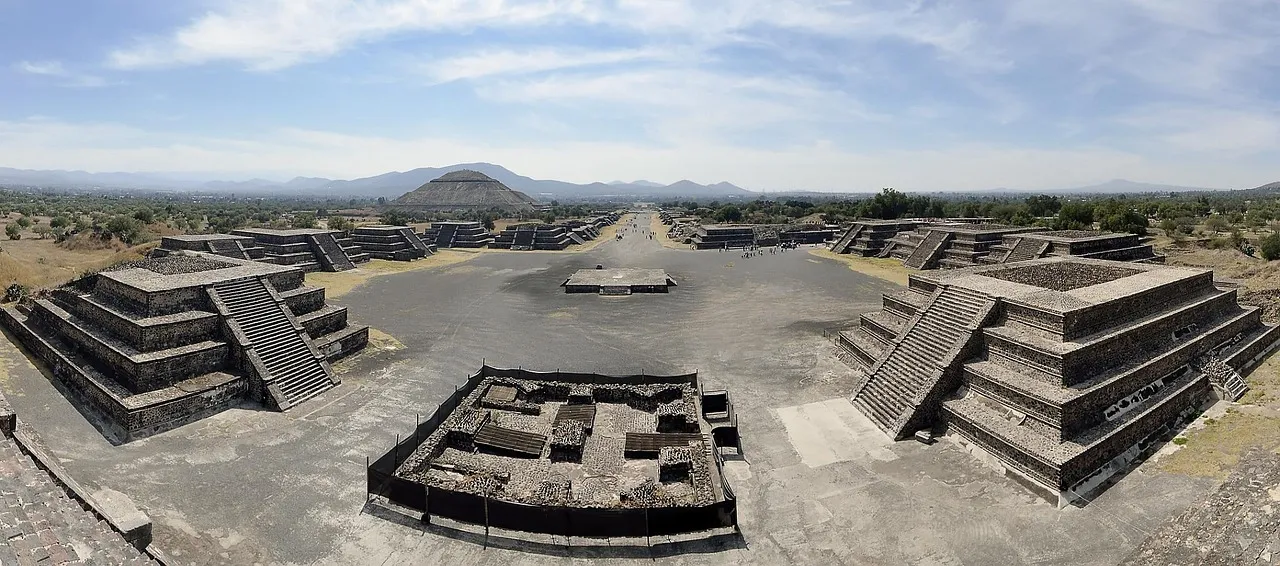
Work at the Pyramid of the Moon and other complexes has uncovered tombs holding individuals from regions far outside the city’s immediate valley. Isotope and DNA testing confirm these weren’t locals; they migrated long distances to end up buried at the city’s core.
That’s the real twist: these weren’t captives shoved into a corner. Evidence suggests foreign elites were deliberately included in the city’s most important rituals, meaning Teotihuacan’s power structure was far more cosmopolitan than the old “isolated empire” model ever allowed.
#2 – Monte Verde’s Pre-Clovis Bombshell
Debate over this Chilean site has only intensified as new dating pushes human occupation back to potentially 14,500 years ago or earlier. Artifacts and structural remains support a genuine pre-Clovis presence in South America, a claim that used to get researchers laughed out of conferences.
The variety of plant and animal resources found at the site shows a population that wasn’t just surviving, it was thriving, exploiting a wide range of food sources with real skill. Monte Verde keeps forcing the “how early did people reach the Americas” debate to start over.
Quick Compare
- Clovis-first model: Held that Clovis Culture in North America was the first manifestation of humanity in the Western Hemisphere, arriving no earlier than about 13,500 years ago.
- Monte Verde’s accepted dates: In 1997, a blue-ribbon panel of archaeologists inspected the site and concluded that Dillehay’s analyses were correct, accepting an age of roughly 14,800 years.
- The counter-challenge: A 2023 independent study argued the site cannot be older than the Middle Holocene, roughly 8,200 to 4,200 years ago.
- Why most experts stay pre-Clovis: Later dates for Monte Verde wouldn’t change the genetic models, which remain more consistent with a pre-Clovis peopling of the Americas.
#1 – The Taş Tepeler Complex’s Total Civilizational Rewrite
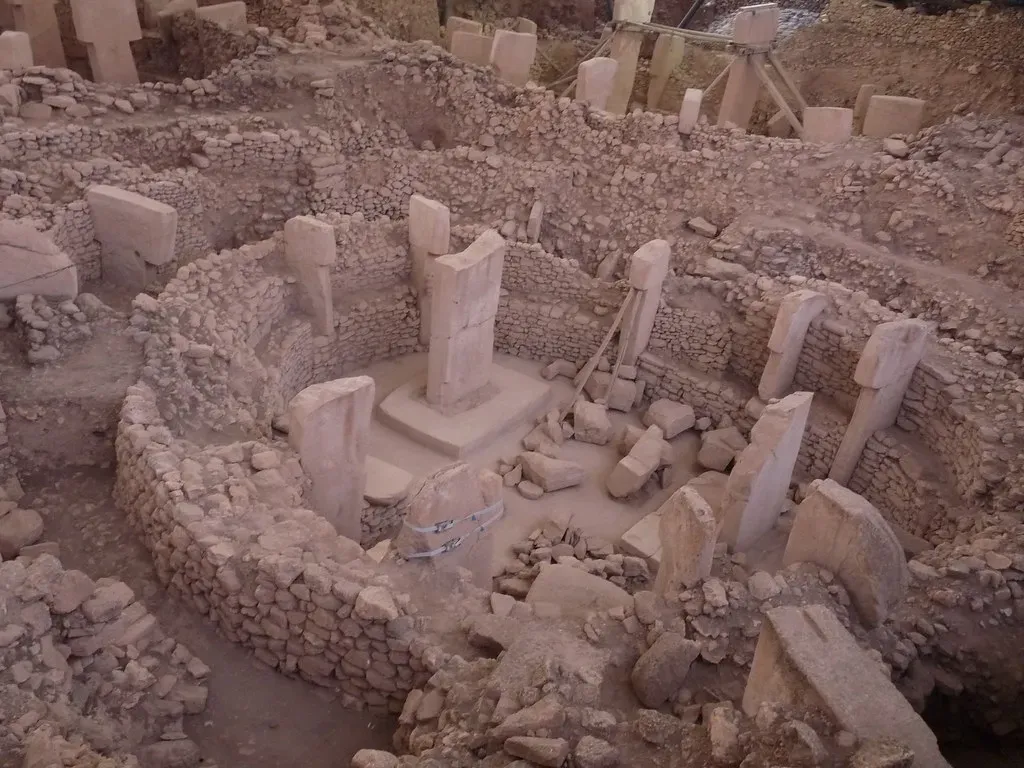
The entire Taş Tepeler region in Turkey, home to Göbekli Tepe, Karahan Tepe, and a growing list of sister sites, keeps delivering the single biggest shock in this whole list. Monumental architecture, detailed symbolic art, and settled community life all show up thousands of years before agriculture was ever thought necessary to support them.
Recently uncovered pillars carved with faces, plus evidence of large communal feasting, reinforce a conclusion that upends a century of assumptions: hunter-gatherers, not farmers, built the foundations of organized civilization. Across a whole network of sites, complex ritual and social order came first, and farming followed.
The Bottom Line
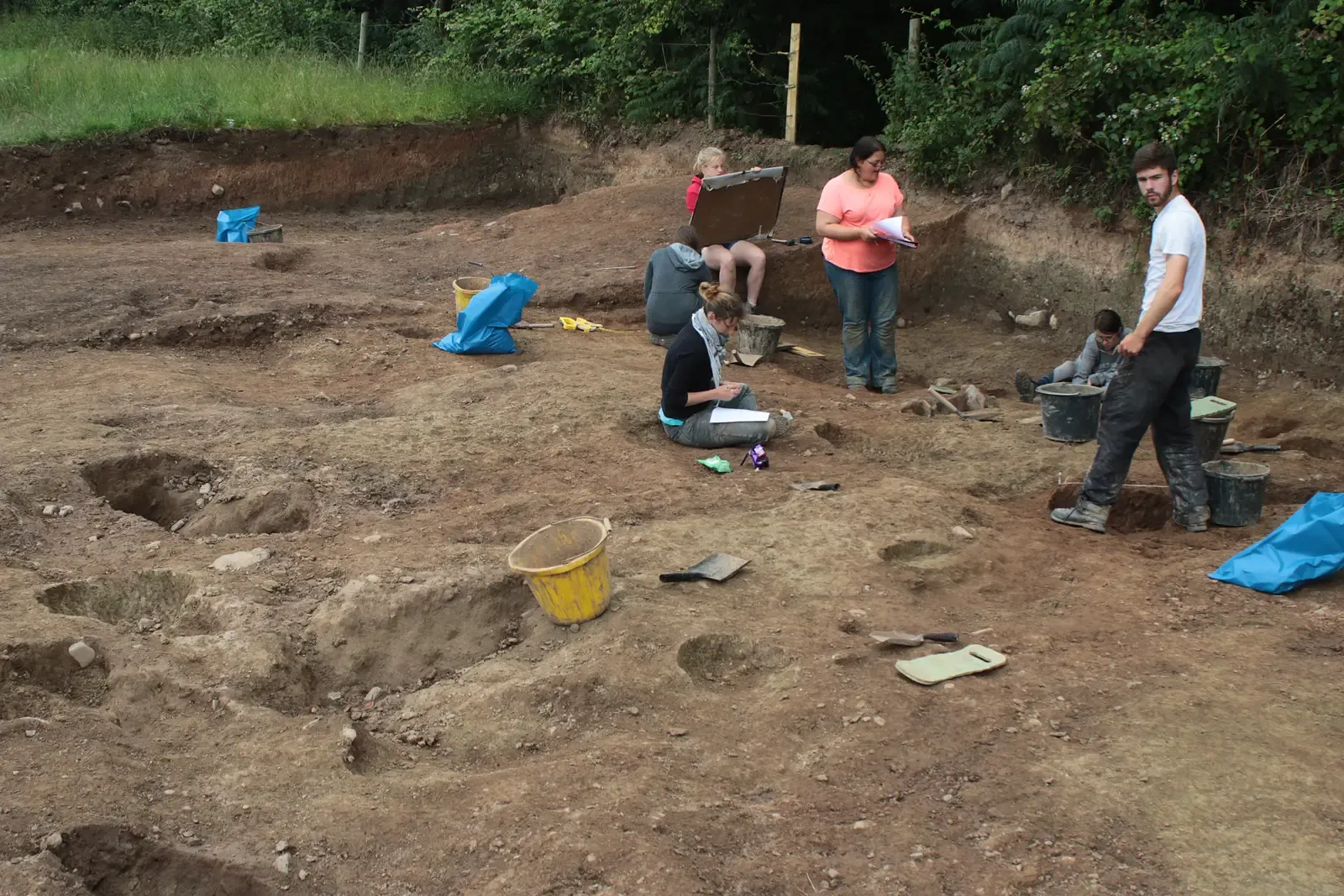
Twenty sites, twenty separate reminders that the past refuses to stay settled. From pre-agricultural temples in Turkey to hidden Amazonian street grids and footprints in New Mexico mud, the honest pattern here isn’t just “surprises happen.” It’s that nearly every confident timeline we’ve built about human progress has been too conservative, too linear, and too quick to assume ancient people were simpler than they actually were.
My honest take: the real discovery isn’t any single artifact on this list. It’s the growing proof that complexity, art, trade, and ambition showed up in the human story far earlier and far more often than we ever gave our ancestors credit for. Every fresh excavation isn’t closing the book on prehistory, it’s proving we barely opened it.