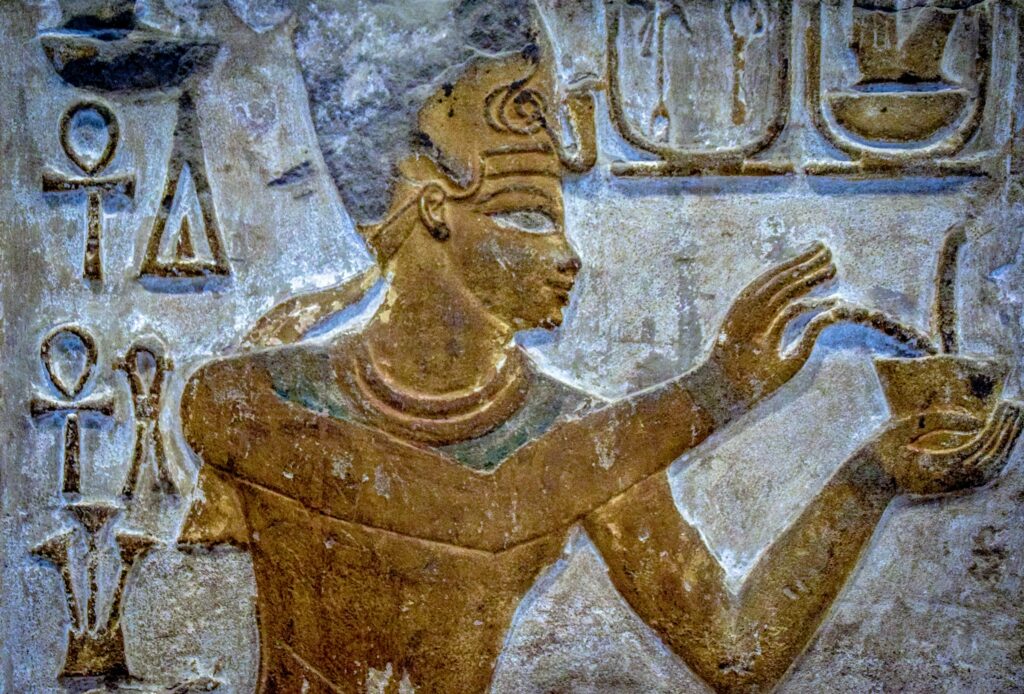
Open any world history textbook and you’ll get the same confident story: civilizations rose, built their monuments, and either thrived or fell for reasons we’ve neatly filed away. Case closed, move on to the next chapter.
Except that’s not what’s actually happening in archaeology labs and dig sites right now. Entire written languages sit untranslated on museum shelves. Multi-ton stones show up in places nobody can explain how they got there. Cities emptied out in years, not centuries, with zero signs of war, disease, or conquest to blame. The deeper researchers dig, the more the “figured it out” version falls apart – and some of the biggest names in archaeology openly admit they’re stuck.
#1 – The Etruscans’ Language That Still Won’t Talk
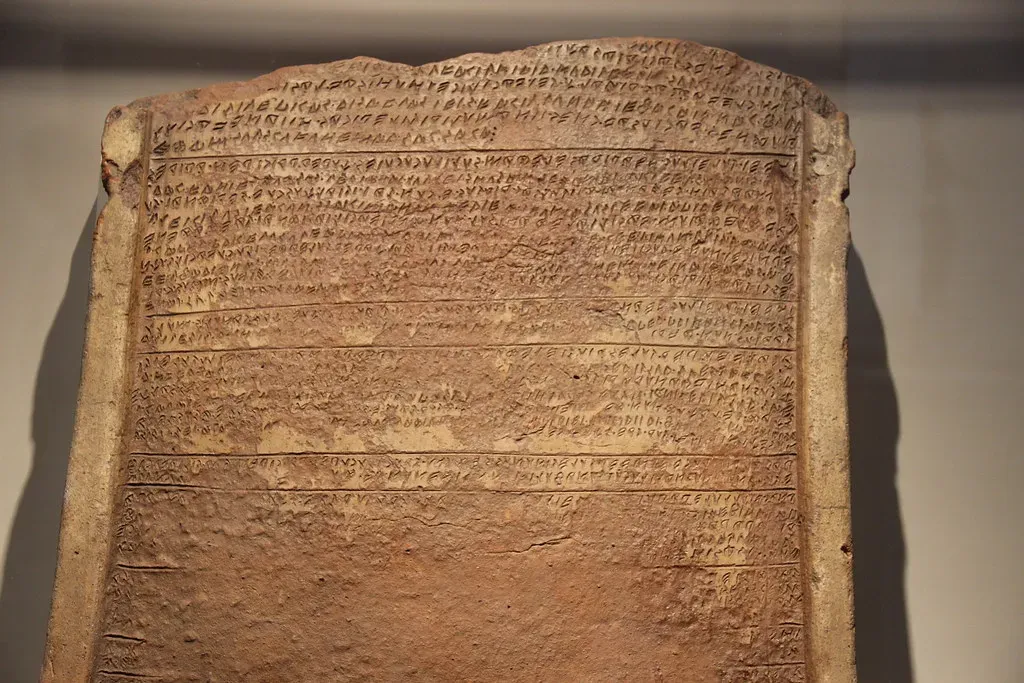
Before Rome was Rome, the Etruscans ran Italy – powerful, wealthy, and apparently unwilling to let anyone else in on their secrets. Thousands of Etruscan inscriptions have survived on tombs, mirrors, and pottery, and linguists have managed to map out grammar rules and spot borrowed words from neighboring cultures. But the actual meaning of their core vocabulary, especially anything touching religion or law, stays locked shut.
That silence has real consequences. Without readable texts, historians can’t reconstruct how the Etruscans governed themselves, structured trade, or justified their eventual swallowing by Rome. Recent DNA work traces some Etruscan ancestry back to Anatolian migrants, which sounds like progress – until you realize it just raises a new question nobody can answer: how did a foreign-rooted population build something so culturally distinct, and why did all of it vanish from the historical record so completely?
#2 – The Khmer Empire’s Vanishing Act at Angkor
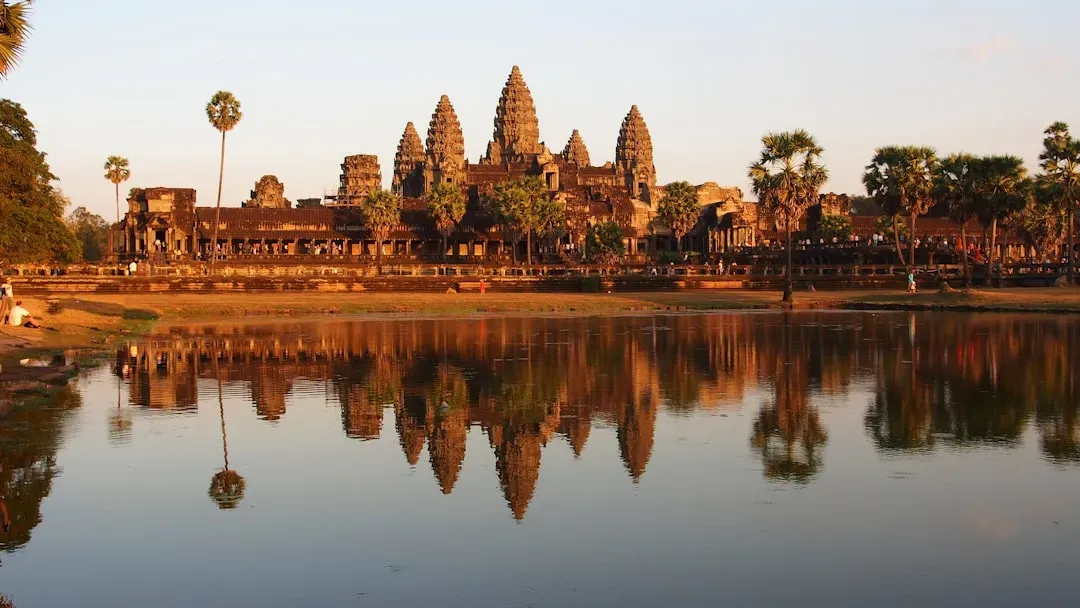
For centuries, Angkor Wat has stood in for stability itself – proof of a religious empire so solid it lasted generation after generation. Satellite mapping tells a very different story. The Khmer Empire’s sprawling hydraulic city, built on an enormous network of canals and reservoirs, appears to have collapsed under the weight of its own complexity sometime in the 15th century.
There was no invading army, no single dramatic siege. Instead, researchers now suspect a brutal combination of monsoon shifts and an overbuilt canal system that simply couldn’t absorb the stress anymore. Pollen records show environmental strain hitting harder than anyone expected, while inscriptions hint at internal power struggles happening at the same time. Was it nature that broke Angkor, or leadership that failed to adapt? Experts still argue both sides.
Fast Facts
- The city of Angkor was once home to 750,000 people, making it one of the largest pre-industrial urban centers on the planet.
- The West Baray reservoir is the largest hand-dug reservoir on the planet, capable of holding up to 48-million cubic metres of water, and it’s so massive it’s visible from space.
- LiDAR surveys have mapped a hydraulic footprint of roughly 1,000 square kilometers stretching across the Angkor plain.
- The canals were the transportation network that carried everything from people to the massive stones required to build the temples – meaning the same system that made Angkor thrive may have doomed it.
#3 – The Ancestral Puebloans’ Overnight Exodus
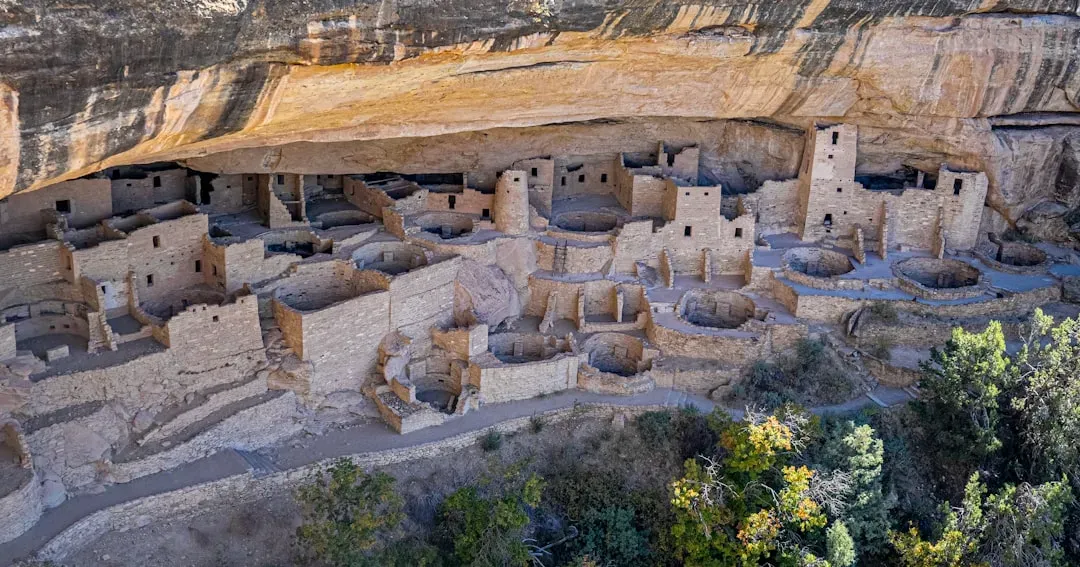
The cliff dwellings at places like Mesa Verde are engineering marvels – carved into canyon walls, defensible, and clearly built to last. Which makes it stranger that, around 1300 CE, the people who built them simply walked away, and fairly fast.
Tree-ring records point to a drought brutal enough to explain a slow retreat. But some evidence hints at internal conflict or resource strain playing a role too, and there’s no mass grave or burn layer anywhere to suggest a violent conquest ended things. Migration patterns show communities scattering into smaller groups afterward, which only deepens the mystery – if it wasn’t war, and drought alone doesn’t fully fit, what actually pushed an entire cliffside civilization out the door?
#4 – Tiwanaku’s Impossible Stonework
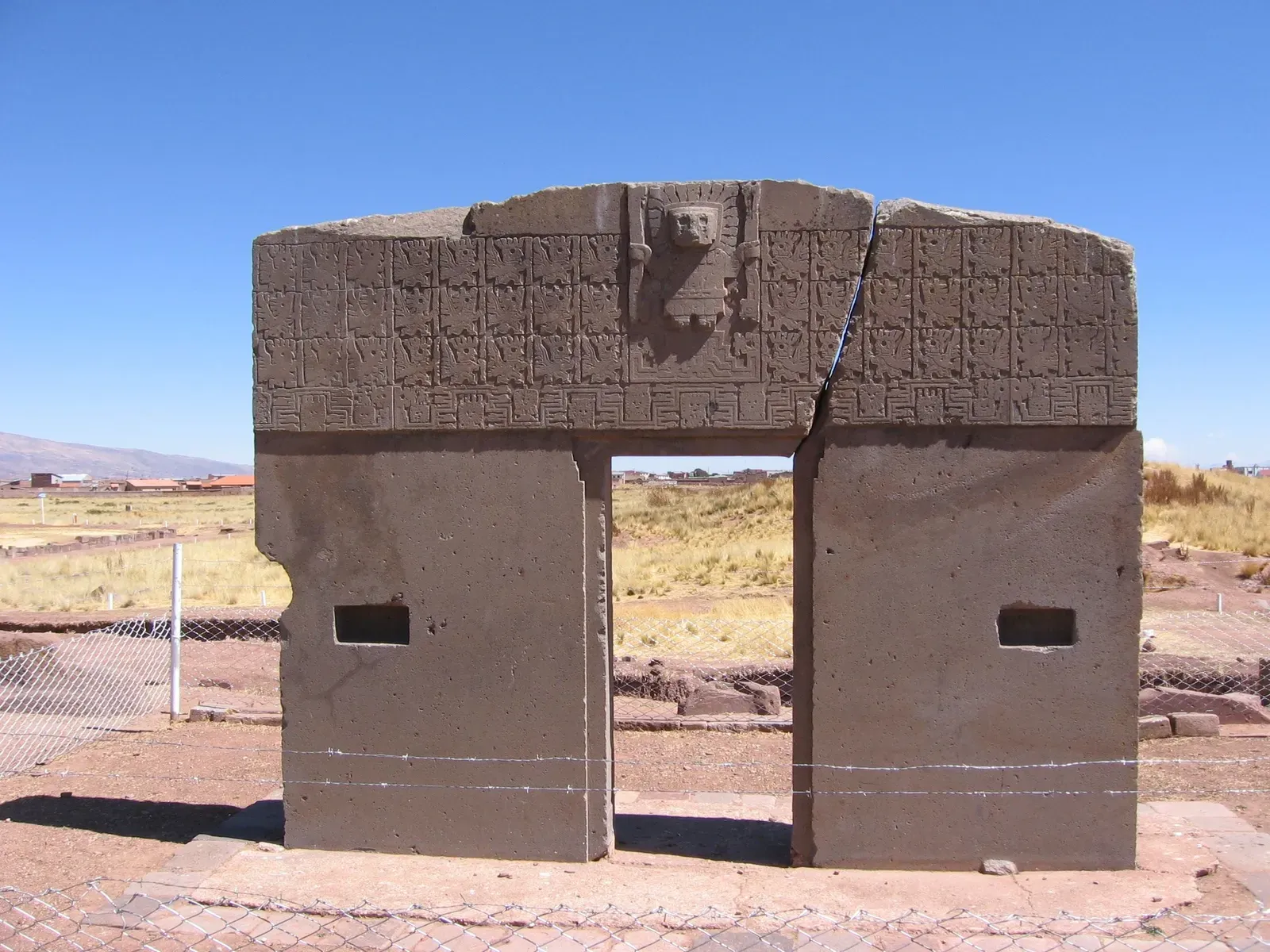
High in the Andes, Tiwanaku’s builders cut and fitted stone gateways weighing dozens of tons with a precision that still humbles modern stonemasons. There were no wheels involved. No draft animals. Just human labor moving and aligning blocks with a level of accuracy that modern replication attempts have struggled to match.
Astronomical alignments built into the site suggest a genuinely sophisticated calendar system, hinting at a society far more advanced than the surviving ruins let on. But how far their trade networks stretched, how their social hierarchy actually functioned, and why changing lake levels seemed to coincide with their decline all remain open questions researchers are still chasing.
#5 – Sanxingdui’s Alien-Looking Bronzes
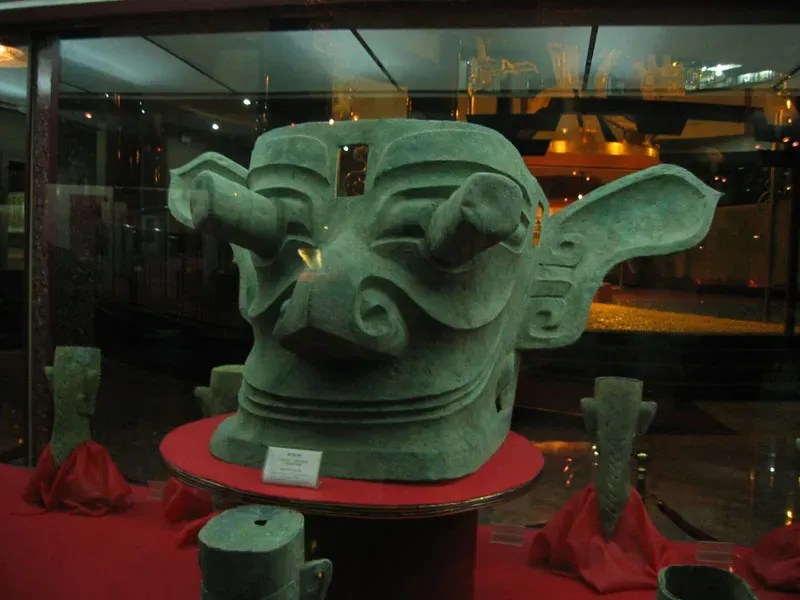
When Chinese archaeologists uncovered Sanxingdui, they didn’t find pottery shards or modest tools – they found life-sized bronze figures and masks with exaggerated features unlike anything else from that era of Chinese history. The metallurgy involved is genuinely advanced for its time, which makes the silence around it even stranger.
There’s no writing system to explain what any of it meant. No texts describing their gods, their rulers, or why the whole culture seems to disappear from the record. Recent excavations keep expanding the site, uncovering more artifacts – but so far, every new find adds another question mark instead of an answer.
#6 – Jiroft’s Kingdom That Shouldn’t Exist
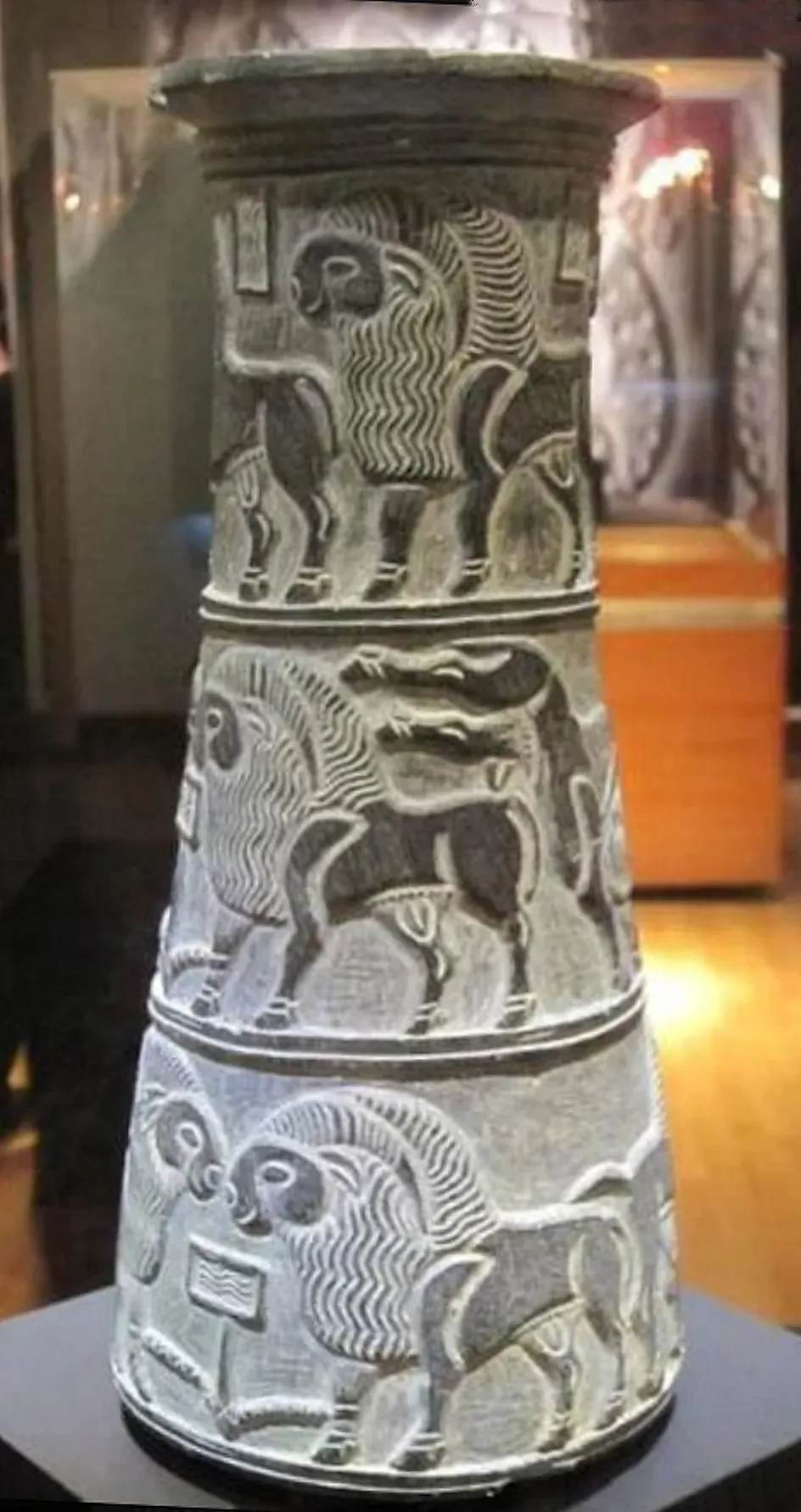
Excavations at Jiroft, in Iran, turned up elaborately carved chlorite vessels and what might be an early writing system – one old enough to challenge assumptions about when civilization actually took root in the region. Some researchers argue this represents an independent power that rivaled early Mesopotamia, which would rewrite a chunk of ancient history if confirmed.
The problem is that looting has scrambled the archaeological layers, making precise dating a mess. And that possible script? Still untranslated, if it’s even a script at all. Flood layers suggest some kind of environmental catastrophe hit the site, but the full arc of Jiroft’s rise and fall remains frustratingly incomplete.
#7 – Norte Chico’s Silent Pyramids
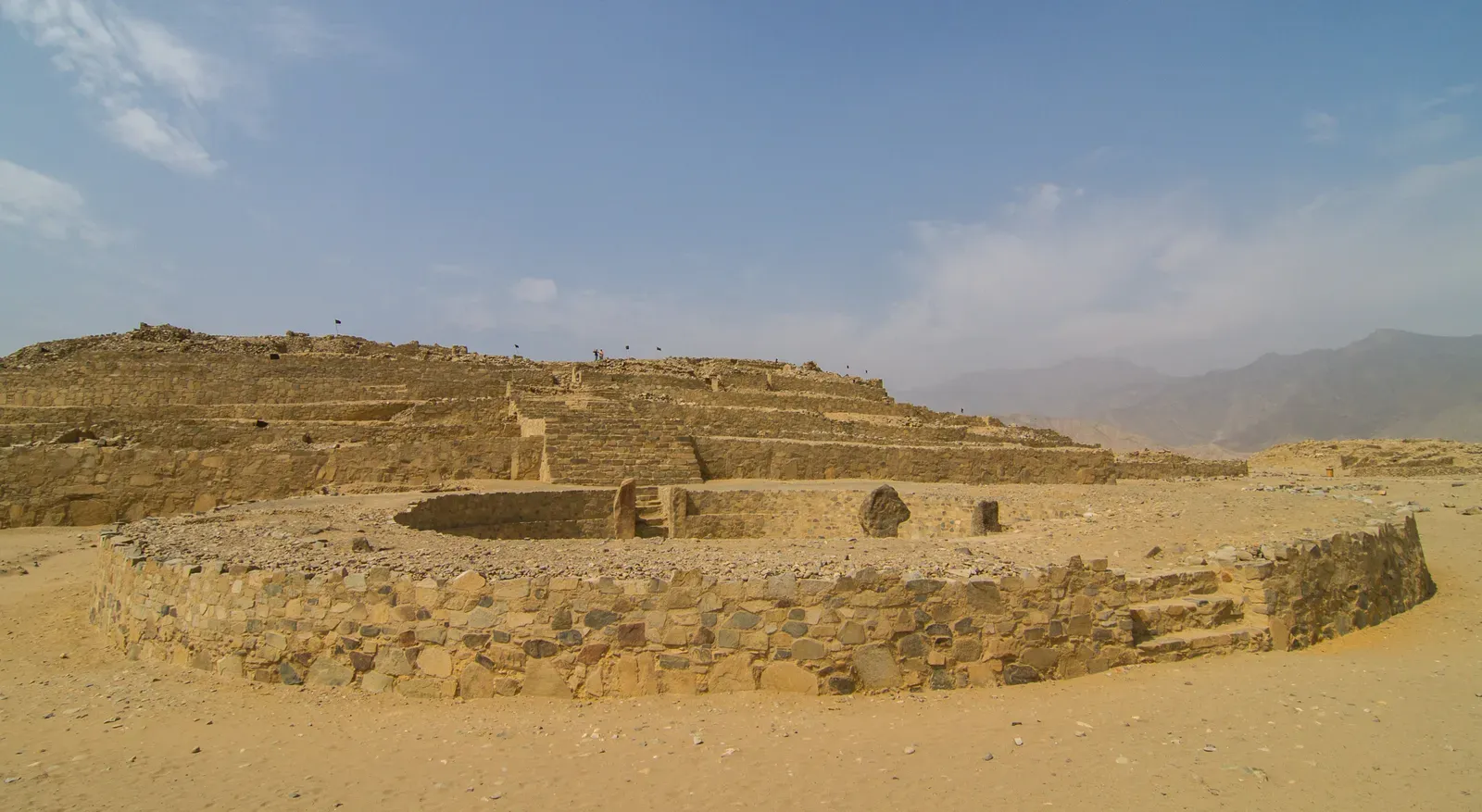
Long before Egypt’s pyramids existed, Peru’s Norte Chico civilization was already building monumental structures of its own. What’s strange is what’s missing: no pottery, no obvious signs of warfare, yet clear evidence of a complex, organized society running on cotton cultivation and trade.
After roughly 1,000 years of building and thriving, the civilization simply stopped – sites abandoned with no successor culture stepping in to explain the transition. Researchers can point to what Norte Chico built, but not to why it walked away from all of it.
#8 – Cahokia’s Empty Mounds
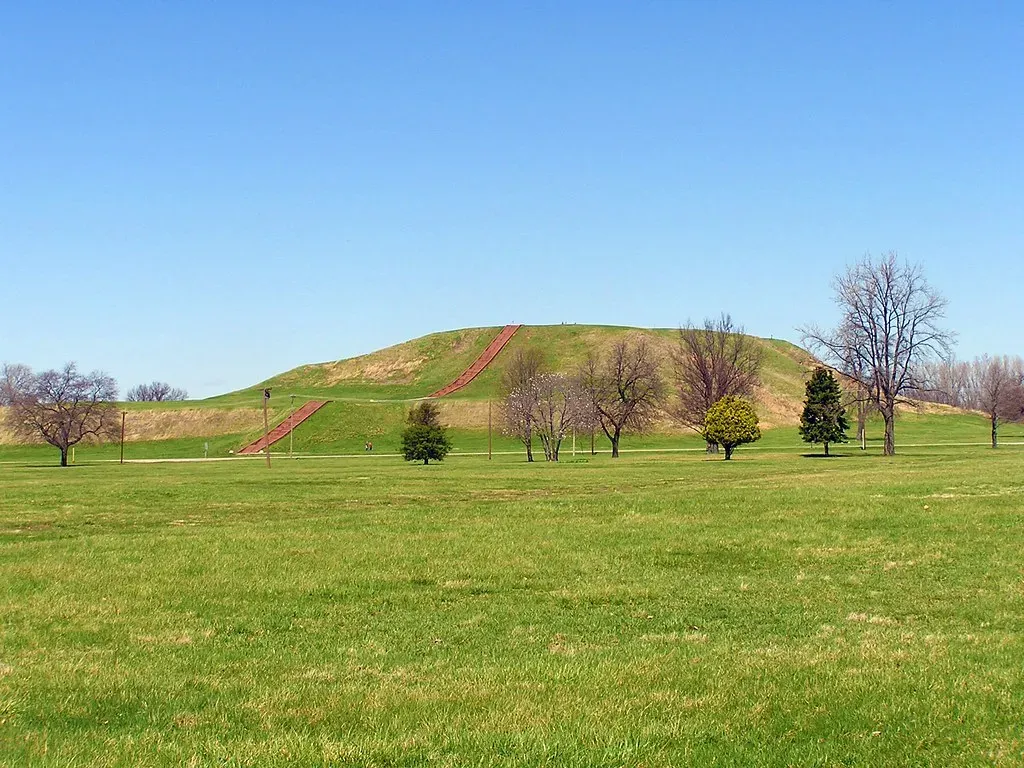
Near modern St. Louis, Cahokia was once the largest pre-Columbian city north of Mexico, home to an estimated 20,000 people at its peak. Massive earthen mounds and a wooden “Woodhenge” solar calendar point to a society deeply invested in ritual and astronomical observation.
Then, around 1350, the population collapsed and the city emptied out. Climate stress and internal conflict both have supporters among researchers, but neither theory has enough evidence to close the case. A city built to last generations disappeared in what looks, archaeologically speaking, like the blink of an eye.
#9 – The Olmec’s Heavy-Lifting Mystery
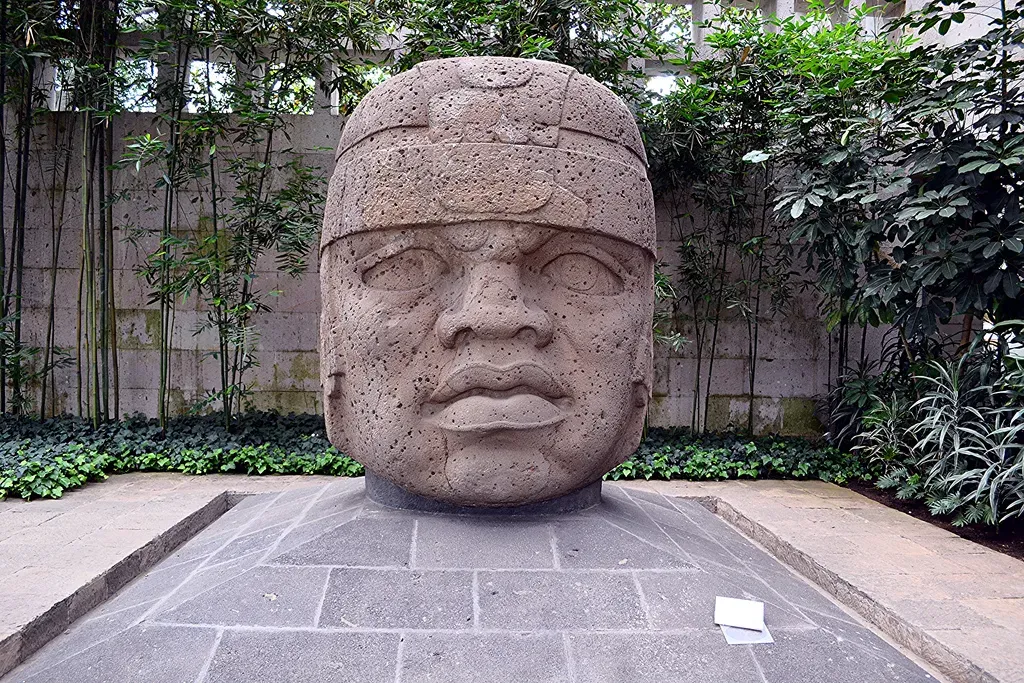
Olmec sculptors in Mesoamerica carved colossal basalt heads up to 10 feet tall and weighing as much as 40 tons – and quarried the stone from sources many miles away. No one knows exactly how they transported these without metal tools or beasts of burden.
The heads almost certainly depict actual rulers, giving them a political weight beyond simple artistry. But their broader cultural role, and why the civilization faded out after roughly 400 BCE, still isn’t clear. Later groups appear to have reused some of these sites, which only muddies the archaeological record further.
Worth Knowing
- Seventeen confirmed examples are known from four sites within the Olmec heartland on the Gulf Coast of Mexico.
- The heads range in height from 1.17 to 3.4 metres (3.8 to 11.2 ft), and the smallest weigh 5 tonnes (6 short tons), while the largest is estimated to weigh 36 to 45 t (40 to 50 short tons).
- Some of the basalt boulders were transported more than 150 kilometres (93 mi) from the source to their final resting places.
- Remarkably, of the 17 known Olmec colossal heads found across Mexico, no two look alike, supporting the theory that each portrays a specific ruler.
#10 – The Maya’s Many-Headed Collapse

Classic Maya cities were running sophisticated writing systems and precise astronomical calculations centuries before many of them emptied out in the 9th century. Drought gets blamed. So does deforestation. So does warfare. The trouble is that no single explanation fits every site.
Hieroglyphic records capture real political turmoil in some regions, while other Maya centers kept functioning long after their neighbors collapsed. Ongoing excavations keep revealing just how different one city’s fate was from the next, which makes a tidy, one-size-fits-all collapse story increasingly hard to defend.
#11 – The Minoans’ Silent Script
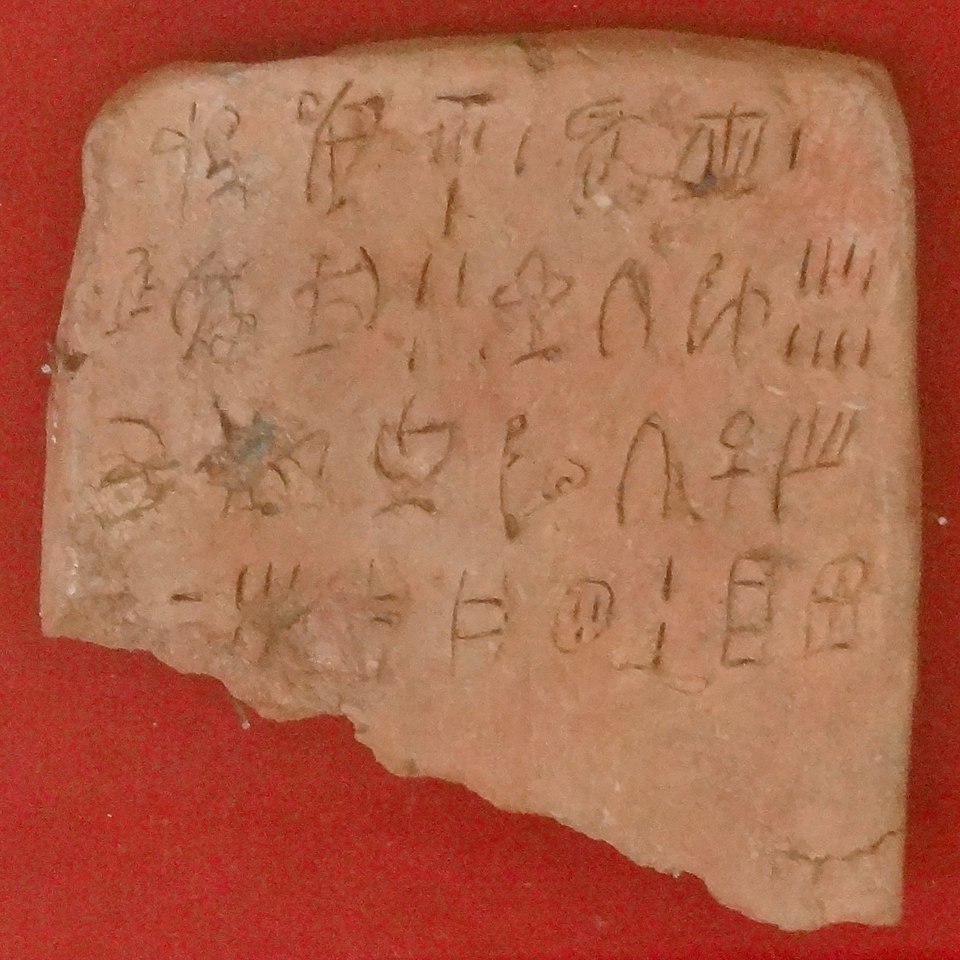
Minoan Crete left behind Linear A tablets and the ruins of palaces like Knossos – real evidence of an advanced Bronze Age civilization. But unlike its descendant script, Linear B, Linear A has resisted translation for decades despite serious scholarly effort.
That gap hides a lot. How the Minoans governed themselves, what their religious practices looked like, and how badly the massive volcanic eruption at Thera actually damaged their society are all questions locked behind an untranslated language. Later Mycenaean influence only adds more layers of confusion on top.
#12 – The Indus Valley’s Unbreakable Code
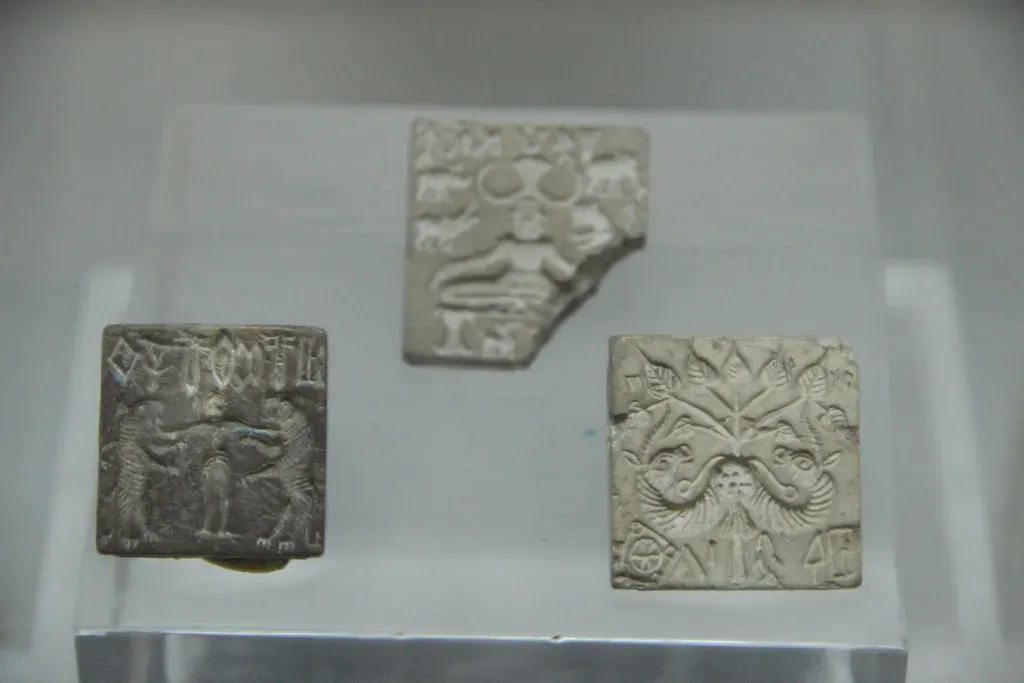
The Indus Valley Civilization built meticulously planned cities with drainage systems that wouldn’t be matched again for over a thousand years. Their small carved seals, featuring animals and symbols, look deliberate and structured – and remain completely undecoded.
Population estimates run into the millions, yet there’s a conspicuous absence of grand palaces or temples, which challenges every assumption about how this society organized power. Climate shifts likely played a role in its eventual decline, but without a readable script, researchers are essentially studying a civilization with the sound turned off.
At a Glance
- Researchers have identified over 400 distinct signs represented across known inscriptions in the Indus script.
- Most inscriptions are frustratingly brief – the average length of the inscriptions is around five signs.
- Decipherment is stuck partly because there is no known bilingual inscription to help decipher the script, unlike the Rosetta Stone for Egyptian hieroglyphs.
- Population estimates for the civilization at its height run about five million people.
- Writing faded alongside the cities themselves: by 1800 BCE, the Indus Valley Civilization saw the beginning of its decline and, right along with it, writing started to disappear.
#13 – The Nazca Lines’ Unanswered Why
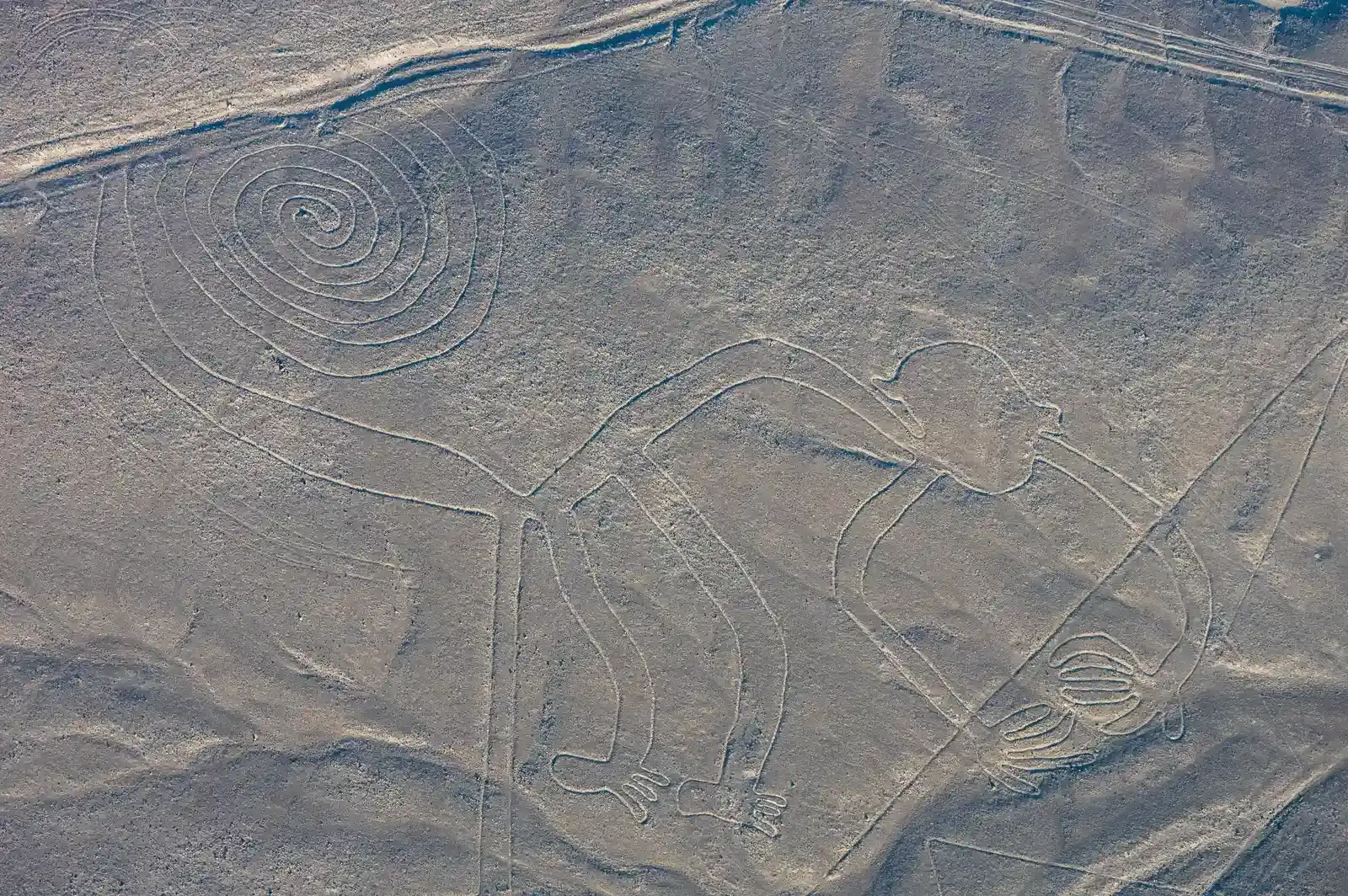
Across hundreds of square miles of Peruvian desert, the Nazca people etched enormous geoglyphs – animals, shapes, lines – visible in full only from the air. They had no aircraft. No modern surveying tools. Just an apparent ability to plan on a massive scale without ever seeing the finished picture themselves.
Theories range from astronomical calendars to sacred ritual pathways, and recent studies have linked some figures to underground water sources, which is a promising lead. But no explanation has been proven, and how they pulled off the construction with that level of precision remains just as mysterious as why they bothered in the first place.
#14 – Rapa Nui’s Statue-Moving Riddle
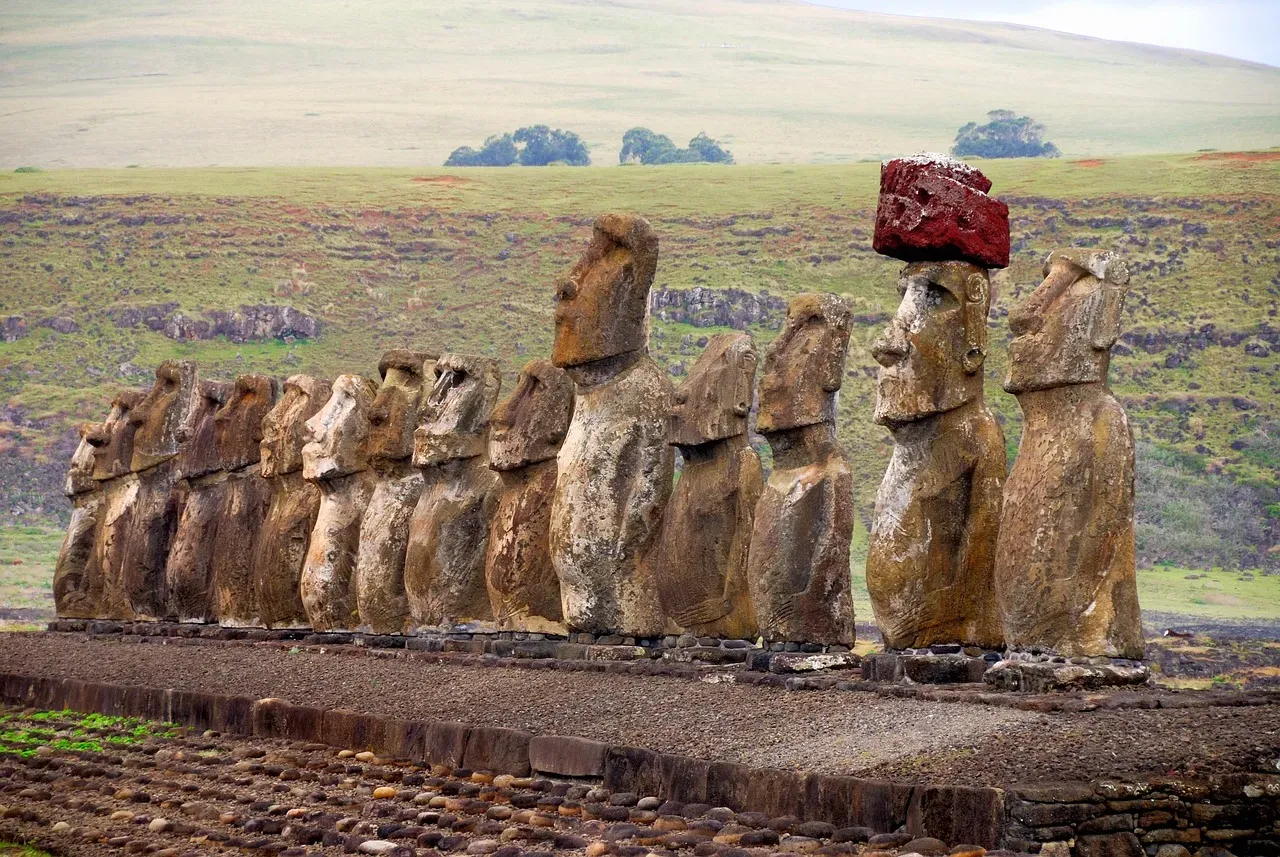
On a speck of land in the middle of the Pacific, the people of Rapa Nui carved and raised nearly 1,000 massive moai statues. How they moved multi-ton figures without wheels or large animals still defies full replication.
The old story blamed deforestation for a dramatic population crash, painting Rapa Nui as a cautionary tale of ecological self-destruction. Newer evidence complicates that narrative, and oral histories combined with genetic studies are now offering competing versions of what actually happened to this isolated society.
#15 – Göbekli Tepe’s Impossible Timeline
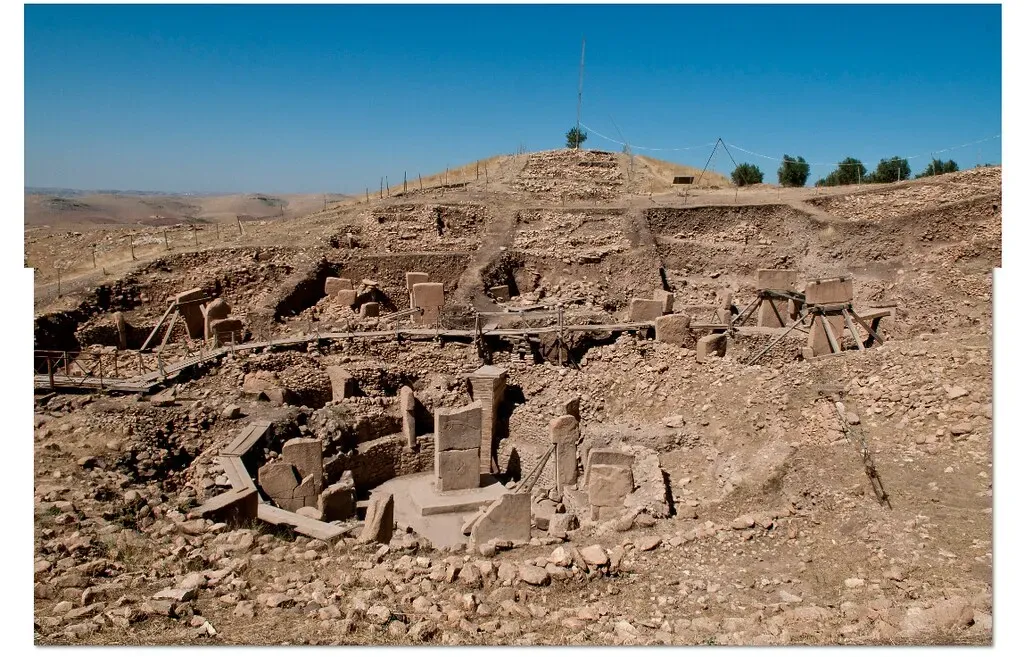
In southeastern Turkey, massive T-shaped stone pillars arranged in circles were carved roughly 12,000 years ago – predating agriculture, pottery, and even permanent villages as we understood them. This forces a full reevaluation of when complex society and organized religion actually began.
There’s no evidence of nearby homes, suggesting the site was used seasonally or purely for ritual gatherings rather than daily life. Archaeologist Klaus Schmidt, who led the excavation for years, summed up the site’s implications in a single, widely cited line.
First came the temple, then the city.
Klaus Schmidt
Who organized the labor to build it, and why later generations deliberately buried the entire complex, still puzzles every new excavation season.
#16 – Stonehenge’s Unclear Purpose
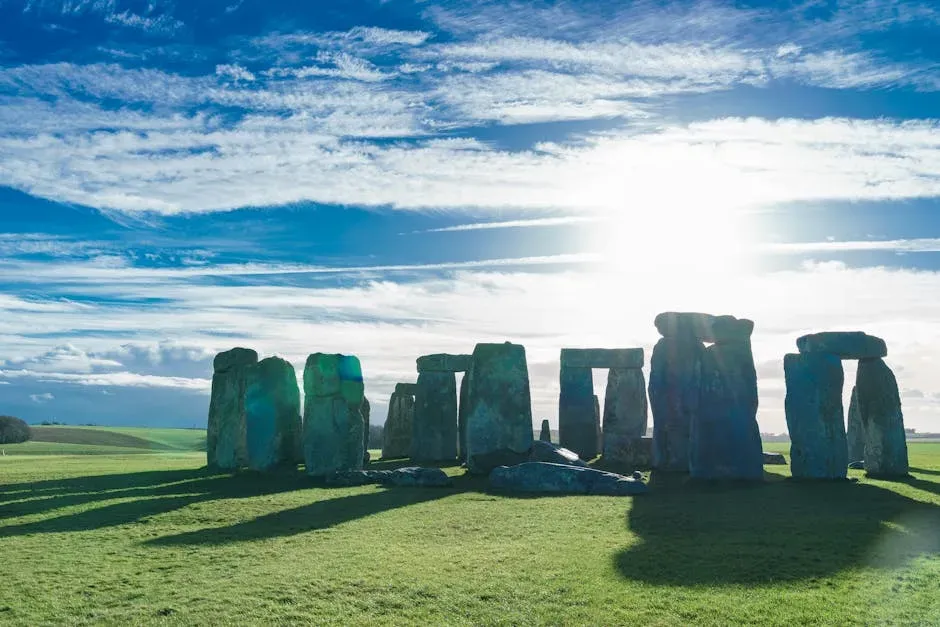
Neolithic Britons hauled bluestones from Wales – more than 140 miles away – to erect Stonehenge, and recent mapping has finally confirmed the likely route those stones traveled. What it hasn’t confirmed is why anyone thought it was worth the effort.
Multiple construction phases stretch across centuries, suggesting the site’s purpose may have shifted over time – burial ground, healing site, astronomical calendar, or some combination competing groups used differently as generations passed. The stones made the journey. The reason behind it never quite did.
Why It Stands Out
- The bluestones were sourced from the Preseli Hills (Mynydd Preseli) in west Wales, more than 140 miles (225km) away.
- Stonehenge is the only stone circle in Europe whose stones were quarried more than 20km away, making it very unusual.
- The massive sarsens are a different story entirely: the sarsen stones, which each weigh an average of 25 tons, are thought to have been brought to the site from Marlborough Downs, about 20 miles to the north.
- The whole project was a marathon, not a sprint – Stonehenge was built in five constructional stages over 1,500 years, beginning around 3000BC.
- Strangest of all, researchers found the bluestones possess “unusual acoustic properties”: when struck, they produce a “loud clanging noise”, which may explain why anyone bothered hauling them so far.
#17 – The Antikythera Mechanism’s Ghost Engineers
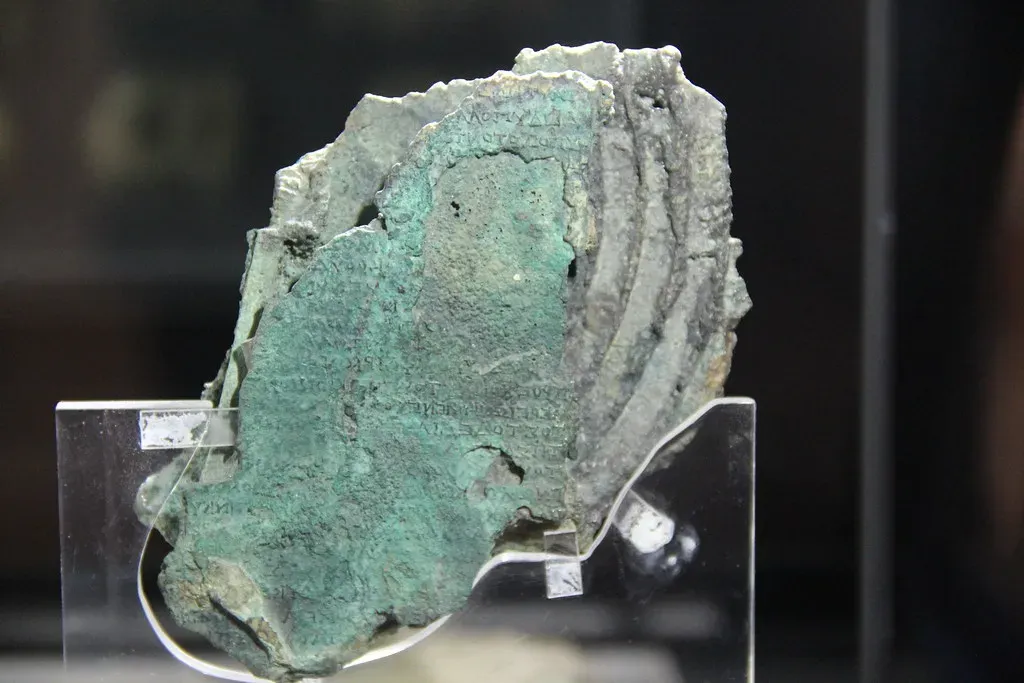
Pulled from a Greek shipwreck, the Antikythera mechanism is a geared device capable of tracking planetary motion with a precision that wouldn’t be matched again until 18th-century clockmaking. No other ancient civilization left behind comparable analog computers, raising uncomfortable questions about lost Hellenistic knowledge networks.
Scholars have reverse-engineered what the device actually did. What they can’t trace is the workshop that built it, the tradition of engineering that produced it, or why nothing like it appears again for over a thousand years. Related finds remain scarce – which leaves the people who actually built this thing as the single biggest unsolved mystery on this entire list.
The Bottom Line
Satellites, DNA sequencing, and AI-assisted translation were supposed to make ancient mysteries a thing of the past. Instead, the more tools researchers throw at these civilizations, the more the gaps stand out – untranslated scripts, engineering nobody can fully replicate, and collapses that don’t trace back to any single cause.
The pattern that stands out most isn’t invasion or disaster – it’s how often complex societies simply outgrew their own systems and had no way back. That’s a far less comfortable story than the textbook version, and honestly, it’s the more interesting one. Anyone who assumes we’ll crack every one of these codes soon hasn’t been paying attention to how stubborn the past actually is.